

Written by Natalie Aldridge.
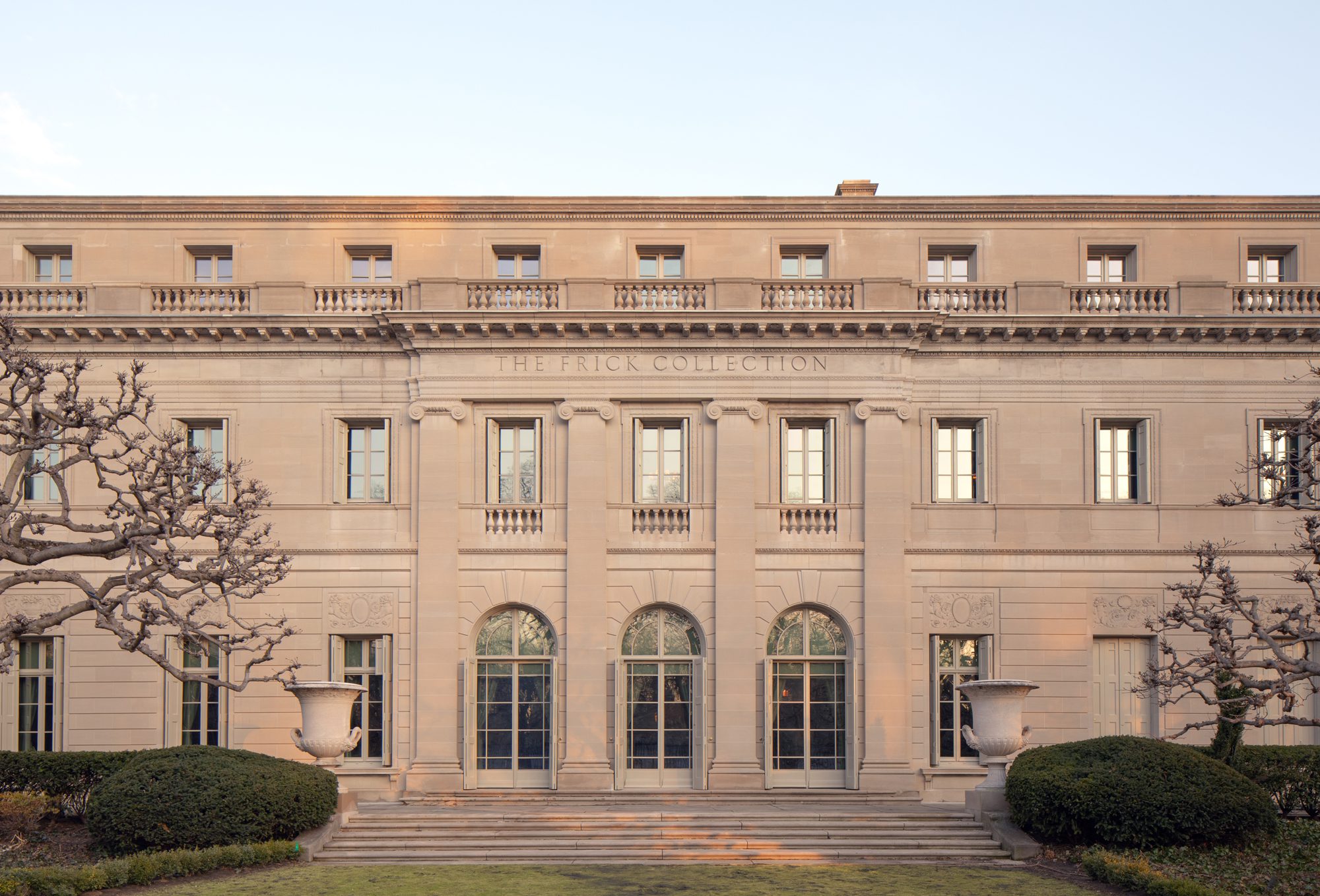
After a three-year sabbatical in Marcel Breuer’s Brutalist jewel on Madison Avenue, The Frick Collection has triumphantly returned to its Gilded Age mansion on East 70th Street. And what a homecoming it is. On April 17th, the museum reopened its storied Fifth Avenue doors following a sweeping restoration, and we could hardly wait to step inside. Today, we’re giving you an exclusive first look at the Frick’s breathtaking revival.
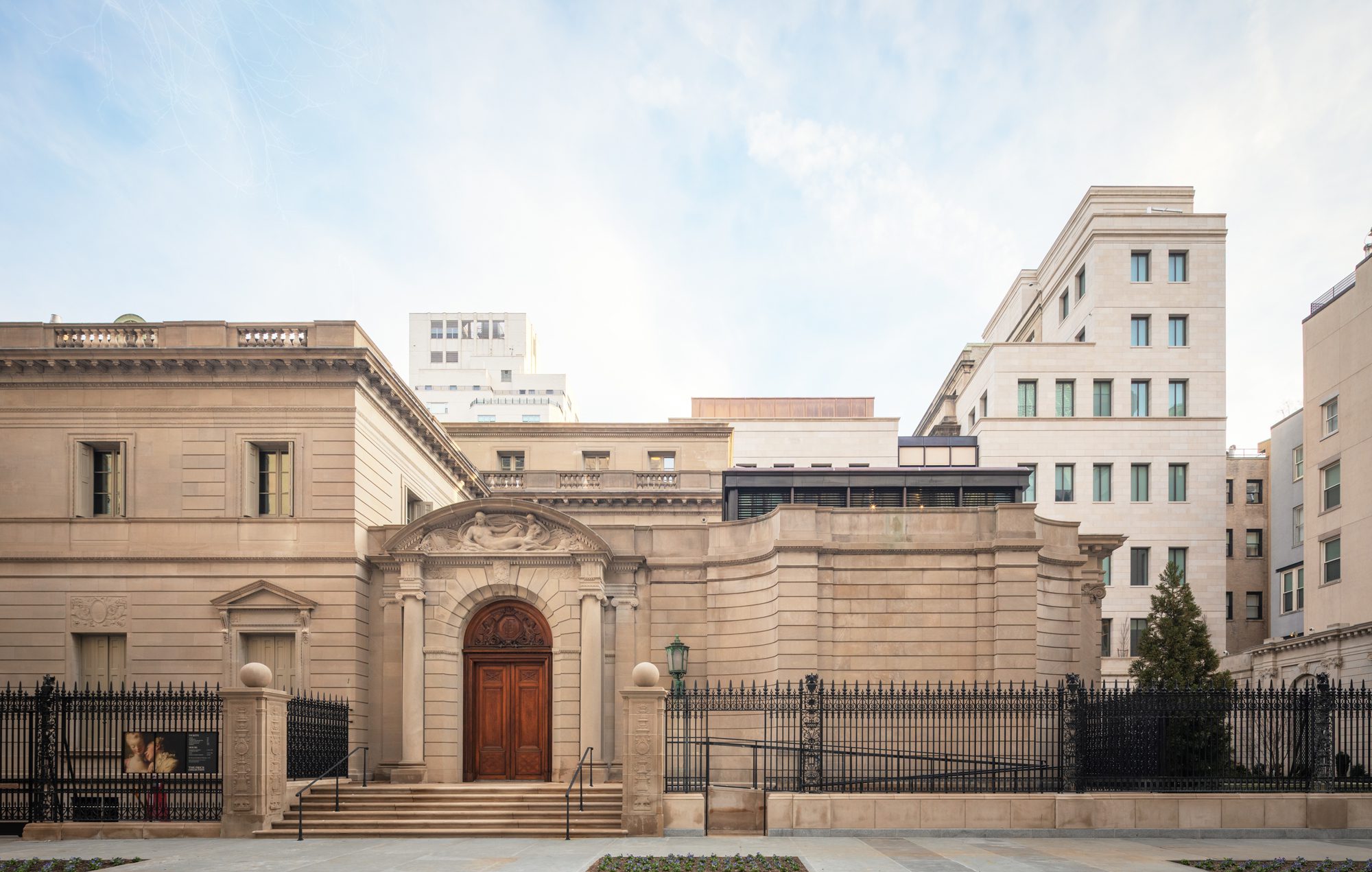
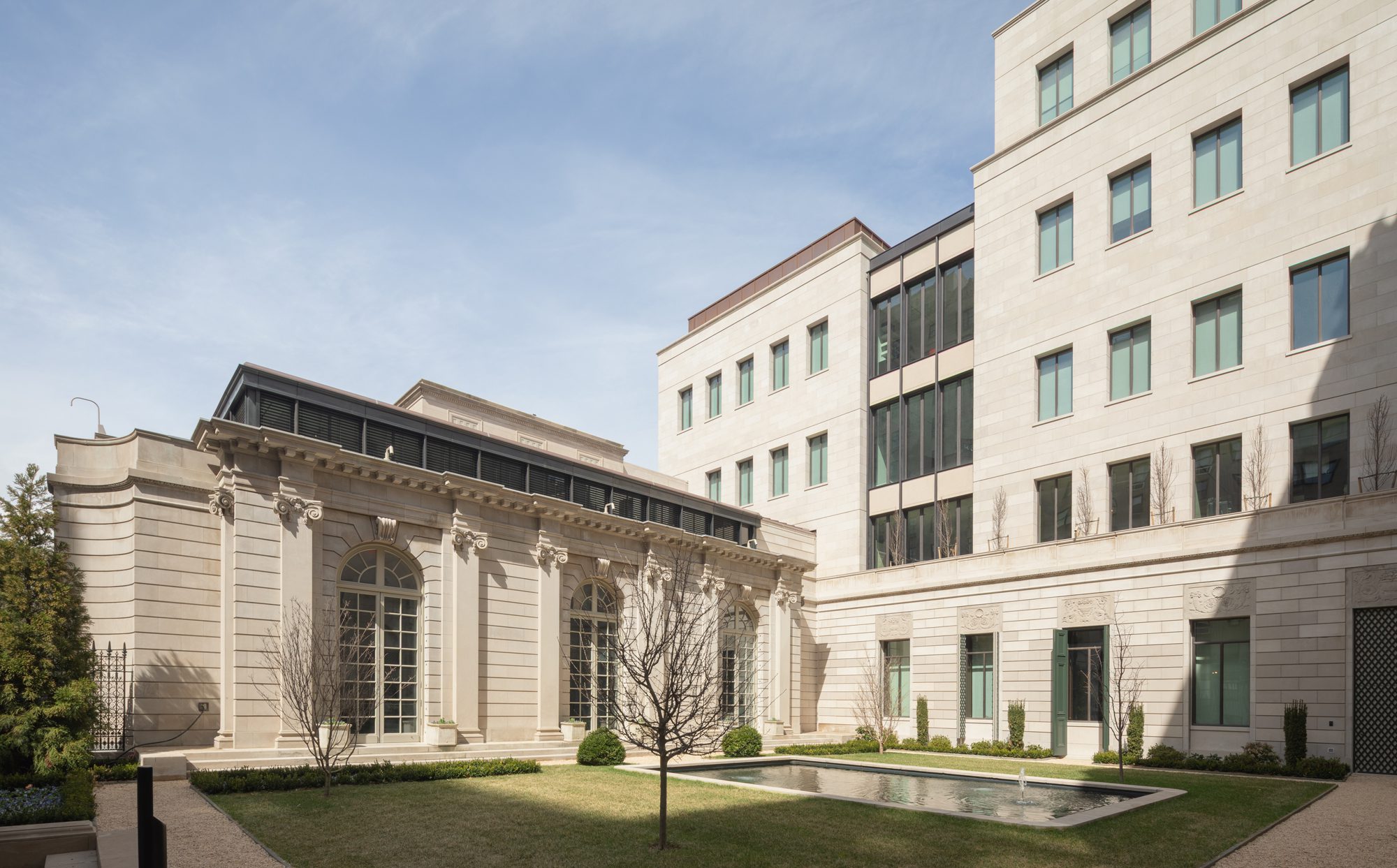
The $330 million renovation, helmed by Selldorf Architects with Beyer Blinder Belle as executive architect, is the first comprehensive upgrade to the museum since its debut as a public institution in 1935. But make no mistake, this isn’t a tale of dramatic reinvention. It’s a story of thoughtful renewal and historic preservation.
Originally built in 1914 for steel magnate Henry Clay Frick, the Beaux-Arts mansion has always blurred the line between private home and public museum. Frick intended it as both: a palatial residence filled with Gainsboroughs, Vermeers, and Bellinis, and a future cultural gift to the city. Since opening to the public in 1935, it has become a rarefied refuge for New Yorkers.
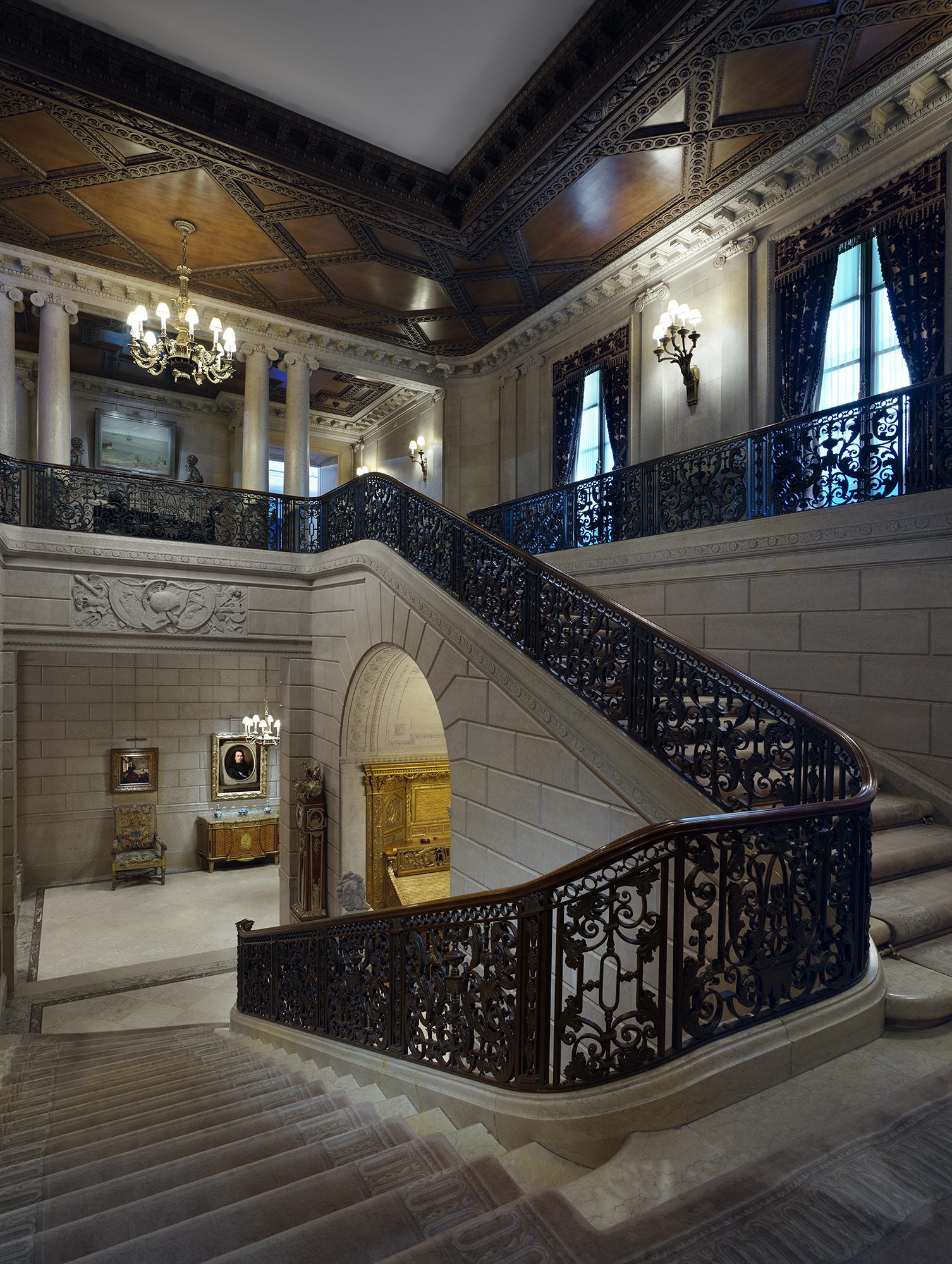
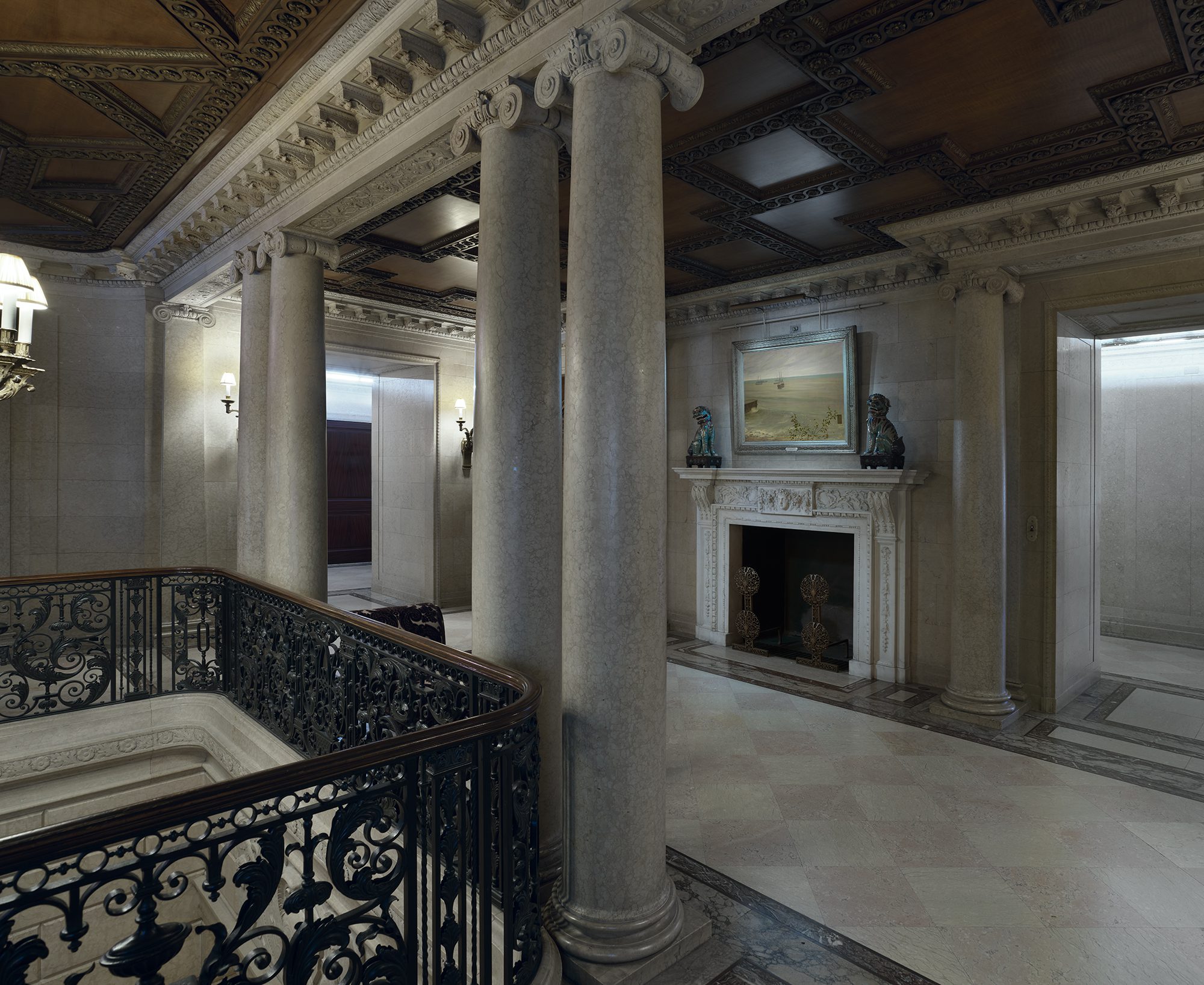
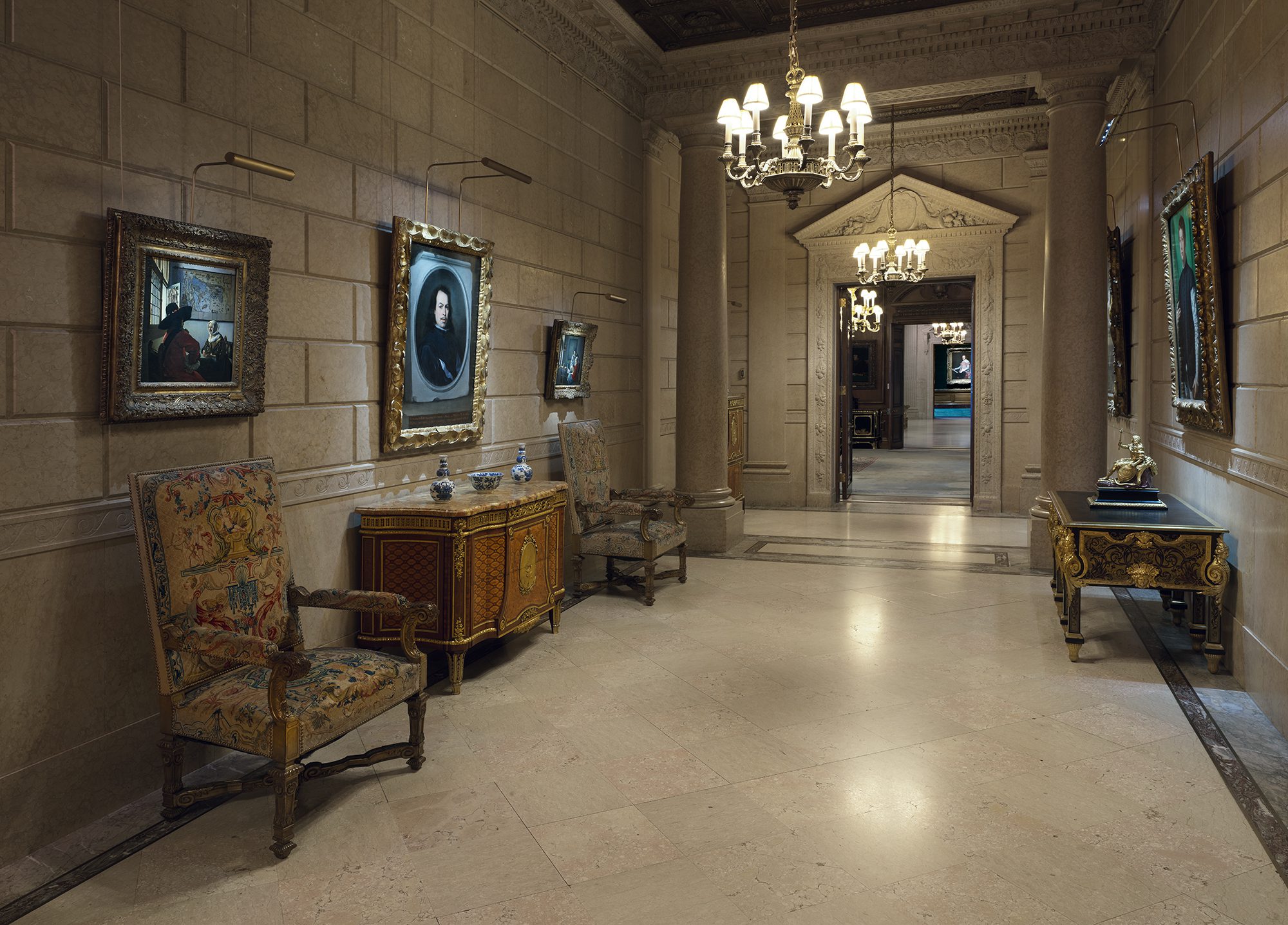
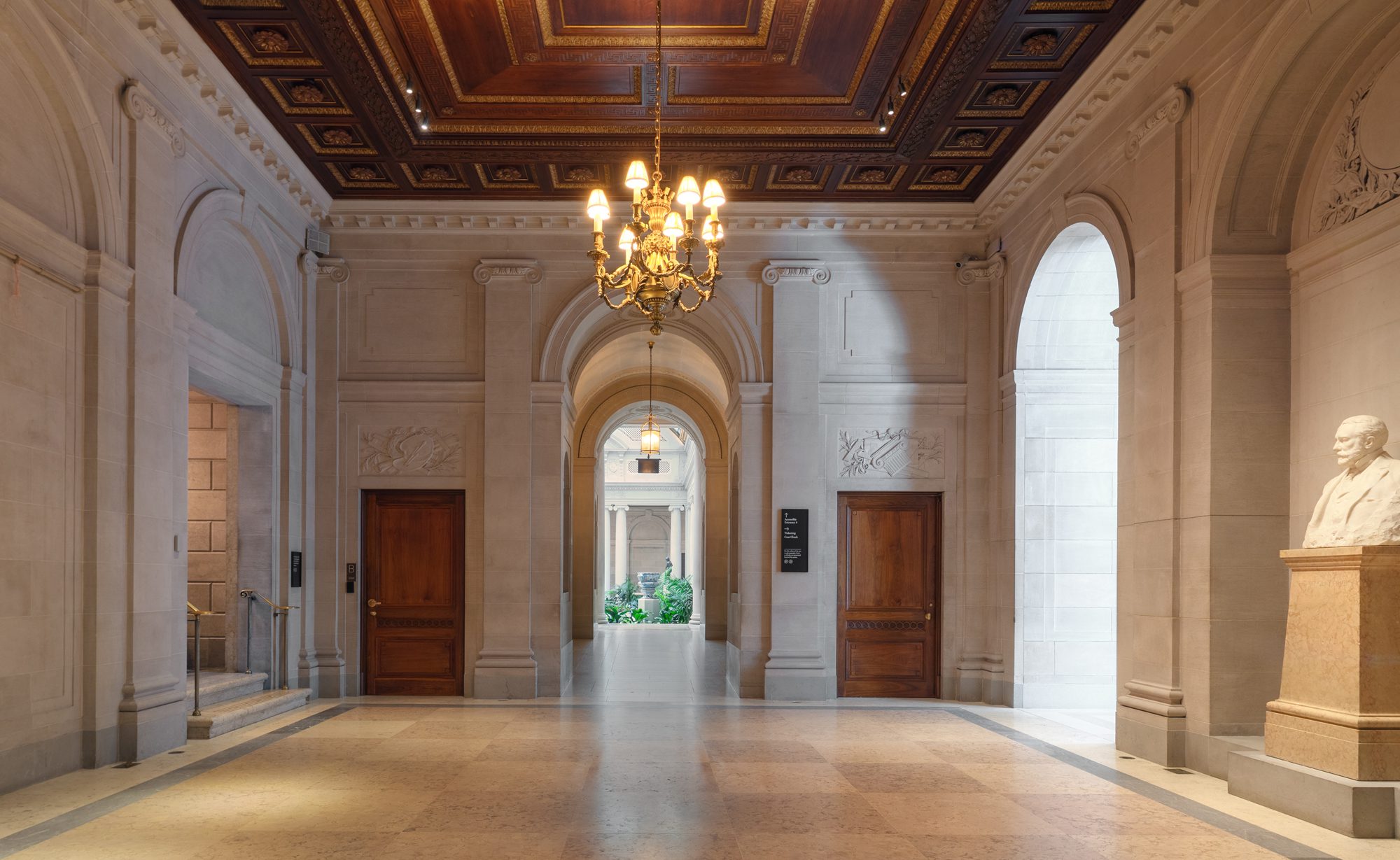
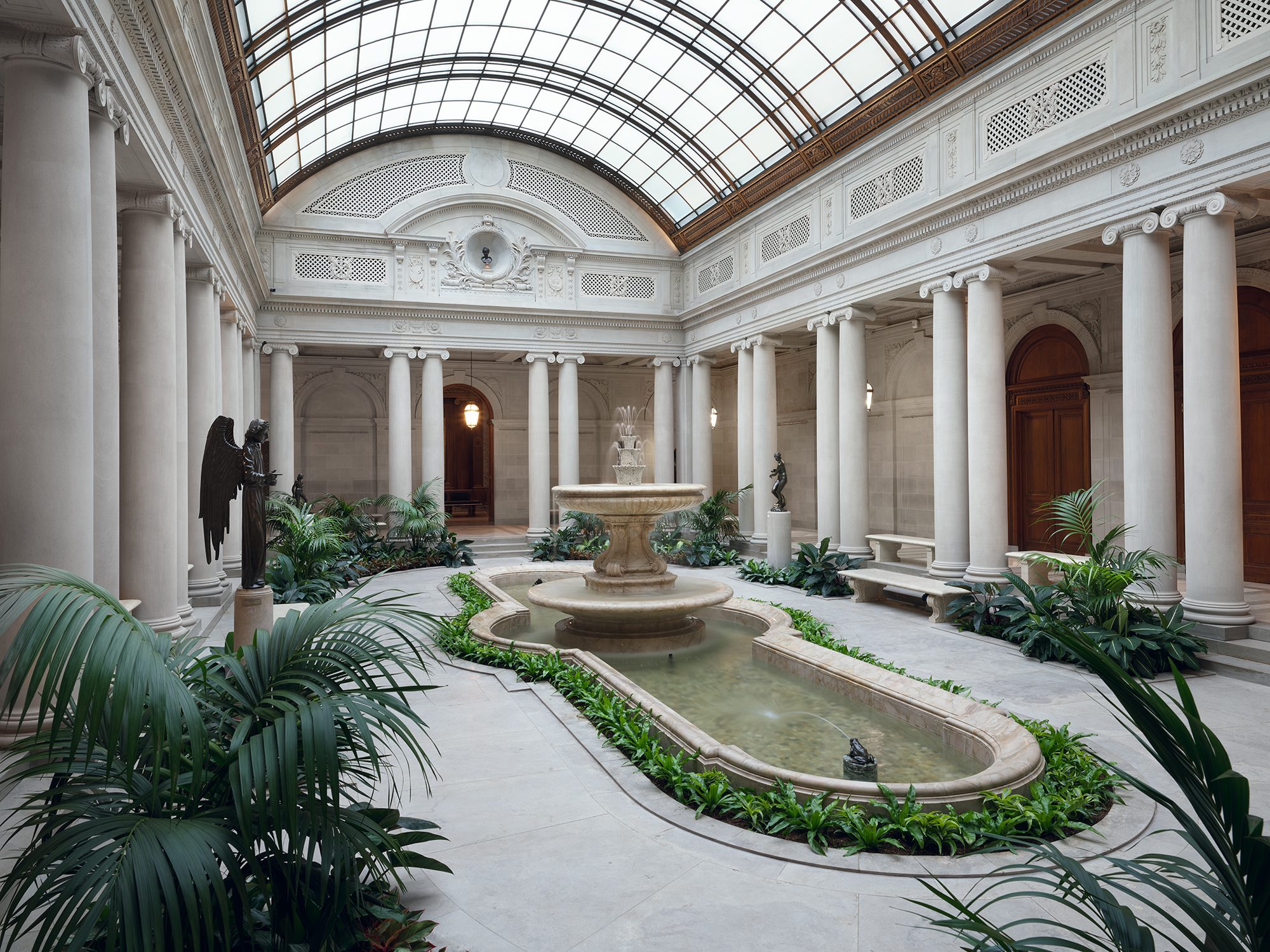
Step inside, and the familiar grandeur of the museum comes flooding back. The Garden Court still hums with its fountain, now under a fresh canopy of daylight. The halls that have seen many a glamorous ball have returned in all their hushed splendor. Each detail is precisely as remembered, yet somehow more alive.
But upstairs is where the real surprise awaits. For the first time in its nearly century-long history, the Frick has opened the second floor of the mansion to the public. Once the family’s private quarters, these ten new galleries now brim with decorative arts, portrait medals, Meissen porcelain, and more. Each room has been exquisitely restored with a reverence for its original splendor. The elaborate woodwork, marble fireplaces, and ceiling murals have been brought gently back to life.

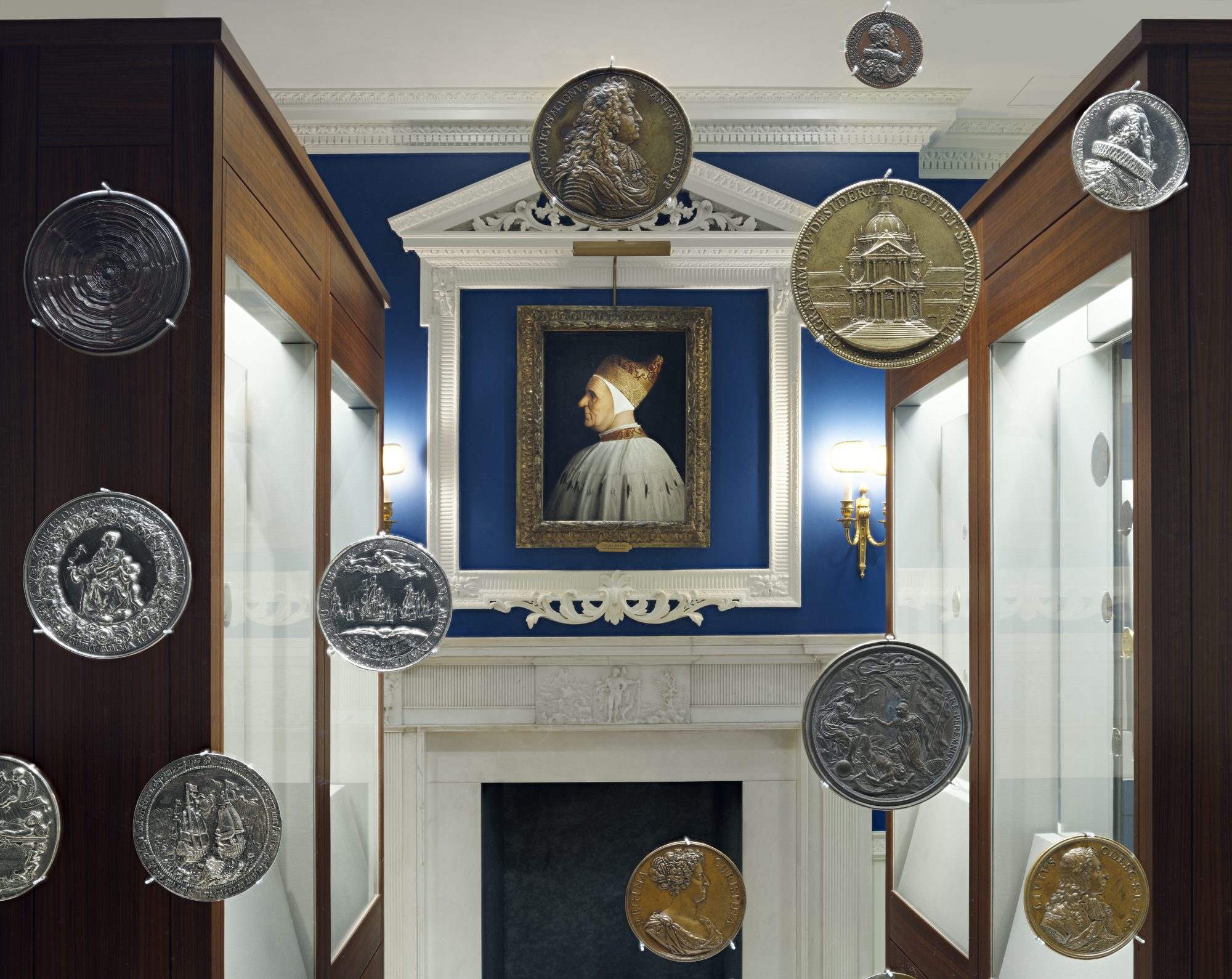
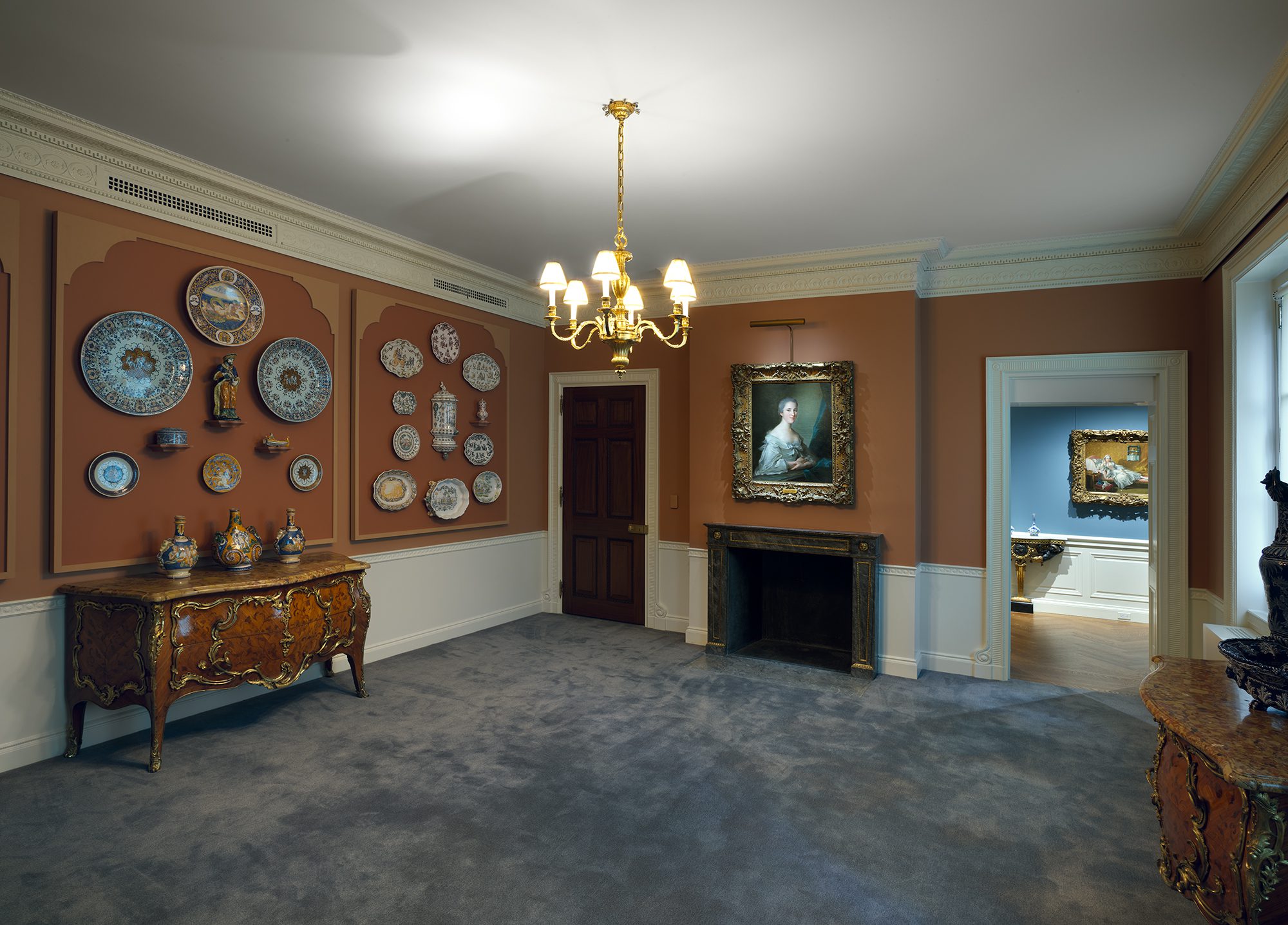
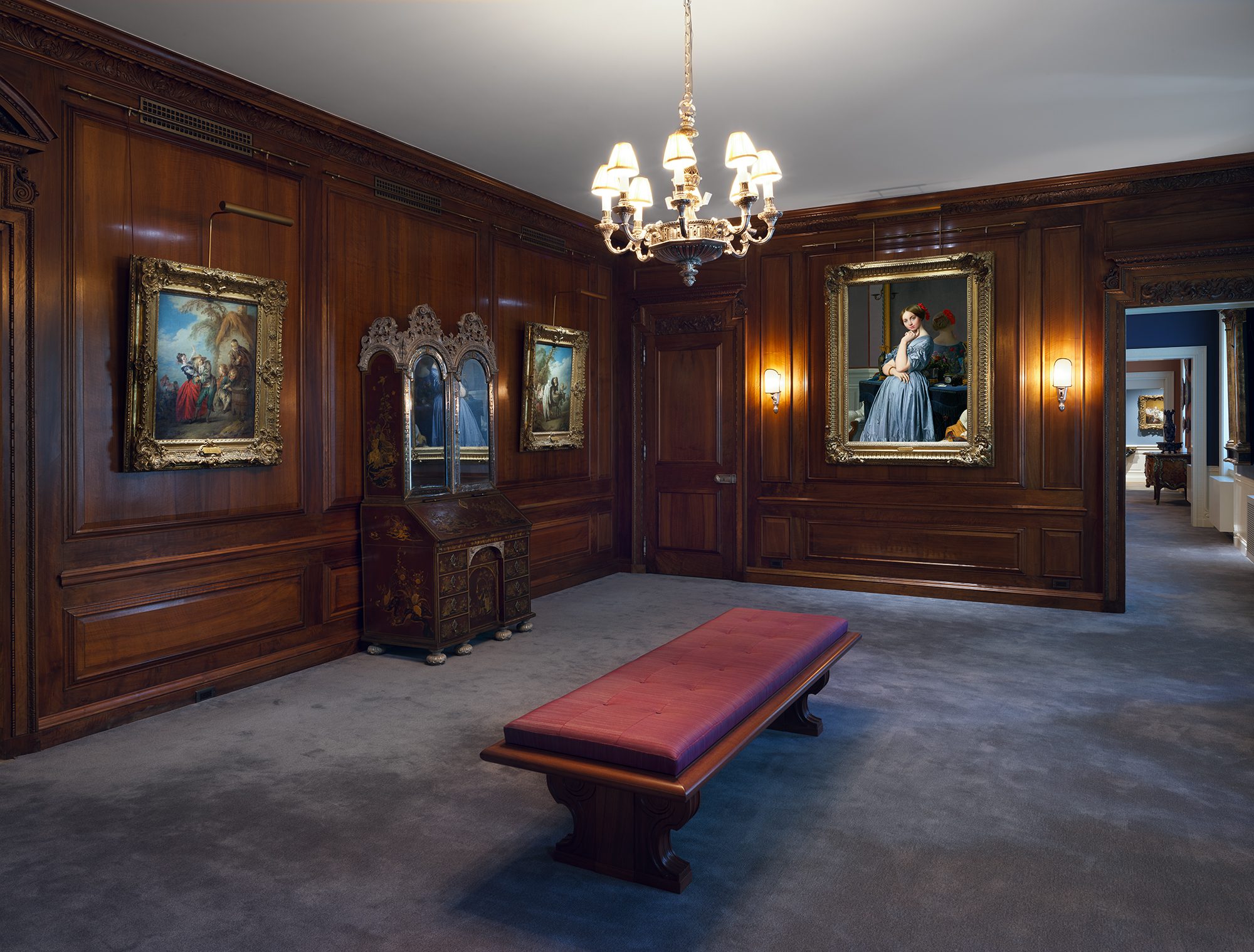
Adelaide Frick’s sitting room now houses the beloved Boucher Room. Henry Clay’s bedroom is filled with portraiture, his favored genre. Helen Clay Frick’s room sparkles with Renaissance gold-ground panels, a tribute to her role in shaping the collection. These upstairs rooms bring the museum closer to its domestic origins while offering new ways to enjoy the art.
The first-floor galleries remain as elegant as ever. The Oval Room, the Fragonard Room, and the Living Hall have all been restored with an artisan’s hand. Silk wall coverings have been recreated by the same textile houses that supplied the Frick family over a century ago. Bronze fixtures gleam once more, wood carvings have been treated, and lighting has been improved to let each masterwork shine in its best light.

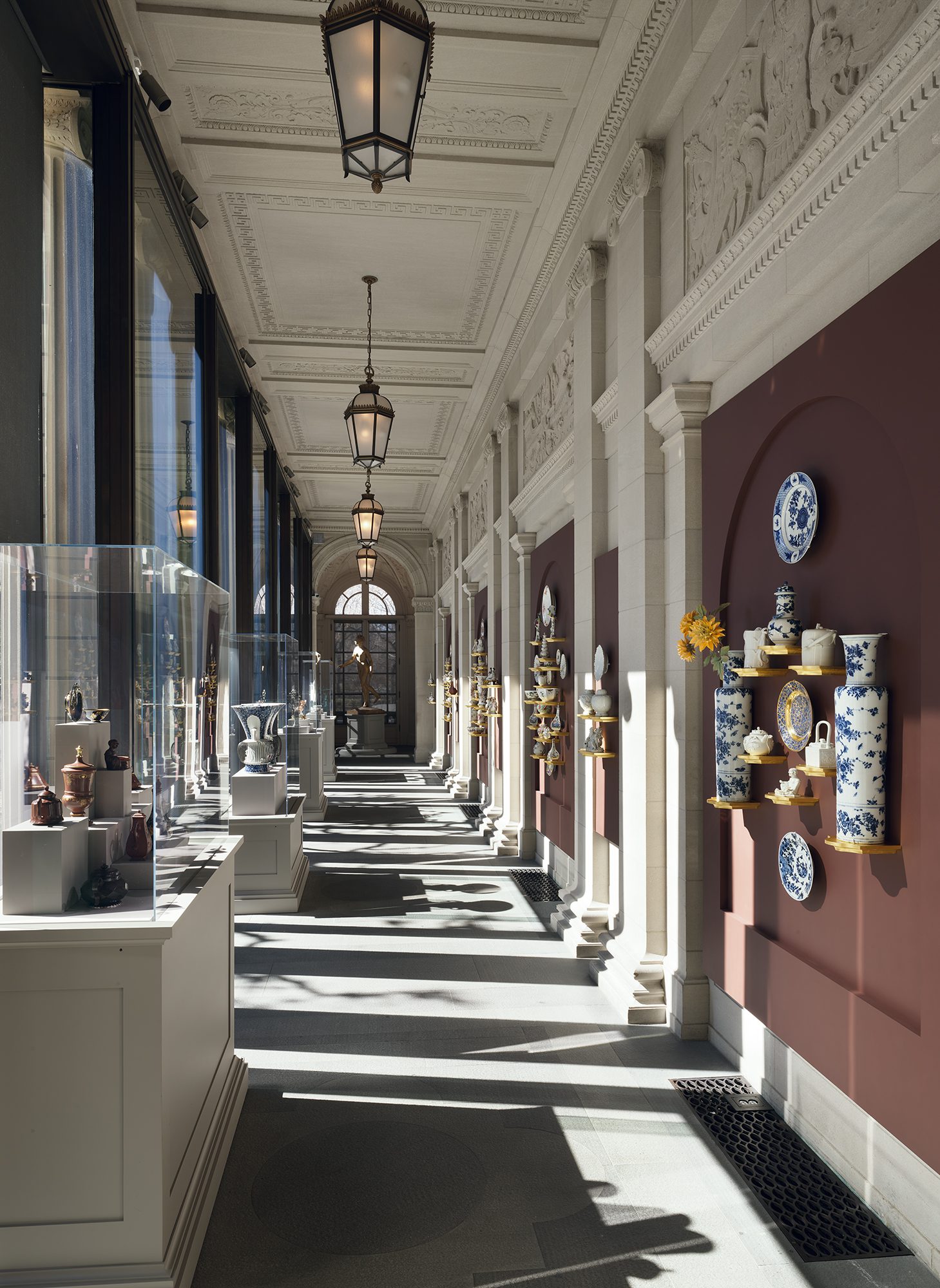

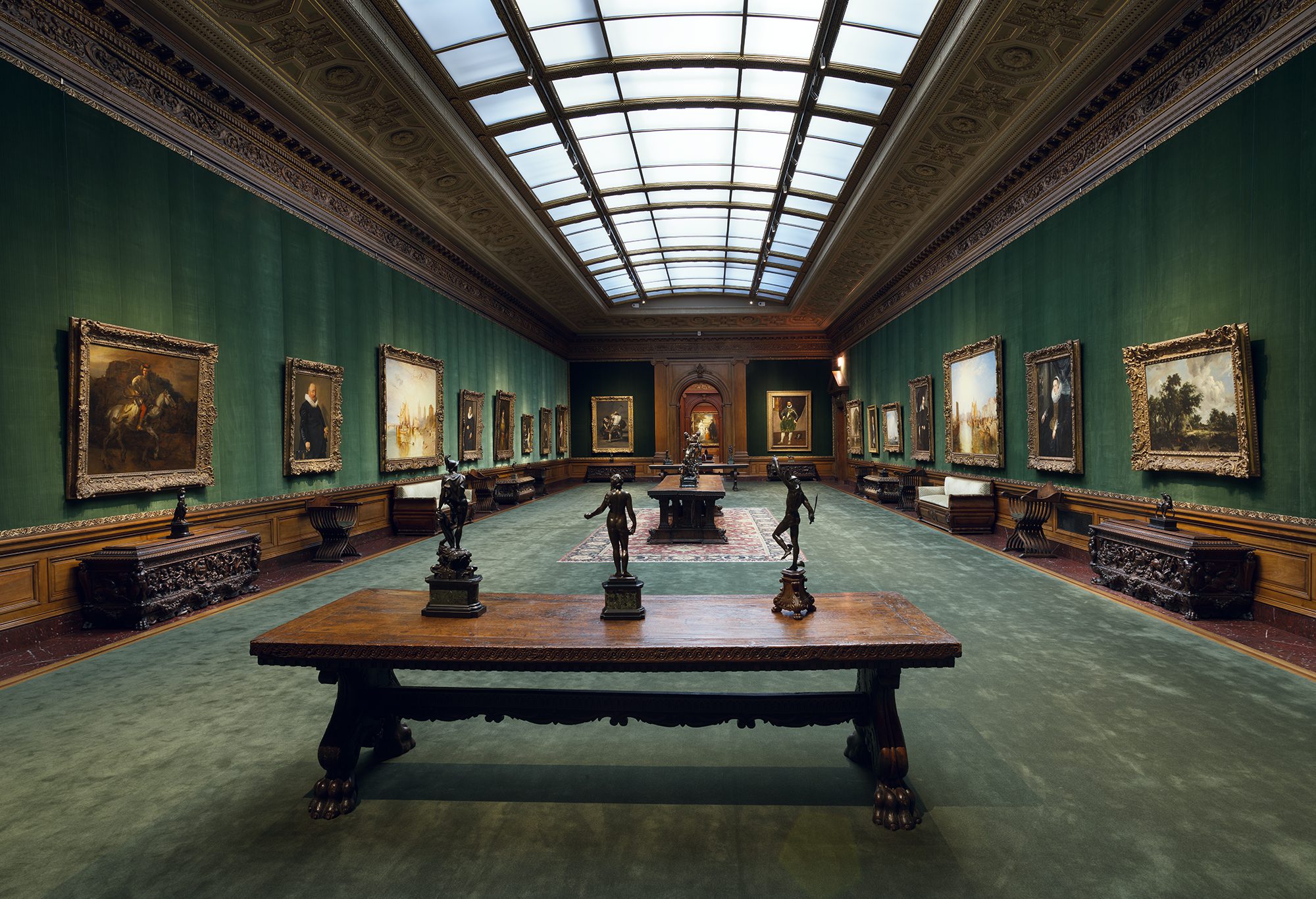
A new café, a beautifully restored Russell Page garden, and updated circulation paths make the museum more usable without ever compromising its grace. Even the lampshades were hand-stitched. It’s that kind of restoration.
To mark the reopening, the Frick has planned a season of thoughtful programming. Sculptor Vladimir Kanevsky was commissioned to create delicate porcelain florals, placed throughout the galleries in homage to the fresh blooms that once graced the museum at its original opening in 1935. A spring music festival will inaugurate the new 218-seat Stephen A. Schwarzman Auditorium, and in June, the museum’s first-floor exhibition galleries will debut with Vermeer’s Love Letters, a trio of paintings united for the first time to explore the Dutch master’s fascination with correspondence and intimacy.
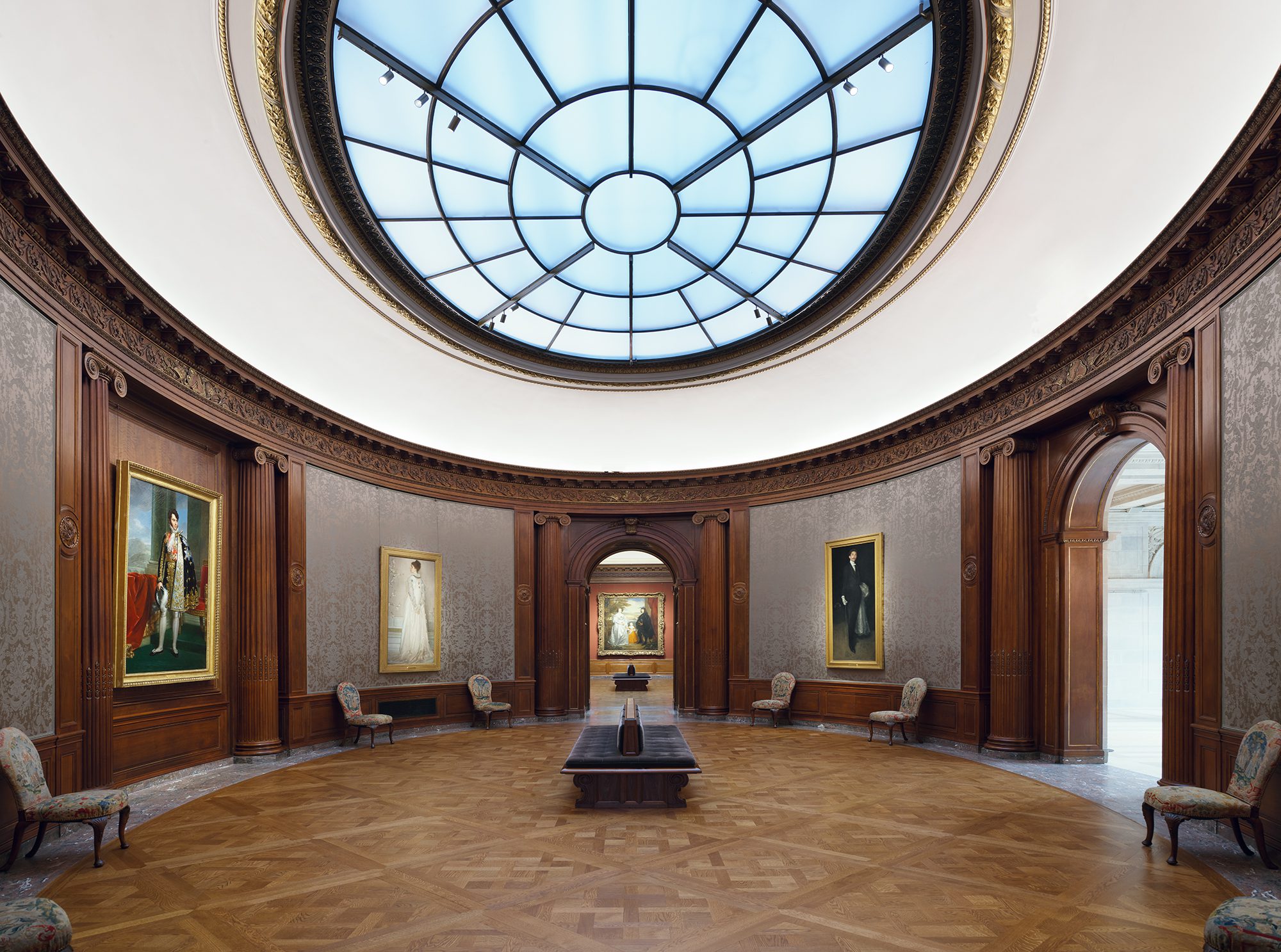
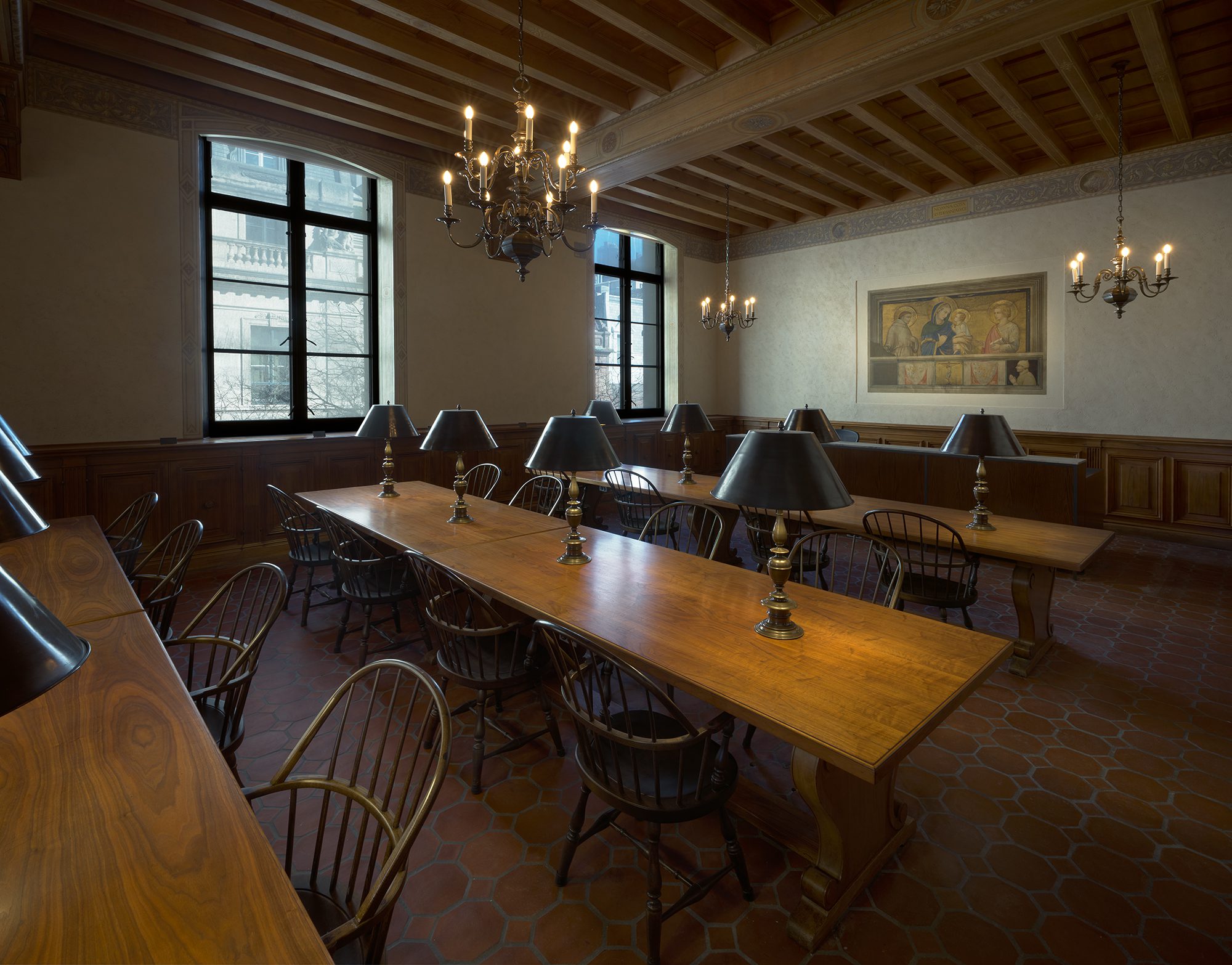

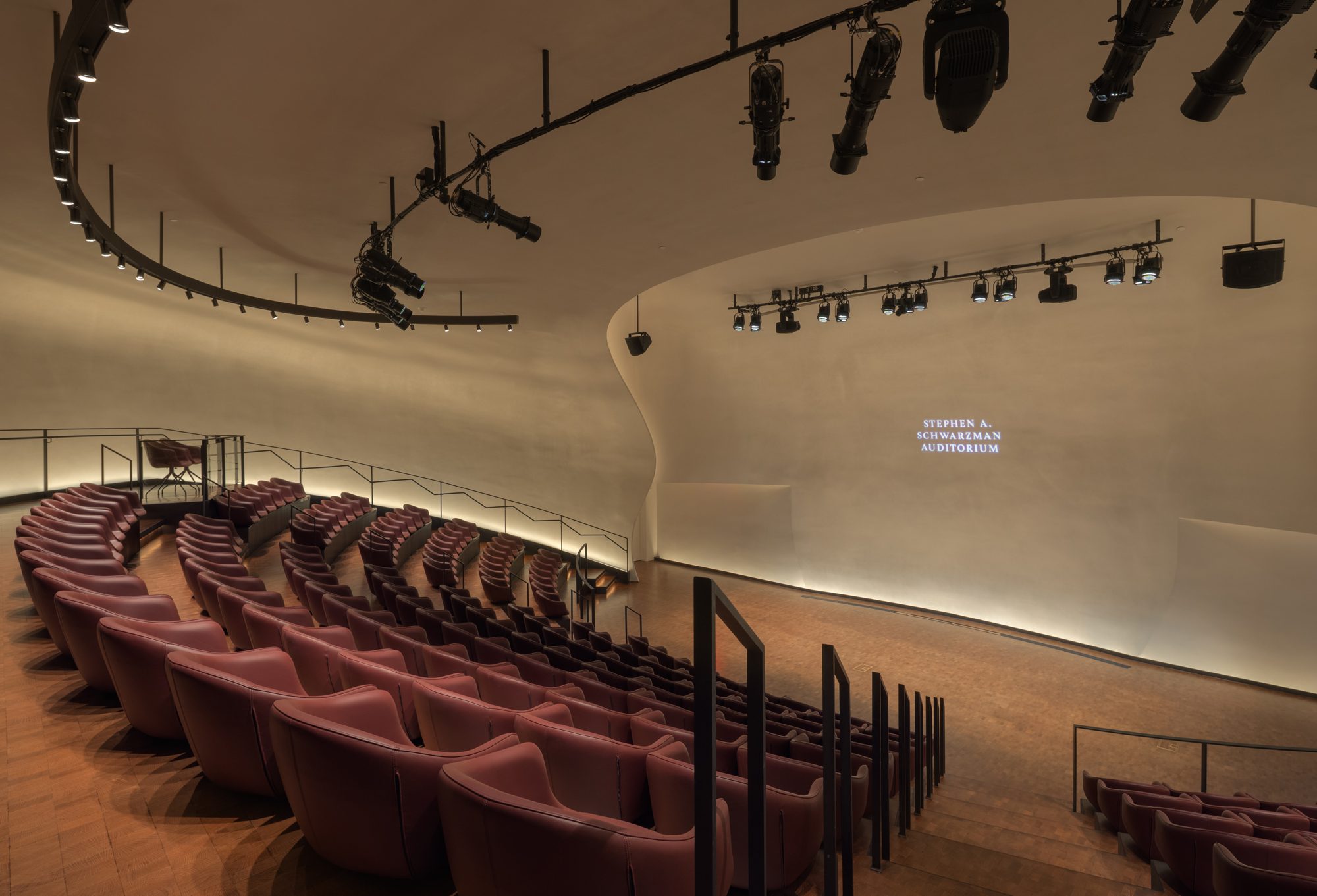
There are bigger museums, splashier exhibitions, and louder headlines, but none quite like the Frick. It remains a place where beauty whispers, not shouts. Where you can stand alone with a Vermeer or linger under a palm in the Garden Court and feel time like you have stepped back in time. Where elegance and scholarship are given equal weight, and every detail from the silk tassel to the parquet floor has a story to tell.
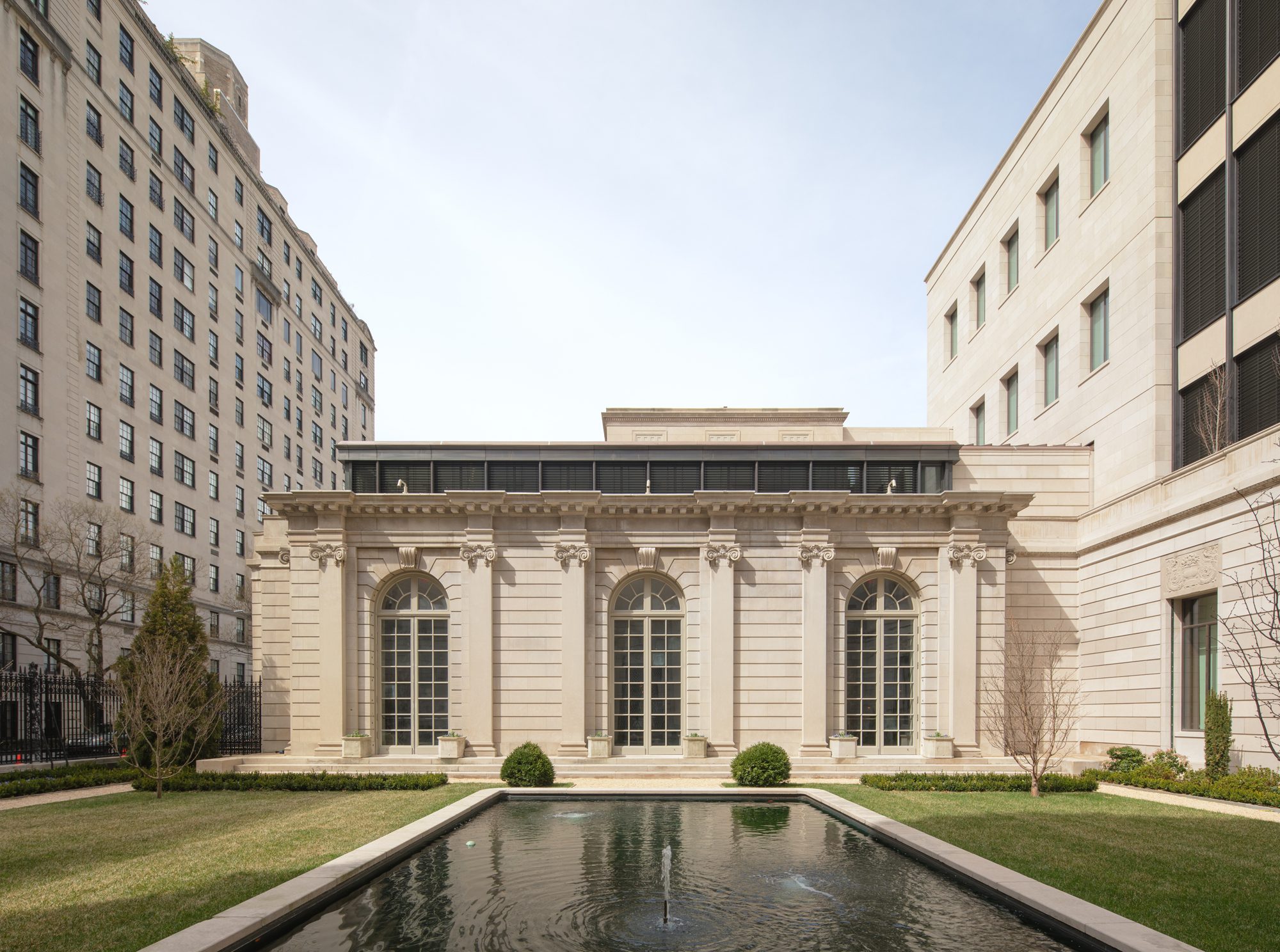
In its restoration, the Frick hasn’t reinvented itself. It has simply reaffirmed everything we loved about it. The Frick is back!
For more information and tickets, visit The Frick Collection online here.
x Natalie