
This fall, The Glam Pad began a new series dedicated to the endangered art form of putting pen to paper. While we have focused heavily on The Art of Correspondence over the years, today we dive into the practice of analog journaling. From diaries to commonplace journals to junk journals, we will explore myriad benefits of these “old fashioned” traditions and glimpse into how they are being dusted off and refreshed by younger generations.
Journaling in the form of expressive writing and gratitude journaling has proven health benefits such as reducing anxiety and depression, stress management regulating emotions, lowered blood pressure, and mood improvement (source). Furthermore, a recent study in Frontiers in Psychology suggests handwriting may be irreplaceable when it comes to learning. Researchers found that writing by hand activates far more extensive and interconnected brain networks compared to typing, particularly in regions linked to memory and sensory processing. These findings provide new evidence that handwriting engages the brain in unique ways, raising concerns about the growing reliance on digital tools.
One journaling practice that has recently captivated our attention is the commonplace journal, which has an intriguing and centuries-old history.
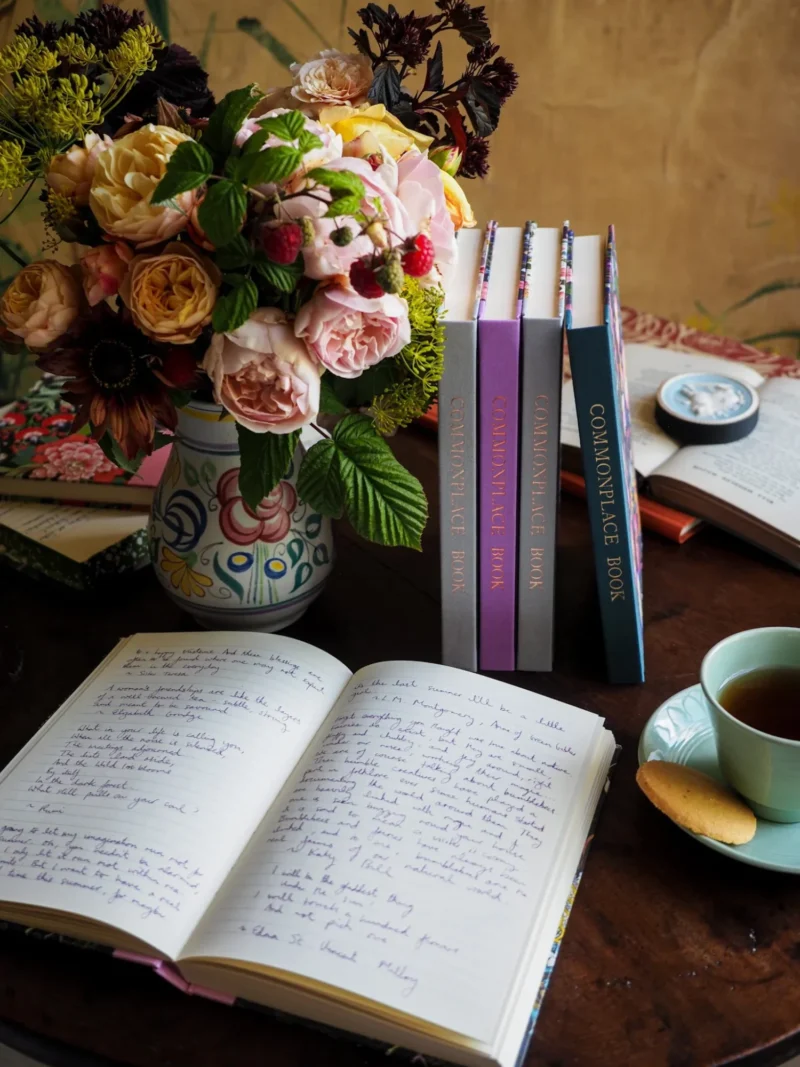
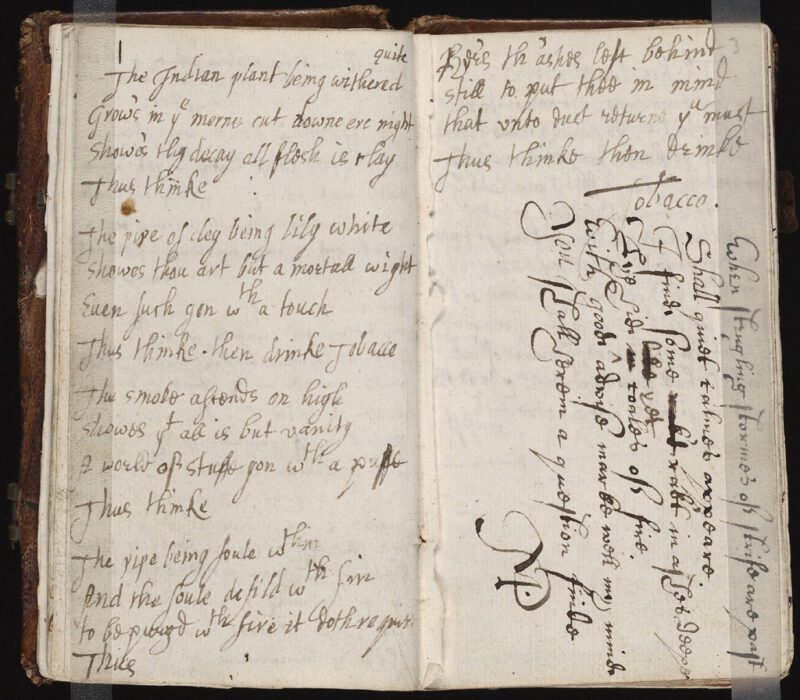
Historically, commonplace books have been types of journals used for collecting and organizing interesting or useful information such as favorite passages from books or poetry, quotes, anecdotes, extracts from letters, lists, recipes, prayers, scripture, and lyrics. The commonplace journal is experiencing a resurgence in popularity as a way to build knowledge and foster creativity.
This practice, favored by many great thinkers over the centuries including John Locke, Thomas Jefferson, Virginia Woolf, John Milton, George Eliot, Lewis Carroll, Ralph Waldo Emerson and Henry David Thoreau is seeing a modern revival due to its ability to help individuals synthesize information and enhance creativity, particularly as the harmful effects of technology continue to be revealed.
A commonplace journal, or commonplace book, is a structured way to collect and organize information, ideas, and insights from various sources, acting as a personal encyclopedia or scrapbook of sorts. It’s not a diary or traditional journal where you record your own thoughts and feelings, but rather a place to store things that inspire, inform, or intrigue you, allowing for later reference and reflection. Commonplace journals are traditionally handwritten and may include drawings and clippings from outside sources.
I began my own commonplace journal in January as I chose Romans 12:2 as my scripture of the year and have been compiling Biblical and psychology-based data on the renewal of the mind and personal transformation.
Additional tips and inspiration, including suggestions on how to organize content can be found in the video below…
An excellent source of inspiration if you are looking to start “commonplacing” is The Country Commonplace Book by Miranda Mills, just released last month. In this book, Mills provides a beautifully curated example of how to connect deeper with yourself and your creativity along with tips on how to create your own personalized commonplace book. Commonplacing has seen a recent revival and can now be seen more as a highly personal anthology, Mills explains, a joyful place where the keeper can develop a deeper sense of self by selecting fragments of language that feel meaningful and reflect their tastes, beliefs, and values. The Country Commonplace Book is divided into seasons with selections of quotations, reading lists, recipes, reflections, and much, much more.
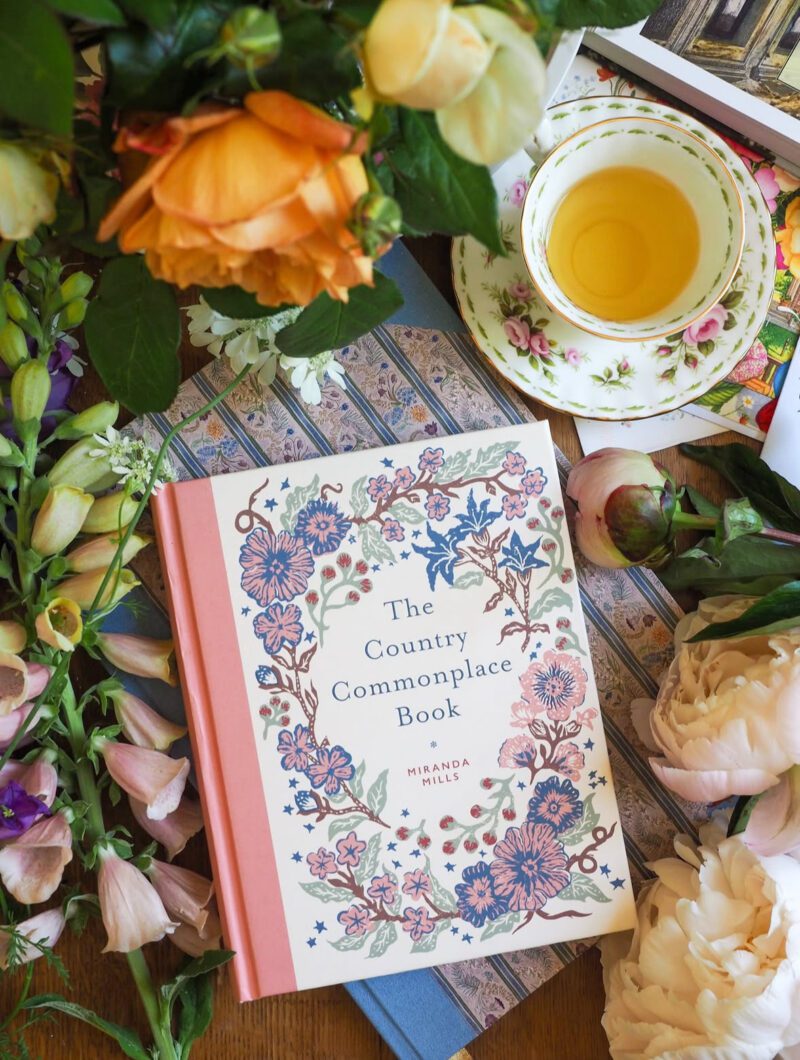
“In a world saturated with fleeting digital content, I find that keeping a physical commonplace book provides a calming escape,” says Mills. “My commonplace book acts as a space that holds words and ideas that matter to me; it’s a notebook I love to return to again and again.”
Additional inspiration can be found through Miranda Mills’ website, Miranda’s Notebook, along with her Substack, Instagram, and YouTube.
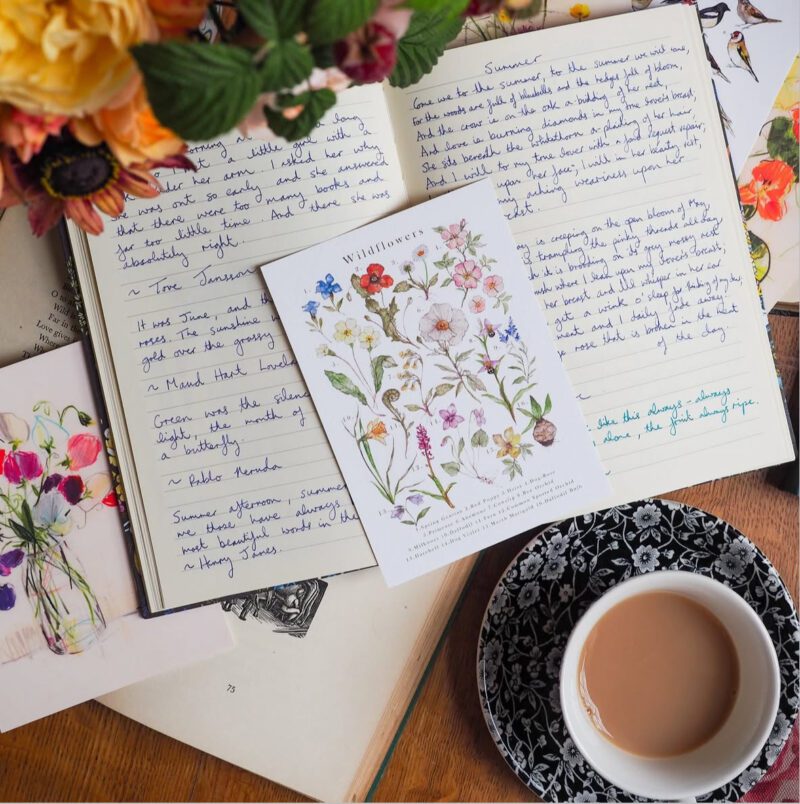
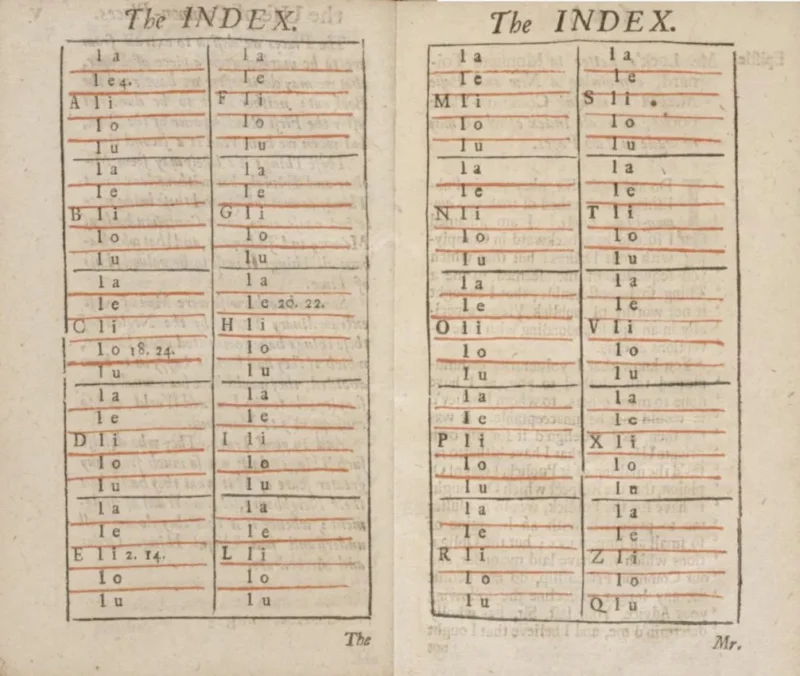
In closing, for a lovely overview on the history of commonplace journaling, how to start, and helpful techniques, including a variation on the John Locke method for common place books, we also recommend this informative video by YouTuber Ruby Granger…
We would love to know, what are your thoughts on the commonplace journal? Do you have one? Are you inspired to start one?
Below, please find some suggestions on beautiful journals to help inspire you to put pen to paper! And stay tuned as next we will explore the creative and romantic world of junk journaling.

To enjoy The Glam Pad’s Letter Writing Series, please click the articles below, and stay tuned as we will soon continue the discussion with our thoughts on the practice of journaling!
- The Art of Correspondence
- The Resurgence of Stationery
- The History of Calling Cards
- Tips for Using Stationery in a Digital World
- Letter Writing and The Changing Face of Stamp Collecting
- The Art of Cursive and How to Improve
- Custom Monograms: The Ultimate in Personal Branding
- Pretty in Ink with Beth Hunt Designs


Just ordered a book to use as my common place book. Can’t wait to get started!
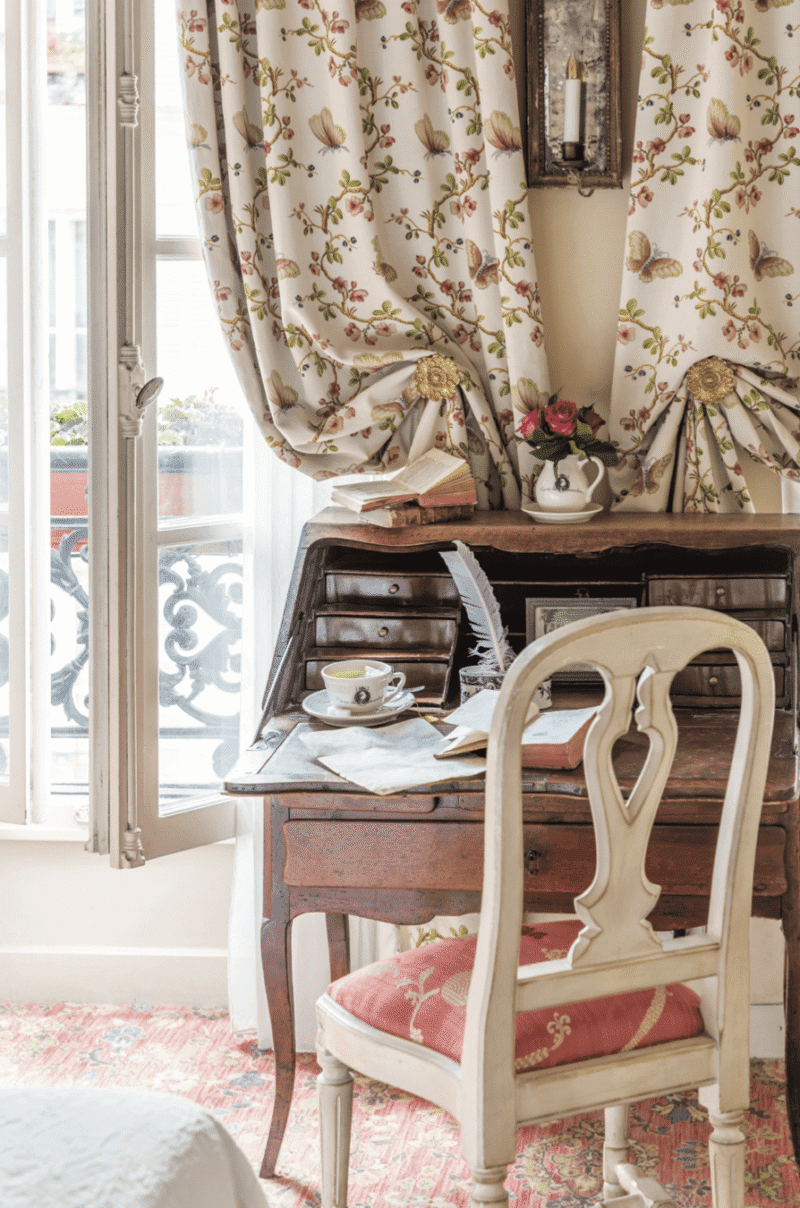
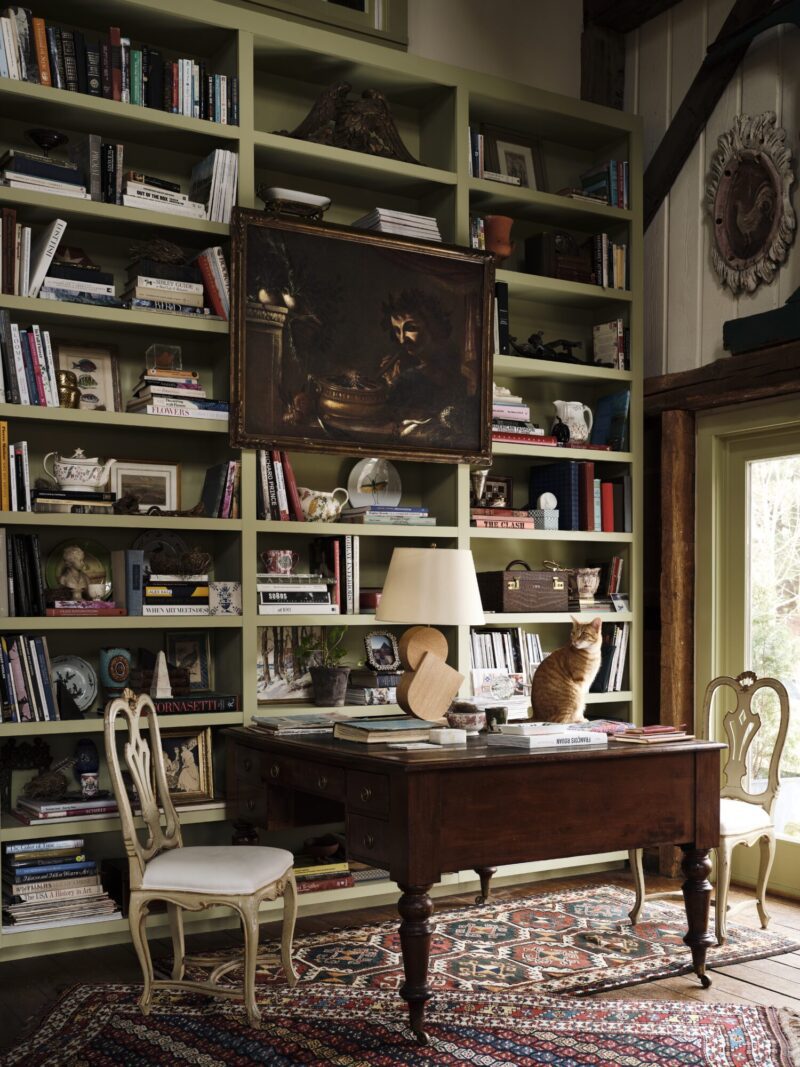
The first image is from Caron de Beaumarchais in Paris in the Marais. Truly beautiful, small boutique hotel and wonderful owner. My husband and I have stayed there many times.