


Love it or hate it, technology is constantly changing the way we live, often blurring the lines between fact and fantasy. A quick scroll through Instagram whisks you away to a fairytale world where puppies never have accidents, red wine is never spilt on pristine furnishings, and couture-clad Influencers while away their days in a never-ending series of picnics, gourmet meals, date nights, dream vacations and perfectly decorated homes. Social media has changed the way we consume information, market our businesses, spend our time, and interact with society. Now, we have Artificial Intelligence – and even AI Influencers! – knocking at the door.
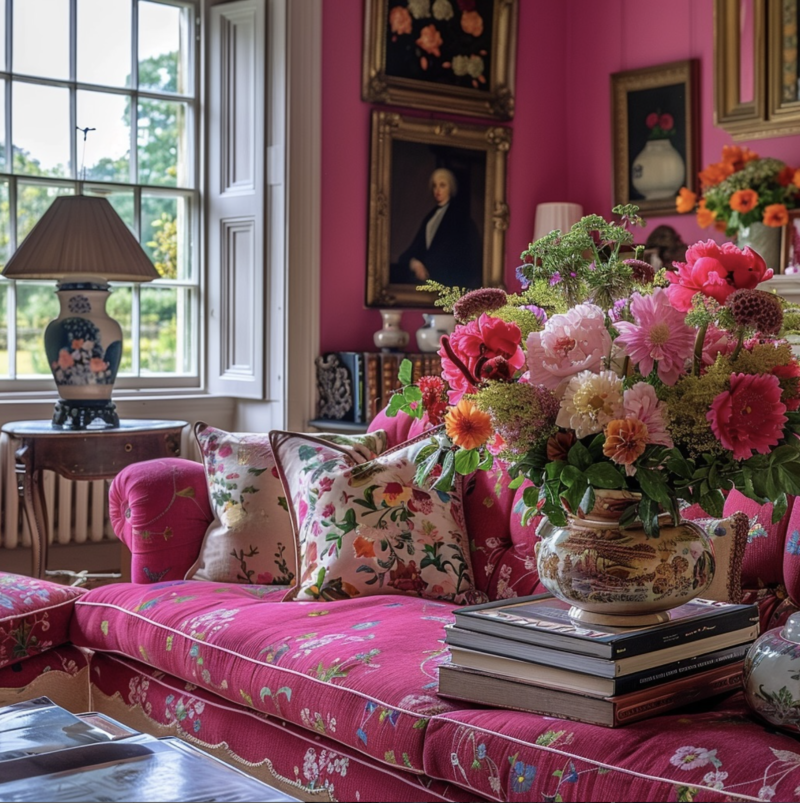
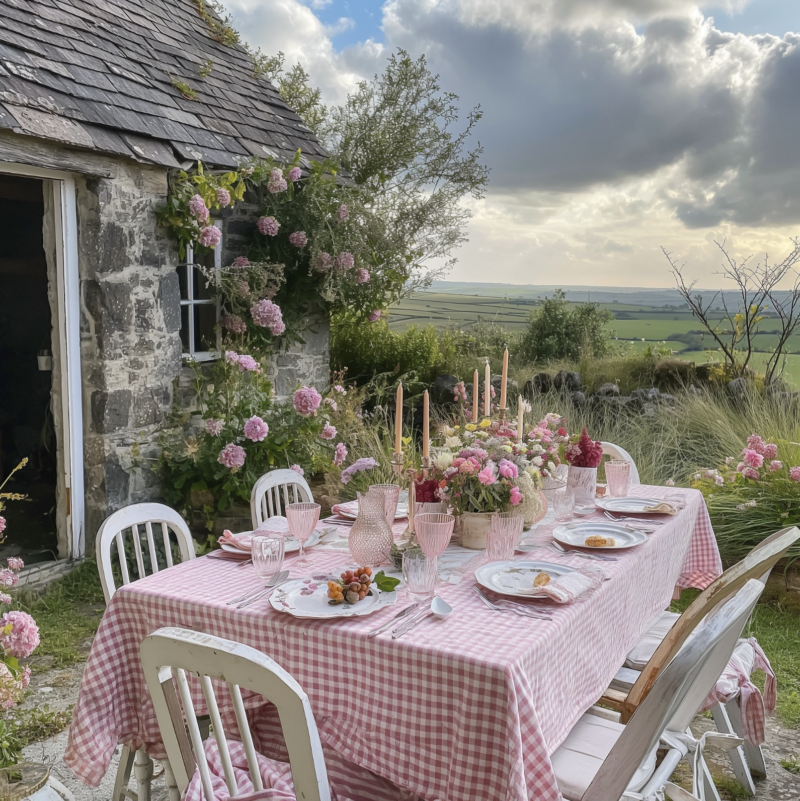
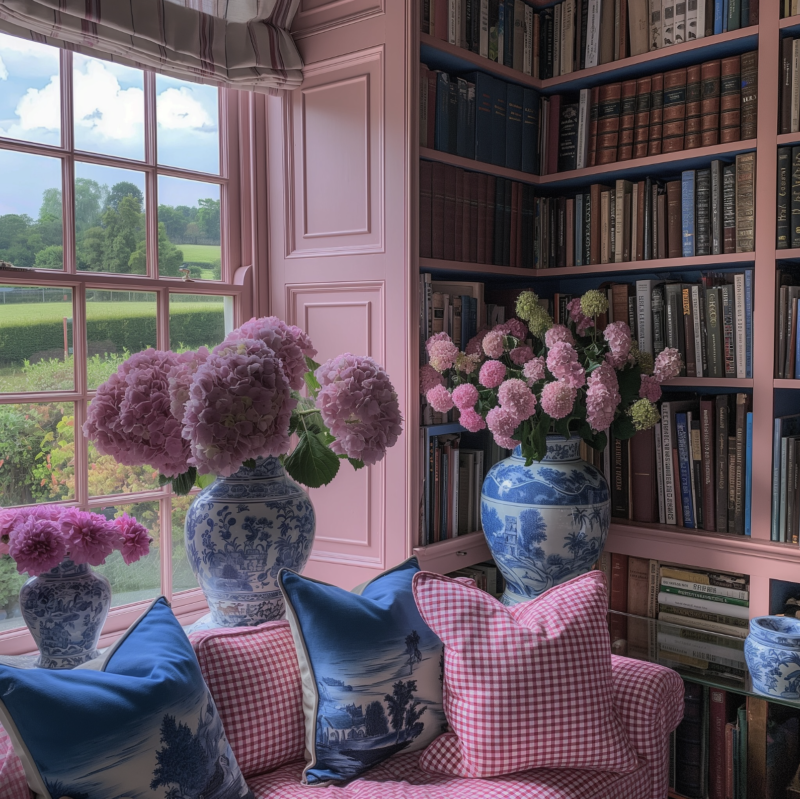
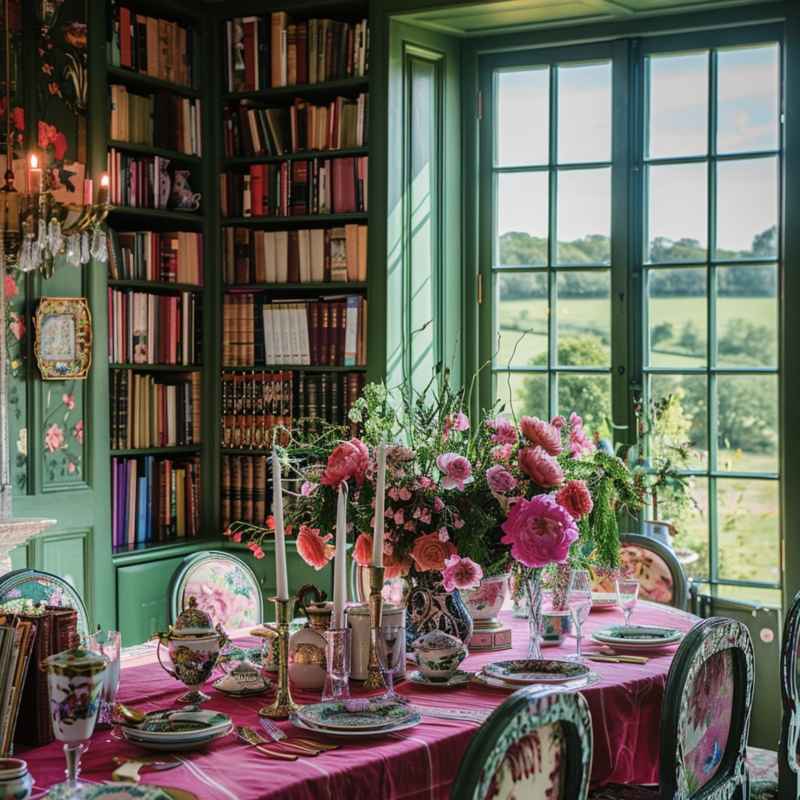
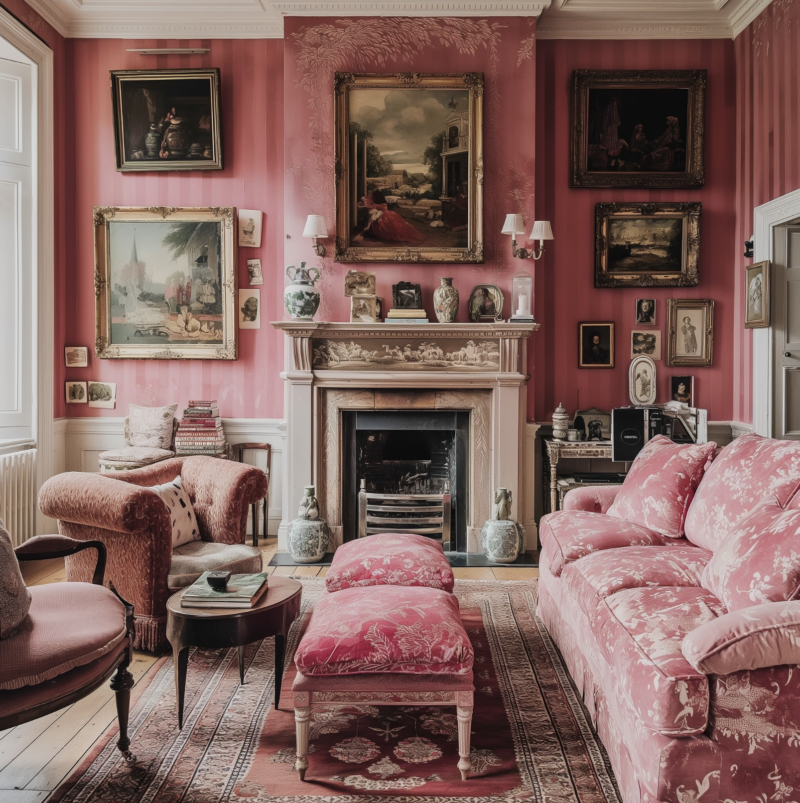
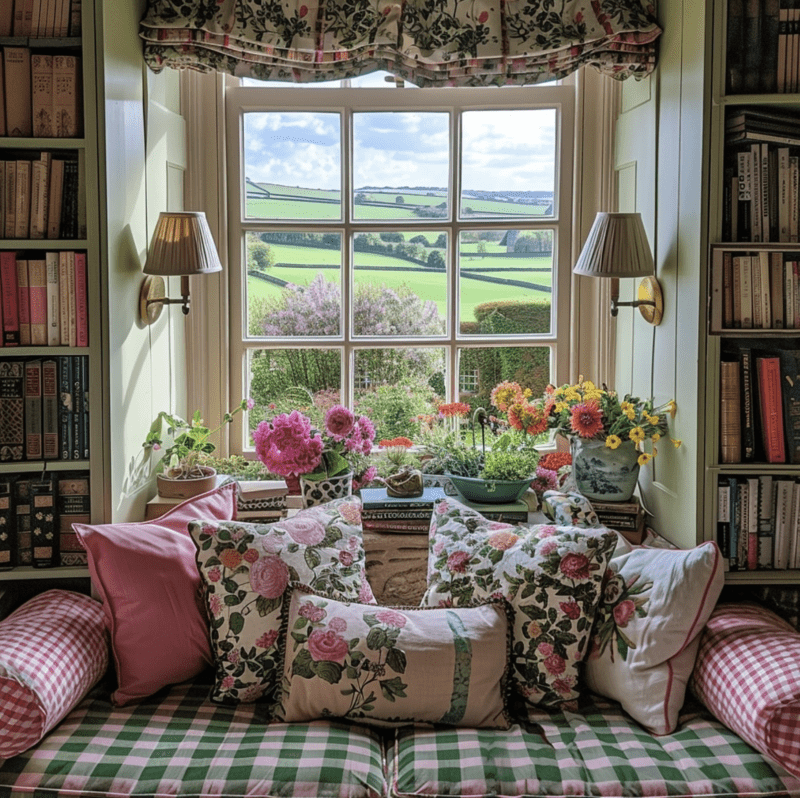
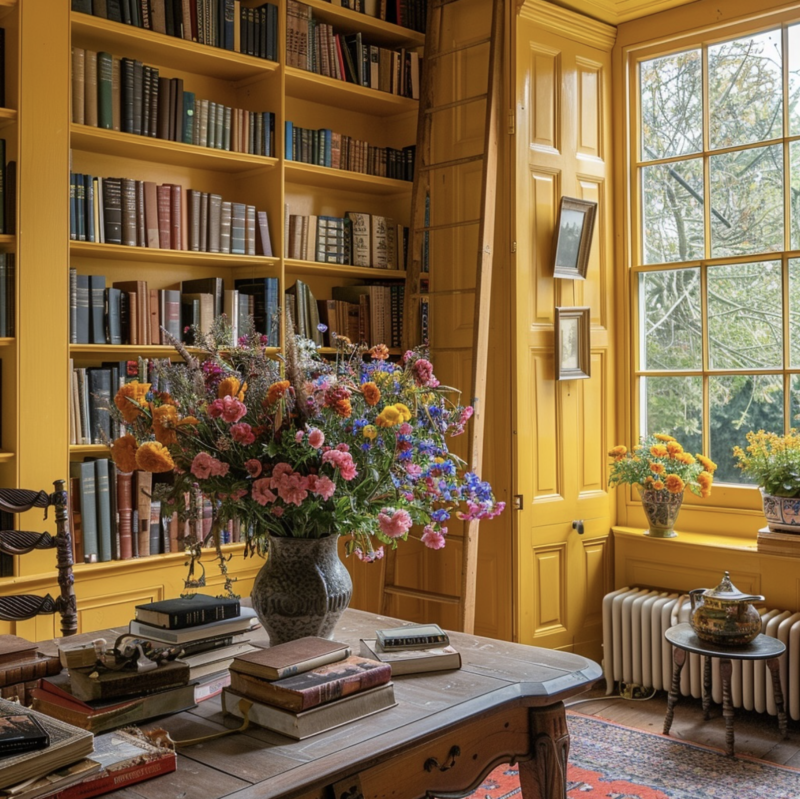
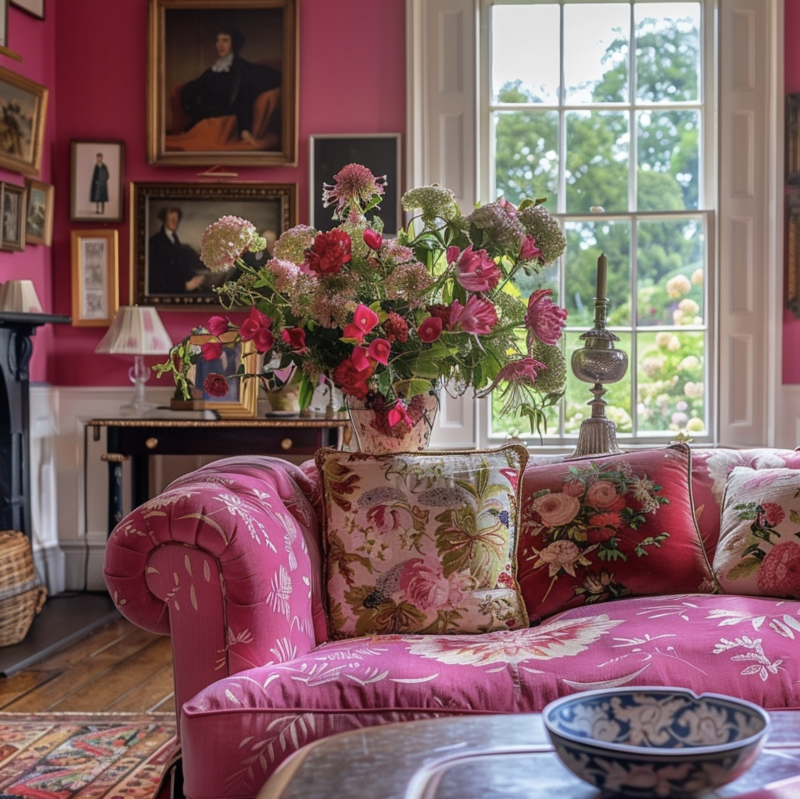
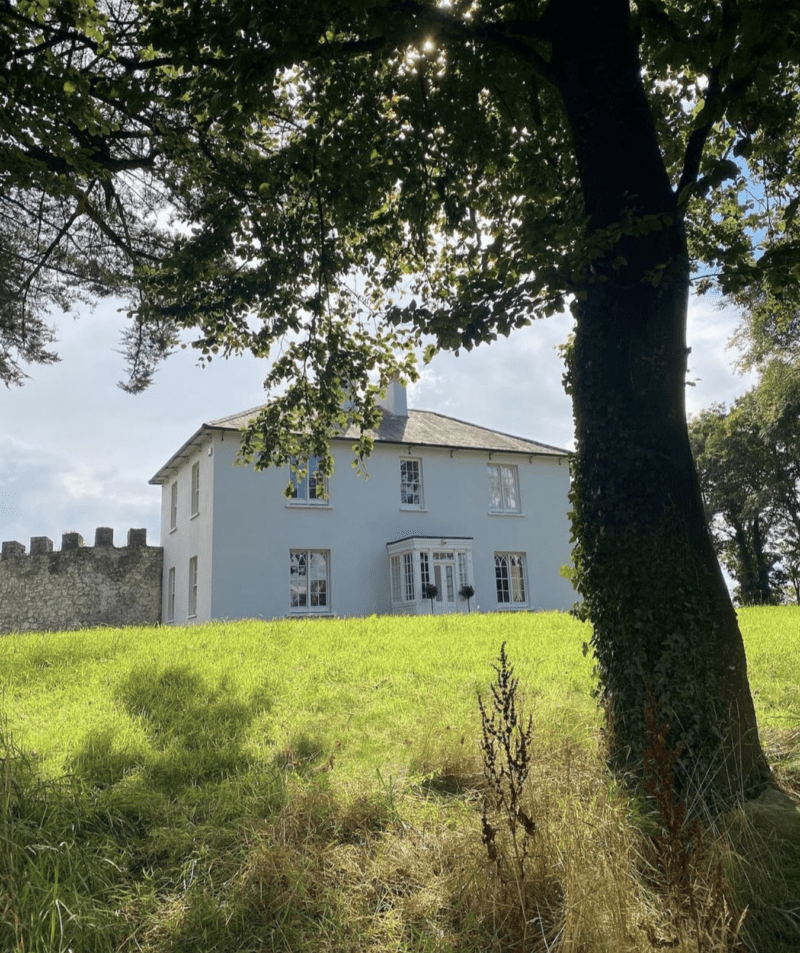
The other day while scrolling, I stumbled upon the dreamiest pink parlor, stopping me in my tracks. It had received over 28k likes, yet upon closer inspection I realized it was not real at all… it was AI! Falling down the rabbit hole, I started poring through the creator’s account @jenconnell.home. Jen Connell is a creative director whose own real-life, picture-perfect, 240-year-old home in the Irish countryside has graced the pages of House and Home magazine. She began dabbling in AI while decorating her home, as a way to further cultivate her vision. Thoroughly intrigued, I reached out to Jen and am delighted to welcome her today for a Q&A as we discuss the future of Artificial Intelligence and its implications for the world of Interior Design.
Welcome Jen!
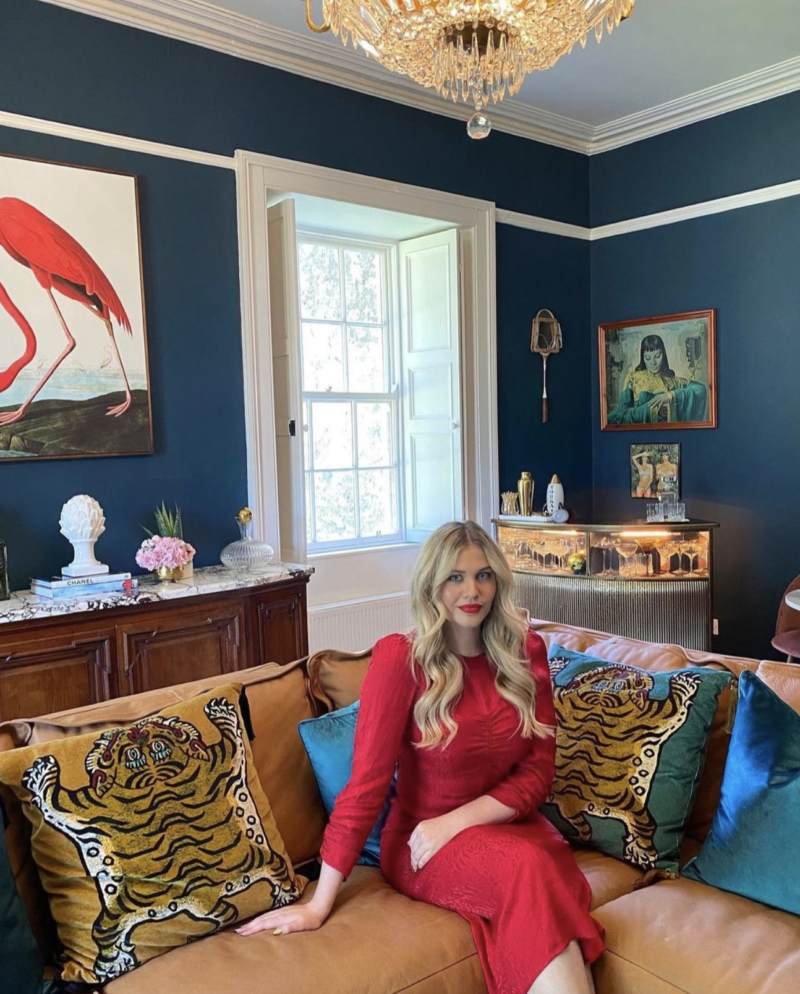
Q: First of all, you have exquisite taste! Your real home, as featured in House and Home magazine, is perfection! How did you develop an interest in interior design, and do you have professional training?
A: Thank you, that’s very kind. I’ve always had an interest in interior design since I was quite young. I grew up with creative hobbies including drawing and singing, and interiors ended up being another outlet to explore. I’ve always had a particular interest in the romance of period homes in England, Ireland and France. I don’t have specific interior design training, although I’m considering it! There are lots of transferable skills from my day job however.
Q: Please tell us a little about your day job as a creative director.
A: I’ve been working in the creative industry for around 12 years. My day job involves developing strategic creative solutions for brands – everything from design and video to set design, copywriting and team management. There’s a lot of overlap with interior design. One of the benefits is not having to compromise on my ideas as I’m designing just for myself at the moment.
Q: How did you develop the idea of creating AI-generated interiors for your Instagram account?
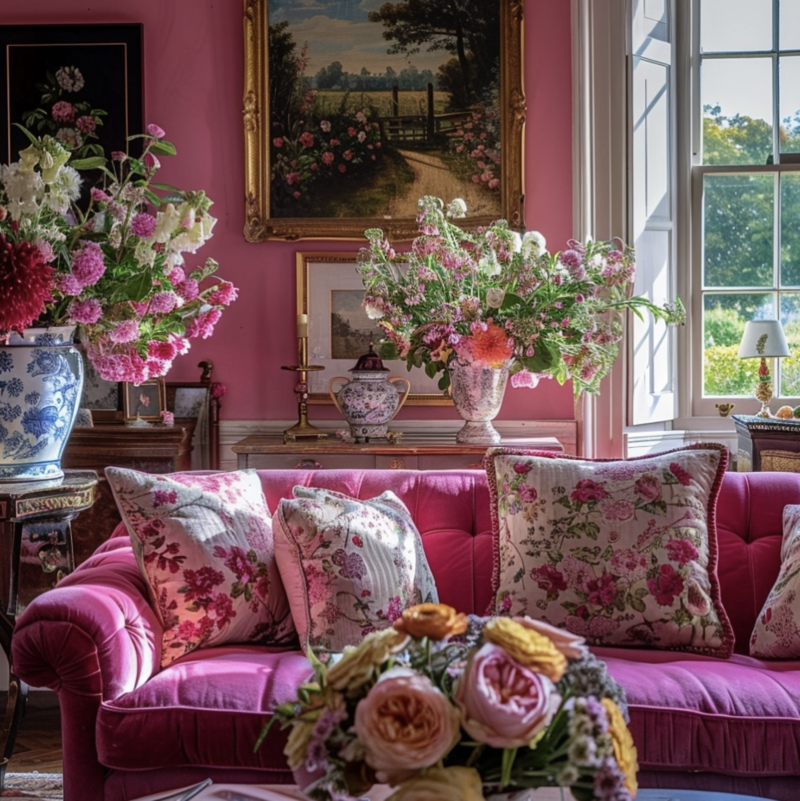
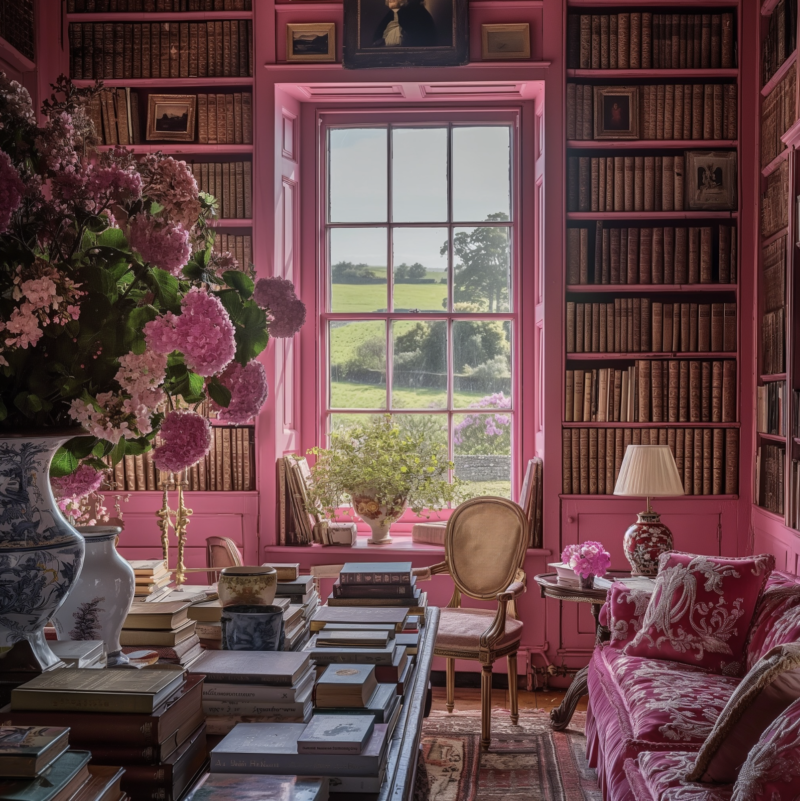
A: It’s an expectation of my day job to always be learning and to adapt to new technologies and innovations. I was curious and wanted to explore the possibilities of AI. As interior design is one of my hobbies, it seemed like an exciting route to pursue. I also find interior design can sometimes be a little too exclusive. You’ll often find that people with fantastic ideas are limited in what they can design, and AI is the perfect way to creatively experiment and express themselves without the constraints of budget, time or fully committing to a design for their home. For me personally, I’ve been really enjoying this new creative outlet. It allows me to conjure up these fantastical spaces and inspire real design changes in my own home. I use the real rooms in my house as a jumping off point and layer in the ideas I’d like to explore. I’ve found it much more helpful to use AI to explore creative ideas than my usual methods. Now I’m only limited by my imagination.
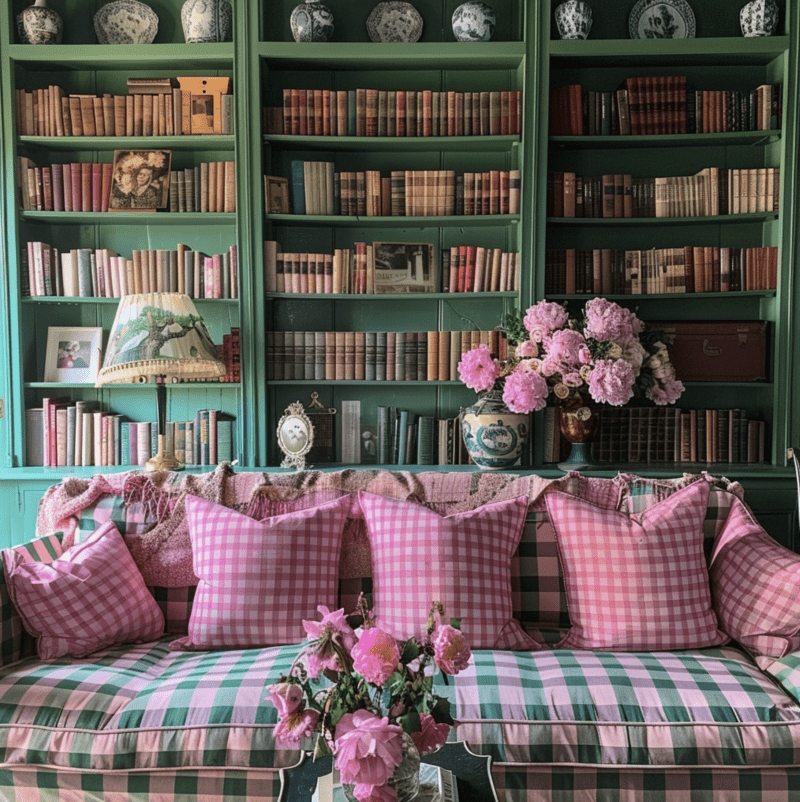
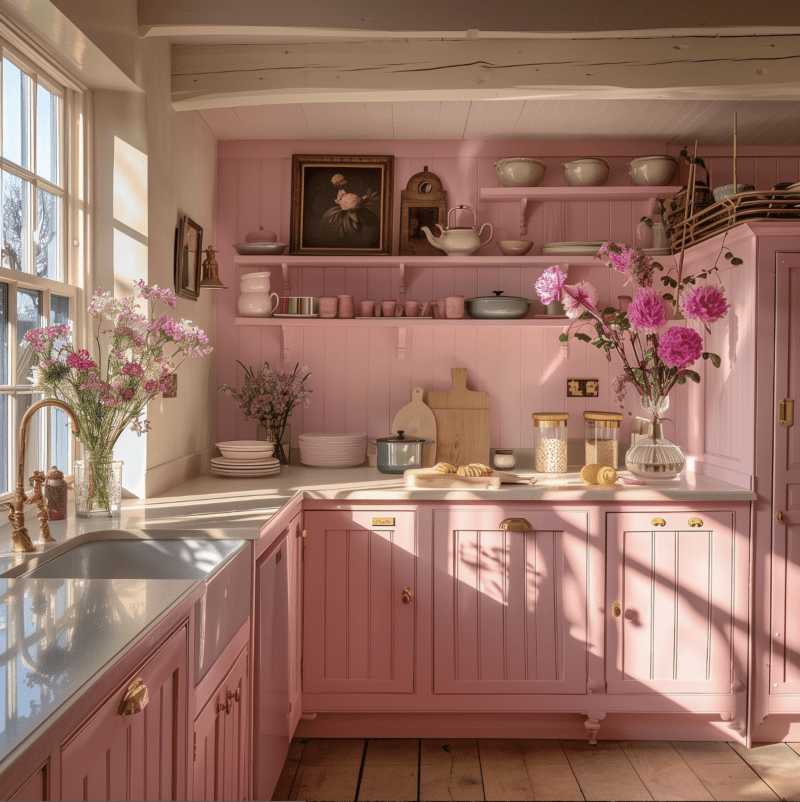
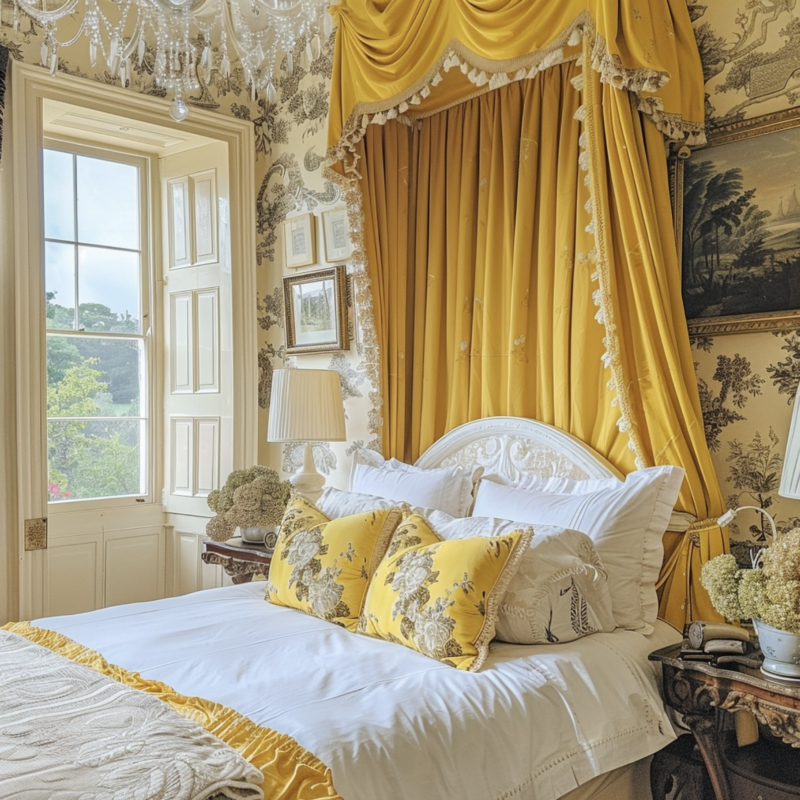
Q: The AI images you create are so incredibly realistic, they are virtually impossible to tell apart from real interiors! Can you tell us about the tools you use and your process of creating them?
A: I think they are somewhat realistic but there’s always a detail that’s somewhat off. This doesn’t really bother me, I find the errors and artefacts of AI interesting and sometimes amusing. Like any other type of creative, it’s not about perfection. I’ve been using Midjourney to generate my images. If I really can’t get an image right, I can further edit it with Photoshop. I’ve been researching best practice for AI on forums, like how to input the best prompts but I still have a lot to learn.
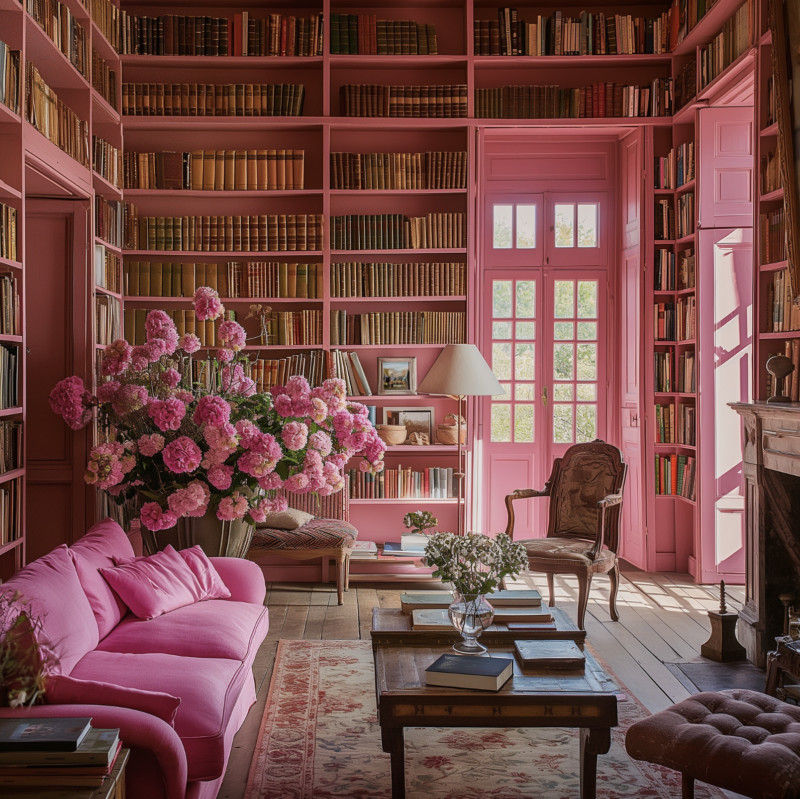
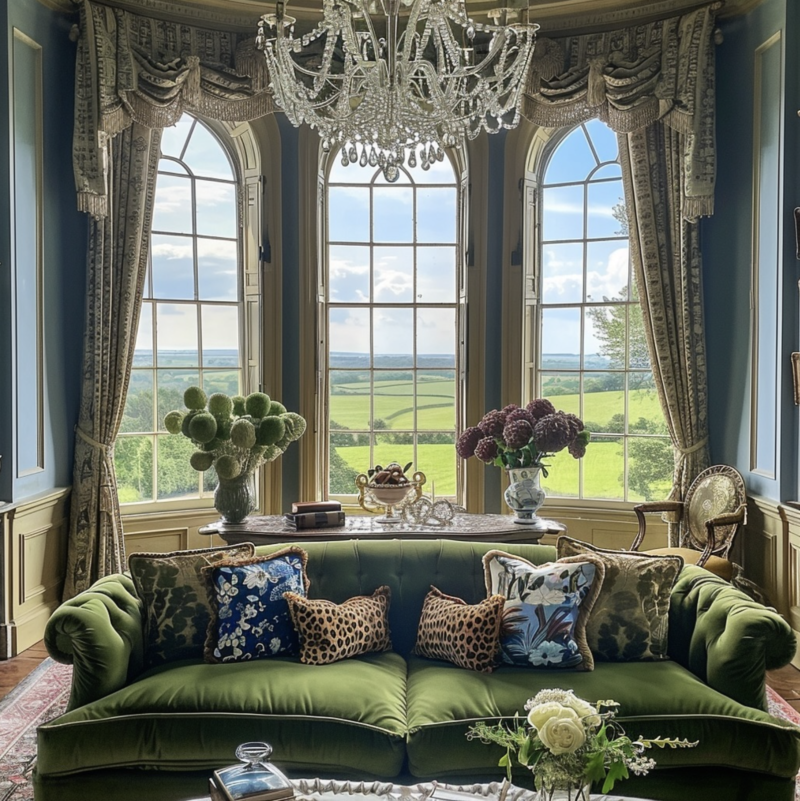
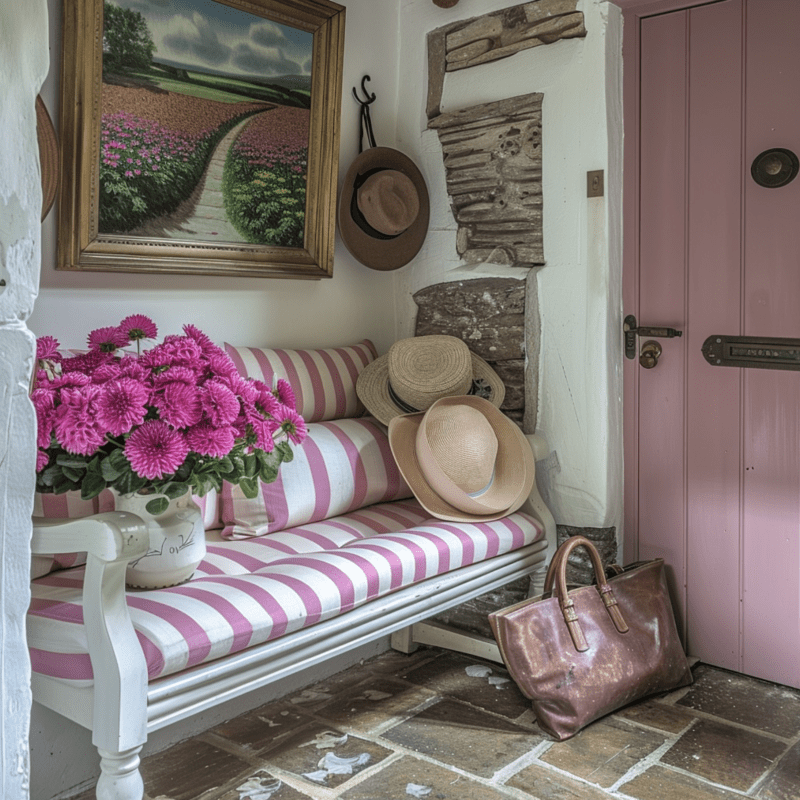
Q: Some people are saying AI will replace human intelligence, but we would imagine it still requires a great deal of personal style, insight, and attention to detail to create images such as the ones you have made?
A: I very much hope that’s not the case! I think there’s an understandable amount of fear around AI, especially when it comes to making human-made creative work obsolete. But I don’t think that will ever happen. There will be change, and we have to move with it. Humans will always create. I know there have been similar reactions with every wave of new technology, the move from hand drawn to digital design being the first that comes to mind. Many design purists would have rebelled against that movement. Certainly for me, I will always value human made art. I work with creatives every day, I support local and international artists and musicians by buying and sharing their work. I think all types of creativity can co-exist.
To answer your question regarding what it requires to develop quality AI imagery – yes, it requires all the elements a designer would normally need. You need to have a vision and discerning taste, to start. It’s almost like the creative director and junior designer relationship. You develop the direction and instructions, and the AI tries its best to follow. It still needs a lot of guidance and revisions to get to the place you need it to be. For me, it can take anywhere from 8-30 revisions before I get an image I’m happy with.
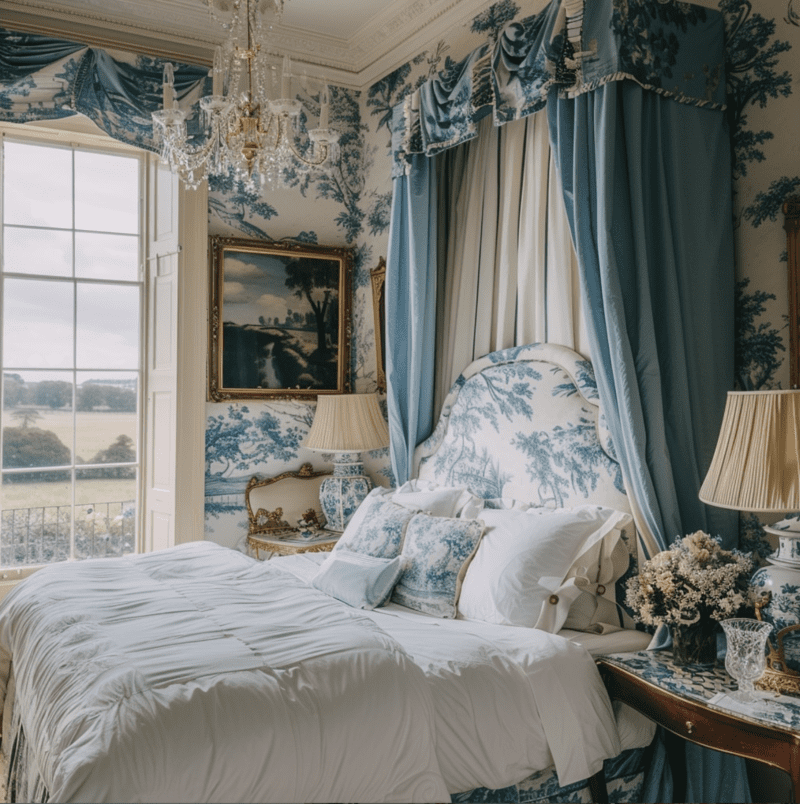
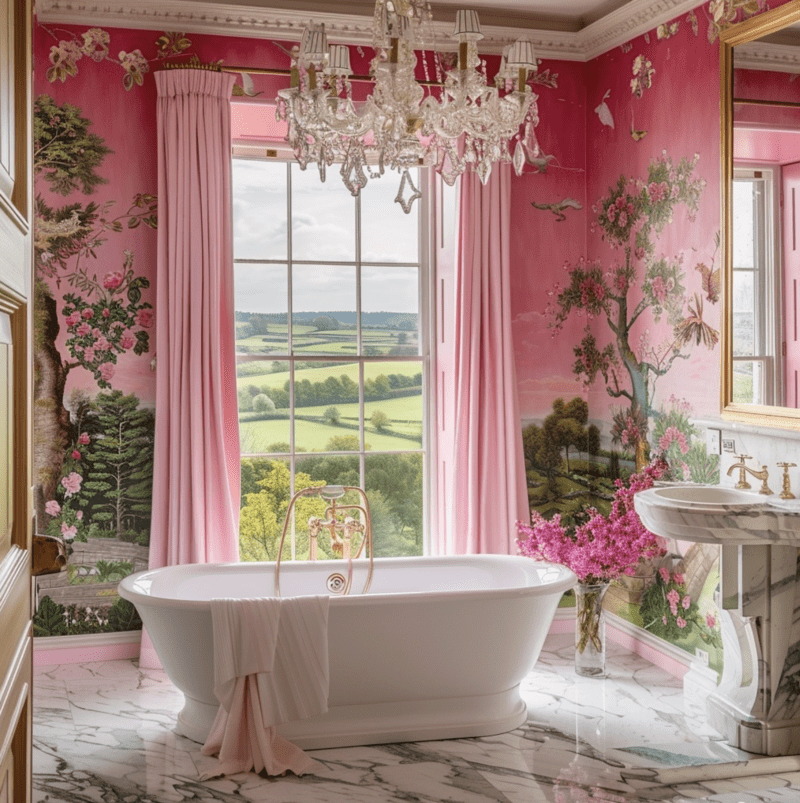
Q: What implications do you think AI holds for the future of the interior design industry as a whole?
A: It’s definitely shaking things up! While the technology is exciting, we do need to prioritise the ethics of AI. My instinct is that creatives should be compensated for the use of their work to train AI. At the same time, I’m also aware that ‘sampling’ creative work without cost is normally permitted, within reason. I’m also concerned about the environment and the impact of new technologies. It’s 2024 and we expect companies to be as sustainable as possible. AI companies need to follow suit.
As for the impact AI might have on interior design – for now, I feel it’s most useful in the conceptual phase of design. I think it can help designers and clients swiftly visualise options for their space. In the future, I see it being another string to a designer’s bow. As creatives, we all have our favourites tools to use and some may embrace AI and some may not.
Q: Where do you see @jenconnell.home in the next five years?
A: That’s a great question. I have lots of ideas. As I’m a designer by nature, I would love to explore developing interior design products and/or services for clients. It’s would be a big shift for me but my mind is brimming with design ideas. I would love to dip my toe and partner with brands on home decor collections. I also love that interior design is currently just a hobby for me, sometimes when you try to make the switch from creative hobby to turning a profit, it can suck some of the joy out of it. But we shall see!
Q: What advice can you give anyone within the design industry who is interested in dabbling in AI?
A: Keep an open mind, research the various tools and platforms that are available. Experiment and have fun!
Q: What projects do you have on the horizon for your real home?
A: So many! The top of our list is our kitchen redesign. We live in a period home and the kitchen is very modern and lacking character. I’m working with London based designer Emily Cove on the kitchen design. She’s an unbelievably talented designer who also happens to be my cousin! She has years of experience working with period homes so I hope to learn a lot from her. Following that, we also need to look at a dressing room design. We’re gradually doing smaller garden projects too. One day we’d love to renovate the stone barn on our property, but it will take years before we can fund that project. The house will be a lifelong project but I’m excited about that.
Q: Anything else you would like to add?
A: Just that I’ve been surprised by and grateful for the interest in my AI designs! I don’t think I’ll ever be over the fact that Richard E Grant likes my posts or Kathy Hilton follows me. It’s bonkers!
Thank you, Jen, for joining us today! We love the way you are utilizing AI to enhance your already-brilliant talent, and we cannot wait to see what the future holds!
For ongoing inspiration, please follow @jenconnell.home and check out Jen’s home tour at House and Home magazine.
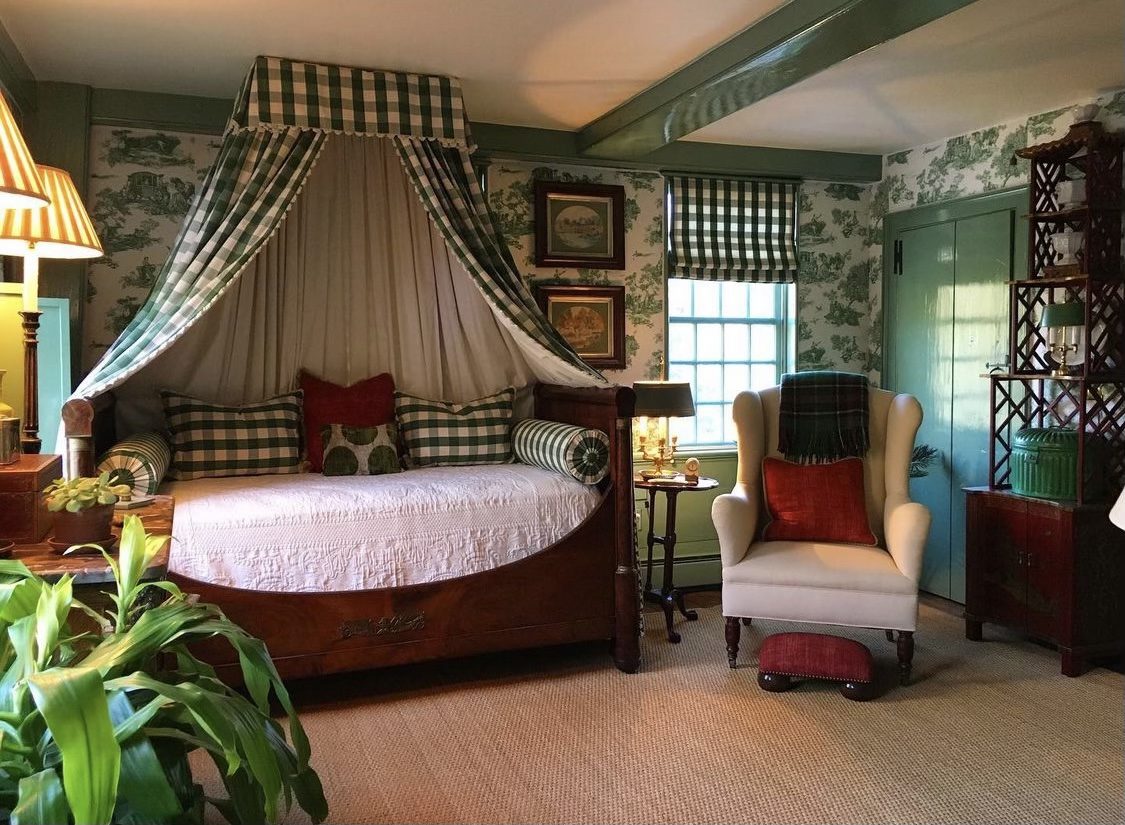


Wow, is all I can say! All of Jen’s AI-created rooms are amazing–so lush and colorful!! And the flowers!!!
This would be a great tool in any designer’s toolbox for giving a client an extremely realistic vision of what their room could look like.
I’ve seen quite a few real estate listings that are ‘computer generated’ – but I think there is much more refinement that can be applied through tools like AI. The current practice of ‘staging’ an empty house with real furniture will seem unnecessary and antiquated. The images created by Jen are thrilling.
I love love love all the color and flowers! Im sick of those drab beige, white and gray interiors which are so boring. Her rooms are beautiful and alive!
I agree.
I love the pink! Just beautiful.
So beautiful
Jen’s creativity is SO BEAUTIFUL!!
OMG!!!! Is all I can say! LOVE EVERYTHING SO MUCH!
LOVEEEEEEEEE IT ALL!!!!
Love love love the inspiring photos! I think AI is a useful tool for visualizing and inspiration of a design interior without having to invest a lot of money before hand.
Thank you
The flowers!