


Written by Natalie Aldridge.
For years, I’ve longed to visit Giverny. Each time I found myself in Paris, the stars just didn’t align—whether the house was closed for the season or my schedule was simply too tight. Now, with London as my new home base, the opportunity finally presented itself. A few weeks ago, I hopped on the Eurostar, determined to make this dream a reality. A metro, a train, and a car ride later, I arrived. And there it was—the chance to explore Monet’s world. Join me as I share the magic of Giverny through my photographs, alongside Monet’s incredible story of creating these mesmerizing and iconic home and gardens.
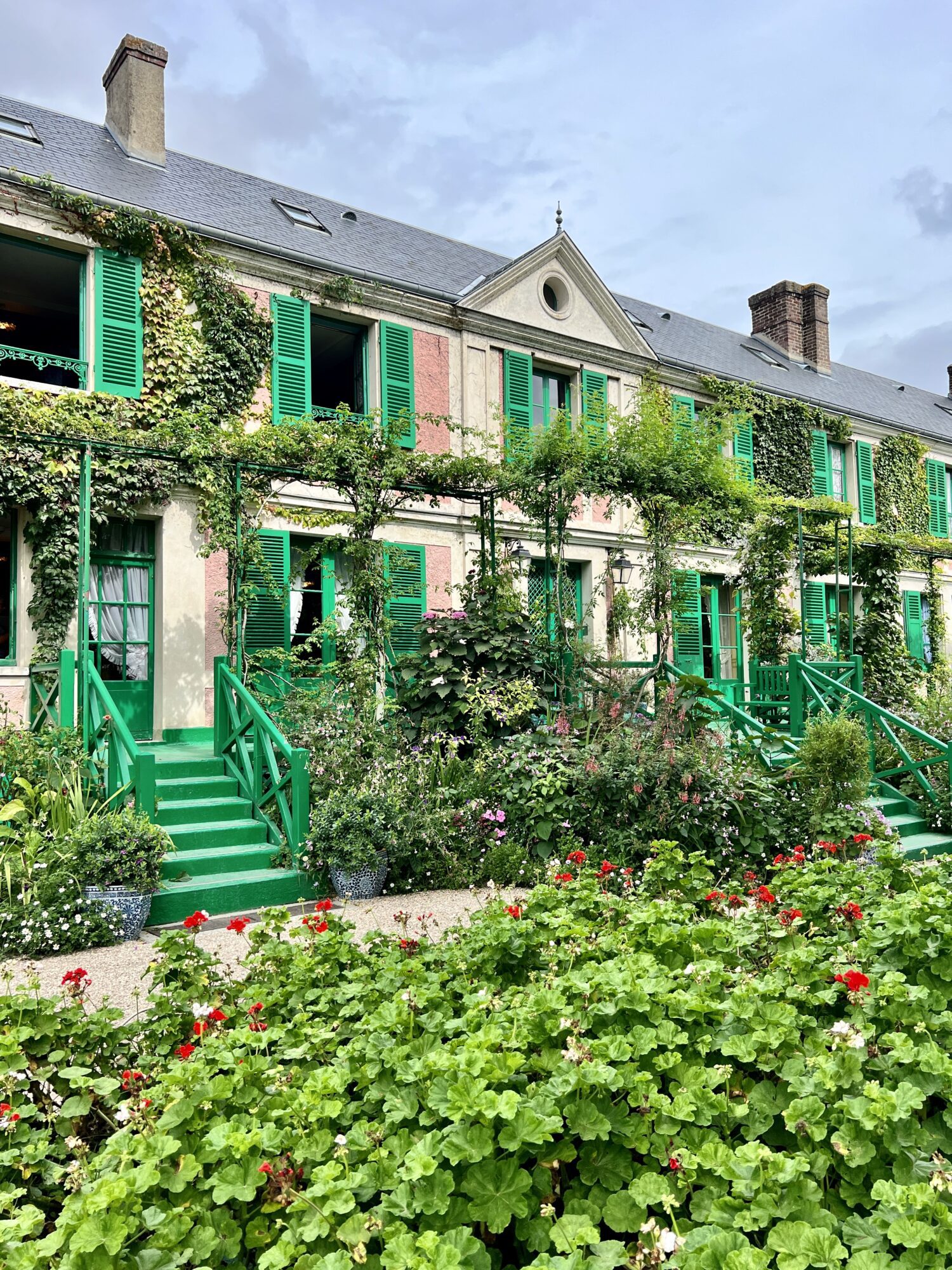
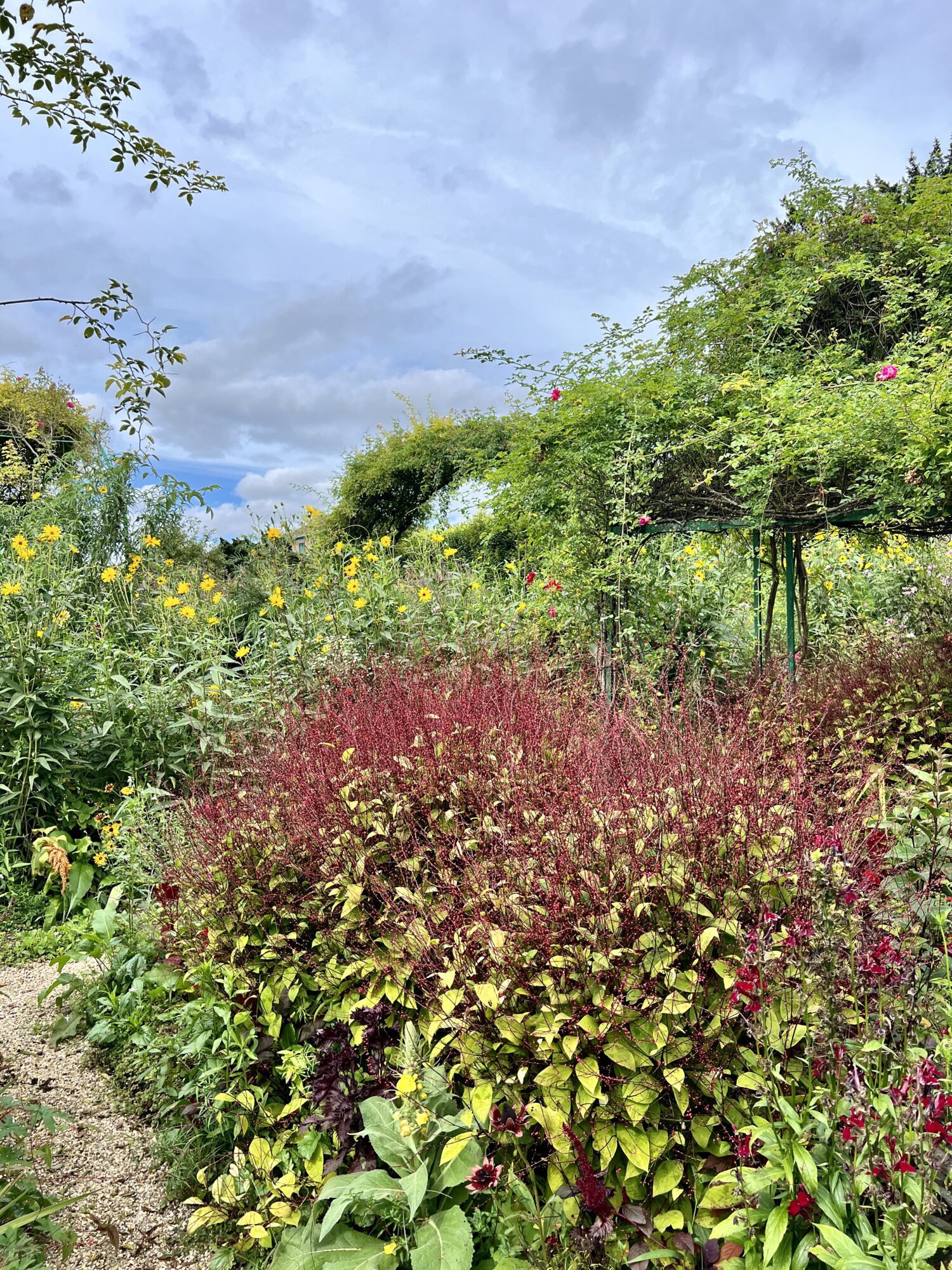
Imagine stepping into one of impressionist painter Claude Monet’s Nympheas paintings, surrounded by water lilies and dappled light. This is the experience of visiting Monet’s home and studio in Giverny, France. From the moment you arrive, the connection between the artist, his home, and his surroundings is undeniable.
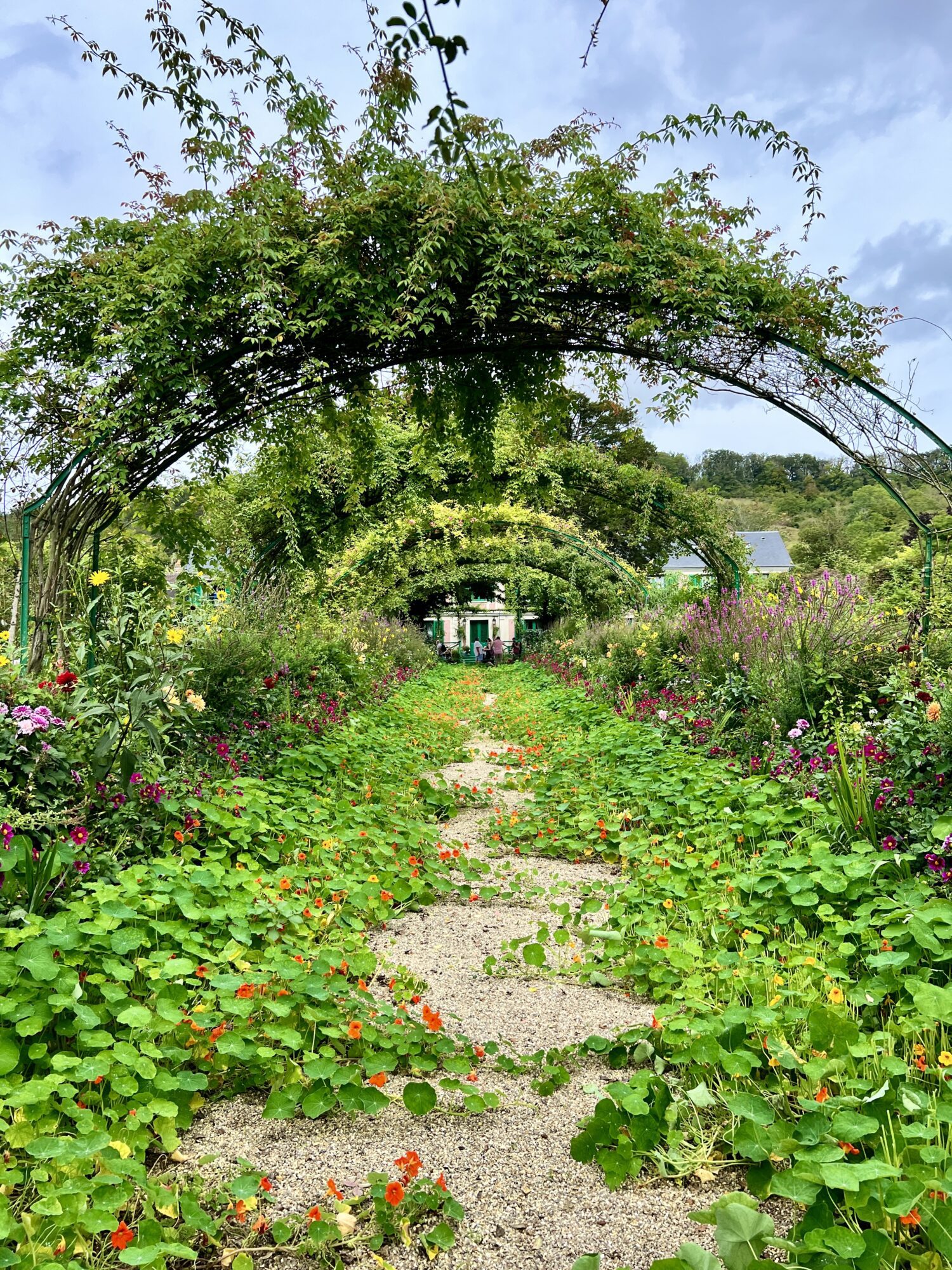
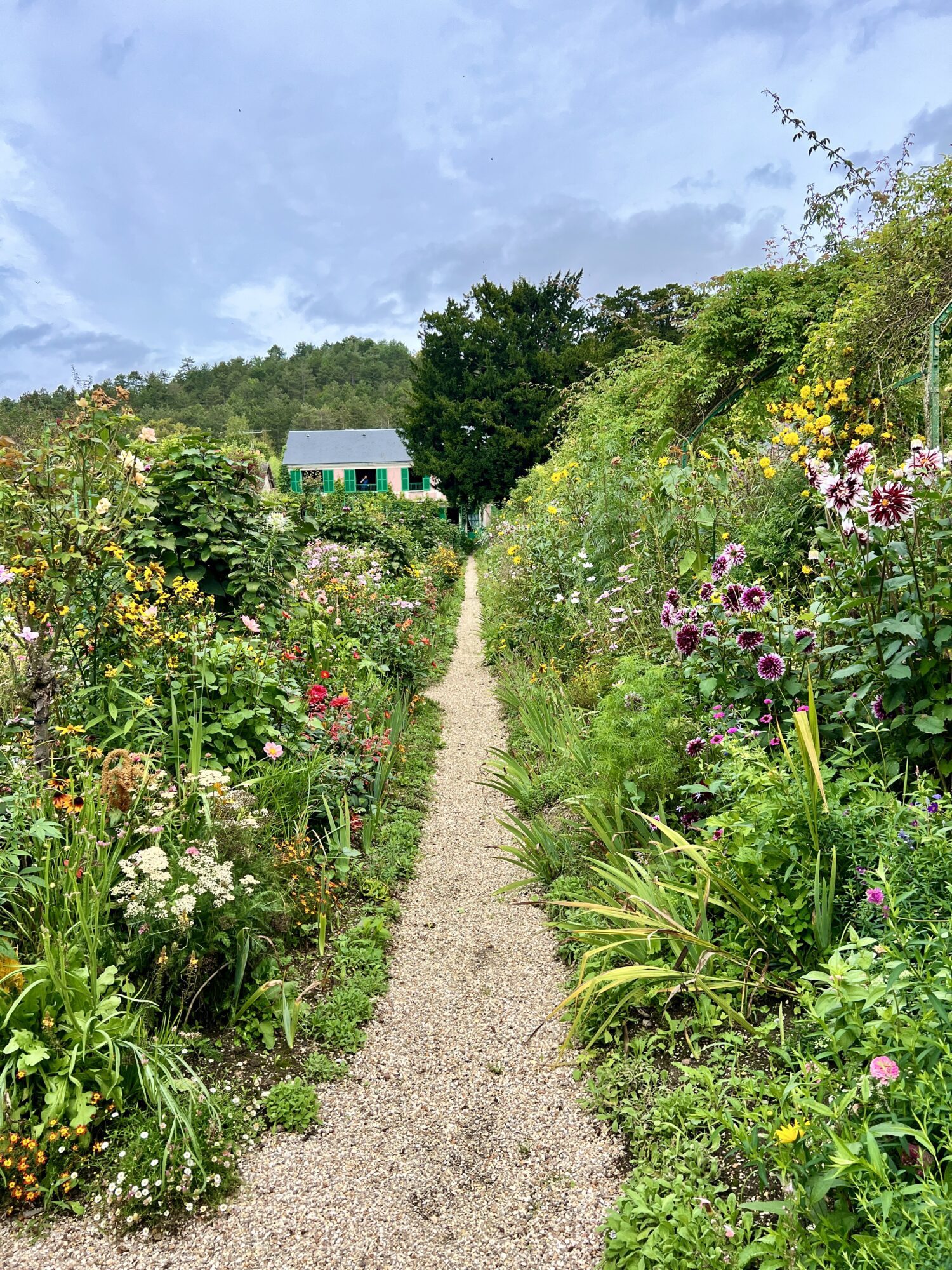
From a young age, Monet had an undeniable passion for the outdoors. His youth was spent drifting from one town to the next along the Seine, but no matter where he landed, flowers always followed. Over the years, his flowers became steadfast companions and muses, offering solace during emotional rough patches, artistic ruts, and the occasional financial disaster.
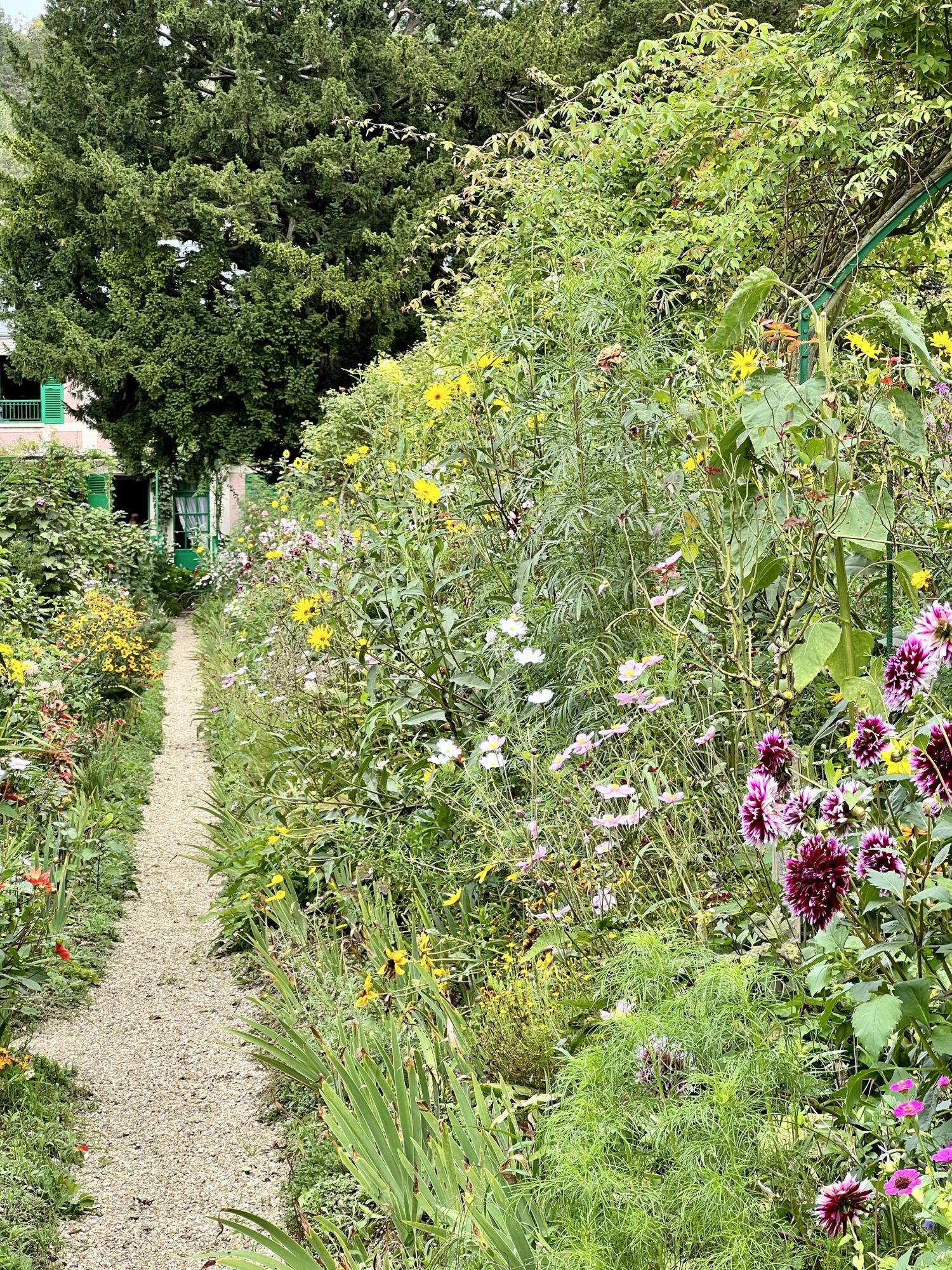
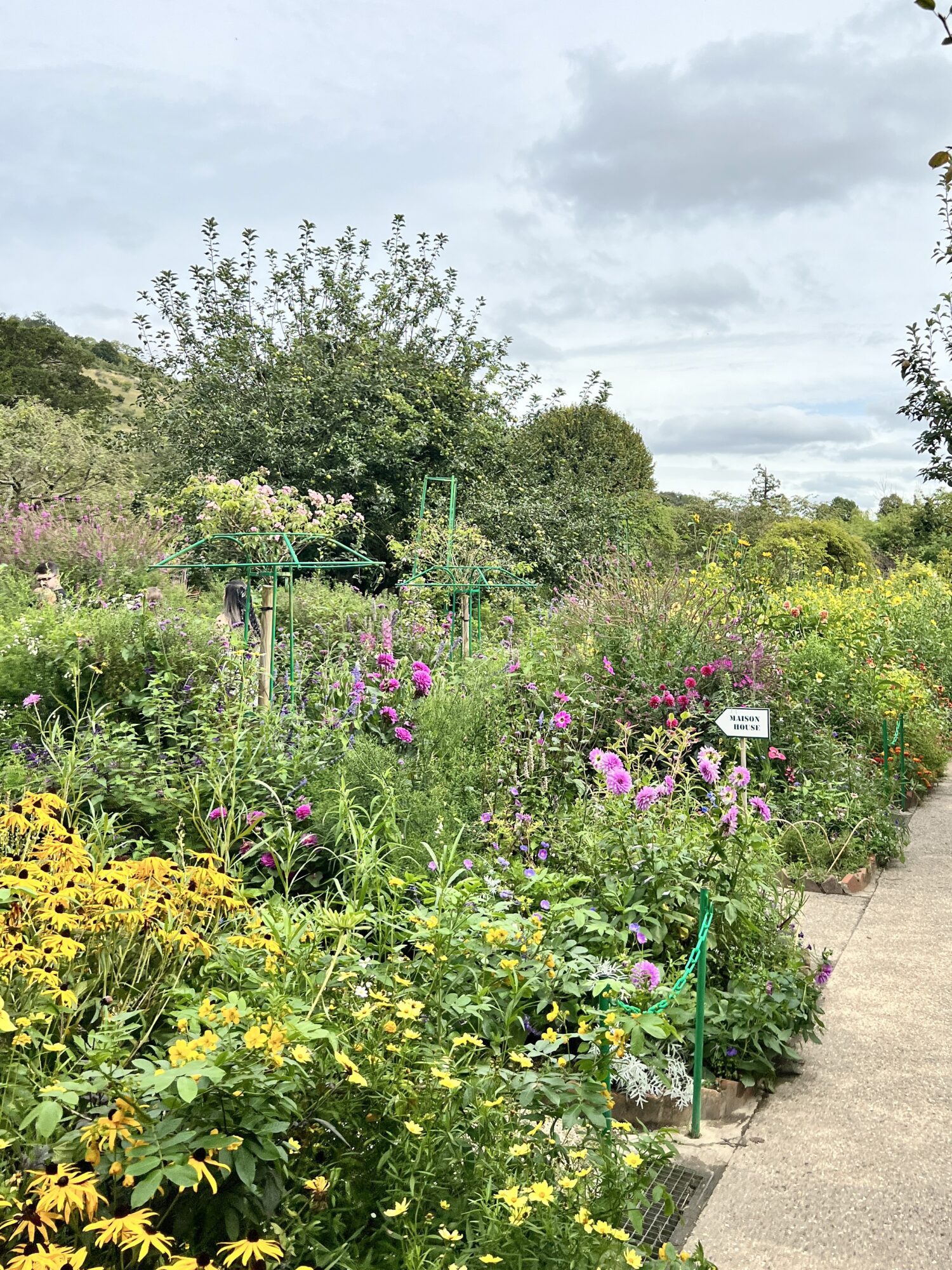
In May 1883, Monet and his family made their way to Giverny, a charming village about fifty miles west of Paris. The house he rented had a sprawling garden with cypresses lining the paths and orchards bursting with fruit trees. However, the garden was hardly up to Monet’s impeccable standards.
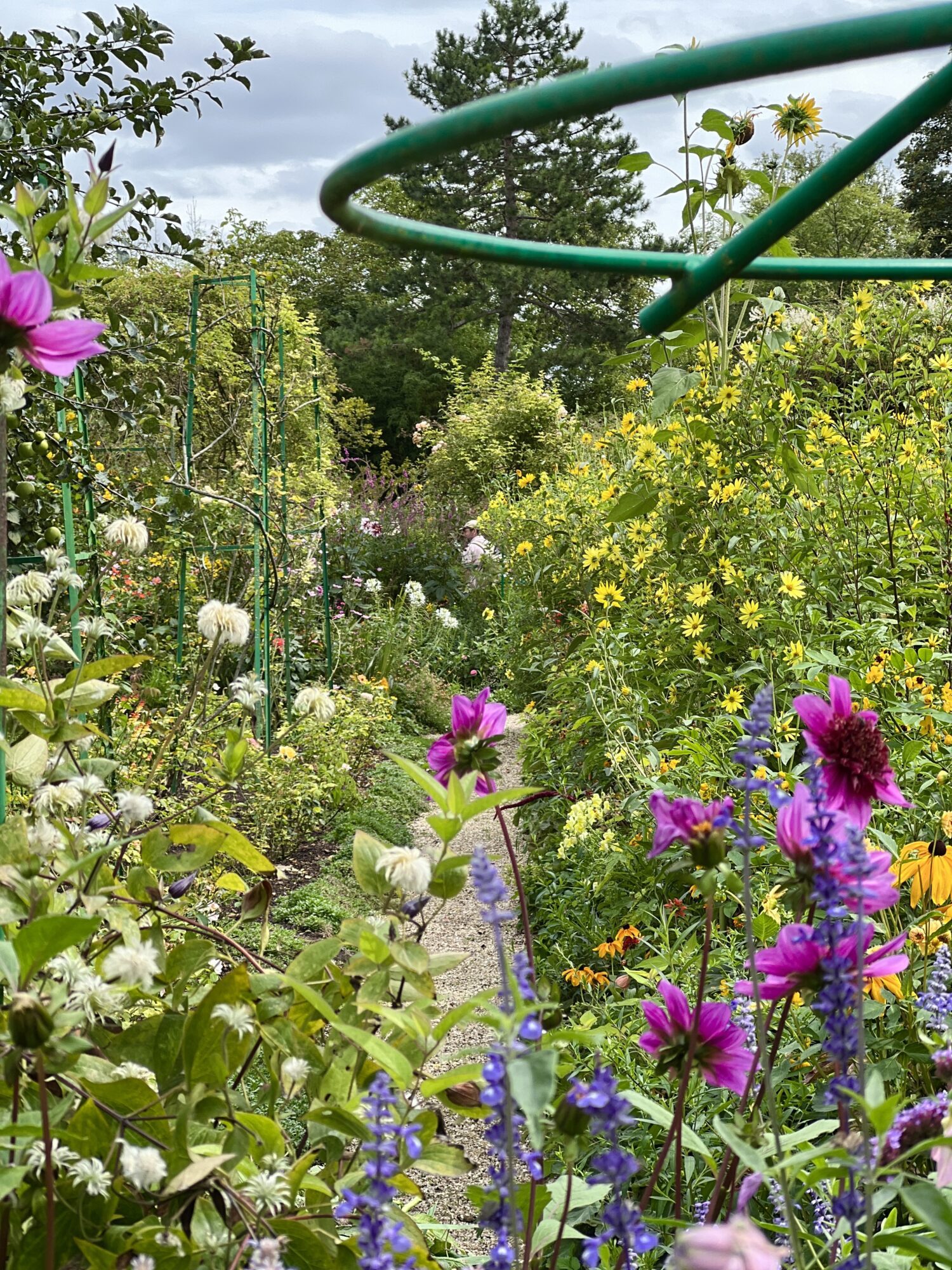
With plenty of help from his family, he rolled up his sleeves and got to work, transforming what was essentially a glorified farmyard into the lush, flowering oasis he envisioned. Around the house, he planted his favorite annuals: poppies, sunflowers, and nasturtiums. Springtime saw him busy planting daffodil bulbs, primroses, and willowherbs, adding bursts of color to every corner.
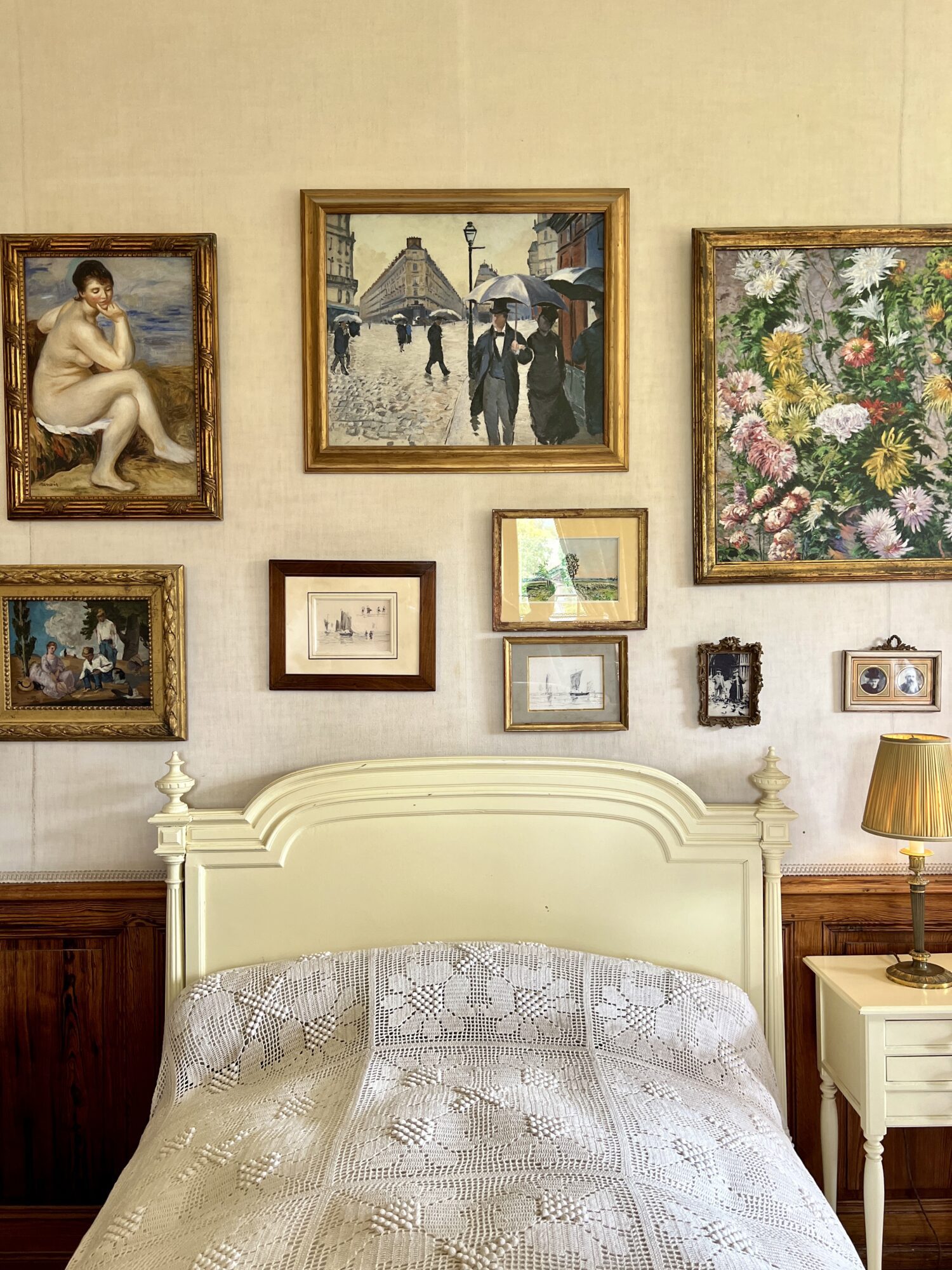
His gardening buddy, fellow Impressionist painter Gustave Caillebotte, was never far away; the two swapped seeds, cuttings, and the occasional bit of floral wisdom. Together, they turned garden maintenance into an artistic collaboration, flower by flower.
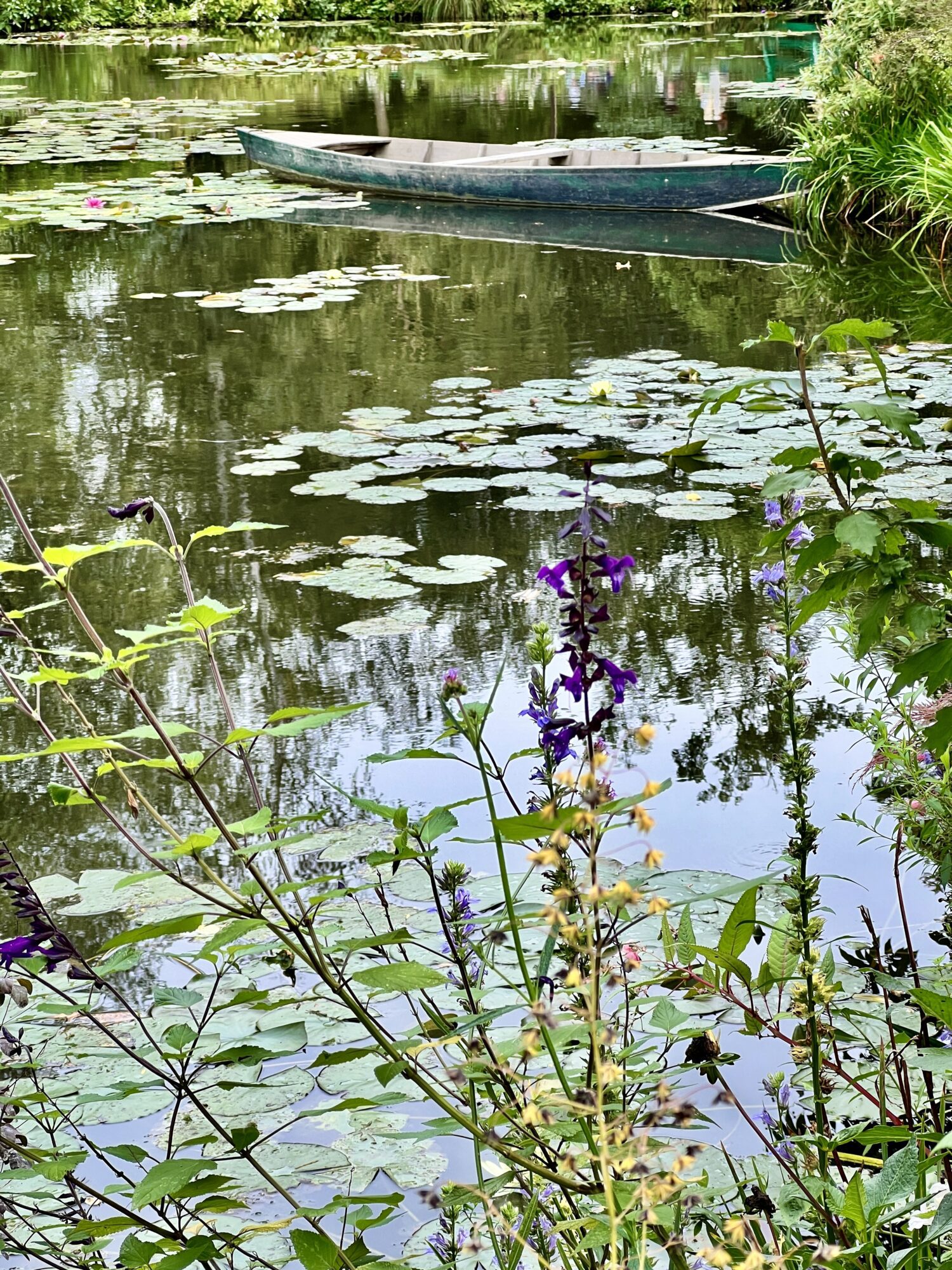
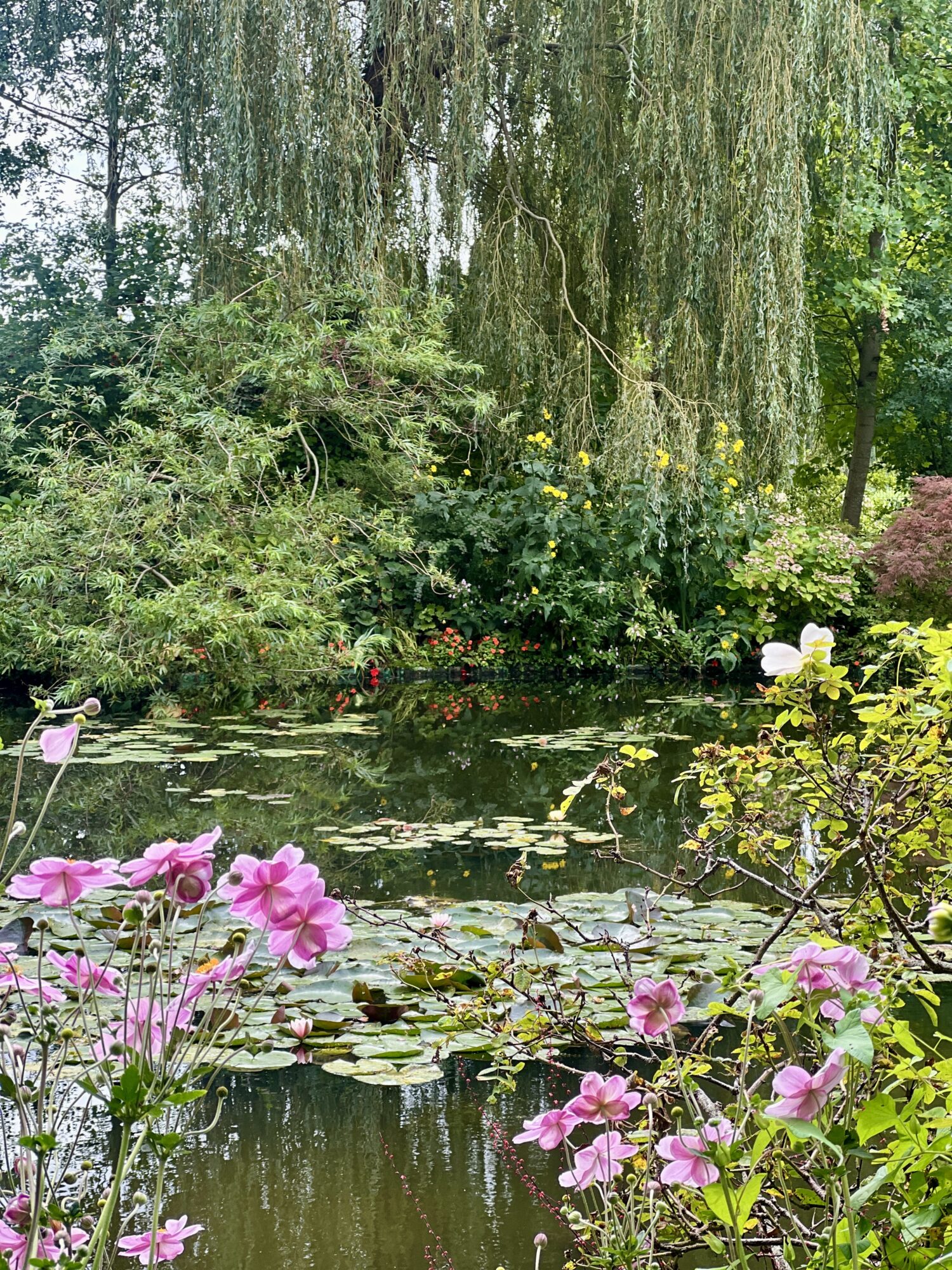
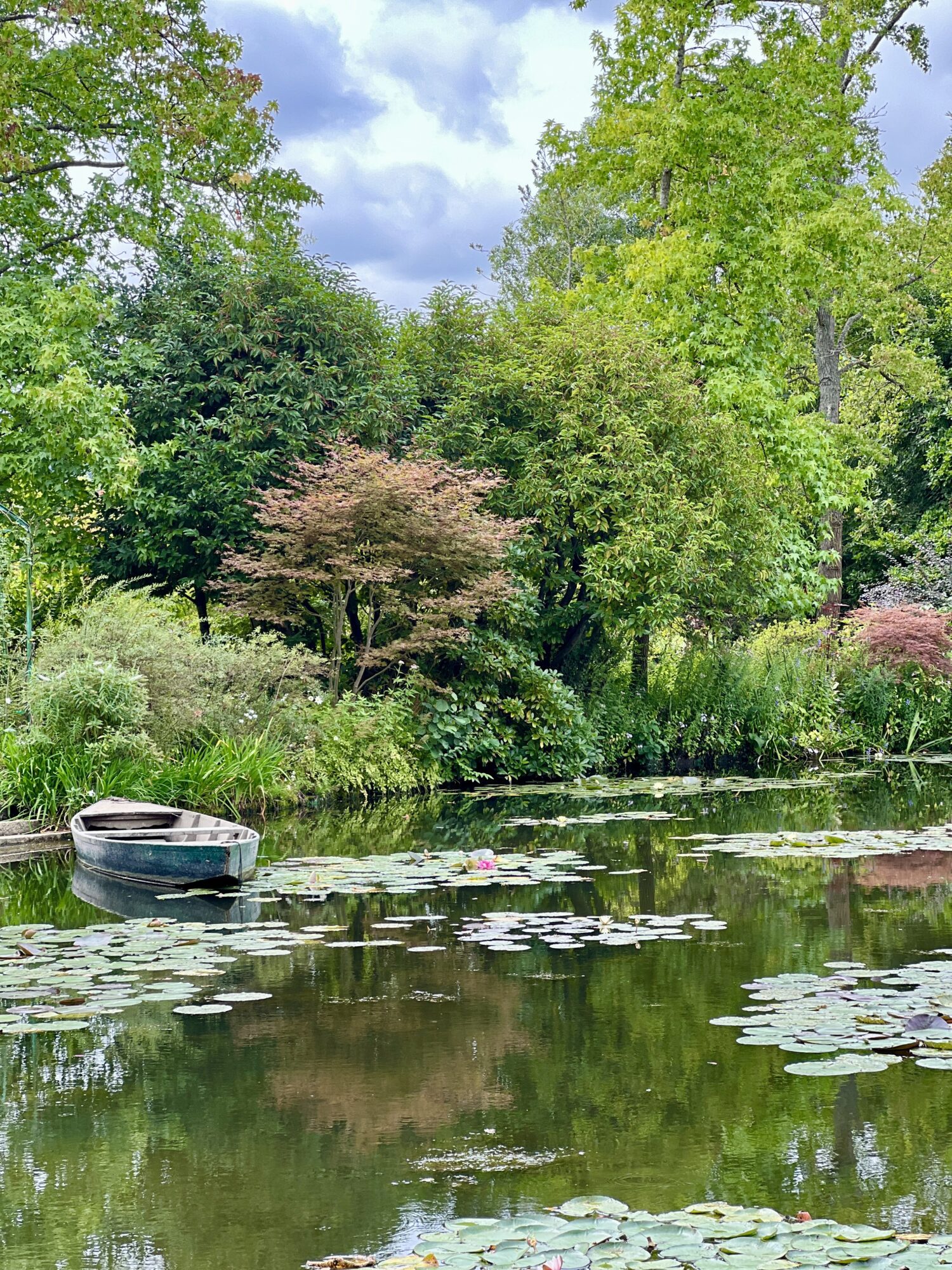
By the late 1880s, Monet’s fame had spread across Europe and the United States, and in November 1890, he finally purchased his Giverny home. With home ownership came grander plans. He hired two full-time gardeners—eventually expanding to six—built a greenhouse for propagating rare plants, and rented a nearby plot to relocate the fruits and vegetables, reserving his main garden for flowers.
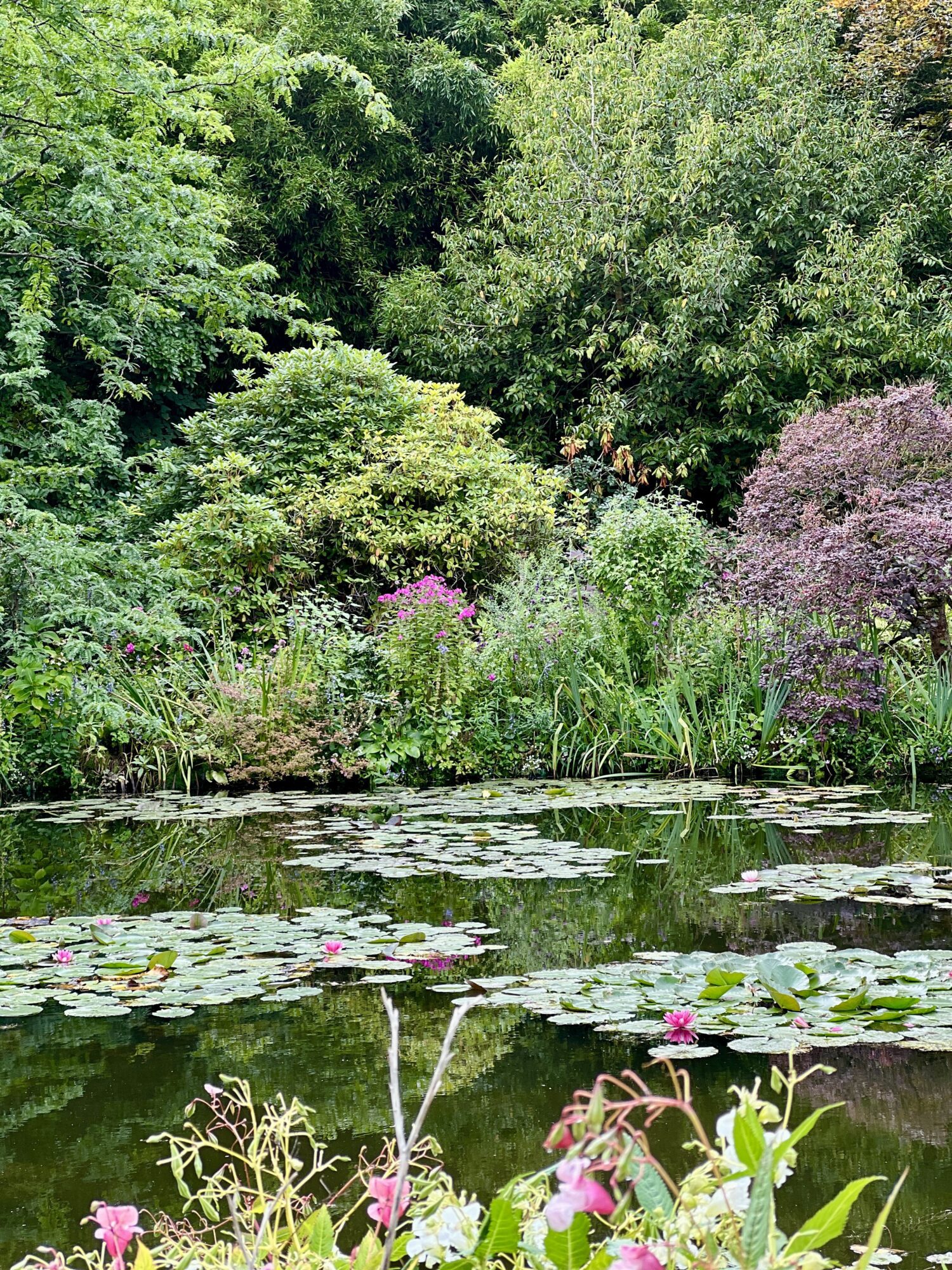
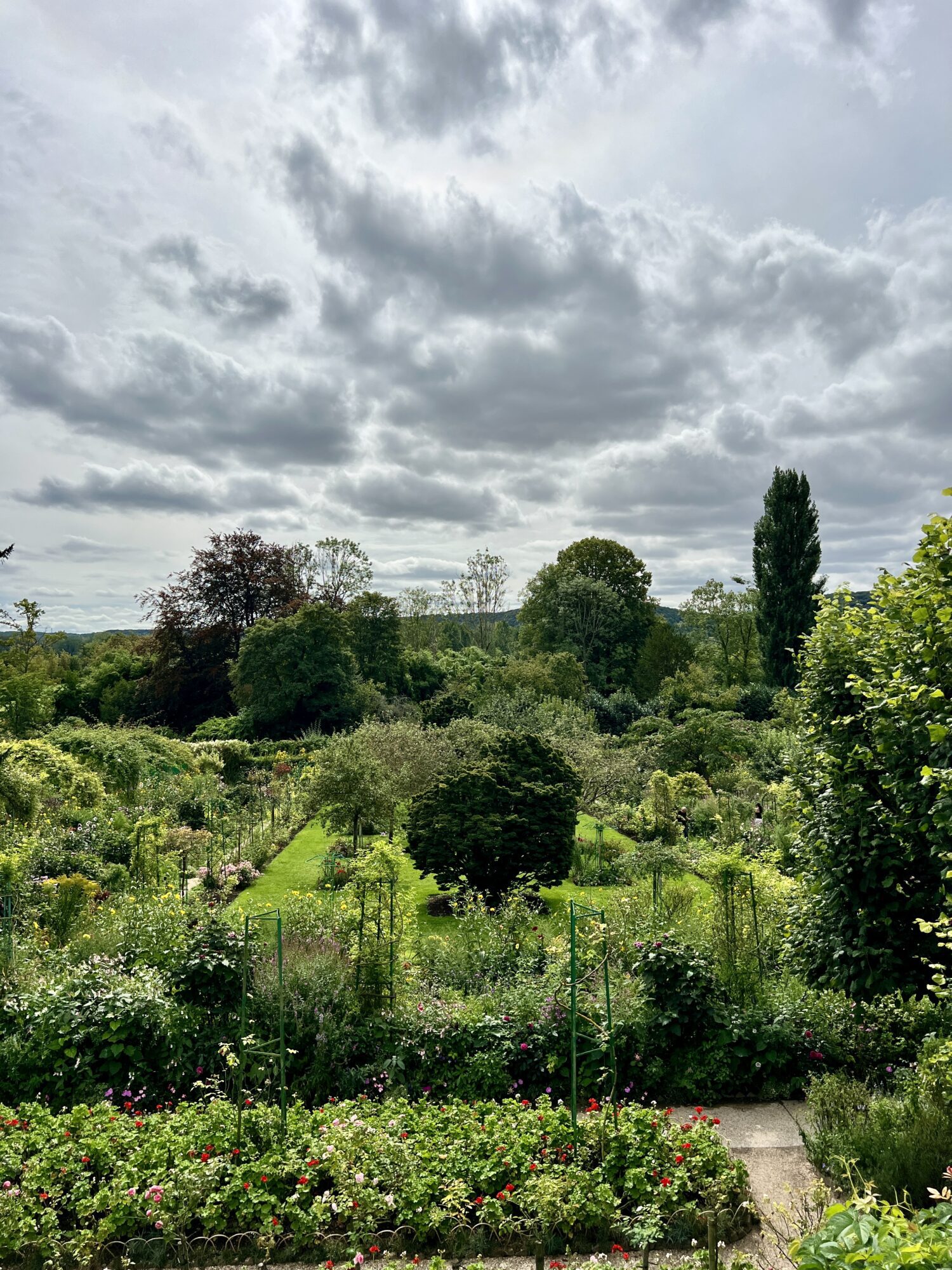
Monet’s collection grew into an extravagant display of irises, peonies, delphiniums, Oriental poppies, asters, and countless sunflowers. His garden became a living extension of his artistry, every bloom as thoughtfully chosen as a brushstroke, transforming nature into an evolving masterpiece.
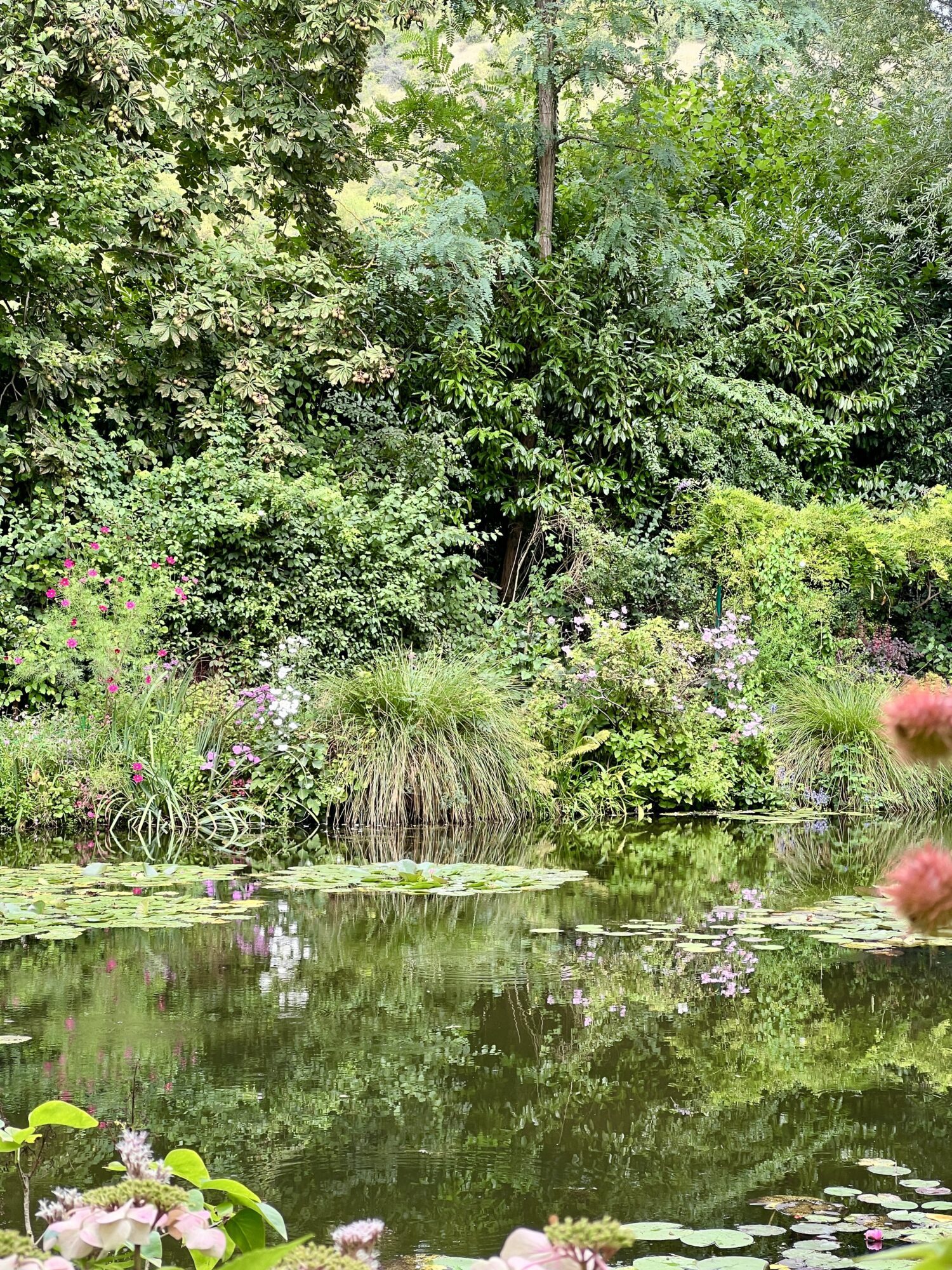
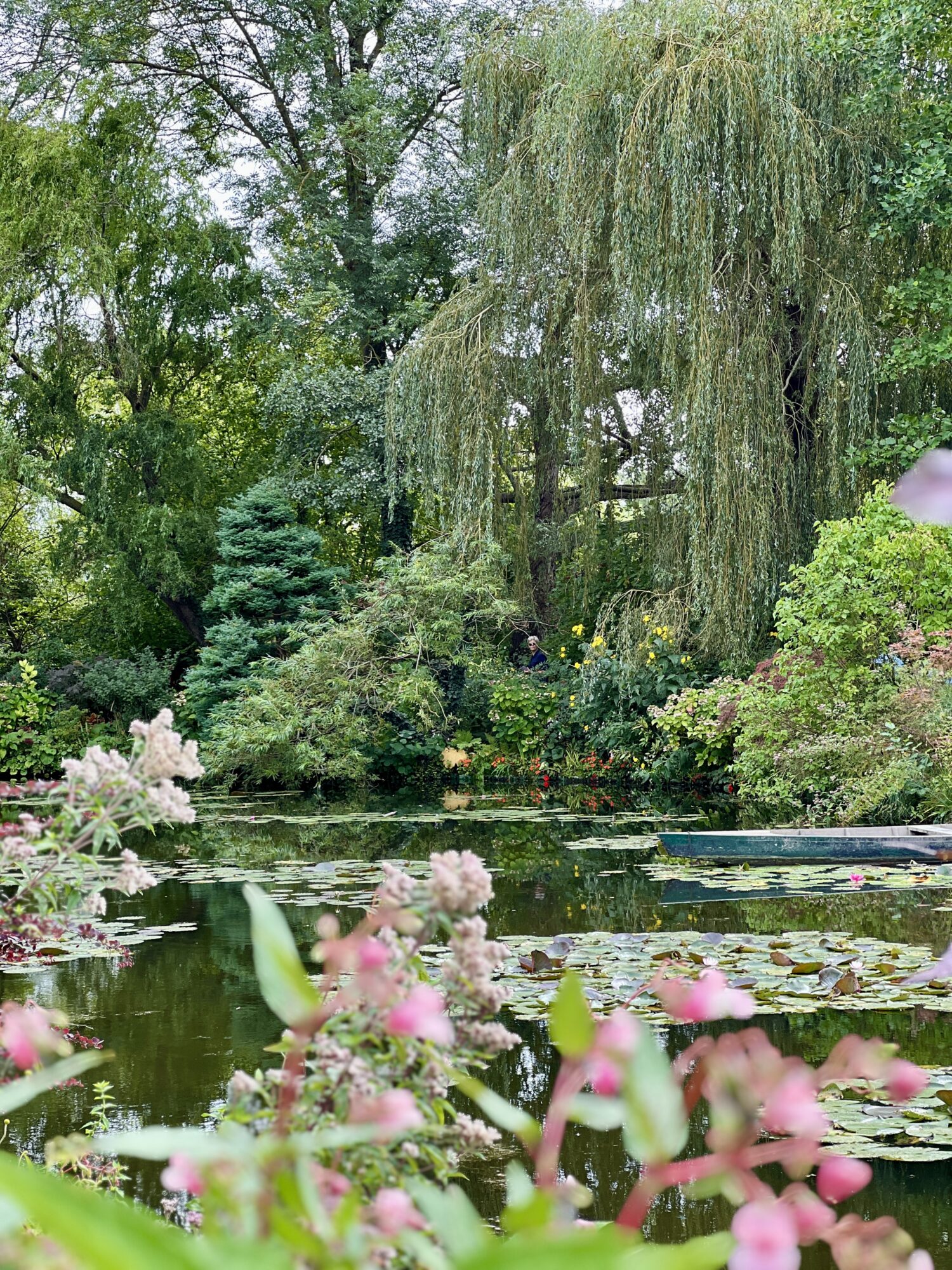
Once content with his very English-style garden, he set his gaze on the plot of land behind his property. Across the road lay a marshy area with a small pond, once used by local farmers to water their cattle. To him, it was the perfect canvas for his vision of an Oriental-inspired floating garden, later known to the masses as his water-lily pond.
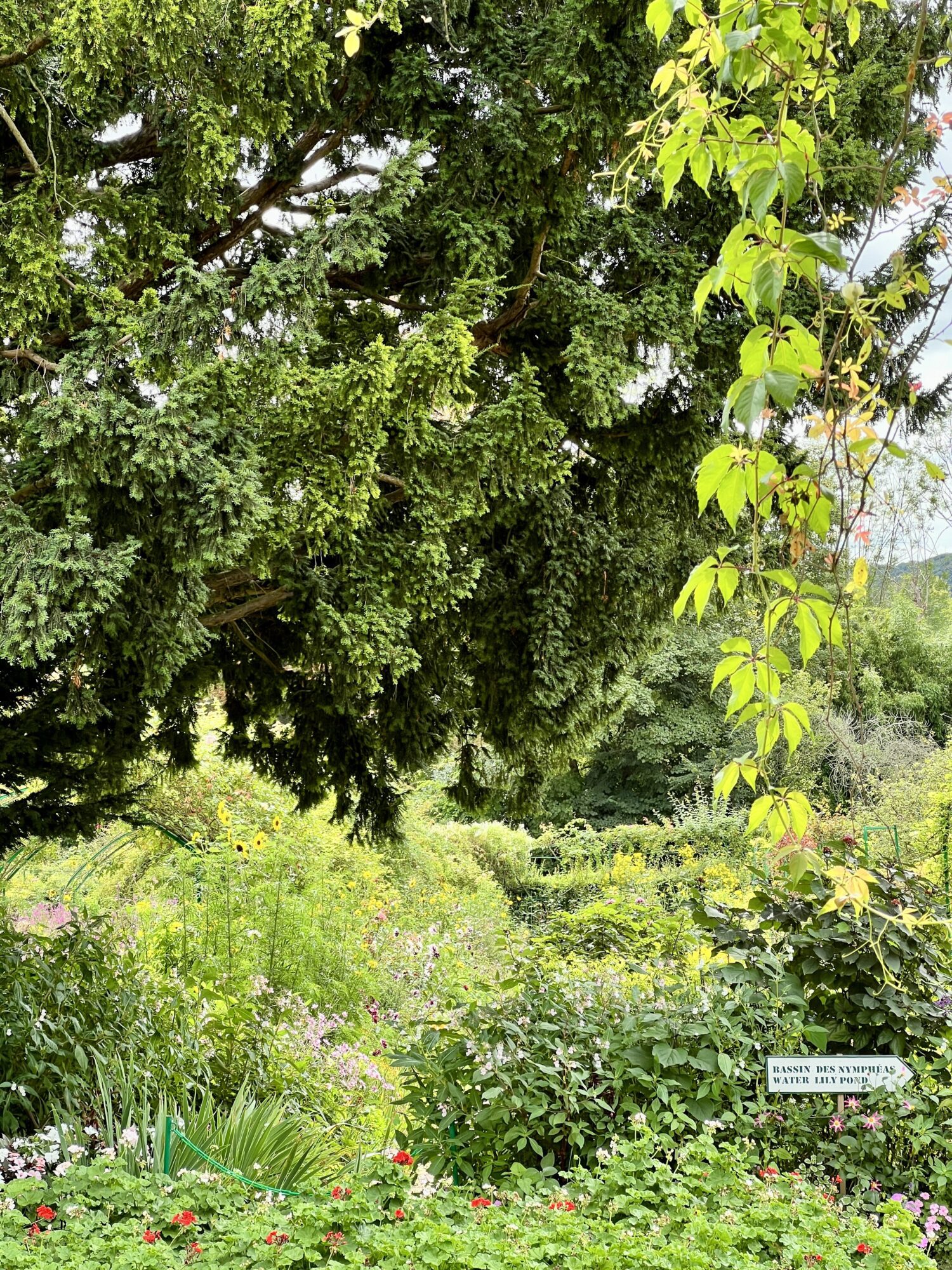
After years of negotiating with the town for the plot of land and the rights to divert a river to fill his pond, he gradually saw his dream come to life. He even dug a tunnel under the road for easy access between his garden and the pond. For the remaining thirty years of his life, he devoted himself to creating nearly 250 panels depicting the serene surface of his water-lily pond.
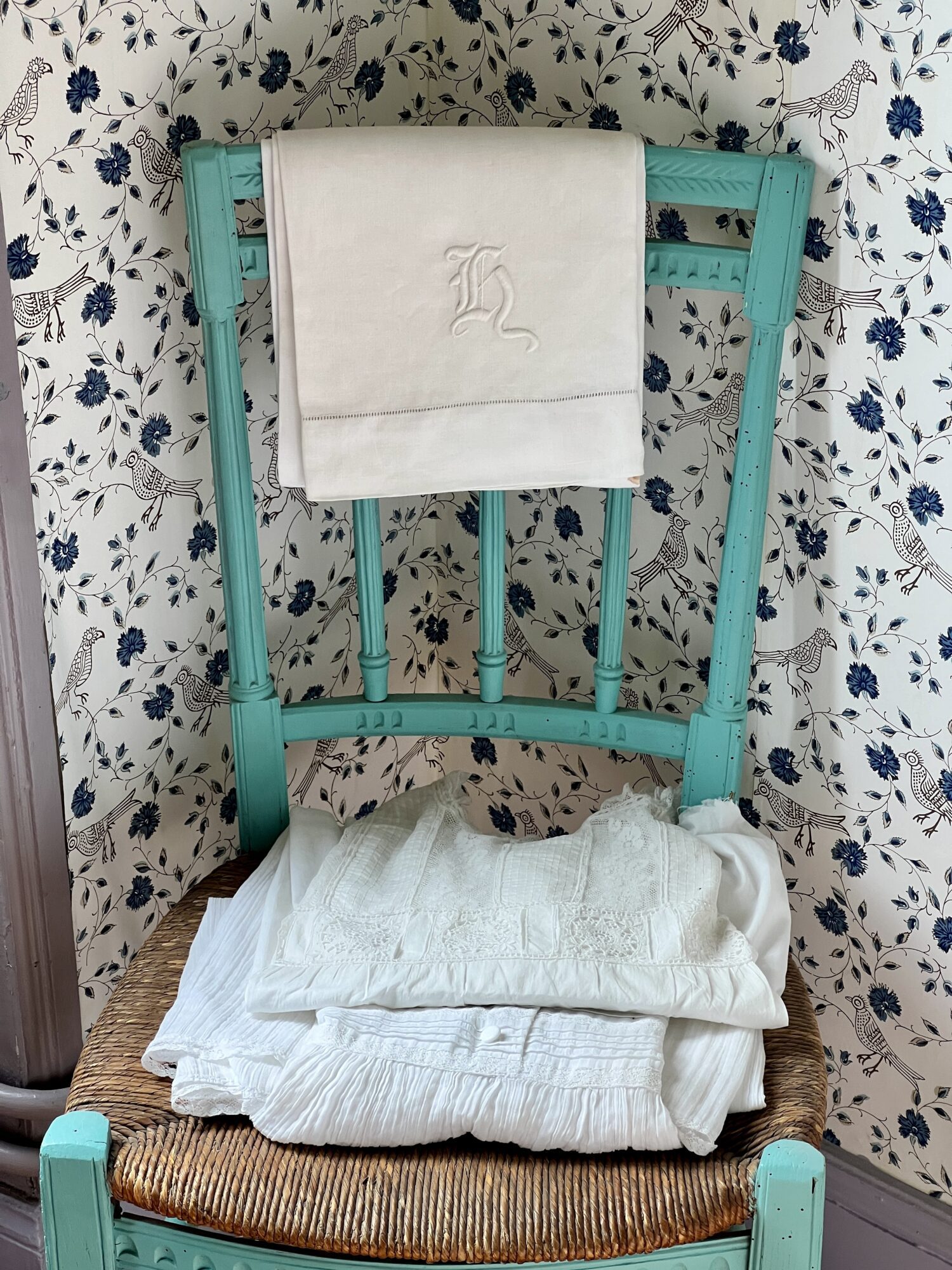
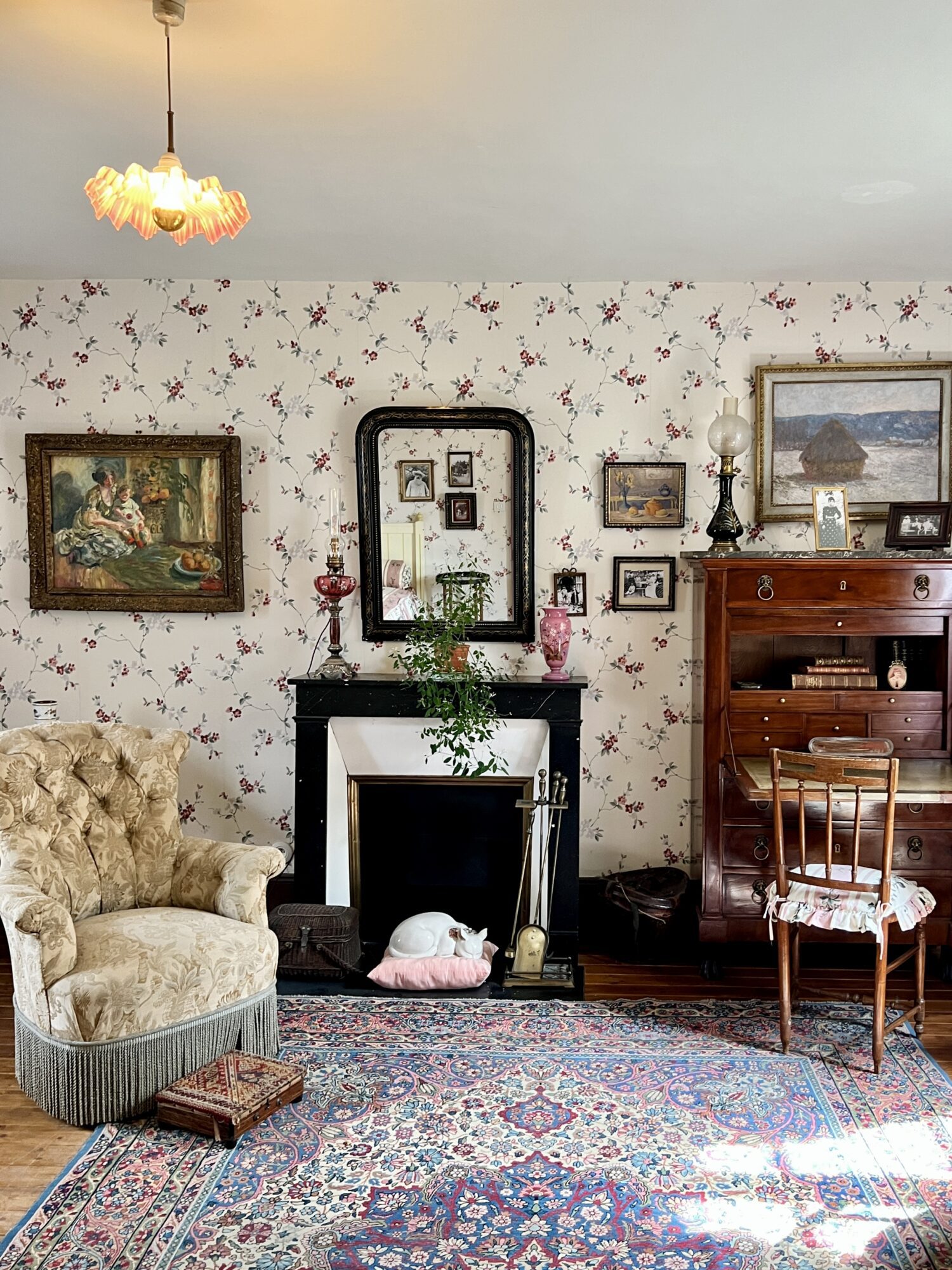
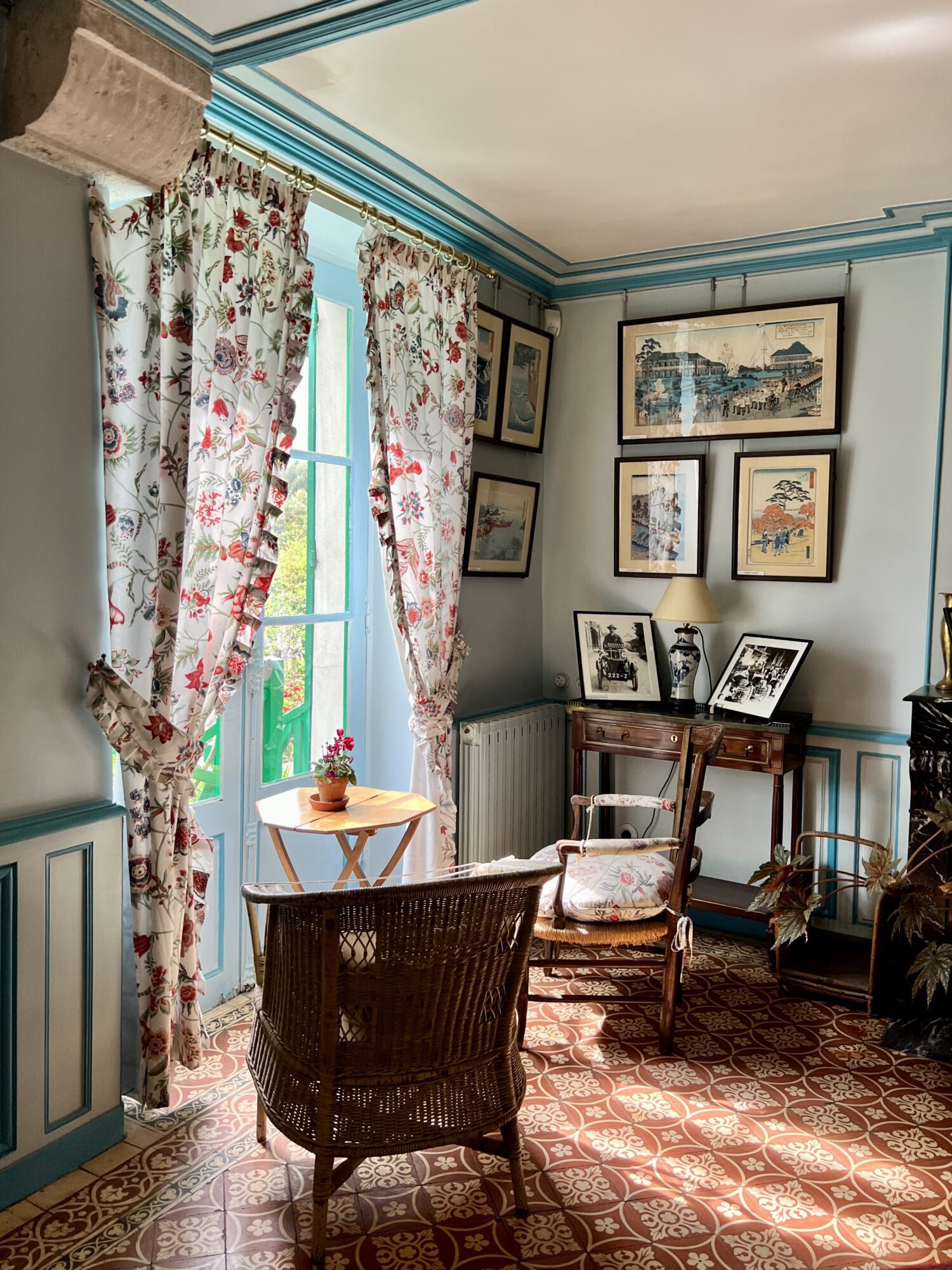
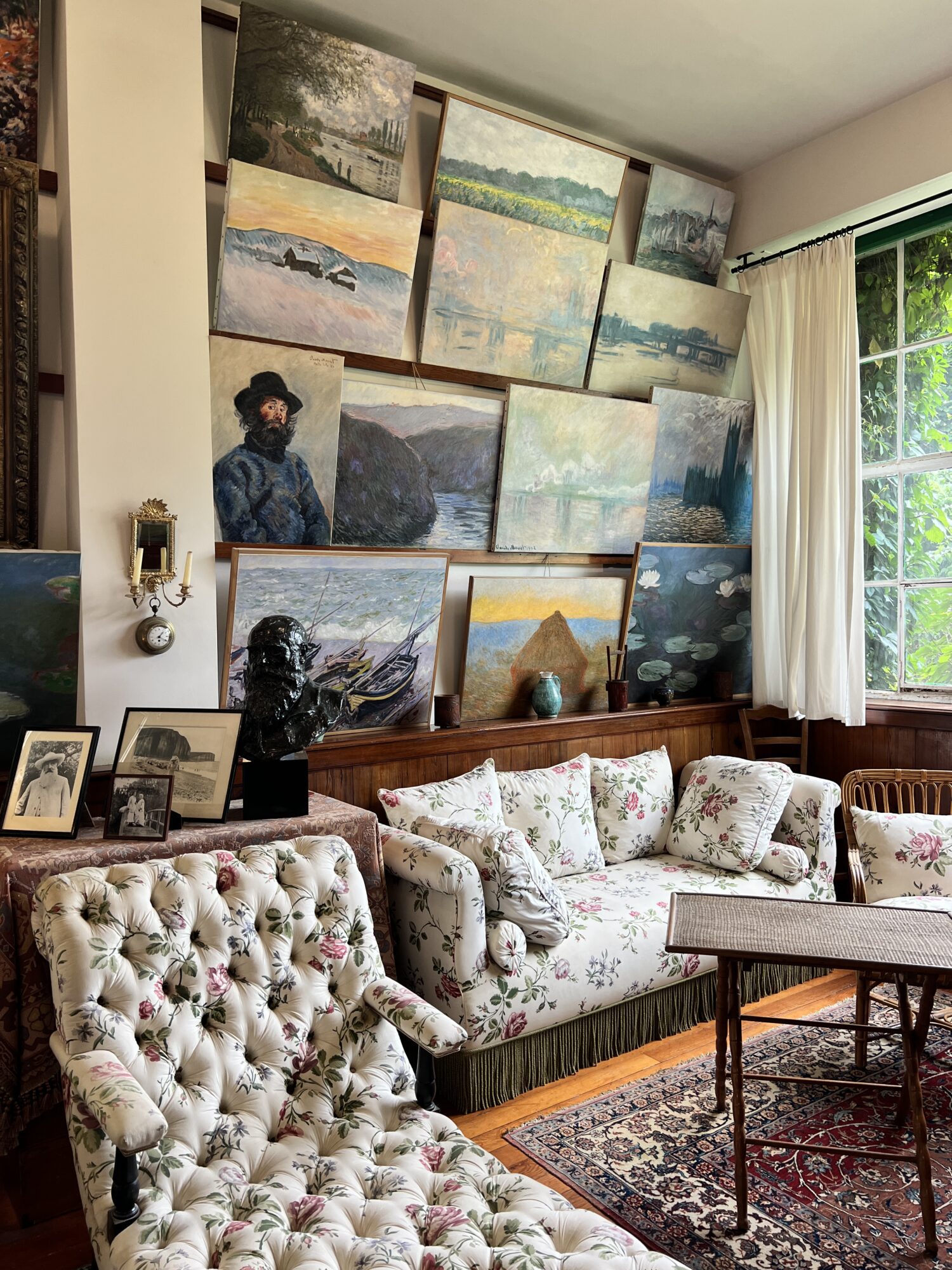
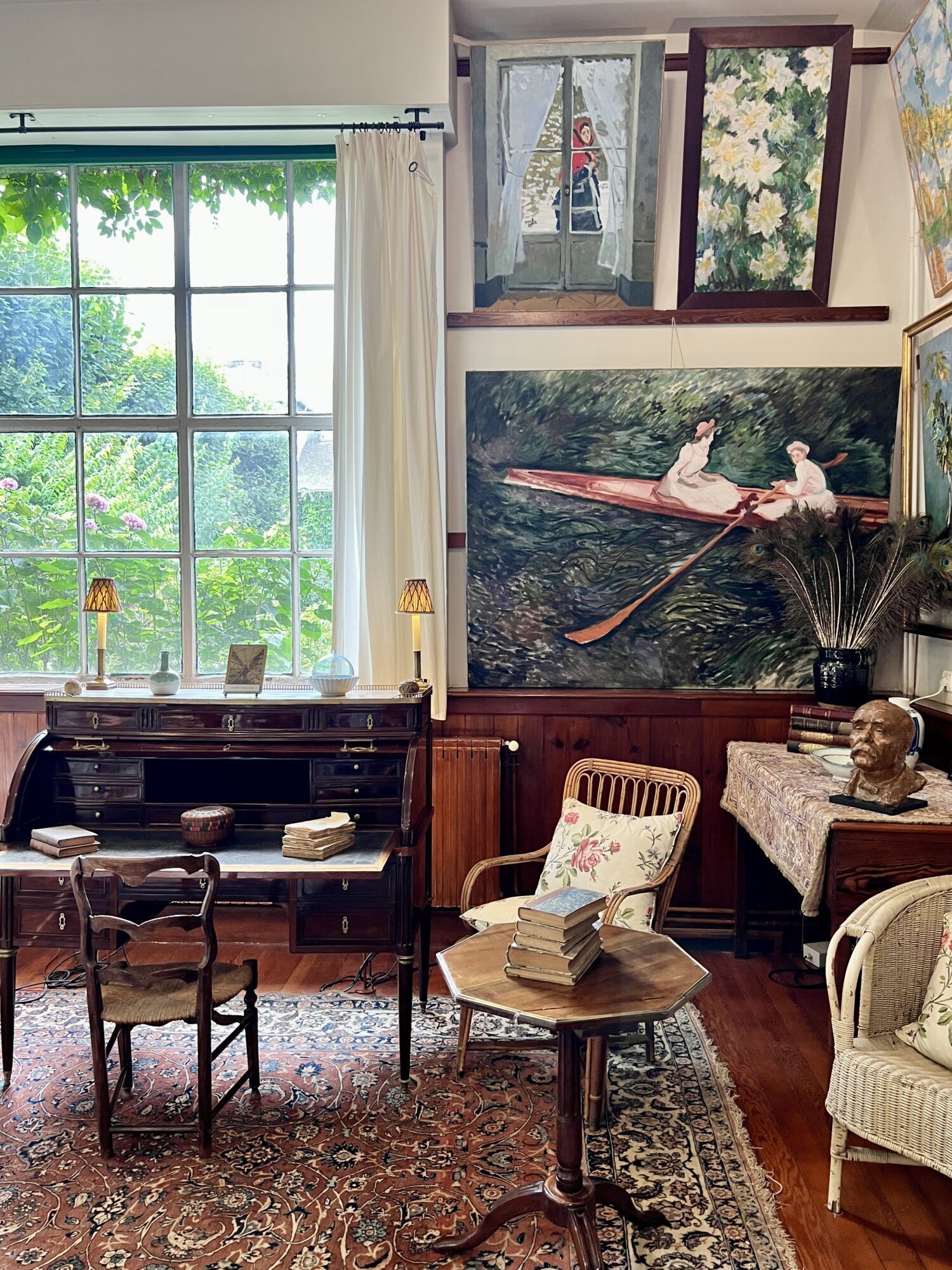
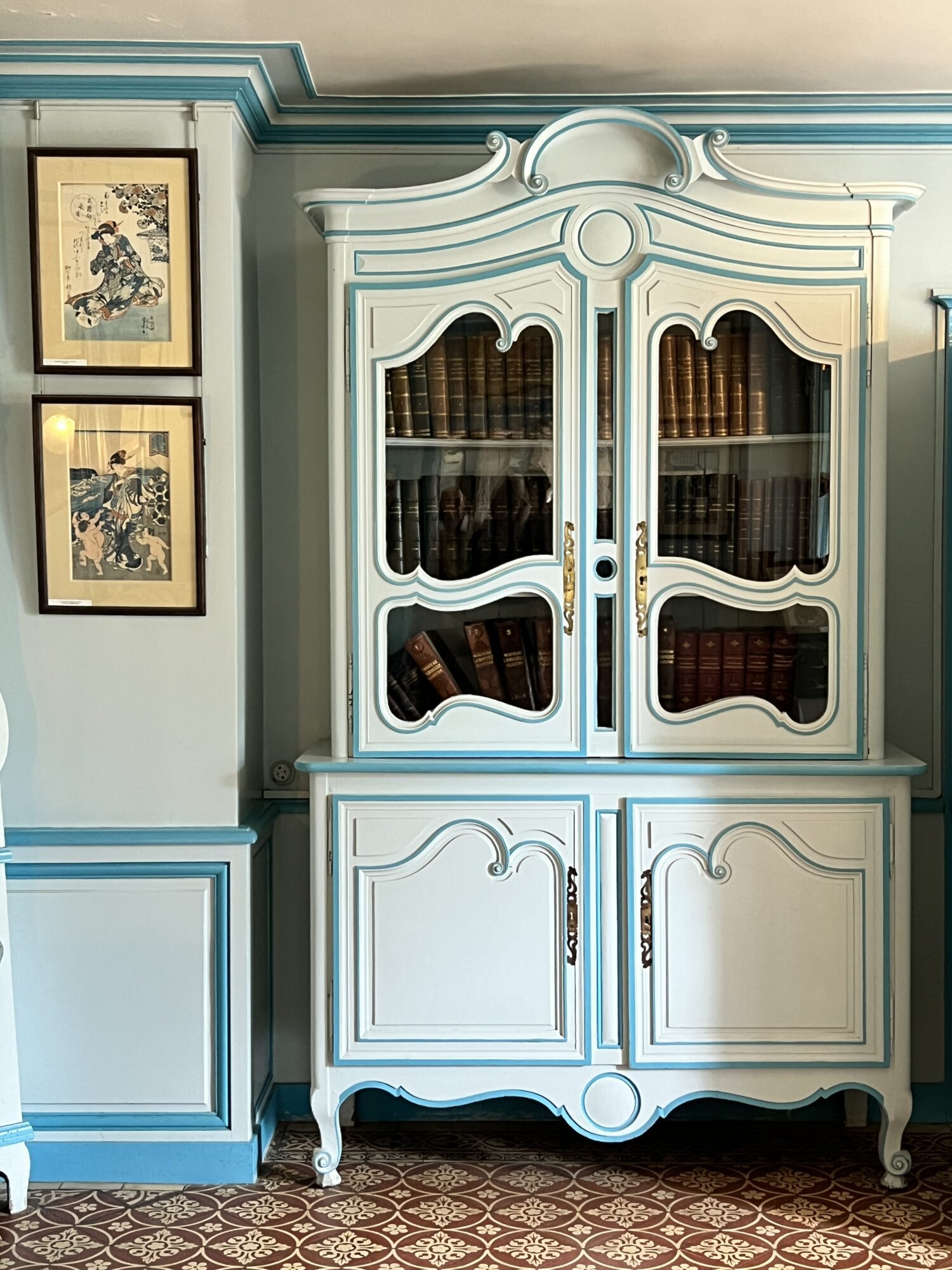
The house itself is a vivid extension of the gardens. Inside, every room echoes the lushness outside, filled with Monet’s vast art collection, intriguing objects, textiles, and richly textured furniture. Thoughtfully curated, the home blends seamlessly with the land, as if it had grown from the garden itself.

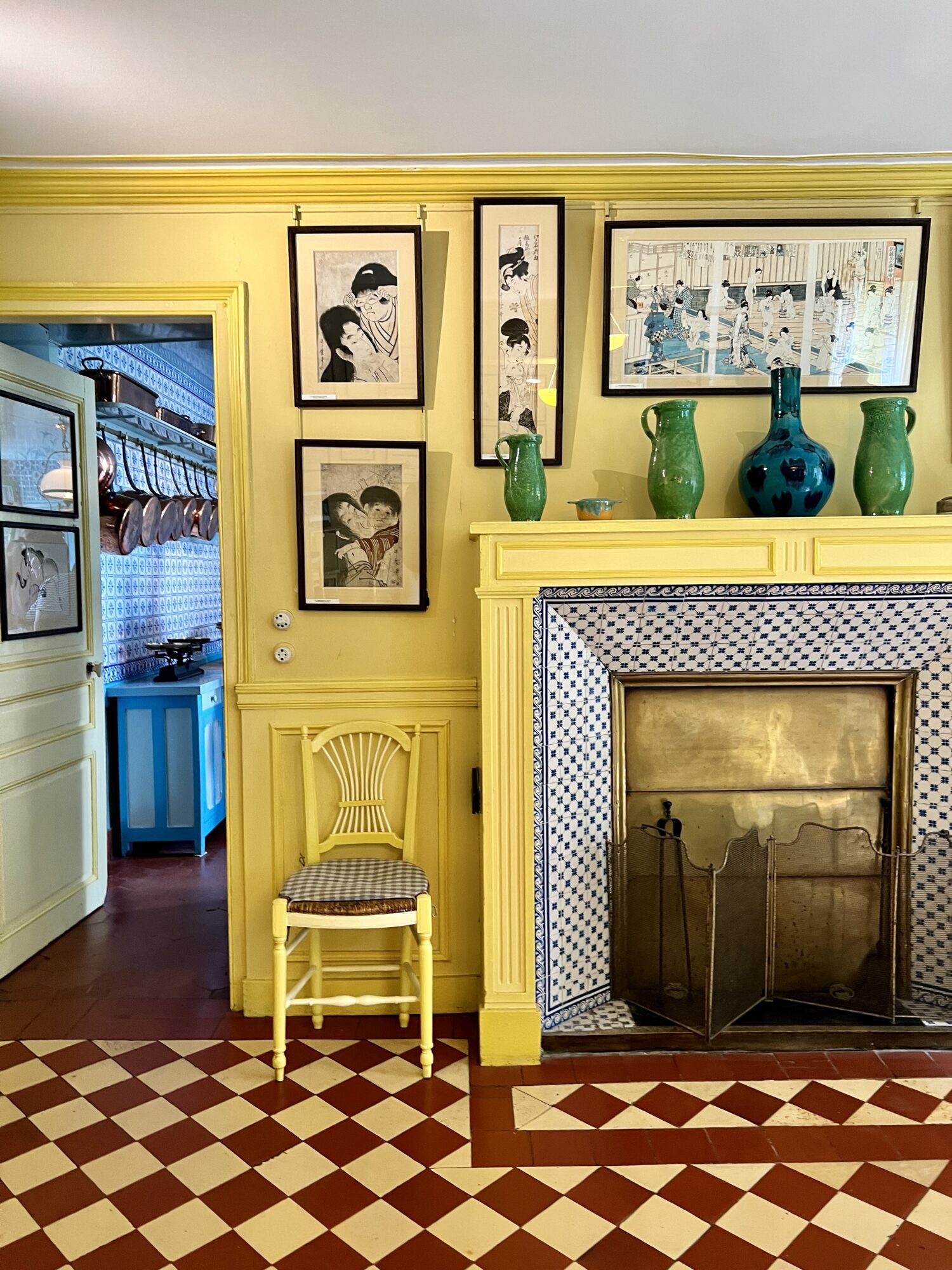
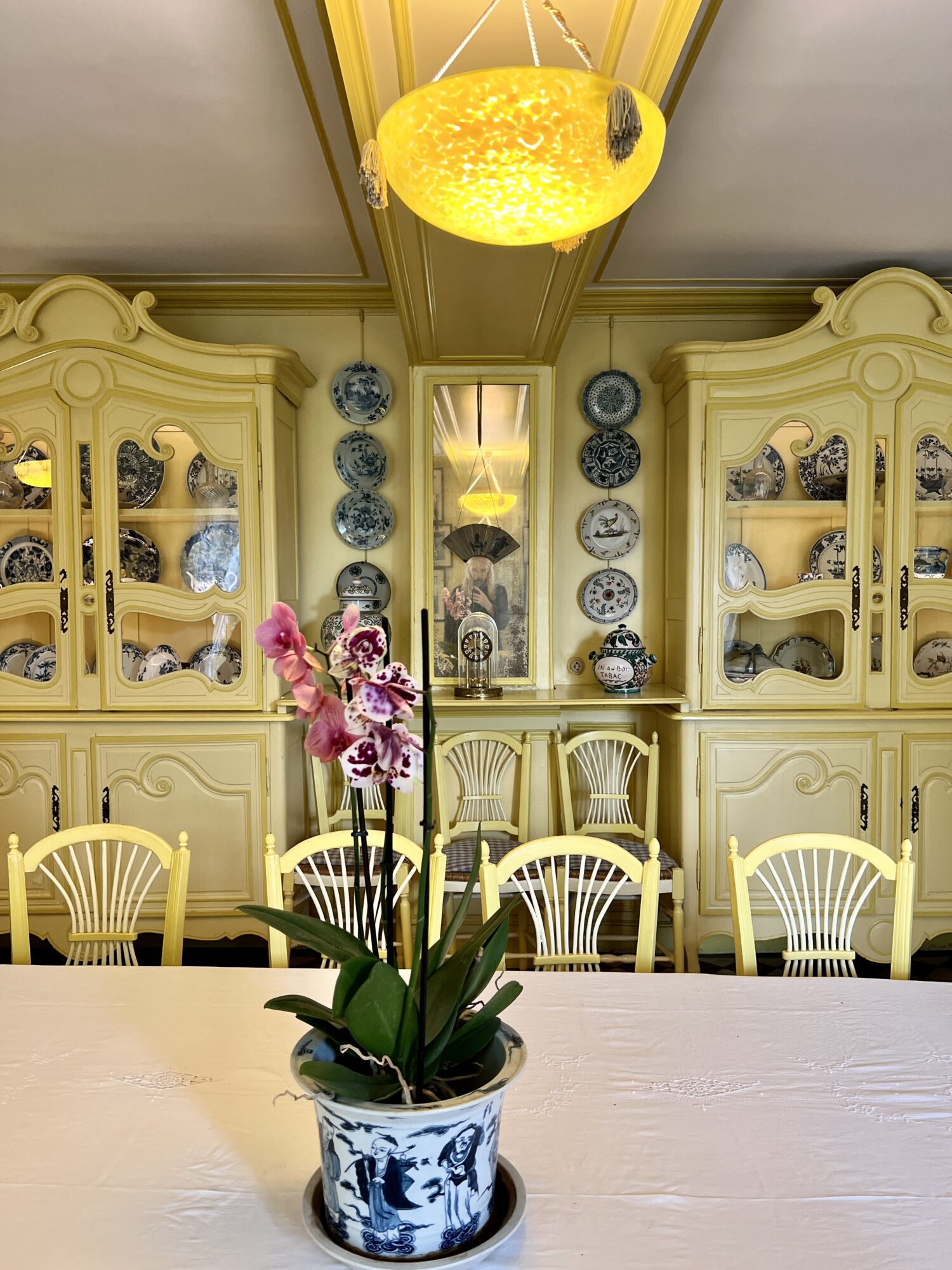
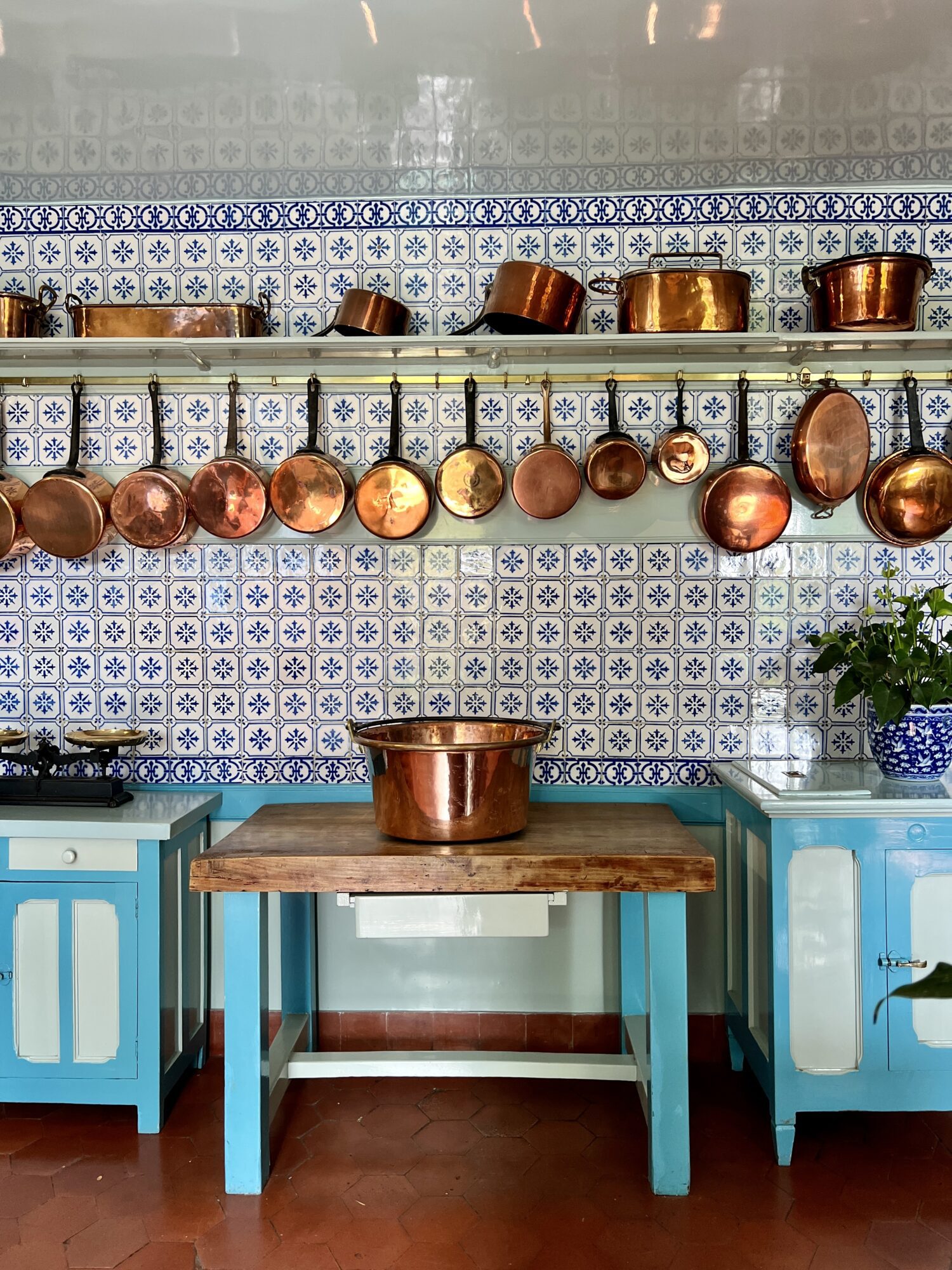
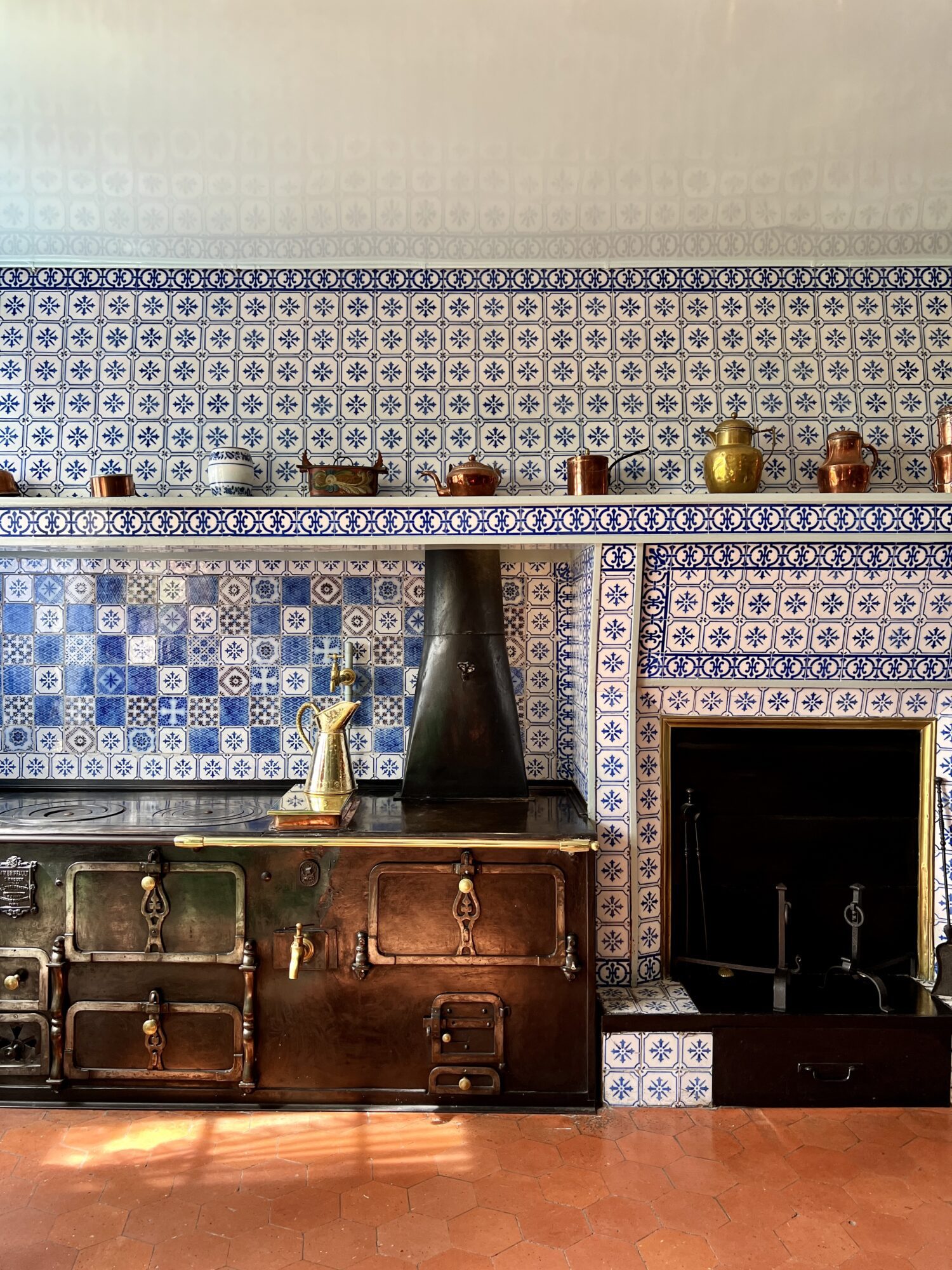
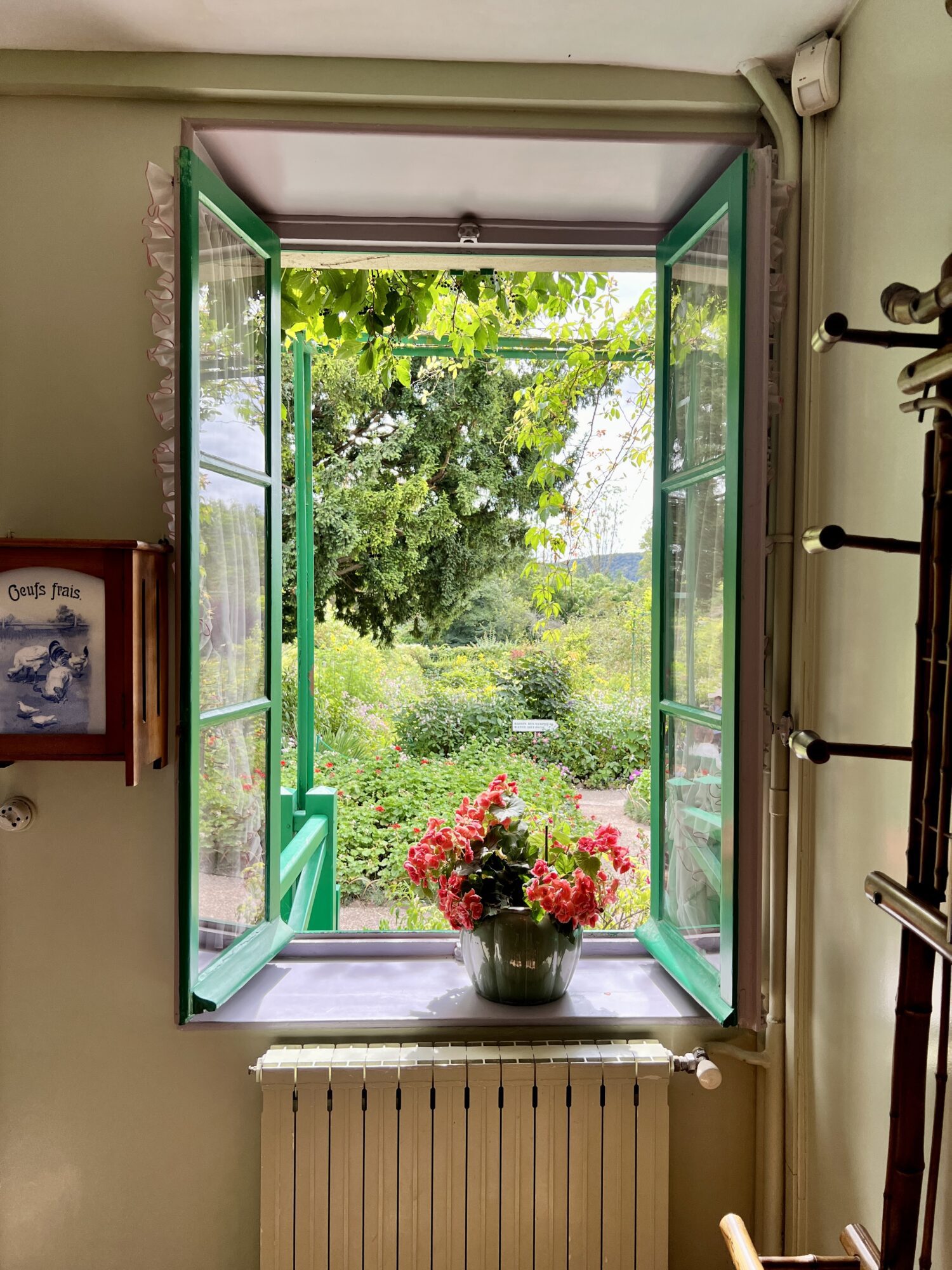
Every corner of the estate, from the vibrant, meticulously cultivated gardens to the tranquil pond, reveals the living inspiration behind Monet’s iconic brushstrokes. It is here, in this serene sanctuary, that Monet immersed himself in the natural beauty that shaped his creative vision. Giverny is a window into the world that gave rise to one of the greatest artistic legacies of all time. If you ever have the chance, Monet’s Giverny is an absolute must-see. It’s a living masterpiece.
To visit Monet’s home and gardens, information can be found here.


I’ve been lucky enough to visit Monet’s home and gardens twice. Once with my sister and husband and many years later with my daughters. It’s magical to stand in his home filled with all of those vibrant colored rooms. I think I love the outside of his home most. Thanks For a trip down memory lane today.
I spent two weeks in Paris with my husband the spring of 2023. We visited multiple chateaux, hôtels particuliers, and museums, which were amazing, of course, but the most stunning and memorable day of our vacation was our day trip to visit to Monet’s home and gardens in Giverny. Every corner of both the house and the expansive gardens was full of color and pattern and absolute joy. I think my jaw dropped as we approached, and didn’t close until we arrived back at the train station. I took a zillion photos, but also tried to remember to put my phone down to digest all the beauty with my eyes instead of through a screen. To me, it’s a must-do for anyone visiting the Paris area.
I just returned from Giverney and found the visit to be magical. I was in awe of the Gardens and his home. I studied these paintings back in Art History many years ago in University and there I was in the midst of the same scenes. It was surreal and lovely. I highly recommend visiting.
Dear Natalie,
I visited Monet’s home several years ago and we were not permitted to take photos inside. I was so disappointed but thrilled to see your photos and remember. Thank you from Australia.
Giverny and Monet’s garden are so wonderful to visit, you gain a whole new understanding of his art looking at the light dancing on the lily pond, just magical. I love to go and stay the night at one of the gorgeous b&b’ s in Giverny- visit the gardens late in the day when the day trippers from Paris have left, then have a delicious dinner in the village, and wander the quiet streets. Such a different experience to the busy daytime
I will never forget our bike tour in Giverney. Walking in the gardens and taking tea in the tavern where Monet and other of his painterly companions used to meet, it was like being inside one of his paintings. . . . At least that was my “impression”. ????
We almost…. went to Giverney a few years ago. But while on the train the crowds seemed daunting….so we went on to Rouen. It was a lovely day, especially at the Musee de la Ceramique. But no Giverney. These are perhaps the most lovely images I have seen, and now I must go!
After several visits, I came home and using an overhead projector, to cast the bridge on my wall which is quite a large curved inset, I painted Monet’s bridge, lilies and willow. Acrylic paint is very forgiving so thus I painted my first and only mural.