


Written and photographed by Natalie Aldridge
Tucked away on Place de la Concorde, between the Champs-Élysées and the Tuileries Garden, and just steps from the famed Hôtel de Crillon, is a museum that’s only recently started making a name for itself. Hôtel de la Marine, designed in 1758 by Ange Jacques Gabriel, chief architect to King Louis XV, has quickly become one of my favorite museums in Paris. “Hôtel”, in this case, refers to the French term for a grand residence. It hides in plain sight, easy to overlook, and for good reason. For nearly 230 years, 1789 until June 2021, its doors remained firmly shut to the public.
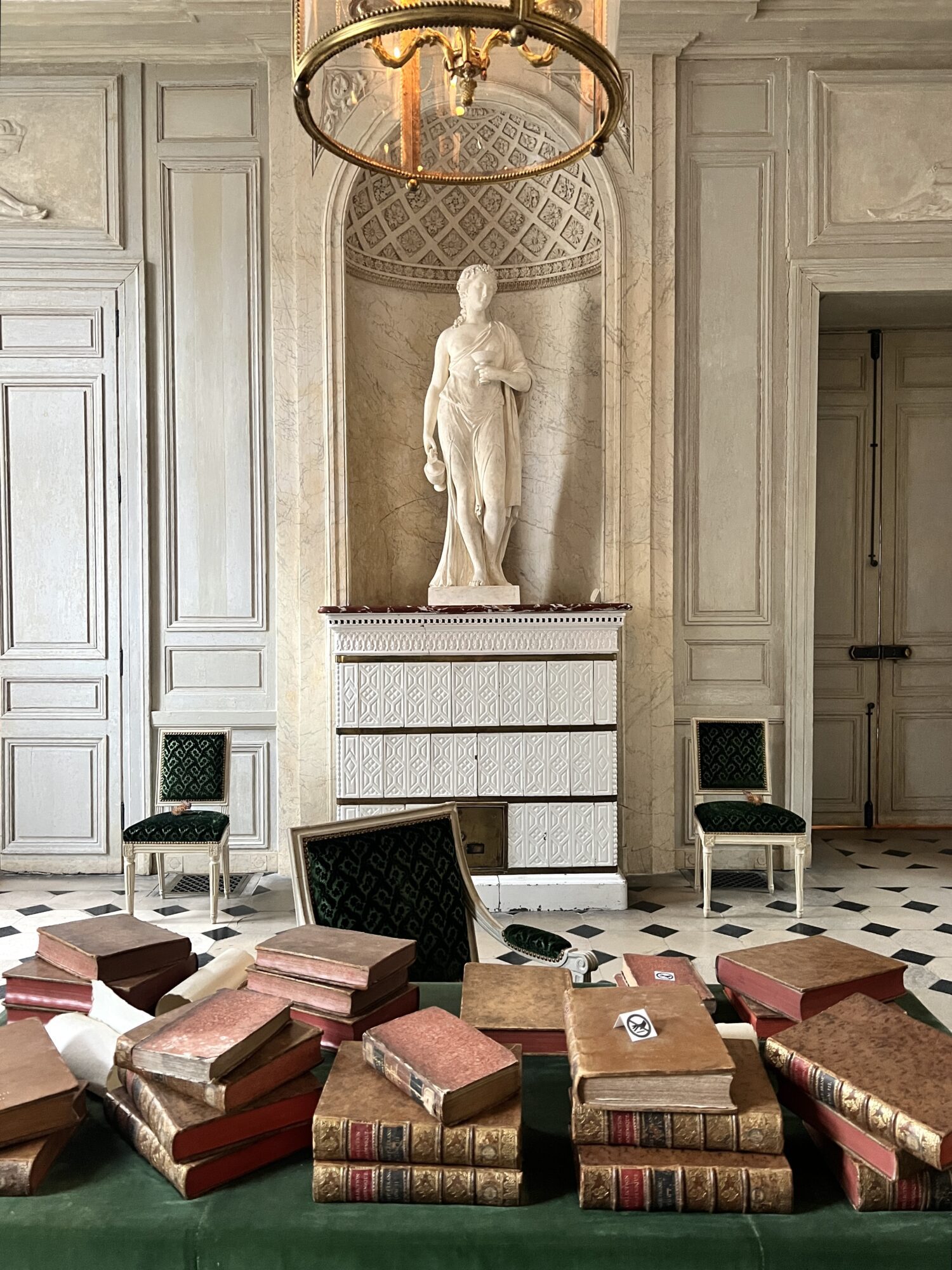
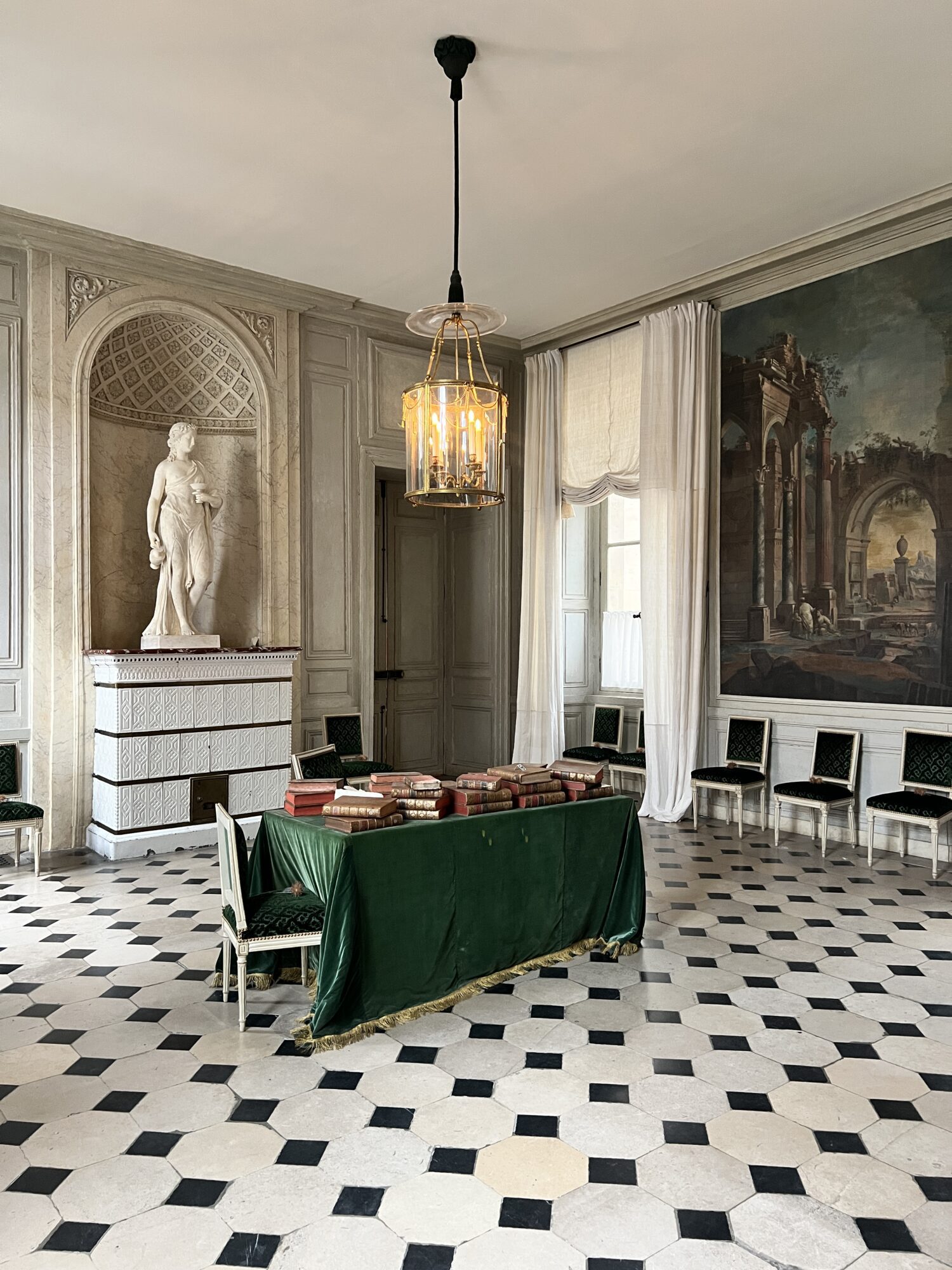
Originally built in a palace like fashion as the headquarters of the Garde Meuble de la Couronne, the royal repository for furniture, the Crown Jewels, and precious artworks, Hôtel de la Marine stood as a symbol of the French monarchy. But it wasn’t just about storing fancy chairs. During this period, Pierre Elisabeth de Fontanieu, followed by Marc Antoine Thierry de Ville d’Avray, resided in the palace and served as stewards of the Garde Meuble de la Couronne. Notably, Marie Antoinette also had an apartment within the palace for when she visited Paris.
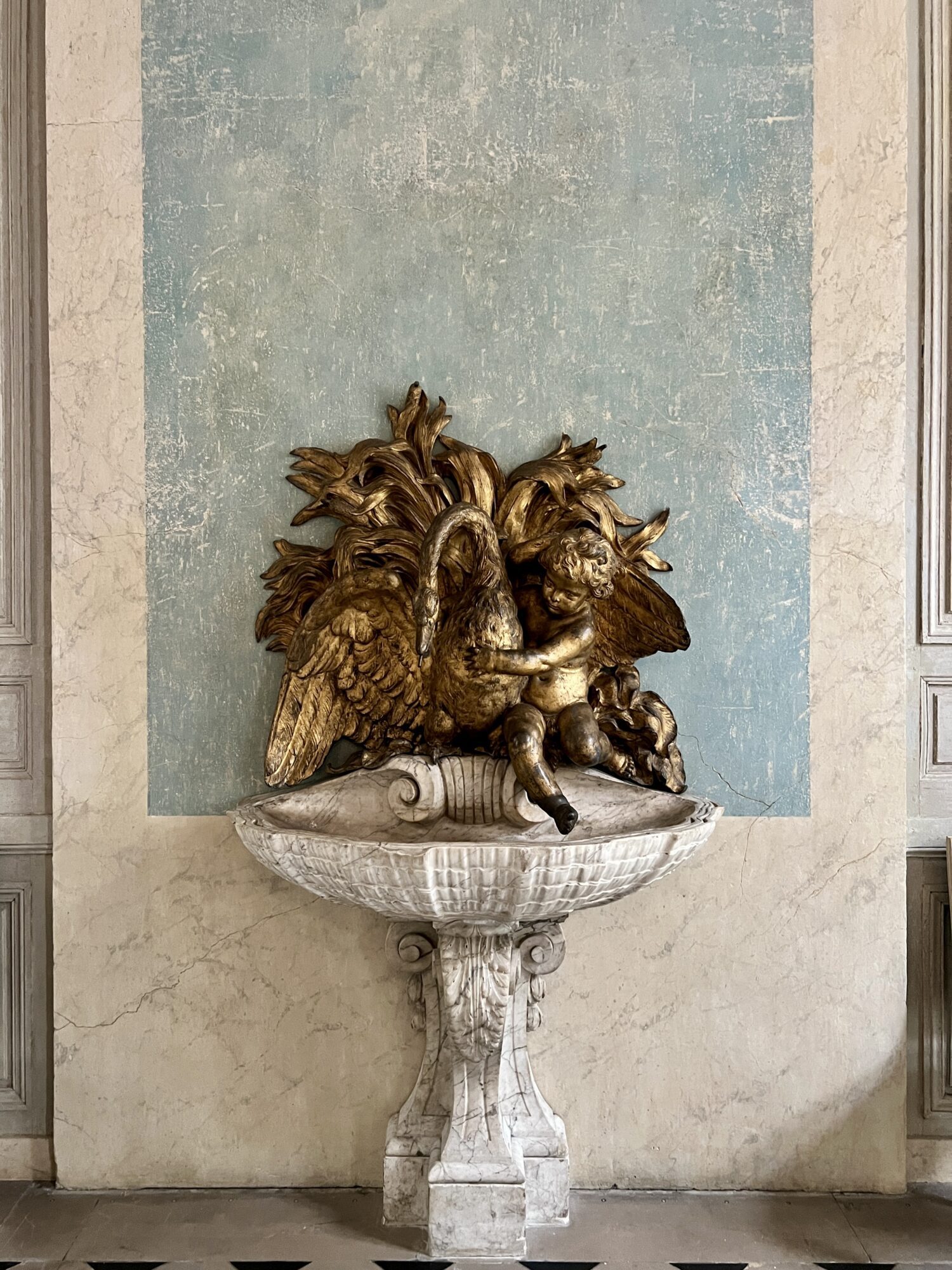
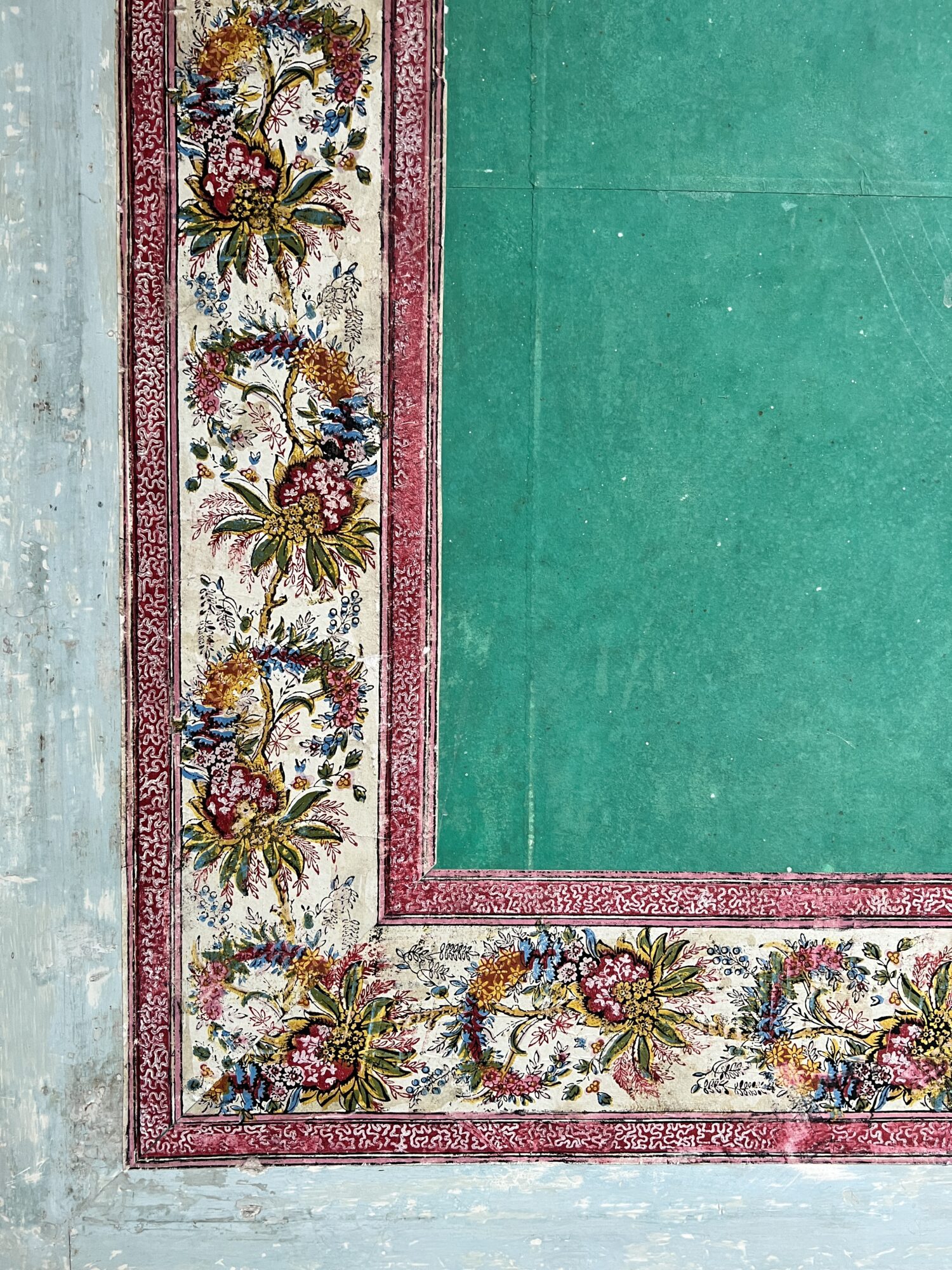
In 1789, the French Revolution swept through Paris and Hôtel de la Marine found itself at the center of the storm. The guillotine was erected just outside in Place de la Concorde, turning the building’s balconies into prime if viewing spots for the executions of Louis XVI and Marie Antoinette. Eek!
That same year, under the new revolutionary government, the Navy Ministry took over, marking the beginning of the building’s maritime chapter. For the next two centuries, Hôtel de la Marine became synonymous with France’s naval power, its halls walked by some of the most formidable figures in history, including Napoleon himself.
At the start of the Revolution, King Louis XVI left Versailles for Paris, forcing state administrations to follow and find new headquarters. In 1789, the Ministry of the Navy, led by the Count of La Luzerne and Jean Baptiste Berthier, moved into the former Garde Meuble.
In 1792, three years into the Revolution, the Crown Jewels were stolen from Hôtel de la Marine in a heist straight out of a thriller. As the story goes, about forty thieves broke into the building, slipped into the salon where the jewels were displayed, and walked away with nearly 30 million francs worth of treasure.
 The institution was then abolished and its remaining treasures either auctioned off or melted down for precious metals. Revived in 1800 as the Garde Meuble des Consuls, it later became the Imperial Furniture before evolving into the Mobilier National in 1870, an institution that still exists today but no longer within Hôtel de la Marine.
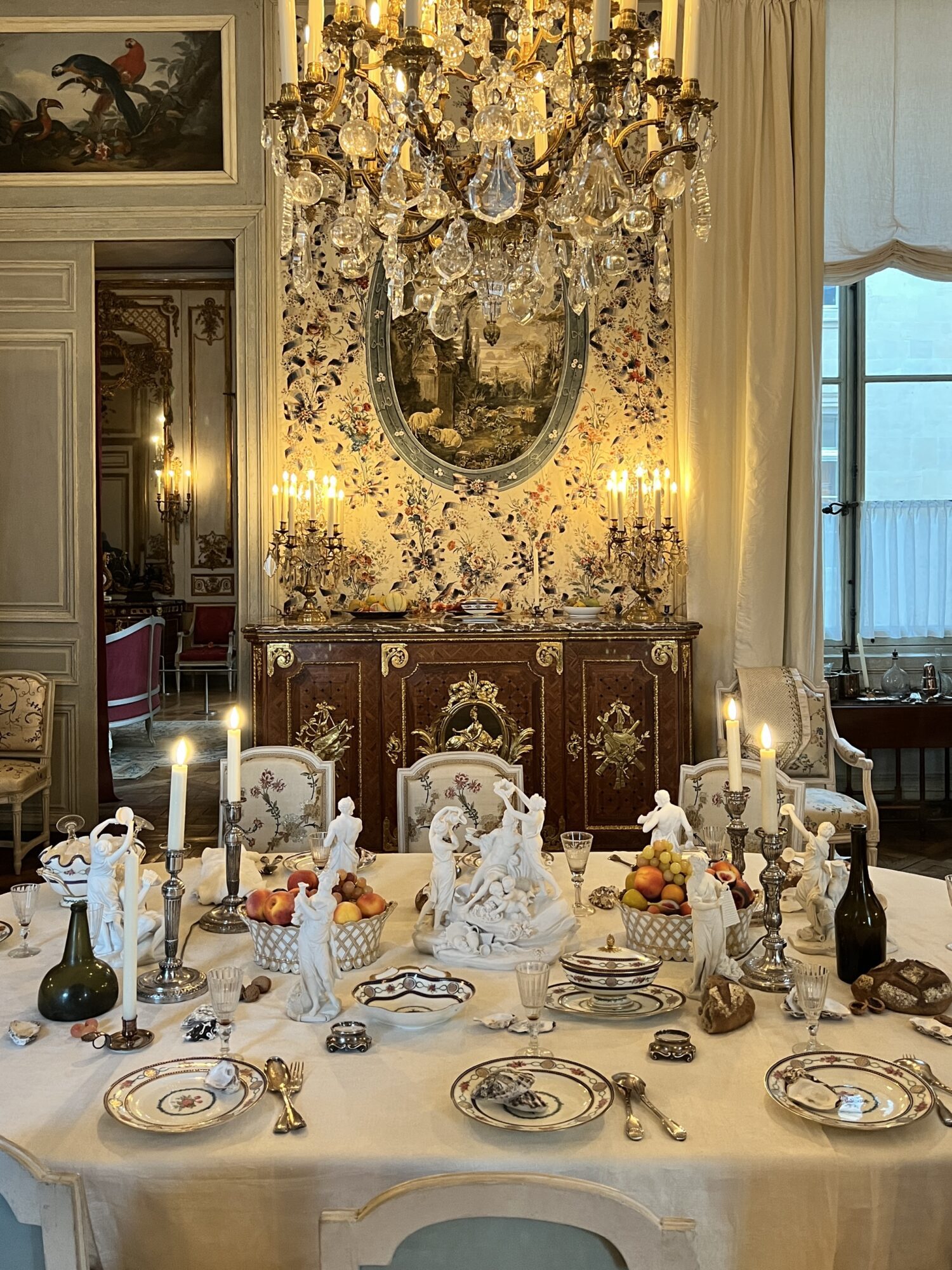
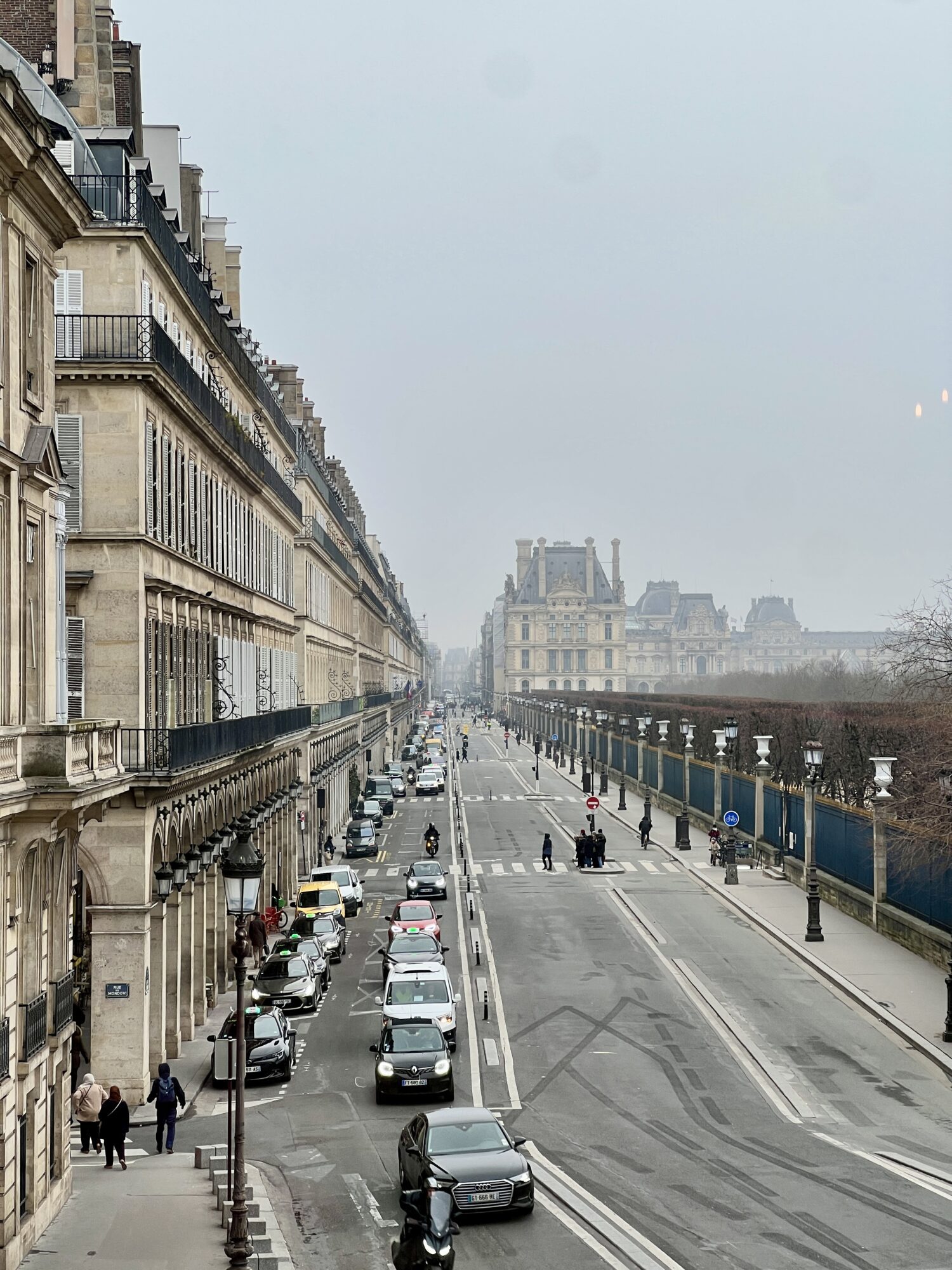
When the Ministry of the Navy moved in, they initially occupied only the second floor and the western wing, leaving the rest as a residence. Within a decade, however, they had taken over the entire building, marking the start of nearly 230 years of naval presence. During this time, the palace became known as Hôtel de la Marine, meaning “residence of the Navy.” In the years proceeding, tts grand halls played host to many lavish events. From Napoleon and Josephine’s coronation ball to the signing of the act that abolished slavery in France.
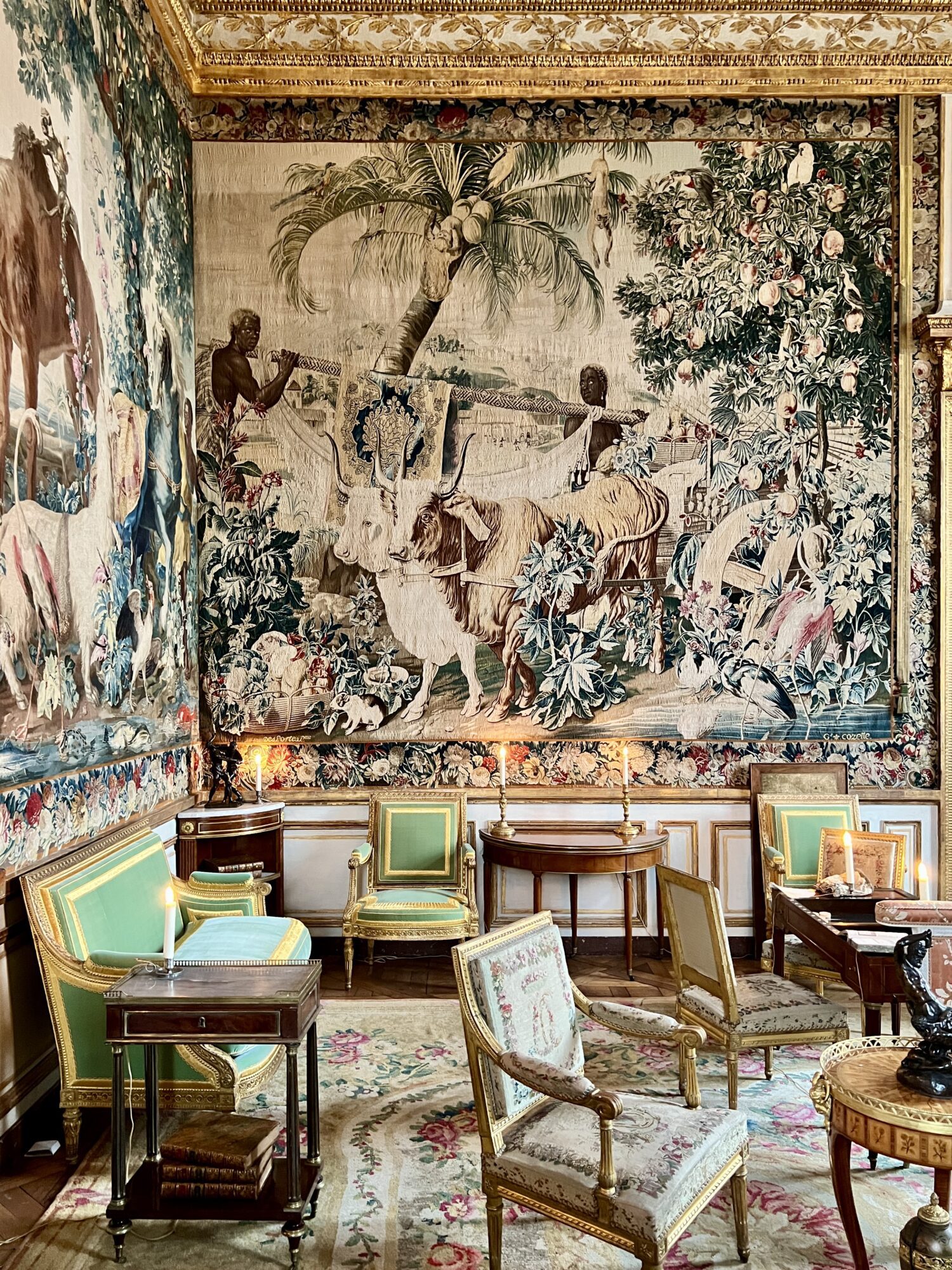
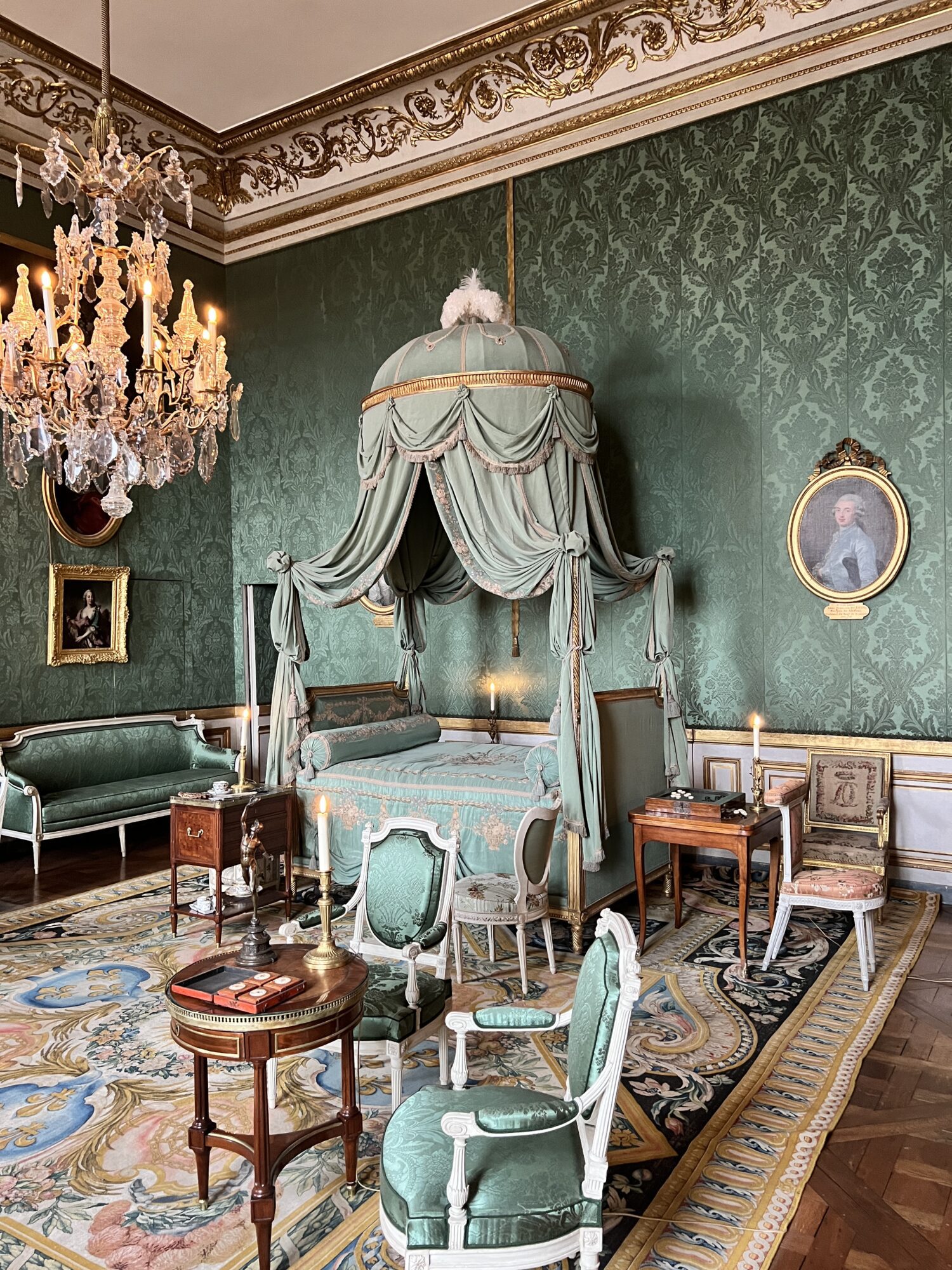
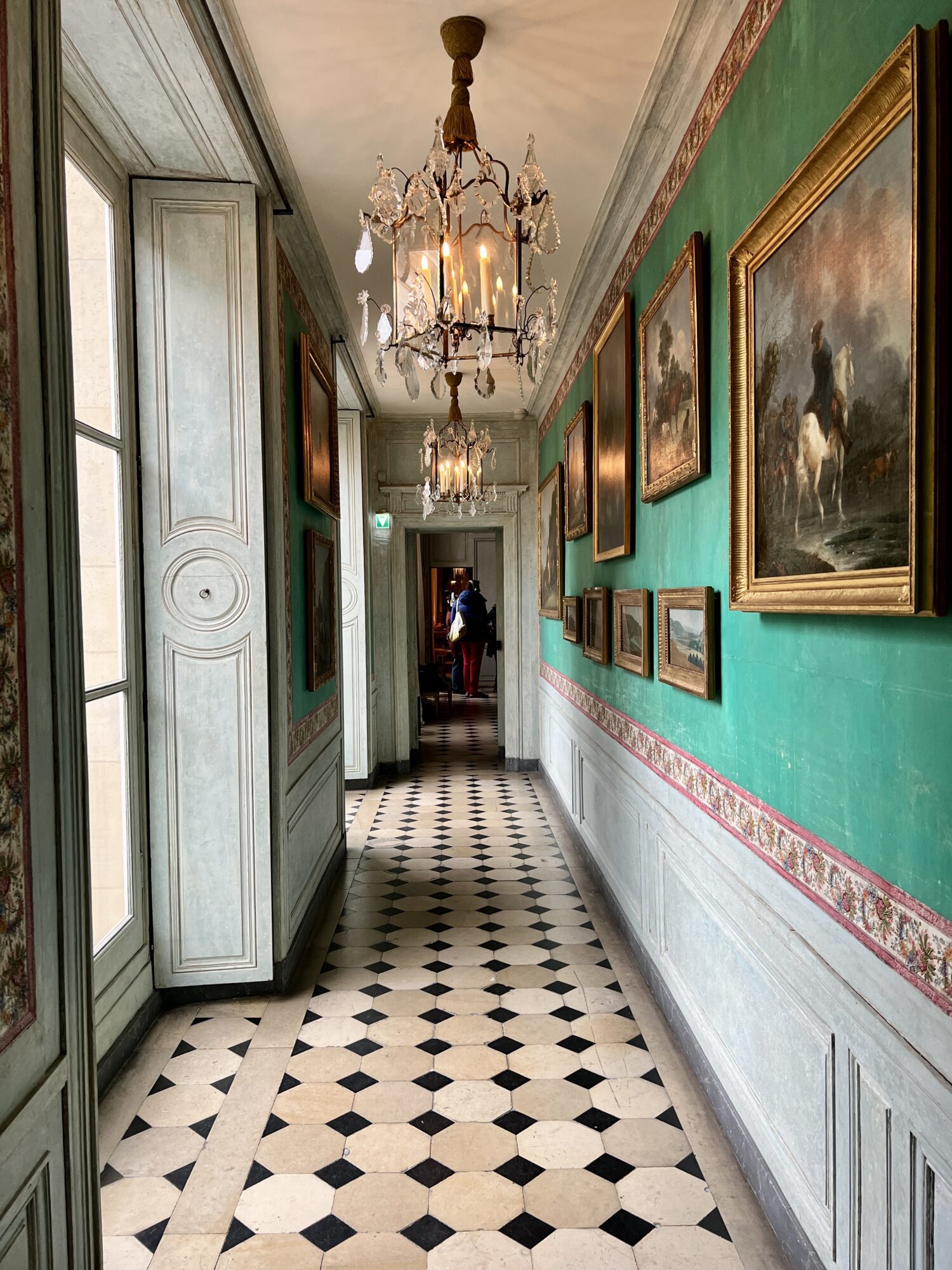
The Ministry of the Navy remained in the building until 2015, when France’s military consolidated its branches into a new headquarters in southern Paris. Their departure left behind a prime piece of real estate, paving the way for the palace’s grand revival. Soon after, it was entrusted to the Centre des Monuments Nationaux for an extensive restoration, with the vision of opening it to the public and returning the apartments to their 18th-century splendor.
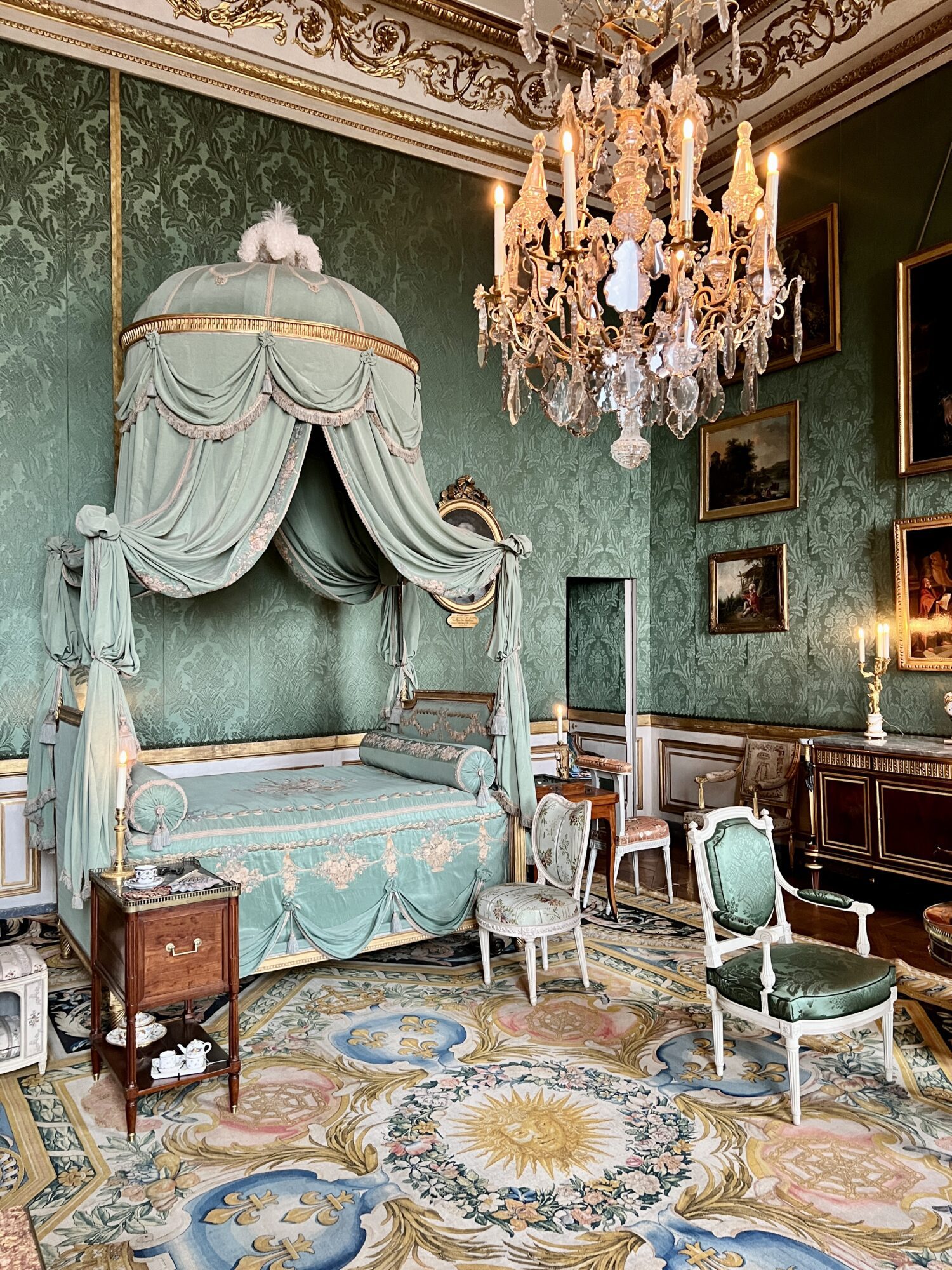
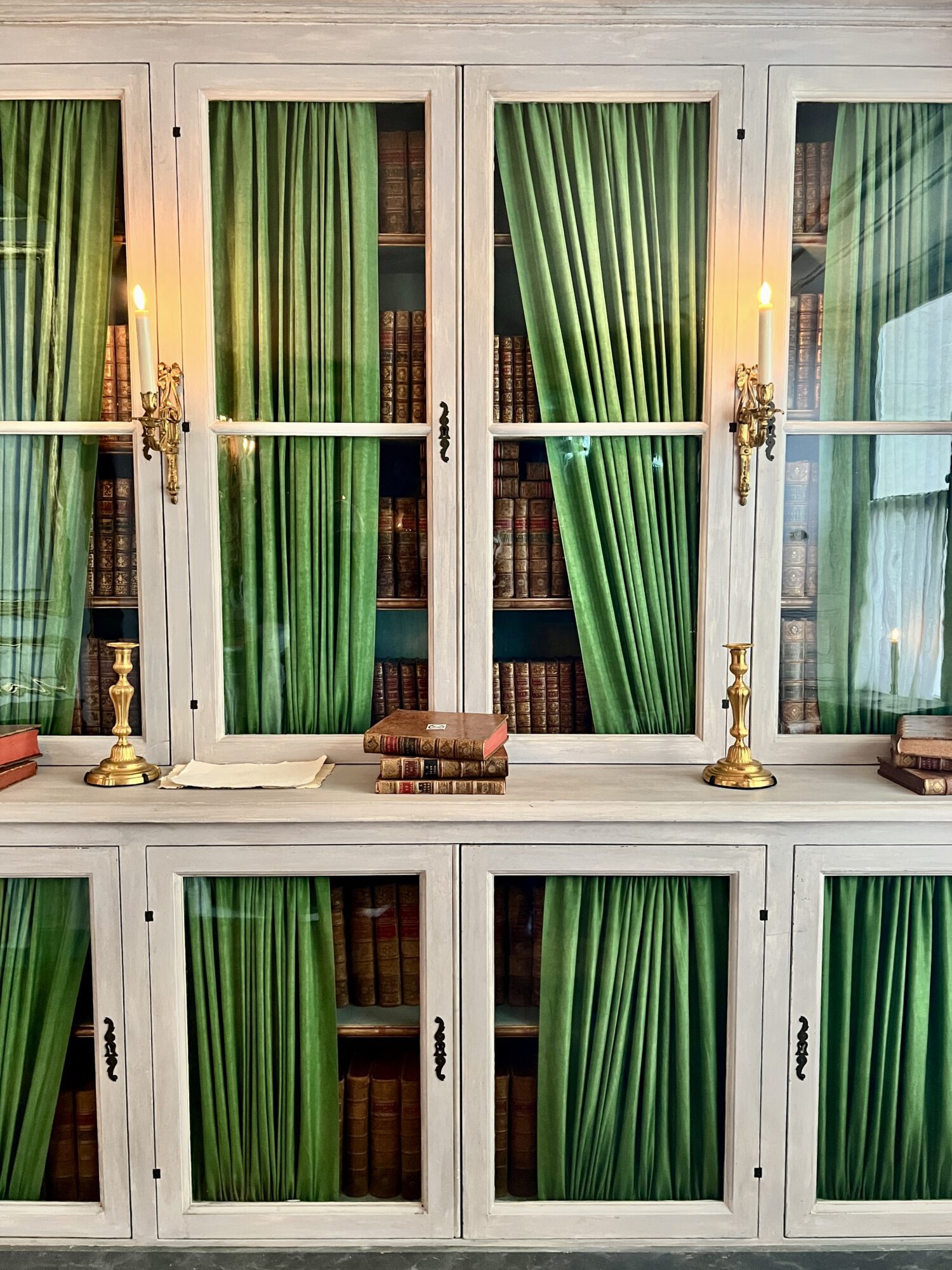
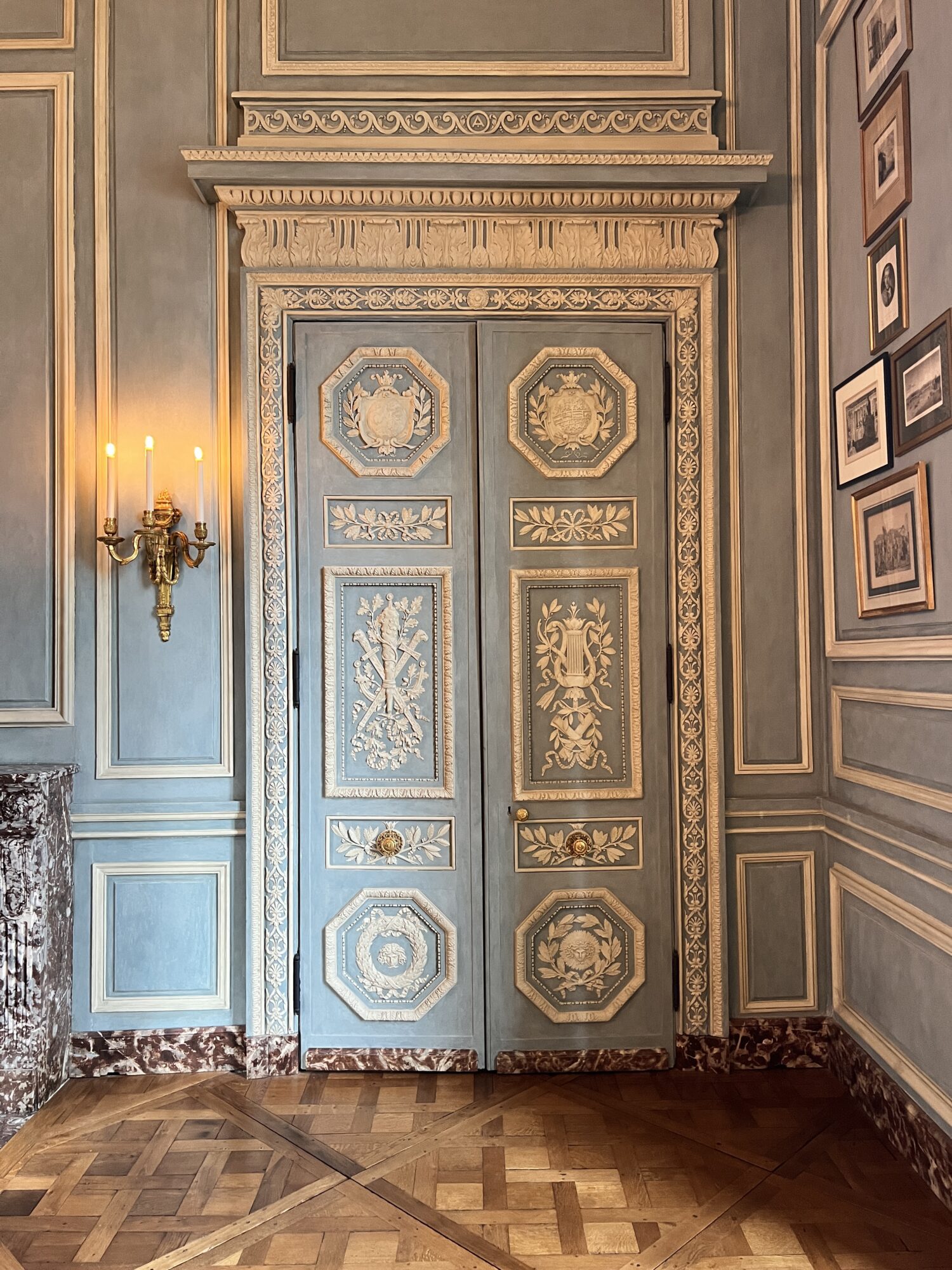
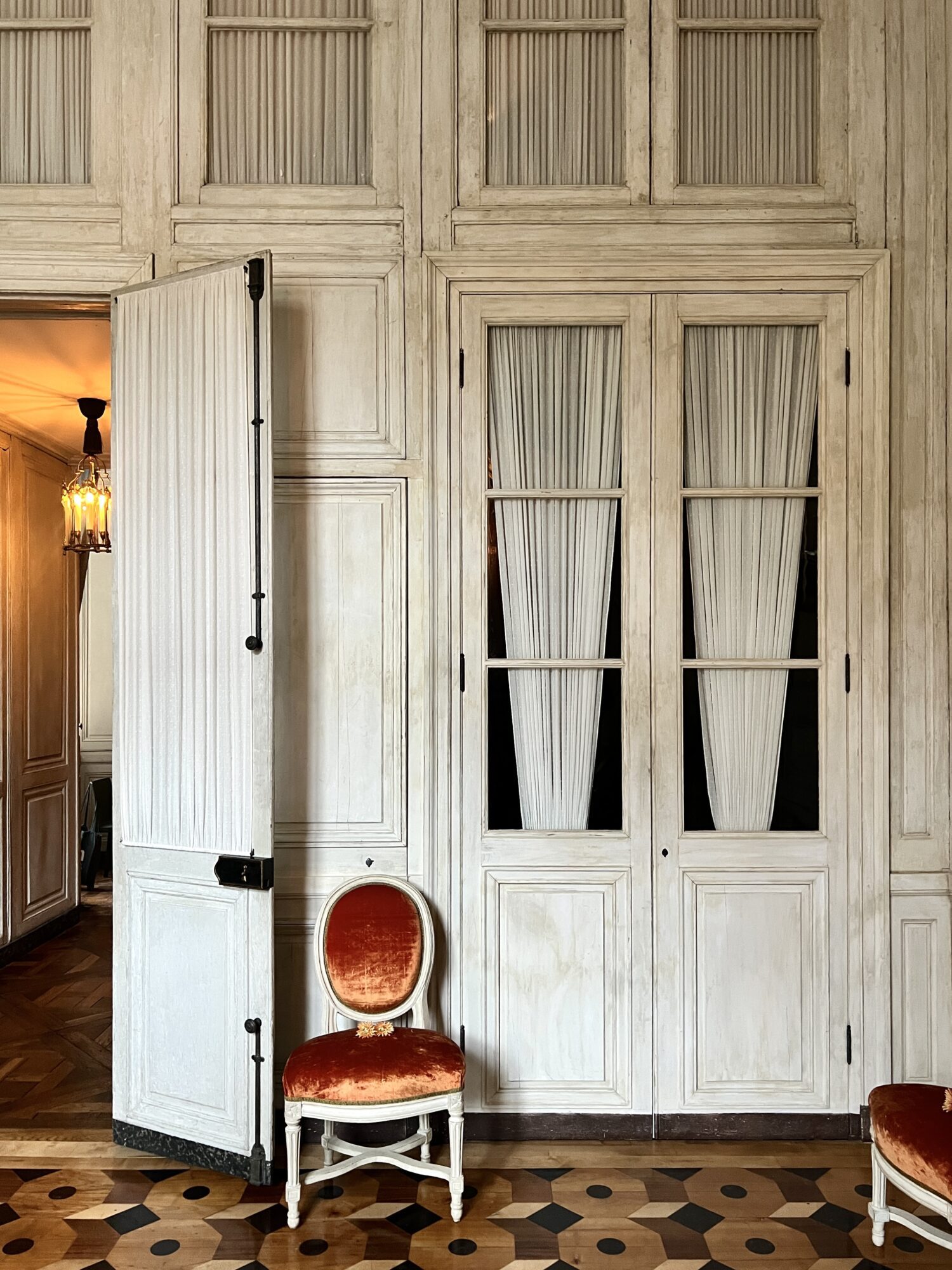
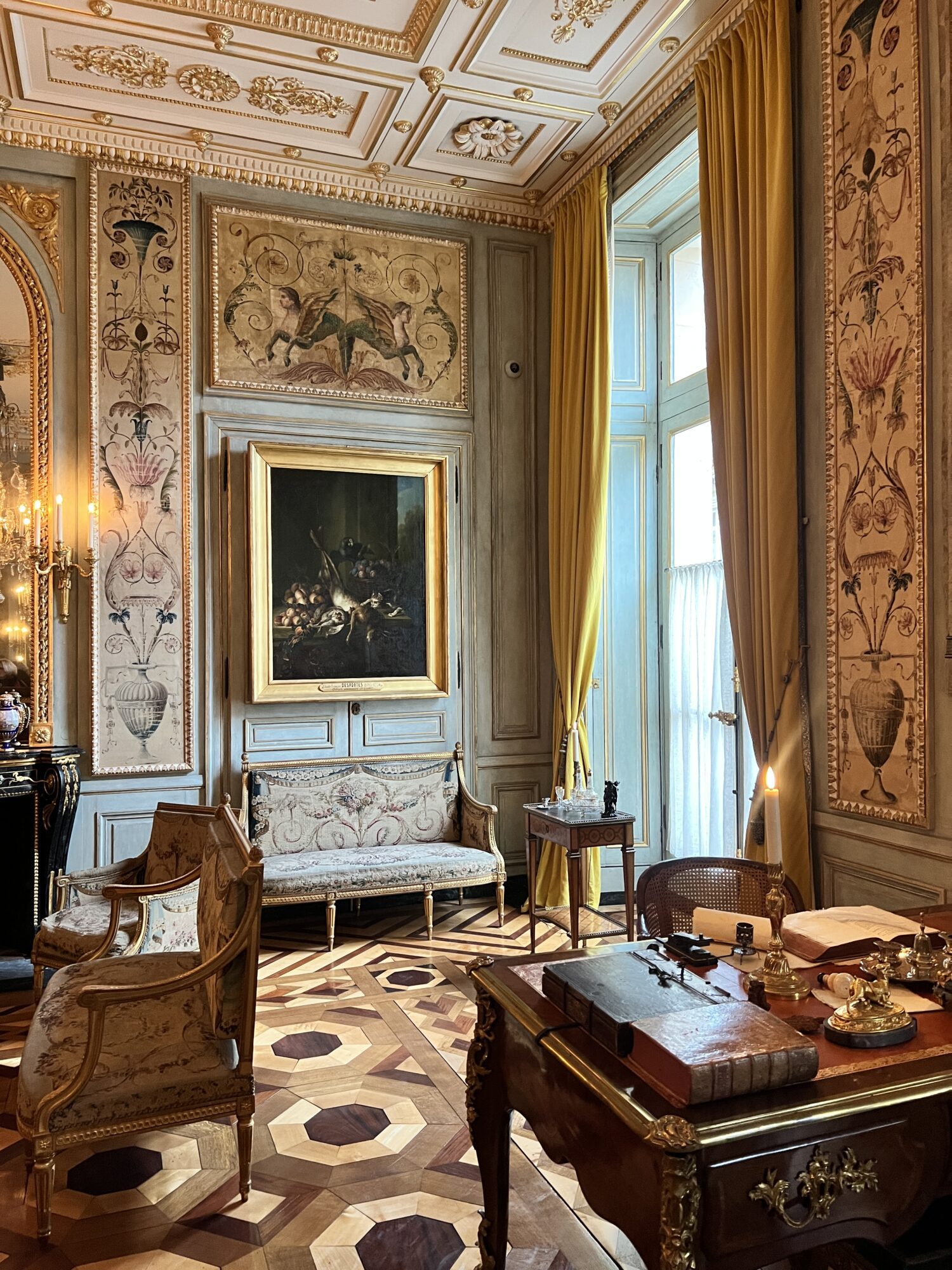
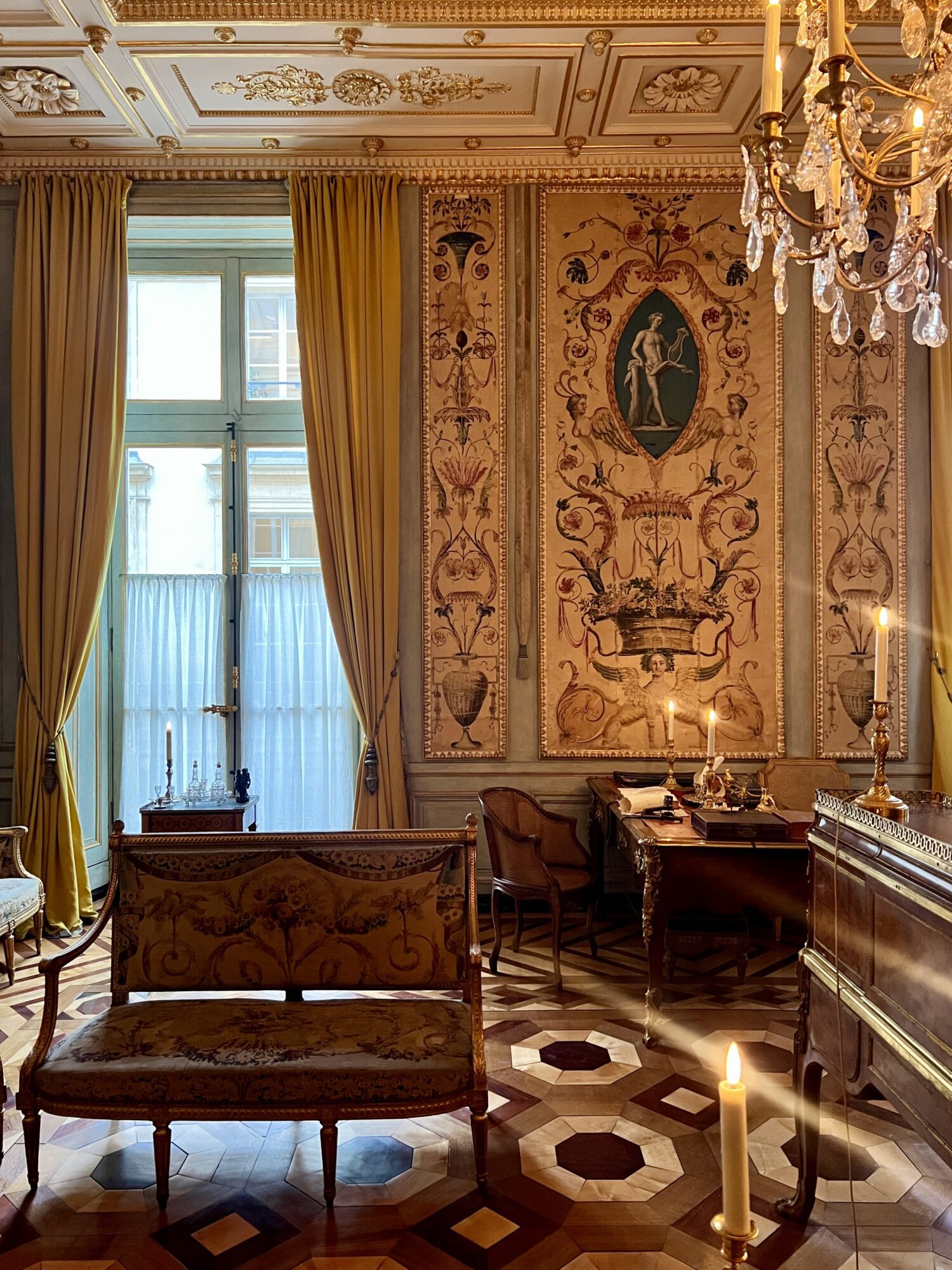
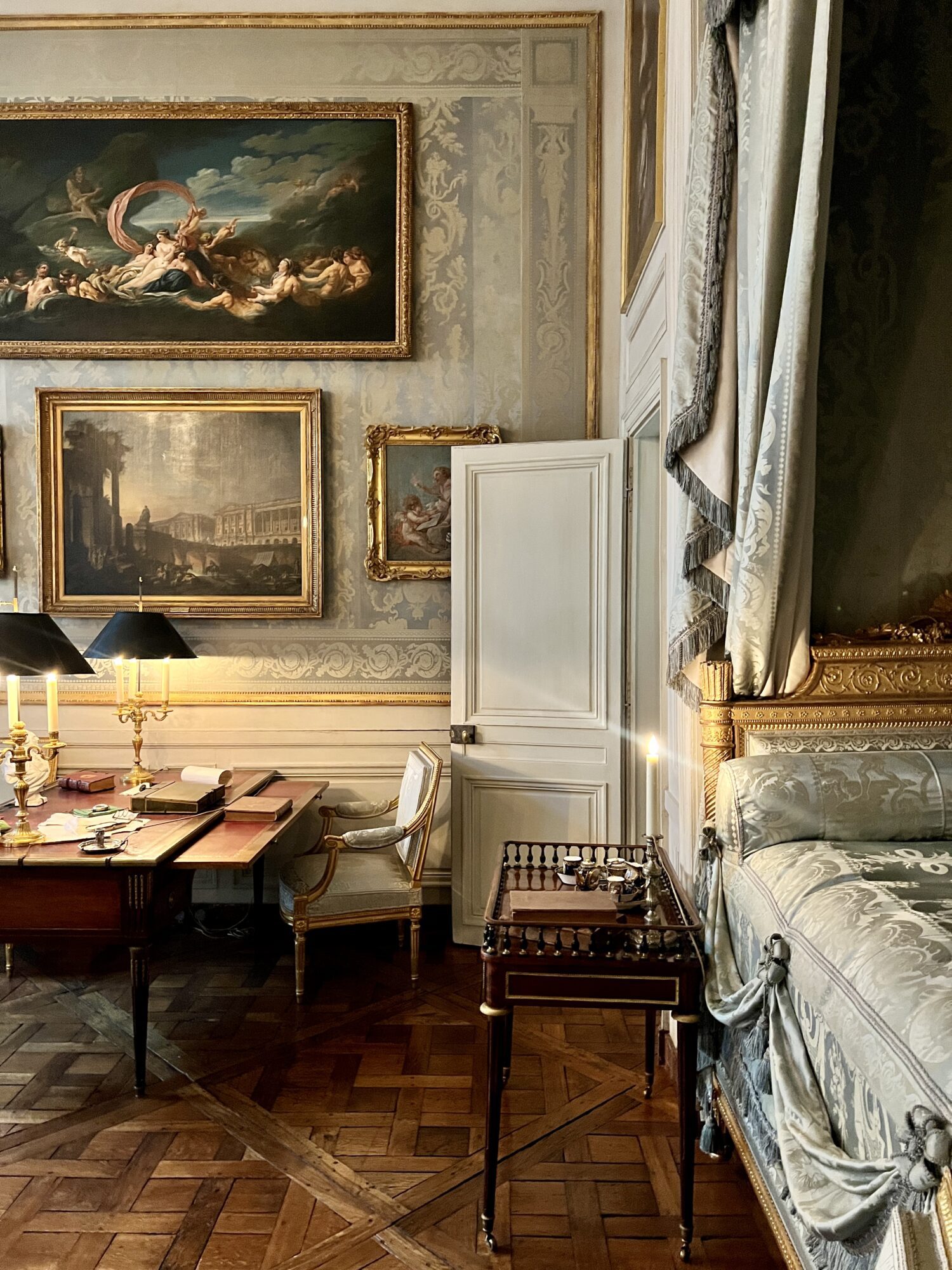
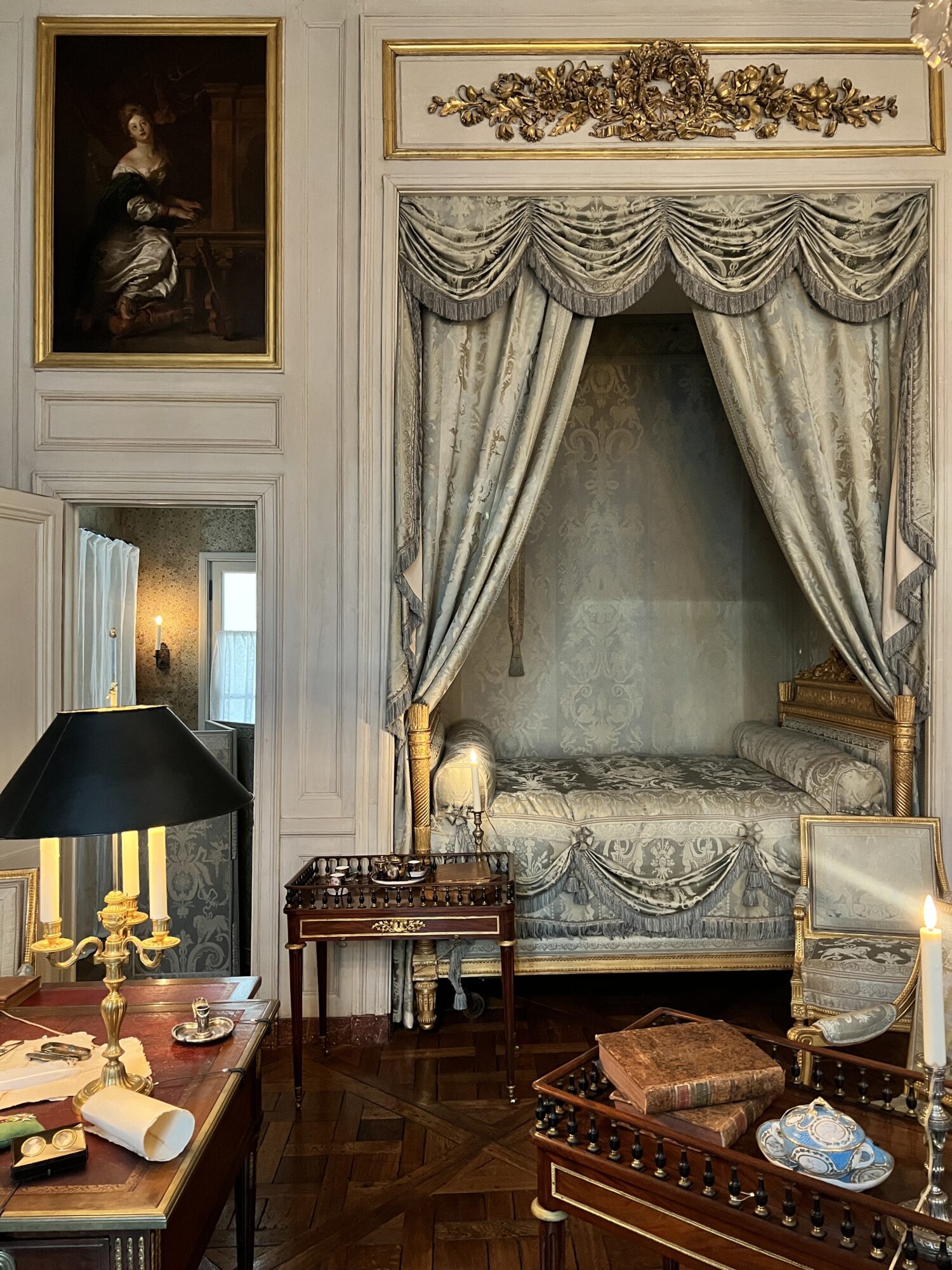
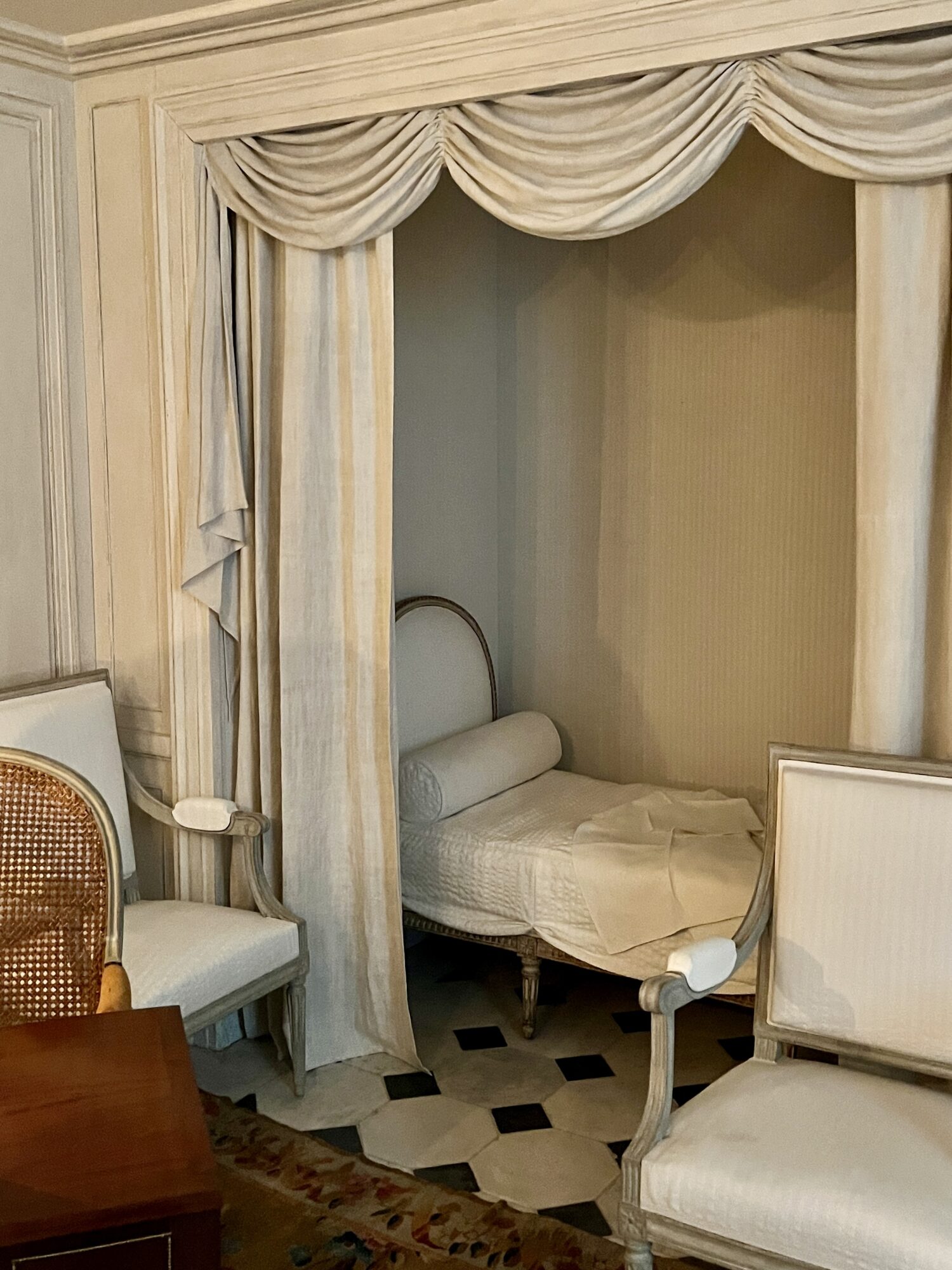
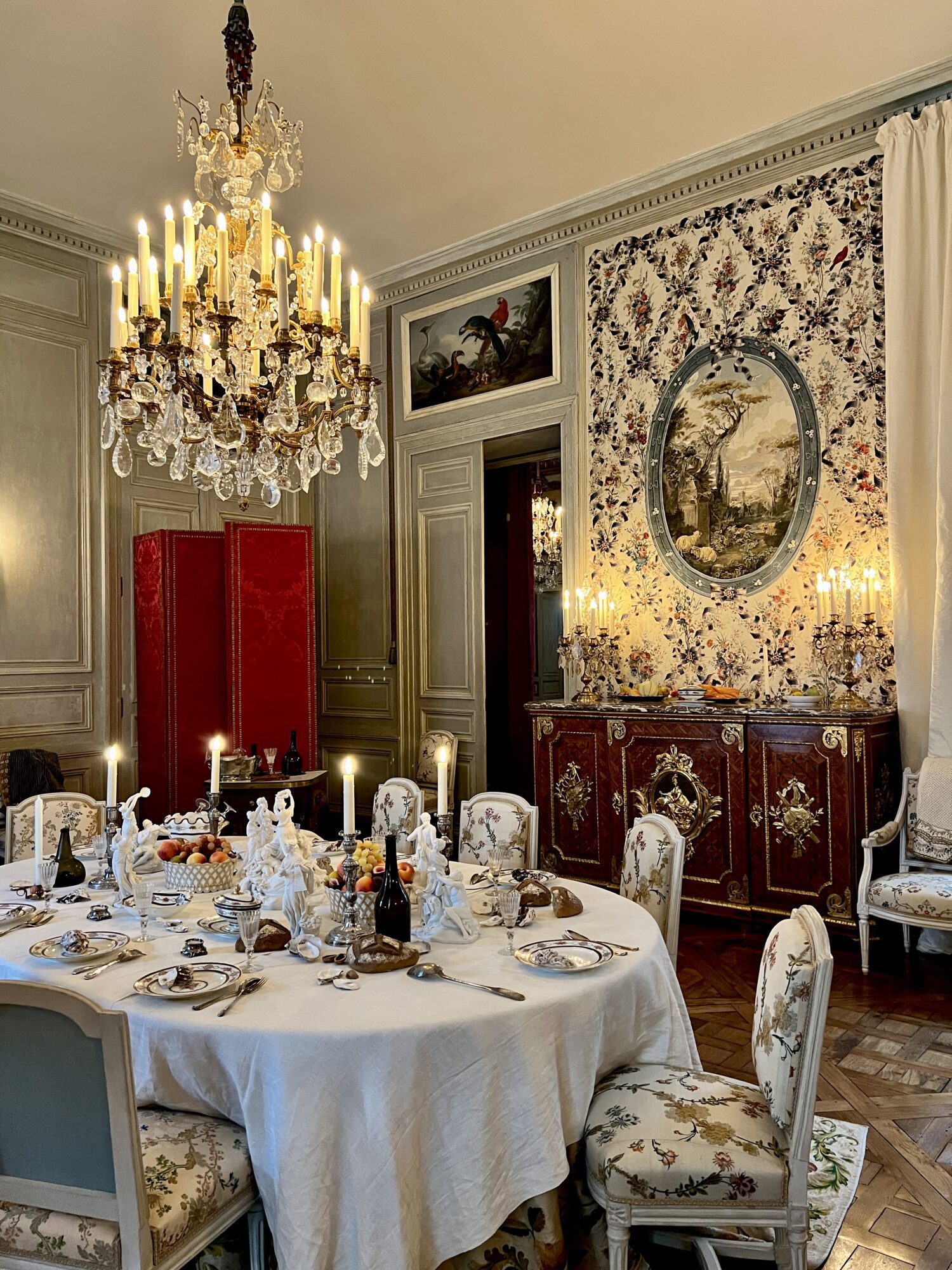
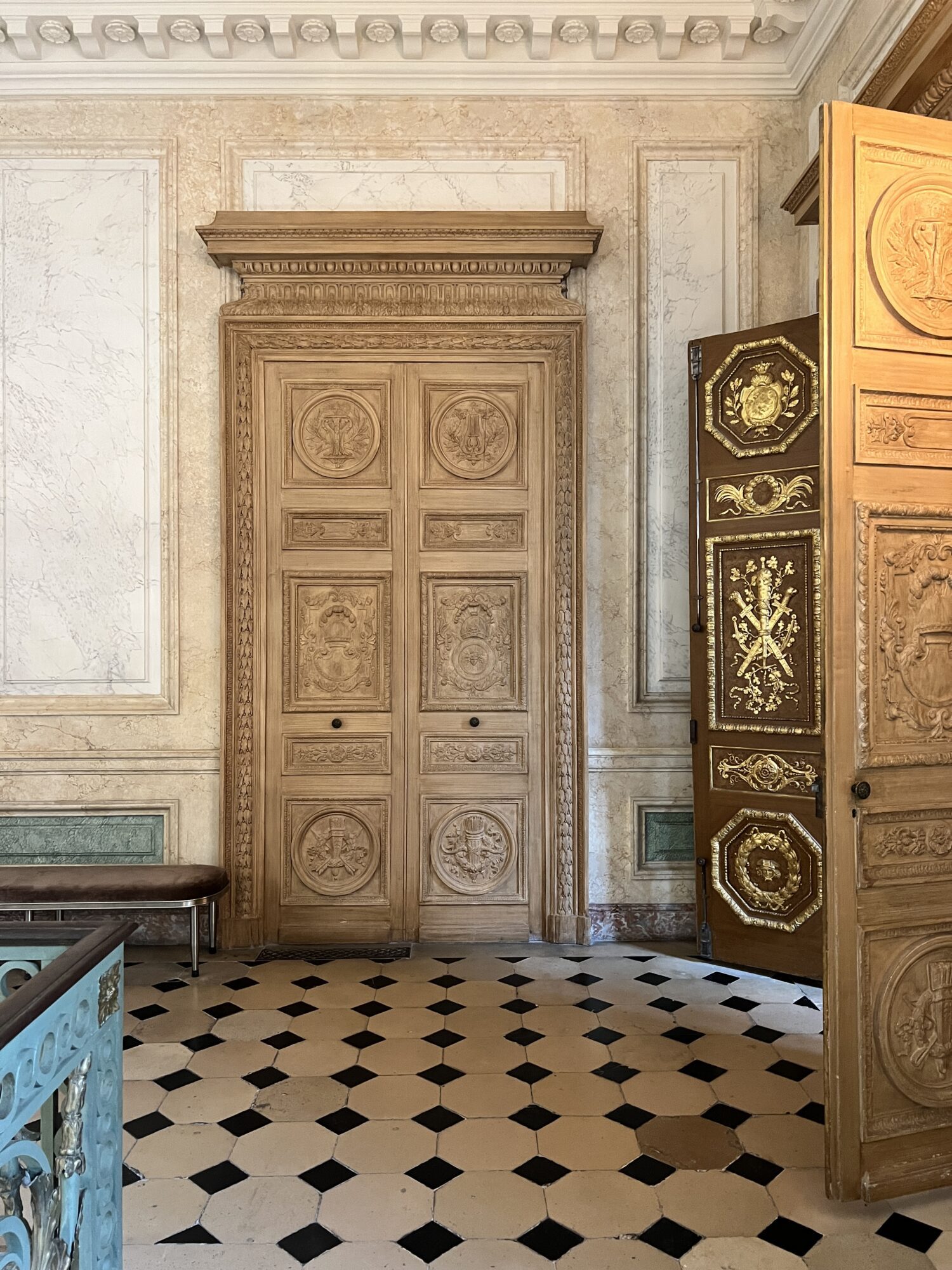
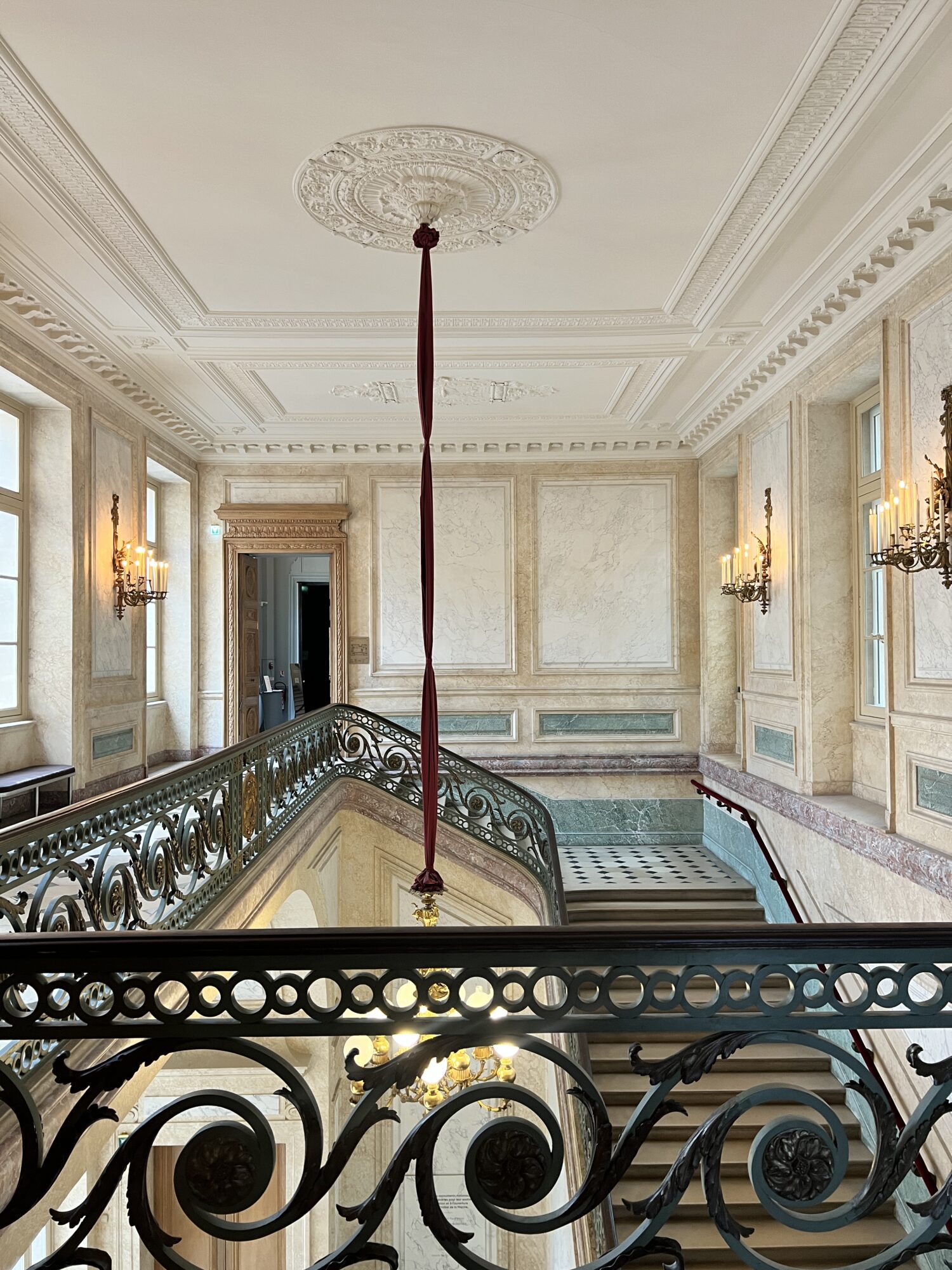
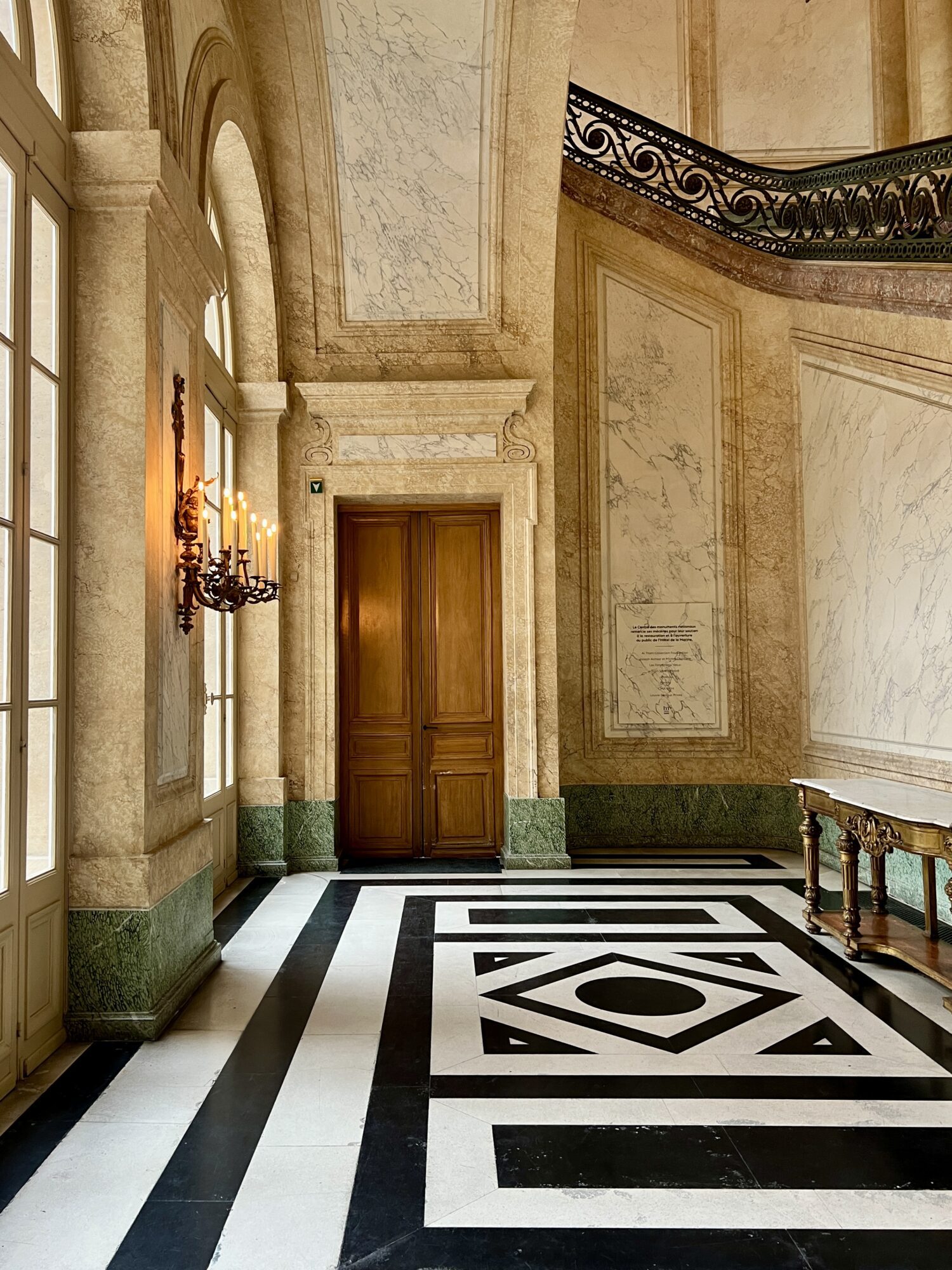
Restoration work began in 2017 and spanned four years, calling on 200 of France’s finest artisans to painstakingly strip away centuries of alterations. Every detail, down to the last thread, had to be meticulously recreated as layers of history were peeled back to reveal original colors, fabrics, and woodwork, all crafted using the same techniques as in the 18th century.
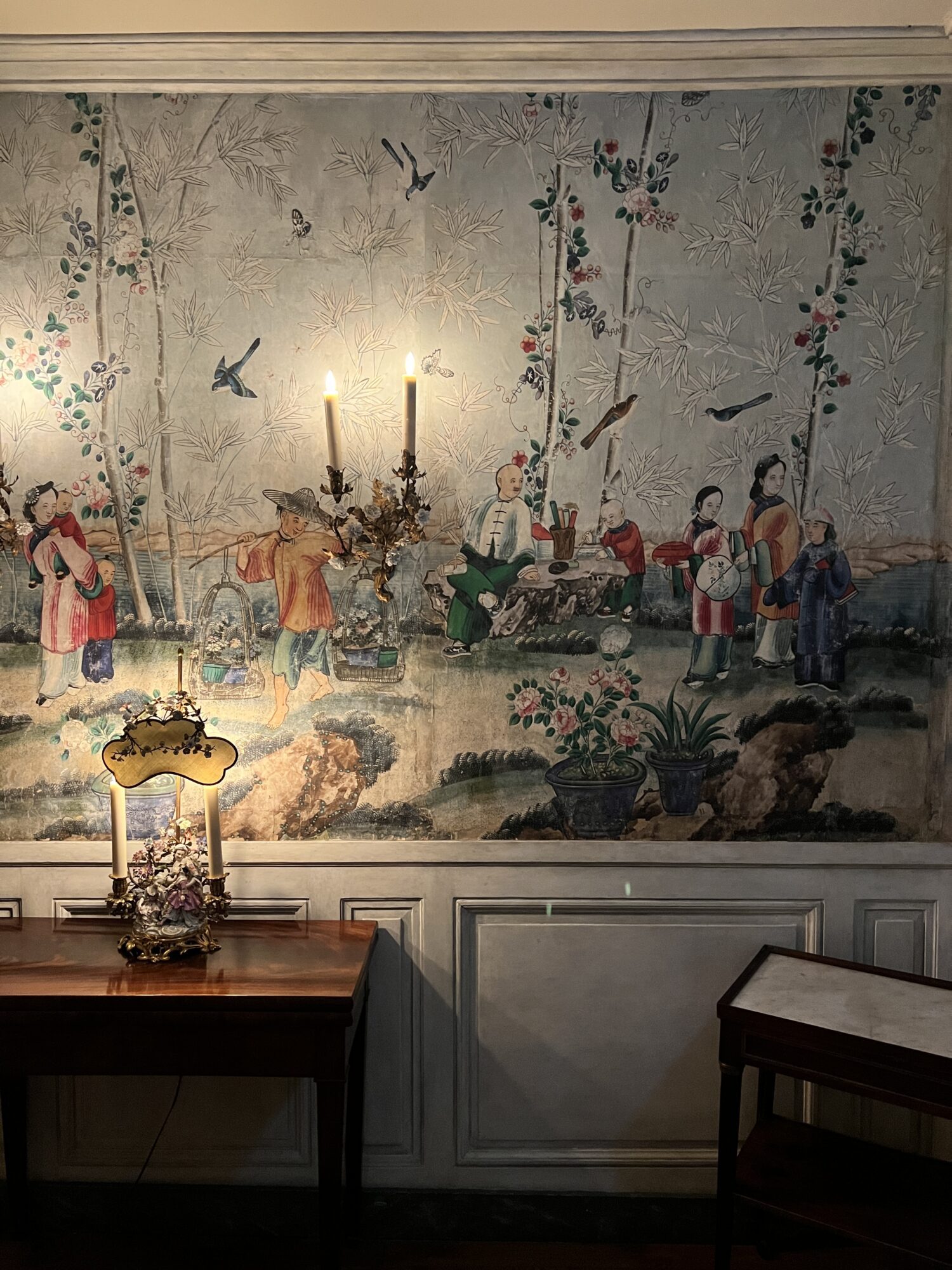
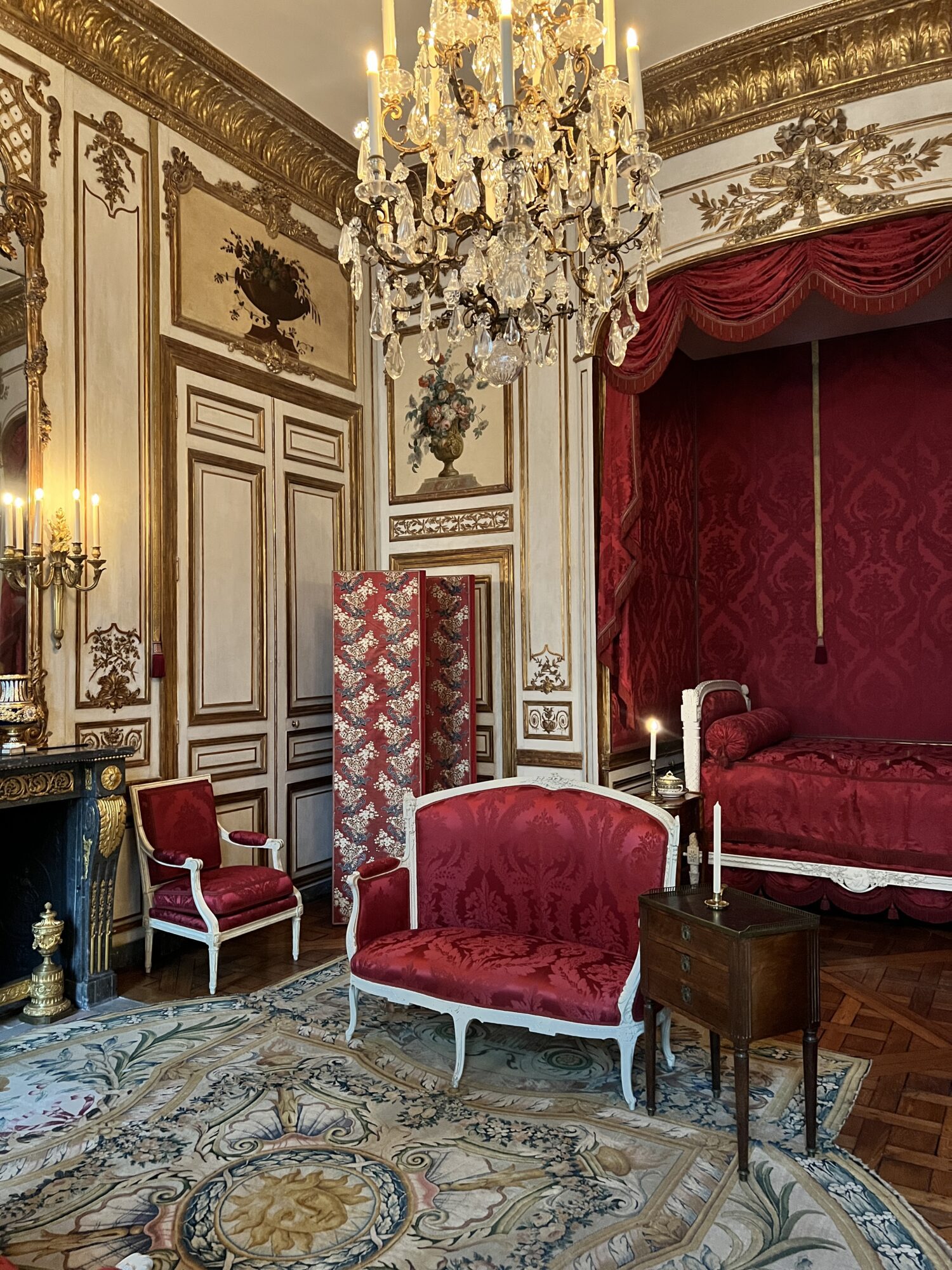
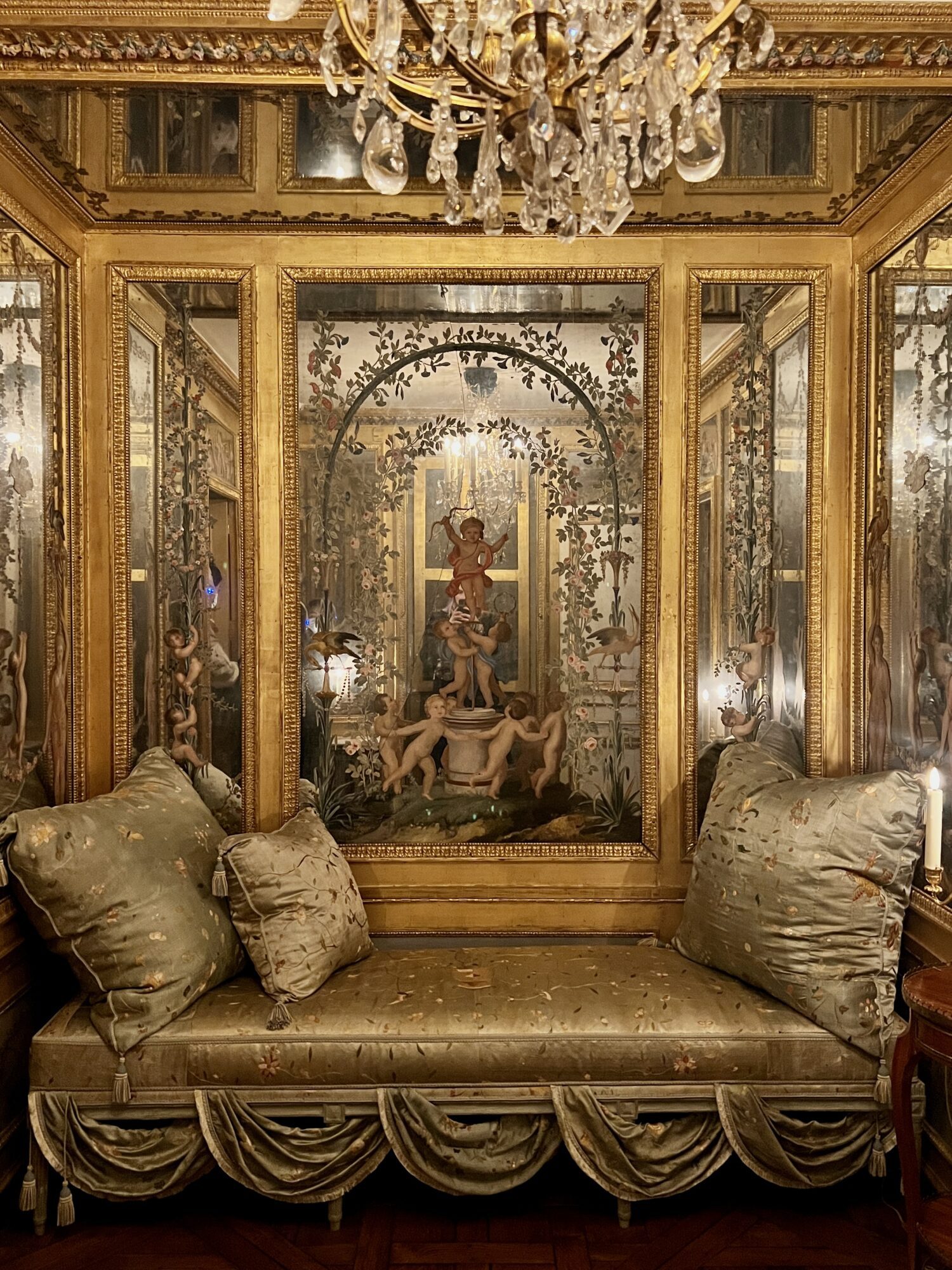
One saving grace of the project was a remarkably detailed 900-page inventory of the original furnishings and décor, documenting everything from fabric patterns to paint colors and gilding with near-obsessive precision. The tiebacks alone took over 150 hours for Declercq Passementiers to make.
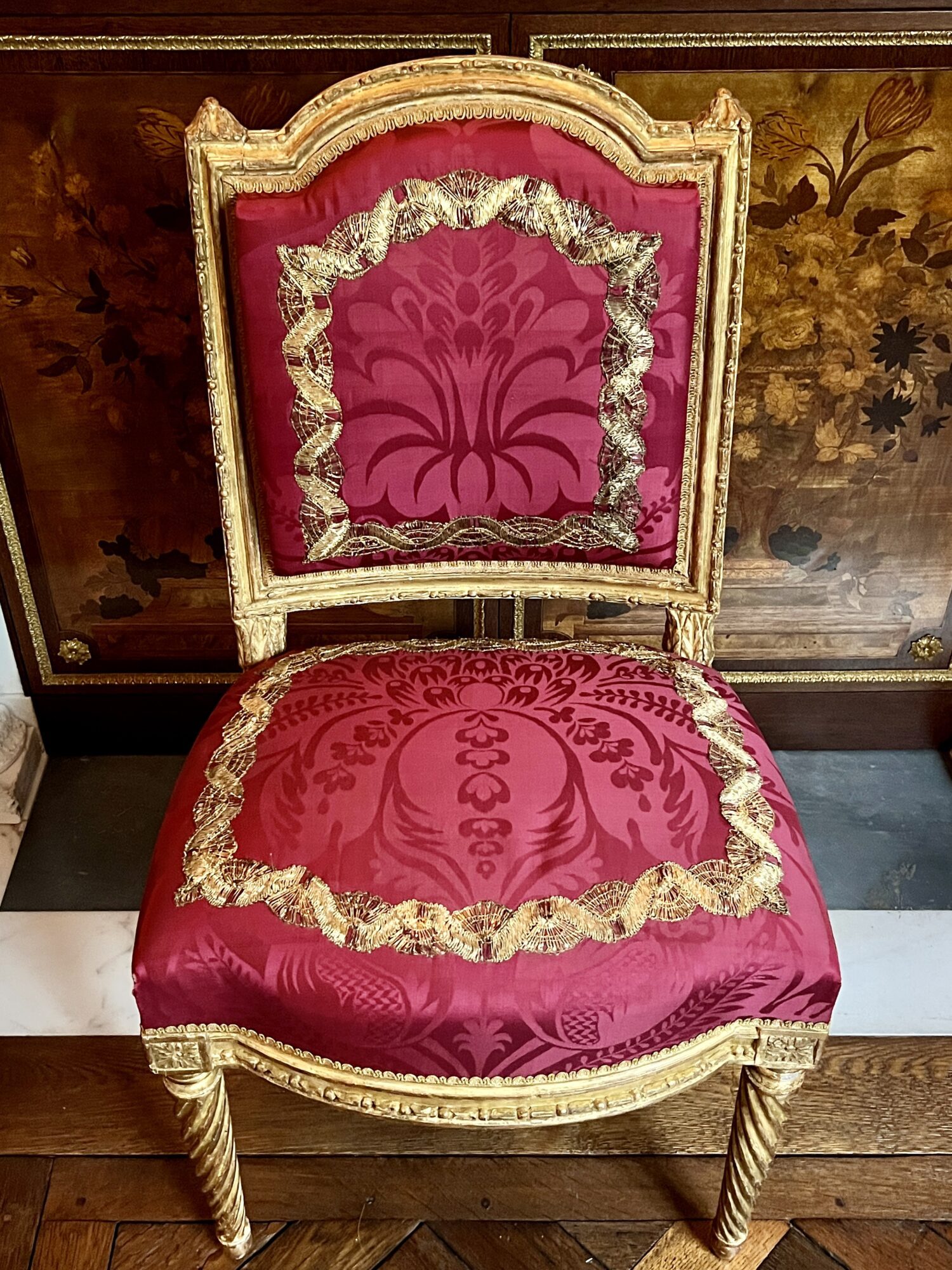
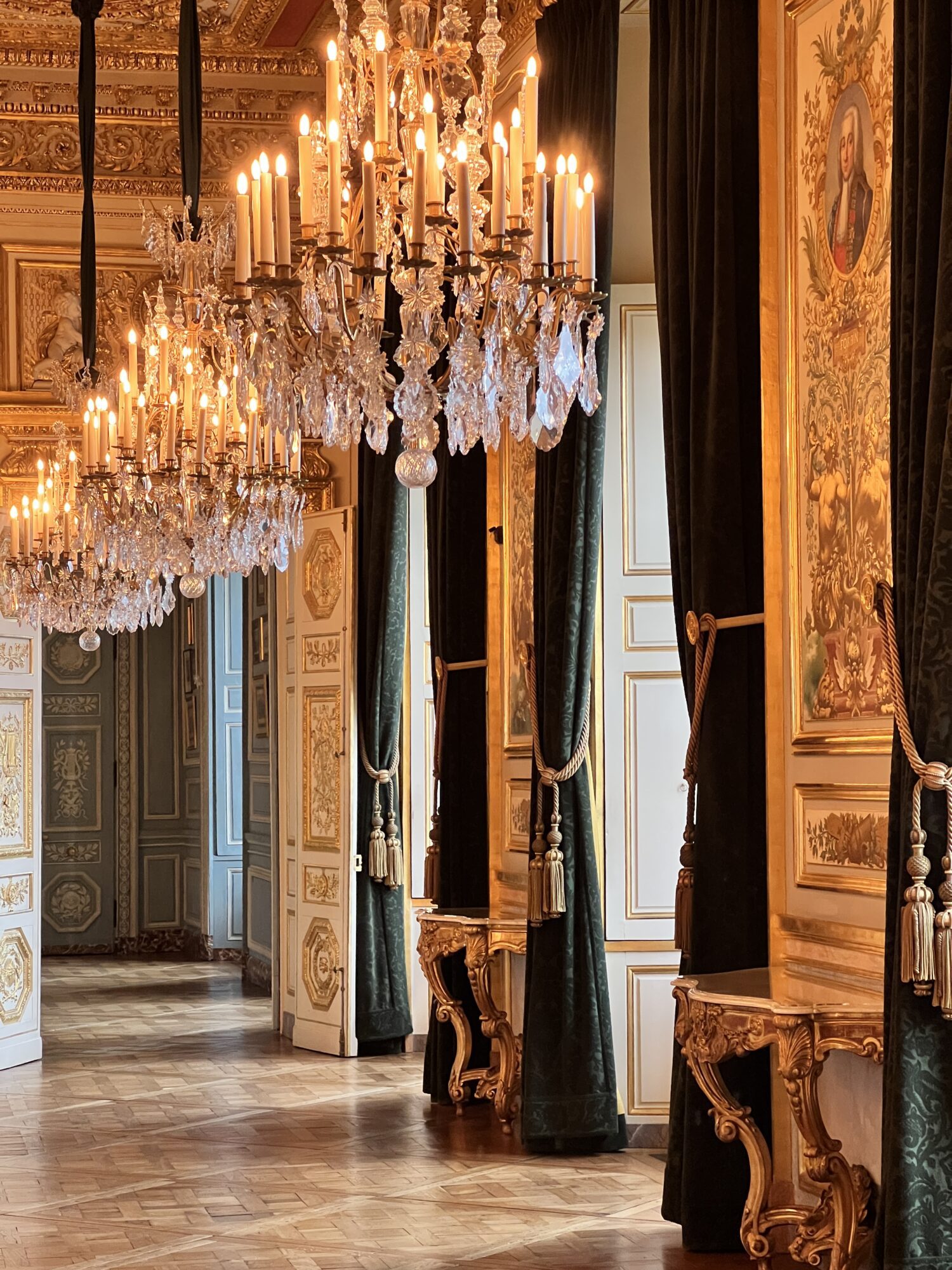
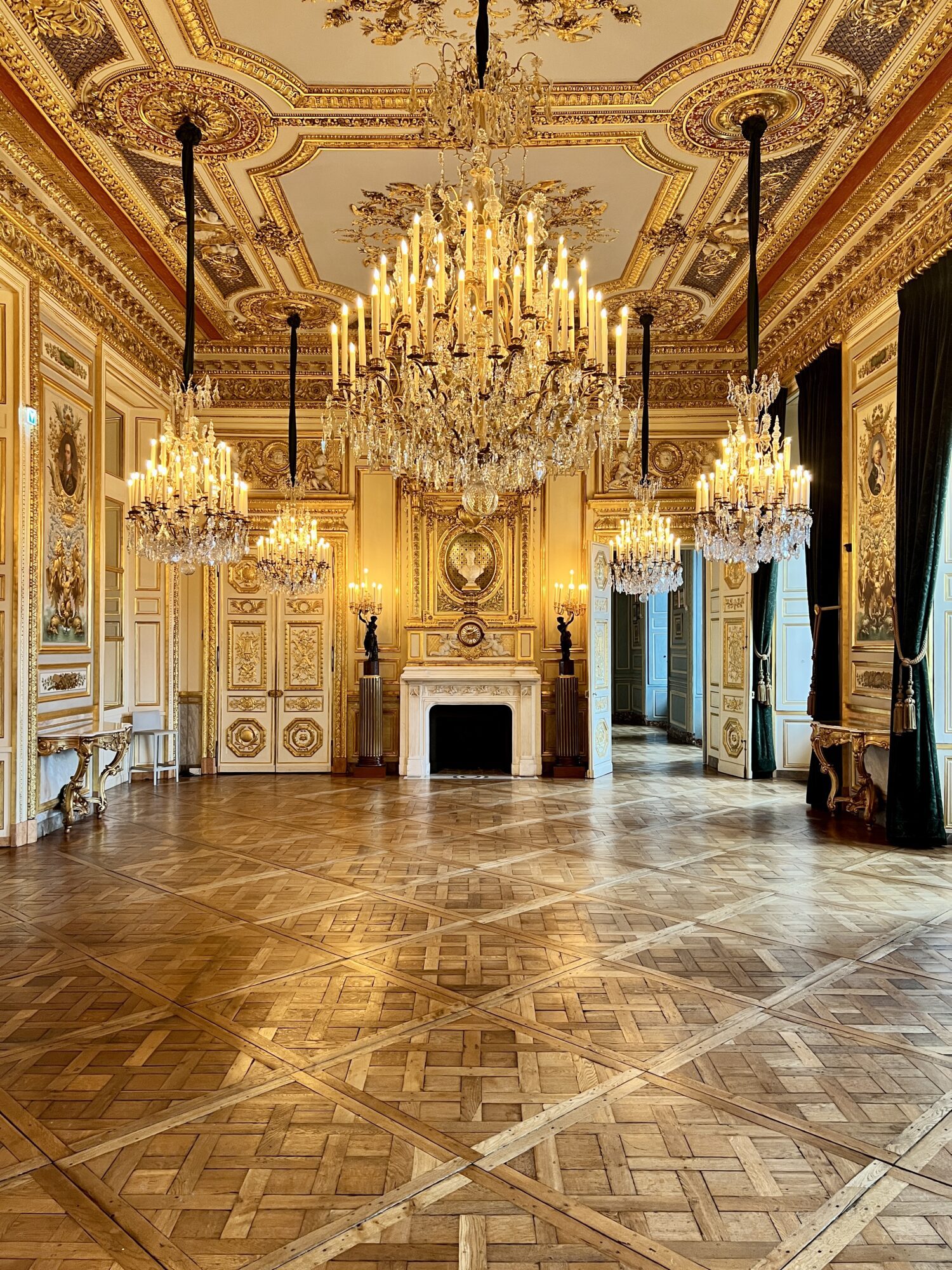 Reopened in June 2021, Hôtel de la Marine was brilliantly brought back to life. Instead of aimlessly wandering with little context, visitors receive a wireless headset that uses “binaural sound technology” to create an immersive, almost cinematic experience that mimics how humans naturally hear sound.
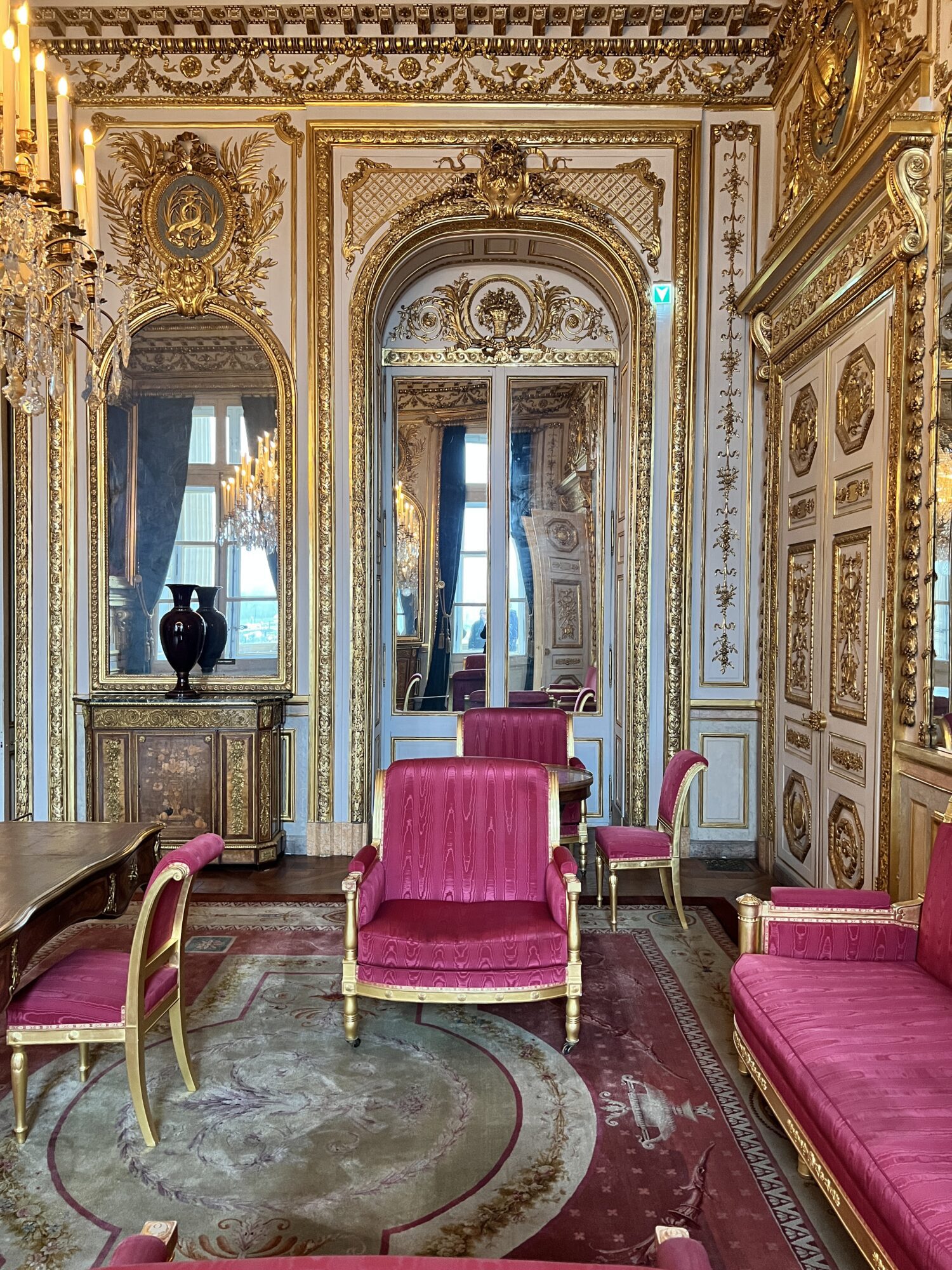
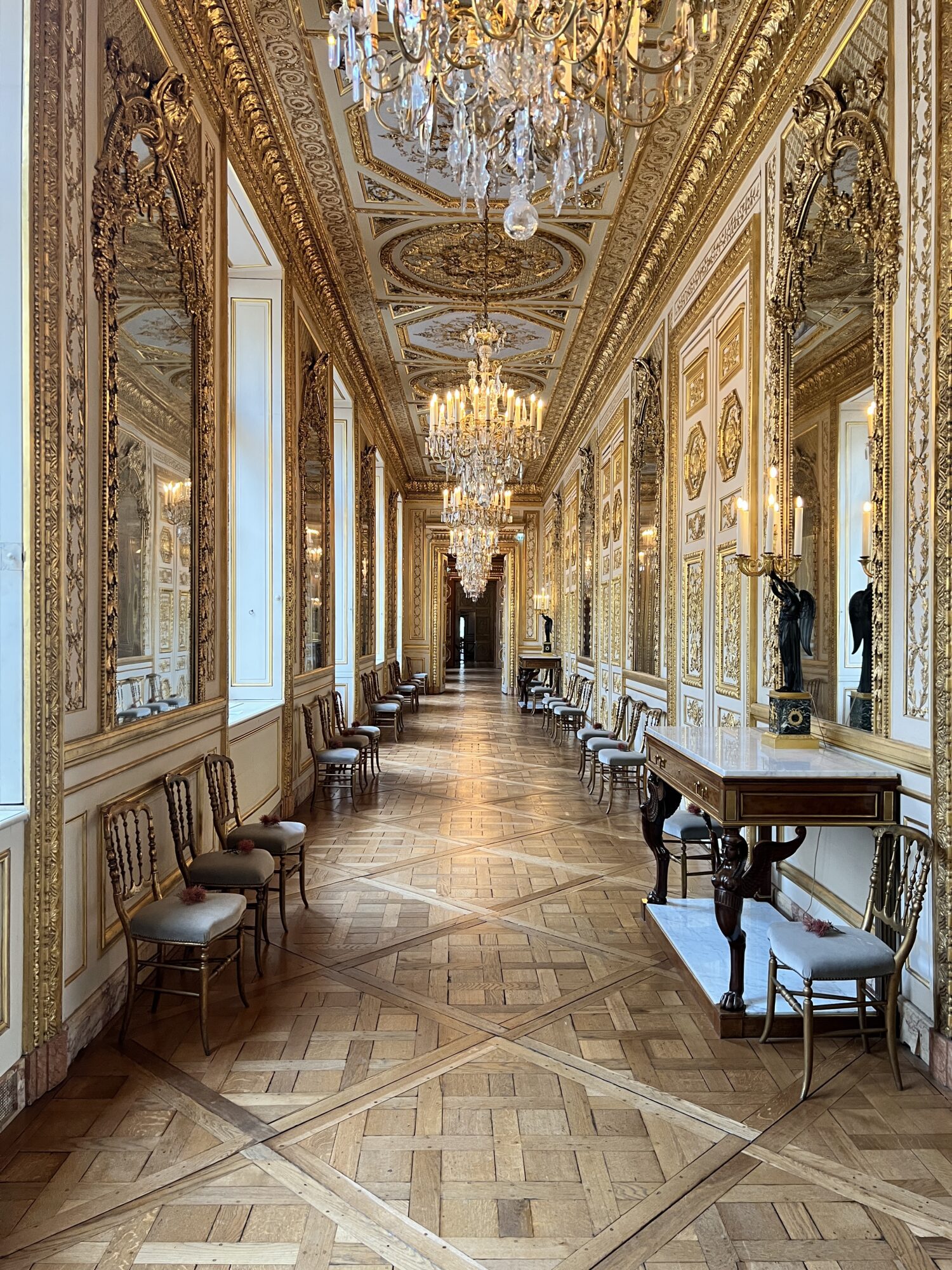
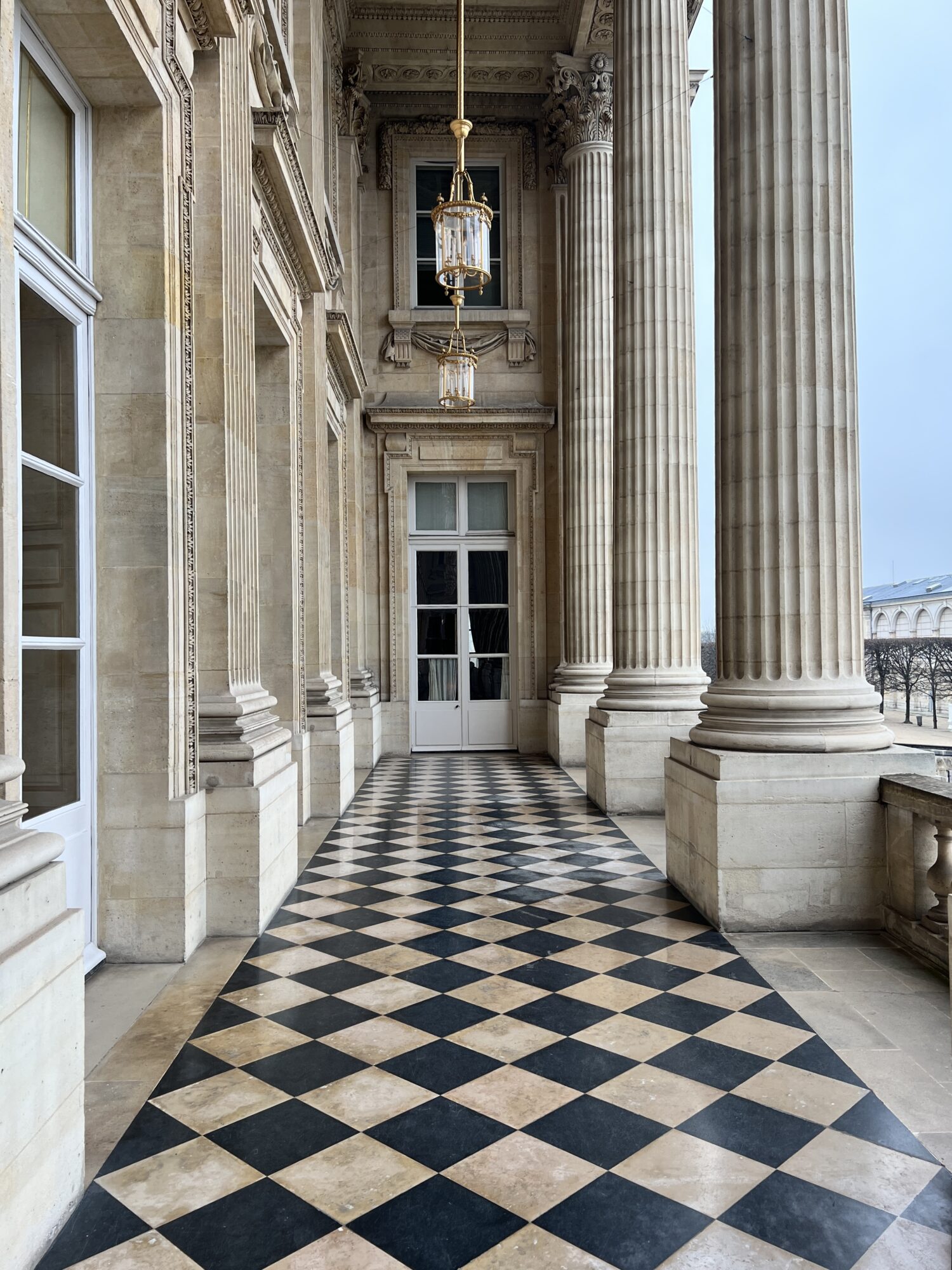
The audio is also triggered by location, eliminating the need to punch in numbers. As you move through the museum, the voices of those who once inhabited Hôtel de la Marine tell their stories. History and design intertwine beautifully at Hôtel de la Marine. Beyond its breathtaking interiors and rich past, it is an inspiring experience that lingers long after you leave. If you have yet to visited, it must be a top priority.
Tickets and more information can be found here.
x Natalie


Thank you for this, how beautiful, had not heard of this museum and will definitely visit next time I am in Paris.
GORGEOUS! Thanks for sharing. How remarkable to know the inventory to bring it back to life!
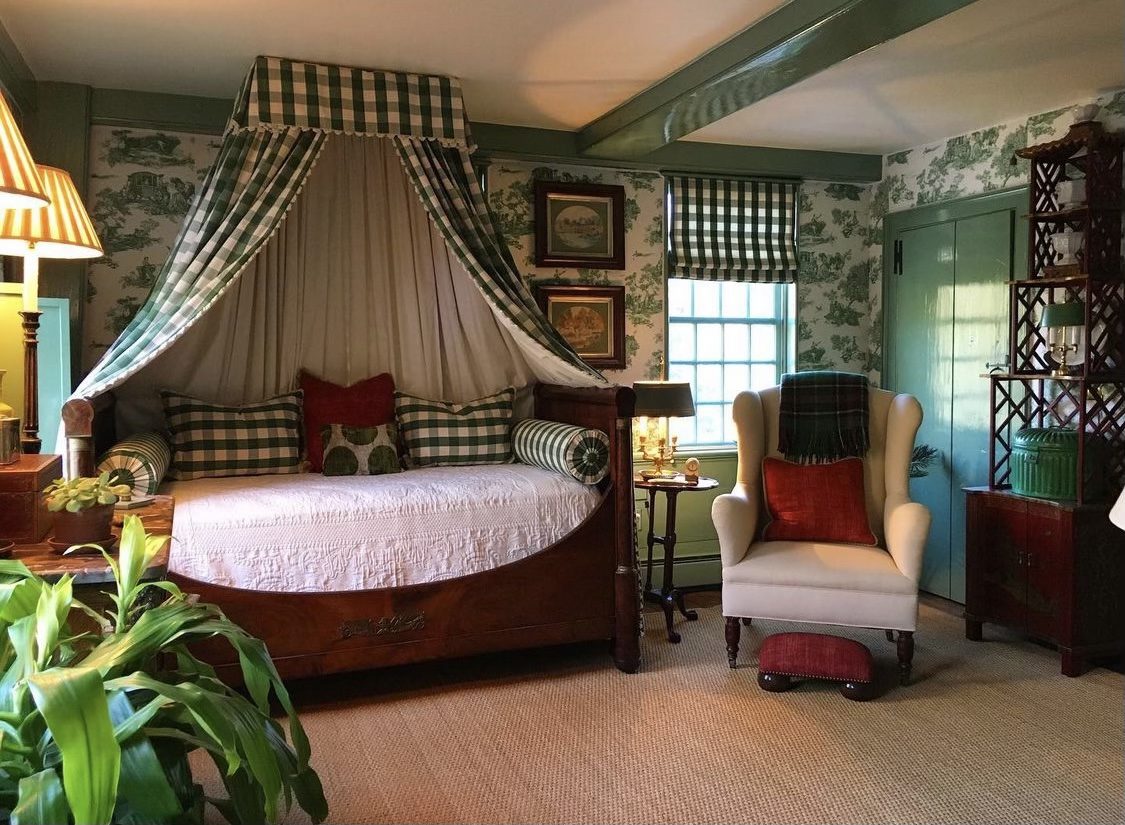
The beds are enchantingly beautiful!