


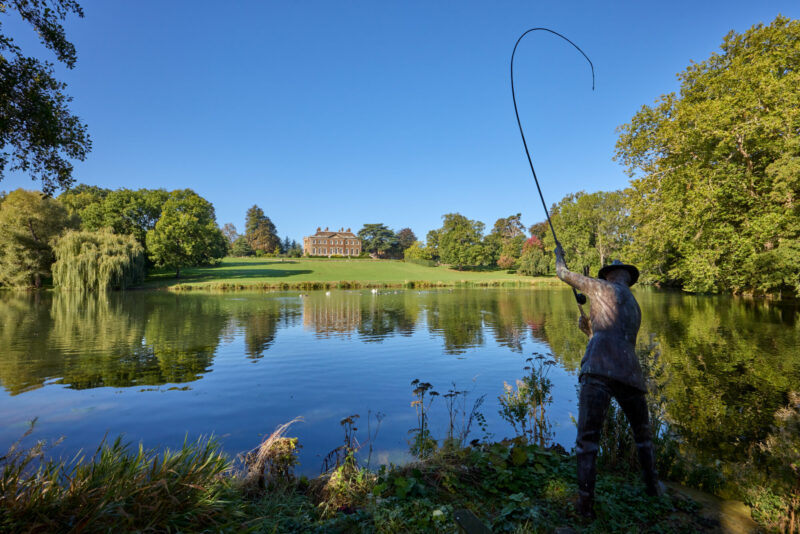
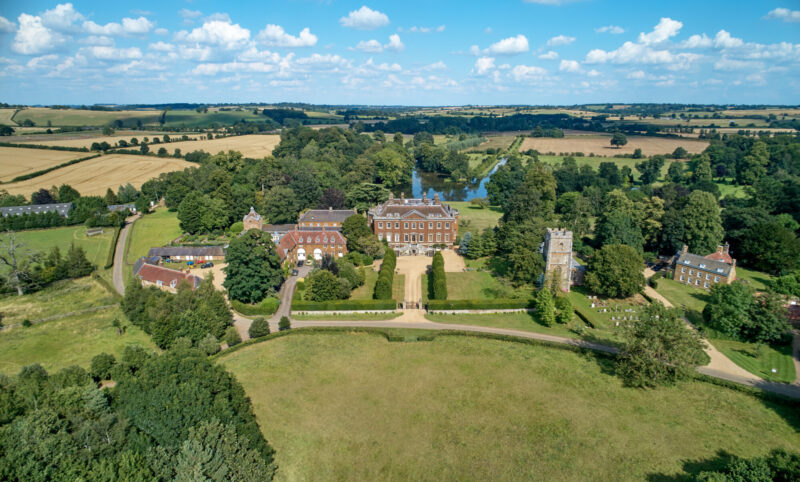
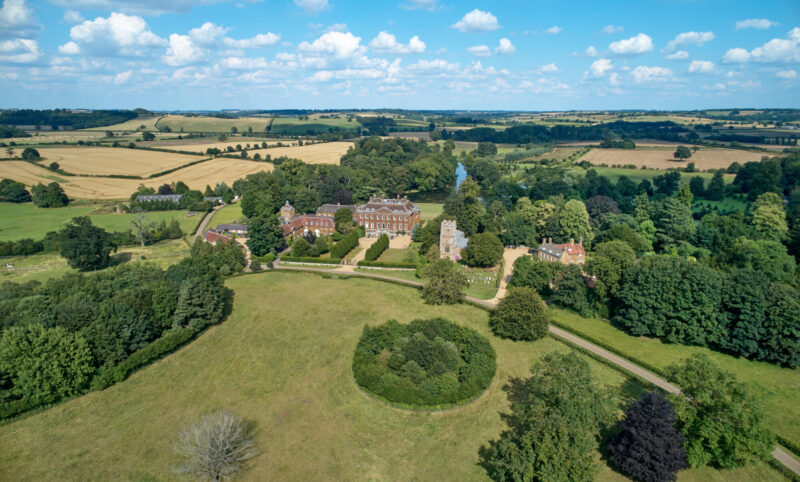
The English estate, featured as Netherfield Park in the BBC’s 1995 adaptation of Jane Austen’s Pride and Prejudice, has come to the open market for the first time in a century. Built between 1748 and 1754, Edgcote House is an architecturally and historically important 25,900 square-foot Grade I Georgian manor nestled amongst 1,704 lush acres in Northamptonshire on the Oxfordshire border.
Edgcote Estate features historic gardens and parkland with influence attributed to Capability Brown, commercial arable farm, renowned equestrian facilities, private racecourse, productive woodland, and an additional 31 cottages, houses, and apartments spread across the estate for guests and staff, poised for significant sporting potential and income generation.
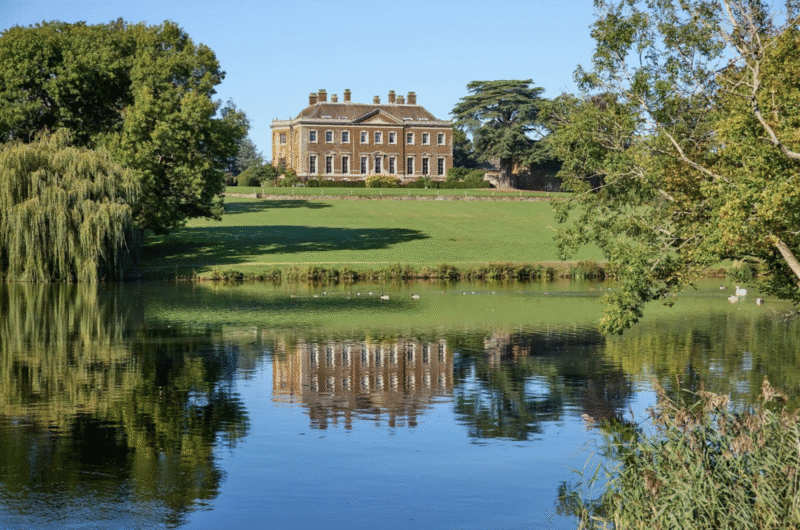
Edgcote’s history includes ties to the Norman Conquest, the War of the Roses, and Anne of Cleves. And of course, in the BBC miniseries, it is portrayed as Mr. Bingley’s estate where Mr. Darcy fell in love with Elizabeth Bennet.
Edgcote Estate is priced at £45 million for the whole.
Photography and listing details courtesy of Savills.
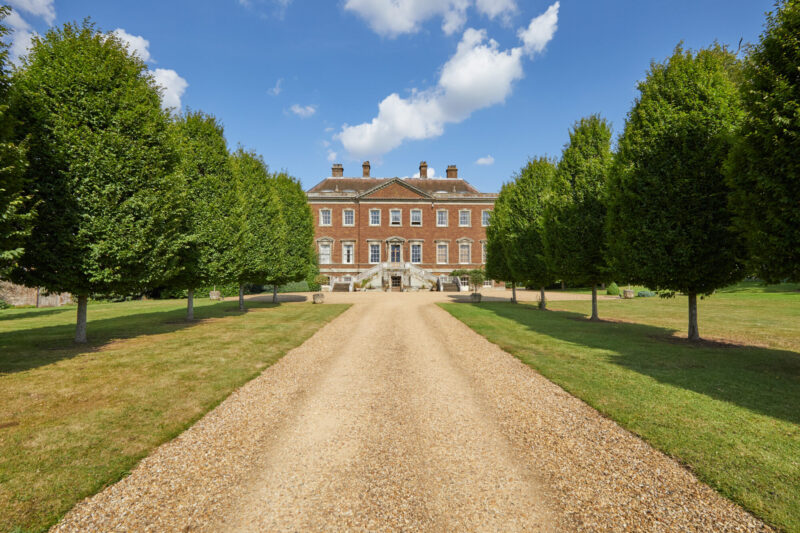
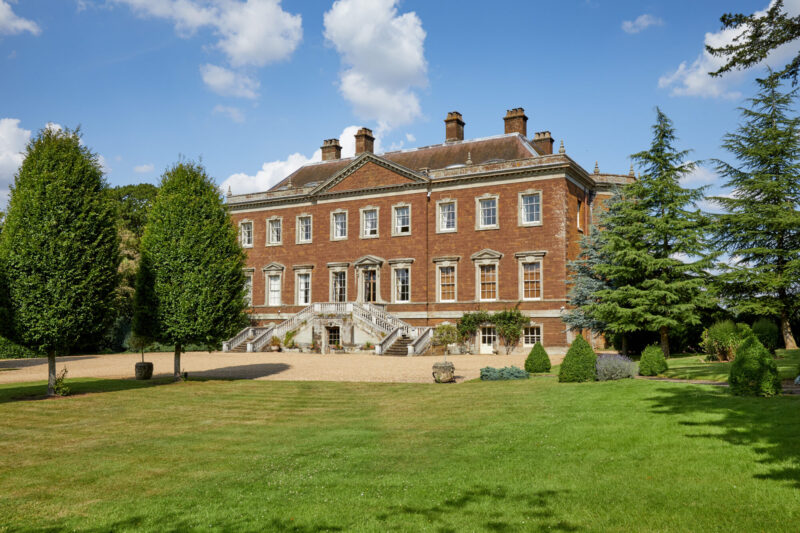
Edgcote House and Gardens
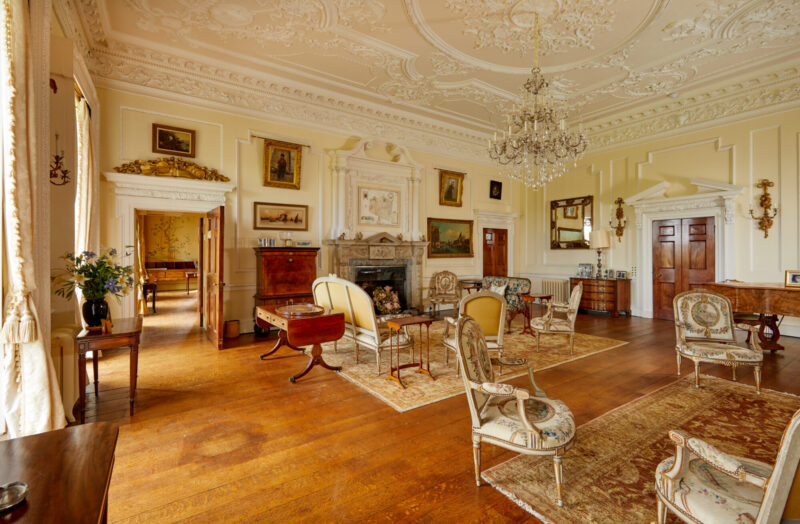
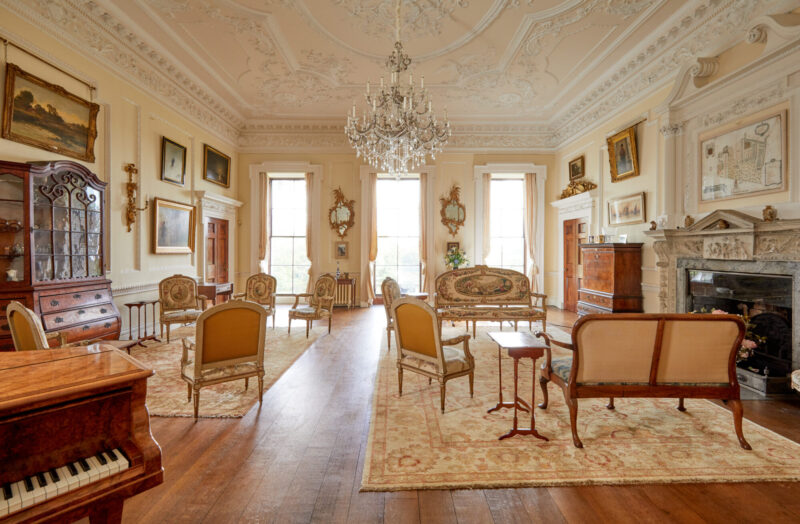
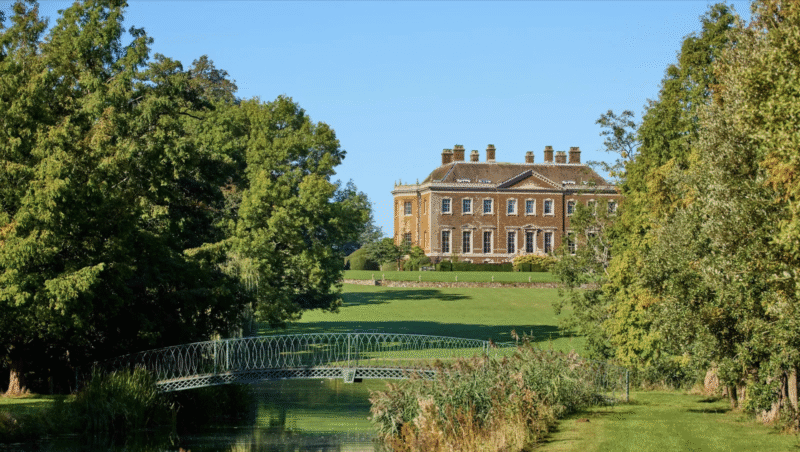
Grade 1 listed Edgcote House is regarded as one of Northamptonshire’s finest country houses. It is an exemplar of Georgian architecture designed according to the classical principles of symmetry, balance and proportion. Of particular note is the condition of the stonework which has weathered very little in comparison to similar aged houses – a reflection perhaps of both the quality of the building work and the quality of the stone used in its construction between 1748 and 1754. Testament to its Georgian authenticity Edgcote House featured in the BBC’s 1995 production of “Pride and Prejudice”.
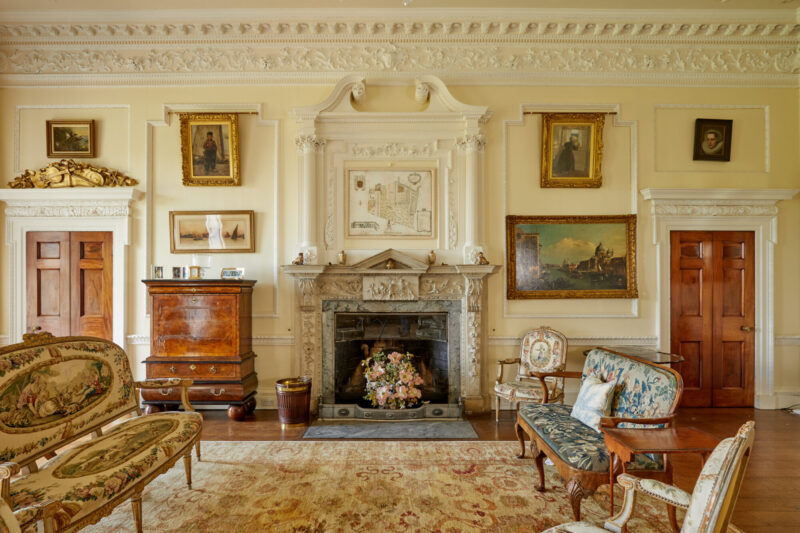
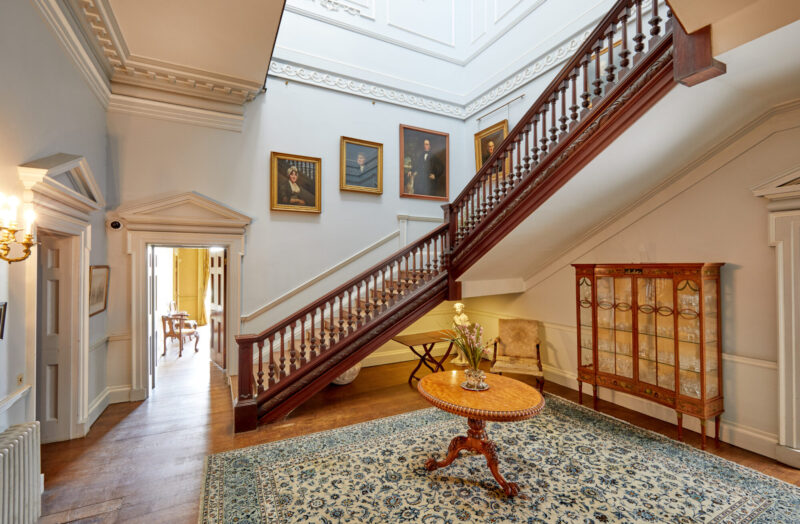
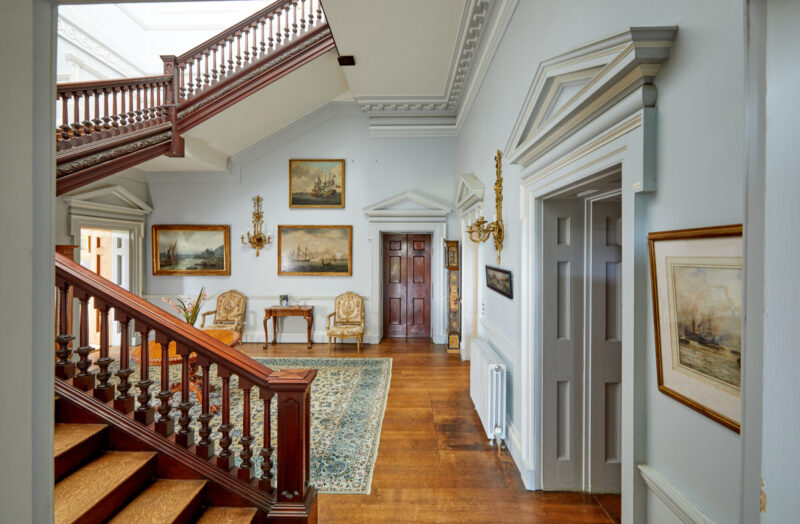
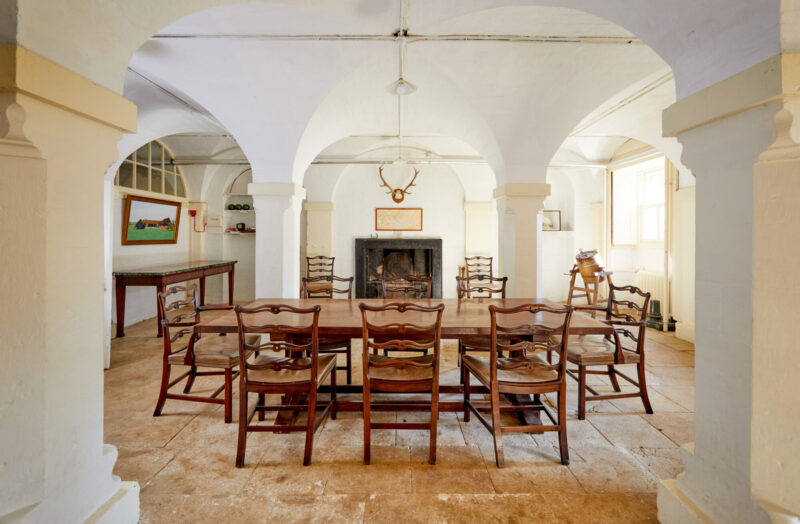
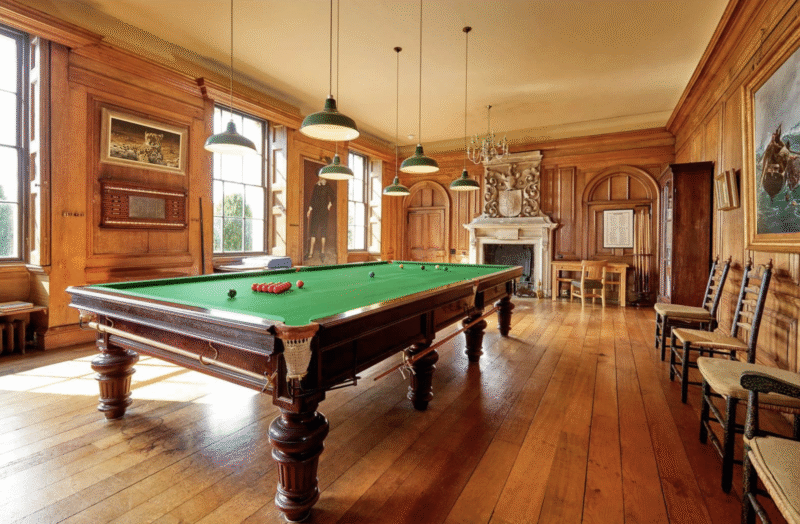
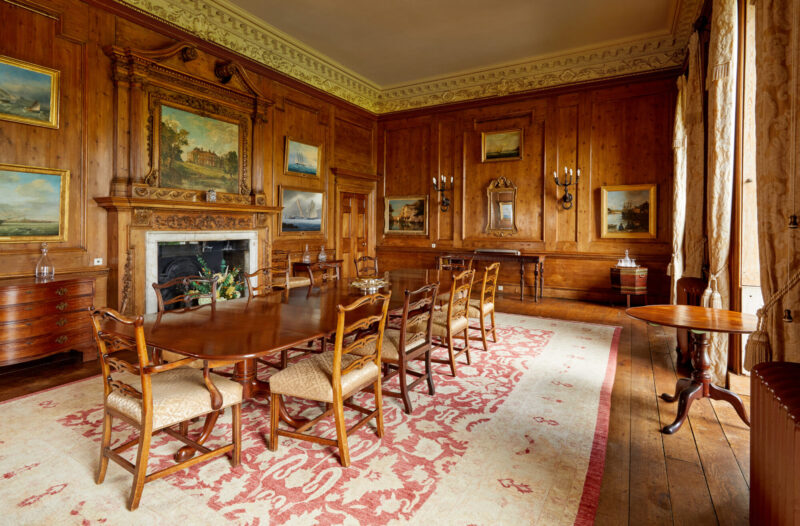
The house extends to approximately 25,908 square foot over four principal floors and is arranged around a grand entrance hall and exceptional suite of reception rooms. There are many wonderful features throughout including ornate cornicing and plasterwork, hand-decorated wallpaper, intricately carved fireplaces, and wood panelling. The open-well mahogany ‘great stair’ hall is a showpiece of the house, adorned with rich panelling and decorative wall mouldings designed for the display of artworks.
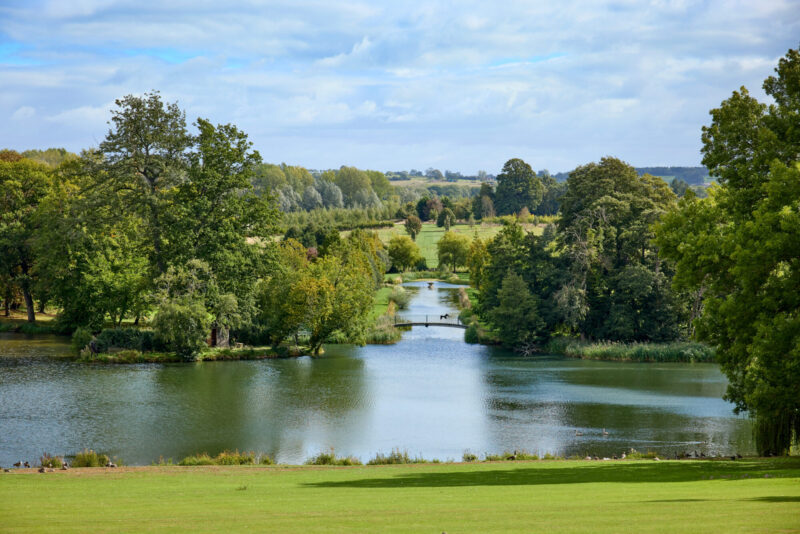
East facing rooms enjoy far reaching views across the lawn to Edgcote Pool and rolling parkland, which was shaped during the height of the English landscape movement. All the features associated with a house of this importance remain including formal gardens, pleasure grounds, a kitchen garden, greenhouses and a stable courtyard.
Estate History
The Edgcote Estate has a documented history stretching back almost 1,000 years. Granted to Geoffrey of Mowbray following the Norman Conquest, the manor later passed to Isabel de Bruce, grandmother of Robert the Bruce, before returning to the Crown in the early 14th century. The estate gained national significance as the site of the Battle of Edgcote in 1469, a decisive conflict during the Wars of the Roses. In the 16th century it passed briefly to Sir Thomas Cromwell and later to Anne of Cleves as part of her divorce settlement from Henry VIII. From 1546, Edgcote was held for around 270 years by the Chauncy family, culminating in the major 18th‑century rebuilding of the house and estate. In 1926 Raymond Courage acquired the estate and with his son Edward, went on to establish Edgcote as an important horse racing establishment. In June 2005, the estate, was acquired by the late David Allen, who continued its careful conservation and management doing much to revitalise the land, buildings and communities that live and work at Edgcote.
Residential
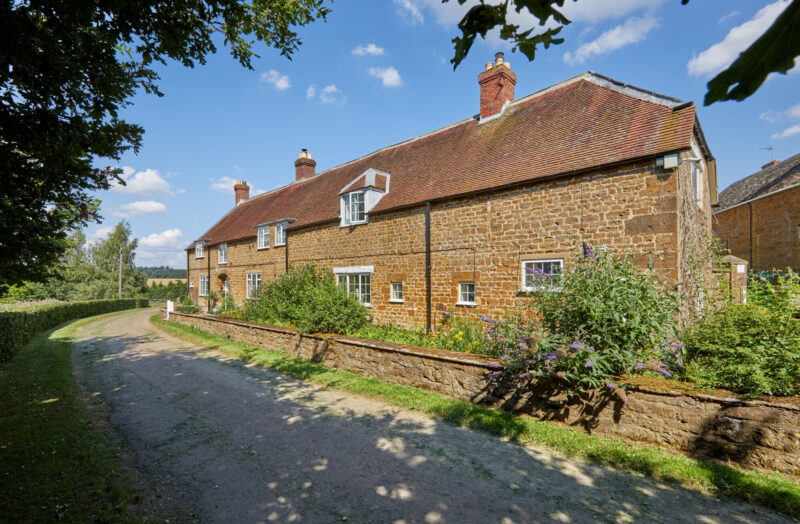
In addition to Edgcote House, the estate includes a diverse and attractive residential portfolio of 31 houses, cottages and flats. Principal among these is The Old Rectory, a charming early 18th century stone house set within mature gardens close to the church. The historic stable courtyard designed by William Smith of Warwick now includes a collection of cottages and flats within its eastern section, arranged around one of the most architecturally striking stable complexes of the period. Other notable residences include Mill House beside the River Cherwell, Brock House and Keeper’s Cottage within the former walled gardens, and a traditional gate lodge at the entrance to the carriage drive.
Farming
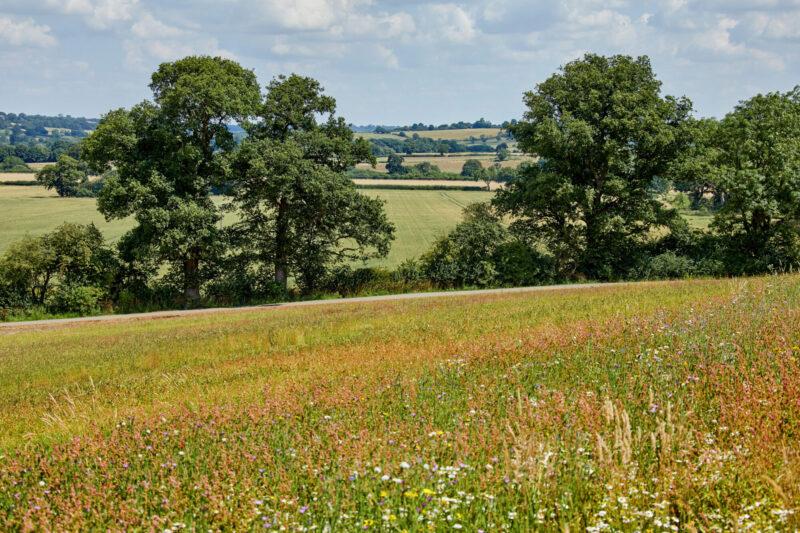
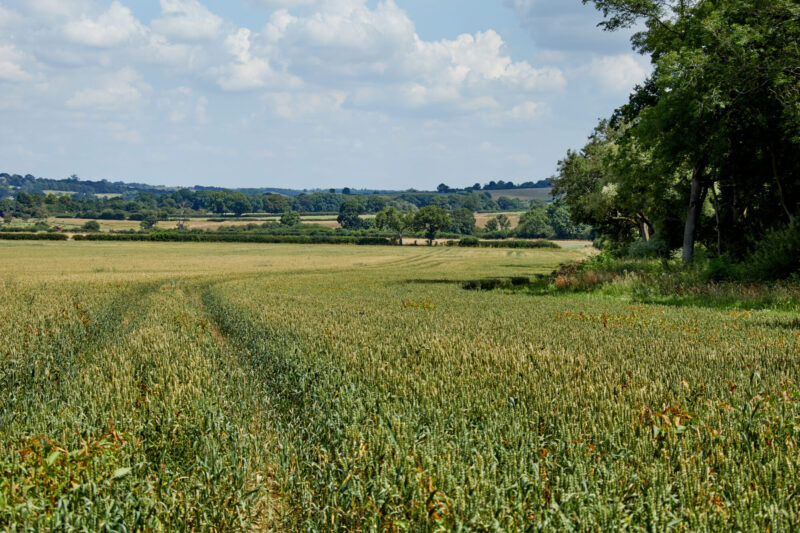
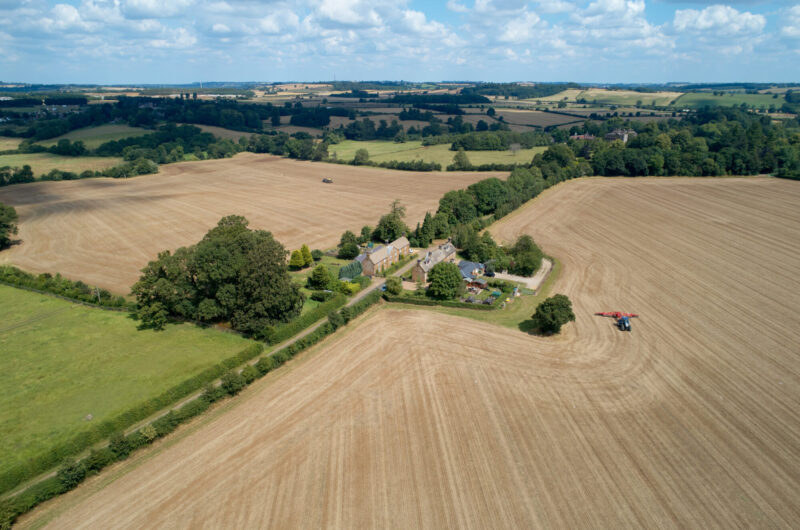
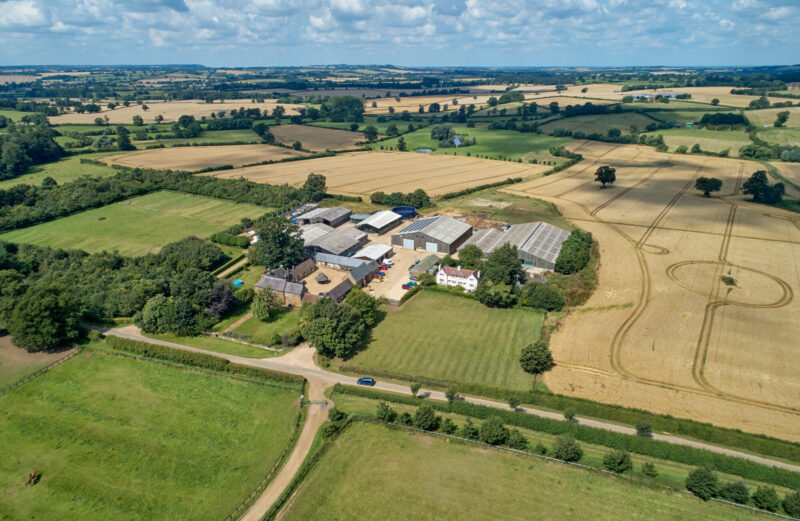
Most of the farmland is within a well-equipped, ring fenced arable farming operation extending to approximately 1,149 acres. Predominantly Grade 3 the land is farmed in‑hand from Lodge Farm, the operational hub of the agricultural enterprise. Cropping follows a traditional rotation including winter wheat, winter barley, oilseed rape and spring beans. More recently the rotation has incorporated options under Mid-Tier Countryside Stewardship and Sustainable Farming Incentive Schemes. The 102 acres of pasture and grassland are predominantly let on grazing licences.
The farm benefits from a comprehensive range of modern buildings including grain drying, cleaning and storage facilities, a high capacity continuous flow drier, silos, weighbridge, machinery stores and dedicated farm and estate offices.
Equestrian
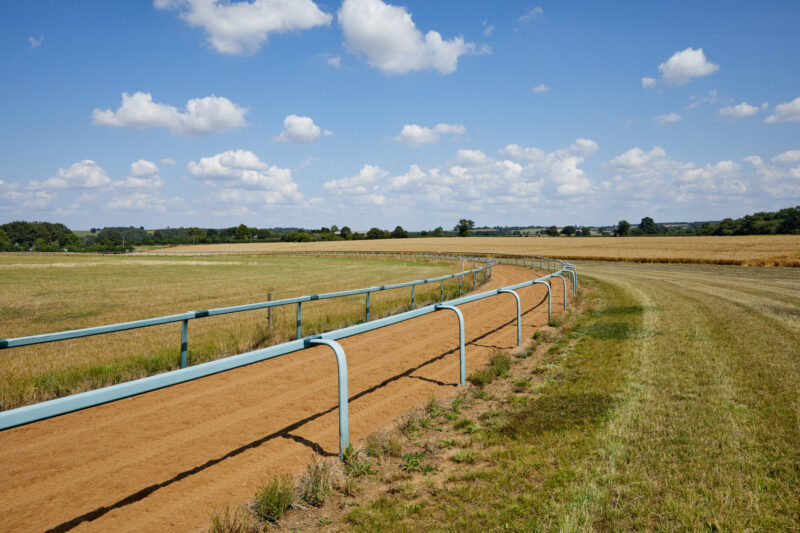
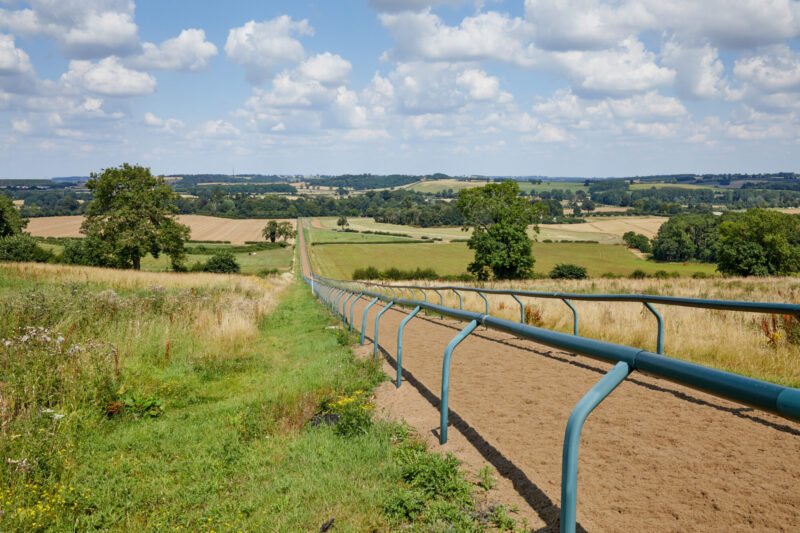
Edgcote Estate has a long established racing heritage centred on Edgcote racecourse, which was refurbished in 2018. Also, the estate has two professional racing yards, and all the facilities required to support these training centres including gallops, paddocks, and schooling arenas.
Woodland and Sporting
The estate includes significant areas of mixed broadleaved woodland, extending to approximately 115 acres. Species include oak, hornbeam, lime, sweet chestnut and maple, with selective conifer planting. Historically managed for amenity and sport, the woodland offers potential for shooting, stalking and biodiversity enhancement, supported by an active woodland management and parkland restoration programme.
Crispin Holborow, Savills Private Office comments, “The Edgcote Estate represents an exceptional example of a traditional English country estate. Both the house and its setting have evolved gently over centuries, preserving the integrity and character of this classically Georgian property. Today, the estate offers all the key elements associated with an asset of this calibre, combining a mix of residential and agricultural holdings along with diversified income streams from respected racing yards. In addition, the potential to reinstate a shoot further enhances its appeal, particularly when considered alongside the estate’s prime central location.”
For further information please contact: Louise Rose Savills press office 07967 555817 [email protected] and click here for additional information and a spectacular video tour via Savills.
And if you haven’t seen the delightful BBC Adaptation of Pride and Prejudice, you can enjoy it for free via YouTube!


I just loved the BBC adaptation and enjoyed seeing the real version of the house. Made me smile as I was reading. Thank you for sharing.
You find the most interesting things to write about. Truly enjoy reading your posts.
Thank you, Ellen! Your kind words are appreciated! 🙂