


Written by Natalie Aldridge
As an interior designer, I am often captivated by house museums, historic properties and estates scattered across the globe. These places are not just destinations for me; they are a source of endless fascination and invaluable research. I’ve had the privilege of visiting many such sites, each offering its own unique charm and insight, deeply influencing my design sensibilities and creative work.
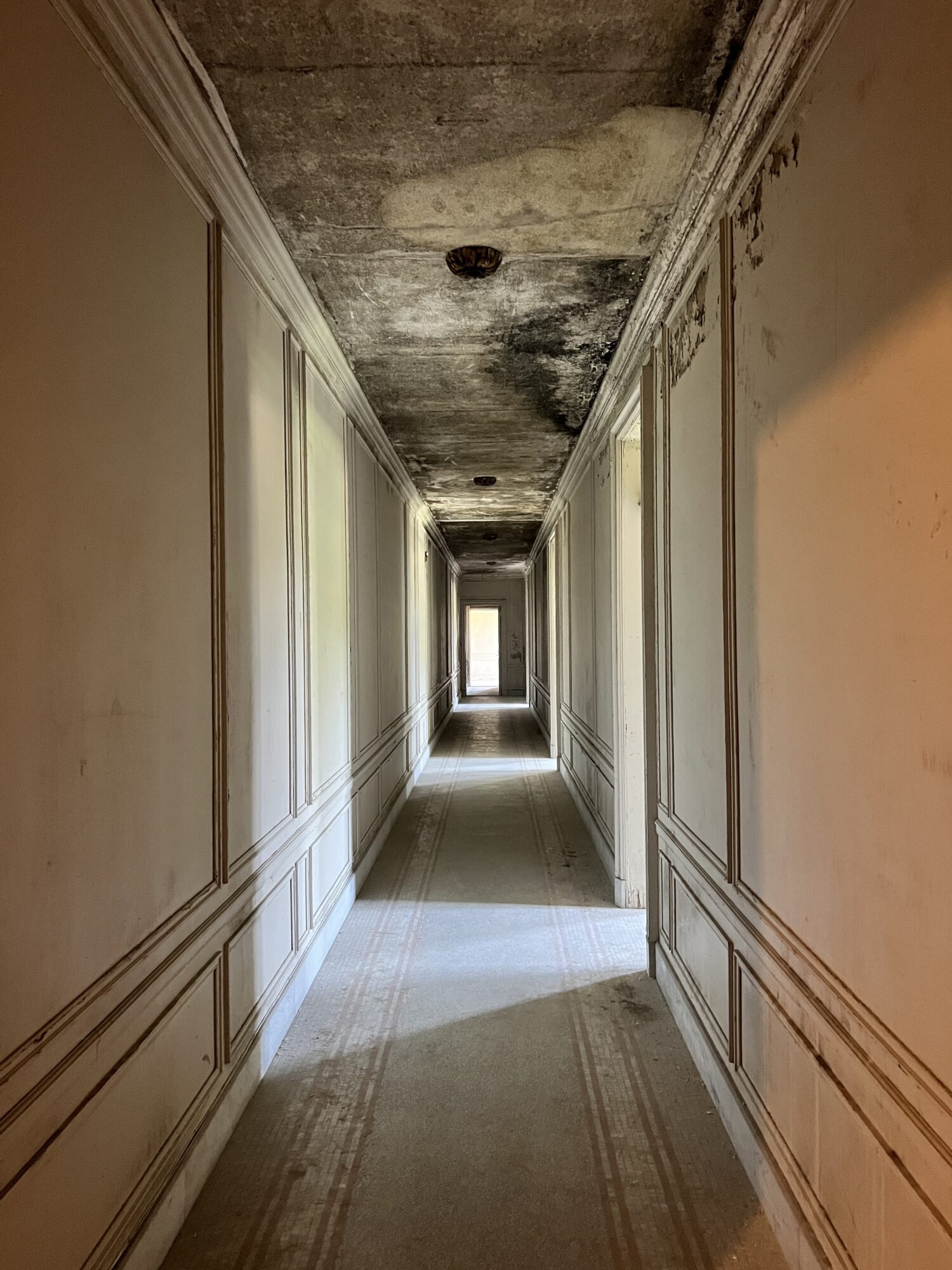
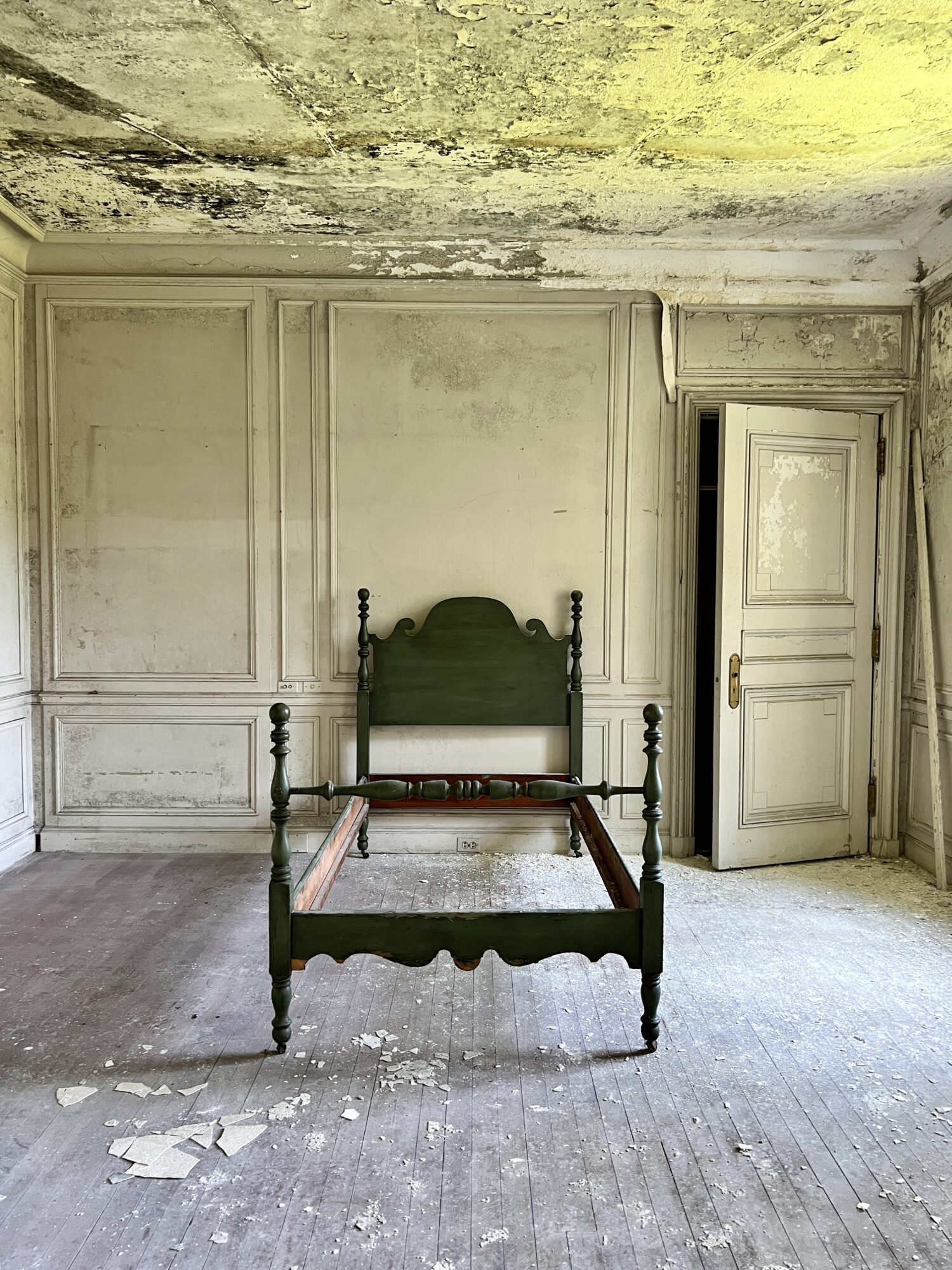
Yet, none has left a mark quite like Lynnewood Hall in Elkins Park, Pennsylvania. This estate is unlike any other I’ve encountered. Lynnewood Hall took my breath away—not just for its sheer magnitude as a single-family home, but also for the poignant disrepair it has fallen into and the rich, beguiling history it carries. Walking through its grand yet faded halls, I felt a profound connection to the layers of stories embedded within its walls. The experience was nothing short of awe-inspiring, leaving an indelible imprint on my creative vision.
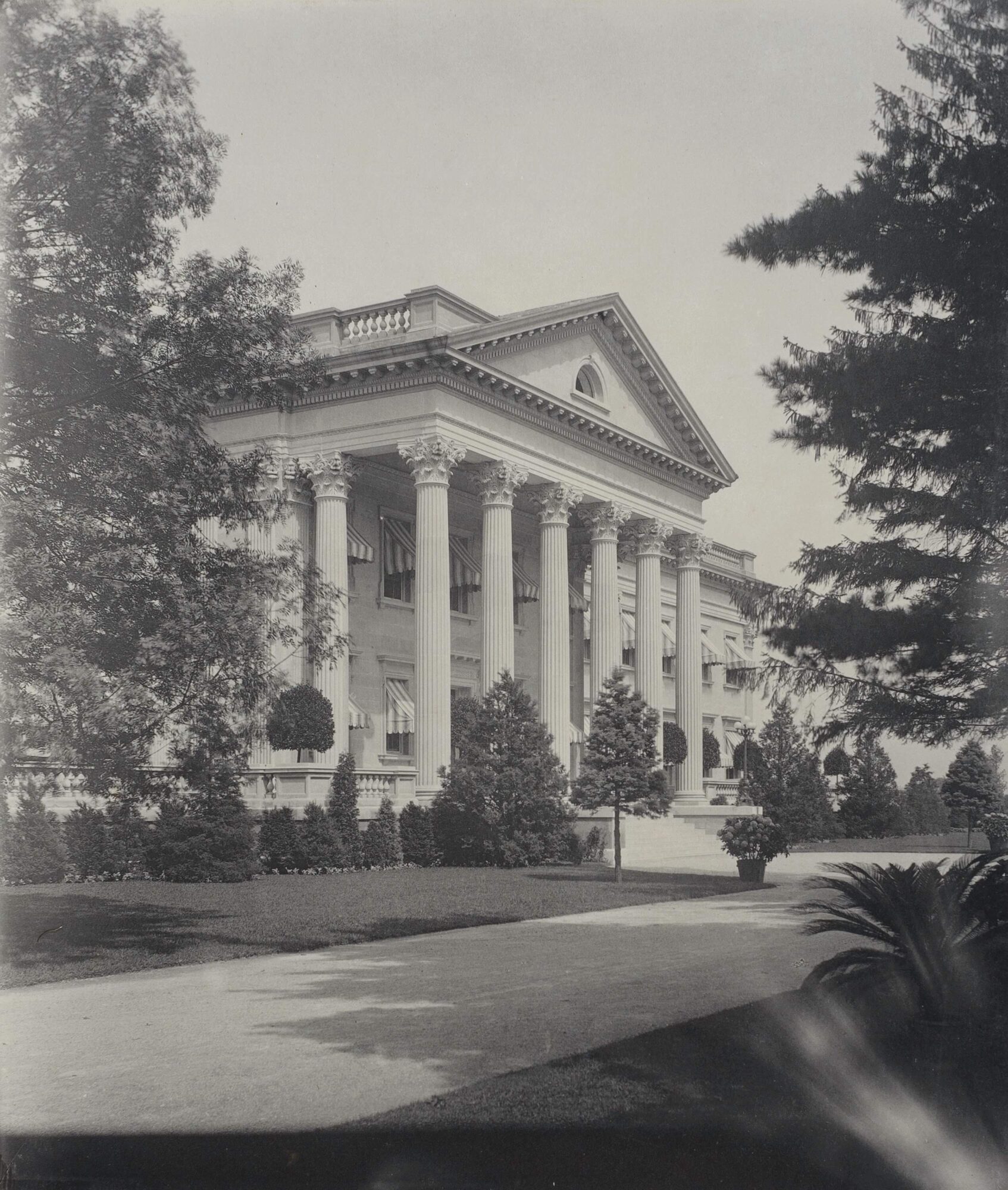
Earlier this summer, I was fortunate enough to visit Lynnewood Hall, made possible by the generosity of the Lynnewood Hall Preservation Foundation which has embarked upon the restoration and preservation of one of America’s most important residential properties. Today, The Glam Pad is excited to share an exclusive inside look at this architectural marvel, offering a glimpse into its storied past and captivating beauty despite its current condition.
Built during the Gilded Age by Horace Trumbauer for industrialist Peter A.B. Widener and his family, Lynnewood Hall stands as a true American icon. When Widener first encountered Trumbauer’s work, he instantly recognized the young architect’s extraordinary talent and knew he was the one to bring his vision of a grand estate to life. Despite being only 29 years old, Trumbauer had already made a name for himself, and Widener eagerly entrusted him with the creation of Lynnewood Hall. In 1897, Trumbauer set to work drafting the plans, and by fall of that year, construction was underway. Incredibly, in just two years—a pace unimaginable today—the Neoclassical-revival estate was complete, with a grand opening celebration held on December 19, 1899.
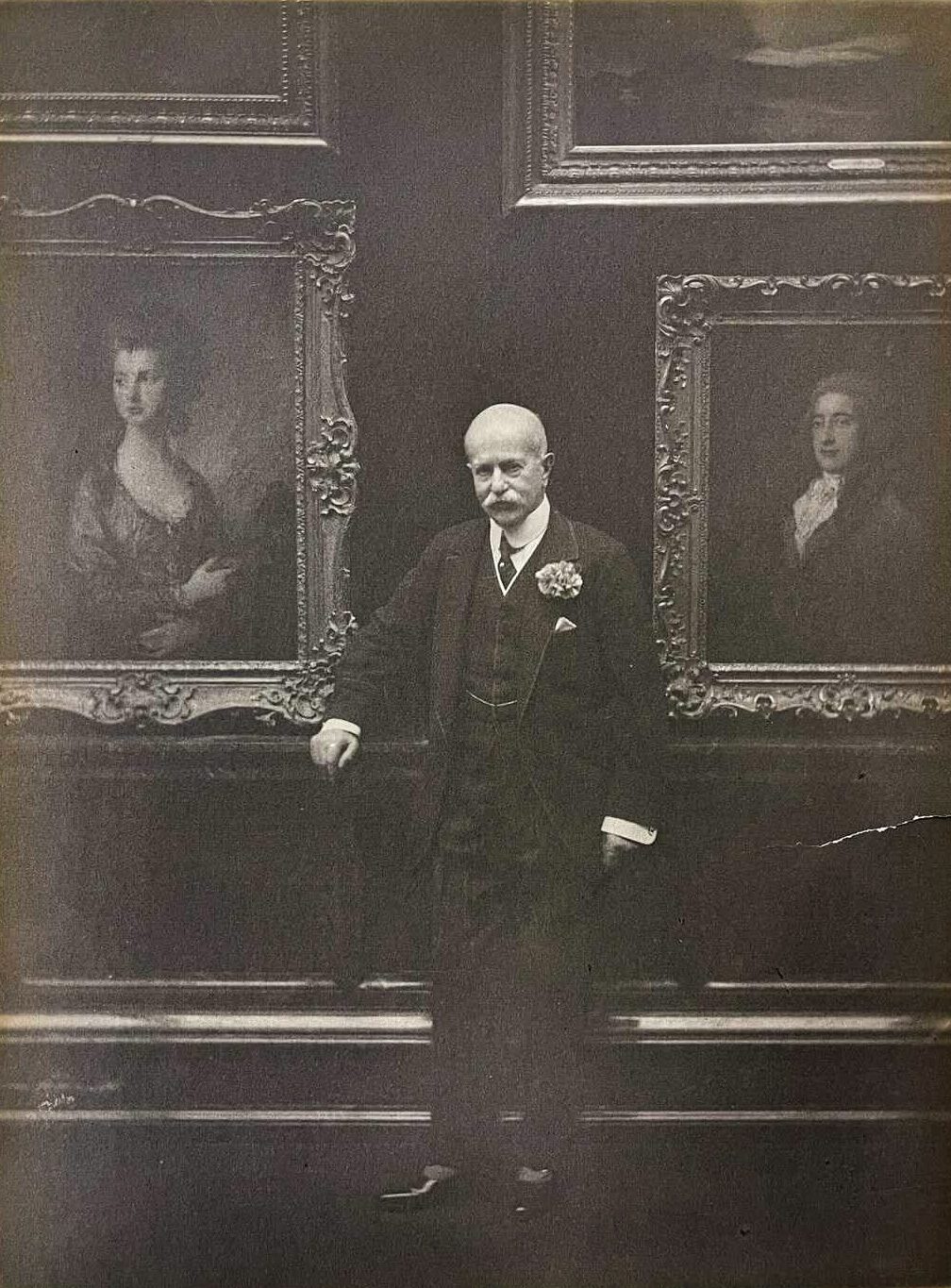
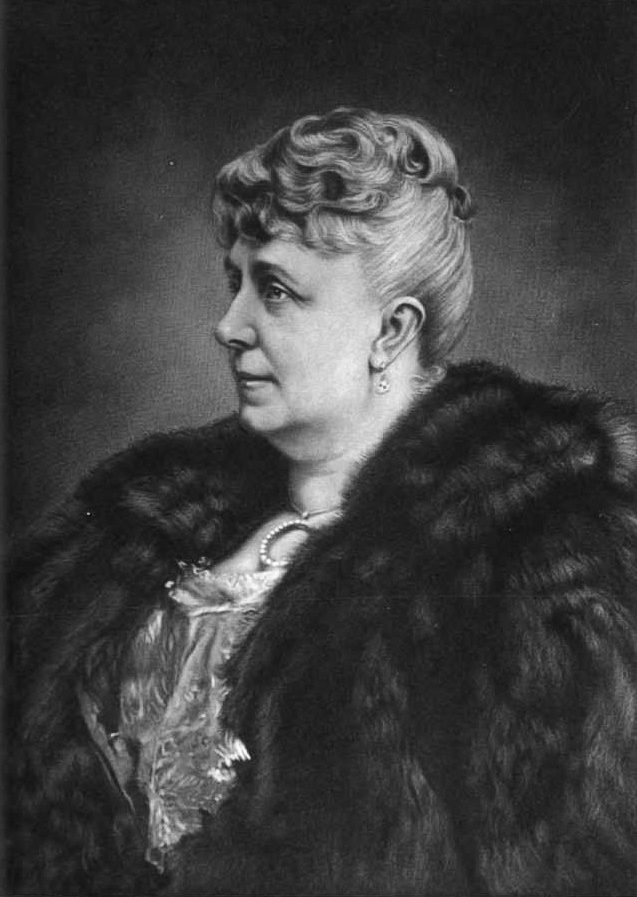
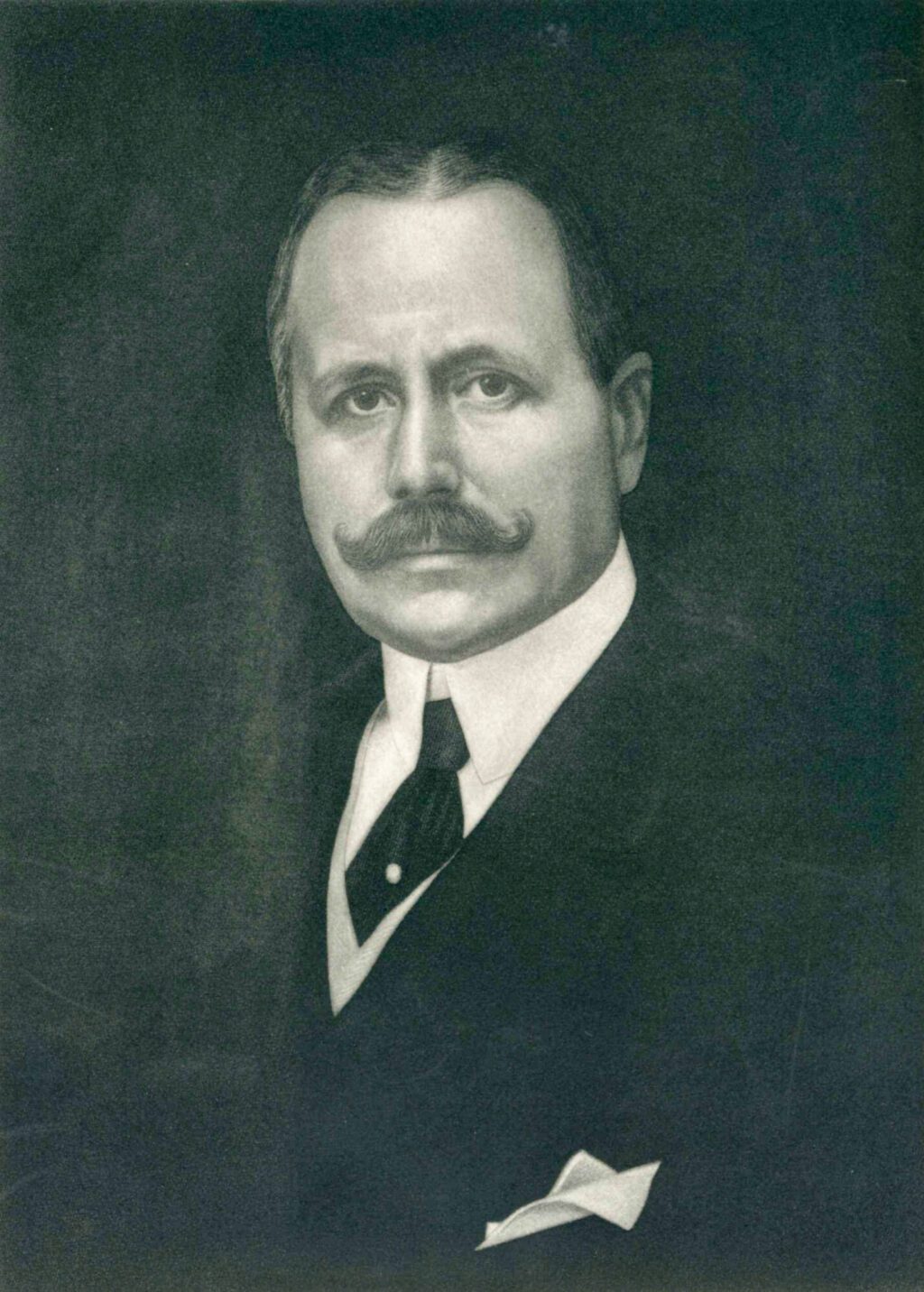

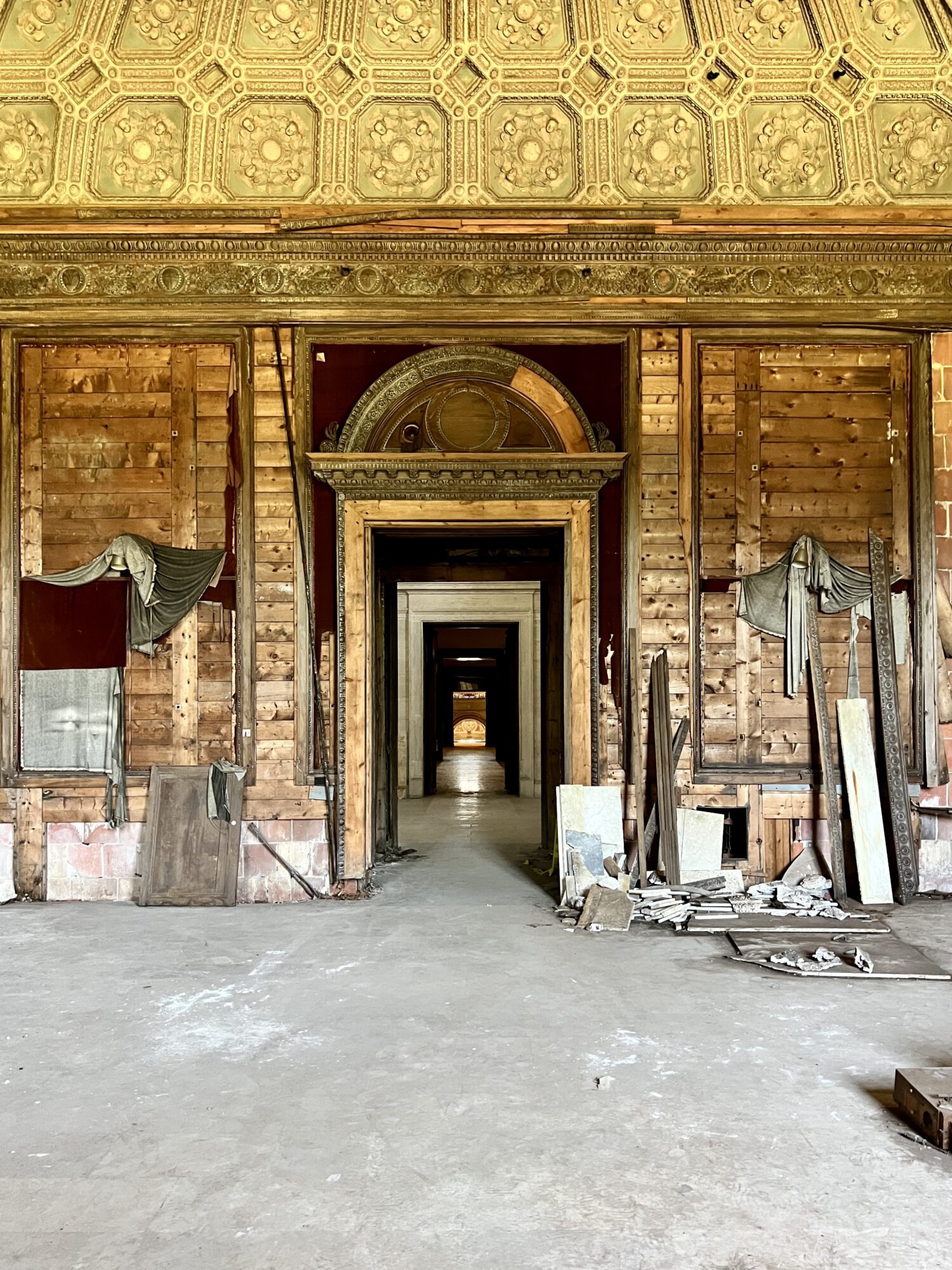
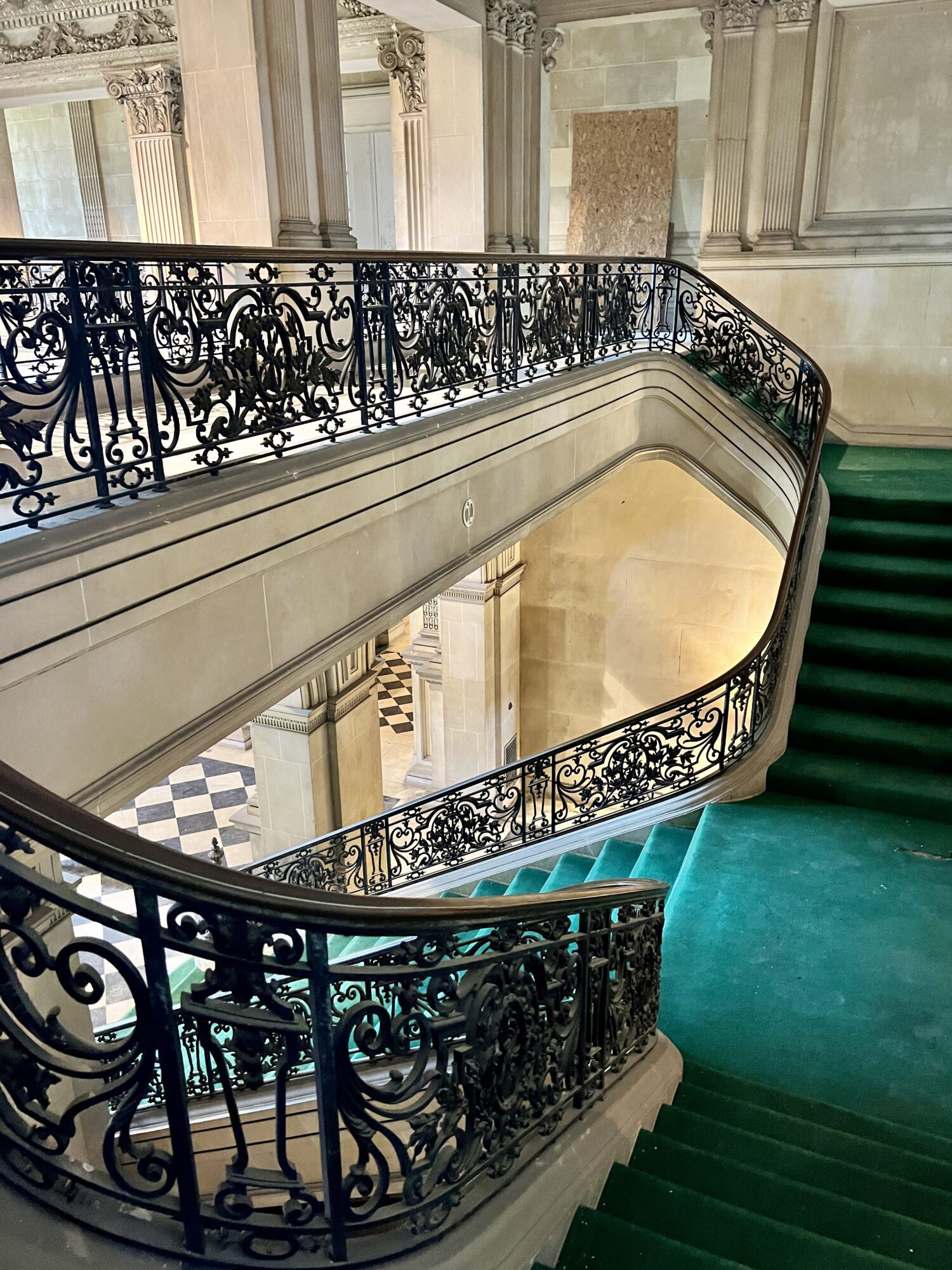
Lynnewood Hall, like all of Trumbauer’s work, was built not just to impress, but to endure. The estate’s Indiana limestone facade and steel framework were designed to last, standing as a testament to both the architect’s ambition and the passing of time. Inside, marble, brick, and concrete take center stage, each material chosen for more than just its beauty—some of these elements are now so rare, they’re practically extinct. Trumbauer’s flair for excellence shines in every corner of the 100,000 square-foot home, making Lynnewood Hall a lasting monument to an era of opulence. Despite being largely neglected for the last fifty years, the structure remains remarkably intact, as if stubbornly refusing to fade into history.
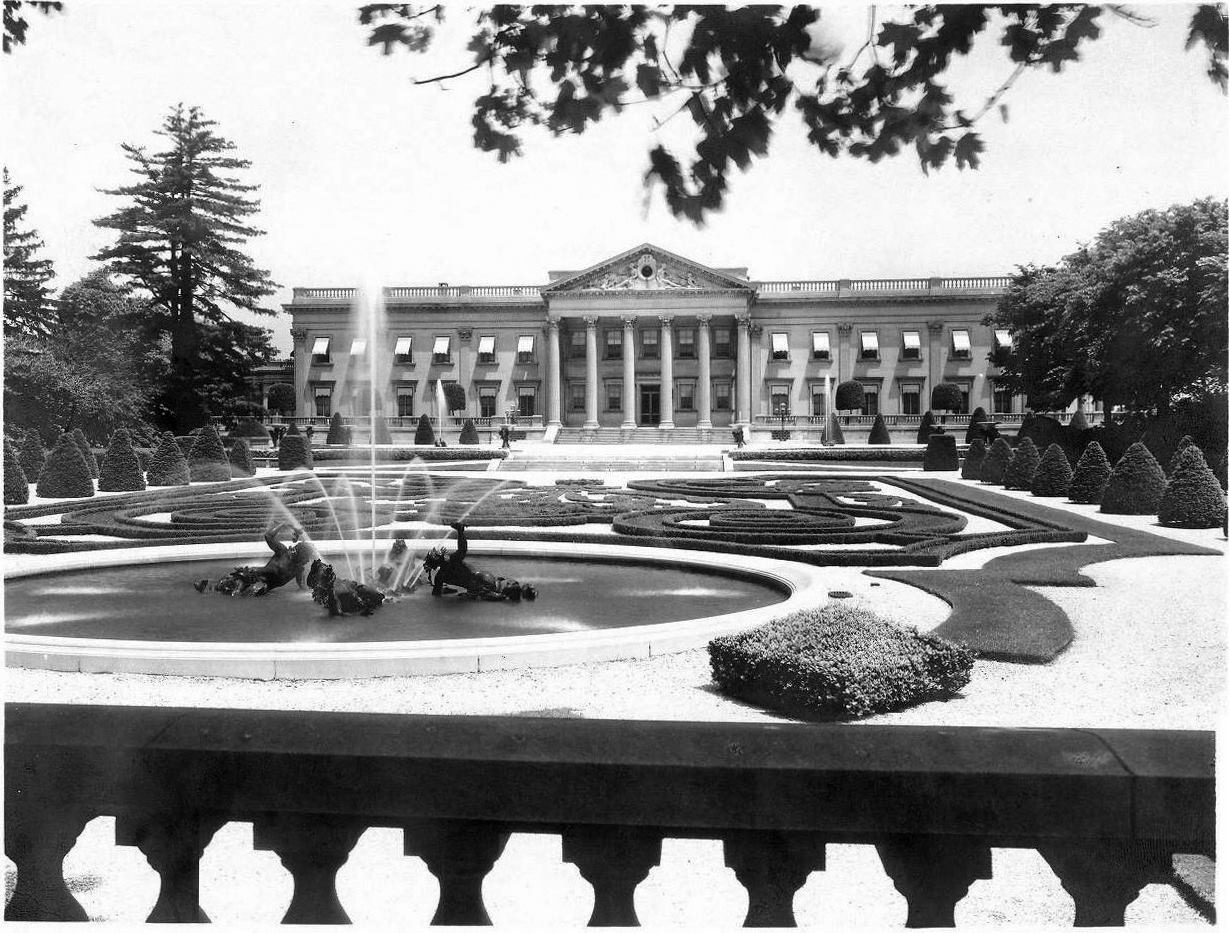
The original 33-acre gardens of Lynnewood Hall were crafted by head gardener William Kleinheinz, but it was the French gardens, designed by Jacques Gréber in 1916, that earned the estate international acclaim. Gréber, who also designed the Benjamin Franklin Parkway, created one of the finest French gardens in America for the Wideners. As part of his design, his father, Henri Léon Gréber, a celebrated sculptor, was commissioned to create the fountainheads for the estate. Lynnewood Hall is notable not only for its grandeur but also for being the largest of five Trumbauer designed residences in the Philadelphia area.
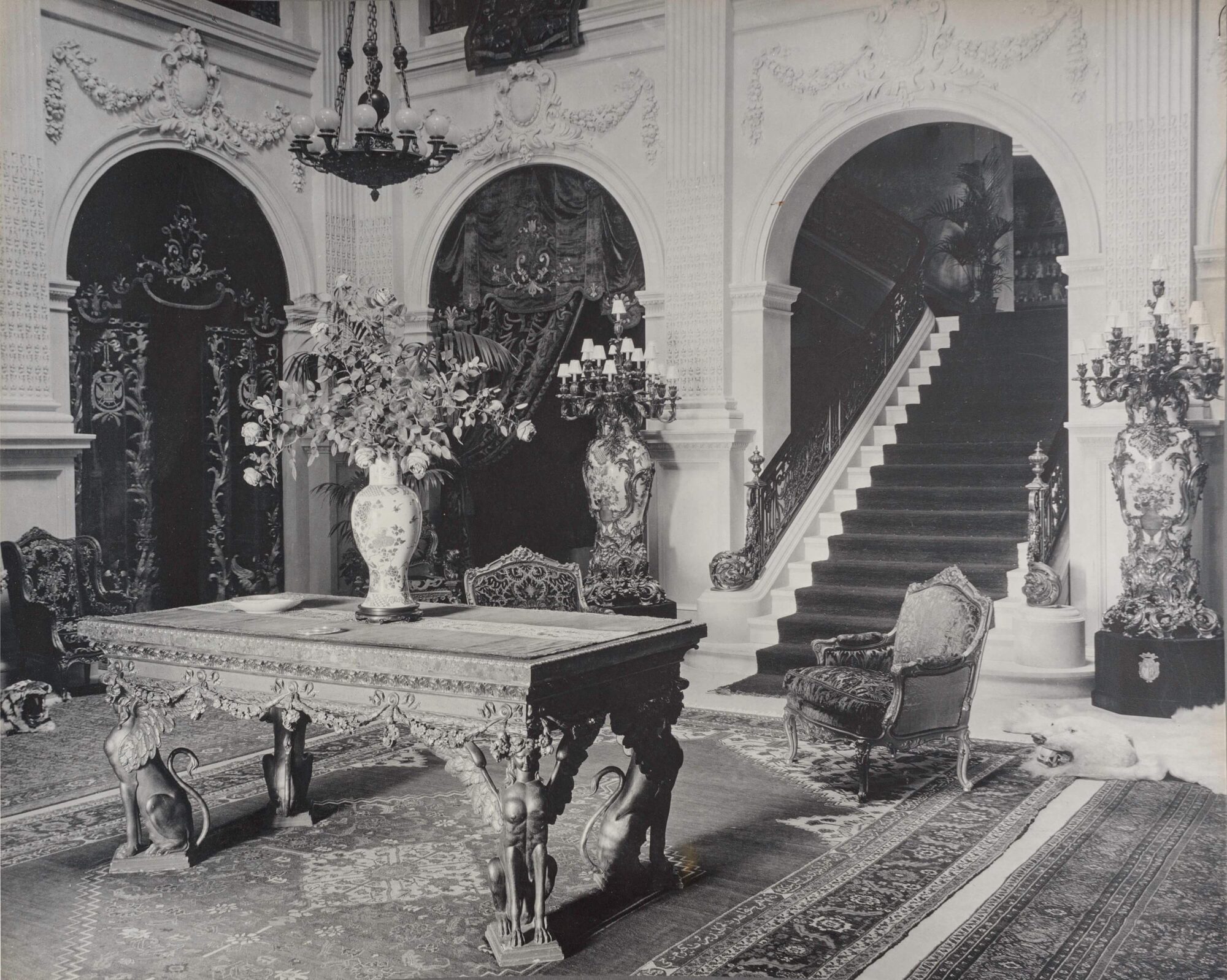
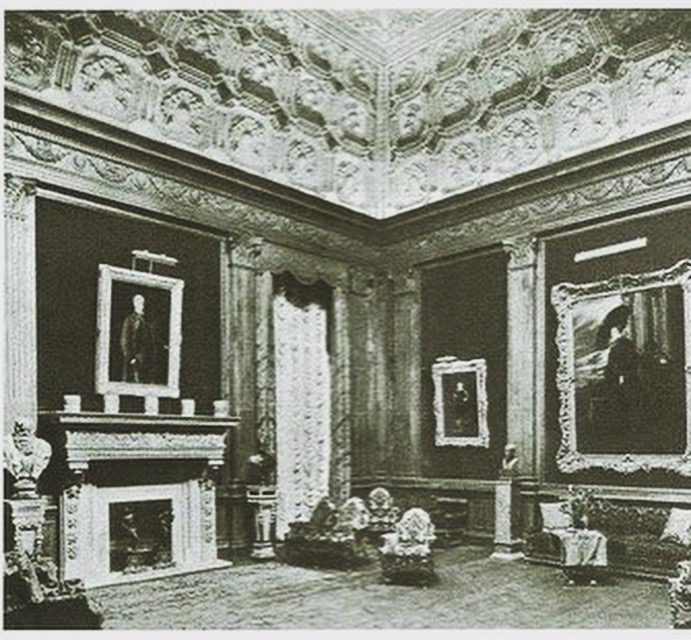
The interior of Lynnewood Hall was lavishly furnished by the Duveen Brothers, who sourced rare and valuable items from around the world. The estate boasted carved wood paneling from a French chateau, furniture tagged from Versailles, and tapestries from European aristocrats. Many of the home’s elements were imported, including Florentine bronze front doors and a Louis Comfort Tiffany skylight in the tea room. The light fixtures were crafted by E.F. Caldwell, a leading designer of the era. The second-floor decorative hardware was created by New York foundry P.E. Guerin, founded in 1857 and still operating in the West Village today. Many of the decorative hardware pieces found throughout the house are still manufactured by them.
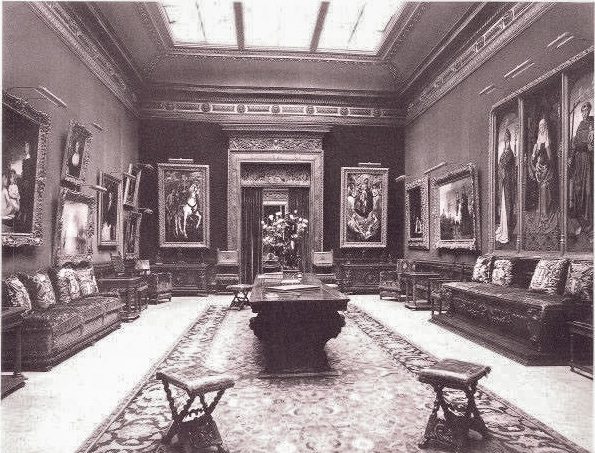
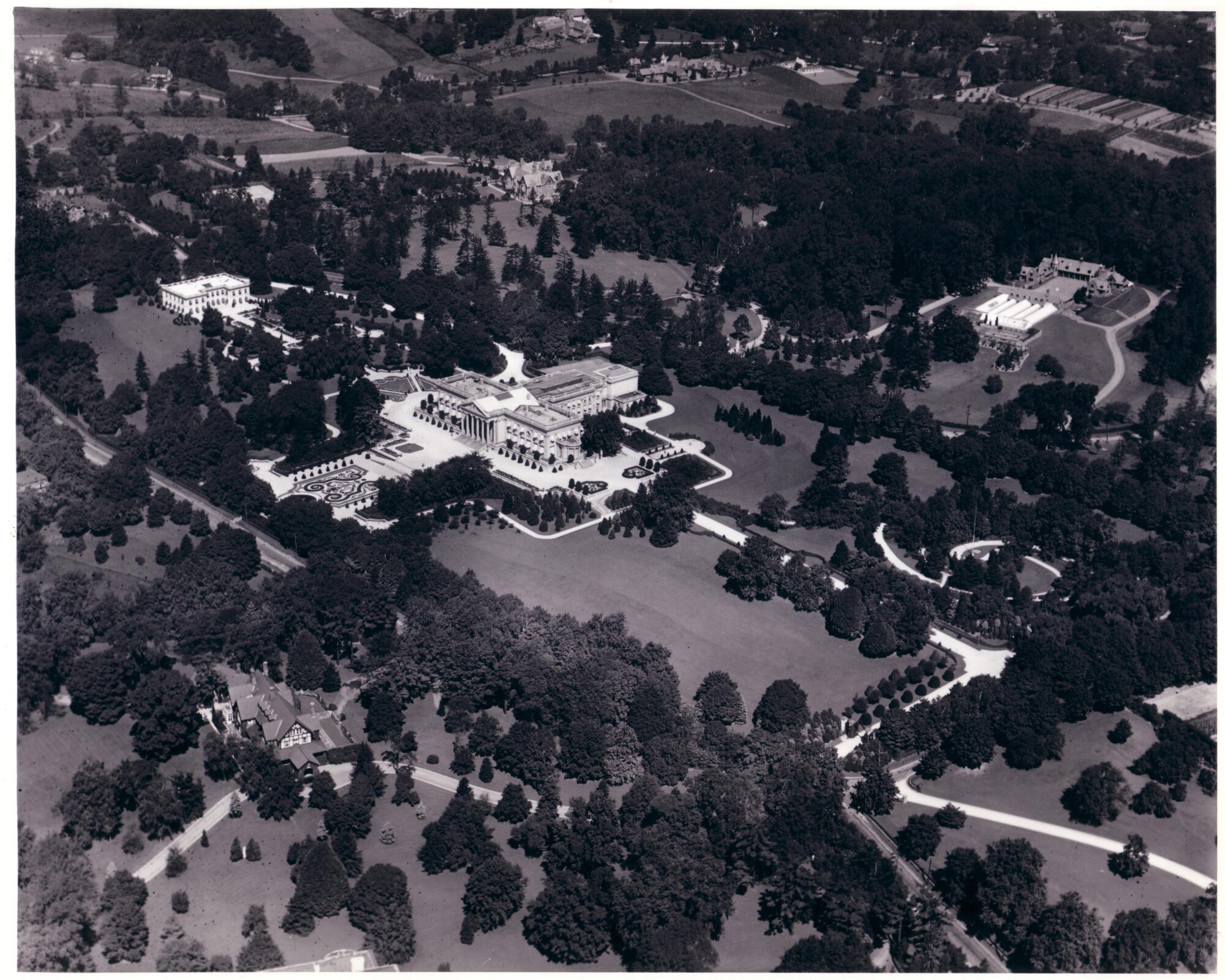
The mansion was designed not just as a family home for Peter A.B Widener and his heirs, but as a showcase for one of the most valuable private art collections in American history. A significant part of the second floor was dedicated to a multi-room gallery that housed masterpieces by artists like Cellini, Gainsborough, Reynolds, Degas, Velázquez, Rembrandt, Raphael, Monet, and Sargent. This remarkable collection remained at Lynnewood Hall until 1943, when it was bequeathed to the National Gallery in Washington, D.C. The Wideners were known for their relentless pursuit of Europe’s finest art, often paying top dollar to acquire these treasures.
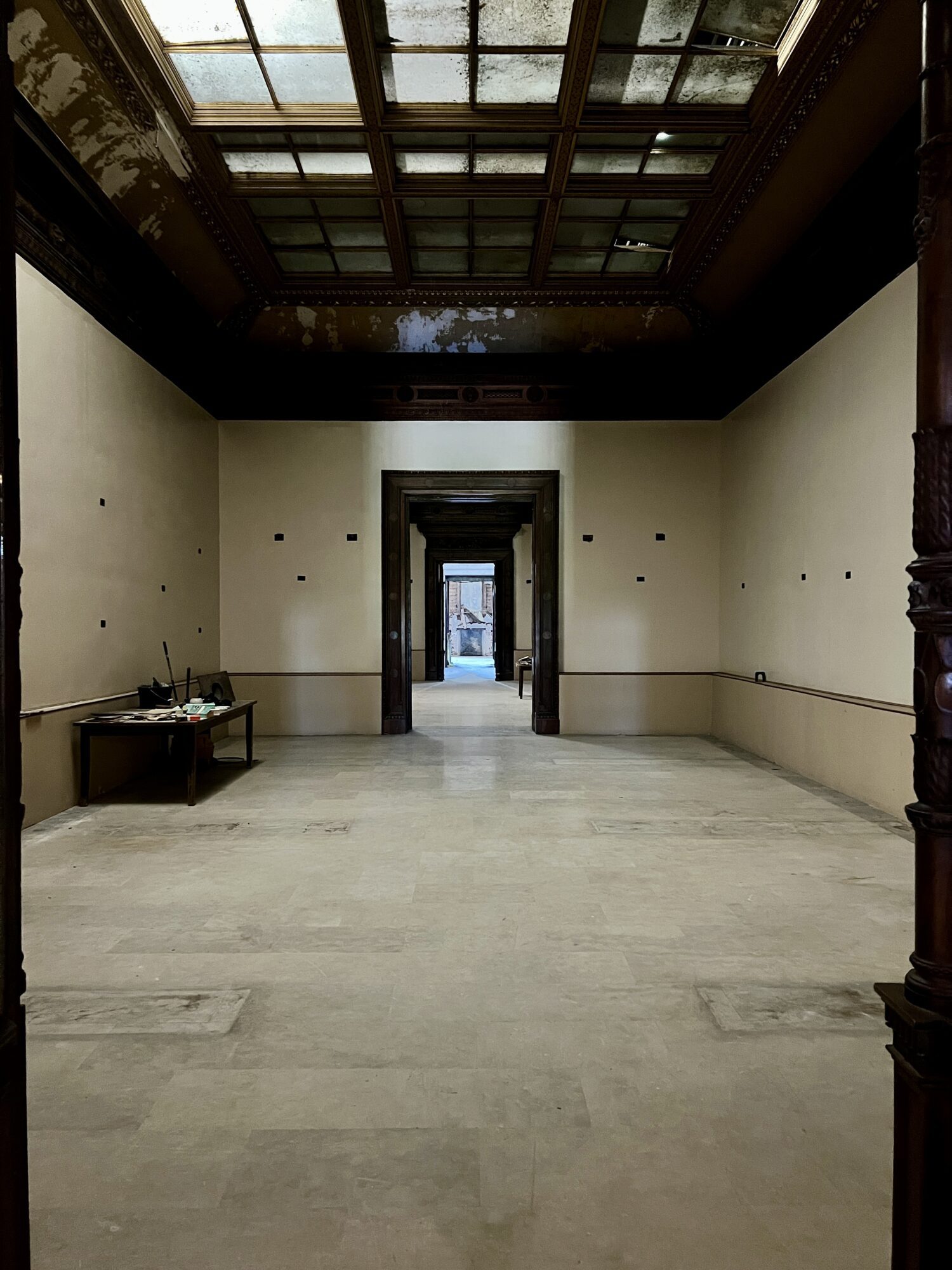
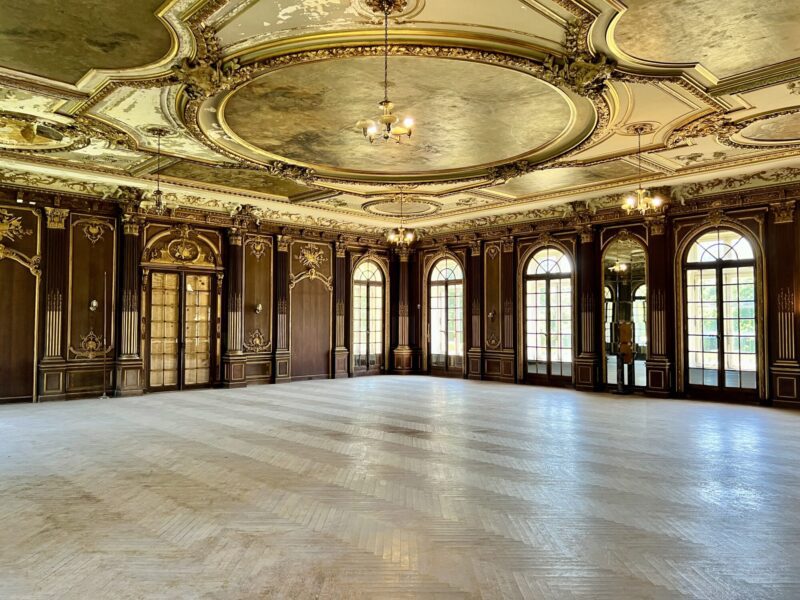
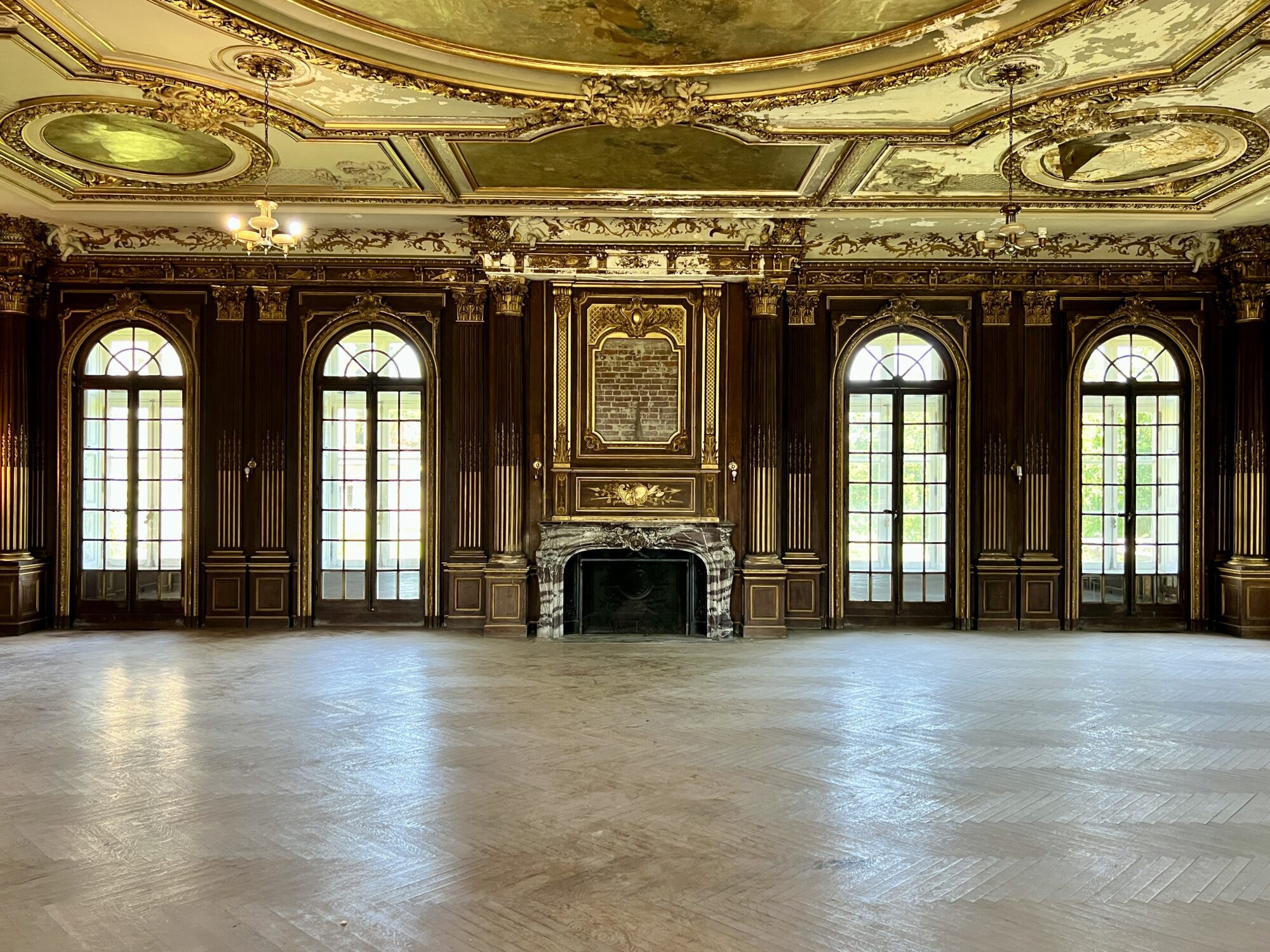
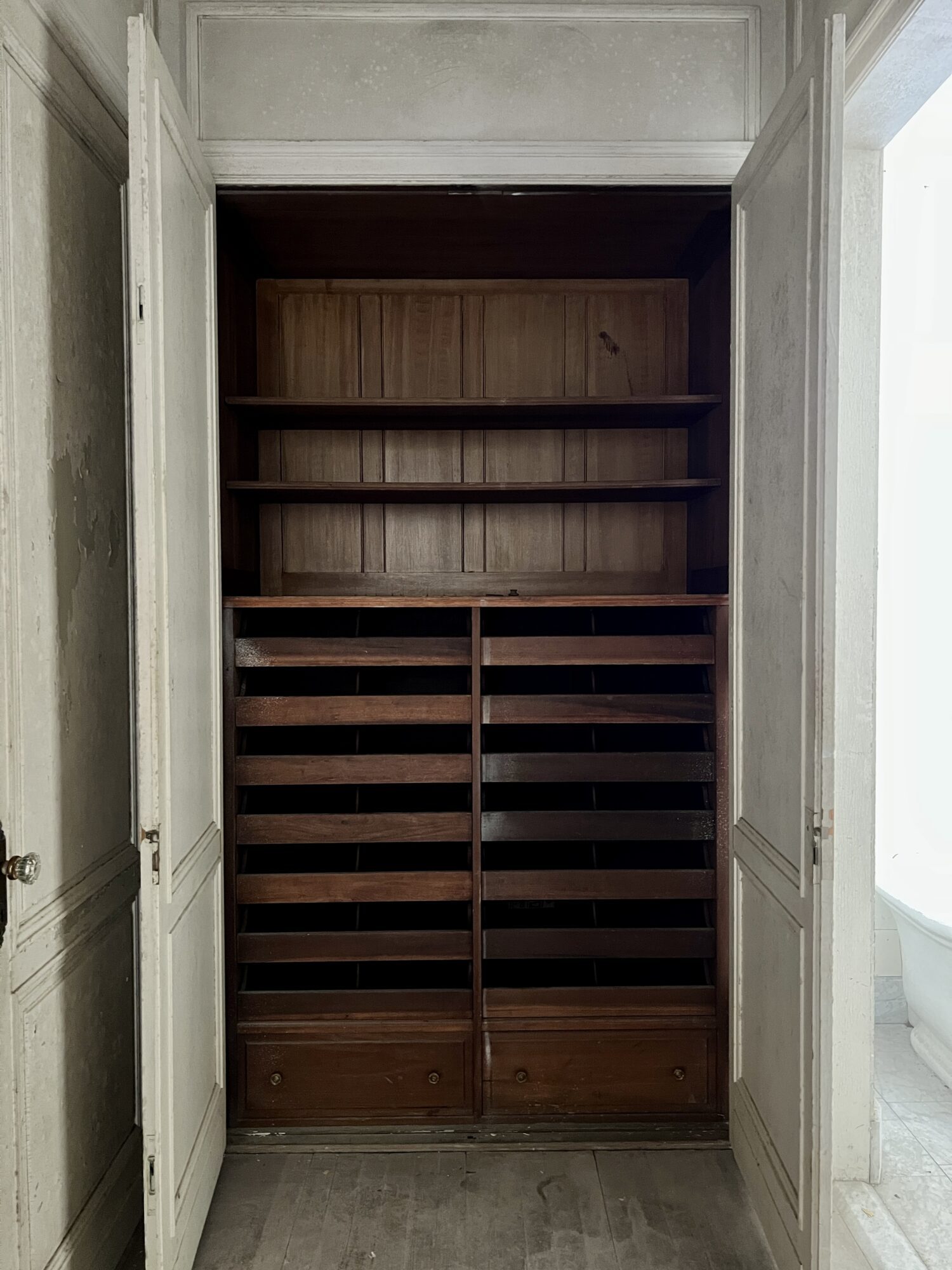
The 110-room home also included one of the largest private ballrooms in America, 55 bedrooms, incredibly intricate dressing rooms, bathrooms, sitting rooms, a tea room, even a sauna in the basement and an enclosed pool. Extensive storage spaces for linens, steamer trunks, formal wear, furs, and of course a large cedar closet dedicated to the storage of drapery, as they were changed out seasonally. Despite being built at the turn of the century, during the advent of electricity, the home was always electrified—a rarity even for opulent Gilded Age mansions of the time.
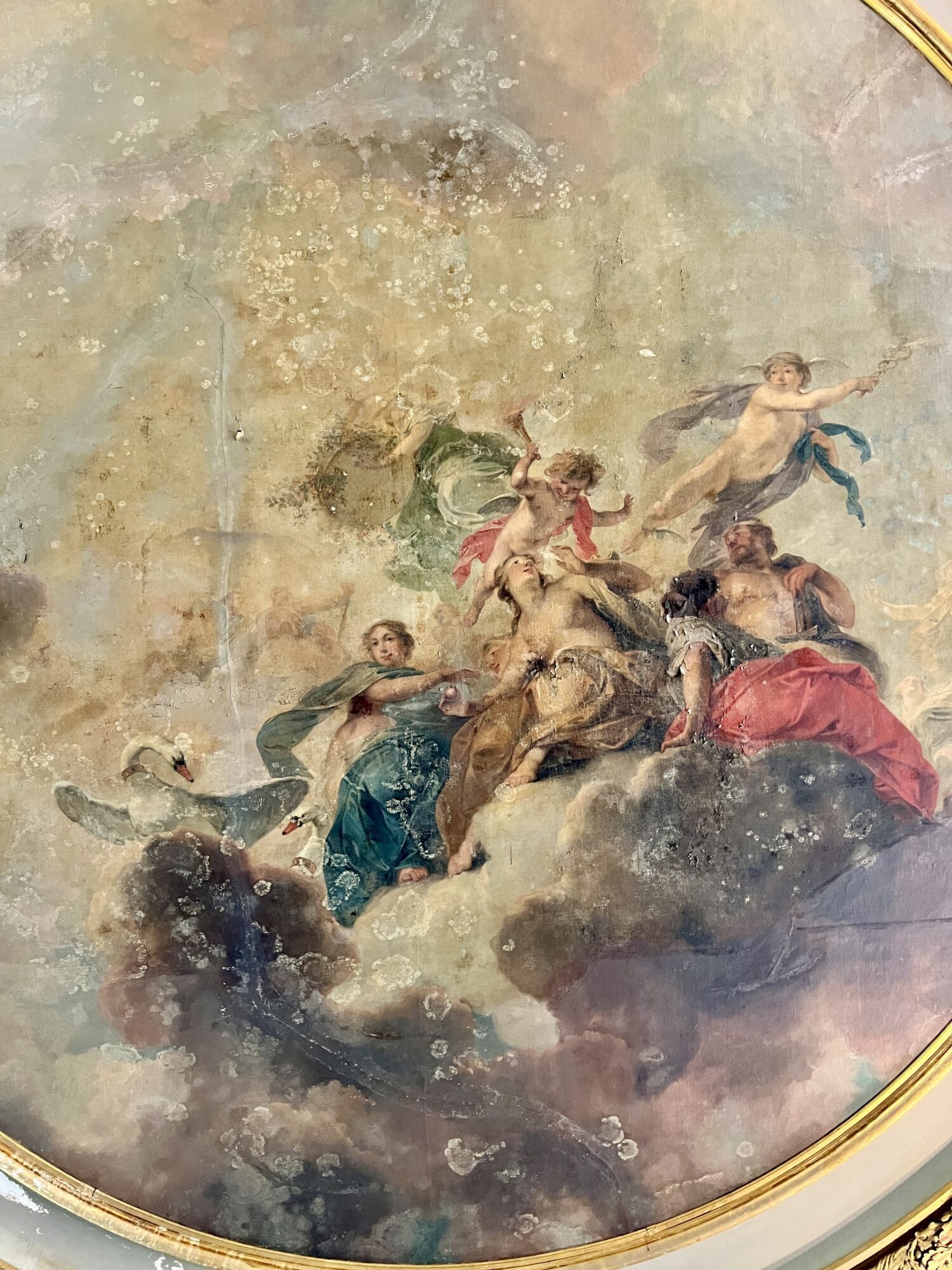
Widener’s estate extended far beyond Lynnewood Hall, encompassing a 117-acre farm that was more akin to a self-sustaining village. Complete with chicken coops, stock barns, greenhouses, a half-mile racetrack, and stables for his prized thoroughbreds, the property was a testament to his ambition. It even featured its own power plant and water pumps, underscoring Widener’s commitment to independence. In a touch of ingenuity, he piped hot air from the farm to Lynnewood Hall to safeguard his art collection from fire, and installed a solid bronze fire suppression system, which remains intact today.
The estate’s grandeur was further exemplified by Lynnewood Lodge, a 16,000 square-foot residence designed by Horace Trumbauer in the 1920s for Joseph Widener’s son, Peter Jr. With elements inspired by Versailles’ Petite Trianon and a matching 5,000 square-foot gatehouse, the estate exuded refined luxury. Trumbauer’s vision extended through the 1909-10 renovations, where he enclosed the pool, added the Van Dyck gallery, and transformed the porches into elegant loggias. The upkeep of this expansive and opulent estate required a domestic staff of 37 and an additional 60 workers dedicated to maintaining the grounds.
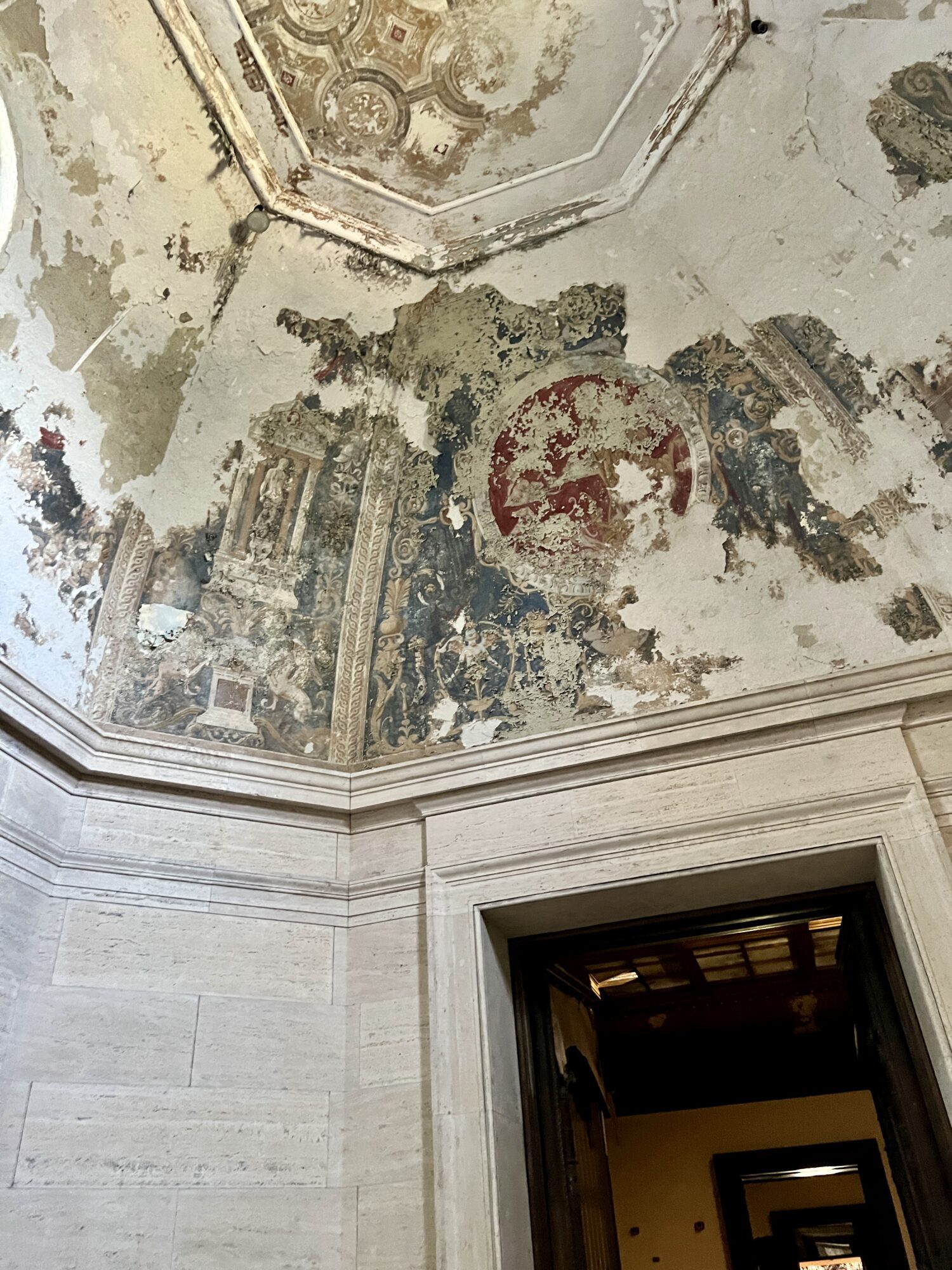
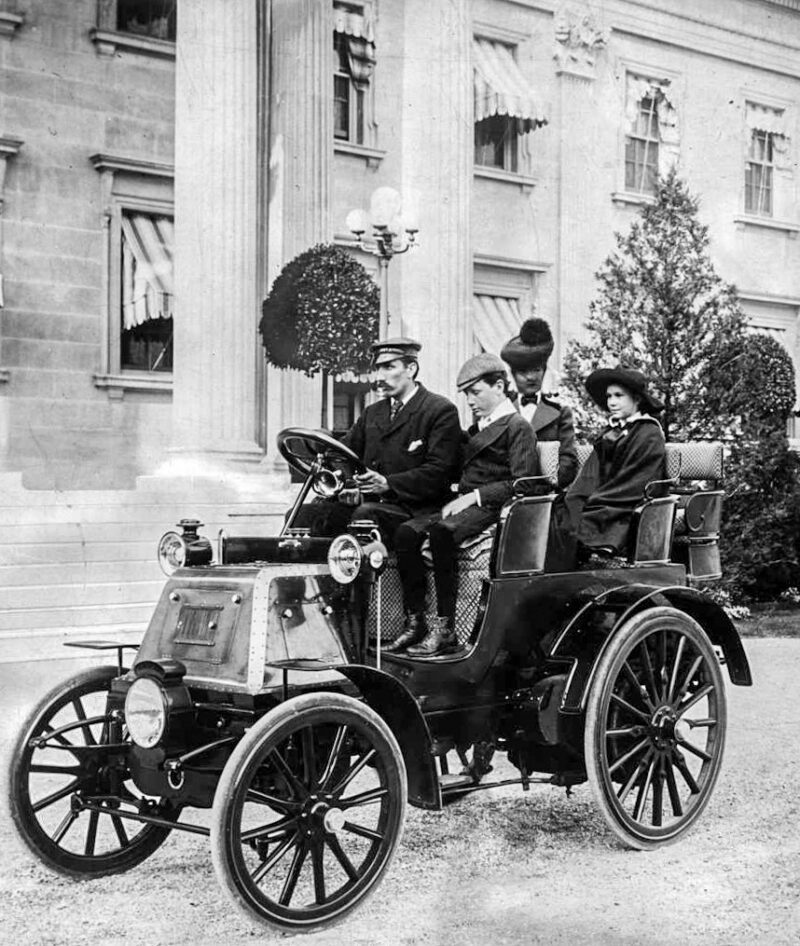
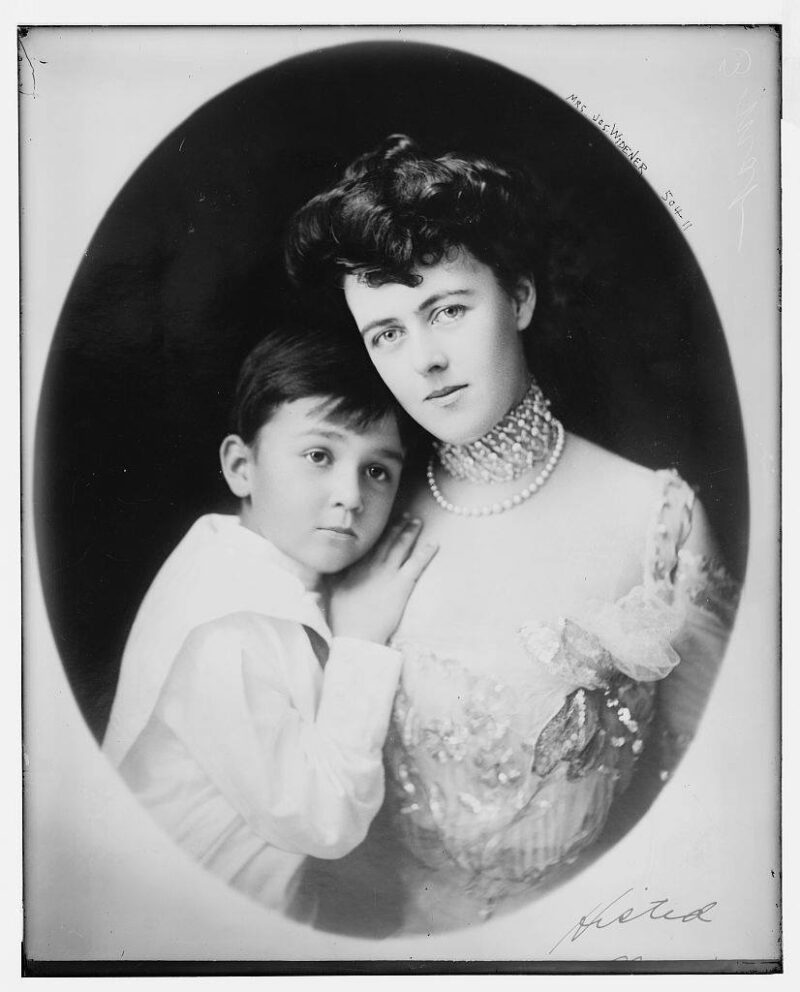
In 1912, Peter’s eldest son, George Dunton Widener, traveled to Paris with his wife Eleanor and his son Harry. Although they were searching for a new chef for the Philadelphia Ritz-Carlton (which they owned), the two main purposes of the trip were to pick up the wedding trousseau for Harry’s sister, Josephine, affectionately known as “Dimple,” and for Harry to collect a few extremely rare tomes. With their business finished, the Wideners set sail for the return trip to America on the ill-fated R.M.S. Titanic.
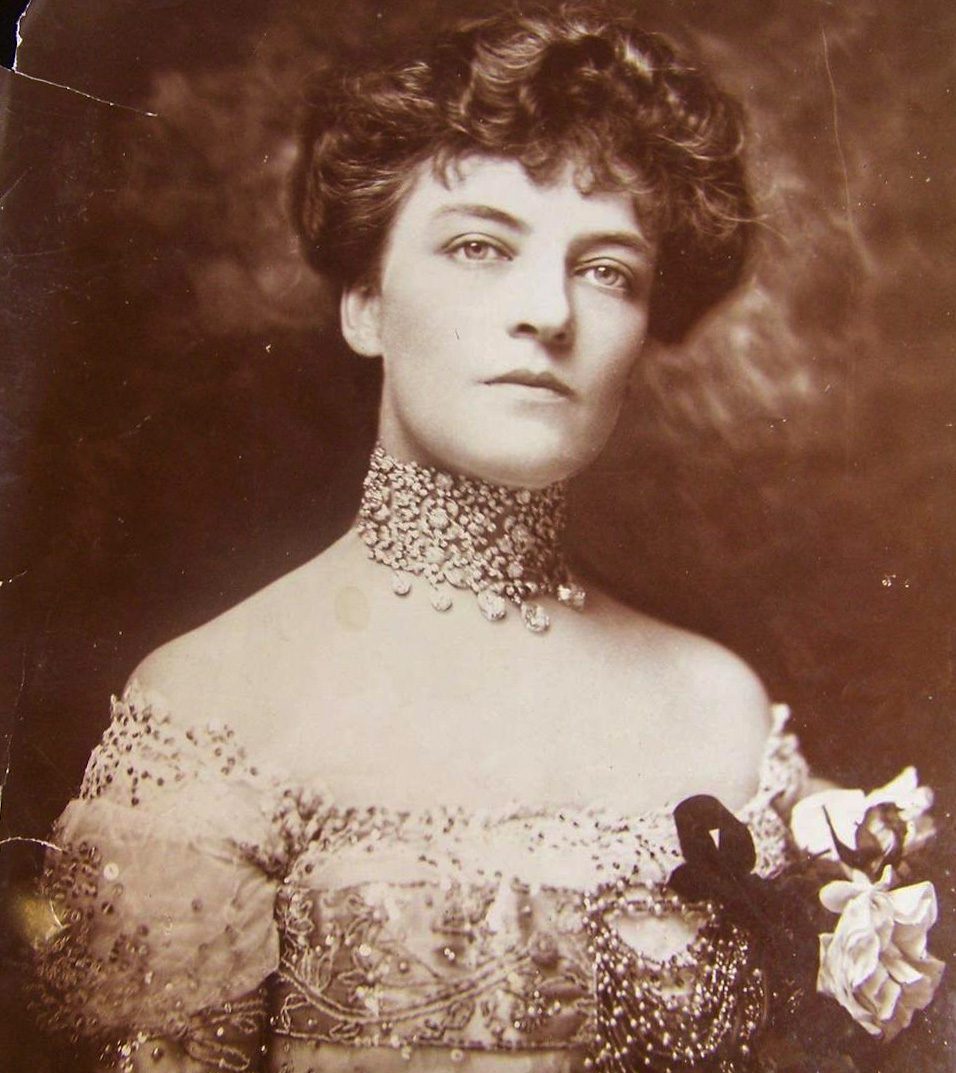
Through his partnership with J.P. Morgan, Peter A.B. Widener was a large shareholder in the International Mercantile Marine Company, which owned the White Star Line. Because of this connection, on that cold April evening in 1912, when the “unsinkable” Titanic sank, the hosts of the private dinner party for the ship’s Captain, Edward J. Smith, were George and Eleanor Widener. Only Eleanor and her lady’s maid survived that tragic night. The deaths of George and Harry forever altered the story of the Widener Family and of Lynnewood Hall.

After the Wideners’ tragic loss, Peter A.B. Widener’s health declined, leading to his passing on November 6, 1915. His son Joseph stepped in to manage the estate, overseeing it with the meticulous care of someone well-versed in both art and accounting. Thanks to Joseph’s foresight, Lynnewood Hall weathered the Great Depression—a period that saw many of its grand counterparts crumble.
In 1940, Joseph’s son, Peter A.B. Widener II, captured the moment perfectly in his book Without Drums: “The days of America’s privately-owned treasure houses are over. They are gone with the wind… Lynnewood Hall can, I suppose, be called the last of the American Versailles.” In an era when fortunes were synonymous with public responsibility, the Wideners were masters of both. They didn’t just amass wealth; they invested in their communities, founding charities, schools, and institutions that would outlast them.
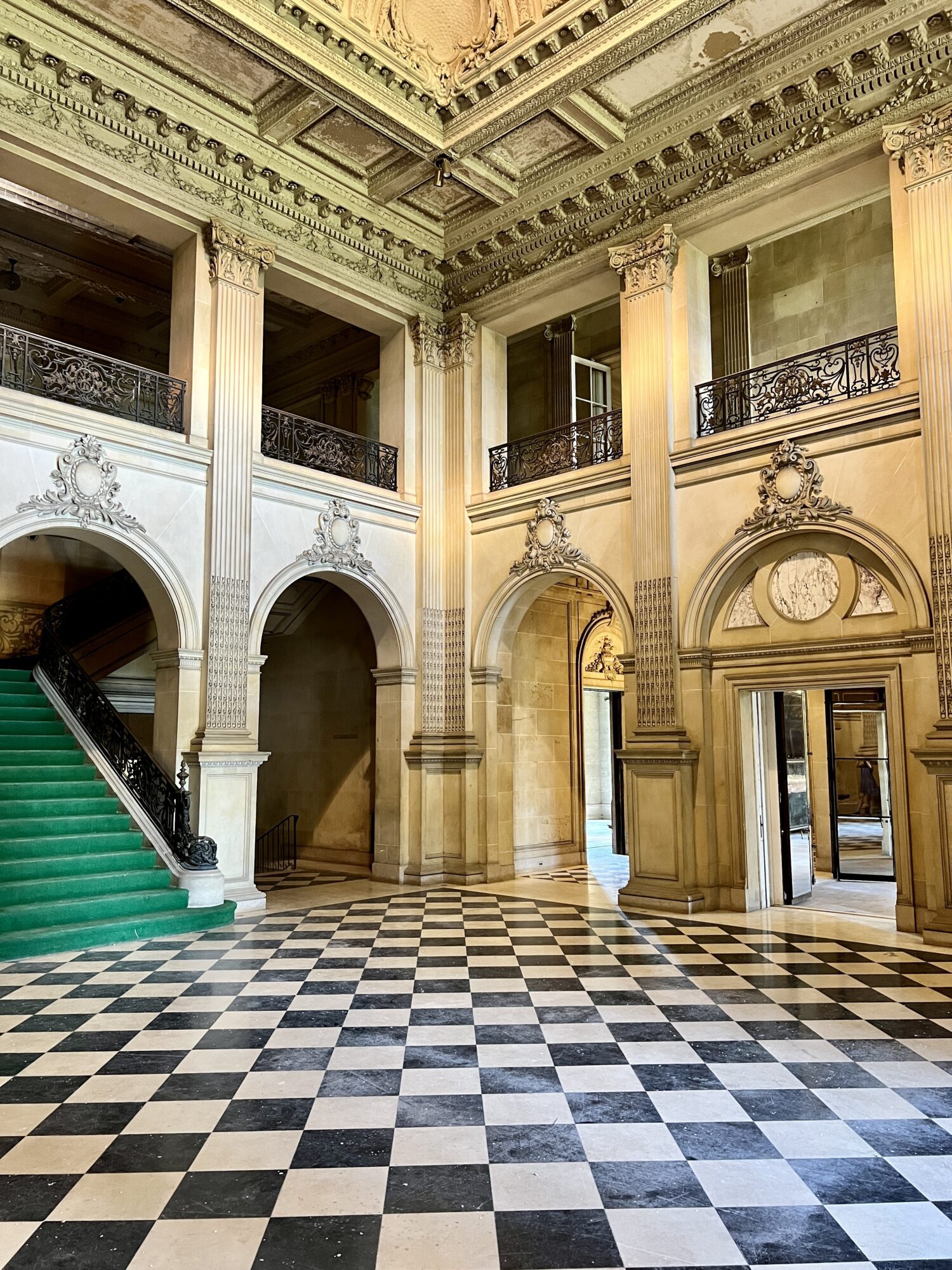

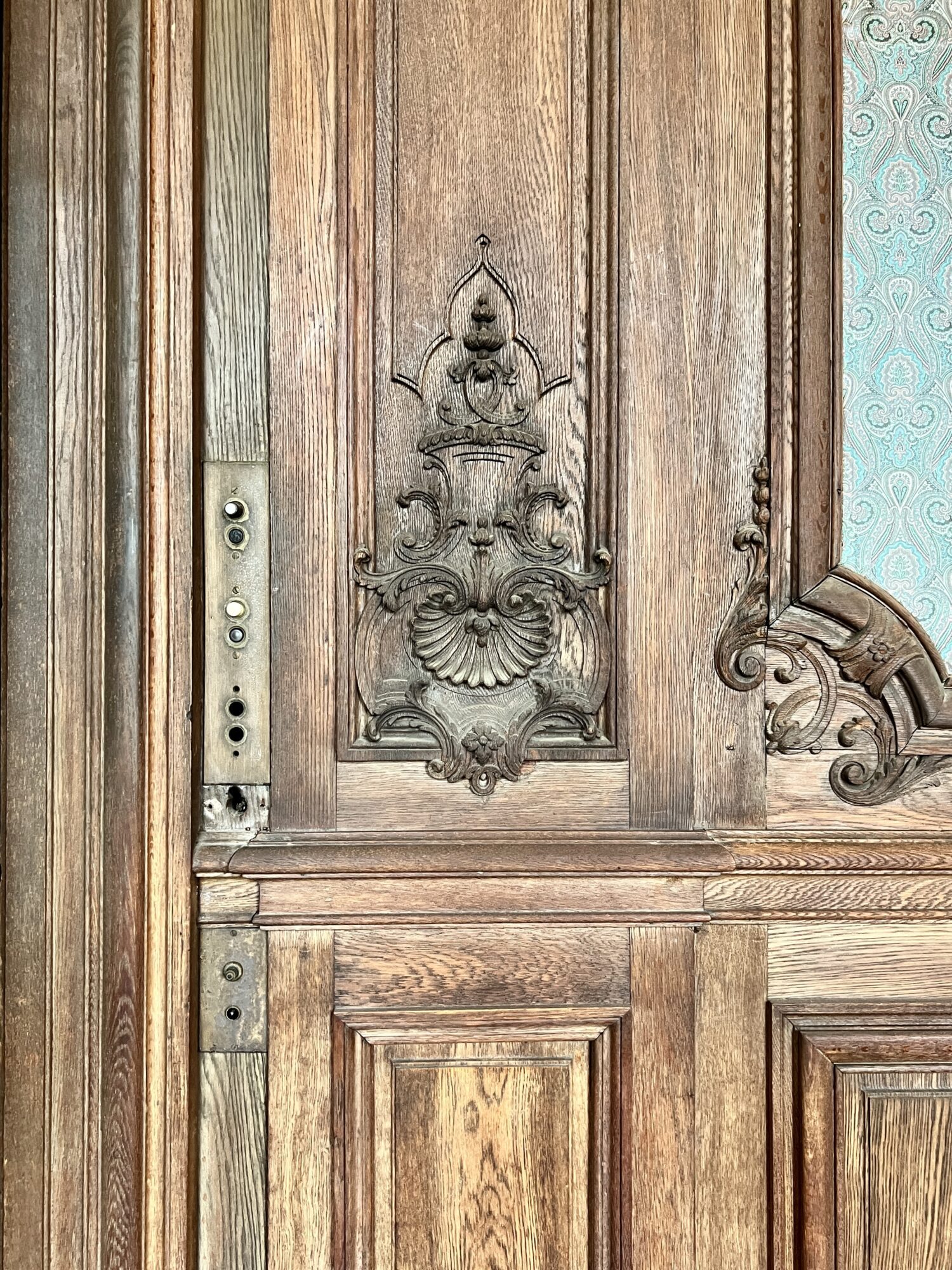
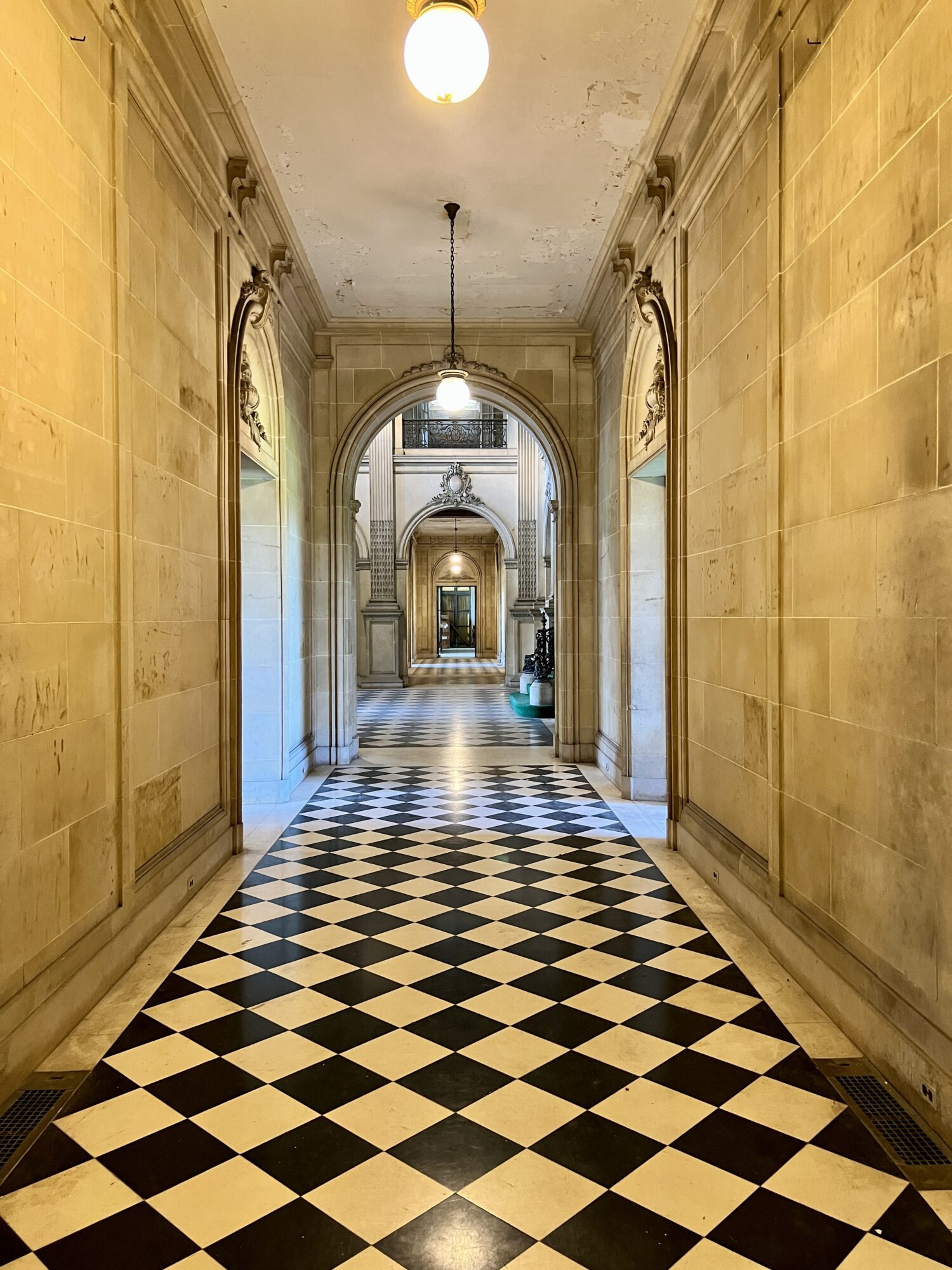
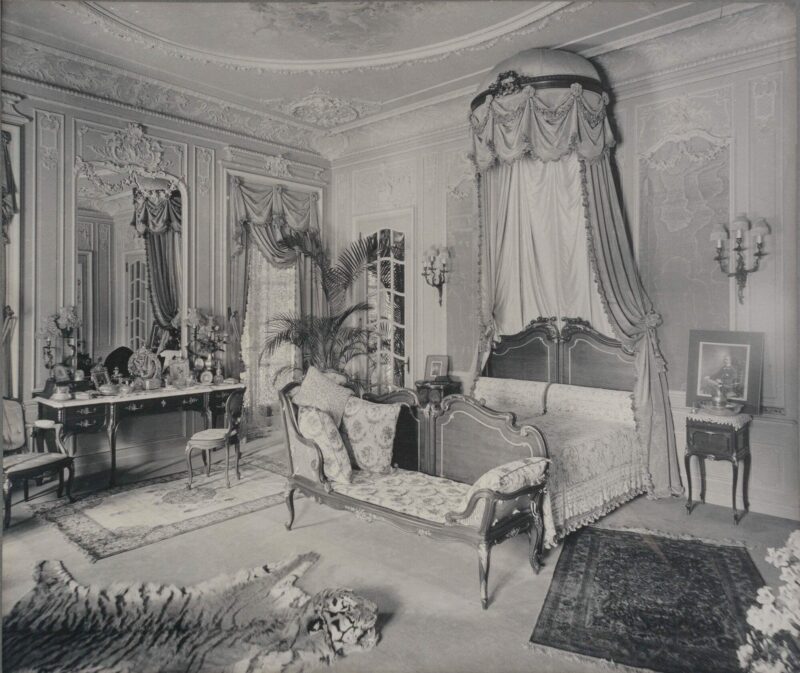
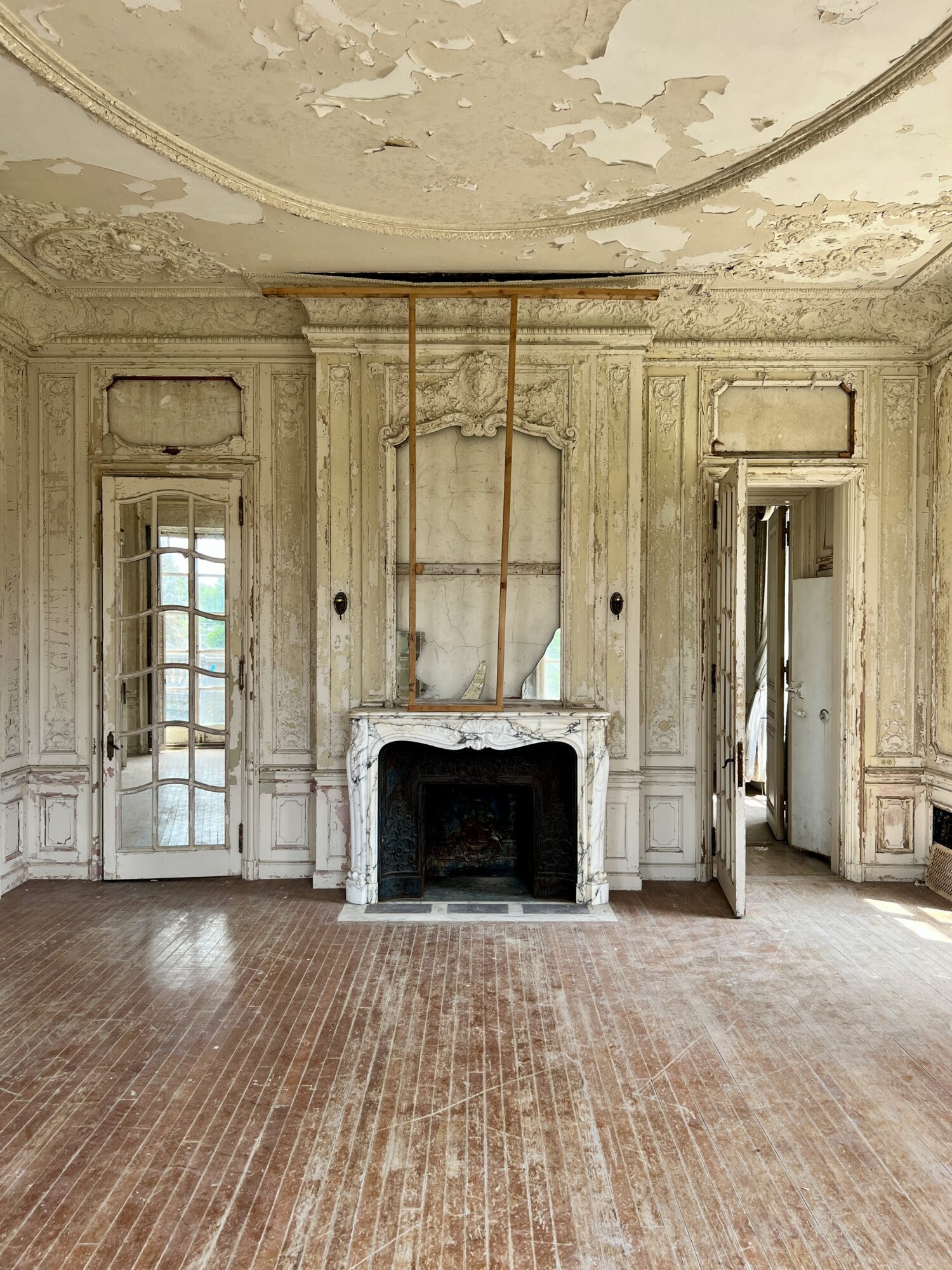
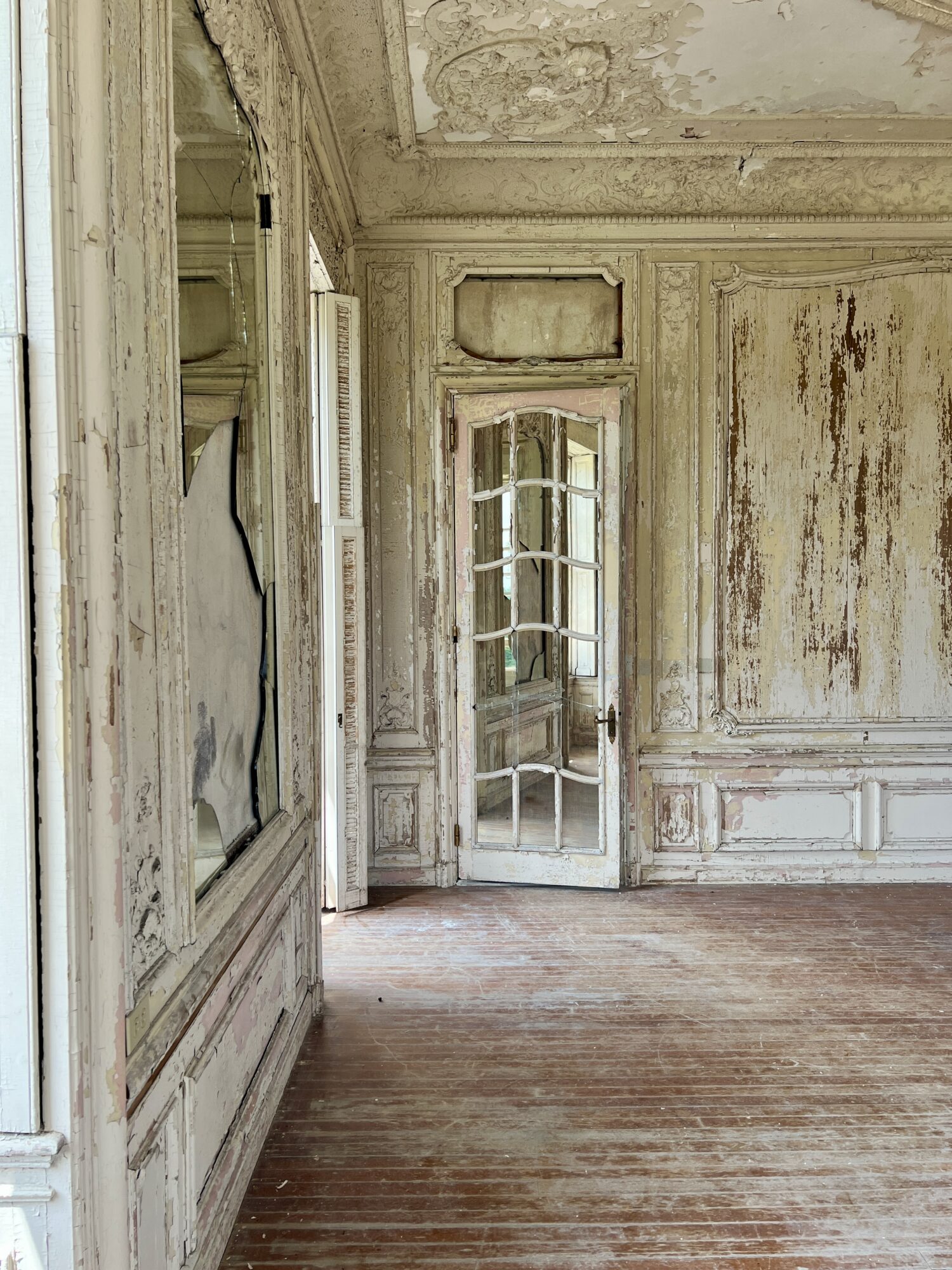
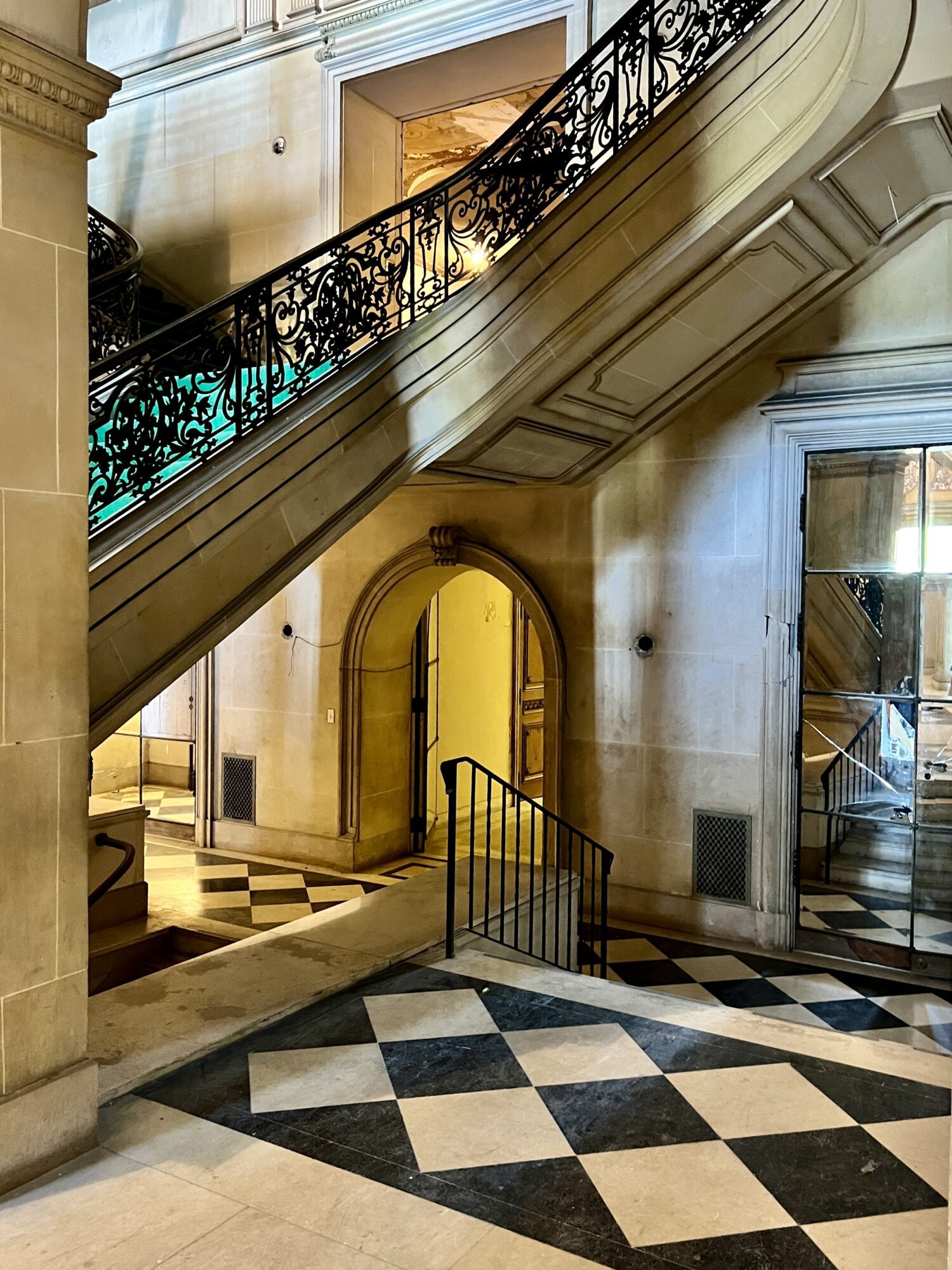
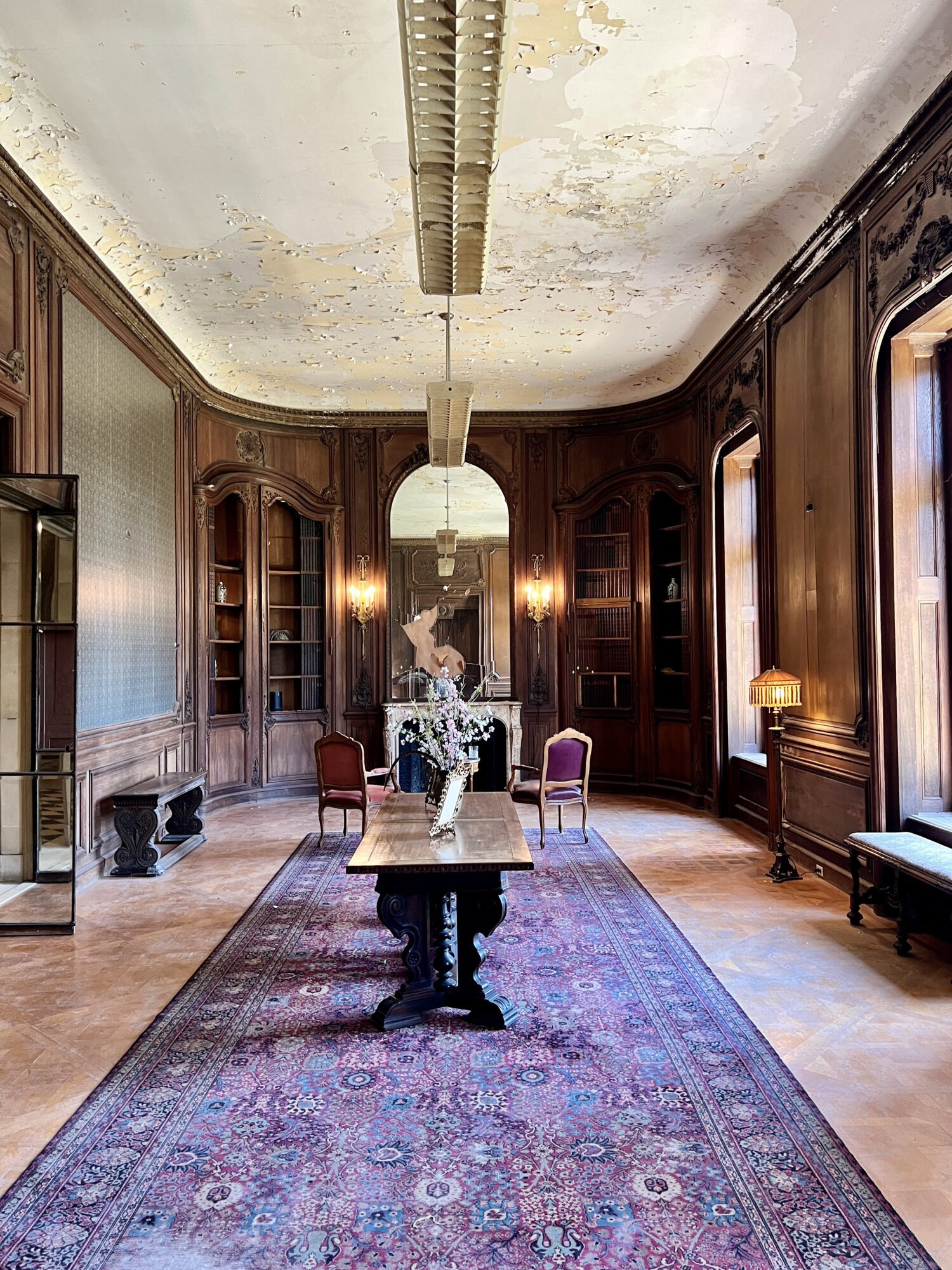
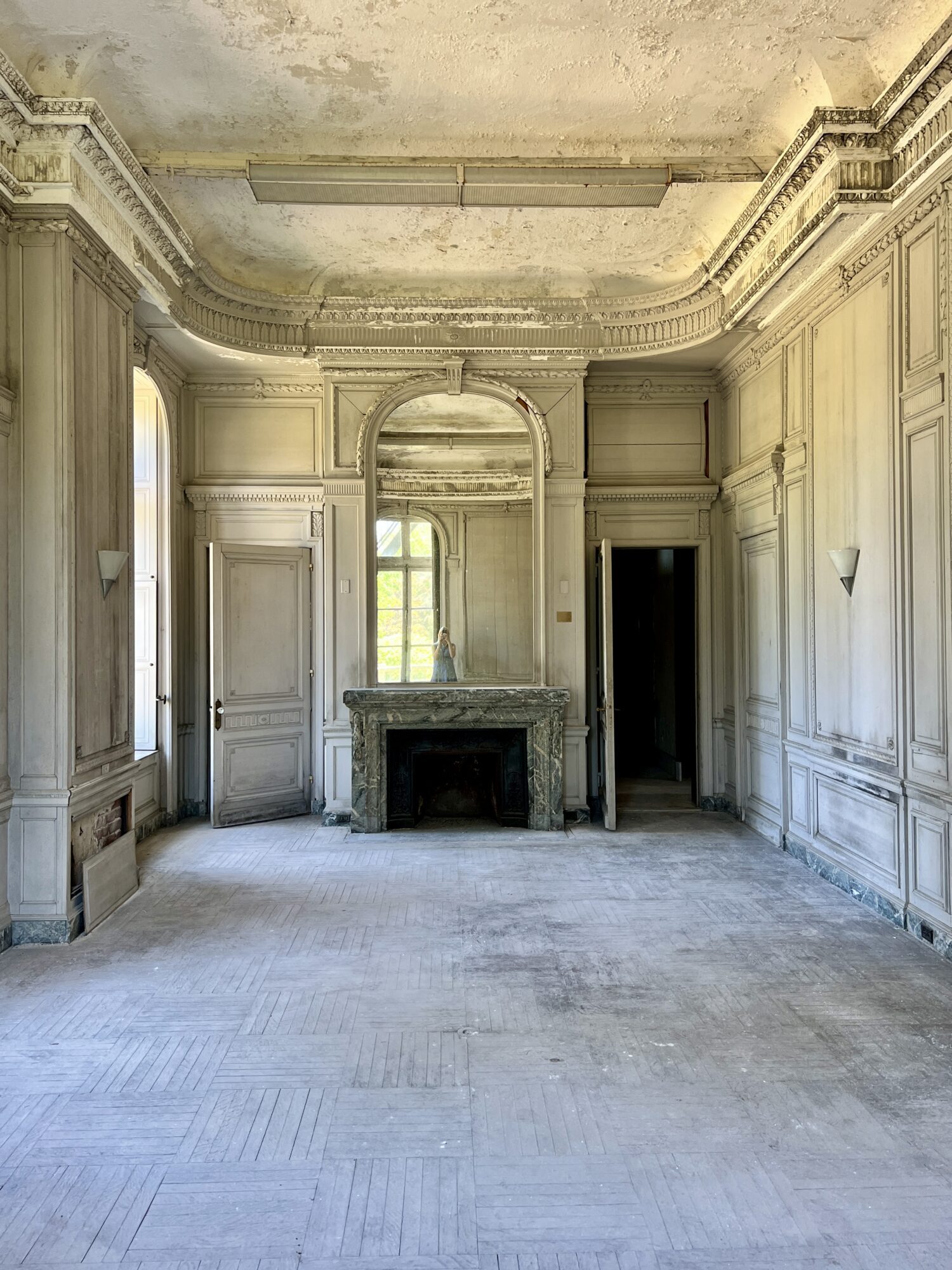
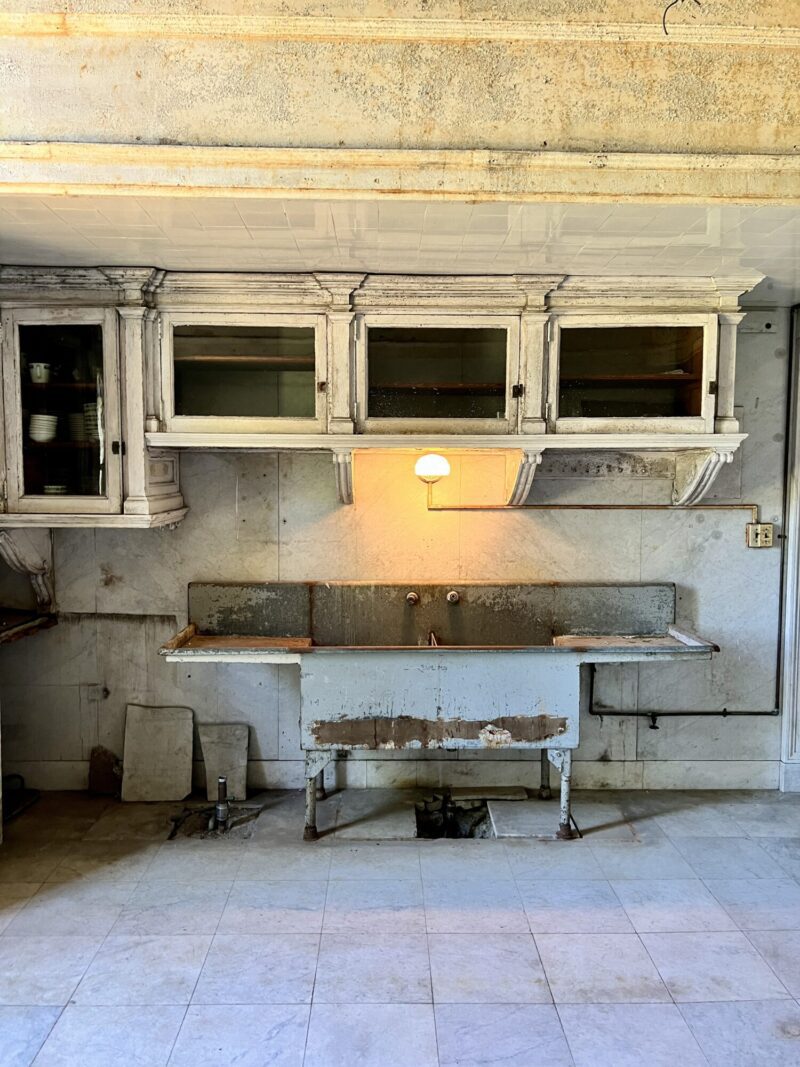
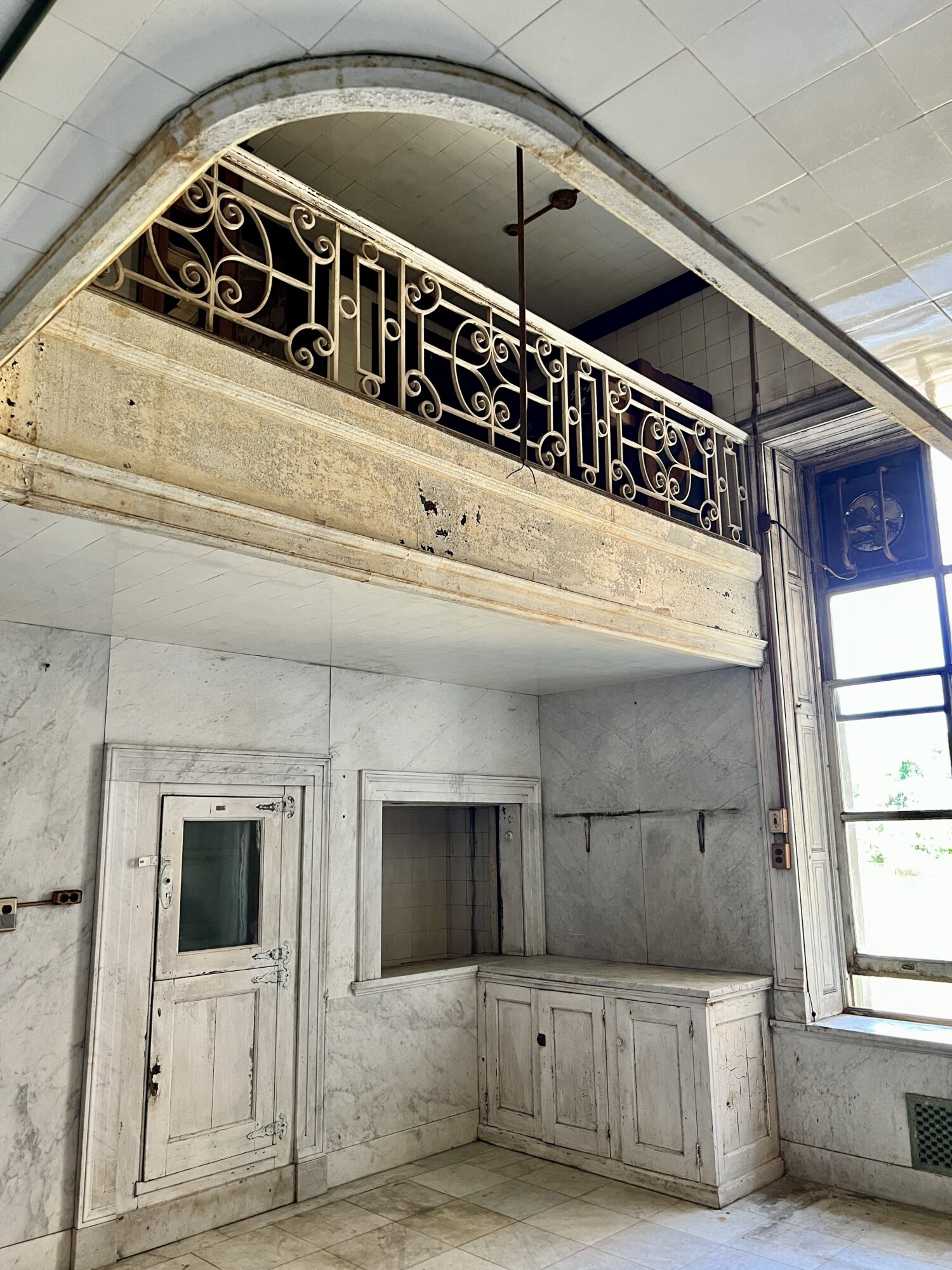
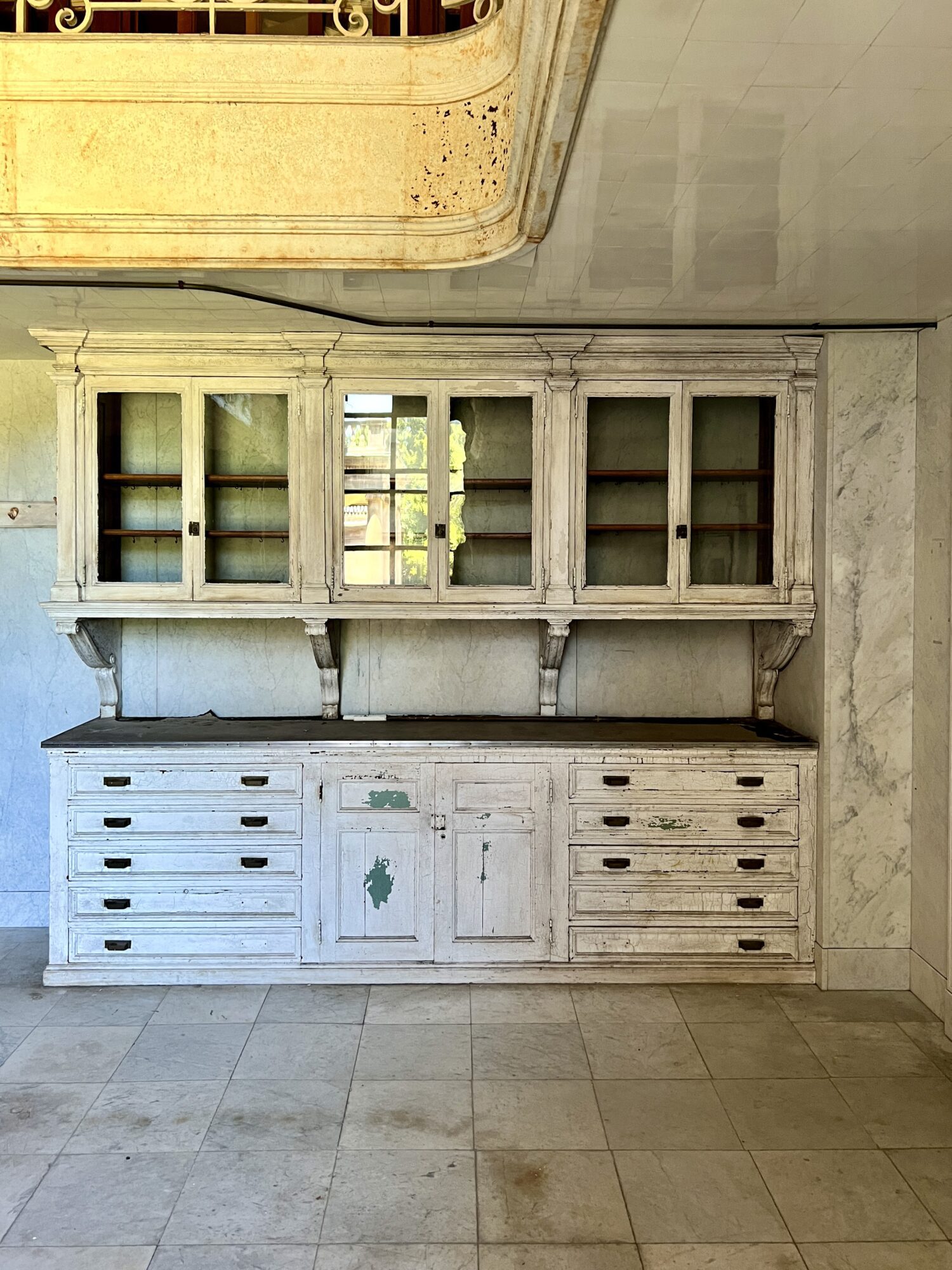
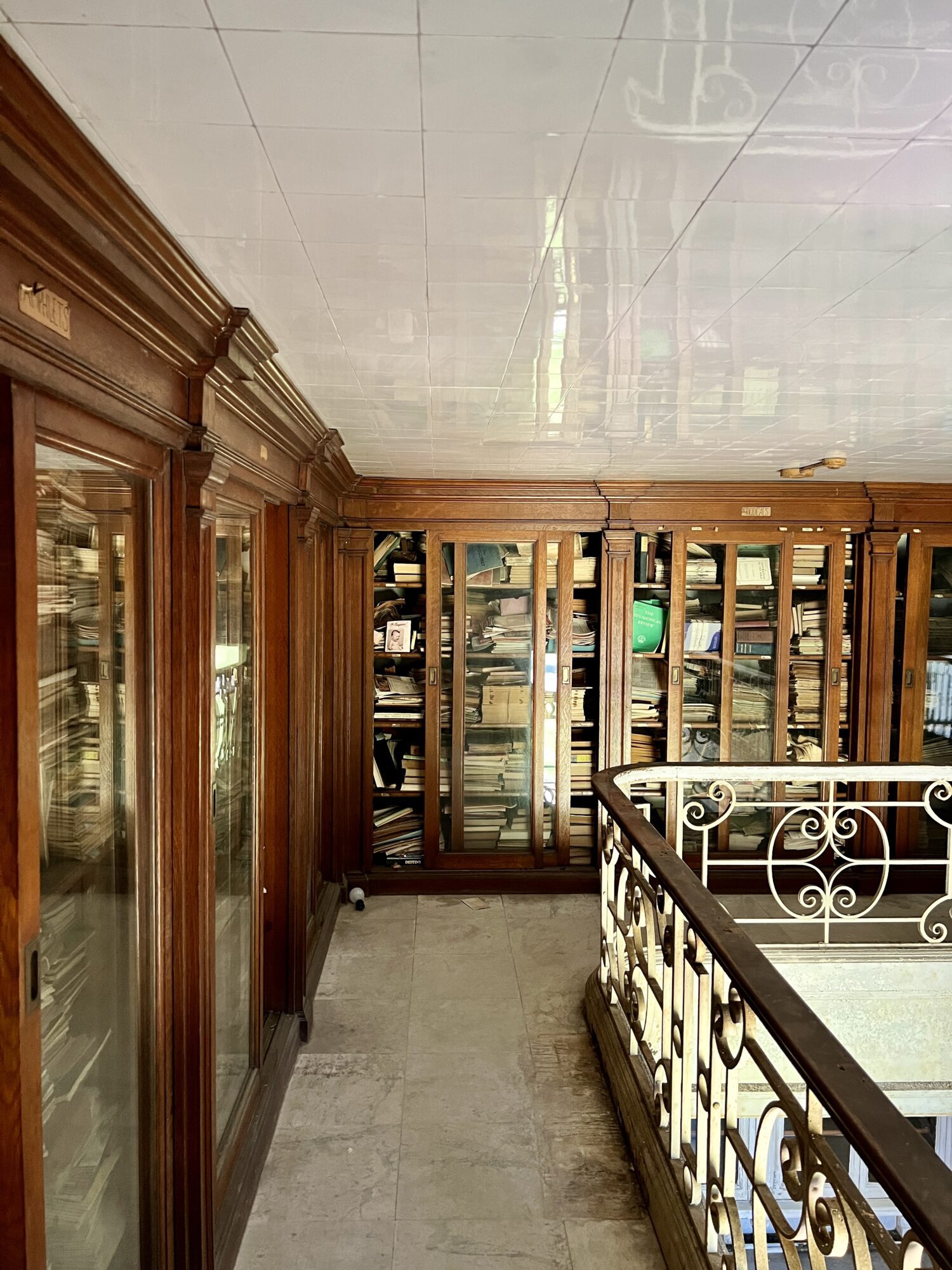
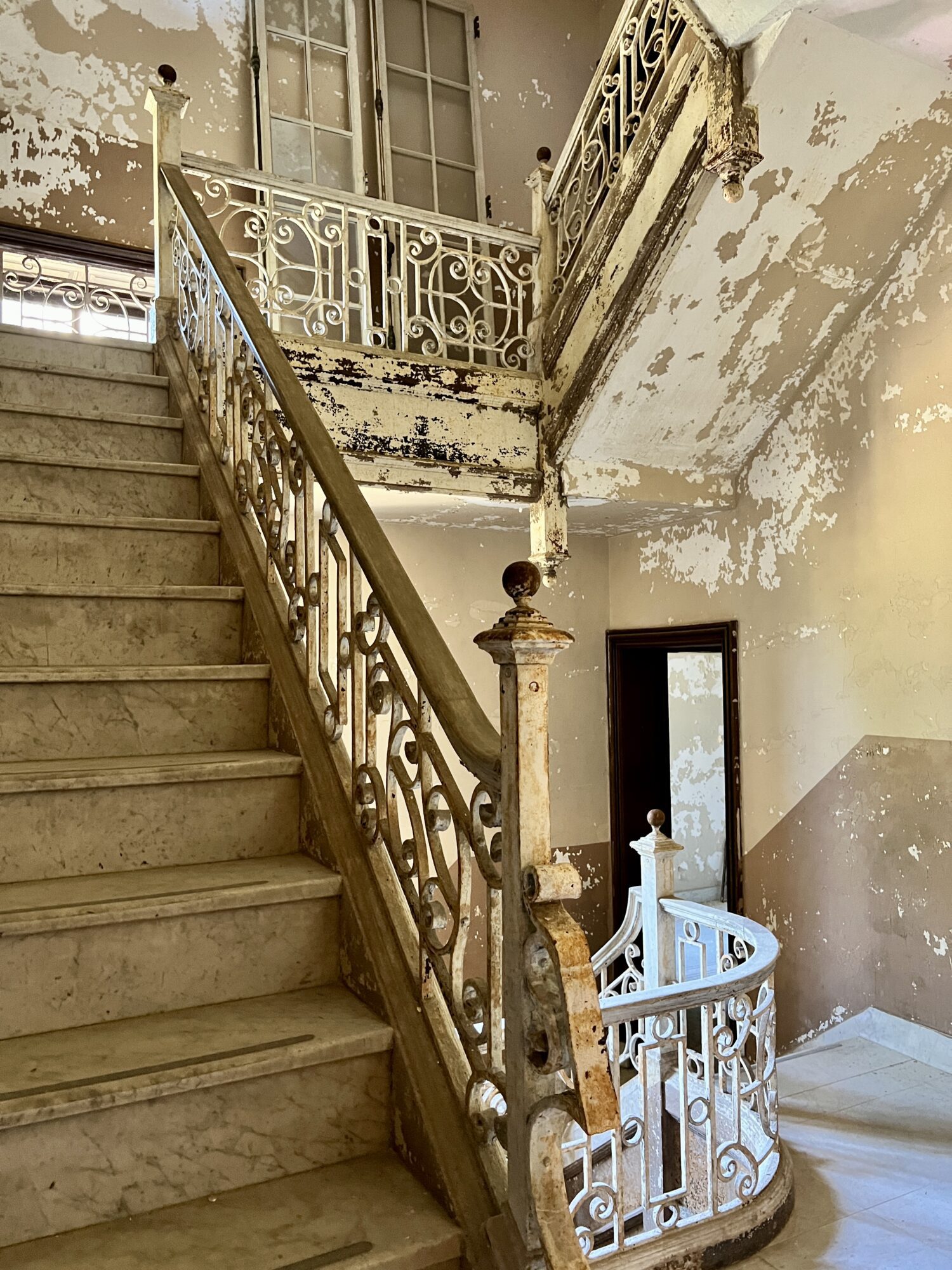
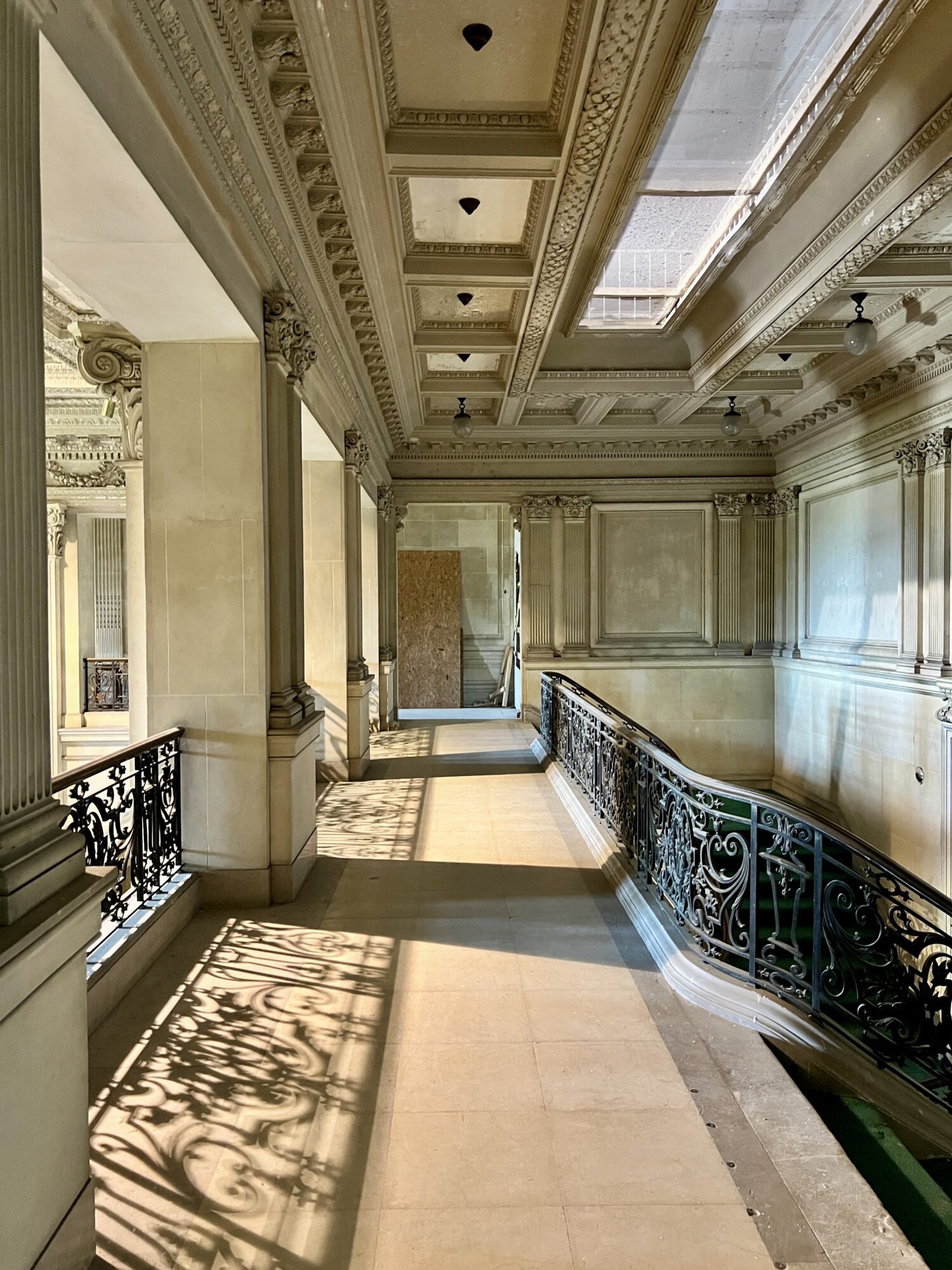
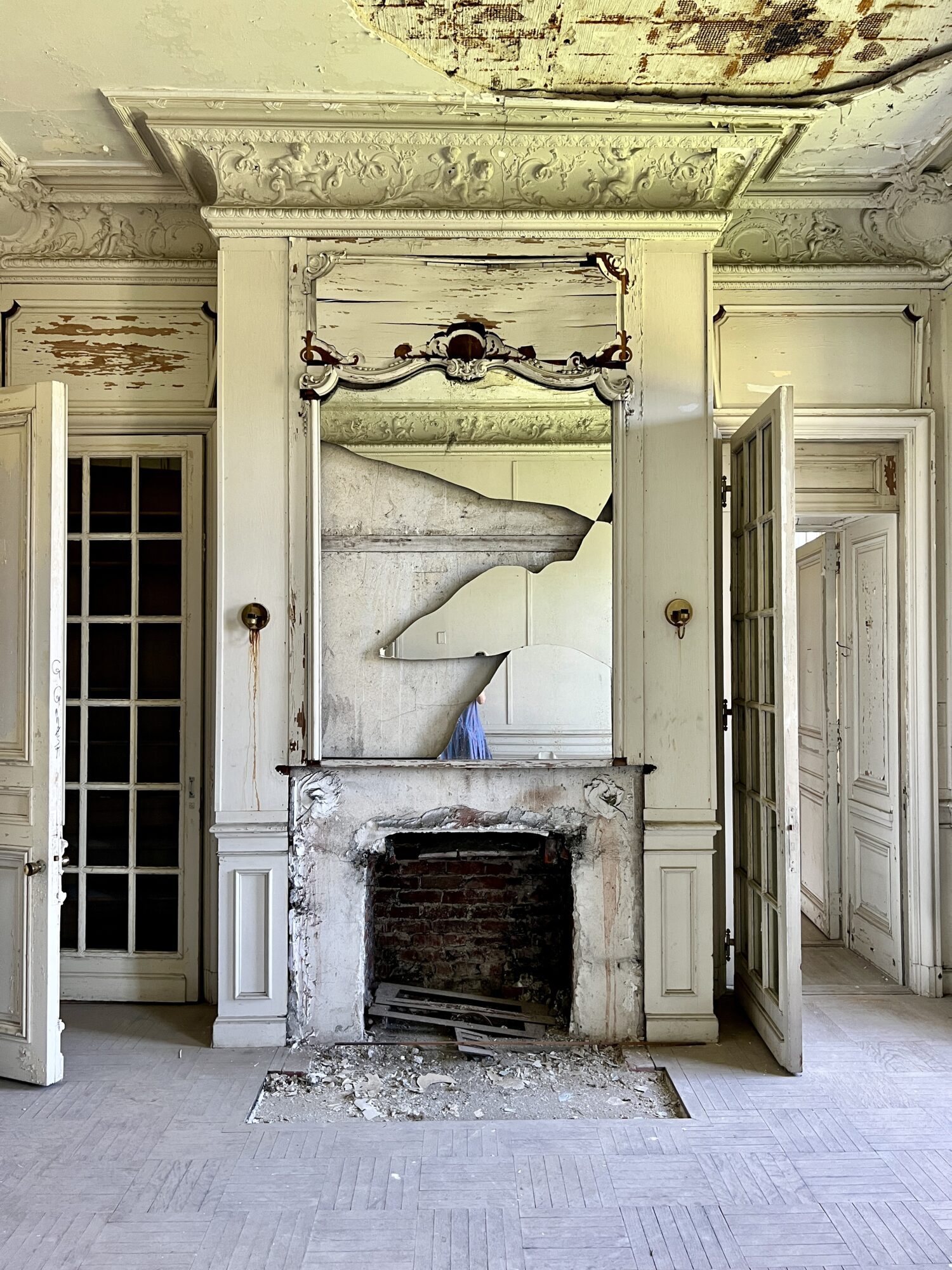
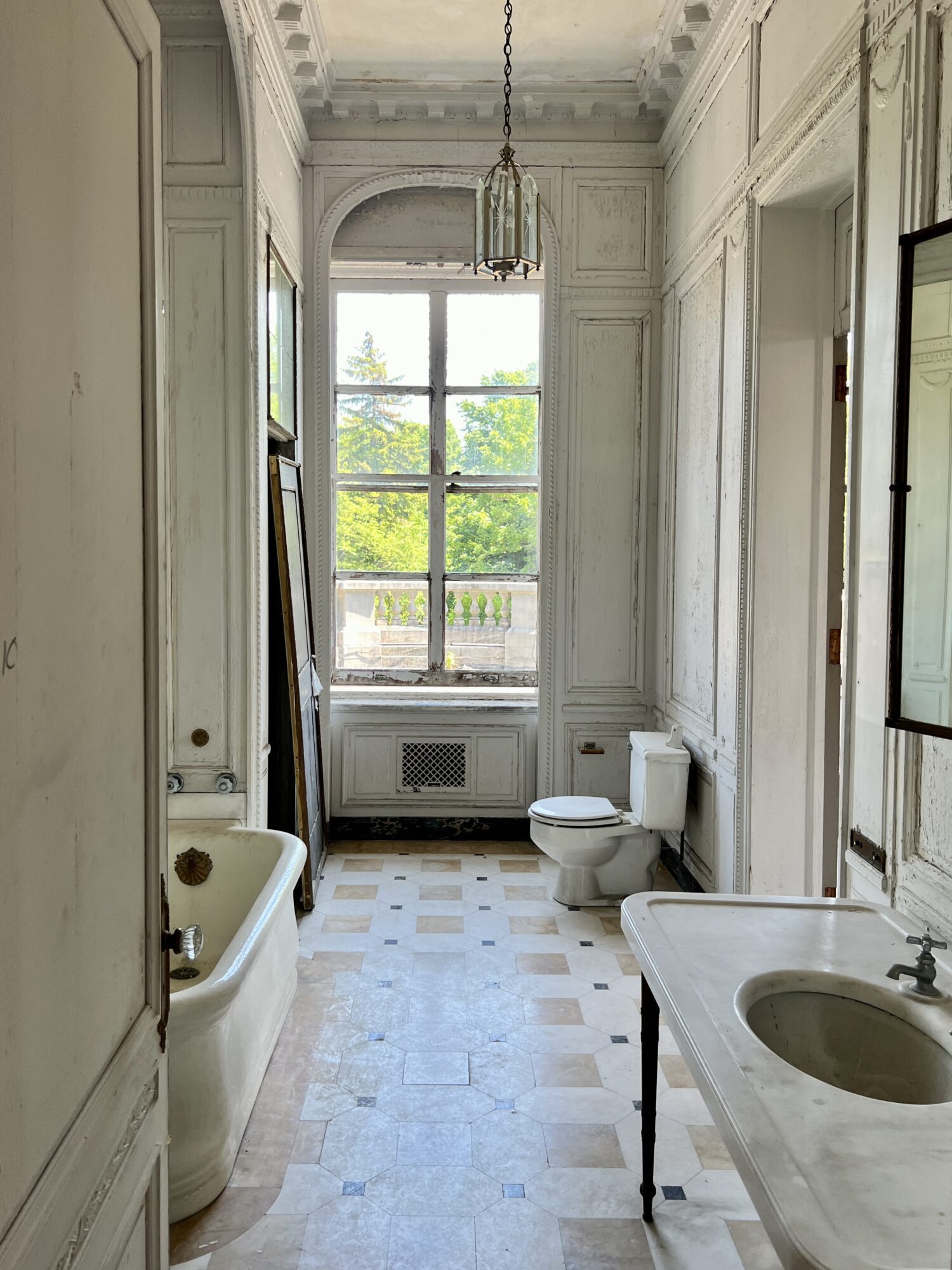
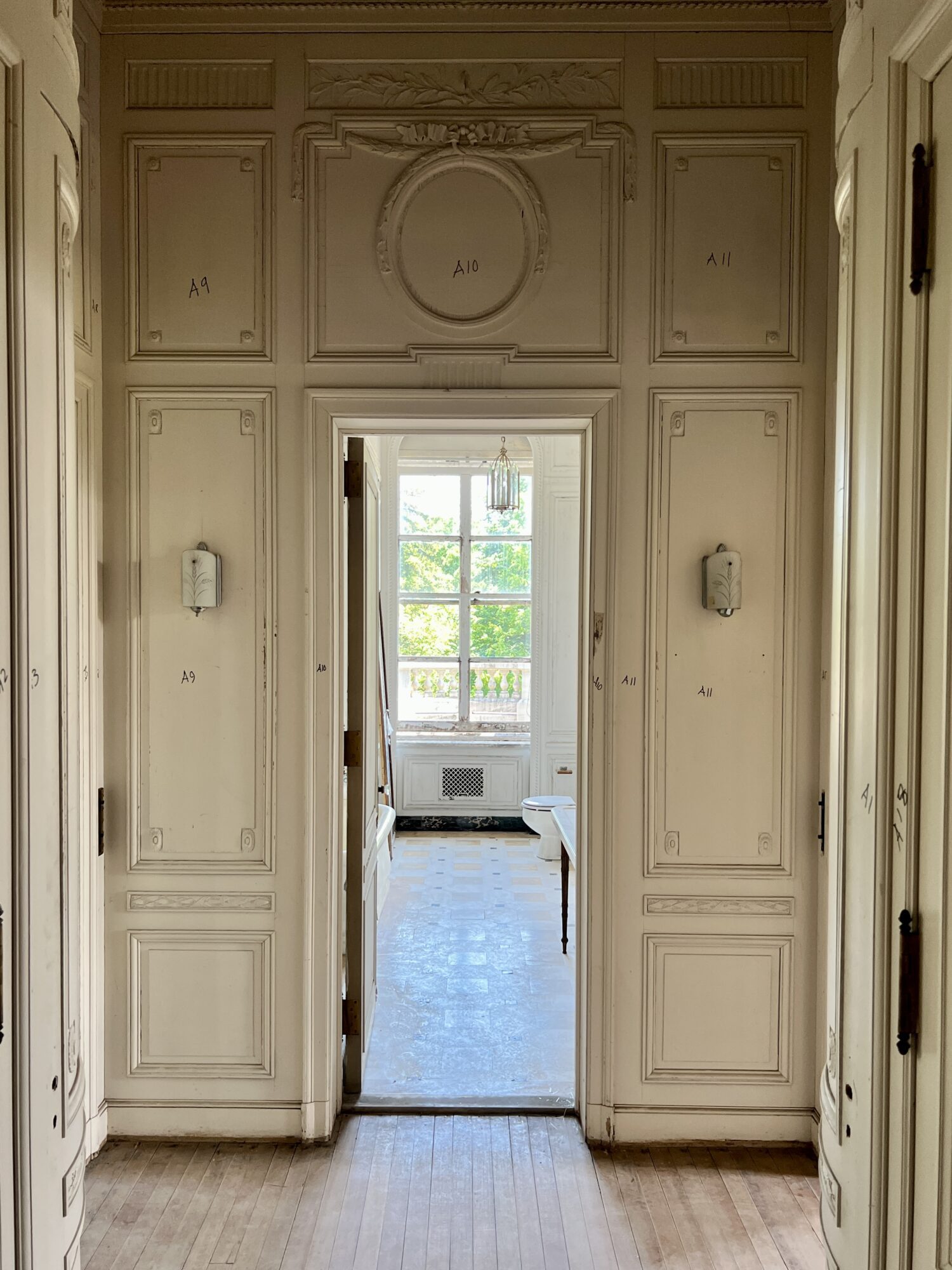
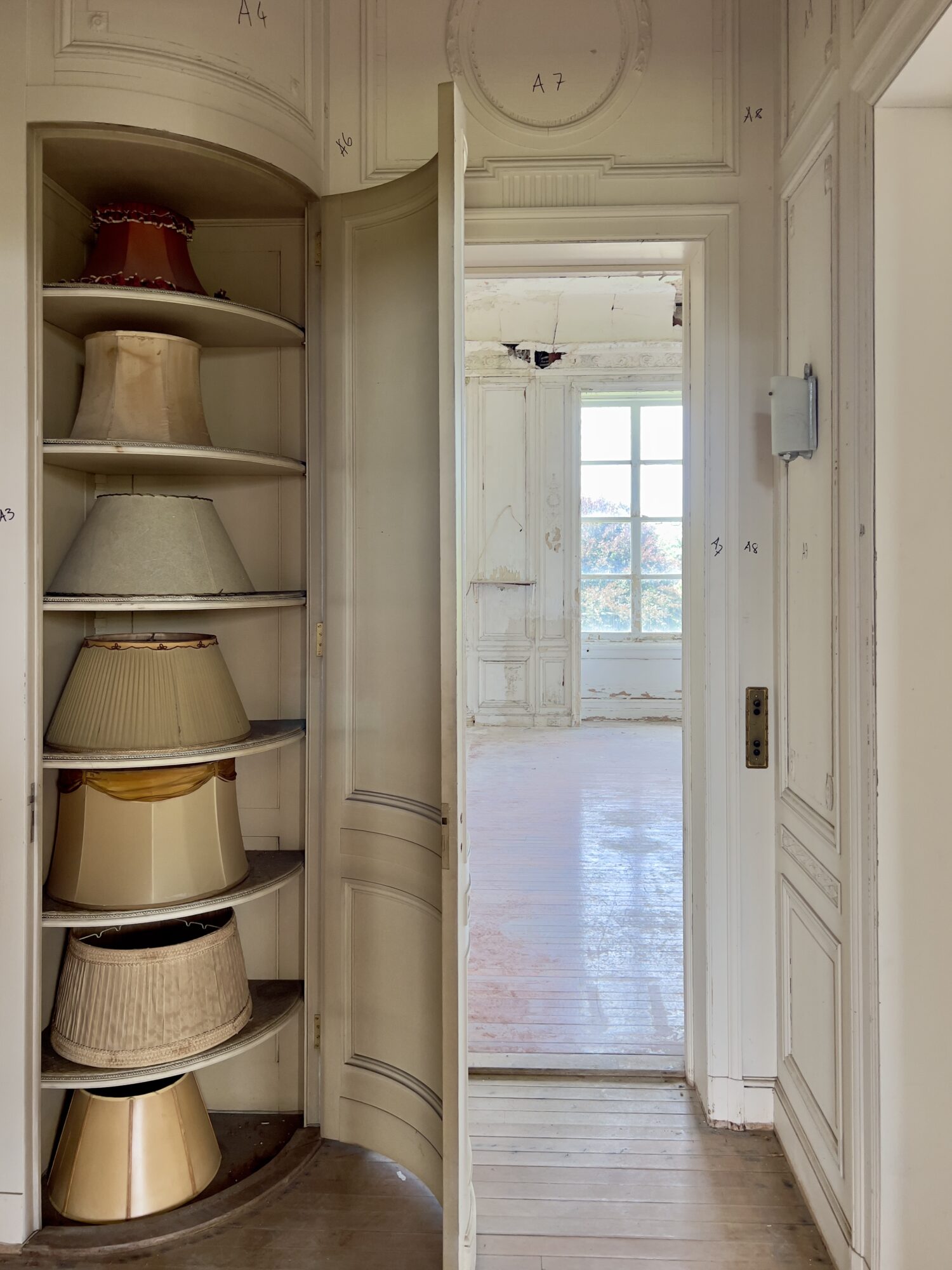
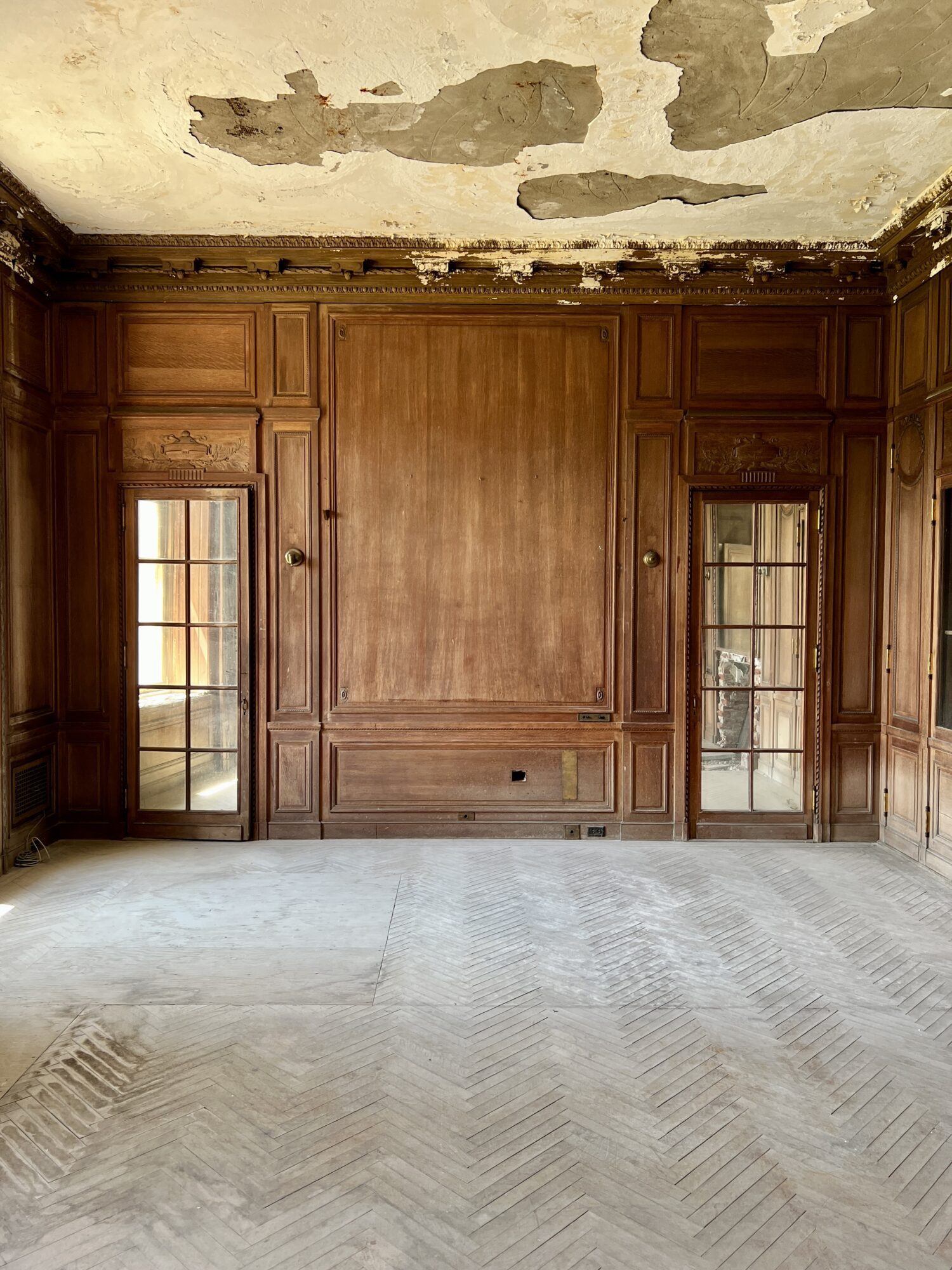
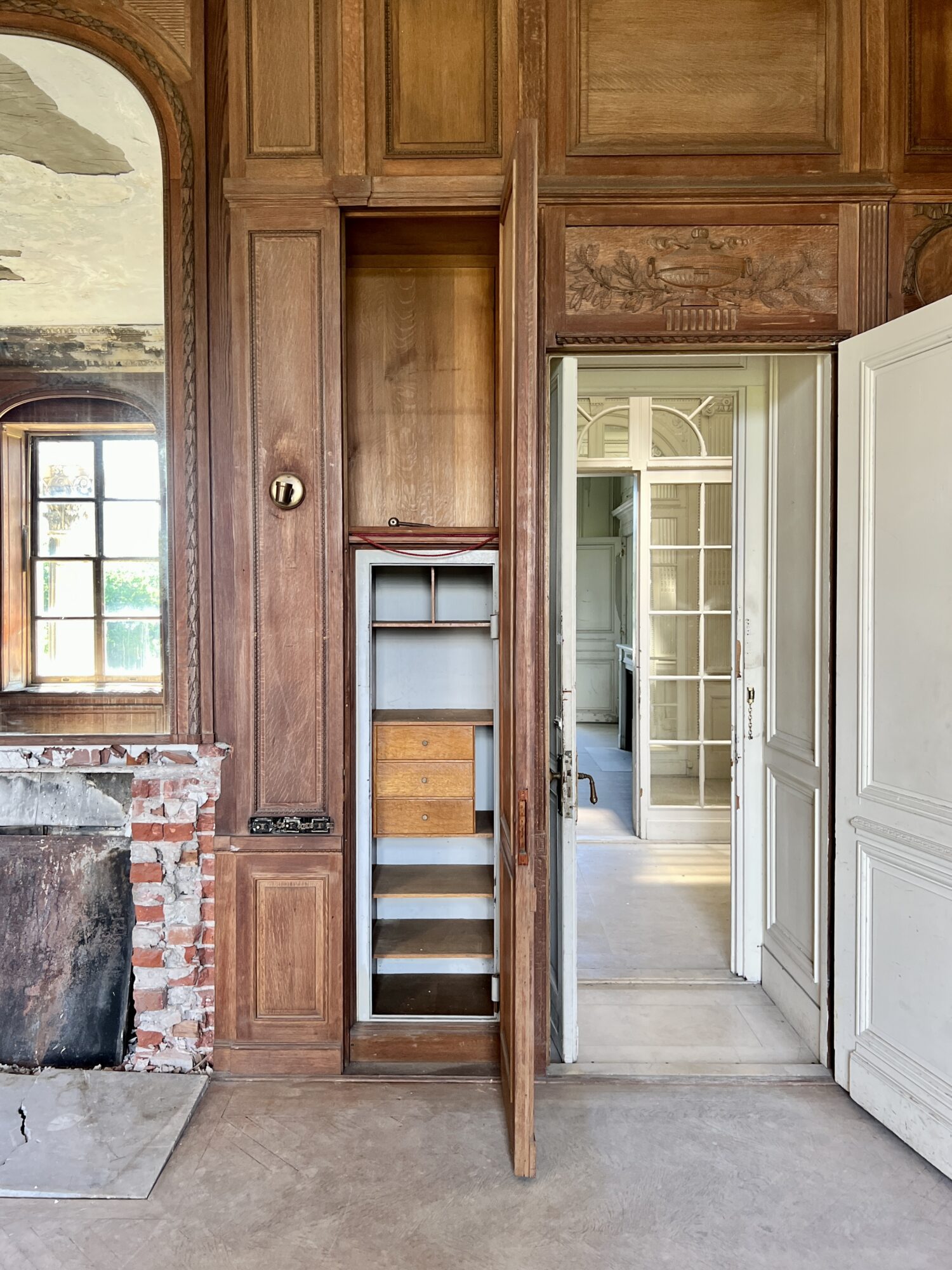
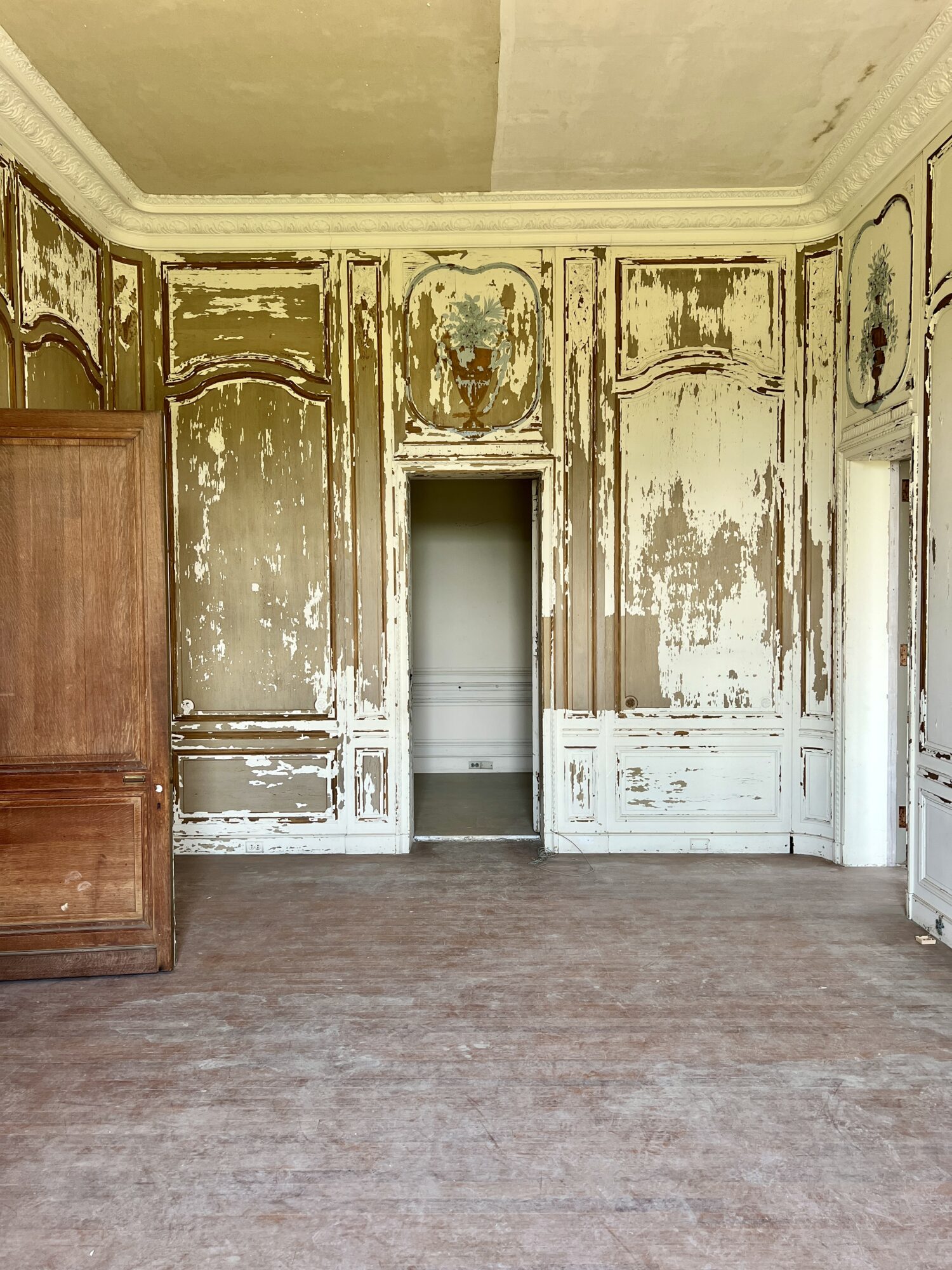
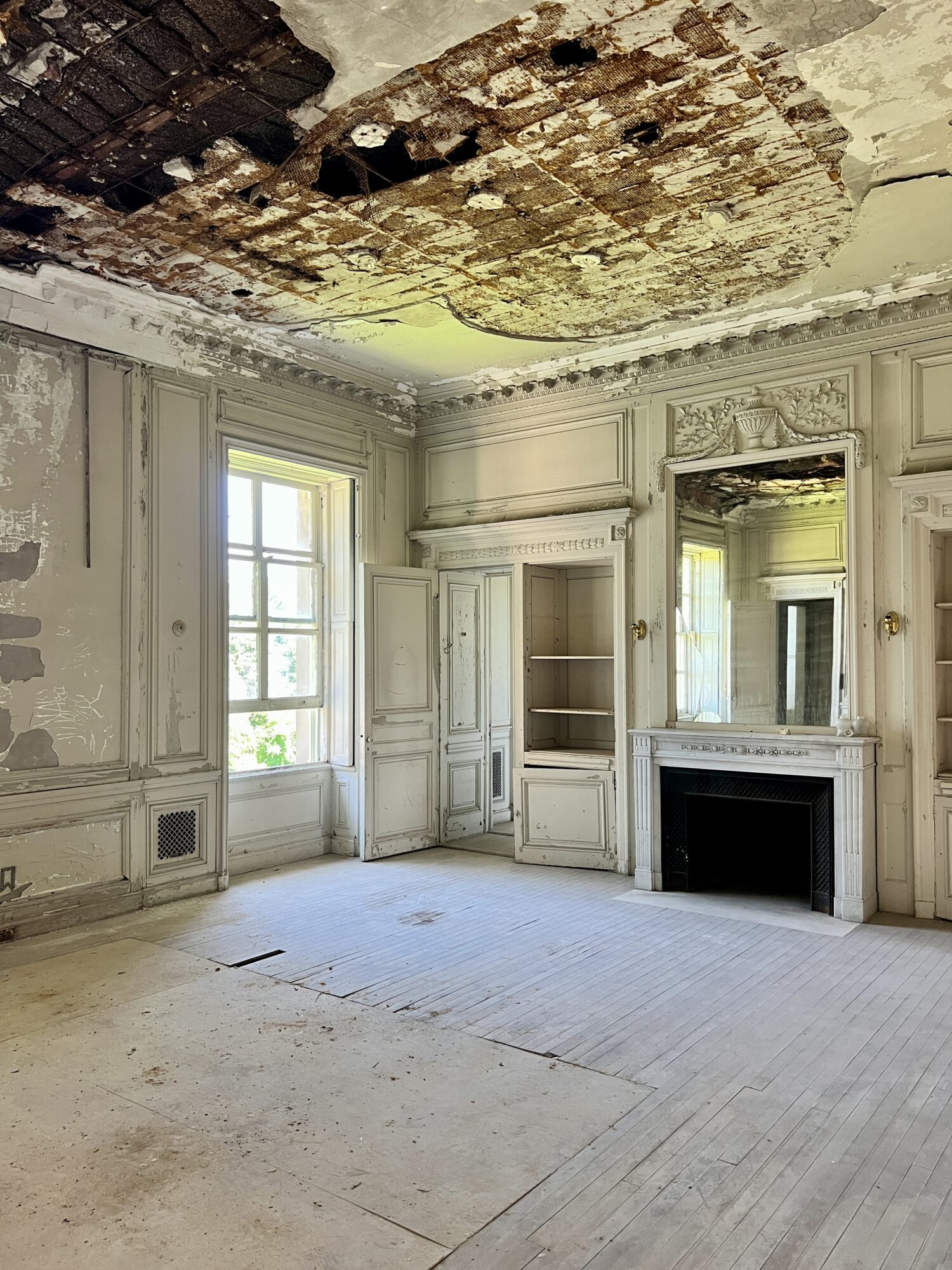
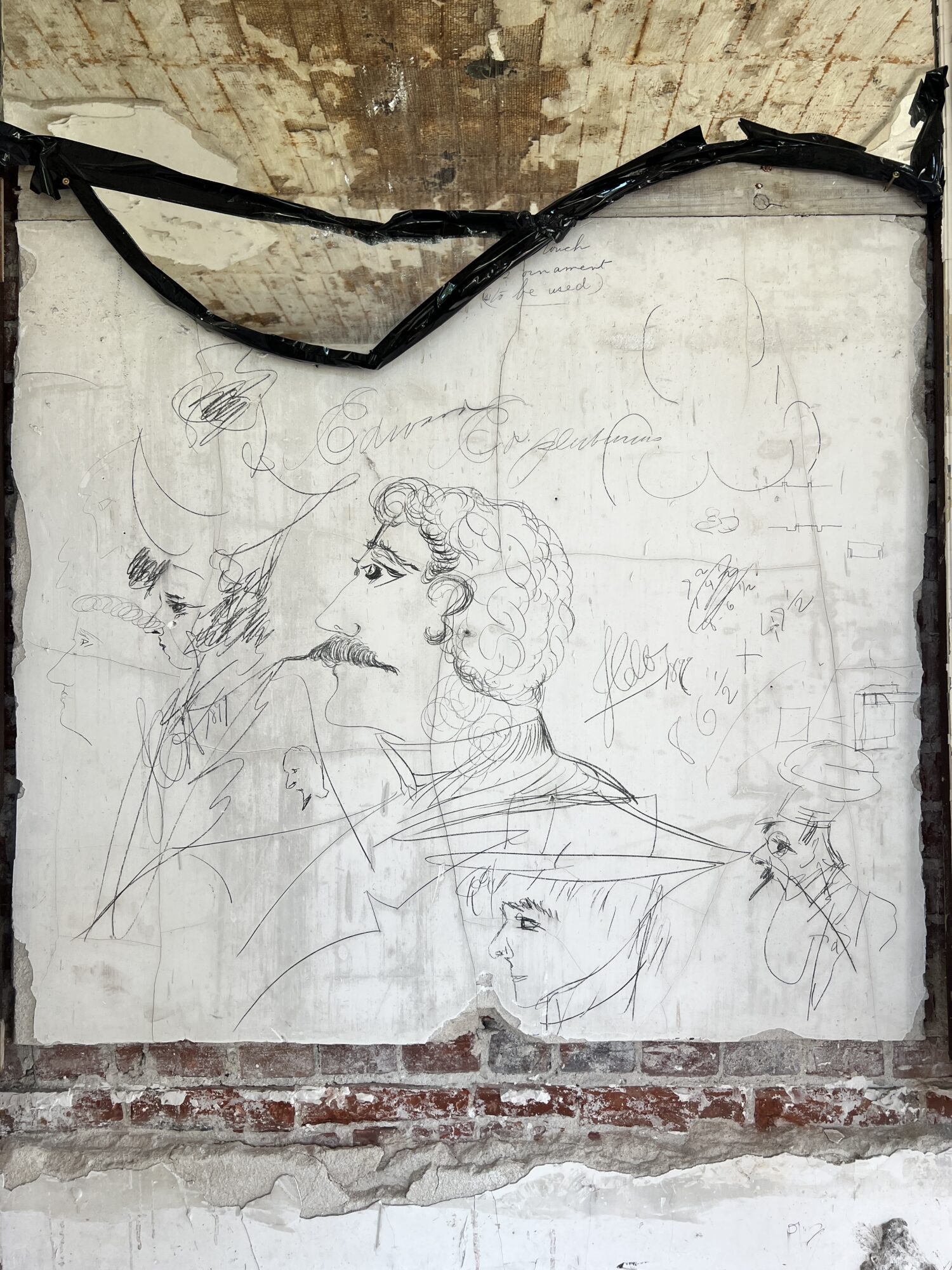
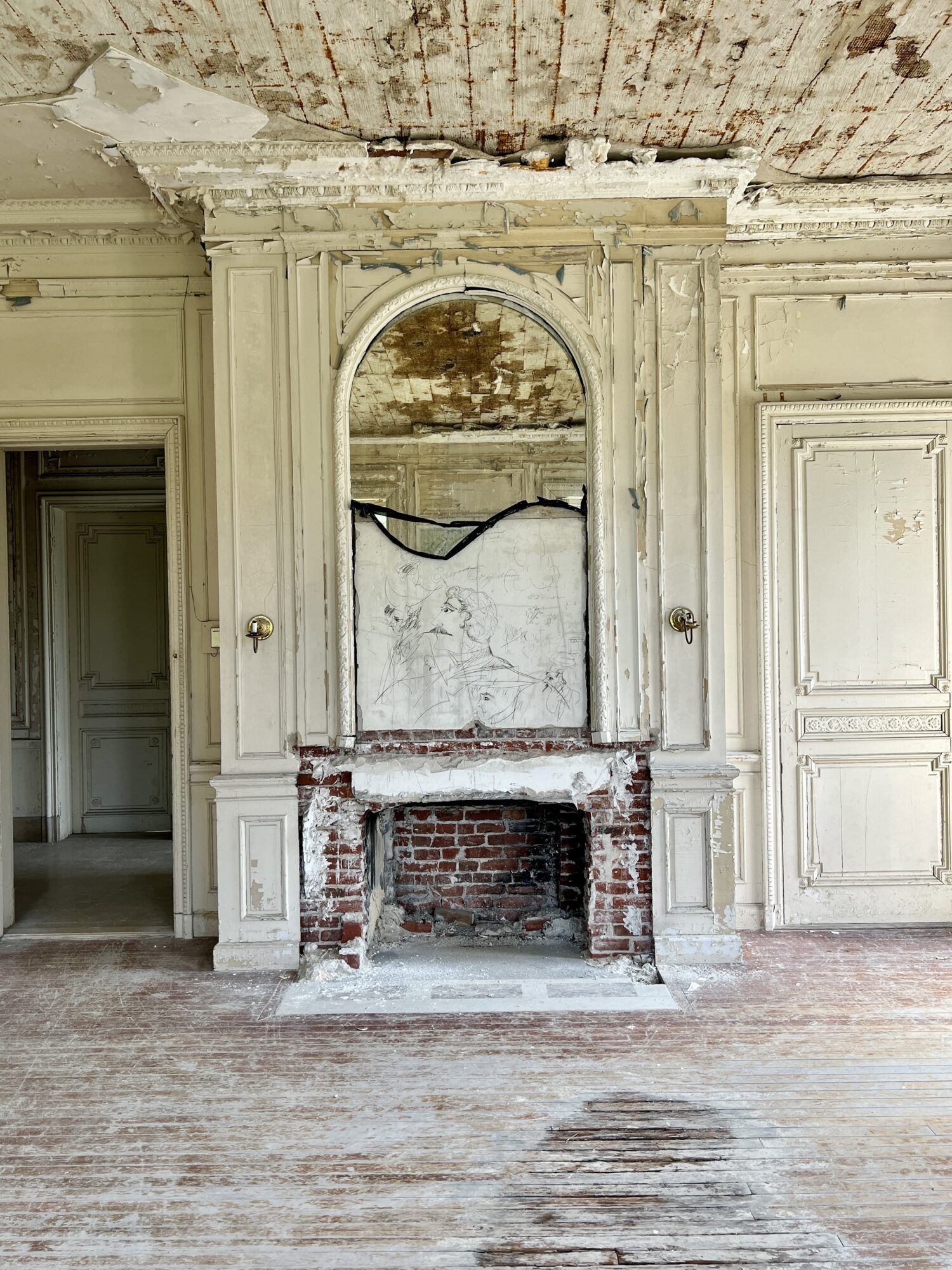
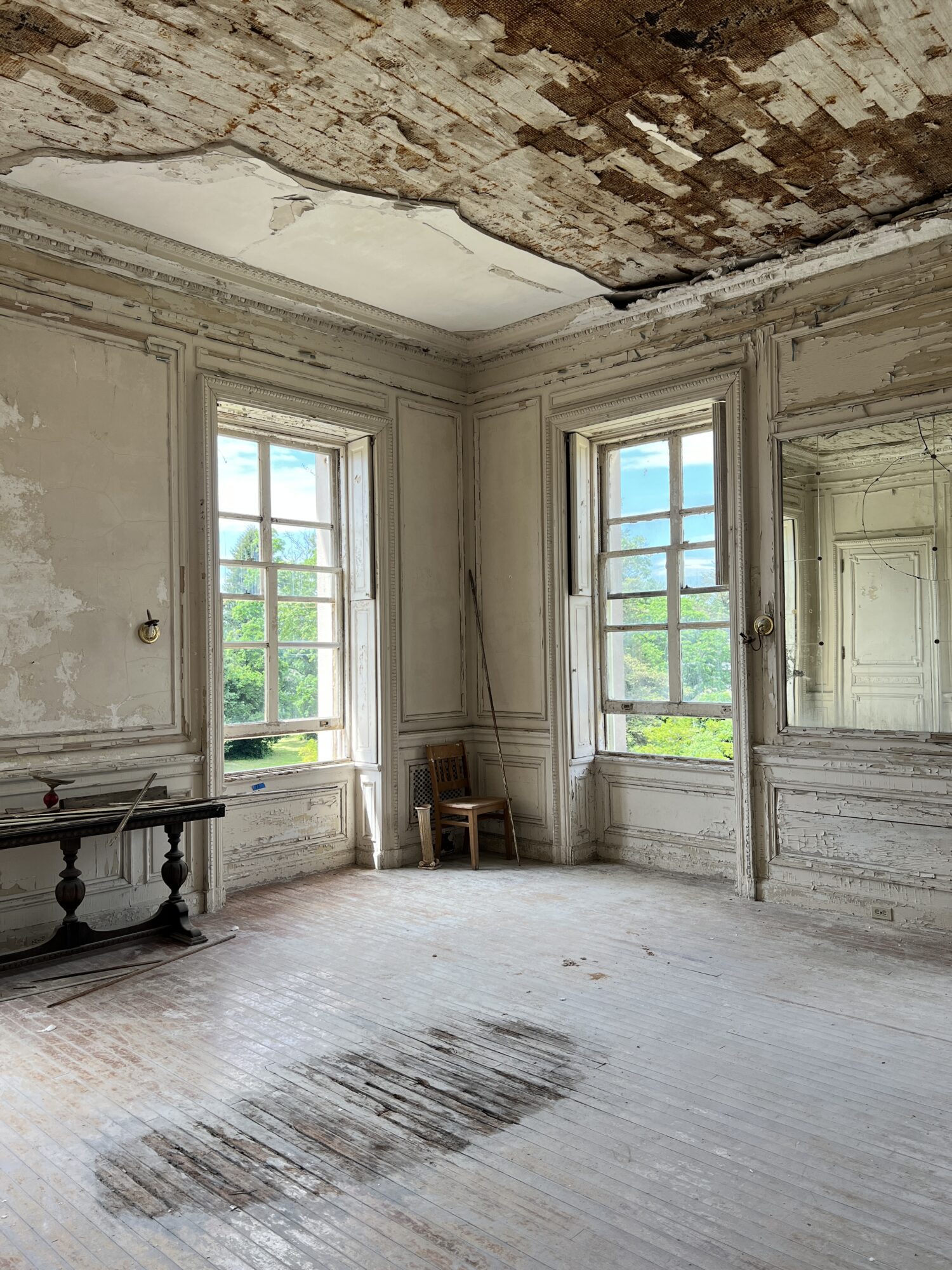
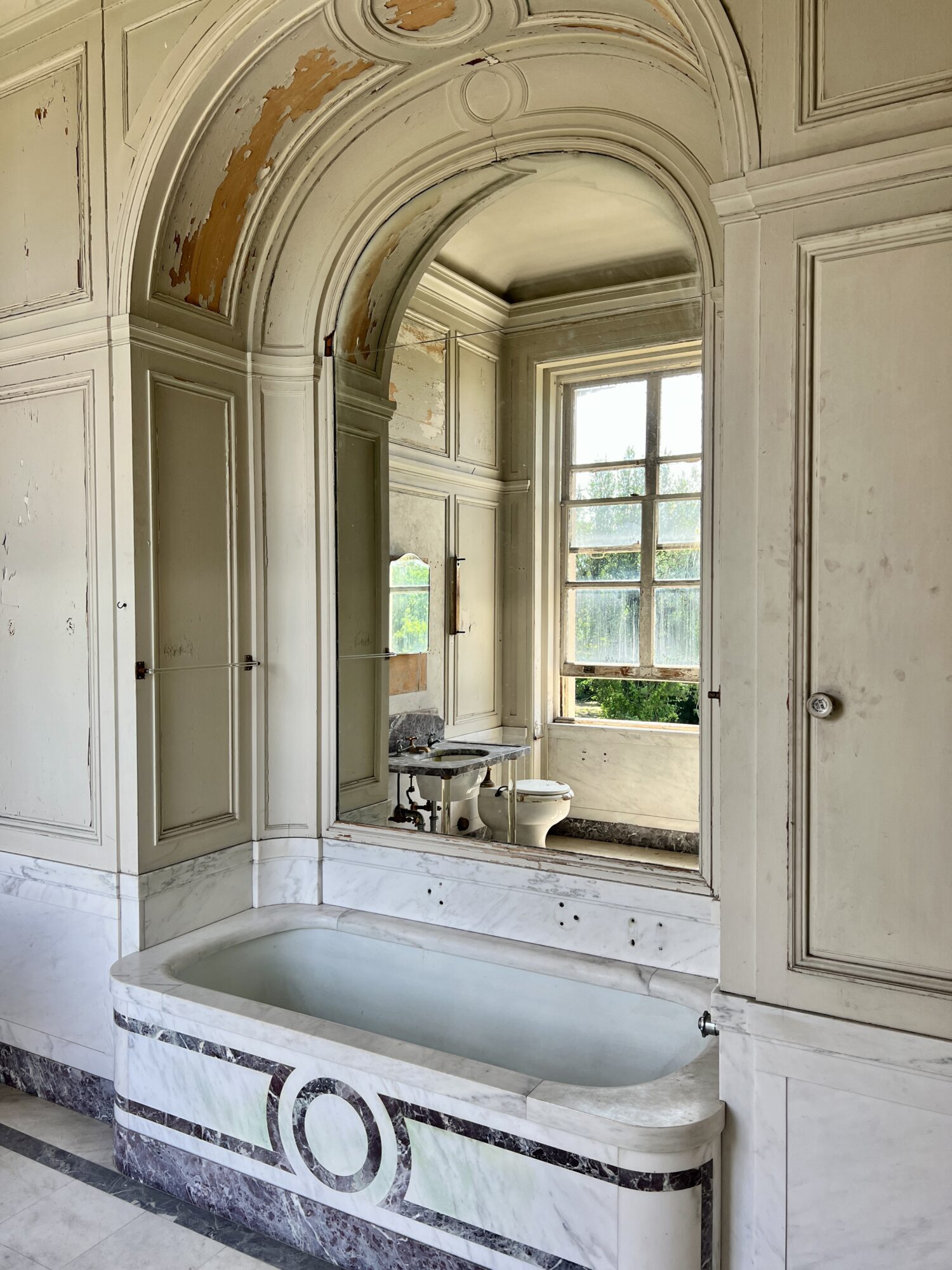
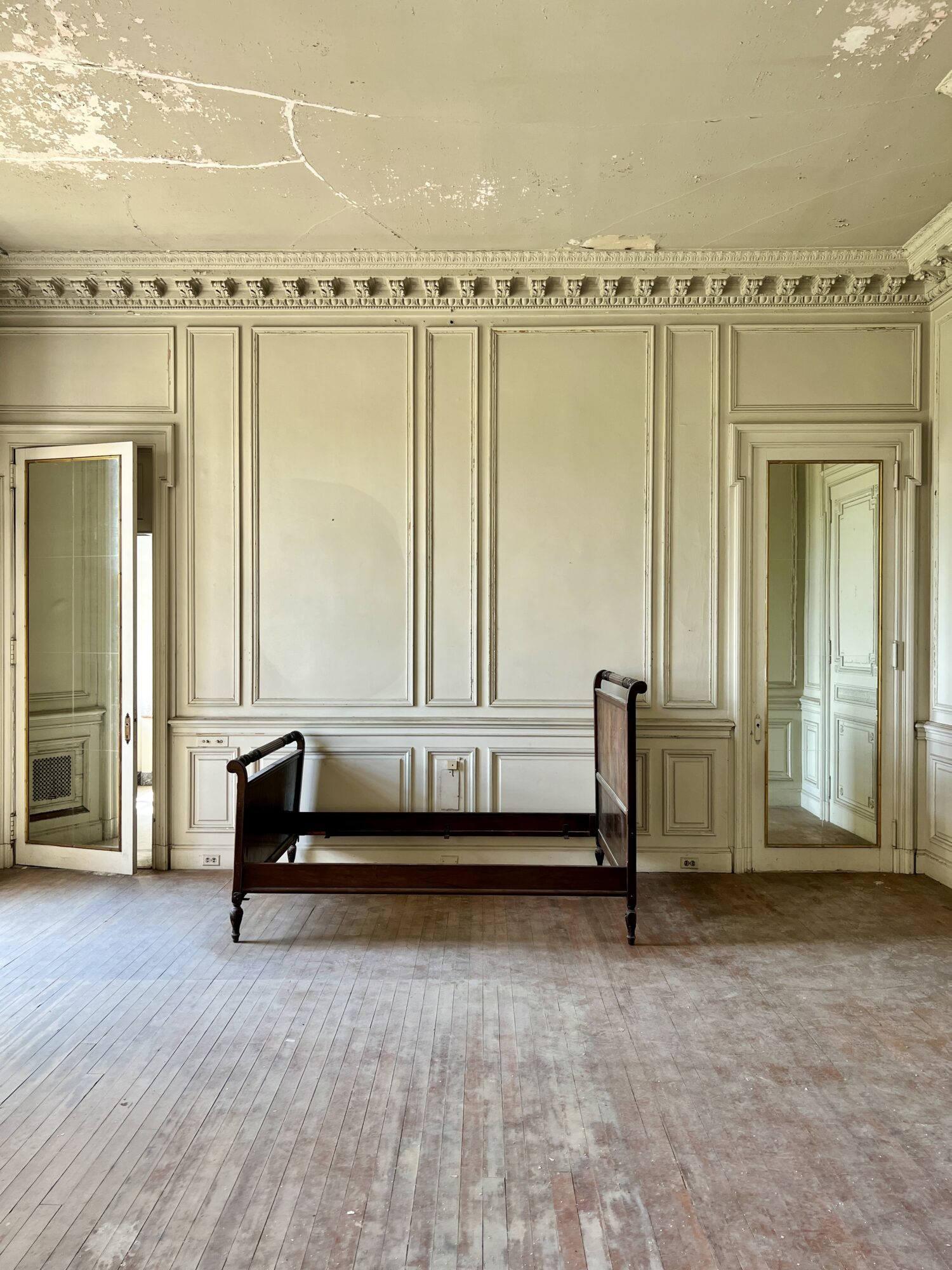
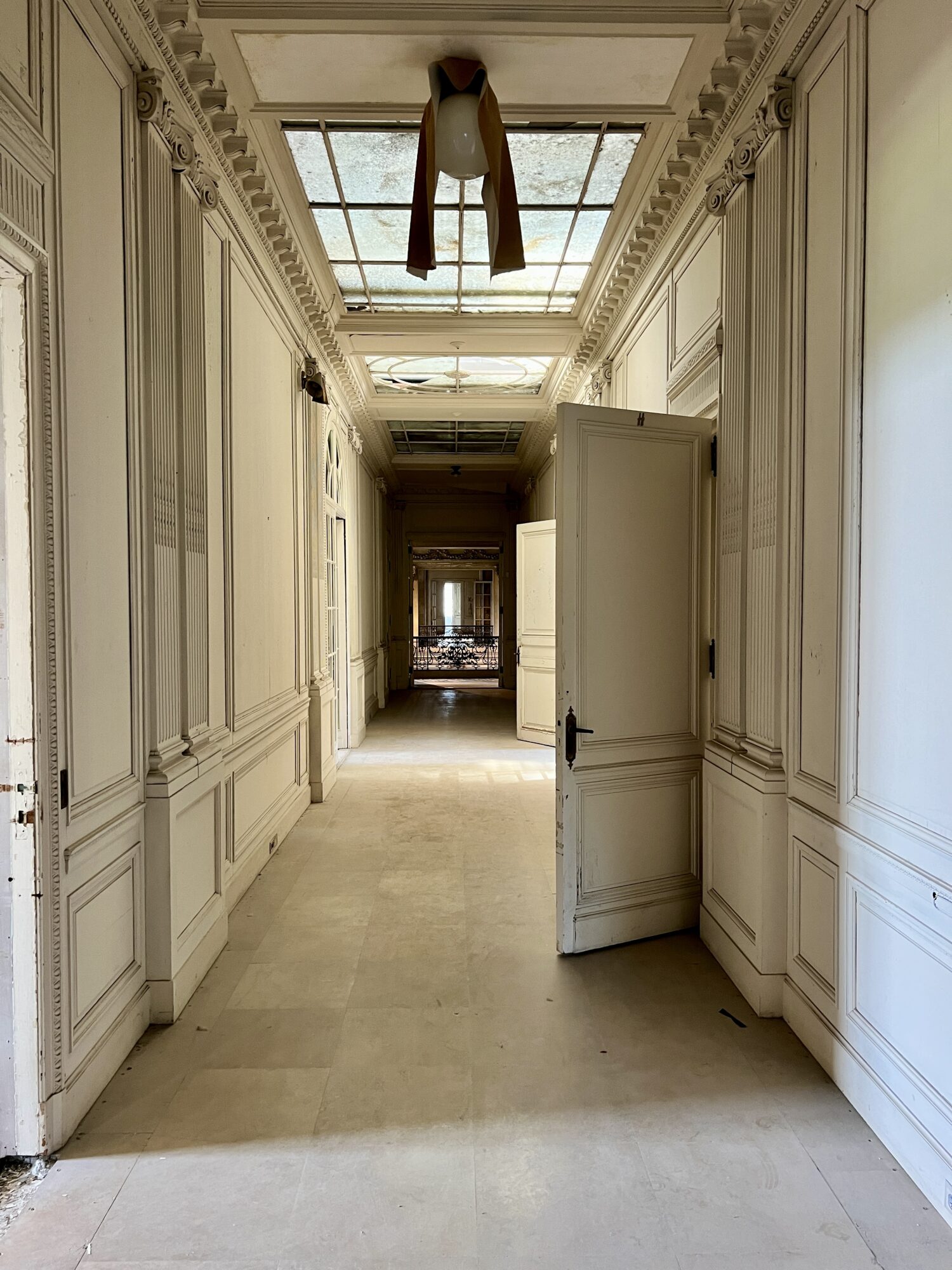
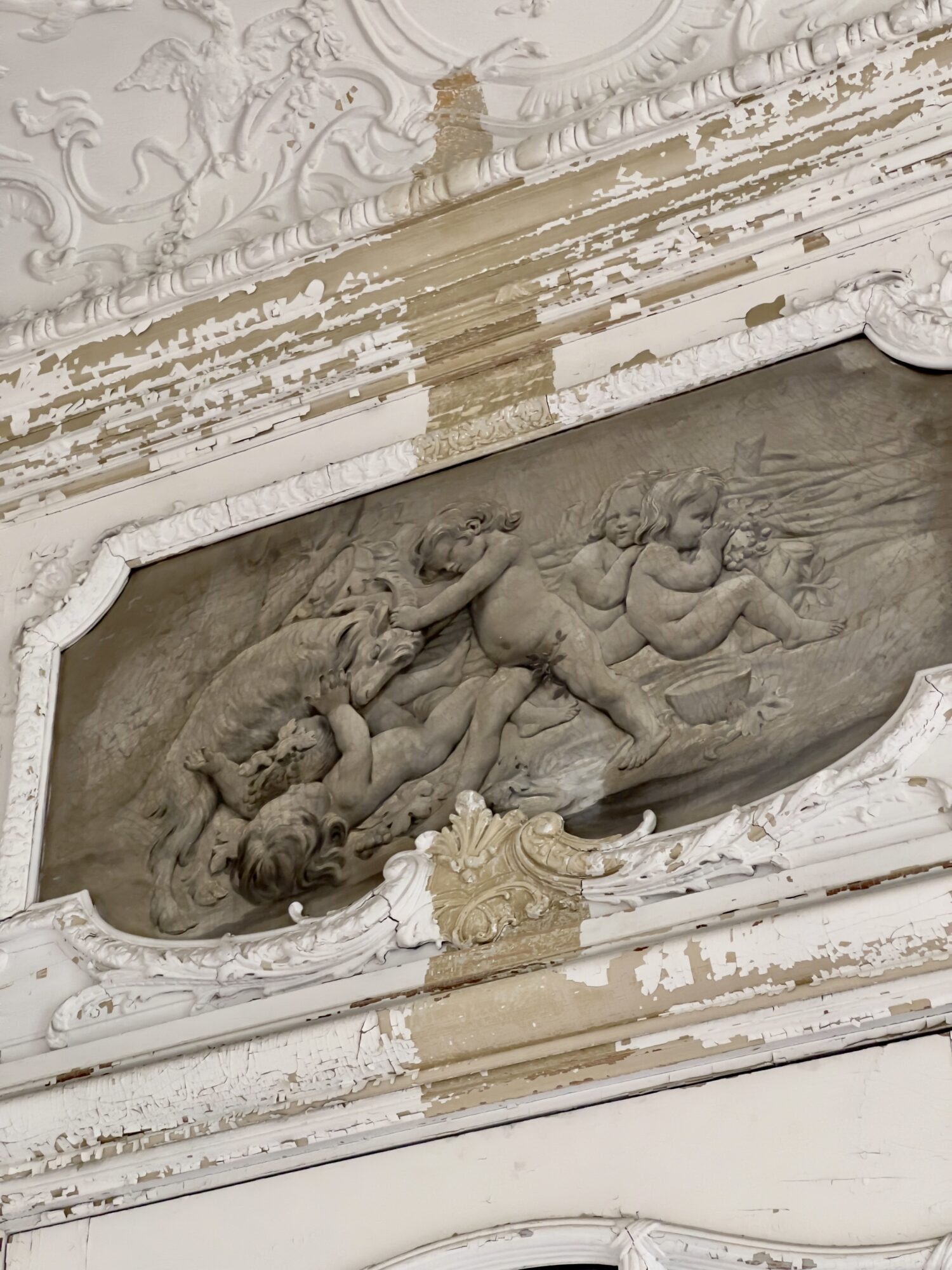
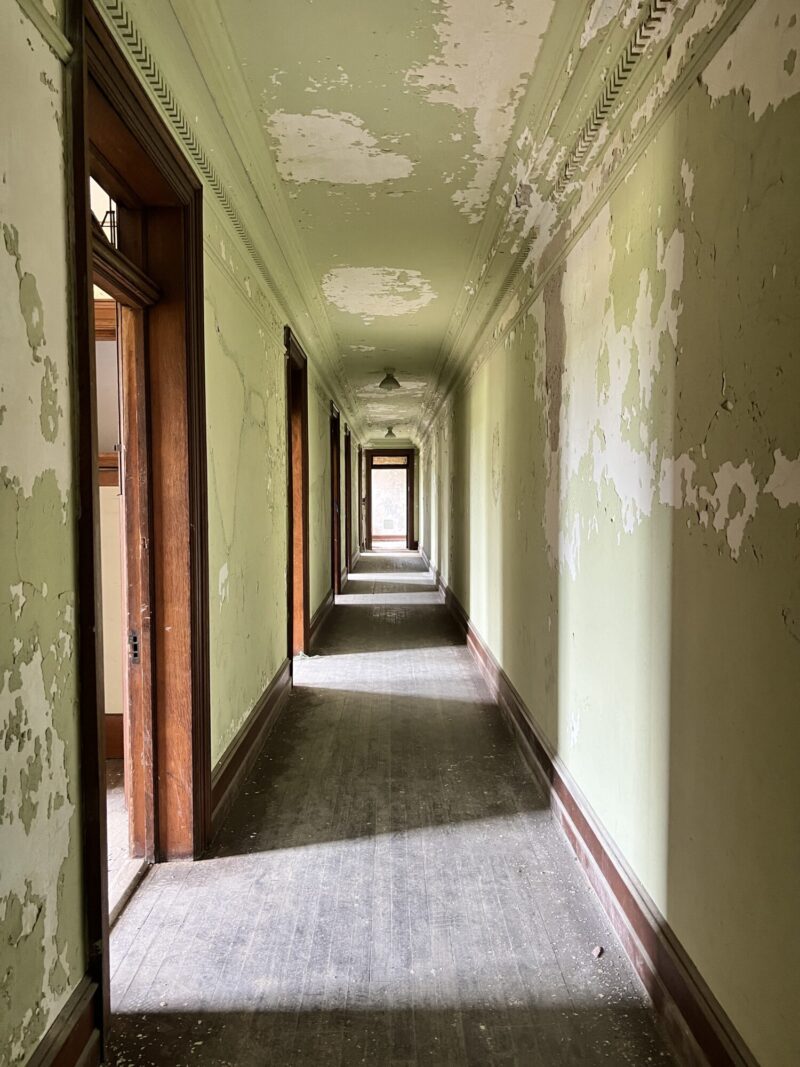
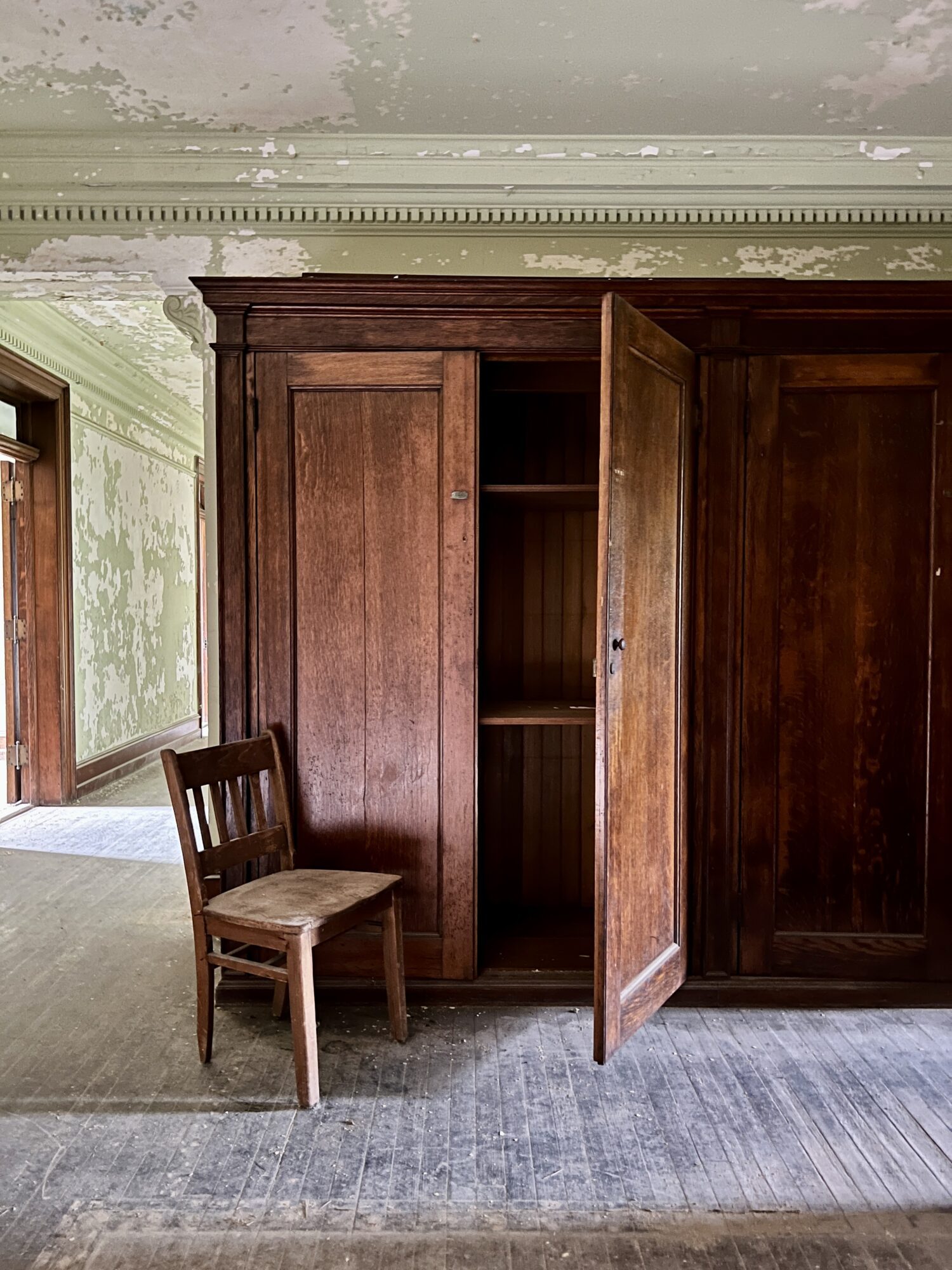
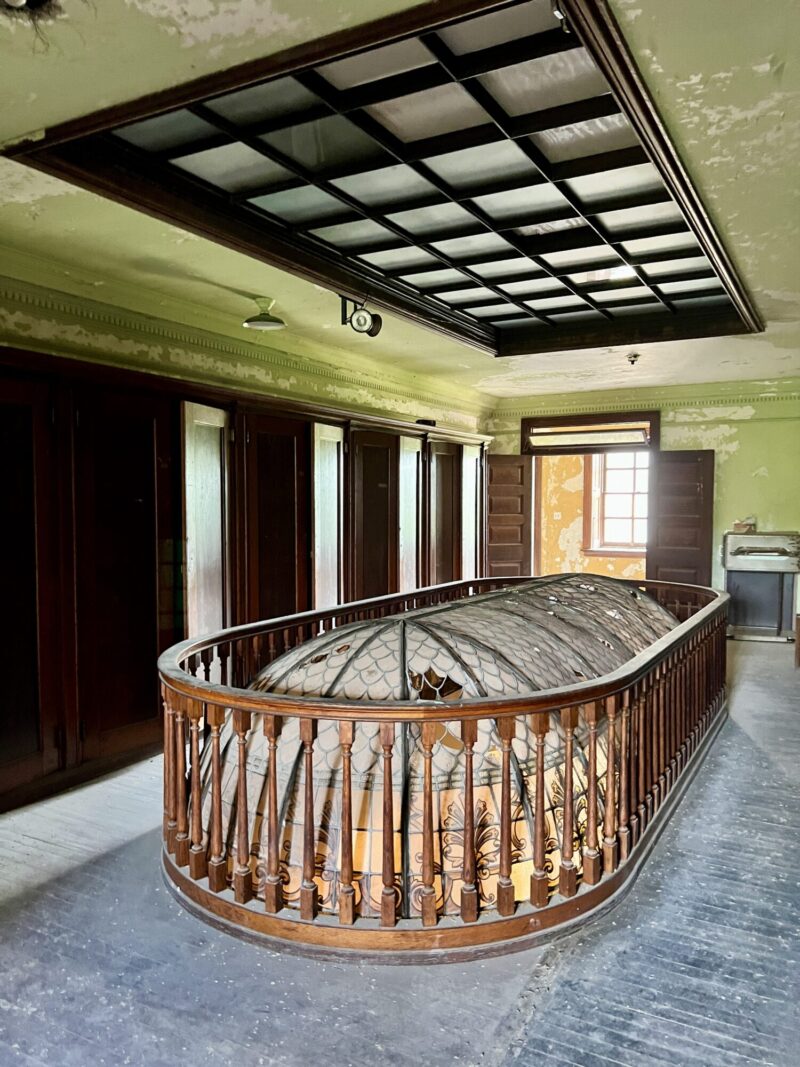
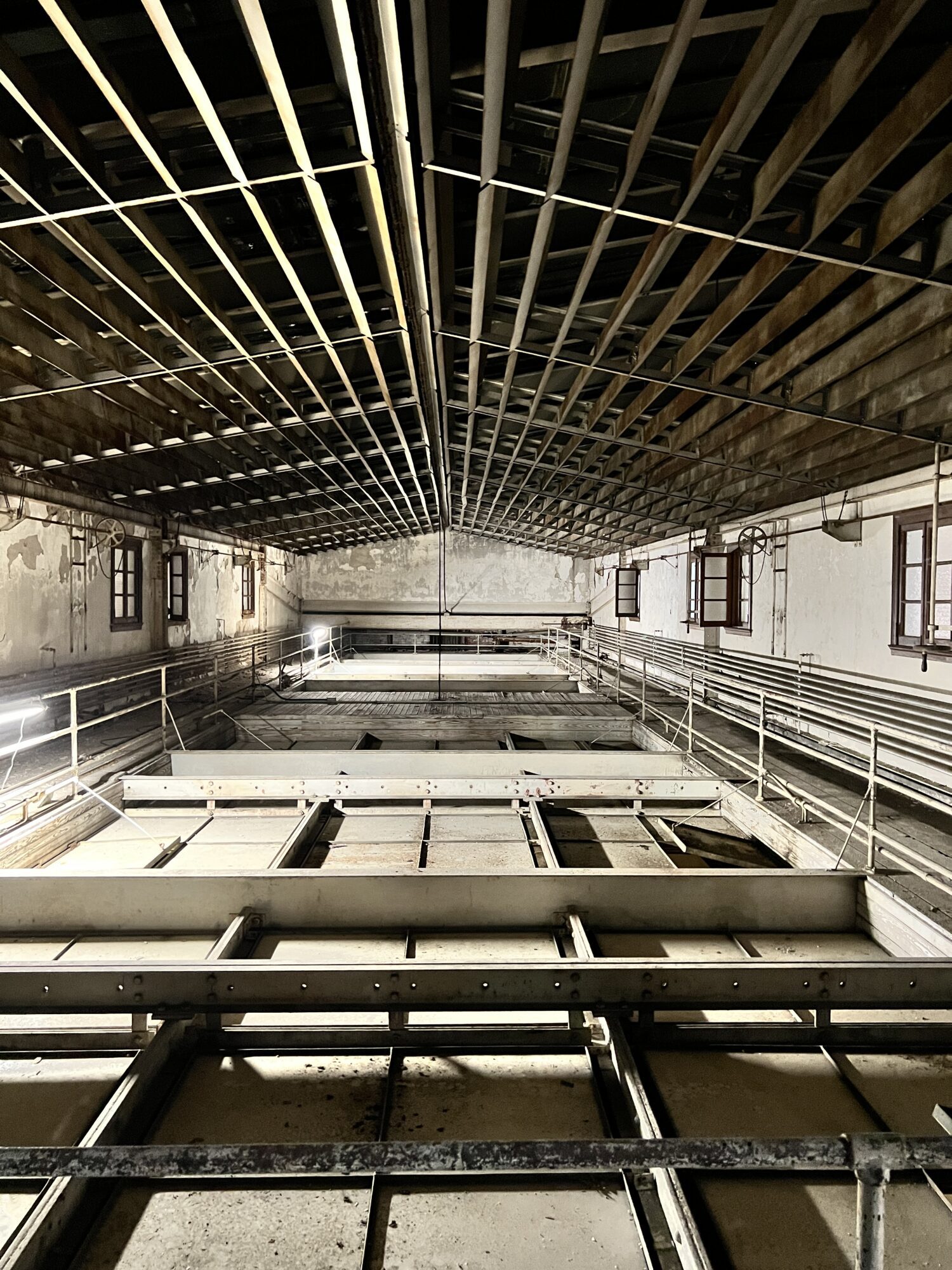
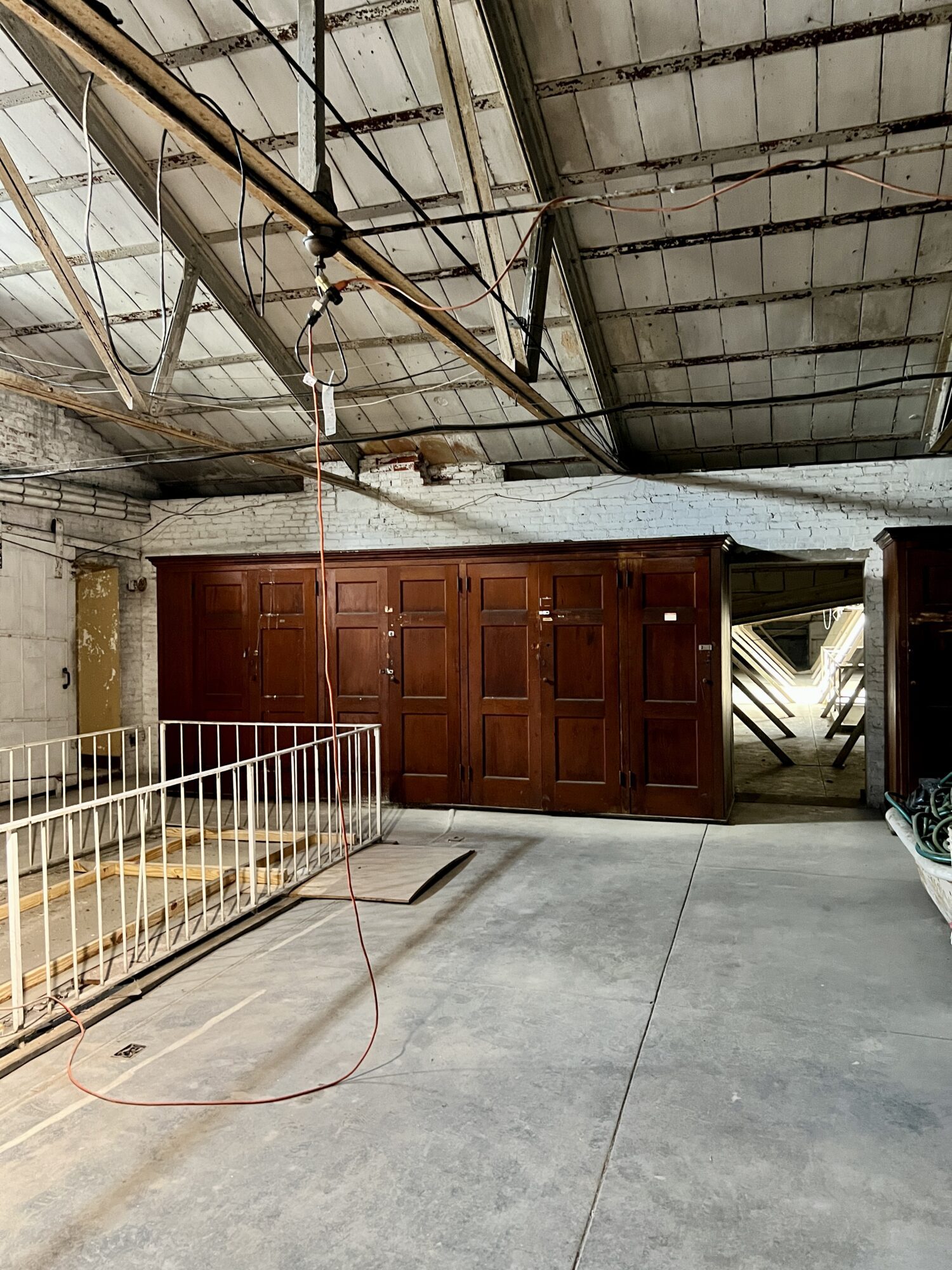
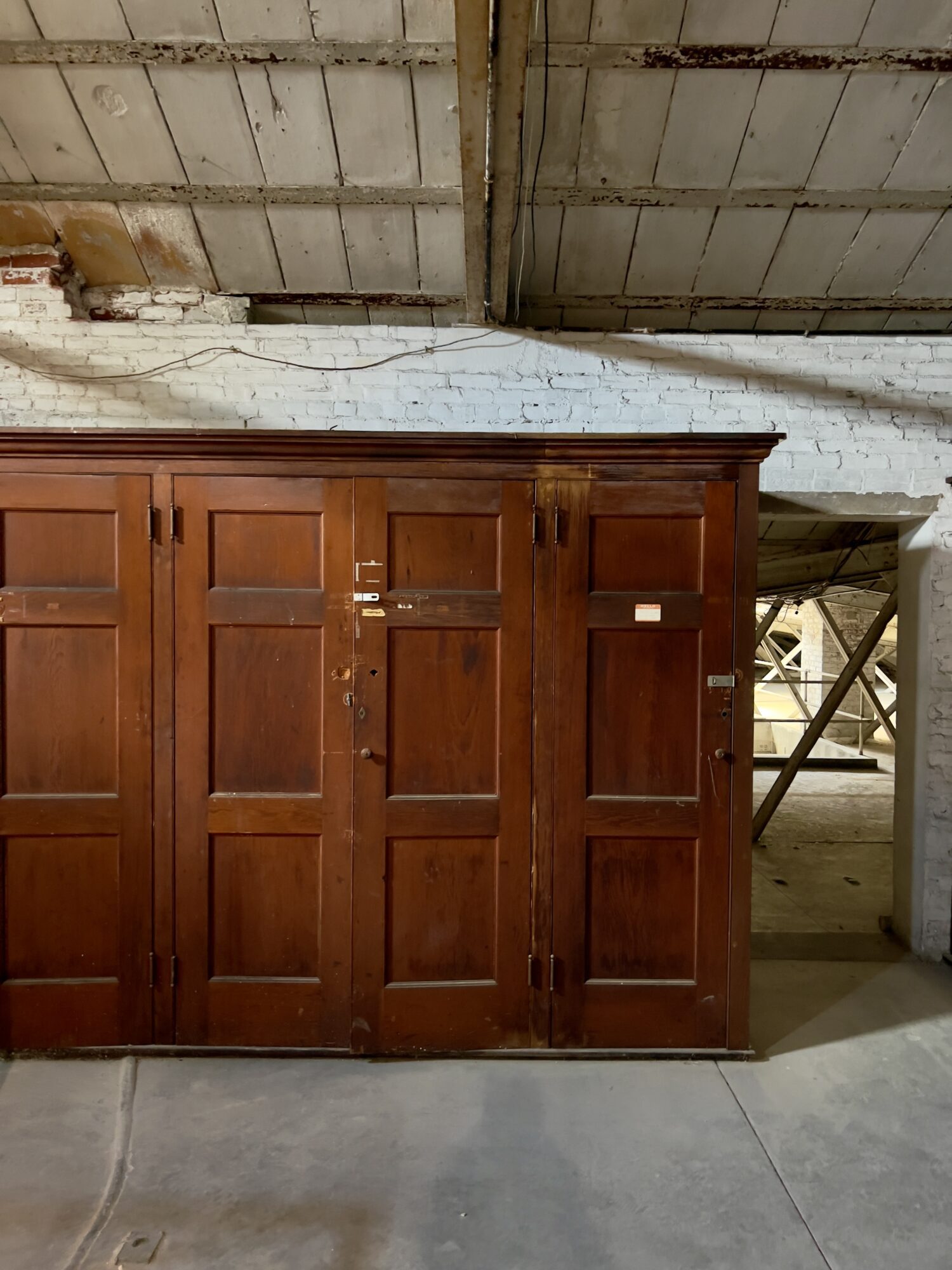
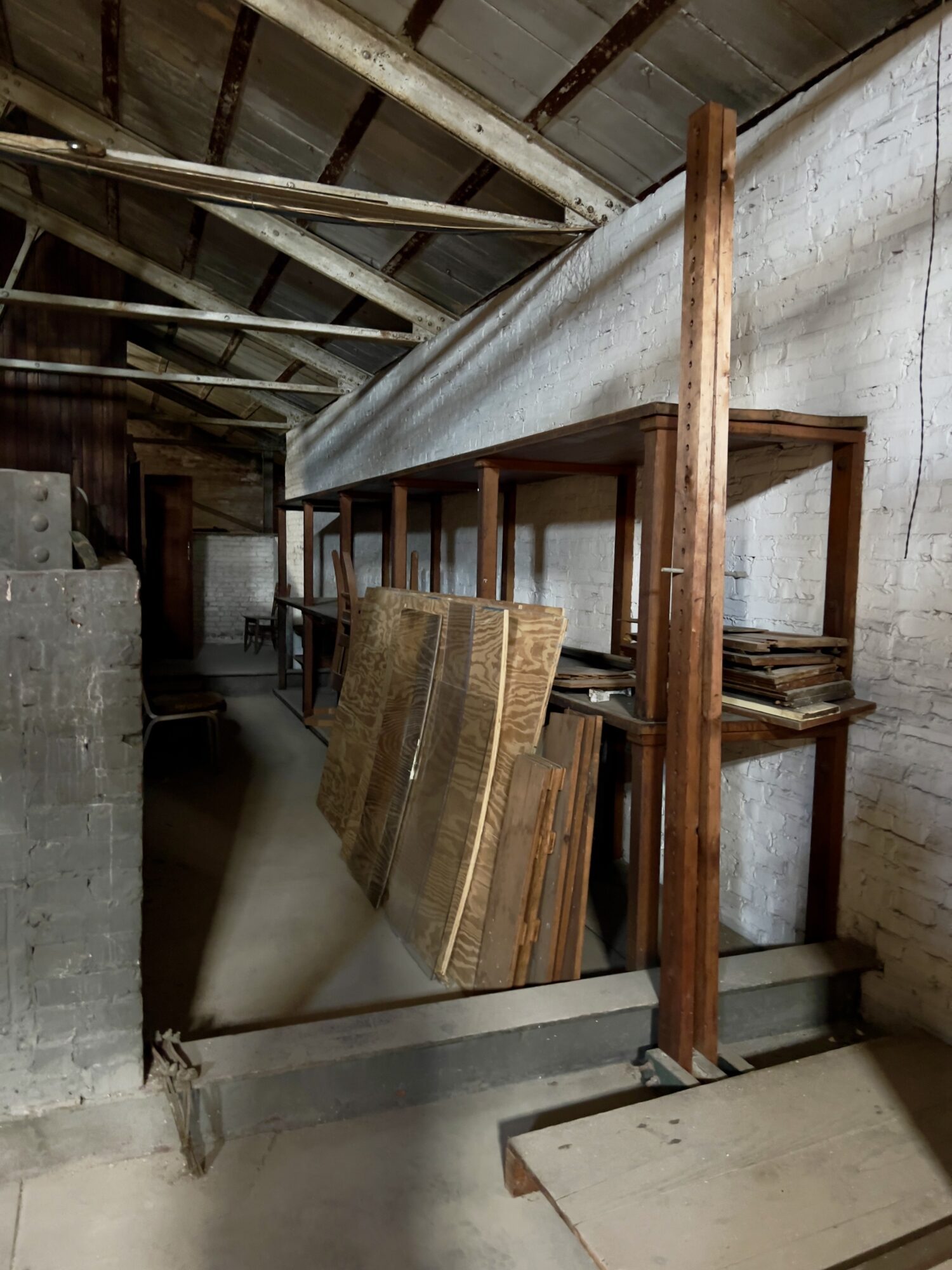
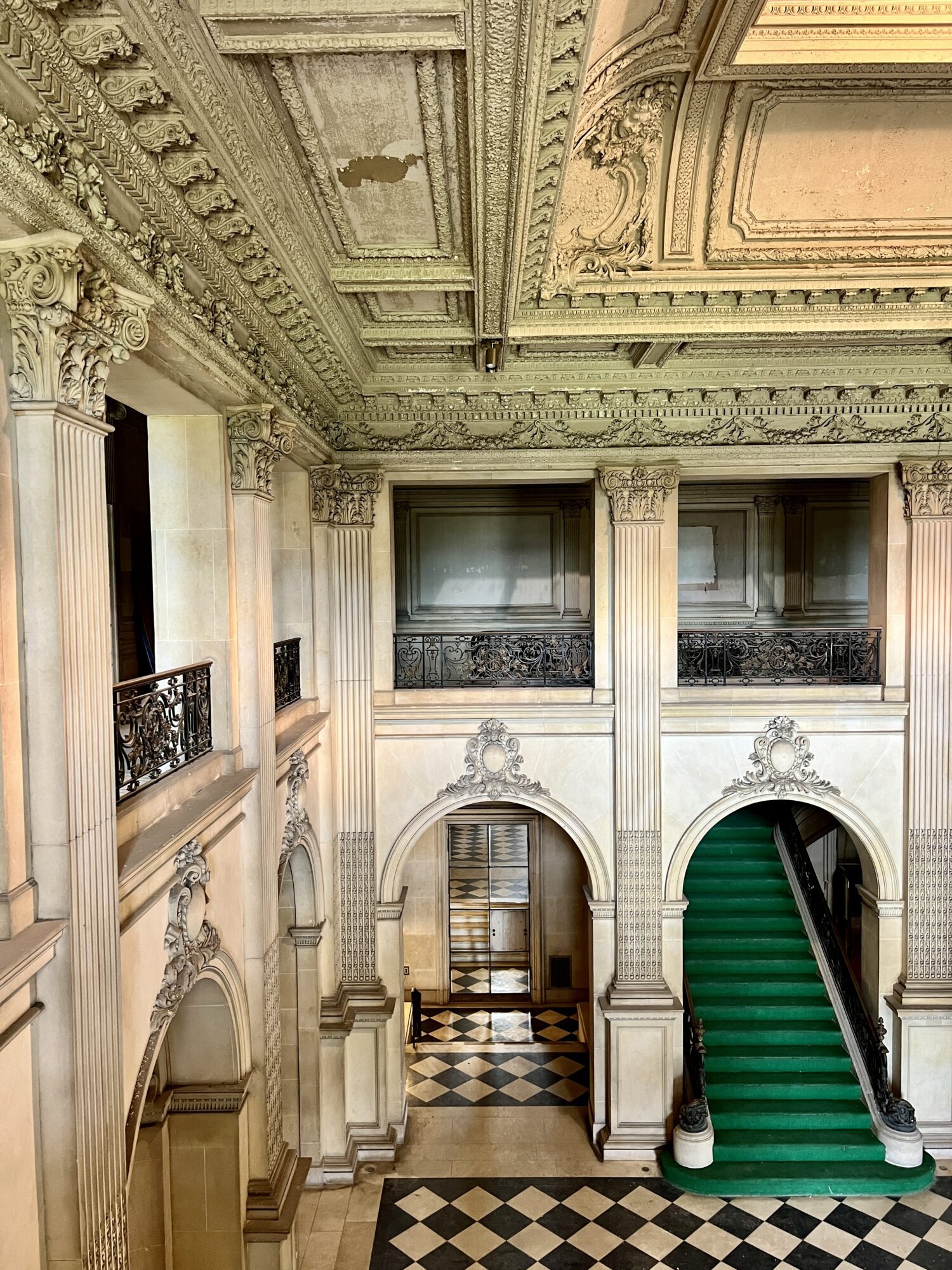
While these images really just begin to scratch the surface of Lynnewood Hall and the Widener family, we hope they have inspired you. For more information, please visit Lynnewood Hall Preservation Foundation. Please consider making a donation to further the restoration work of the estate. Be certain to follow along the on going progress @lynnewood_hall on Instagram and on Youtube.


I want it! It would keep me happily busy for the rest of my life. Thank you for sharing!
Sad that it has fallen into disrepair. It would be nice if some of today’s Gilded Age 2.0 folks would step up into that “noblesse oblige” role and give generously to the preservation.
So sad that America cannot hang on to its wonderful architectural treasures, so shortsighted, and a great loss to future generations of Americans Thanks so much for posting. Love your blog.
Thank you for sharing. This has been a “treat” albeit, a sad one, to see this magnificent home with all of the architectural features. So glad that it is being preserved. Hopefully, the Tiffany Dome can be brought back to it’s original splender. Again, thanks for sharing.
Such grandeur! With 55 bedrooms it would have made a fabulous bed and breakfast. I am glad that it is being saved and renovated. It’s a shame that what were undoubtedly gorgeous carved marble mantles were removed. Hopefully, they can be replaced with something appropriate to the home.
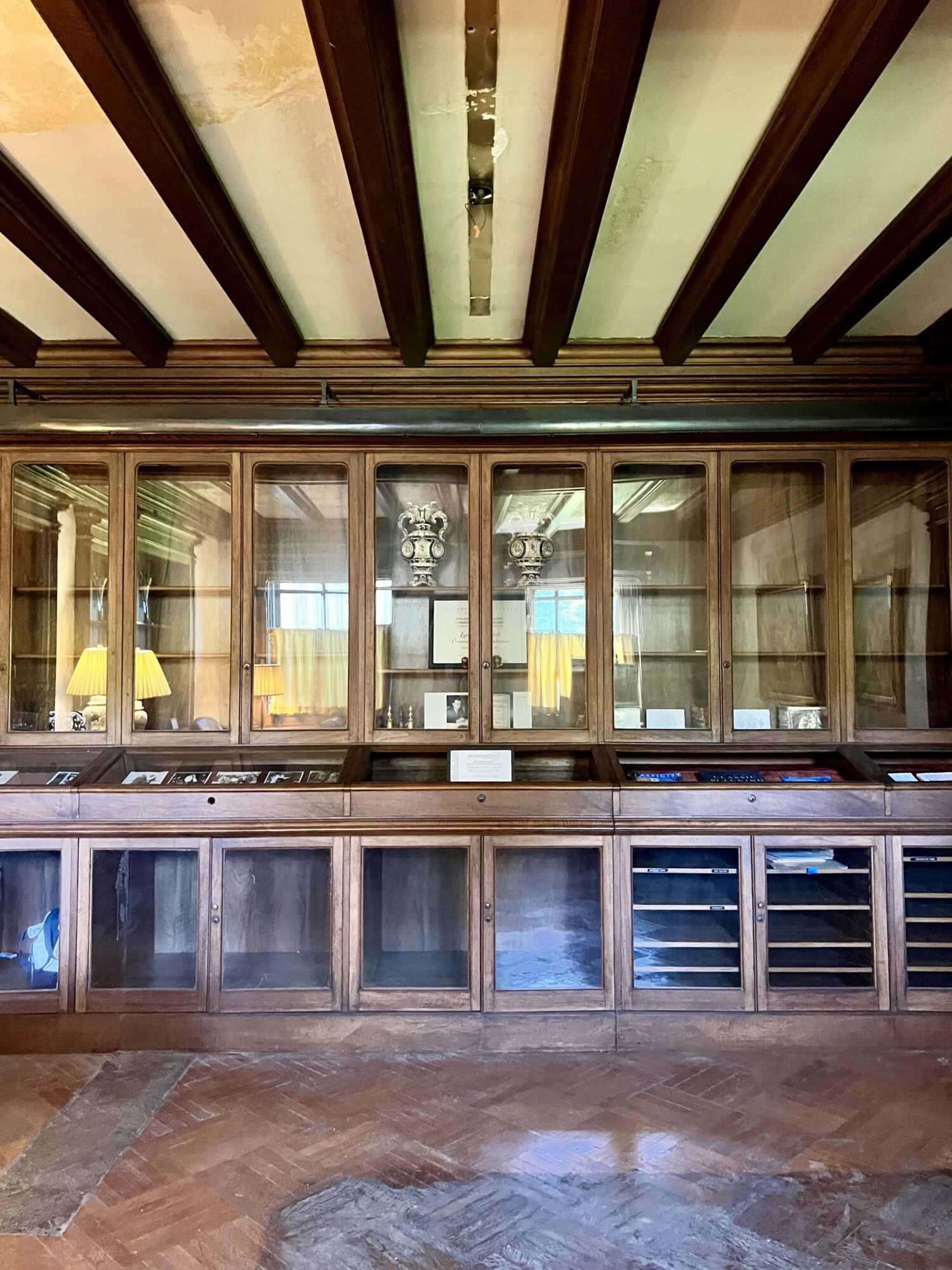
I want to know what the books and papers were in the butlers pantry. Looks interesting
The home was used by a religious school/seminary for years and they used the china cabinets for book storage.
Very good article. And hopefully you will be sharing a part two one day when it is restored.
Edward and Angie have done such a great job pulling this place together it’s amazing what they’ve done and just a short period from cleaning out the halls in the rooms towards stands today this article is a true testament to the love and passion for this mansion I got a chance to visit them last year in September and wow what a place thank you for such a gorgeous article yes I also donate myself there Great group of people and I’m so proud of them all and Philadelphia the people Philadelphia are very proud of what they’re doing great job thank you again.
Natalie, what an insightful article on the restoration of Lynnewood Hall, capturing its rich history and grandeur. As one of the most opulent Gilded Age mansions in America, it stands as a testament to a bygone era. The restoration of such a significant landmark is not just about preserving its architectural beauty, but also about reviving the cultural and historical essence it once embodied. Your article beautifully captured the intricate details of this process, highlighting the challenges and triumphs involved in restoring a piece of history to its former glory. This endeavor will allow current and future generations to appreciate the craftsmanship and elegance that defined Lynnewood Hall’s original splendor. Your work truly did justice to the mansion’s past and the meticulous care required to bring it back to life.
I used to live in the Lodge, my ex was a teacher and student of the seminary. It was a beautiful place even tho it was falling into disrepair even then.. I would love to go back and visit.
I formerly resided in the Lodge; my ex-husband was both a professor and a seminary student. Despite its obvious state of decay, the location was stunning. I long to return for another visit.
I once lived in the Lodge—my ex was both a teacher and student at the seminary. It was a beautiful place, even as it slowly fell into disrepair back then… I’d love to return someday and revisit it.
Did you take photos of the inside of the main house? if so do you still have any of them where I can see them? I am building this house in 3d and need some reference of certain areas that they never share with me when I ask for them. The house is nearly finished except for those areas.
What a captivating start, Natalie! As an interior designer, your deep connection to house museums and the way Lynnewood Hall’s ‘poignant disrepair’ and ‘beguiling history’ impacted you is truly compelling. I’m already hooked by your unique perspective on this magnificent, yet troubled, estate.