


Written by Natalie Aldridge.
We want walls! I’ve long harbored a deep loathing for open-plan kitchens. Growing up in the Midwest, I can’t count the number of times I overheard families gushing over their newly remodeled homes—complete with the ever-present massive island and an unrelenting sightline to the oversized television (inevitably mounted above the fireplace, perpetually tuned to football).


Sure, open layouts foster conversation and togetherness, but I always found myself yearning for the quiet dignity of closed spaces. Where rooms served their intended purpose, and privacy wasn’t a quaint relic of the past. For decades, the open concept reigned supreme as the suburban ideal. But dare we hope that its reign is coming to an end?
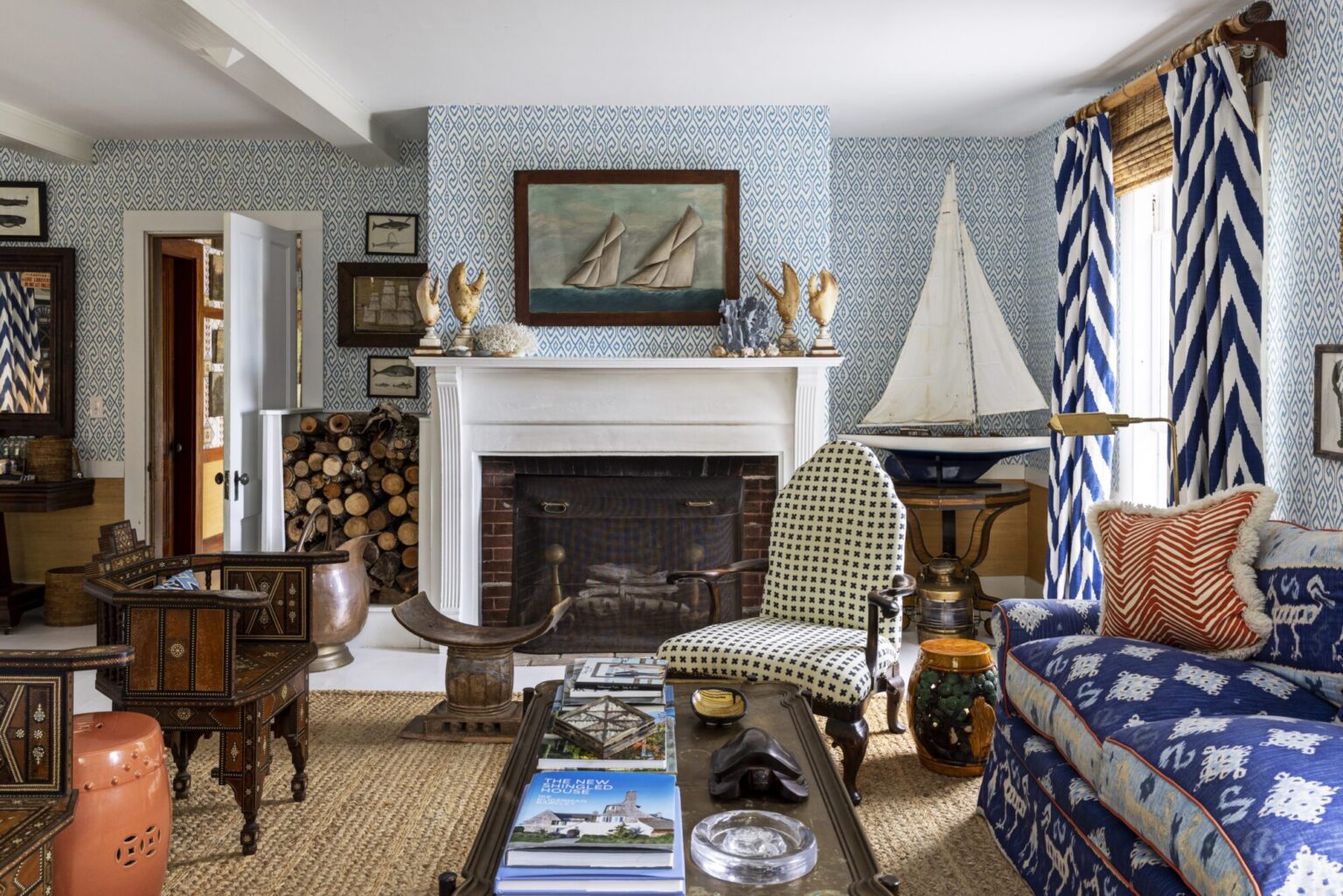
Before the mid-1940s, most homes featured a simple layout with a central hallway providing access to separate, purpose-driven rooms. Kitchens were simply utilitarian spaces and entertaining was a formal affair. I often think back to the period homes I’ve toured around the world. The way their kitchens were tucked away, serving their practical purpose with a quiet, unassuming charm.
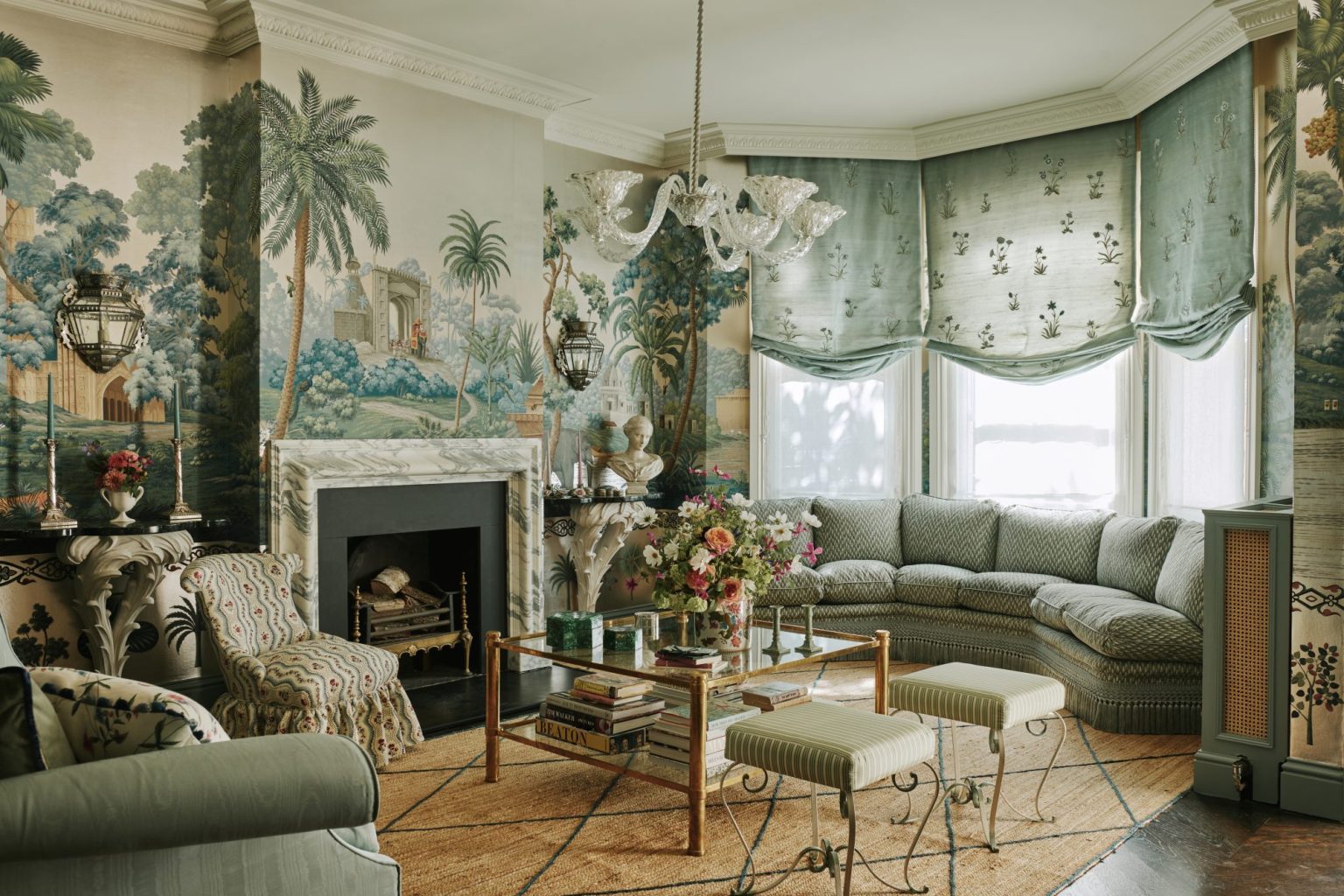
There is something undeniably beautiful about their utility, offering a clear respite from the rest of the house. It wasn’t until architects like Frank Lloyd Wright introduced open living concepts, coupled with the post-war embrace of a more relaxed lifestyle, that this perception began to shift.
Open floor plans became the standard for growing families, replacing rigid formality with fluid, multifunctional spaces. But times are changing. Since 2020, the rise of remote work and evolving lifestyles have prompted a reevaluation of how we use our homes. Coupled with a renewed appreciation for traditional design, it seems the era of wide-open spaces is giving way to a return of walls. My love for walls is having its moment in the sun!
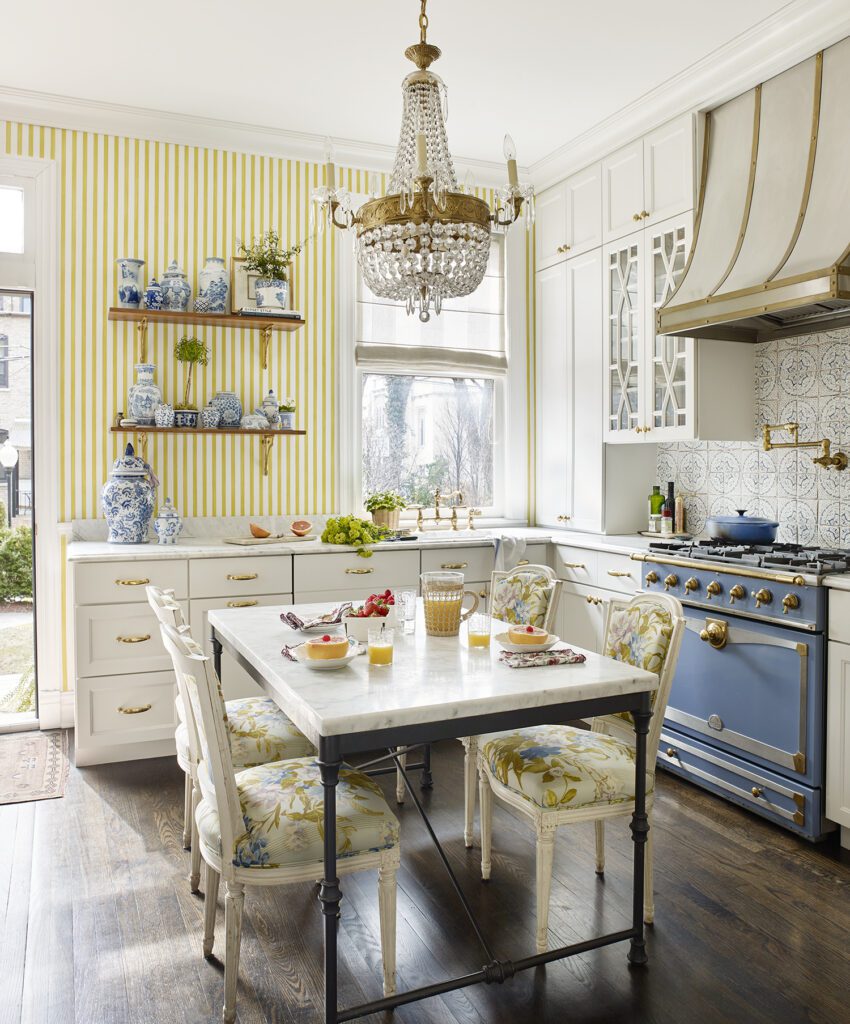
We need walls to think, work, and escape the endless hum of the world. Beyond the obvious benefits of privacy and maintaining household harmony, distinct rooms often suit period homes. After all, knocking down walls doesn’t always open things up; sometimes, it just muddles a home’s original charm and purpose. Not to mention, open-plan layouts can be costly and difficult to heat, an ongoing issue with rising energy prices.
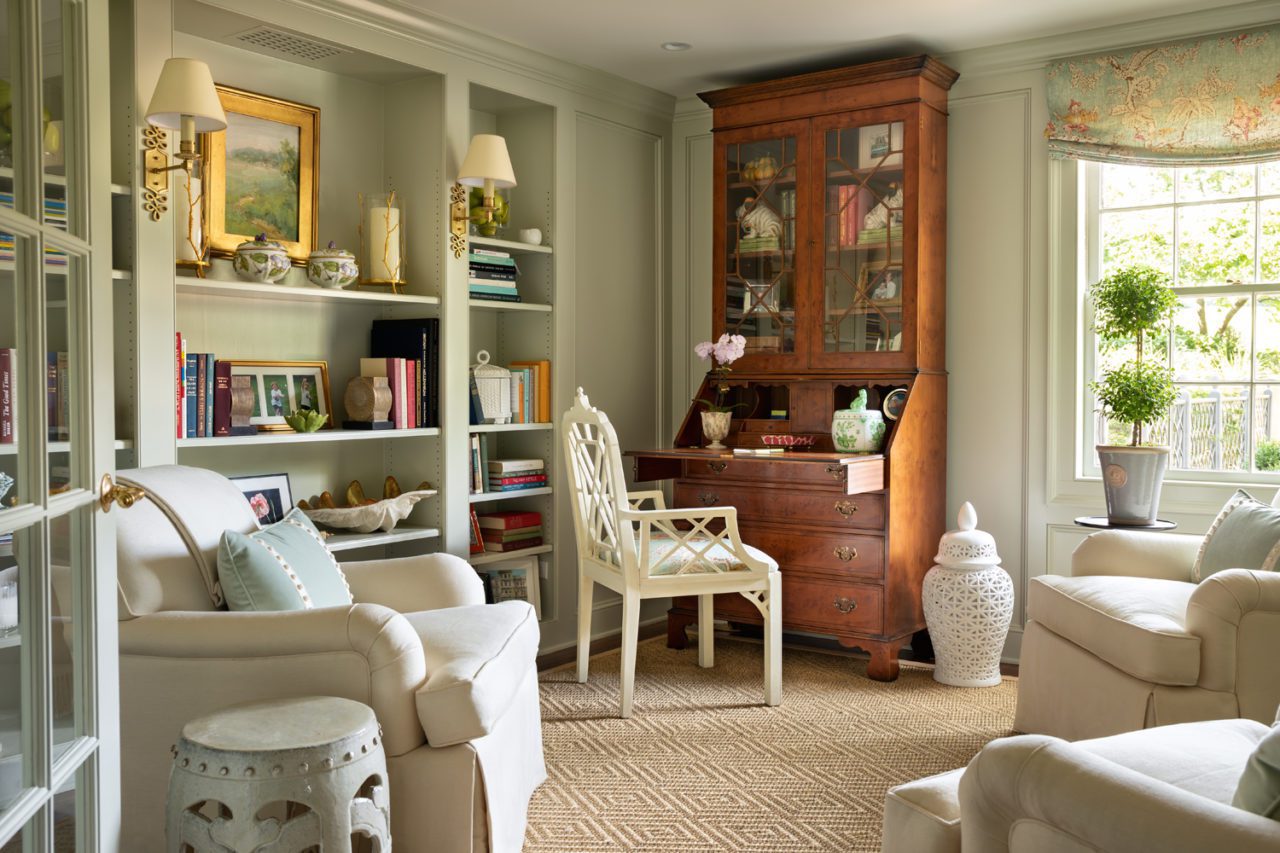
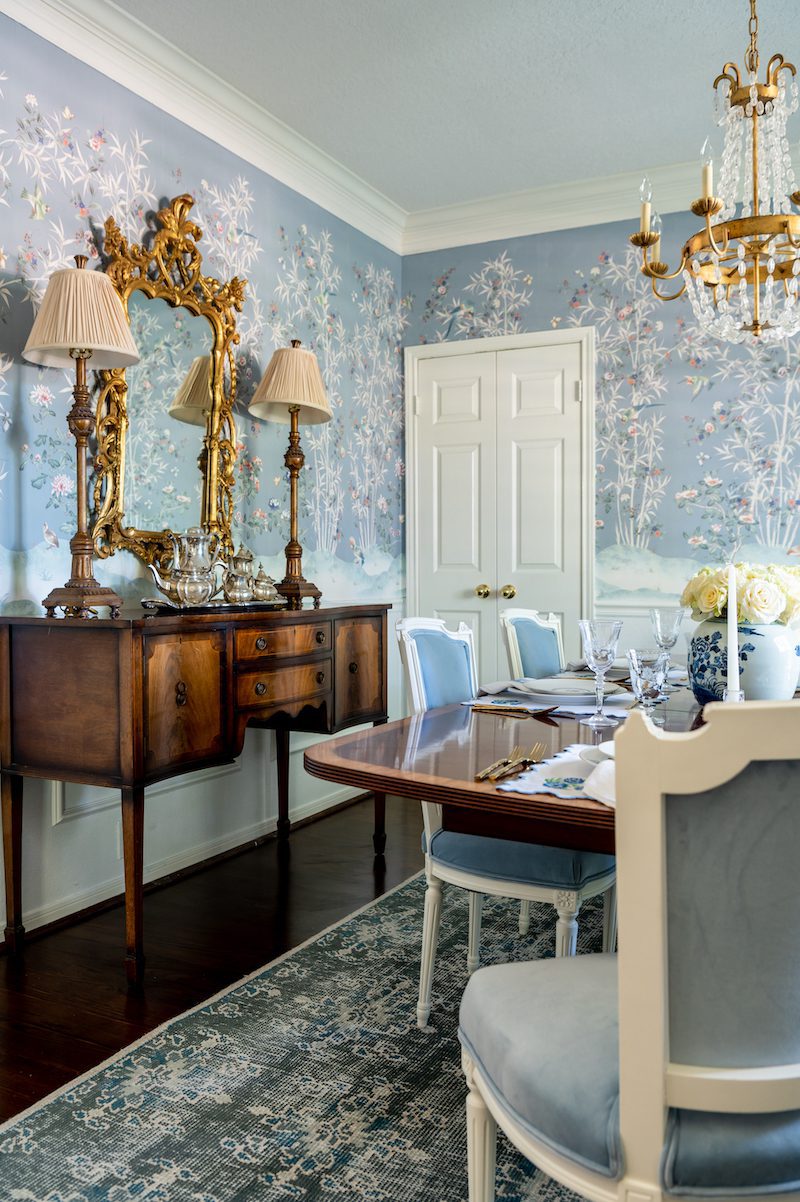
Visually, they aren’t always as pleasing as we imagine. Walls offer practical benefits, like displaying art or holding furniture. Plus, there’s the visual clutter that comes with taking in half the house in a single glance.
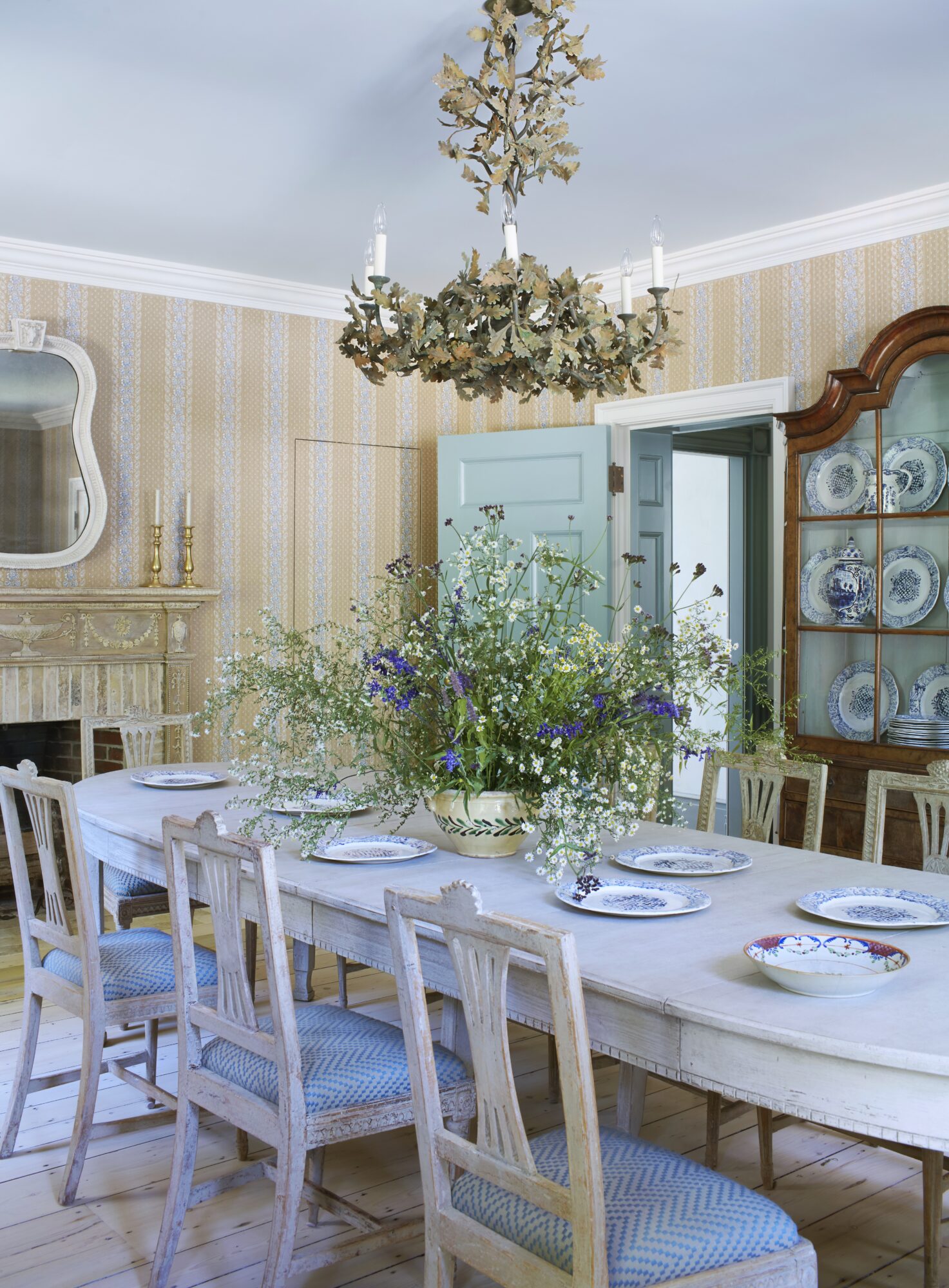
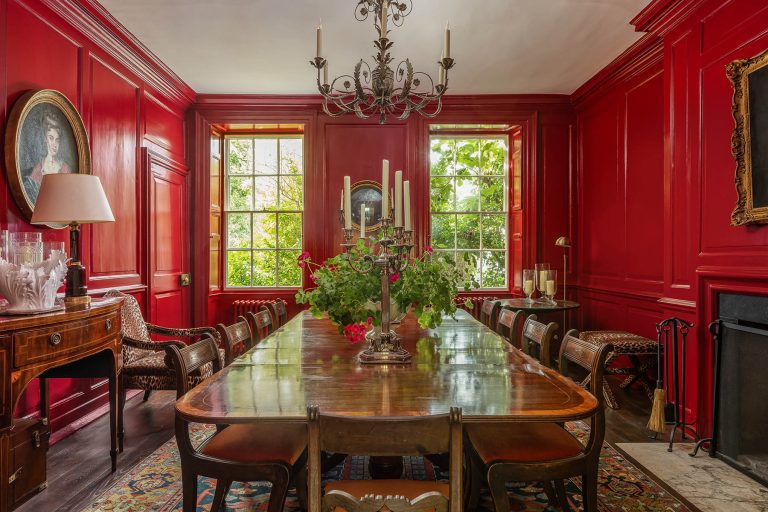
Enter the separate dining room. Often dismissed as “old-fashioned,” dining rooms are ideal for keeping kitchen mess and smells out of sight. More people are opting for compact, private kitchens tucked away from the dining area, striking a balance of intimacy and practicality without the chaos. And let’s not forget those jewel-box larders and butler pantries that we keep seeing.
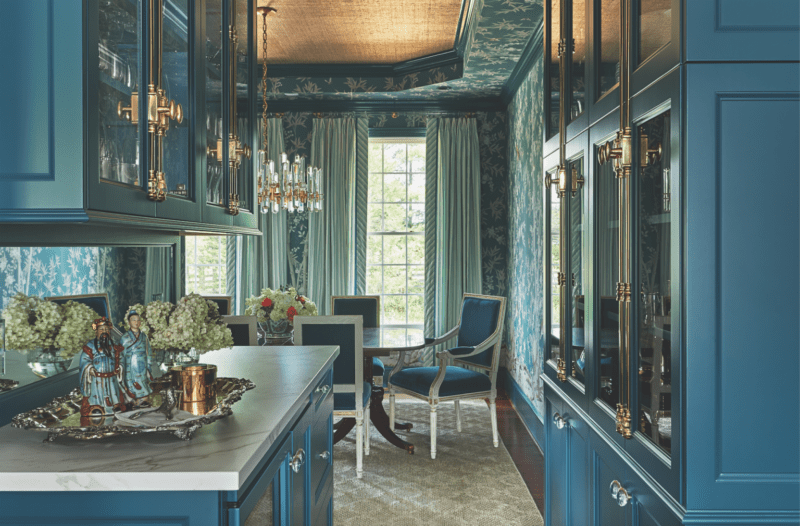
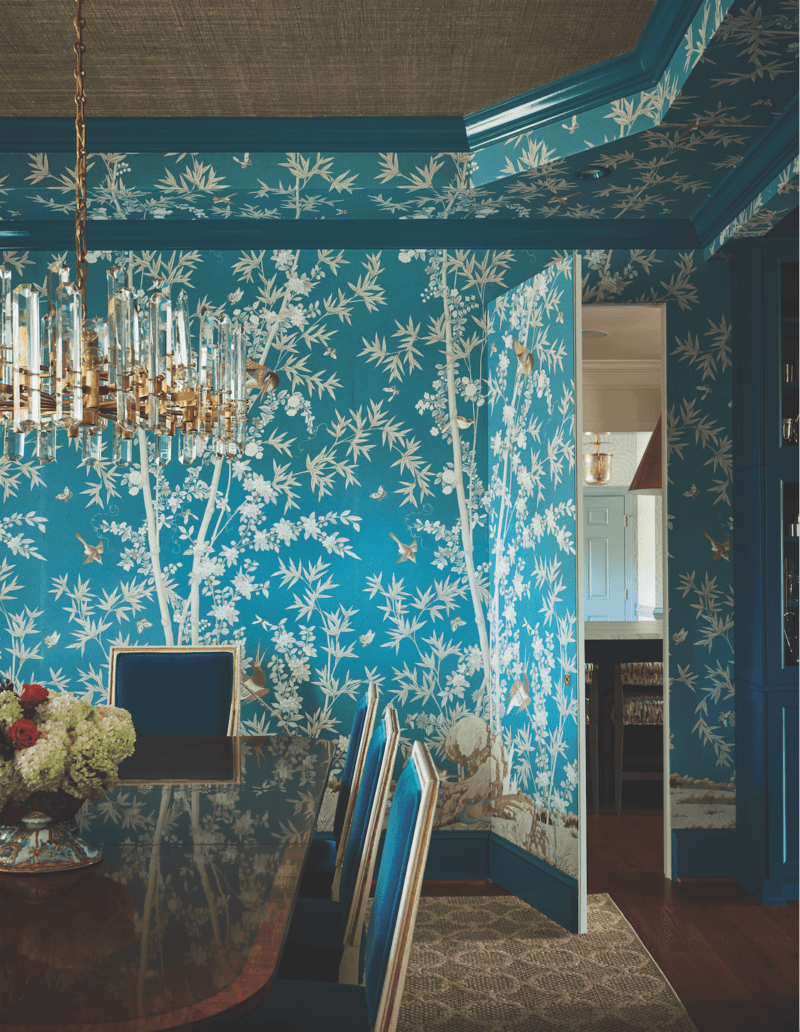
This shift presents an exciting opportunity to celebrate the traditional interiors and classic homes we hold dear at The Glam Pad. It’s also thrilling to watch how this return to defined spaces continues to evolve. What are your thoughts on the fading allure of open-concept living?
Click here to see more of our “anti-trends” for 2025.
x Natalie


I detest our open floor plan, especially because the messy kitchen is always in view. It’s loud, very expensive to heat and just not practical. My husband and I have discussed putting in doors and walls to separate rooms.
Agree totally.
Yes! I’m with you, 100%. No more open plans. They are an abomination.
This post really resonates with me. I too feel that open space at the expensive of giving up what I call quiet space has been over done. I feel this is more do to with a conscious monetary concern vs architectural considerations. Very nice article.
I remodeled my home and still kept my kitchen separate from the family room and living room. My kitchen has a fireplace and a French settee so it has more interest than just a cooking place. The sounds in an open plan house make it difficult to hear if one wants to have a quiet conversation with others around. Also hard floors and high ceilings add to the sound problem. I vote for walls !!
I am so glad that the open concept mania has had its day. I live in a 100 year old Tutor and love the face each room is separate. I have a small tucked away kitchen and I love it!
I am all for defined spaces. I think kitchens need to be bigger than years ago, though, and visually connected to areas where children play and/ or for a connected comfortable seating/ reading/ game area that is in addition to the living room.
I so totally agree. I grew up in a house where the dining room was where we ate every night and the breakfast room was where we ate every morning and the kitchen was in between them both. My mother always made it a priority that the swinging door between the dining room and kitchen was always closed so no one would have to see in there. Plus she also trained us to do most of the prep kitchen work BEFORE our guests arrived so that we could spend time in the living room chatting, NOT watching someone cut up vegetables or marinate meats. A kitchen is not for guests… The living room is!
Oh I am with you all the way on this topic! It’s gotten totally out of hand, especially when done to old homes. Old plaster walls have stood the test of time, and the charm of discrete rooms is lost when the walls come down. Invariably the home is treated to a new palette of gray and white, many times removing beautiful vintage wood floors and replacing them with cheap laminate. Cold, vacuous and sterile, they are uninviting boxes not meant for living or real entertaining.
No thank you, Frank Lloyd White, whose homes continually befuddle me as to why anyone would ever want to live in them. The homes you profile in this and all your blog posts are warm, colorful and inviting. Let’s hope we can build more just like them!
Thank you for saying everything I was about to!
We built a 7000 sq log home. Open great room with a ceiling to the sky .
Fast forward 10 years , I found a small home for myself. I have a formal dining room finally! Remember they said no one used the formal dining rooms or living rooms?
Nope, I use them . And nothing is gray in my home , I call it the cottage .
I never understood why a separate room for dining would necessarily have to be “formal.” It can be whatever style you like, doesn’t have to be offputting, and can serve as a lovely room for eating, whether one person or twenty!
I dont like open concept either, and its all they are doing around me in all the old homes theyre remodeling. I love my old house with all the little cozy rooms. I like privacy, and with those open concepts there is no privacy or a place to escape from others in the household. I hope the drab colors will disappear soon too I love houses with lots of color they seem happier to me.
Brava! Our 30-year-old house was built with separate rooms, which we love. And we eat in our dining room three meals a day (the breakfast room is my command center). As a family of introverts who need down time to recharge each day, we relish the peace and quiet that each discreet space offers us. Cheers!
Au revoir! Our 1922 house has a separate kitchen that the original owners never darkened (there was a bell under the dining room table to summon help). Nowadays it seems I never leave it. Times have changed! I must admit, though, that sometimes I feel left out of the conversation in the den!
I’ve never liked open plan homes. I like to decorate too much so I prefer walls. Separate rooms are more cozy also. Open plans are like living in commercial warehouse.
I’m with you, all the way. Especially on the idea of decorating. My 1904 Victorian is coordinated from room to room but each one is distinct in its own way.
Can’t stand open concept.
Floorplan design was perfected by Pollman and Palmquist in the 70s. Rooms no bigger than they need to be and separate formal and informal areas. Usually a living room with an adjacent dining room/area and a family room open to the kitchen.
I was shocked by the number of replies to this article and that they were all in favor of separate spaces. I also prefer having separate spaces with the exception of kitchen/breakfast nook/family room which makes cooking while keeping an eye on children easier.
Laura, I agree! I enjoy a dining room that is out of the sight line of my kitchen and a living room that opens to my dining room, but the more open space of the kitchen, breakfast room and family room work well for casual family gatherings. Best of both worlds!
My biggest complaint with open concept kitchens is the sink in a HUGE island, facing the living room!! I want my sink under a window that looks out on the yard (or, better yet, a garden). I also prefer the mess of the kitchen not be on display for everyone to see!
Yeah! Finally design authorities are no longer pushing open concept. We need walls for acoustic reasons, and for mental health, but also walls give us MORE space to place furniture. Small cozy spaces are also easier to warm and to decorate each space. Lots of walls for art is also great. Yeah for walls!!!!!
I too like traditional interiors with defined spaces serving their intended purpose and above all the privacy and comfort they provide.
My wife and I would never even consider an open concept home. Yes we have a formal dining room and it’s used alot. Yes we have a formal living room. It’s not only used for entertaining but moreso for our escape. Nothing better after a grueling day at the office then to sit down with my beautiful wife, some nice music, and a cocktail to release the stress of the day.
I agree 100%. We need sanctuary.
I have lived in and designed traditional and open space floor plans. I always find it fascinating to watch people in big open space plans group together in the corners and the cozy places for anything but photos. So many homes are designed for entertaining when most of our lives are spent in the daily routine.
People always pile into the kitchen anyway. I’m grateful for the return to the Traditional layout. I have been focusing on acoustic treatments for hard surface rooms like kitchens where crowds gather.
There’s nothing quite like having an elegant dinner in a traditional dining room. And they’re a great place to do puzzles and escape for homework.
As an architect, I,’m faced with this dilemma daily. A lot has changed since we fell in love with high ceiling “loft” apts……interested in what we will see on TV and film in future, still challenged with adjusting to family growth meeds….Venturi use to say “Less is a Bore!”
I’ve never liked open concept. Old homes (the older the better) have so much life lived in them, so much history and character. I could never live in a McMansion or even in the suburbs. What do people see in tan and gray cookie cutter houses that are 2 feet from the neighbor’s house and not a tree in sight??? Open floor plans are also dangerous in the event of a fire. When there’s no walls to slow a fire down, everything just goes up in flames in seconds. Firefighters hate open floor plans. I remember when this trend started and I knew it wouldn’t last long. Bring back rooms and walls!
When I refreshed my 1908 cottage bungalow, I thought about “pulling an HGTV” and taking out the wall between kitchen and dining room. I’m so glad I didn’t do that.
Oh thank you! Finally someone is making sense! I’m sick of the term ‘open concept’ on all of the home shows I see. Do these people who love them want to live in a warehouse? Cozy with walls should be the norm. And walls provide noise reduction and structural stability.
I’m for rooms with doors. When a dog is sick or muddy, she really needs to be confined to the kitchen. Noise and smells should be kept in the kitchen as well, not allowed to permeate the rest of the main floor. Unused rooms don’t have to be heated. There is plenty of wall space for artwork. I can read a book in a different room when someone is watching football!
Someone (besides me!) FINALLY recognizes the negatives of “open-concept” design. Thank you!!
#OUTWITHOPENSPACEFLOORPLANS
#FAMILYSIZEROOMSENSUITE
#LIVINGSPACES AT NO #ADDCOST
#Evolve into #doublesizelivingrooms, #offLRplayroomsfortoddlers “in sightlines”, of course #tweenteenbonusroom, all #bedrooms #ensuite, include short #hallway to #powderrooms in #kitchenfllorplans, e.g., near mop/broom closet.
There’s a happy medium. I prefer larger kitchens so I’m not banished in the back – especially when my children were young, it was helpful to have the space to have them safely nearby. I prefer walls and doors, but the doors don’t have to be single doors. French doors elevate a space and wider openings look nice. All with clearly defined spaces. I’m anti-great room, but not anti big rooms that give the illusion of openness without creating big multi function spaces.
I could not agree more. I have always detested the open floor plan trend obsession. It also seems to have infected much of Europe, especially the UK. Beautiful, historic structures have been ruined by carving them up into 2 and 3 bedroom flats with the open kitchen plunked against the wall of a previously gorgeous salon. Sad.
I genuinely believe that open concept homes are the white elephant houses of the future.
My husband and I (fully retired) are selling our big open plan 14 year old home and rennovating a 1944 1600 SqFt cottage. Our current home is my husband’s design, not mine. Now that we are downsizing I finally get to design my cottage with a separate dining and living rooms in my preferred classic and traditional style. We will have a small, but perfect galley kitchen with 2 build-in china cabinets and a beautiful bay window at the sink overlooking the enormous and stunning oak tree. I am ready to embrase a defined and elegant living style. My mother’s silver tea & coffee service will look wonderful on my dining room table.