

Written by Natalie Aldridge.
There are few museums that capture the imagination quite like Dennis Severs’ House. In fact, I do not believe there is another museum in the world quite like it. Artist David Hockney once described visiting Dennis Severs’ House as “one of the world’s five great experiences.”
Photographs courtesy of Lucinda Douglas-Menzies.
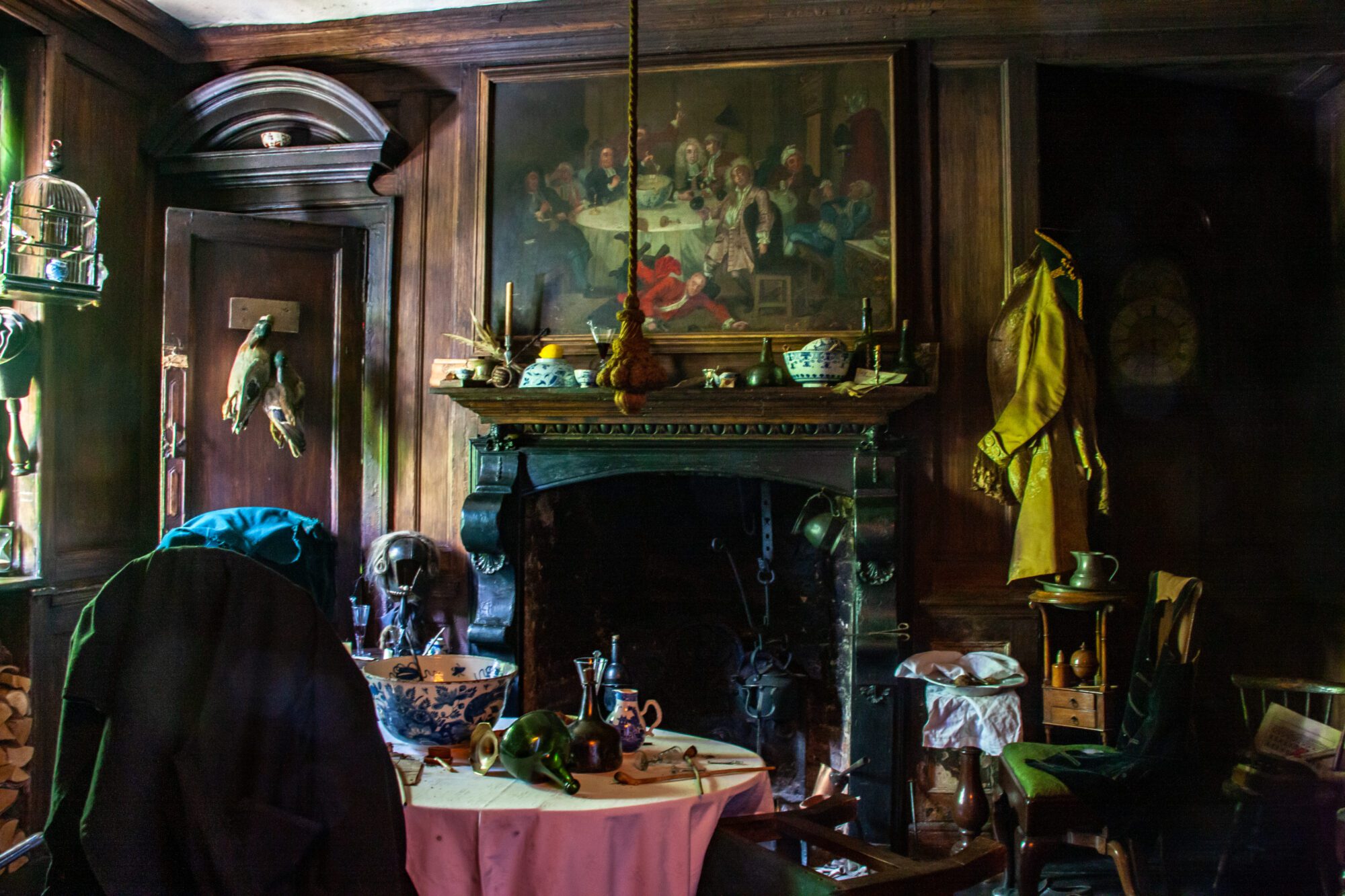
When Dennis Severs arrived in Spitalfields in 1979, he didn’t just buy a derelict house—he slipped into another century. Saved by the Spitalfields Trust, the house became the setting for his grand illusion: the home of an imaginary Huguenot family who had supposedly lived there since 1724. Rather than simply restoring it, Severs conjured a world where history lingers in the air, blurring the line between past and present.
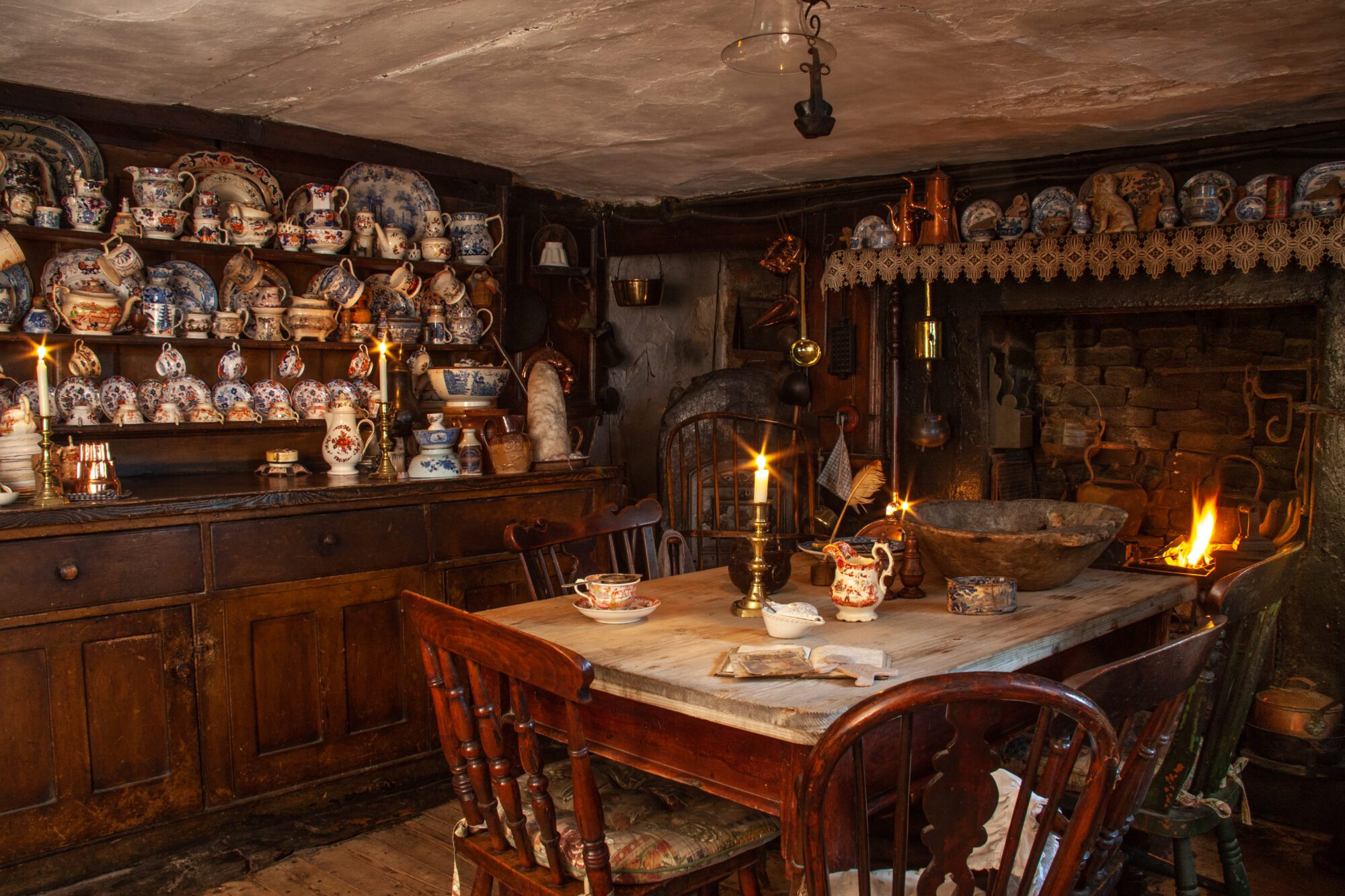
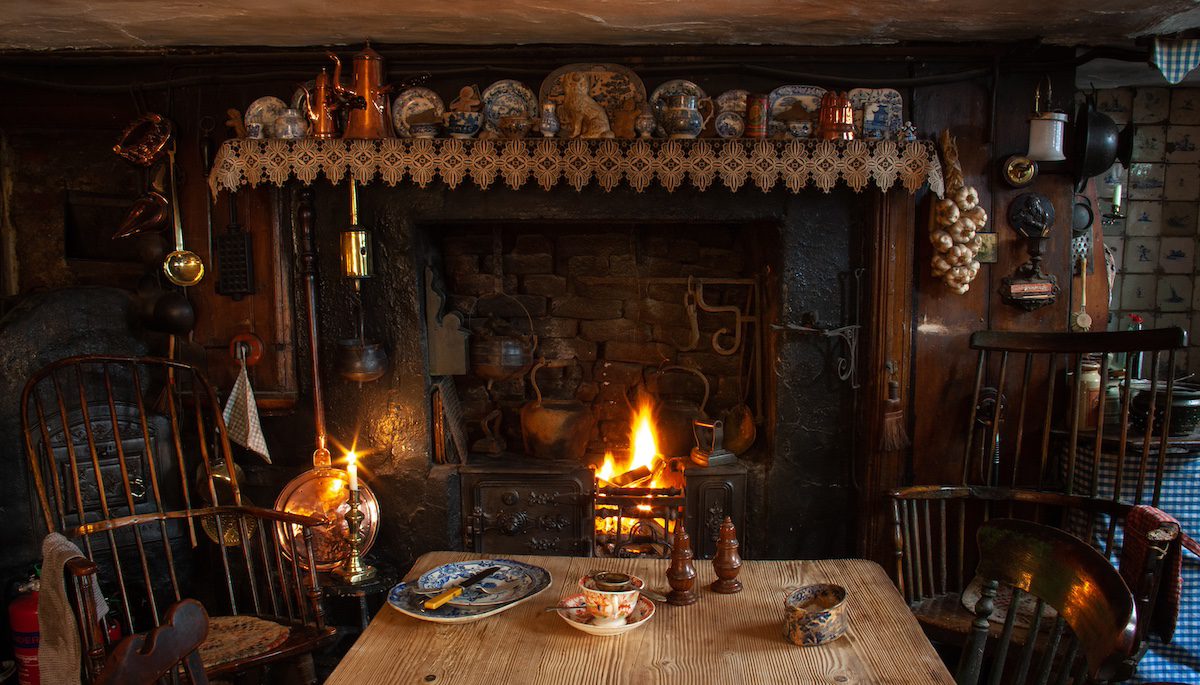
After purchasing the home, Dennis moved into 18 Folgate Street with nothing but a candle, a chamber pot, and a dream to create his fantasy world. Modern conveniences were an afterthought; his goal was to resurrect the past as a living, breathing museum. From the moment he occupied the historic property, the house wasn’t just where he lived. It was his grand obsession and life’s mission.
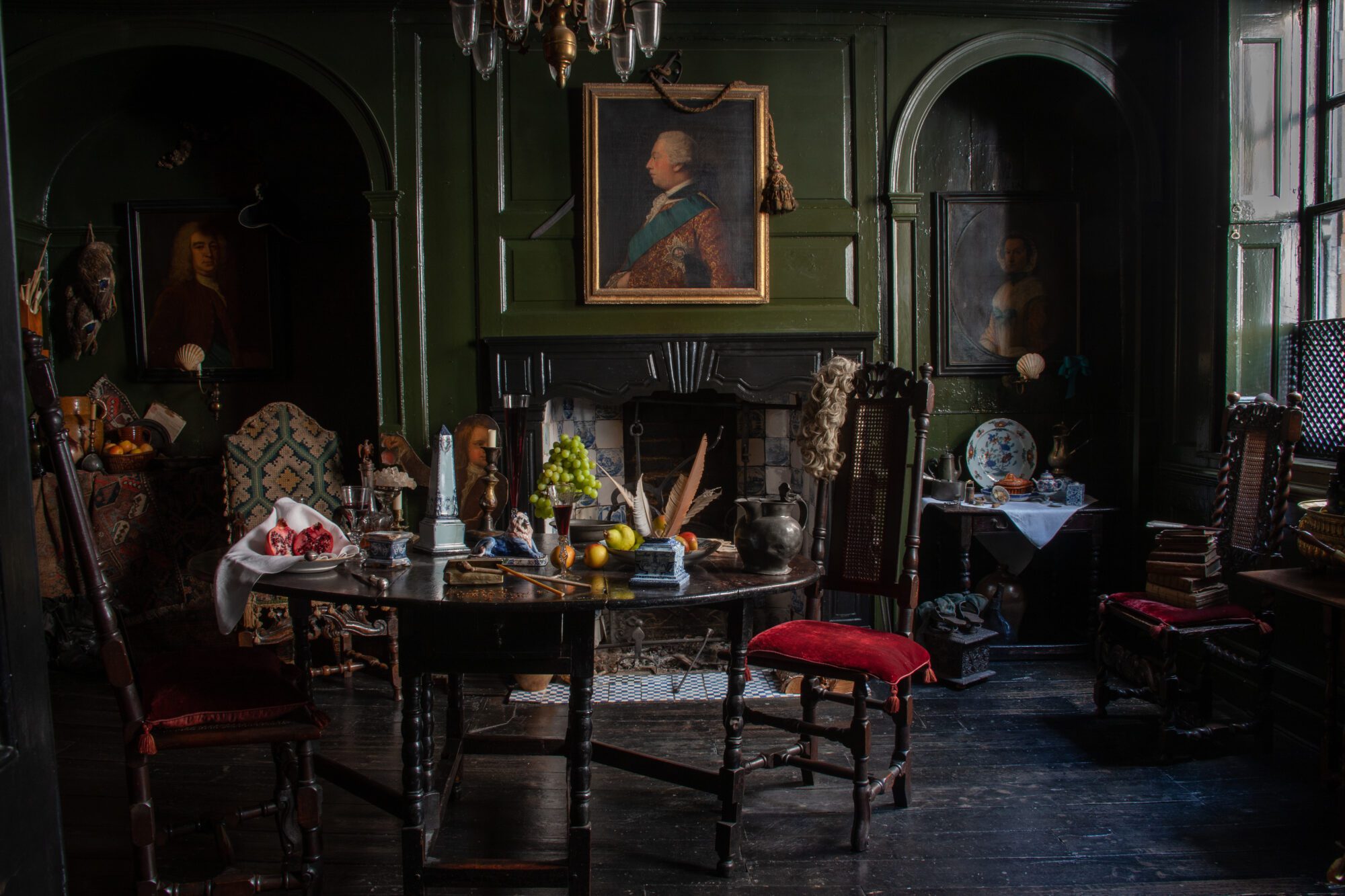
Originally hailing from sunny Southern California, Dennis had always been captivated by historical dramas. So much so that he packed his bags and moved to London just five days after finishing high school in 1967, calling the city “love at first sight.” Known as an eccentric and enigmatic figure, he initially purchased a horse-drawn carriage and offered tours around Hyde Park and the West End under the wonderfully grand tagline, “See Something Different Graciously.” Years later, his stable near Gloucester Road was demolished by a developer, forcing him to move on.
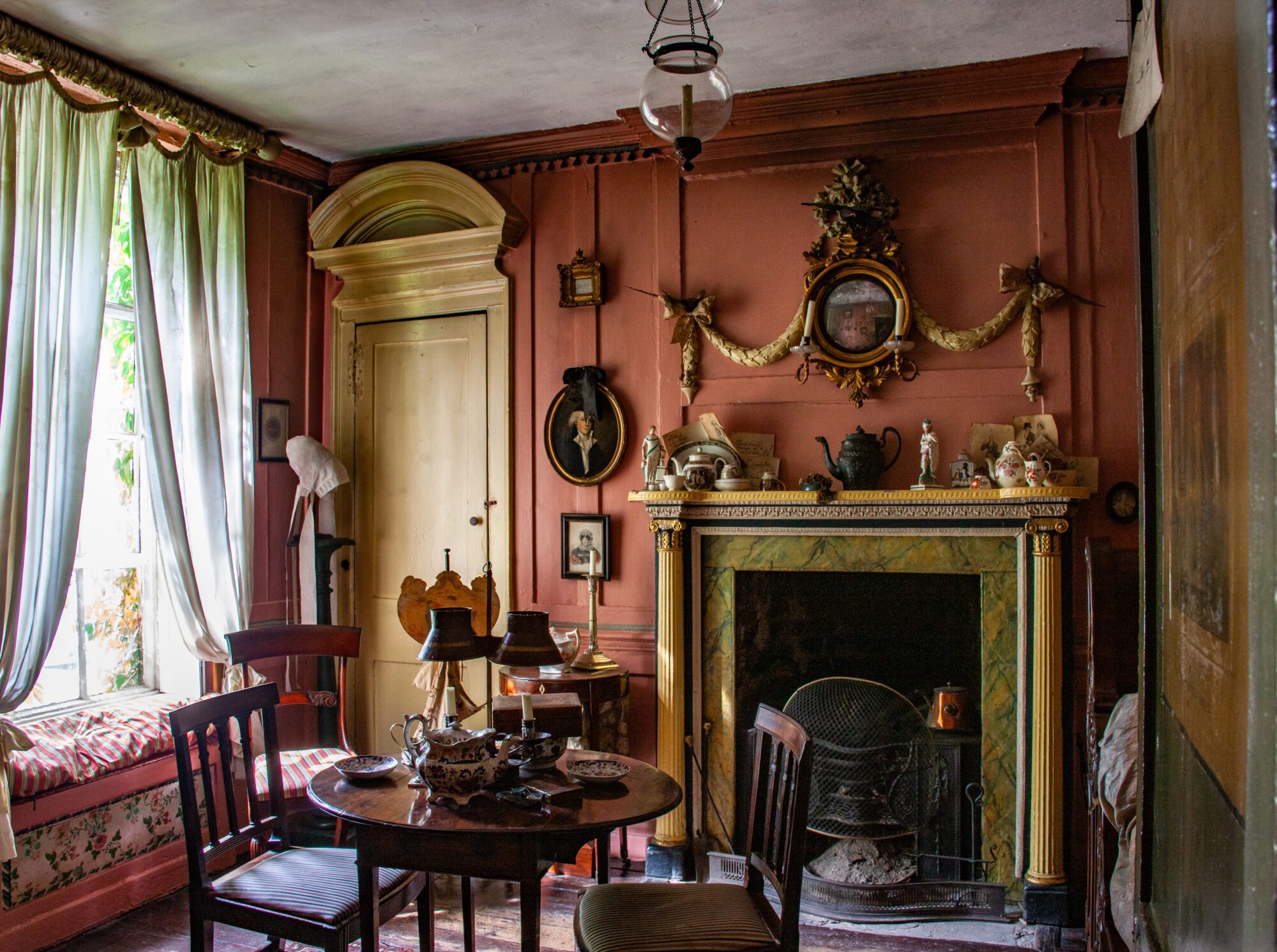
He bought the brick George I terraced house in 1979 with the goal not of restoring it, but of bringing it to life. He began sleeping in each of the house’s ten rooms to uncover their spirit and determine what they should become. He then set out to create what he called a “collection of atmospheres.” In 1980, just one year after purchasing the house, he opened its doors to the public and began telling the story of the imaginary Huguenot silk merchant family.
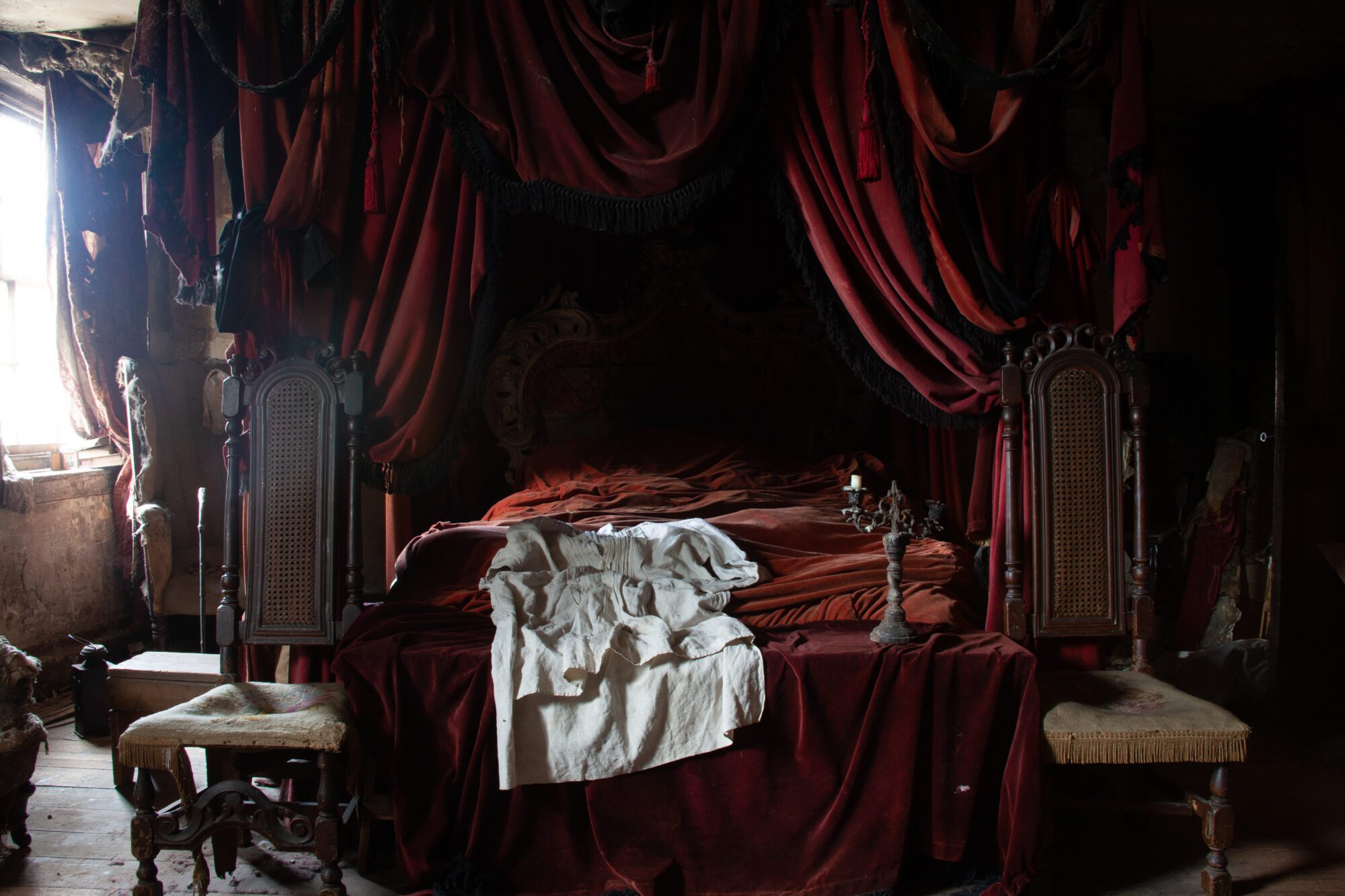
From then on, the house became woven into the fabric of Spitalfields and London at large, with Dennis often giving tours himself, famously instructing visitors, “Feel, don’t think; look, don’t speak… open yourself to the experience you are going to have.” Sadly, Dennis passed away in 1999 at the age of 51. The museum was then acquired by the Spitalfields Trust, which continues to own and operate the house today.
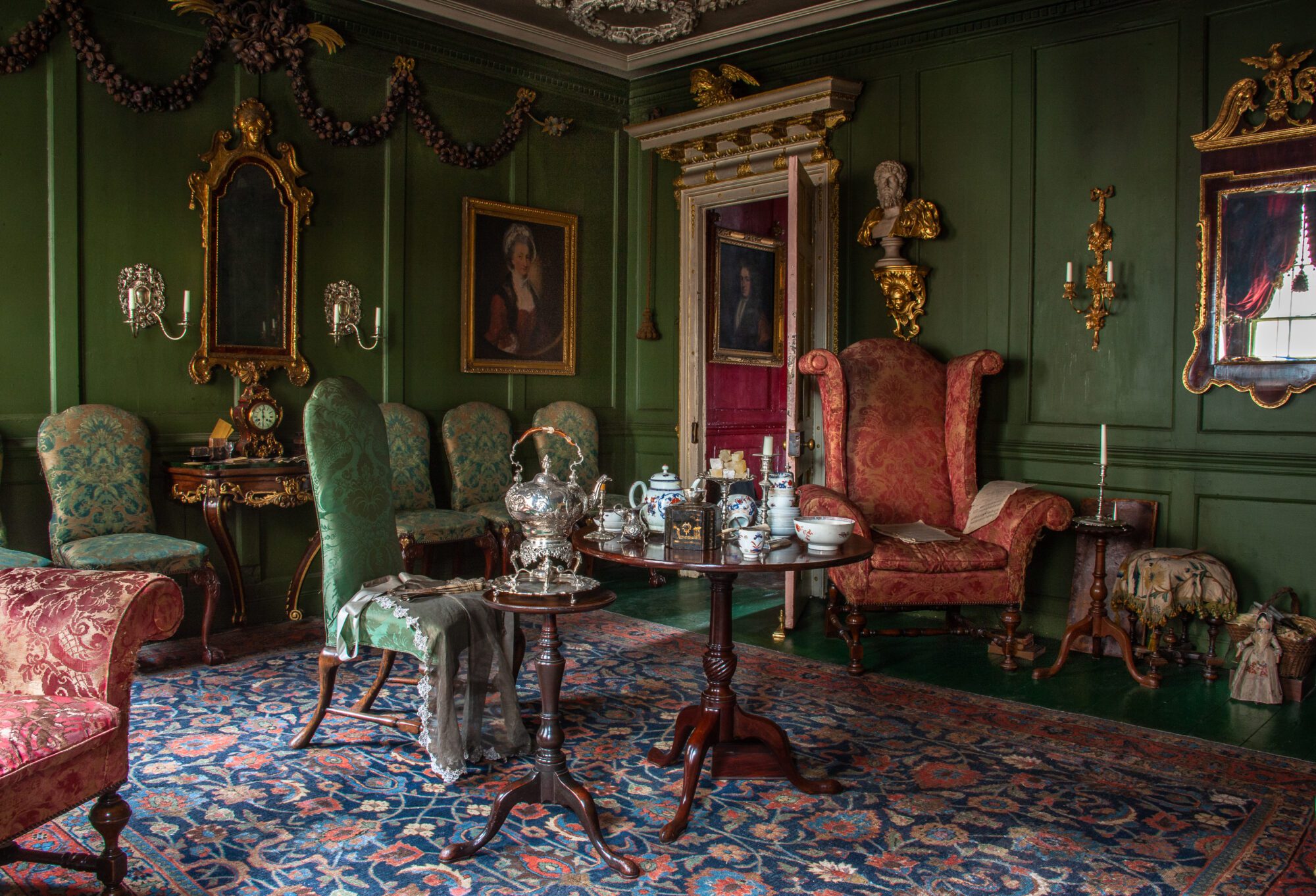
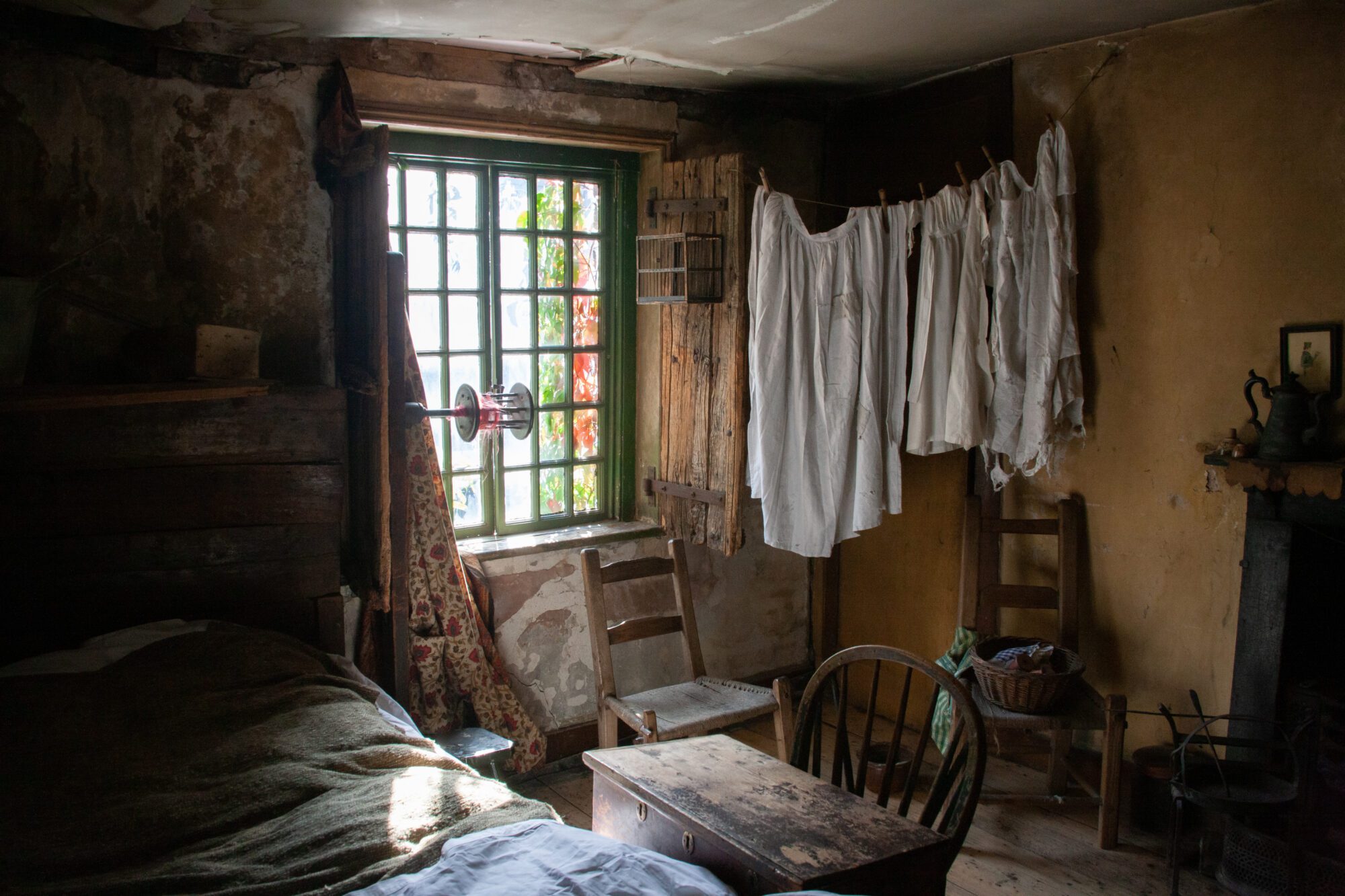
Visiting the museum is a sensory experience like no other. Guests enter under the directive of silence, allowing the cleverly hidden sounds of domestic life to bring the house to life. Lit exclusively by candlelight and the glow of fireplaces, the house feels as if the imagined Huguenot family has just stepped out—or may be lingering in the next room.
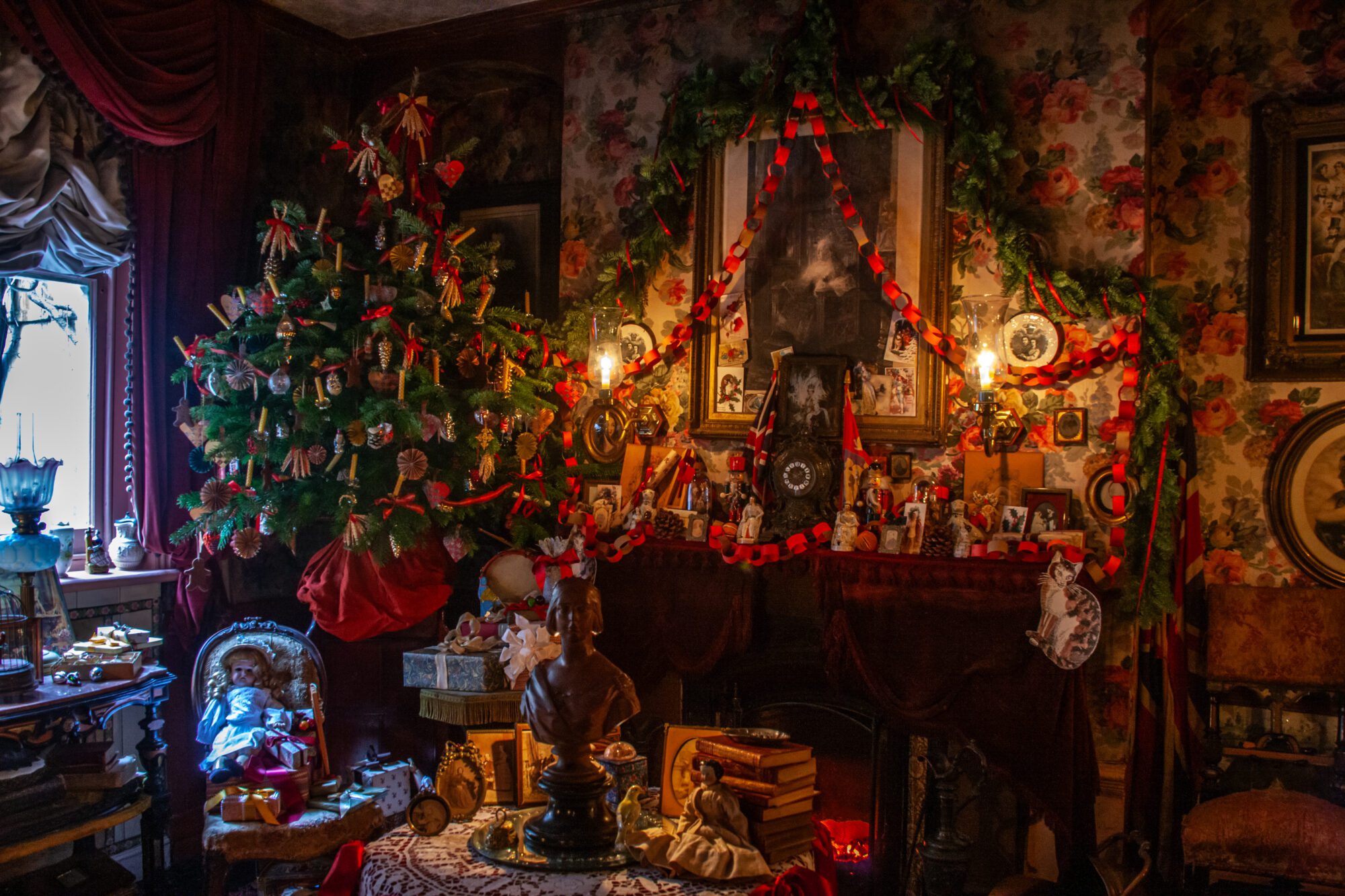
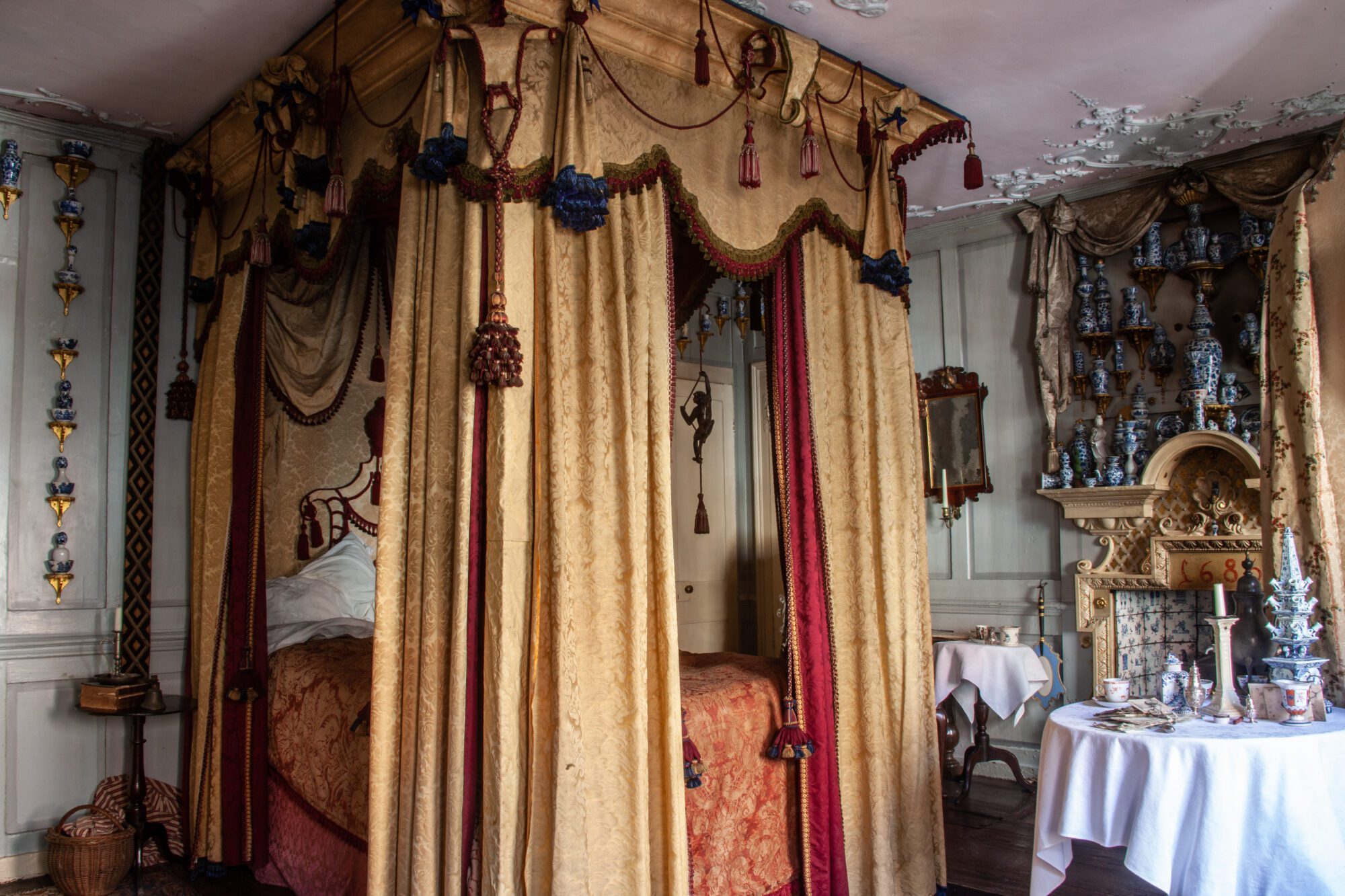
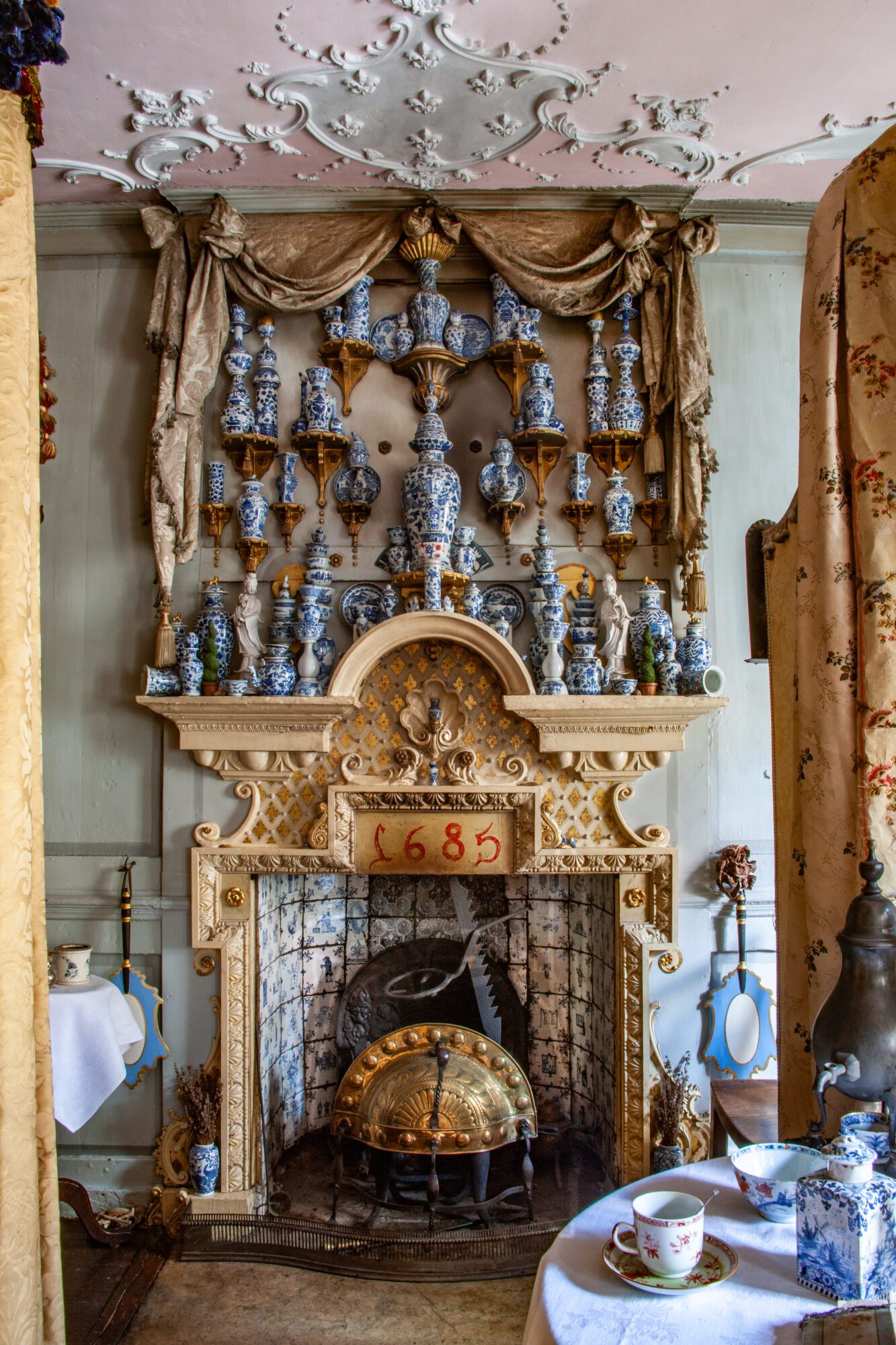
Unlike so many house museums that feel meticulously preserved, sometimes to the point of sterility, Dennis Severs’ House is a masterpiece of patina and atmosphere. Every room feels profoundly lived-in, its carefully curated details unfolding like frames from a period film, each glance capturing a scene suspended in time. Perhaps the most enchanting is the light blue bedroom, where a grand canopied bed draped in tassels commands the space, while blue and white ceramics line the opposing wall, flickering in the candlelight.
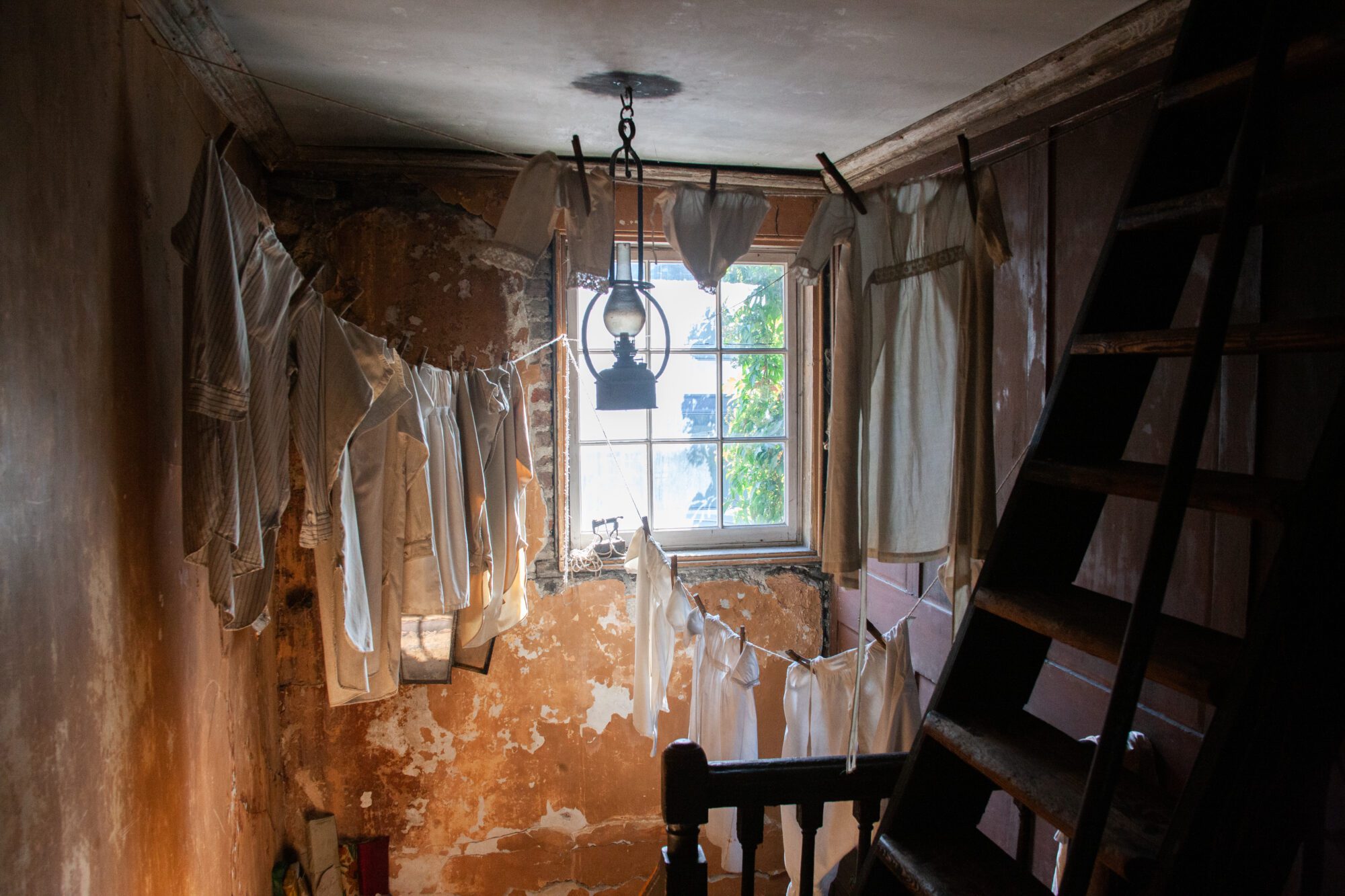
The house’s deliberate staging draws visitors into its illusion, with sagging ceilings on the top floor suggesting a descent from the affluence of Huguenot silk merchants to the squalor of a Victorian slum. Each room shifts in mood and atmosphere, charting not just the imagined family’s fortunes but the layered history of Spitalfields itself.
True to Severs’ vision, the house remains free of electricity, aside for one electrical extension for the small gift shop tucked in the back. Adding to the magic is house manager Mick Pedroli who continues to meticulously reset each scene daily for visitors, just as Dennis would have.
Historical accuracy takes a backseat to storytelling, and that’s precisely what makes the experience so extraordinary. To step into Dennis Severs’ House is to surrender to another time, another world.
You can learn more about Dennis Severs’ House here, follow @dennissevershouse on Instagram, and be certain to pay visit to this gem next time you’re in London.
x Natalie