


Written by Natalie Aldridge.
A few weeks ago, I found myself wandering Ham House, tucked along the banks of the Thames in Richmond, and it took exactly one minute, maybe less, for me to fall head over heels. I had seen photos before and read bits about its history, but nothing prepared me for the intricacies of the interiors, the impressive yet manageable scale, and the stunning grounds.
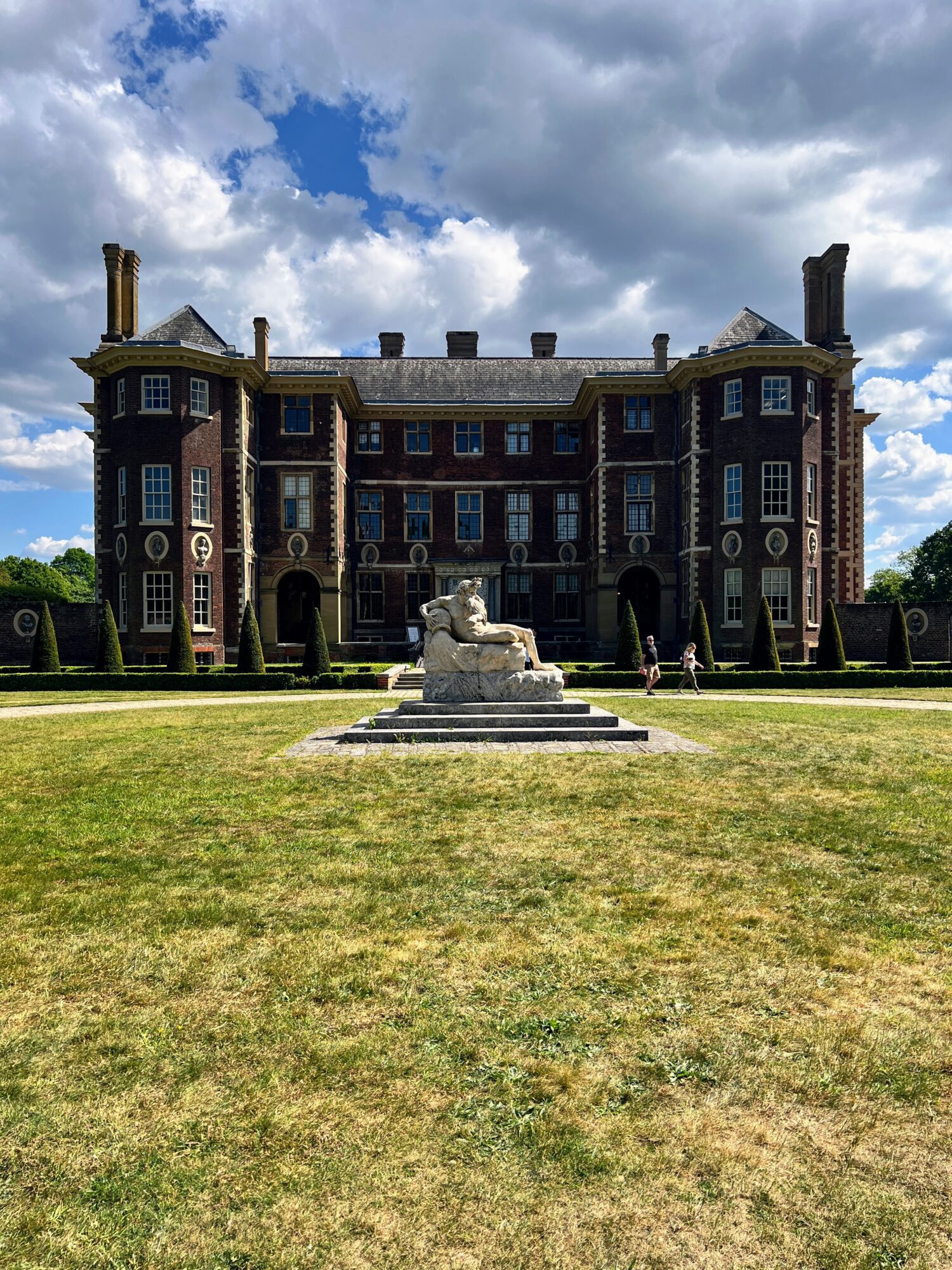
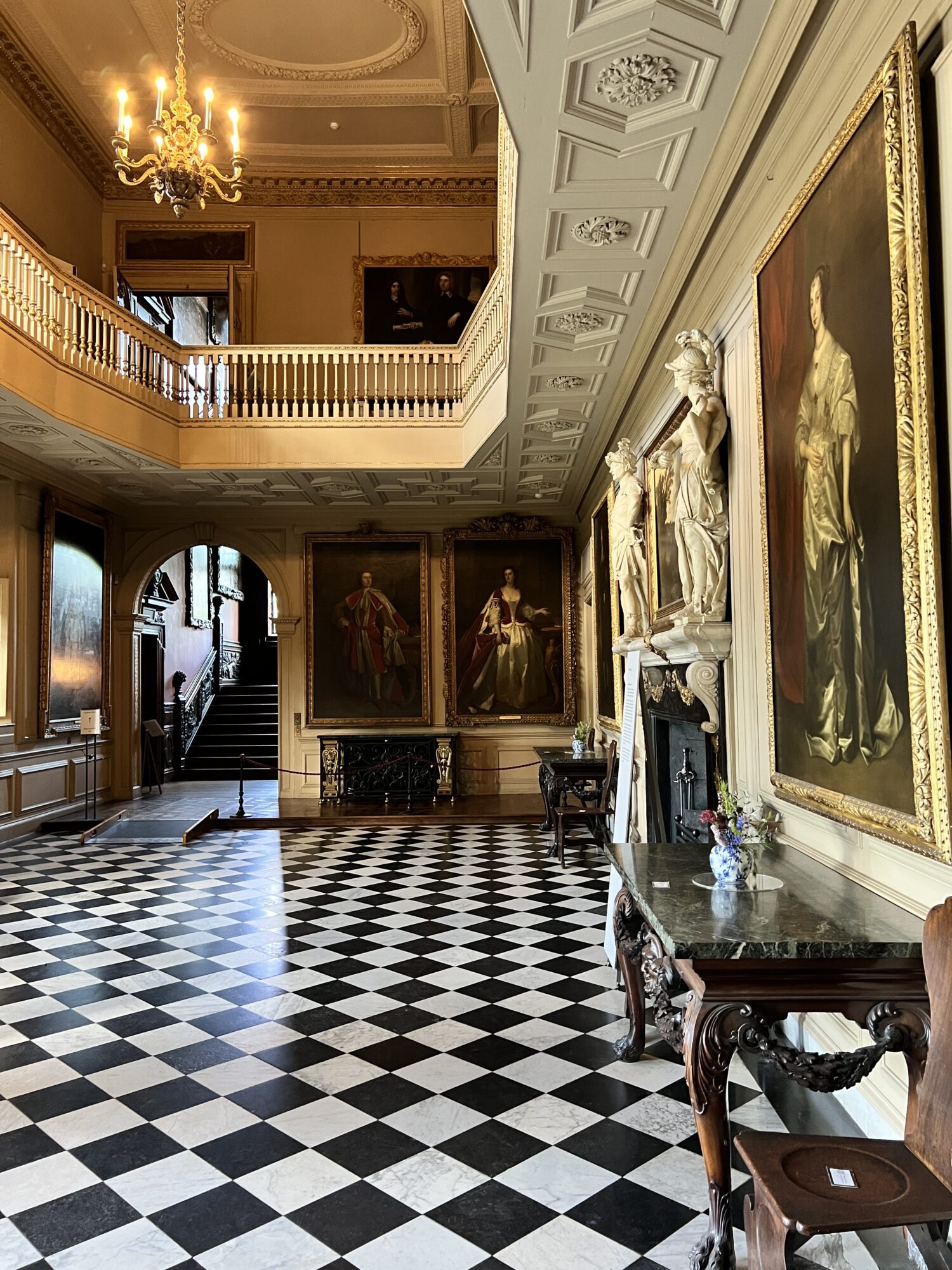

Originally built in 1610 for Sir Thomas Vavasour, a courtier to King James I, Ham House would later pass into the hands of William Murray, a trusted confidant of Charles I. But it was Murray’s daughter, the formidable Elizabeth, Duchess of Lauderdale, who transformed the house into a true jewel. A woman of intellect, ambition, and impeccable taste, Elizabeth expanded Ham House in the 1670s into one of the grandest and most fashionable homes in England. Every detail was considered, from richly gilded moldings and lacquered surfaces to ornate carvings and one of the first indoor bathrooms in Britain, discreetly installed in the basement. It was the height of baroque innovation and luxury.
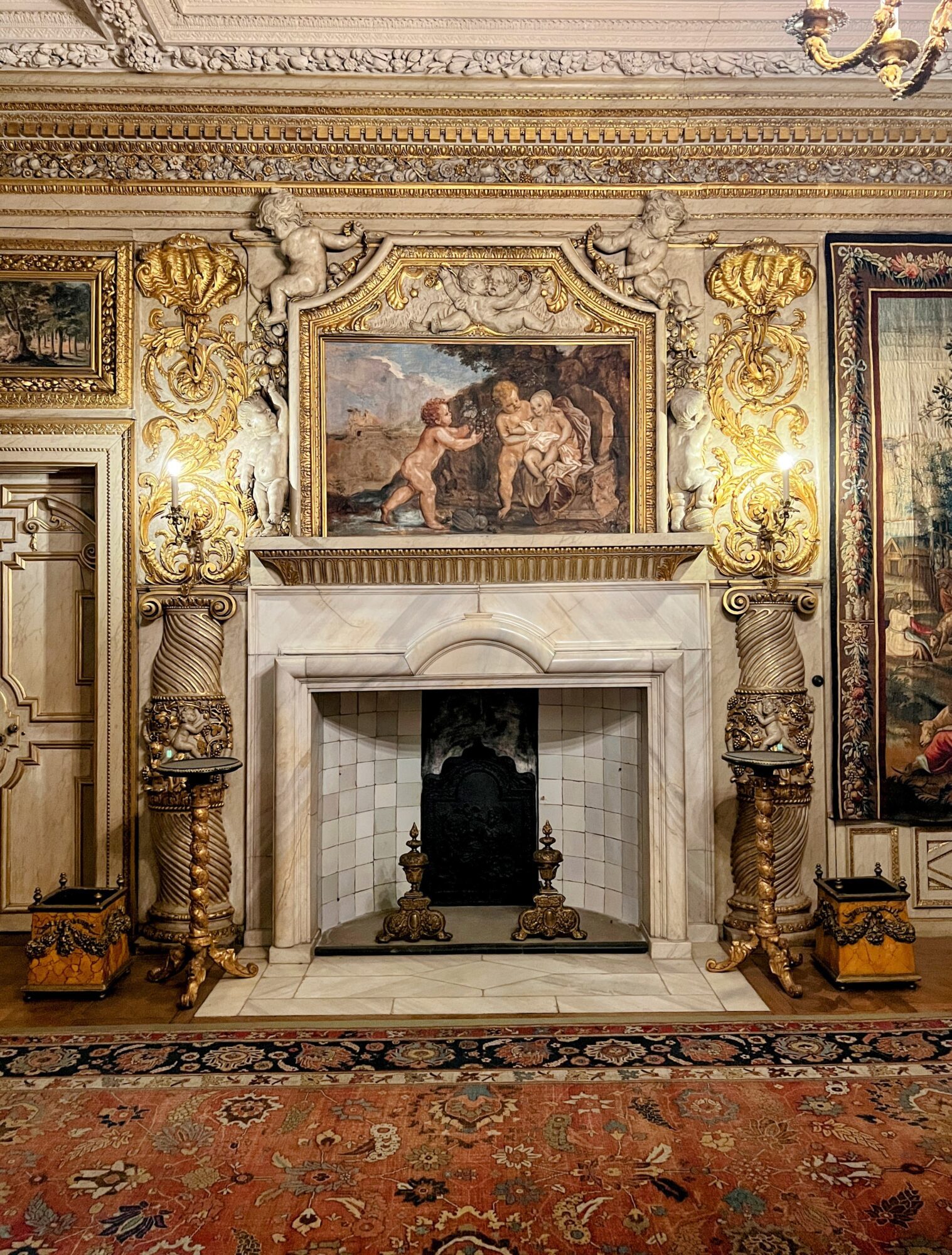
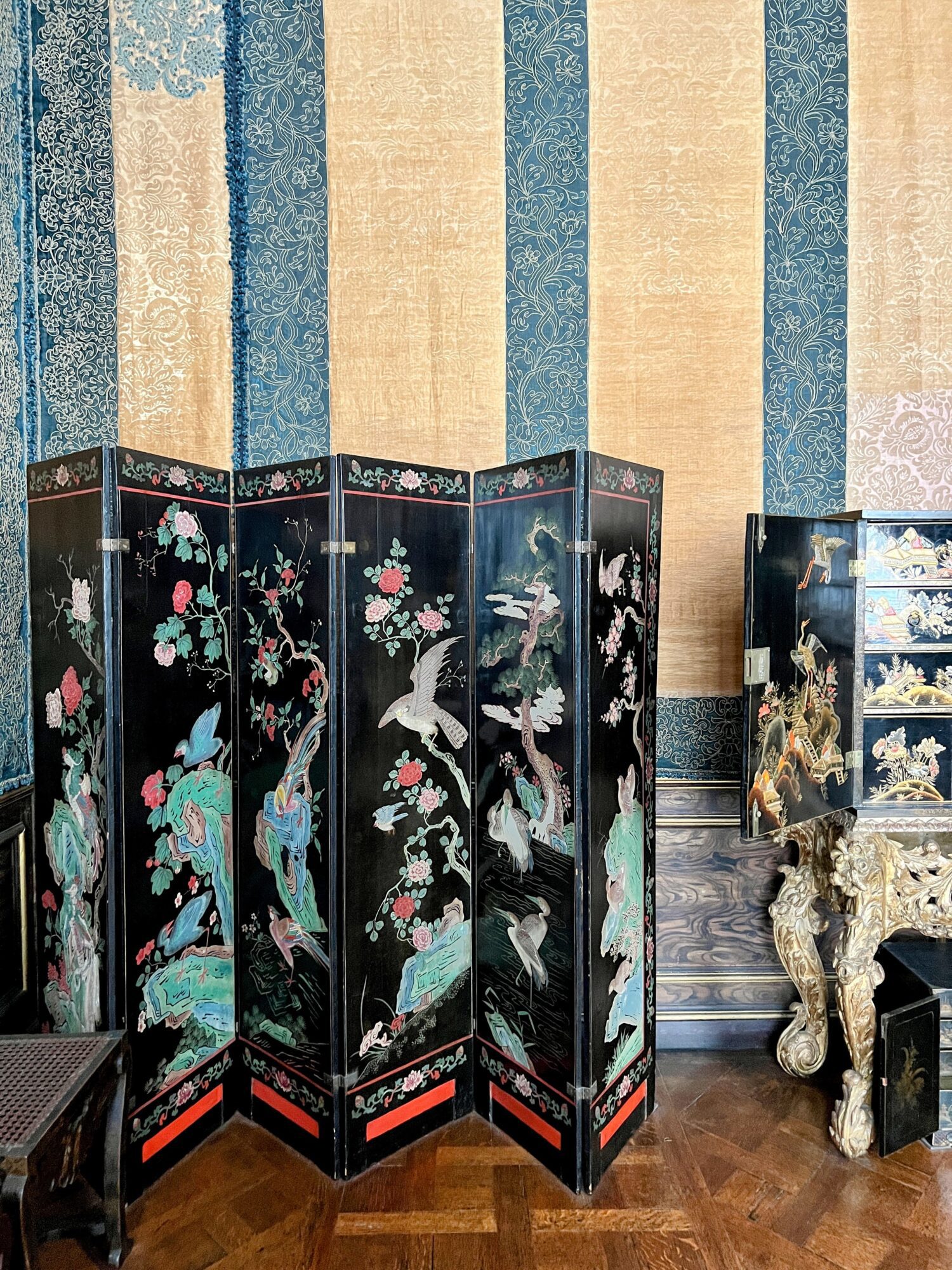


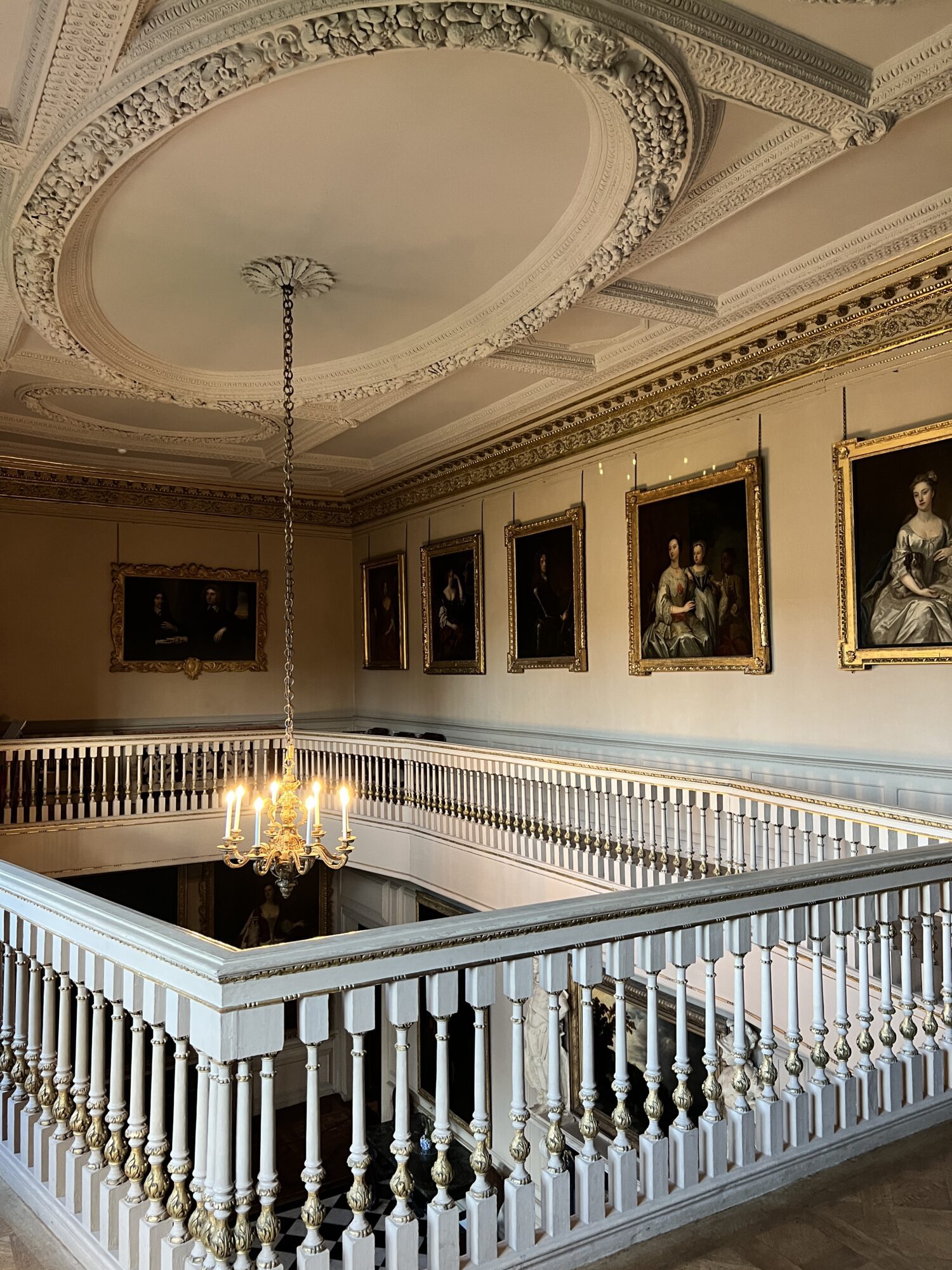
The Great Hall sets the tone for the rest of the home with its bold checkerboard marble floor and soaring circular gallery, creating a sense of processional drama. Beyond, the Queen’s Apartments are nothing short of exquisite. Ceilings painted by Antonio Verrio float above walls adorned with maritime scenes by Van de Velde, while furnishings in ivory, giltwood, and hand-embroidered silk lend the rooms a delicate opulence. Every inch of Ham House speaks to a life lived beautifully and intentionally, where interiors were designed not just to impress but to reflect a cultivated and creative mind.

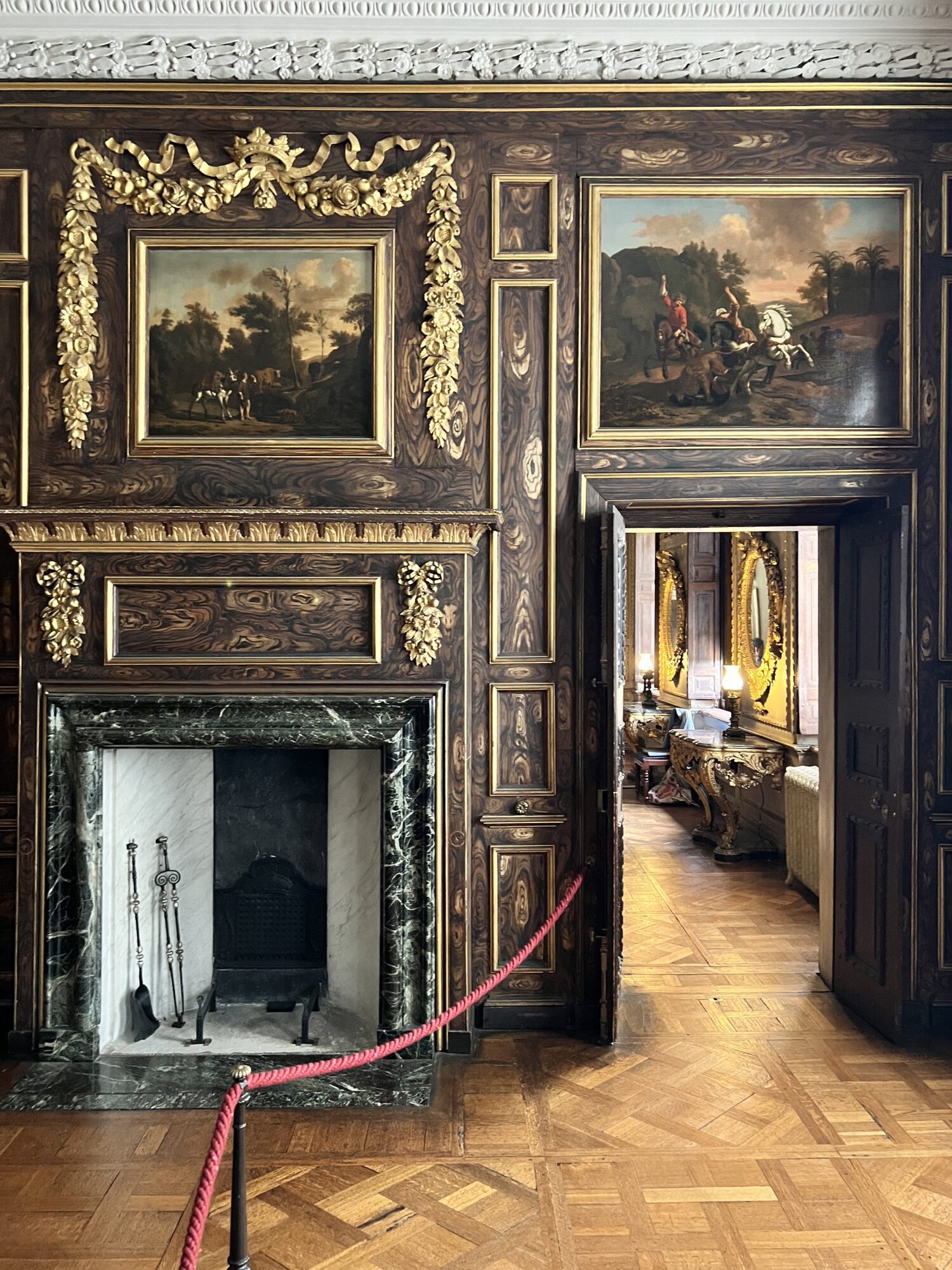
 From the embossed leather on the walls, allegory painted on the ceiling, and wild roses tumbling through clipped box outside, it is maximalism with manners and a hint of restraint, rich in texture, thought, and legacy. But for me, the most enchanting space was the Library, lined with cedar shelves and so weighted with books that it once threatened to collapse the floor beneath it. That somehow felt like the most glamorous fact of all, a house nearly undone by the weight of its own intellect. Small but mighty, this little library is all-enveloping and felt like a space I’d like to spend hours reading in.


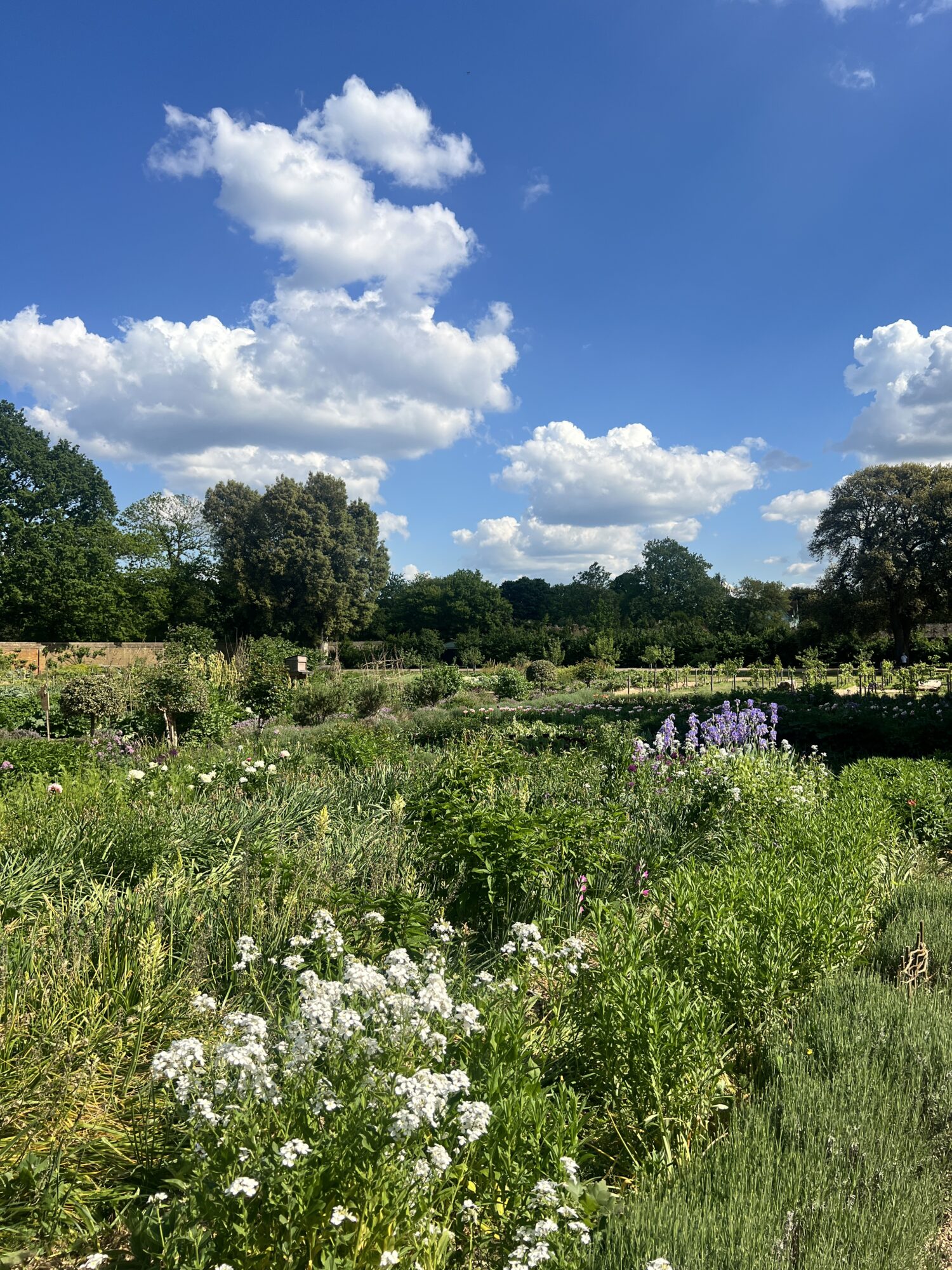
And then there are the gardens. Oh, the gardens. Laid out in formal baroque fashion with axial walkways, clipped hedges, and fountains, stretching all the way toward the Thames. I strolled them on a beautiful Sunday afternoon and felt as if I’d stepped into a painting or perhaps a dream.
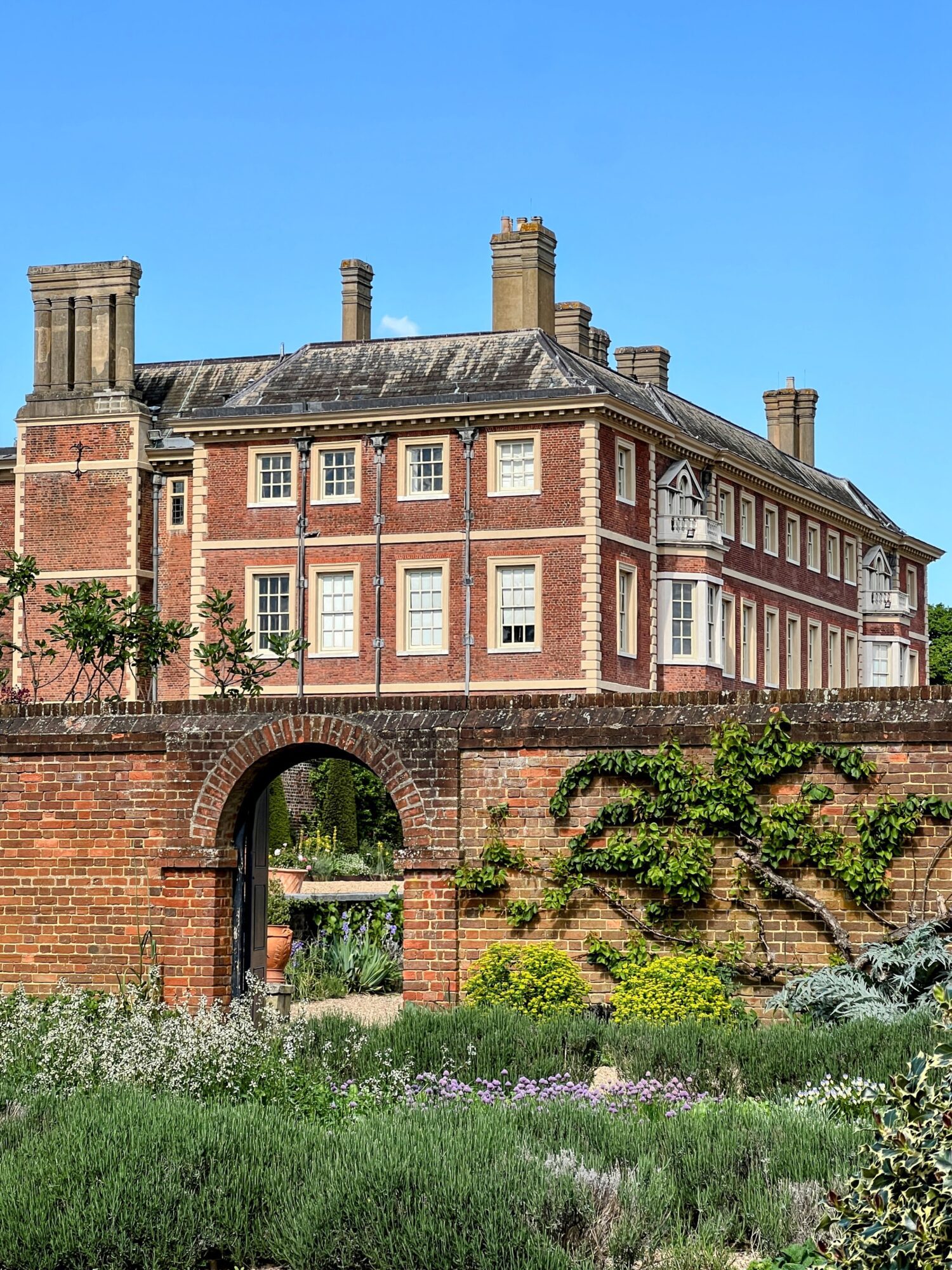
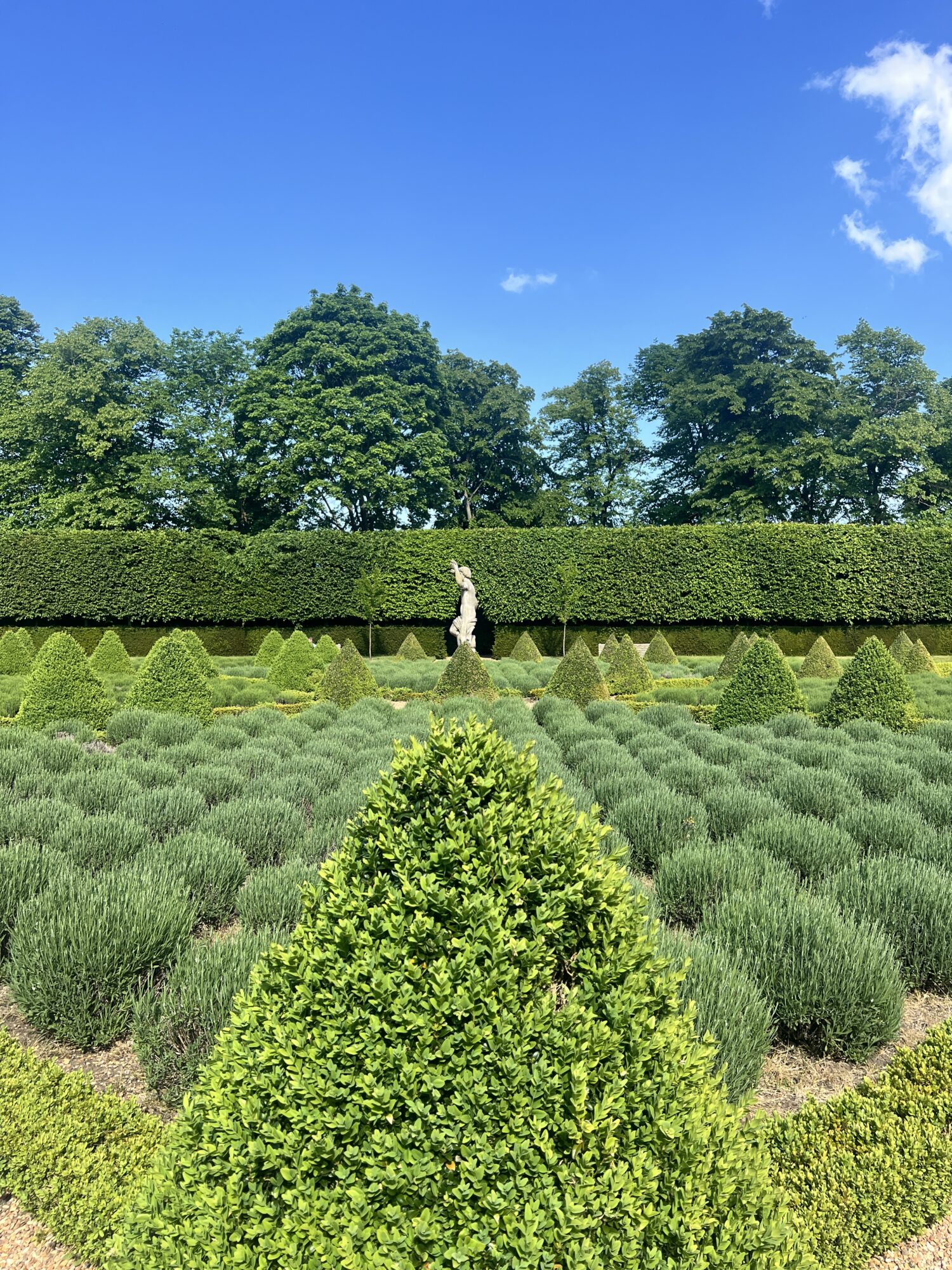 What makes Ham House so extraordinary is how intact it remains. Unlike so many stately homes that were reimagined to suit Victorian or Edwardian tastes, Ham is still very much a 17th-century creation. It is a rare time capsule of life, where the whispers of duchesses and poets still seem to echo through the corridors.
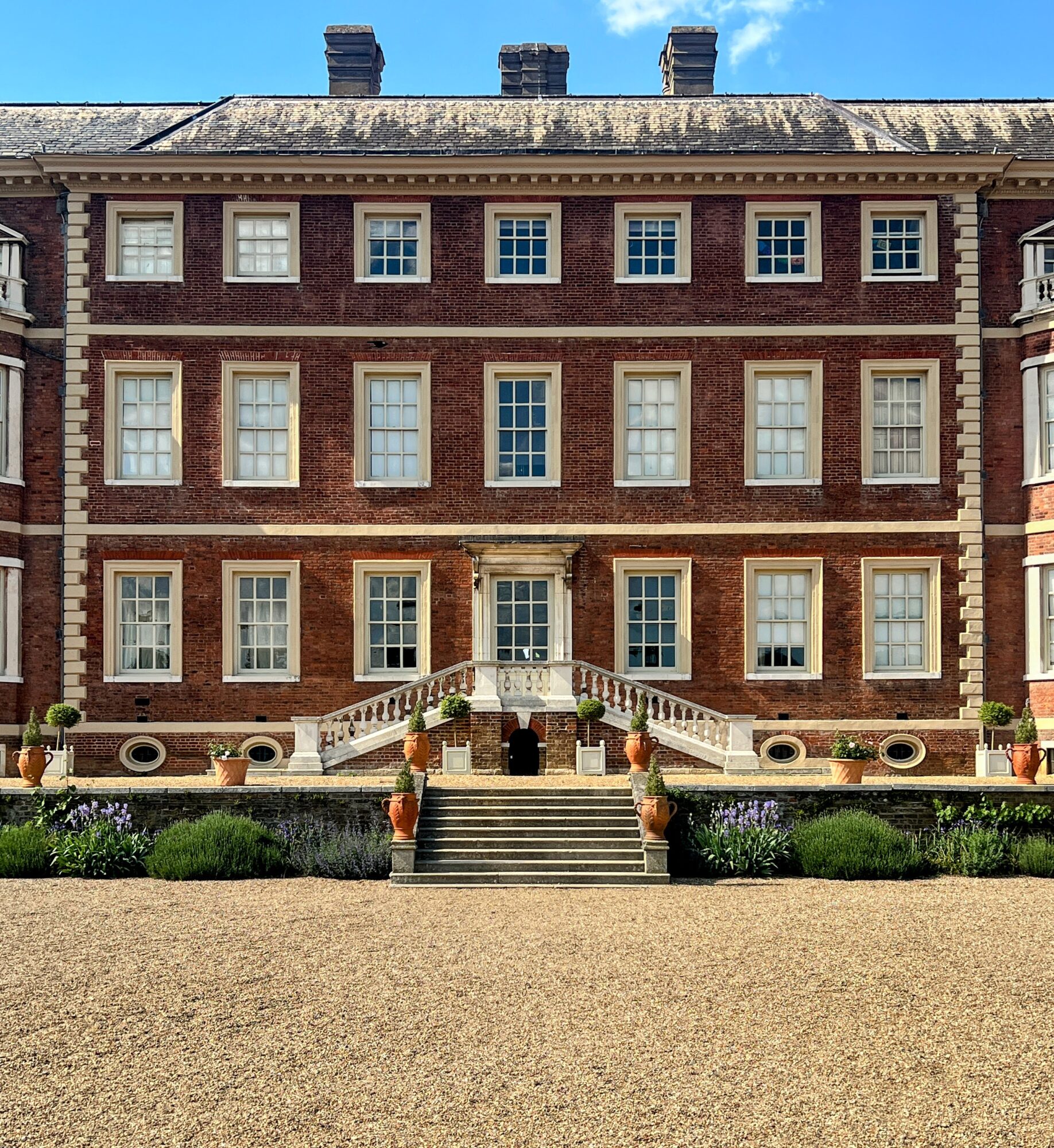
Ham House reminded me that historic homes don’t have to feel like mausoleums to the past. When well preserved, they pulse with the personalities who once lived there. It’s hard to truly capture the beauty and historic energy of Ham House through photographs, which is why it should certainly be on your list of London to-dos.
To learn more about Ham House, visit The National Trust here.
x Natalie
Follow TGP on Instagram: @theglampad
Follow Natalie on Instagram: @natalieealdridge


Thanks for sharing Ham House and gardens with us. It is amazing that no one has renovated.
What a nice surprise! I’m visiting Ham House next week.