

7 Newly Released Books for the Anglophile
Country Life, the quintessential English magazine, announced that “the English Look is Back” on the cover of their April issue. The feature reported, “There are now signs that a new generation is finding inspiration in English design… and is reinterpreting our own decorative heritage in a way that is relevant to the 21st century.” I could not agree more. Pick up any current shelter magazine or scroll through Instagram, and it is impossible to deny that English style is hotter than ever!
As a book lover and collector, I look forward each season to covering my favorite new releases. This fall, I was delighted to learn of seven extraordinary new books perfect for the Anglophile. The world has fallen back in love with English style! Today we will review the following new releases:
- Equestrian Life: From Riding Houses to Country Estates
- The Country House: Past, Present, Future: Great Houses of The British Isles
- Buckingham Palace: The Interiors
- Modern Monarchy: The British Royal Family Today
- The Rebirth of an English Country House: St Giles House
- Nina Campbell Interior Decoration: Elegance and Ease
- Veere Grenney: A Point of View
With the holiday season upon us, these books are excellent gift ideas for just about anyone on your list… or for yourself! All images and summaries are courtesy of Rizzoli.
Equestrian Life: From Riding Houses to Country Estates
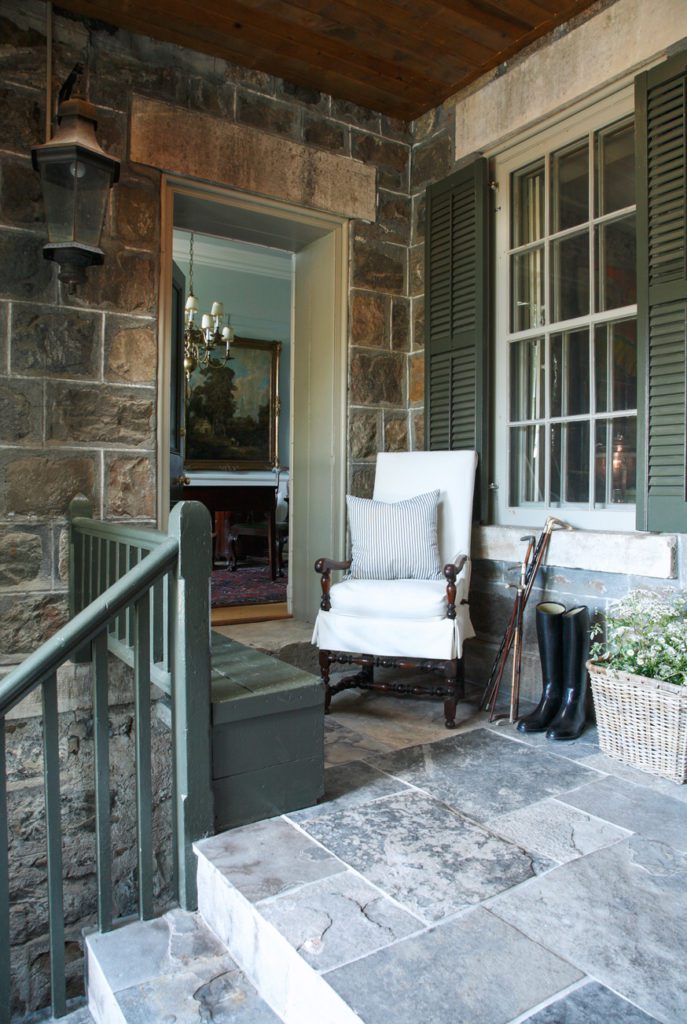
A beautiful style book celebrating the equestrian life and upscale country living in England, Scotland and Ireland that combines high style elegance with all the signature elements of an equestrian-centered life such as tack rooms; trophy and portrait rooms; coach houses, stables, and wood-paneled libraries.
A visual study of the equestrian lifestyle, showcasing stables and interiors of country houses and estates of the British Isles and Ireland. Often situated on idyllic grounds these houses boast classical interiors with a traditional décor, which continues to inspire home and lifestyle brands worldwide. Centuries-old residences belonging to owners of polo ponies; magnificent thoroughbreds; hunt horses; and carriage teams are included in this extensive and lavishly illustration collection. From Royal Mews and stately homes with stables and barns to polo clubs and stud farms the photography showcases the best of the British Isle’s diverse equine homes and is a must-have for any equestrian or traditional interiors enthusiast.
Photographed by Mark Roskams, Text by Lavinia Branca Snyder, Foreword by Lord Patrick Beresford


The Country House: Past, Present, Future: Great Houses of The British Isles
From Brideshead to Downton Abbey, the country house is a subject of fantasy and curiosity, as well as a rich resource to explore the history of great architecture and decoration and the lives of landowners and those who made the houses work. With hundreds of photographs from the National Trust, and others from public and private collections, this visually lavish volume draws back the curtain on important historic homes in England, Wales, Scotland, and Ireland. At the same time it reveals the complex stories of these interiors, both grand and hidden, from great halls, libraries and entryways to the kitchens and stables and gardens. Locations featured include Knole, Cragside, Castle Howard, Chatsworth, Polesden Lacey, Petworth, Bodiam Castle, Blenheim, Longleat, and dozens more.
An insightful essay by renowned British author and historian David Cannadine explores how the idea of the country house has changed over the past forty years. Additional essays reflect on how changing twentieth century values have impacted the country house, with contributions by writers and scholars such as Sarah Callander-Beckett on the private house, Dr. Madge Dresser on slavery and the country house, and Dr. Oliver Cox on the ‘Downton Abbey ‘effect.’ The texts are woven around extensive picture essays, introduced and curated by country house specialist Jeremy Musson, which look at the identity and image of British country houses of all kinds and the stories they contain.
Written by Jeremy Musson and David Cannadine, Contribution by The Royal Oak Foundation, Foreword by Tim Parker and Lynne Rickabaugh


Buckingham Palace: The Interiors
Interior designer and artist Ashley Hicks presents his photographs and description of the interior design of Buckingham Palace, home of Britain’s royal family since 1837. An important representation of Regency, Victorian, and Edwardian styles, the palace is the work of such noted architects as John Nash and Sir Aston Webb. Hicks records the formal spaces with vibrancy, capturing the magnificent rooms furnished with treasures from the Royal Collection.
Starting at the Grand Staircase, Hicks leads us through the state rooms, which include the White Drawing Room and the Blue Drawing Room that both overlook the palace gardens; the Ballroom, which is the setting for twenty investiture ceremonies each year; and the Throne Room, used by Queen Victoria for spectacular costume balls in the 1840s. The long, skylit Picture Gallery is hung with important works of art from the Royal Collection by Rembrandt van Rijn, Peter Paul Rubens, Nicolas Poussin, Anthony van Dyck, Johannes Vermeer, and Canaletto, among others. Decorative furnishings from George IV’s exotic Brighton Pavilion lend a fanciful turn to many of the rooms.
Written by Ashley Hicks


Modern Monarchy: The British Royal Family Today
Photographer Chris Jackson has been by the Royal family’s side on domestic visits and overseas tours for the past fifteen years, resulting in an unparalleled photographic archive of the evolving British Royal family. Occupying a front-row seat to history, Jackson’s assignments have taken him to the four corners of the Earth to document the extraordinary breadth and devotion of the Royals to causes such as cancer research, mental health, and HIV awareness in Africa.
In his own words in captions and texts, he reveals the magic as well as the logistics of what it’s like to photograph the Royal family. The result is this unique collection of photographs of the modern British Royal Family the archive of this multi-award winning Royal Photographer and current Royal Photographer of the Year.
From the modern-day fairy tale of the Duke and Duchess of Cambridge’s wedding to the births of Prince George and Princess Charlotte and their soon-to-be new sibling to Prince Harry and Meghan Markle’s historic marriage to countless Royal tours in between, this book presents the British Monarchy and Queen Elizabeth II, its most enduring icon, through the lens of one of its most trusted photographers. Whether it’s Prince George’s first day of school, the Duchess of Cambridge playing cricket in Mumbai, or the Invictus Games, Jackson records moments both large and small with a warmth and sincerity that has made him a media standout. Organized by theme, from State Occasions to Charity works to a typical year in the Royal Diary, this book celebrates fifteen years of the Royals in intimate portraits of a singular family’s role on the world stage at a unique moment in time.
Written by Chris Jackson, Foreword by Michael Pritchard


The Rebirth of an English Country House: St Giles House
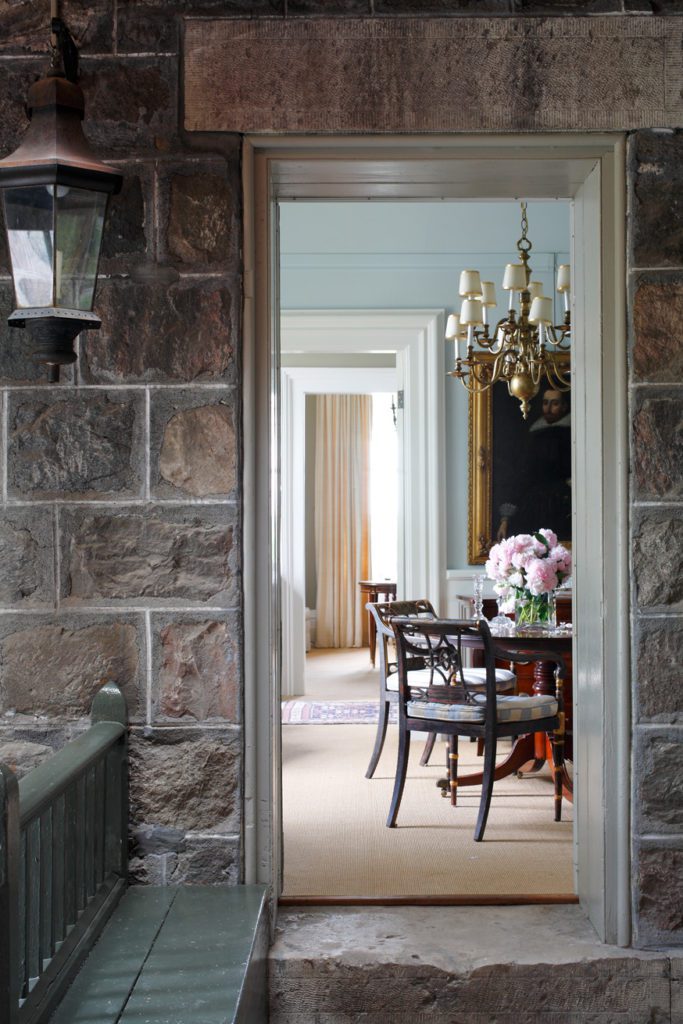
The brilliantly restored St. Giles House, in the idyllic Dorset countryside, offers high-point Georgian architecture and interiors that bridge many historical styles.
The 12th Earl of Shaftesbury, 39-year-old Nicholas Ashley-Cooper, invites the reader into the house that his family has called home since the fifteenth century. In recent years, his award-winning restoration has brought the house back to life, transforming exquisite spaces that honor the past while being suited to twenty-first-century living. English country-house splendor, through the hands of some of the world’s top artisans and craftspeople, returns to the house in the form of re-created wallpapers, customized paints, revived furniture from the Georgian and Victorian periods, reworked antique Brussels tapestries, restored plasterwork and textiles, and a complete overhaul of the landscape, with its sunken garden, woodlands, avenue of beeches, lake, and shell-encrusted grotto.
With stories of noteworthy architecture, beautiful interiors, and centuries of a single family’s involvement in British and world history, this book will appeal to devotees of country living, the aristocratic life, historic houses, and English interior design.
Written by Tim Knox and The Earl of Shaftesbury, Photographed by Justin Barton, Introduction by Nick Ashley-Cooper and Jenny Chesher


Veere Grenney: A Point of View
The first book from AD100 designer Veere Grenney—the master of streamlined, glamorous, classical rooms with an English touch—eloquently explores not only the hows but also the whys of decorating.
Featuring thirty years of acclaimed interiors, paired with thoughtful advice and packaged with a real cloth case and mixed paper stocks, A Point of View is a rich album of Grenney’s decorating work, from London townhouses to Long Island estates, with multiple images per page. Organized by room, these chapters feature Grenney’s room-by-room decorating philosophy for entrances, living rooms, dining rooms, bedrooms, and kitchens, and explore thematic topics such as Englishness and composition and balance. Grenney also shares his own story, from his early years on the ’70s London design scene to starting his own firm, from his first flat in London to his renovation of David Hicks’ former house, the Temple, to his new holiday house in Tangier. There is also a chapter on the iconic designers who have inspired him. Whether it’s a country house or an urbane apartment, Grenney’s world is one of settled calm and welcoming comfort, where there are always generous fireplaces to sit in front of, billiard rooms and stone-flagged passages, and utility rooms where boots and coats are stored; grandeur and modesty side by side. This book is a must for Anglophiles and design lovers.
Written by Veere Grenney, Photographed by David Oliver, Foreword by Hamish Bowles, Text by Ruth Guilding


Nina Campbell Interior Decoration: Elegance and Ease
For comfortable and stylish interiors, look no further than Nina Campbell, the doyenne of English interior design today. Rooms with sophisticated color combinations, tailored upholstery, whimsical antiques, and unquestionable ease—motifs that are uniquely Campbell’s but that also echo her early influences working with legend John Fowler.
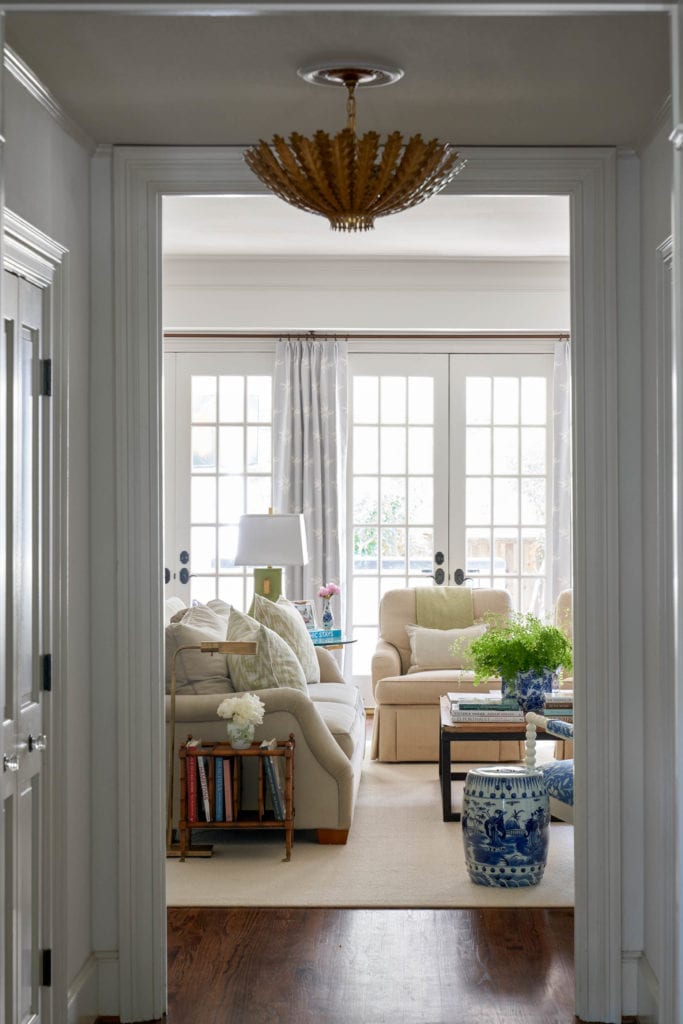
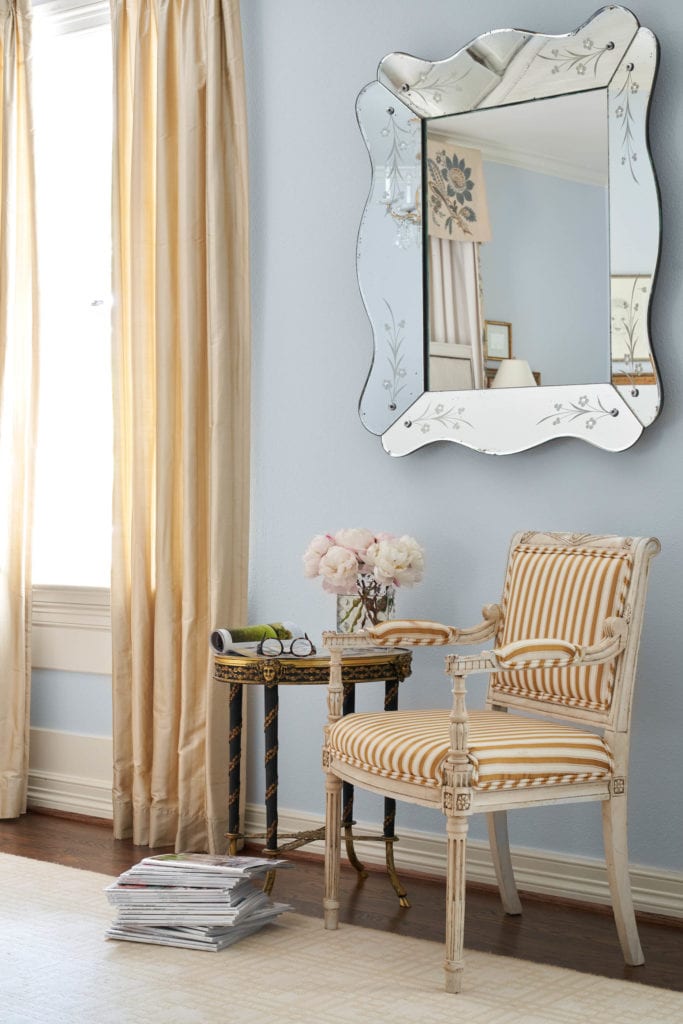
Nina Campbell’s almost fifty-year career exemplifies the best of English interior design. Campbell imparts her design wisdom through a biography of her career and recent decorating projects, sharing tips and secrets of the trade. A selection of the designer’s own London residences outlines her experimentations and passions—from pared-back grandeur to bold plays of scale and modern use of texture and color. A survey of Nina’s high-profile commissions completed in the last five years demonstrates how she employs the key principles of her design aesthetic in a variety of contexts, from prestigious addresses in London and New York, a pied-à-terre in Rome, and a retreat in the English countryside to a historic German hotel, a viewing pavilion at the Ascot, and a Los Angeles bedroom suite. The running theme is how Campbell has taken the tenets of classic English style and uses them to create a style germane to the twenty-first century.
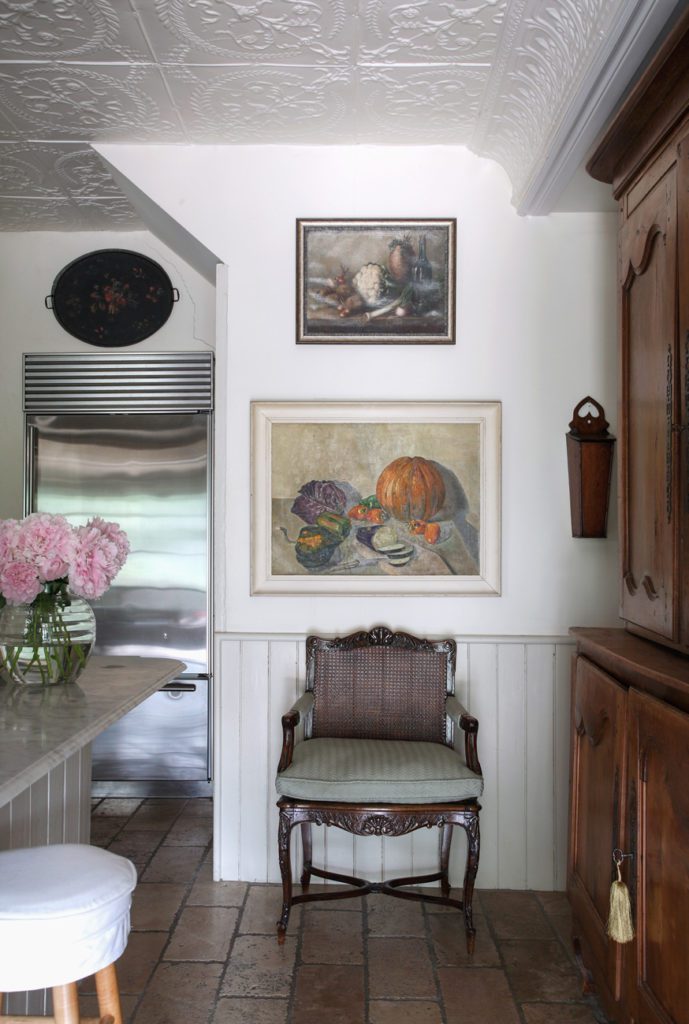
This book is for people who love English design, one of the most enduring decorating styles of the past fifty years—traditional interiors with vibrant colors, luxurious textiles, pared-down elegance, and, above all, true comfort. A necessary addition to design libraries on masters of the field.
Written by Giles Kime, Foreword by Carolina Herrera, Photographed by Paul Raeside


For more of my favorite book recommendations, please visit my Book Store. Happy reading!
Manners from the Manor: Holiday Etiquette
It’s the most wonderful time of the year! The holiday season can be a lot of fun starting with Thanksgiving dinner, followed by holiday parties and gifts to give and receive, but there are a number of situations that can arise where knowing the proper etiquette can come in handy. Myka Meyer, founder of Beaumont Etiquette and creator of The Plaza Finishing Program, is joining us today for the finale of our “Manners from the Manor” series to discuss holiday etiquette.
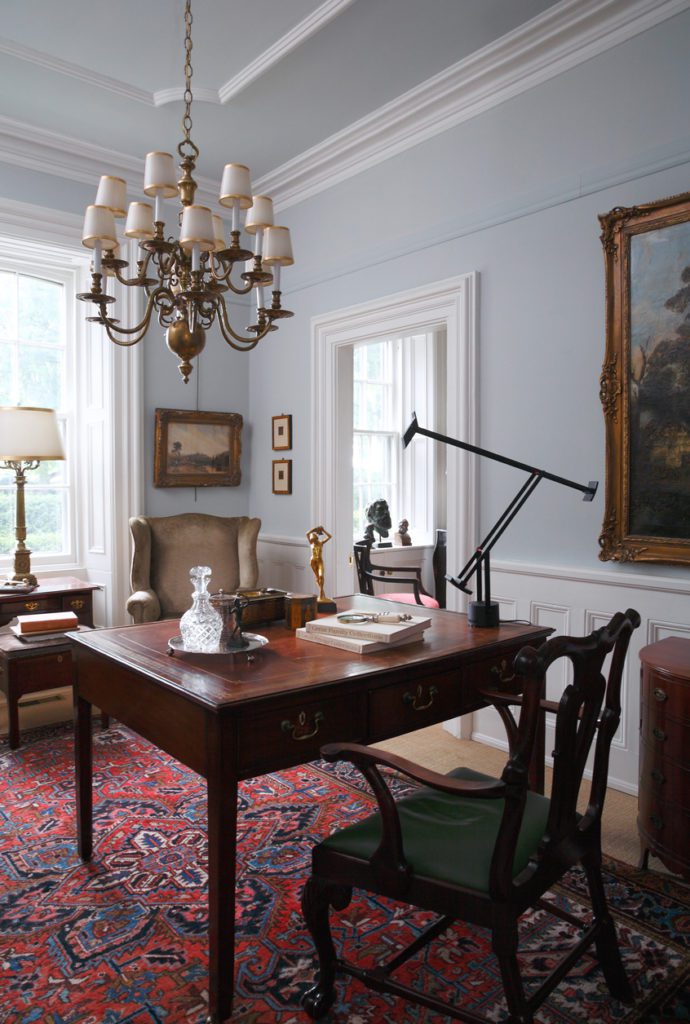
Below Myka is sharing her list of tips for holiday hosts and hostesses, as well as advice on how to be a gracious guest. Myka has also answered some of the most frequently asked questions she gets every holiday season on holiday gift giving and receiving. Welcome, Myka!

Holiday Etiquette by Myka Meier
(images via @mykameier)
Tips for a Gracious Host or Hostess:
When guests RSVP, ask them if they have any food allergies or dietary restrictions. Make sure there are plenty of dishes to accommodate anyone’s dietary needs.
For larger holiday dinner parties, it’s okay to set your place settings and table decor at least one day in advance of your party. By setting the table in advance, you can focus on food preparation on the day of the event.
Ensure that your table’s décor, including flowers and candles, do not block the view across the table and therefore make conversation between guests difficult.
Try to prepare as many dishes as you can ahead of your guest arrivals. This way you are able to entertain as they arrive and not rushing in and out of the kitchen to check on the meal. We suggest having some light hors d’oeuvres and drinks to serve when guests arrive, as they’ll be hungry when they arrive and it may take time to get all the food on the table.
If you have family or friends who can help out, delegate responsibilities to them. For example, have one person responsible for greeting guests, one for taking coats, and one for making sure all guests have a full drink in hand.
The host or hostess should always sit closest to the kitchen in order to be able to access it quickly should a guest need anything.
Be sure to turn off the TV during the meal and put on seasonal music instead. This will help everyone enjoy both the food and the company all the more.
Be over prepared. Thanksgiving tends to be an over indulgent holiday. Plan for plenty of food and drinks if possible, so that if someone wants a second helping you can graciously serve it to them.
If you wish to say a prayer or toast do so before you begin the meal, and make sure the host or hostess initiates it.
Speak to and engage all of your guests. A gracious host or hostess will make sure everyone at the table is happy, comfortable and feels welcome. If guests don’t know one another, be sure to introduce them before they are all seated at the table.
Clear the table before putting desserts on the table, and if possible set fresh silverware for the dessert.
If you think you’ll have leftovers after Thanksgiving dinner, a nice gesture is to have disposable boxes ready to send guests home with. Write on the front of a label what the content is and on the back of the label when it was prepared so guests know when it may spoil.
It is completely acceptable to have children seated at the adult table or at their own table. If you set a children’s table, make it an extension of the adult table so they feel included. Typically, if there are one or two children they should sit with the adults at the main table. If there are more than two children, having a children’s table is a nice way to let them have their own space. You can set arts and craft activities for them such as writing what they are thankful for or decorating their placemat.

Tips for a Guest:
One should arrive at an event at someone’s home between the time listed on the invitation and 20 minutes after. Do not arrive early as the host or hostess is most likely putting last minute touches on various elements of the party. When you arrive, offer to help the host or hostess in any way you can.
If you have food allergies or dietary restrictions, do notify your host or hostess when you RSVP.
It’s likely your host or hostess has spent hours if not days preparing. Show respect, enthusiasm, and mirror their effort by dressing in the spirit of the holiday!
Before you take a seat at the dining table, ask if seats are assigned. There may be a seating chart that the host or hostess has organized.
If the host or hostess gives a toast, it’s a lovely idea to give a thank you toast. You can compliment the chef and thanking him or her for the amazing day. When you make a toast, be sure to stand and when your toast is over raise your glass to the table. This signals to the other guests that you are done and is a celebratory gesture to drink in honor of the person you are toasting.
Do not overstay your welcome. Plan to stay around 30-45 minutes after dessert and coffee are served. The host or hostess will be exhausted from cooking and entertaining and probably has quite a bit of cleaning and organizing to do after the meal. Always be sure to offer to help clear the table.
Thank-you letters are very important! Within two days of the day of the party, mail a handwritten thank-you letter thanking your host for the lovely day.

Are hostess gifts always required?
It is always appropriate to bring a gift to someone’s home. The host may tell you not to bring anything, but they won’t refuse your thoughtful gesture once you arrive at their home. A hostess gift can be a small item, such as a candle, home-baked goods or a set of decorative cocktail napkins.

Do you have to give a gift to everyone at the office?
A nice gesture to the entire office would be to bring something everyone can enjoy, such as a basket of baked goods. If your office decides to give gifts in a Secret Santa or White Elephant format, which would ensure that everyone received a present, each person is responsible for purchasing one gift.
If you decide to give holiday gifts to a few people at the office make sure it’s done privately so you don’t hurt anyone’s feelings.
And make sure you send a handwritten thank-you note to anyone who gave you a gift.
How long do you have to send a thank-you note? / When is a thank-you note required?
A thank-you note for a gift should go out within a week of the day you received it. If you forget, however, always better late than never. To determine if you should send a handwritten thank-you note or an email, I recommend matching the formality of the gift you received to the form of thank you you send. For instance, if someone brings in baked goods for the office, then an email thank you is appropriate. However, if you are given a personalized gift, to reciprocate the thought of that gift, I would send a handwritten thank-you note.

What should you do when someone gives you a gift and you don’t have anything for them in return?
If this situation happens you should not draw attention to the fact that you don’t have a gift for them. Instead focus on showing the person who has gifted you a present gratitude. If you felt the need or desire to you can always send a gift to them at a later date.
Are you required to reciprocate if someone gives expensive or over the top gifts?
The thought is the most important part of gift giving. A beautiful photo in a frame or a handcrafted item by you can be great options that don’t cost a lot of money but are very thoughtful. The best type of gift is one that evokes positive emotion.
Should you give a gift to someone spending the holidays with you, even if you may not traditionally buy a gift for?
I would recommend giving a gift to someone who is staying with you over the holidays. Chances are they will have a present for you, but it’s also a thoughtful gesture during the festive season.
Is it ever okay to give a cash gift?
A gift card is a more tactful way to give a monetary gift. Find a retailer or experience, such as a restaurant or a spa that the person would use and appreciate to show that you put thought into shopping for them.
Is it ever okay to re-gift?
I would not recommend re-gifting because if it is ever discovered the person who gave you the gift may be offended and hurt. If you decide to re-gift an item because you know someone who would love it and perhaps you already have it, make sure the gift is in its original packaging and is not customized with your name, monogram or other personalized detail.

Here are a list of some gift giving etiquette mistakes you want to avoid:
Not presenting a gift in the right way. You always want to make sure a gift is nicely wrapped, placed in a gift bag with tissue or has a ribbon wrapped around it.
Not giving a gift with a card or gift tag.
Make sure to include a gift receipt if appropriate.
If you’re not sure what someone’s size is you should not give a gift that is size dependent.

Such wonderful tips and reminders as we head into the holiday season. Thank you, Myka, for all of the expertise you have shared over the last six weeks. In our increasingly fast-paced and hectic world, it is so important that we take the time to continually emphasize the importance of etiquette. With her effervescent personality and training under a former member of The Royal Household of Her Majesty the Queen, Myka is the perfect role model for modern manners. To learn more about Myka’s etiquette classes and videos please visit Beaumont Etiquette, and follow @mykameier on Instagram for ongoing information and tips. If you missed any of Myka’s “Manners from the Manor” tips, a recap of our exclusive six-week series is below…
Week 5: Etiquette for Children
Week 6: Holiday Etiquette
New York Splendor: The City’s Most Memorable Rooms
One of my favorite new books released this fall is New York Splendor: The City’s Most Memorable Rooms, published by Rizzoli. It features a glittering tour of some of New York City’s finest residential rooms – past and present. Design authority Wendy Moonan explores many of the city’s best interiors, all selected for their “wow” factor. Some are very grand, others sparingly modern or eclectic. All are exceptional and unforgettable.
The book presents a range of spaces by today’s top designers alongside rooms that no longer exist but are remembered by the design cognoscenti. Groundbreaking interiors include Brooke Astor’s elegant library by Albert Hadley; Gloria Vanderbilt’s sublime patchwork bedroom; Donald Judd’s dramatically spare art-filled loft; fashion designer Adolfo’s opulent uptown rooms; a Peter Marino–designed penthouse atop the Four Seasons hotel; Susan Gutfreund’s own lavish winter garden; and Jamie Drake’s stunning designs for Gracie Mansion, home of the city’s mayor.
Other illustrious interior designers and architects represented in the book include Mario Buatta, Robert Couturier, Albert Hadley, Denning & Fourcade, Mark Hampton, Philip Johnson, Charlotte Moss, Thomas O’Brien, Paul Rudolph, Bunny Williams, Brian J. McCarthy, and Steven Gambrel. This is a book that design lovers and professionals will find inspirational and a joy to peruse.


Author Wendy Moonan has been writing about architecture, design, and antiques for thirty years for outlets including the New York Times, Town & Country, House & Garden, Architectural Digest, and 1stdibs.com. She studied at Wellesley and the Sorbonne, and was a Nieman Fellow at Harvard. Nonetheless, she says she learned more by sitting in the living rooms of connoisseurs, artists, and patrons than anywhere else. The foreword is by Robert A.M. Stern, the founding partner of New York–based Robert A.M. Stern Architects and the former dean of the Yale School of Architecture.
New York Splendor: The City’s Most Memorable Rooms is now available for purchase through Amazon.
Manners from the Manor: 25 Etiquette Lessons Children Should Know by the Age of 10
As the founder of Beaumont Etiquette and creator of The Plaza Finishing Program, Myka Meier teaches etiquette classes at the renowned Plaza New York and across the United States. Boys and girls aged 5-9 are eligible for the Children’s Etiquette Program, which is held in The Plaza’s Eloise Tea Room. The course teaches basic table manners, greeting adults with respect, making friends, and positive body language and eye contact. For the fifth installment of our six-week exclusive “Manners from the Manor” series, today Myka is sharing 25 Etiquette Lessons Children Should Know by the Age of 10. Welcome, Myka!

Children’s Etiquette: Myka Meier
Myka Meier, nicknamed the ‘Real Life Mary Poppins’ by multiple media outlets, teaches kids (starting at age 5) etiquette in both private and group class formats.
“As parents, you wish nothing more than to see your child excel in all they do, and the best way to get ahead is to teach them basic dining and social skills while they’re young. The foundation of etiquette, taught during childhood, is unmatched and considered an investment in your child’s future. It’s never too early to begin etiquette training. Children should begin learning dining etiquette the moment they are able to sit at the dining table. Regardless of personal goals, early childhood etiquette instills basic manners, kindness and respect, social skills and confidence in children.” – Myka Meier

25 Etiquette Lessons Children Should Know by the Age of 10:
- The true meaning of etiquette is always to show respect and kindness to everyone and all living things around you, including people, animals and the environment
- The correct way to hold cutlery
- How to properly use a napkin to wipe your mouth. (Do not use your sleeves!)
- How to set the table
- How to show positive body language
- Never chew with your mouth open
- No elbows on the table … ever!
- Say “Please”, “Thank you” and “Excuse me” every day
- Never interrupt an adult when they are speaking to someone else
- When to use indoor and outdoor voices
- Never comment on someone’s appearance unless it’s to say something nice
- How to give a compliment to someone else
- How to write a thank-you letter and why we do it to show gratitude
- Show compassion and help someone in need
- How to introduce not only yourself, but others properly
- Be aware of positive body language and how to show it
- Never bully others
- Never call an adult by their first name unless the adult instructs you to do so
- Why it’s important to invite someone to join a group if they are by themselves
- Always knock on a door before opening it
- How to dress and groom themselves for nice outings
- How to politely answer a phone
- Why it’s important to make eye contact when speaking to another person
- Do not point or stare
- When sneezing or coughing, always cover your mouth

How to Teach Your Kids:
- Always use positive reinforcement
- Make it fun!
- Always teach children the reason why we do something a certain way: “We open the door for grandma because we want to show her we love her by helping her.”
- It’s never too early to start teaching children etiquette. A toddler may be able to say “please” and “thank you” but if they can’t speak yet, you can start with saying those things yourself to them: “Thank you Jordan for bringing mommy that banana”.
- Teaching children compassion for others is very important in order to have a strong basis for etiquette. It’s important for children to know why we share, what it means to hurt someone’s feelings and why we always want to avoid hurting someone’s feelings.

Courses:
Parents can rent or buy Beaumont Etiquette’s online Children’s Etiquette videos to help teach their children proper table manners.
Beaumont Etiquette offers private courses for children, starting at age 5, with prices starting at $450. To learn more about private programs, email [email protected].

Thank you, Myka, for this wonderful information! For ongoing tips, please follow @mykameier on Instagram, and stay tuned to The Glam Pad for next week’s “Manners from the Manor” finale: Holiday Etiquette. To get caught up on this special series, a recap of weeks 1 – 6 is below…
- Introduction: Meet Myka (09.26.18)
- Week 1: The Duchess Effect (10.03.18)
- Week 2: Dressing Etiquette (10.10.18)
- Week 3: Dining Etiquette (10.19.18)
- Week 4: Afternoon Tea (10.24.18)
- Week 5: Etiquette for Children (10.31.18)
- Week 6: Holiday Etiquette (11.07.18)
Carolyne Roehm’s Design & Style: A Constant Thread
For more than four decades, Carolyne Roehm has been a part of American design culture with an illustrious career spanning the world of fashion, decorative arts, gardening, entertaining, and publishing. Now for the first time, she shares lessons from her life in style – from her small town Missouri childhood to her New York fashion career that began with Oscar de la Renta – in her thirteenth book Design & Style: A Constant Thread. Roehm tells the story of launching, running, and ultimately, closing her own fashion line, and her subsequent reinvention through books, gardening, entertaining, and décor. Through it all, she shows how the constant threads of character and creativity – along with a passion for nature, color, quality, and classicism – have informed her work and style.
Sharing both iconic and never-before-seen photographs, Roehm reveals her creative process through images of her interiors, floral design, and tabletops juxtaposed with stunning photos of herself, her homes, and her clothing to reveal the true source of inspiration behind her style and fashion aesthetic. Design & Style interweaves memoir and universal lifestyle lessons resulting in a truly inspirational book.


Released this month, Design & Style: A Constant Thread, is available via Amazon. Roehm is the author of thirteen books, including Flowers and At Home with Carolyne Roehm, which have cemented her position as one of America’s leading lifestyle experts. She divides time among her homes in Manhattan, Connecticut, and Charleston. To tour her Connecticut home, click here, and for Roehm’s Thanksgiving inspiration, click here.