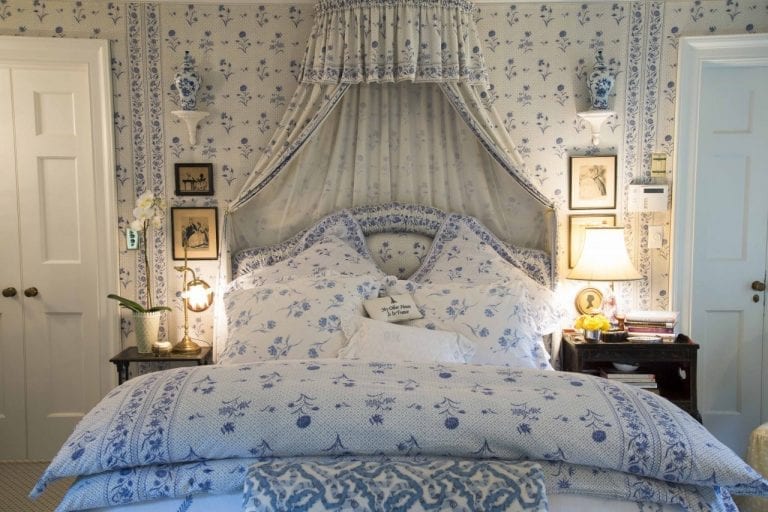
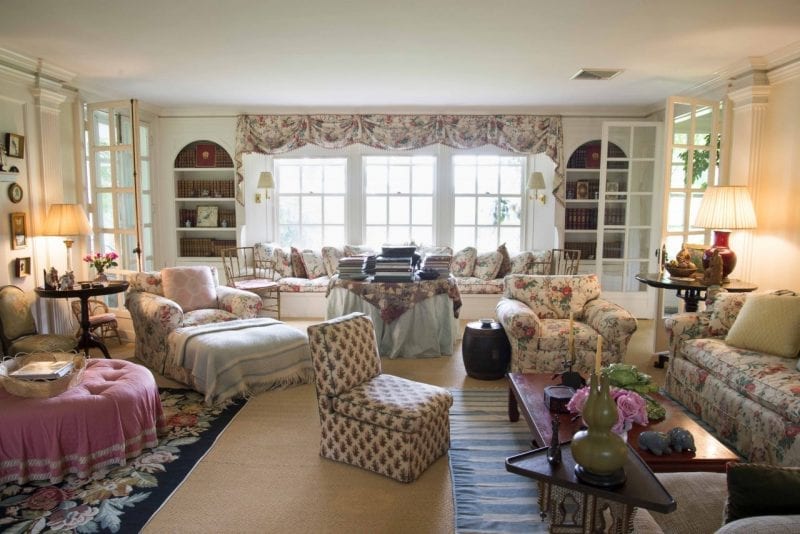
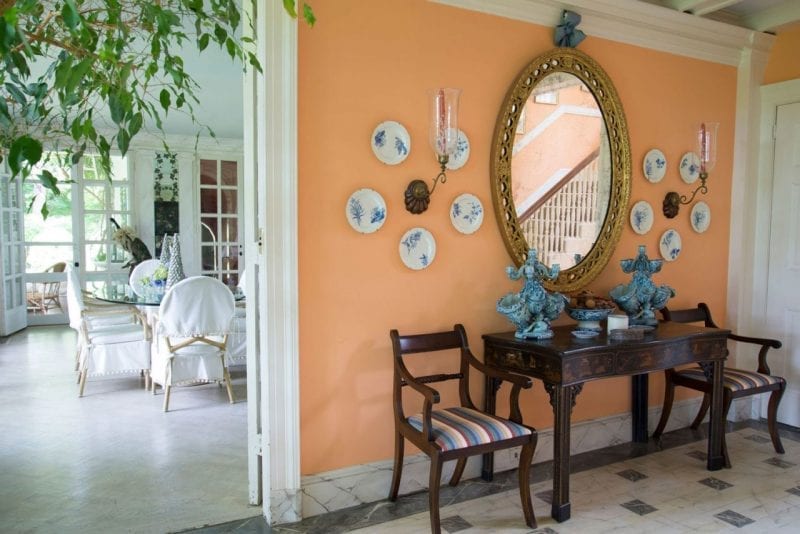
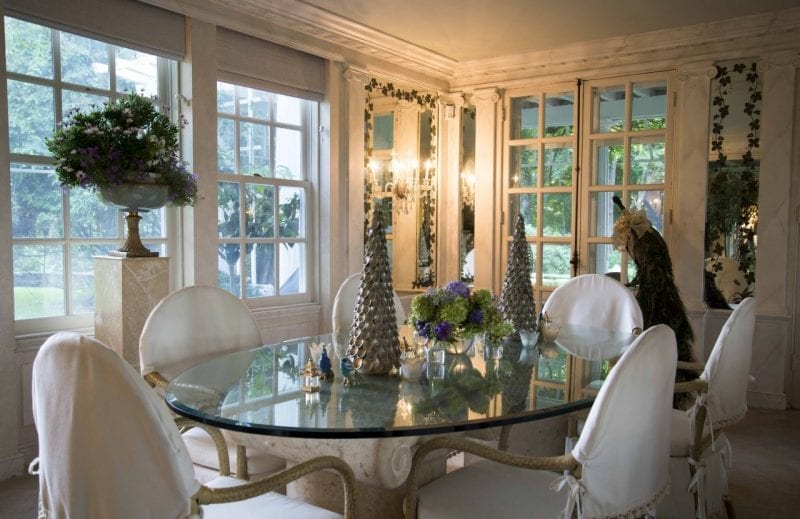
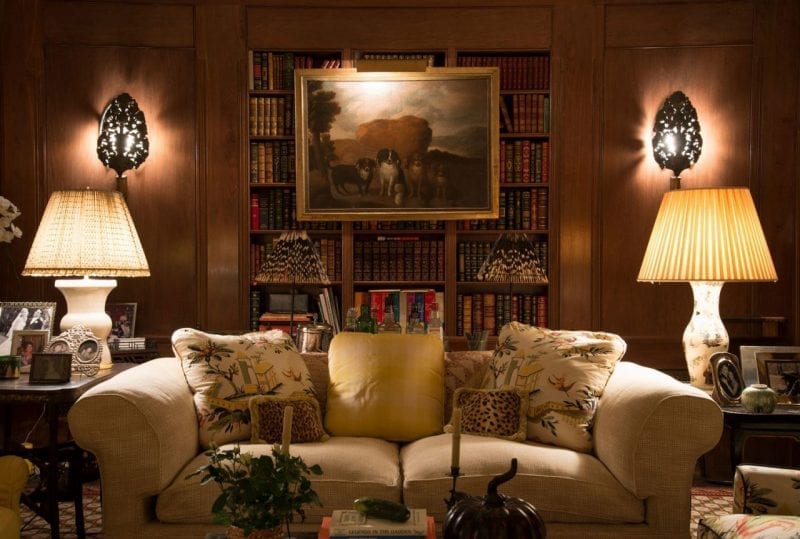
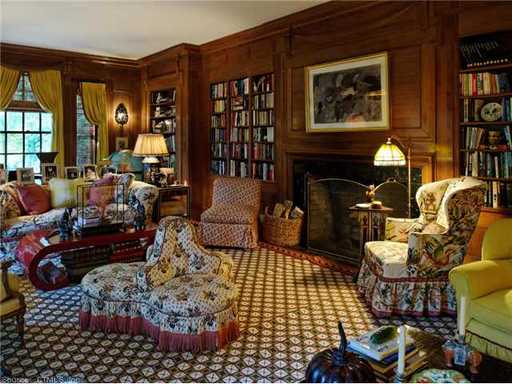
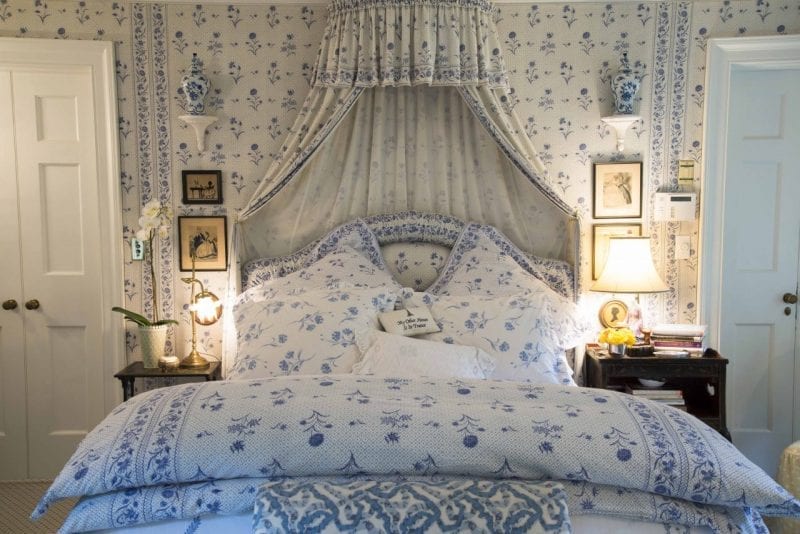
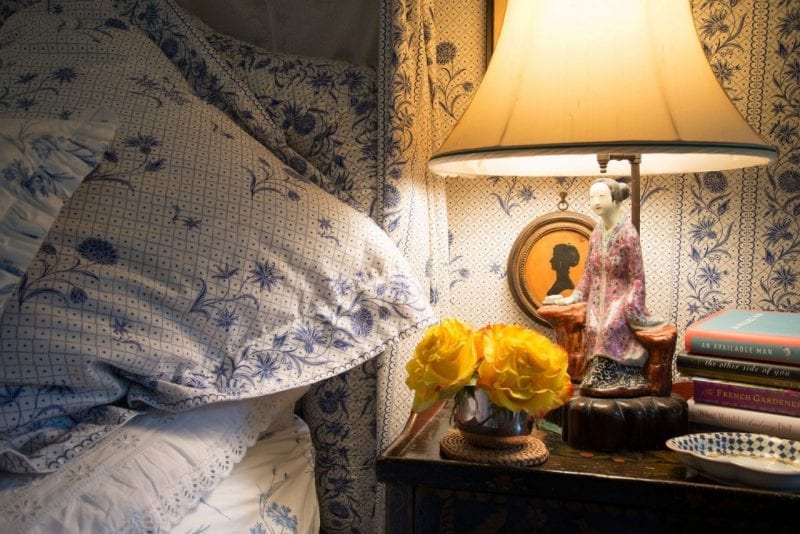
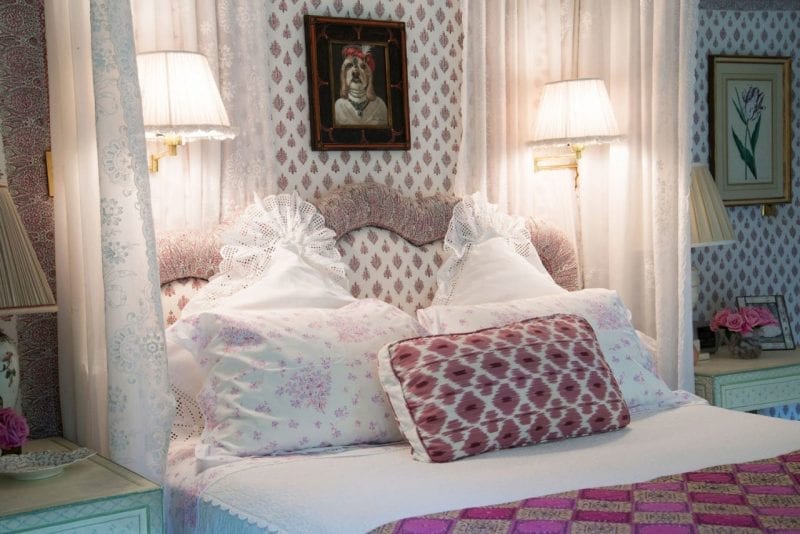
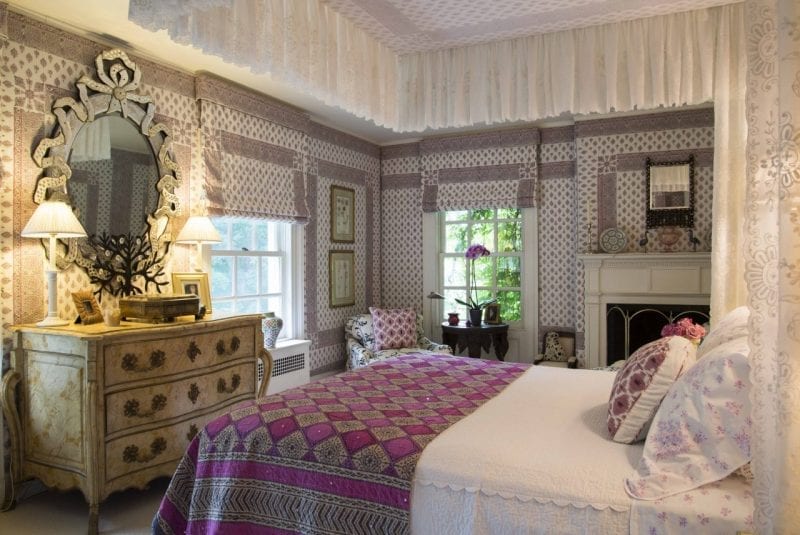
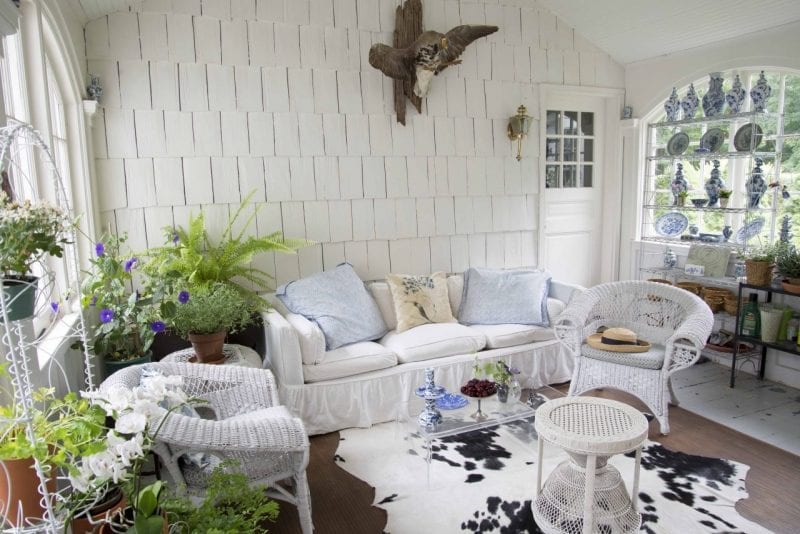
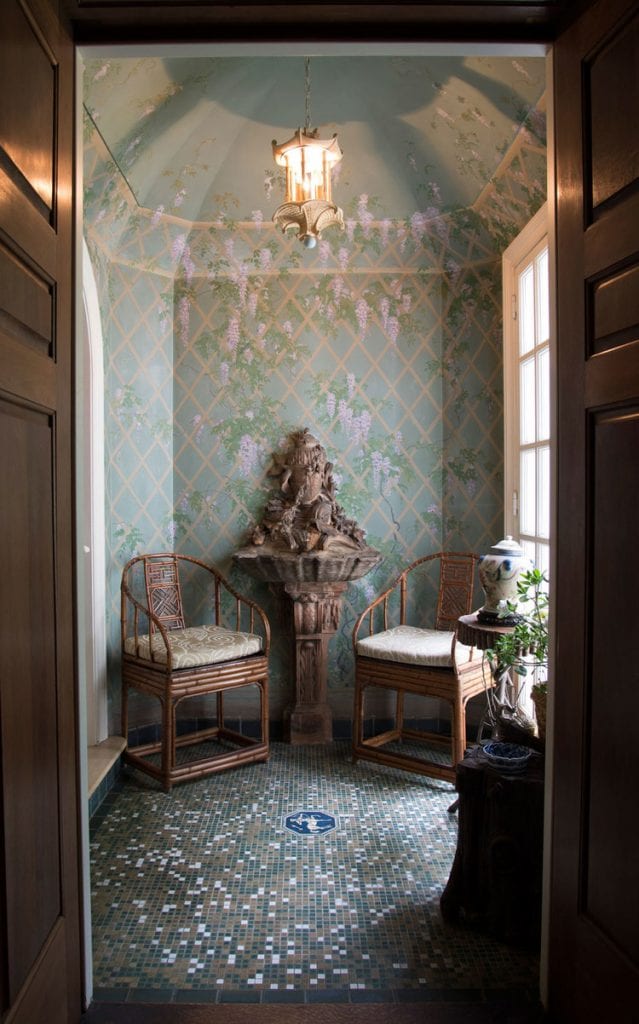
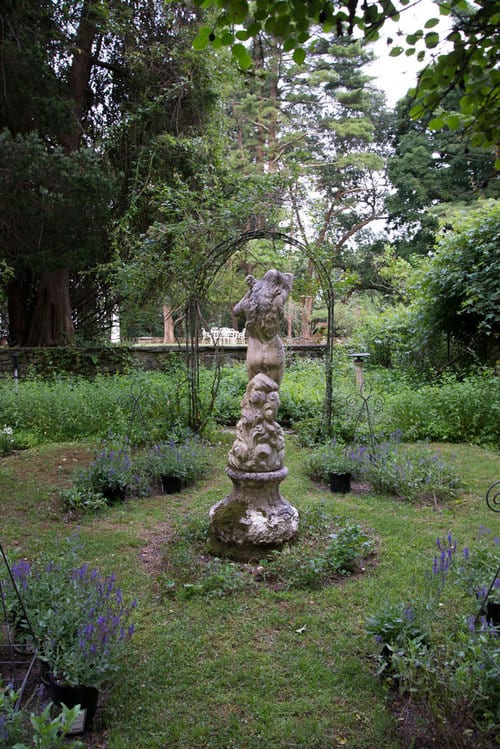
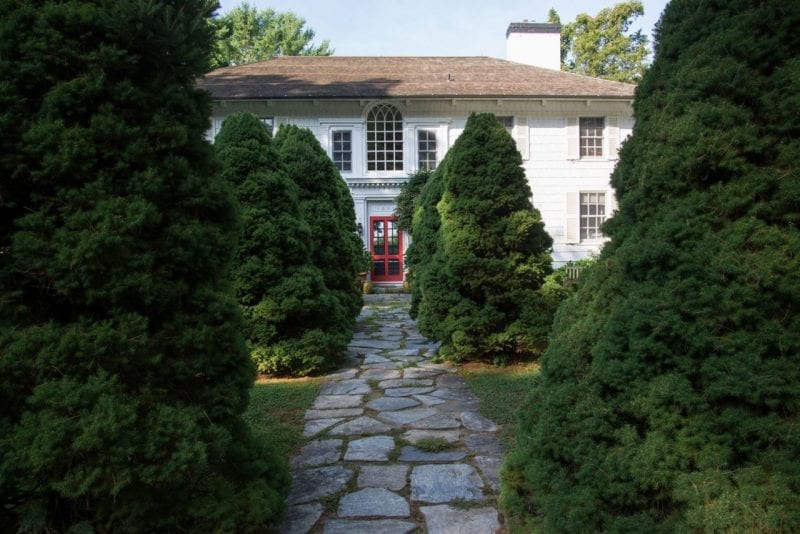
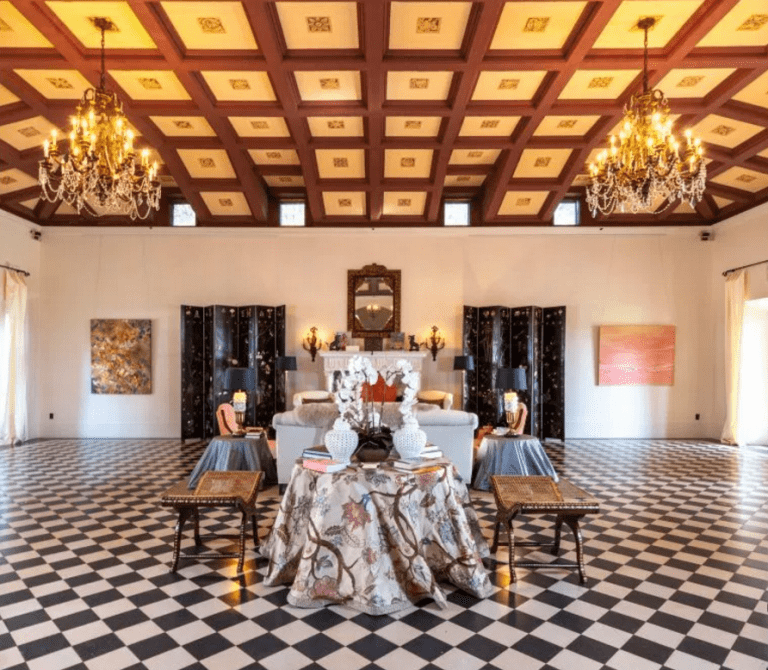
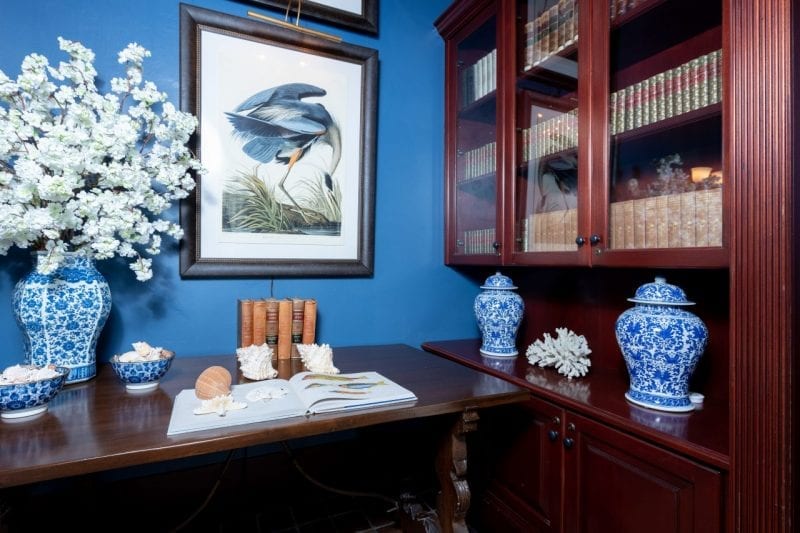
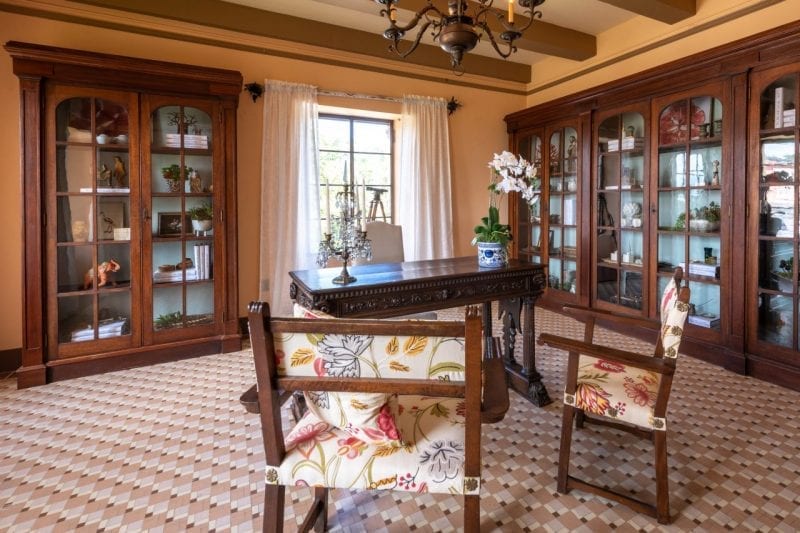
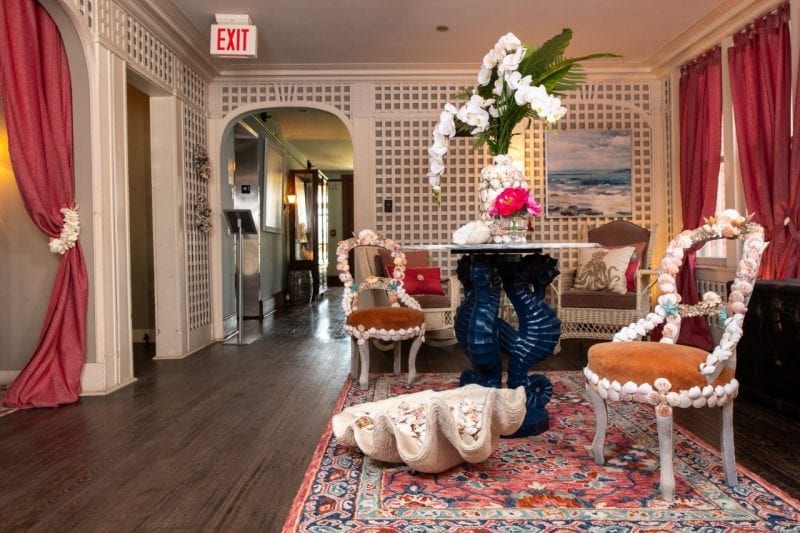
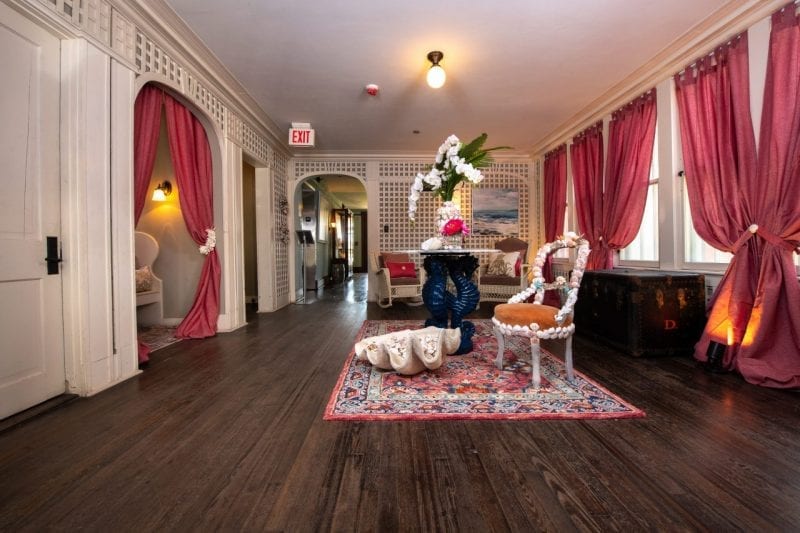
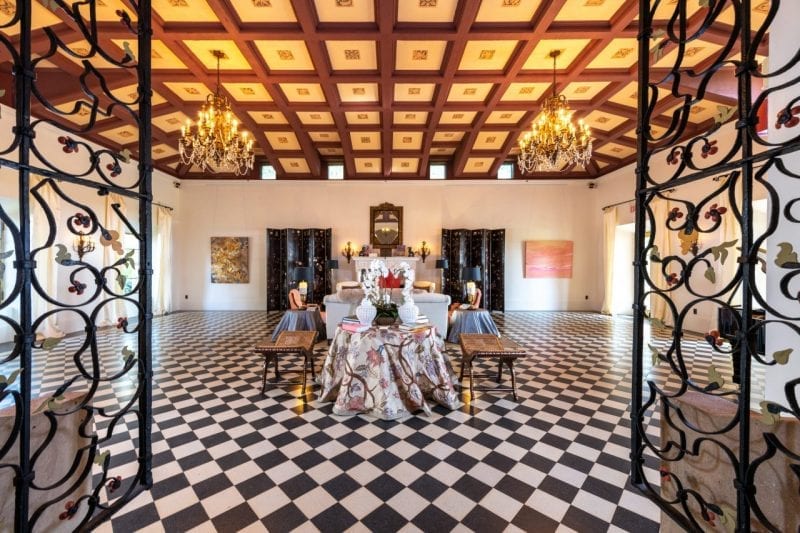
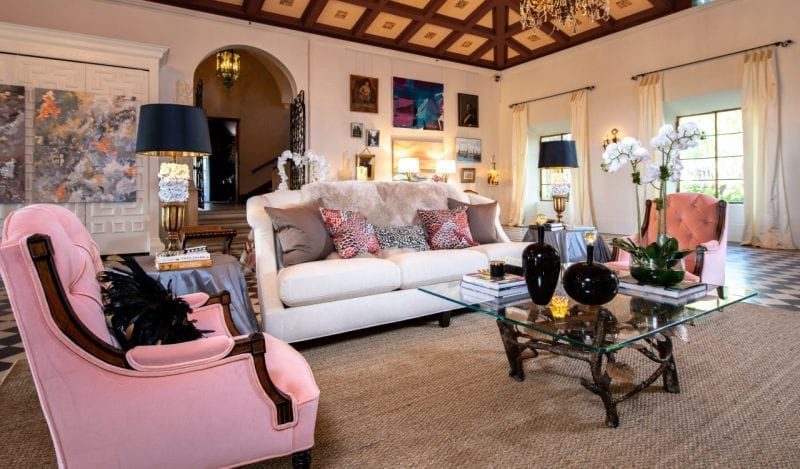
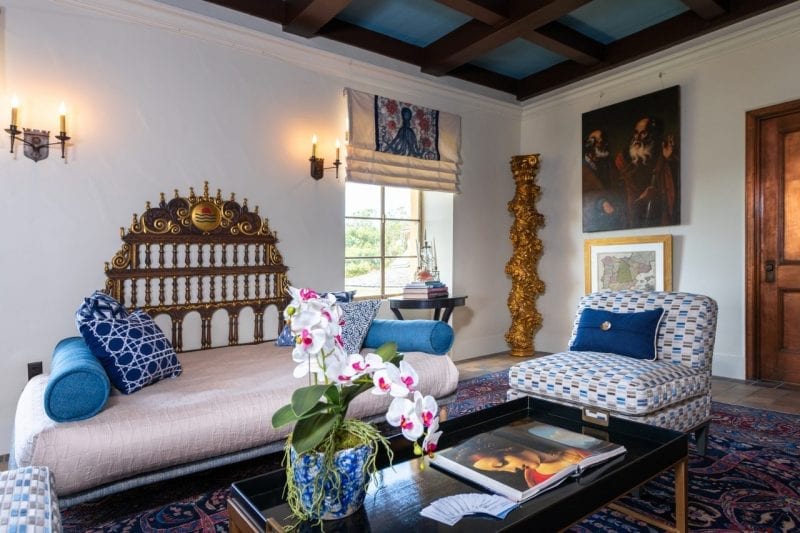
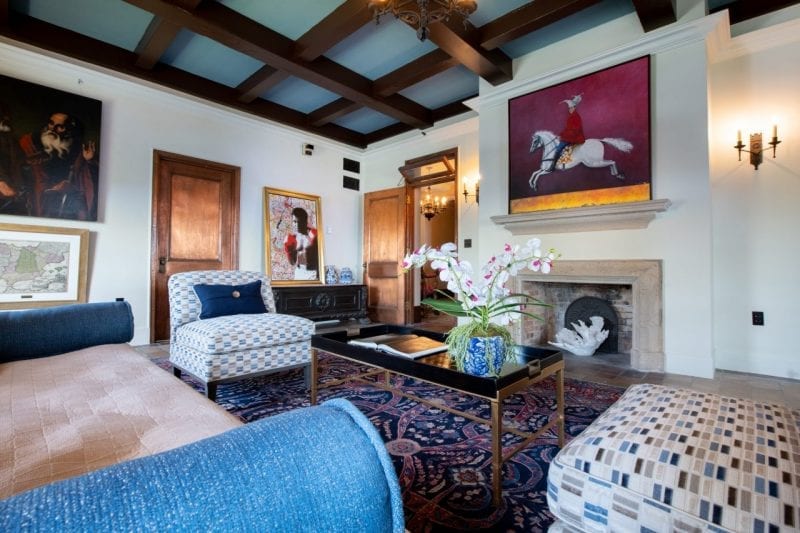
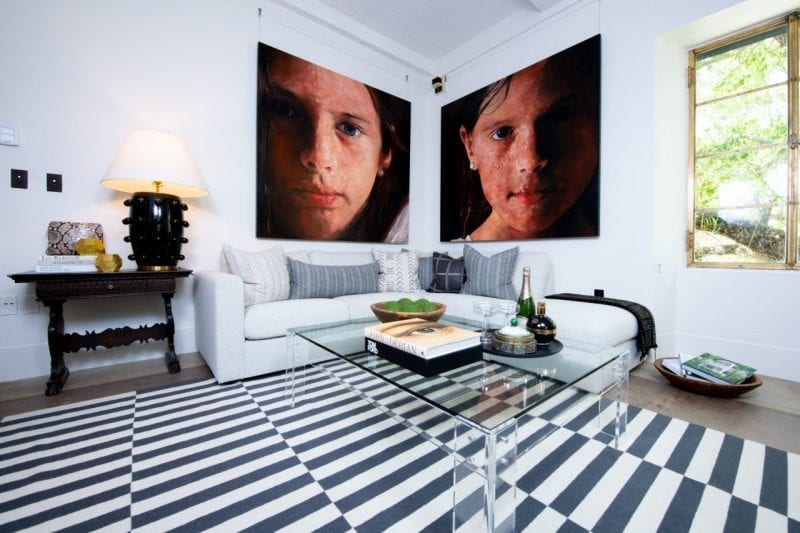
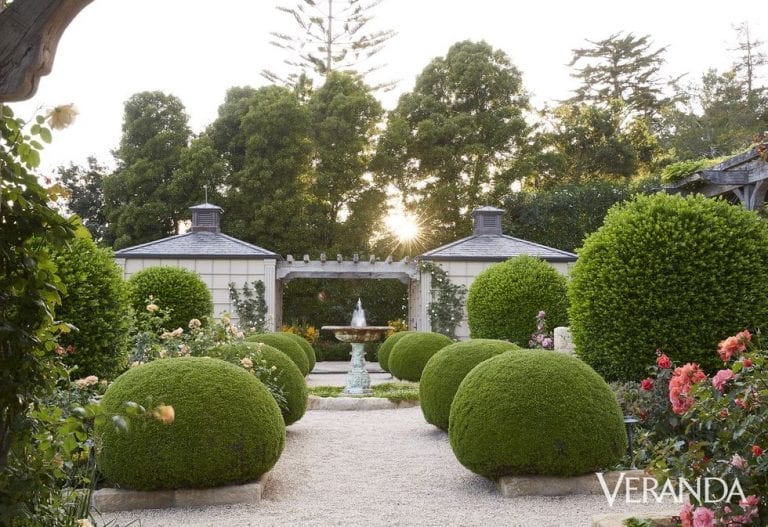
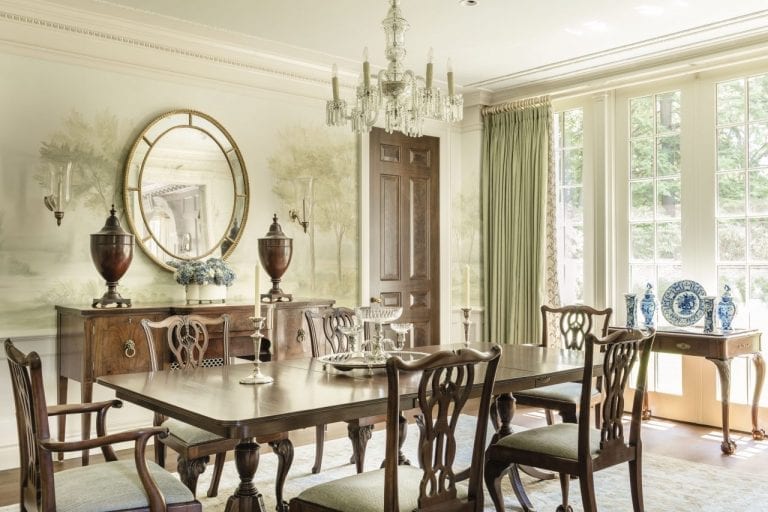
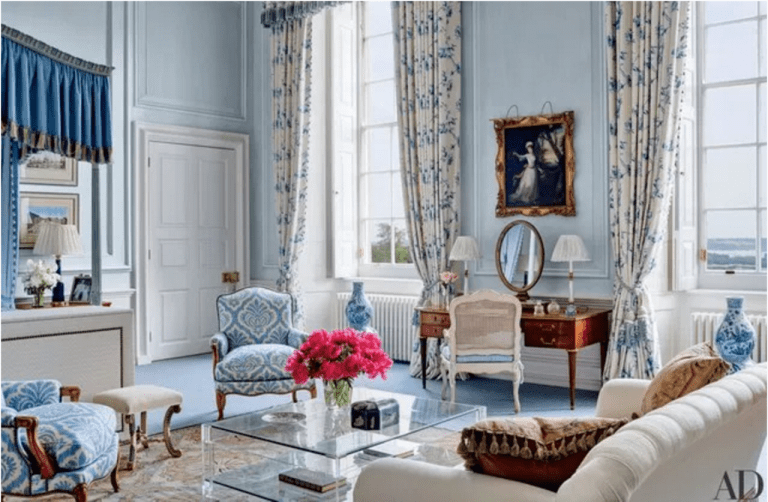
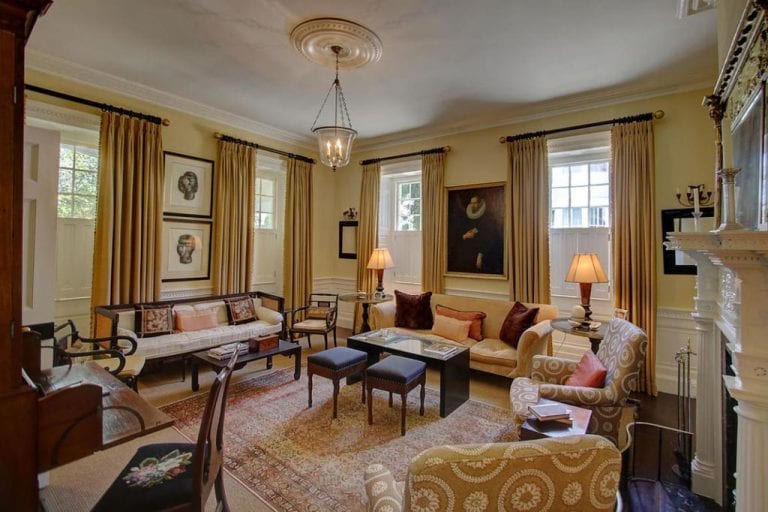
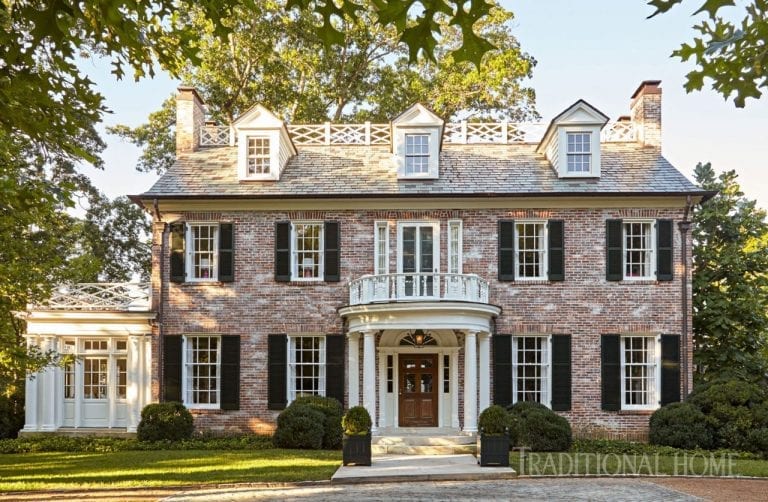
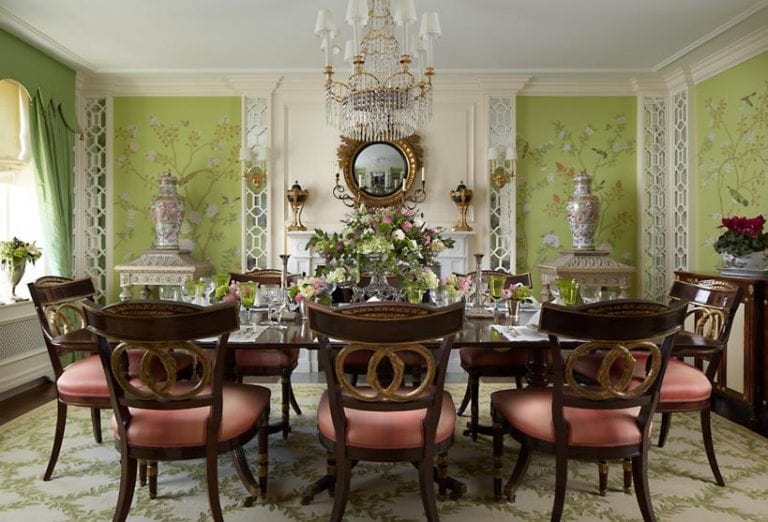
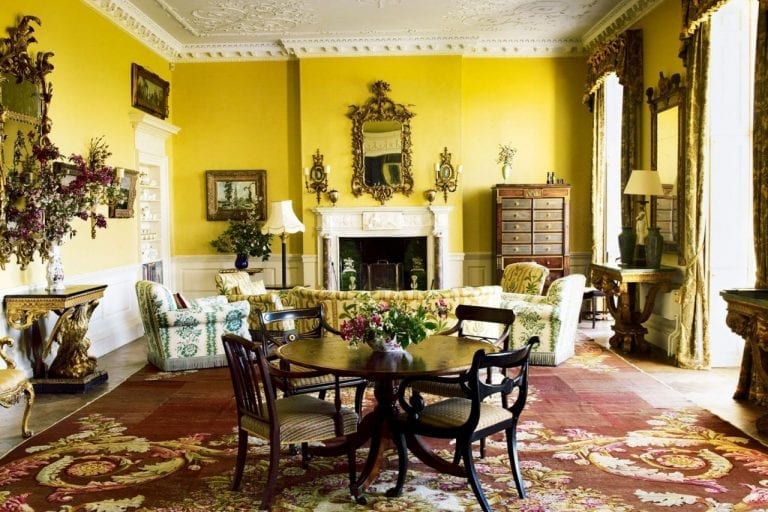
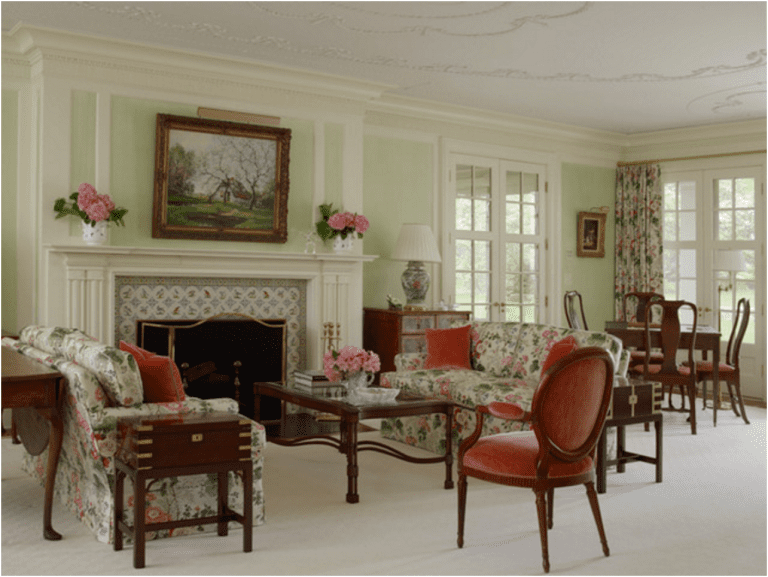
If you love classic interior design, you will love Carter & Company! I follow them on Instagram and am constantly inspired by their beautiful work. Founder Michael Carter brings his love of architecture, art, antiques, and timeless design to all of his projects, comfortably mixing the old with the new. He has received multiple awards for his work, and in 2016 he was inducted into the New England Design Hall of Fame for his outstanding achievements in interior design. By understanding the vision and goals of each client, Carter & Company helps create beautiful and timeless interior spaces that truly reflect the unique personal style of the homeowners. Today, I am delighted to welcome Michael Carter for a Q&A and a glimpse of his exquisite portfolio…
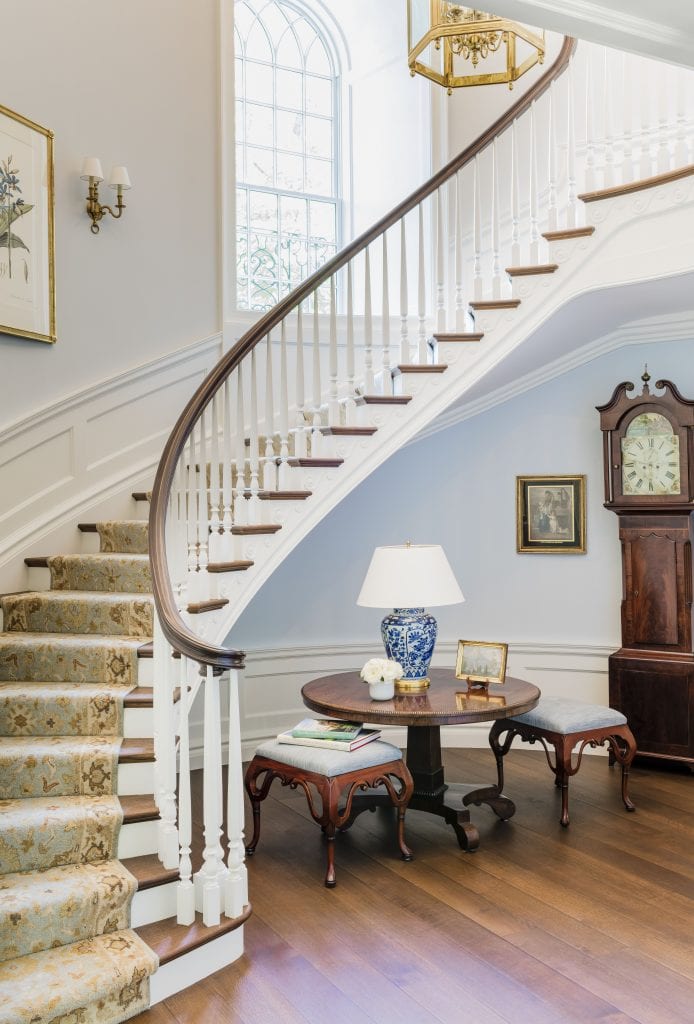
Q: Please tell me about your background, the philosophy of Carter and Company, and your passion for classic interiors.
A: Carter and Company is high-end interior design firm that has been active in the Boston area since the 1990’s. As principal designer, I always had a passion and respect for traditional design and classic interiors, going back to my childhood when I would spend hours alone drawing historical buildings, especially classically-inspired buildings like Monticello and houses in Williamsburg that my parents took me to see as a boy. I thought I might study law when I attended Wake Forest University, but it was ultimately my love of art, architecture and history, especially British and American history that prevailed. I also studied at the Museum of Early Southern Decorative Arts (also in Winston-Salem). After finishing I moved to Boston, which I truly considered the epicenter of history and culture and marvelous historical architecture, and got my first job as a “sample boy” at the old Boston Design Center in Back Bay before taking a job in the Antiques Department at Shreve Crump and Low. That was back in the day when Shreve’s had the back cover of Antiques magazine and I got to design the ads, which was great fun. So I really bounced back and forth between working in antiques and design showrooms before I ventured out on my own as a designer in 1996. My first client had a magnificent Boston townhouse on Commonwealth Ave — a brownstone that had been remodeled in the classical taste at the turn of the century. She loved antiques and the house was quite grand, and so it was the perfect fit. Lucky me! We shopped up and down the East Coast and in London, so you can imagine how splendidly it turned out.
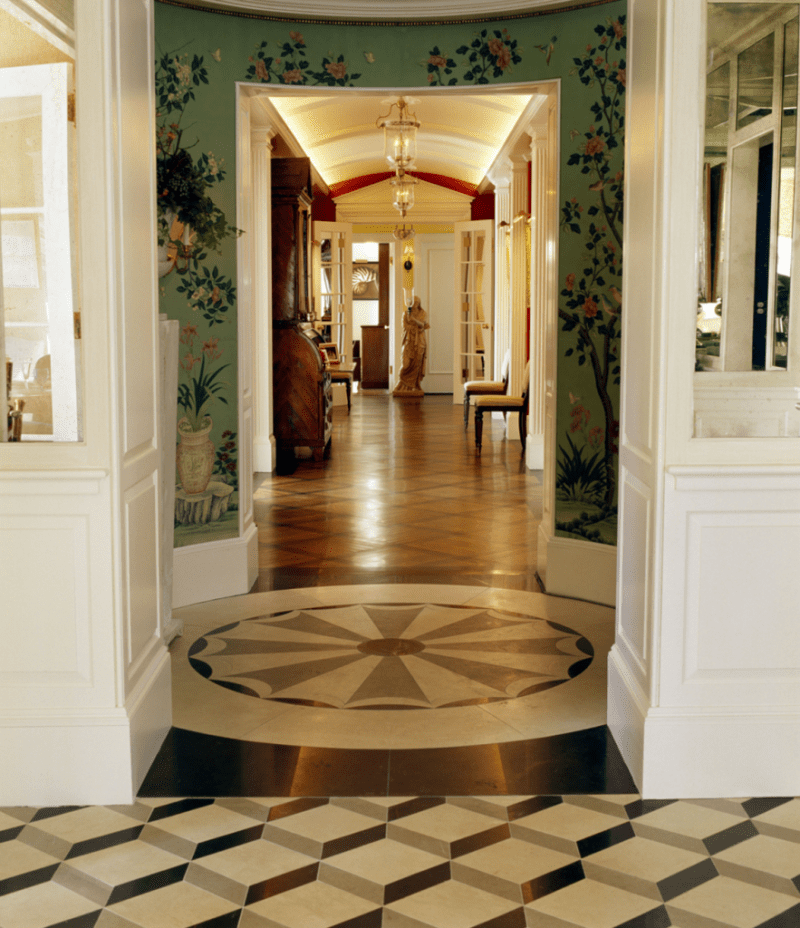
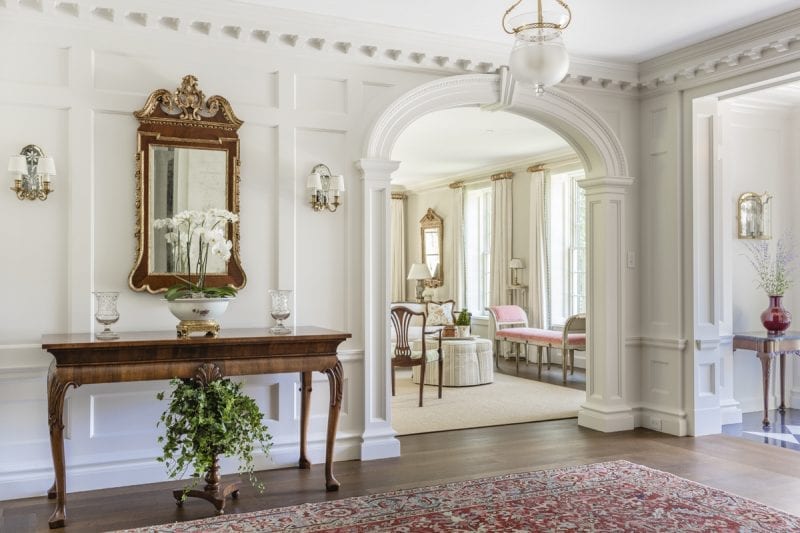
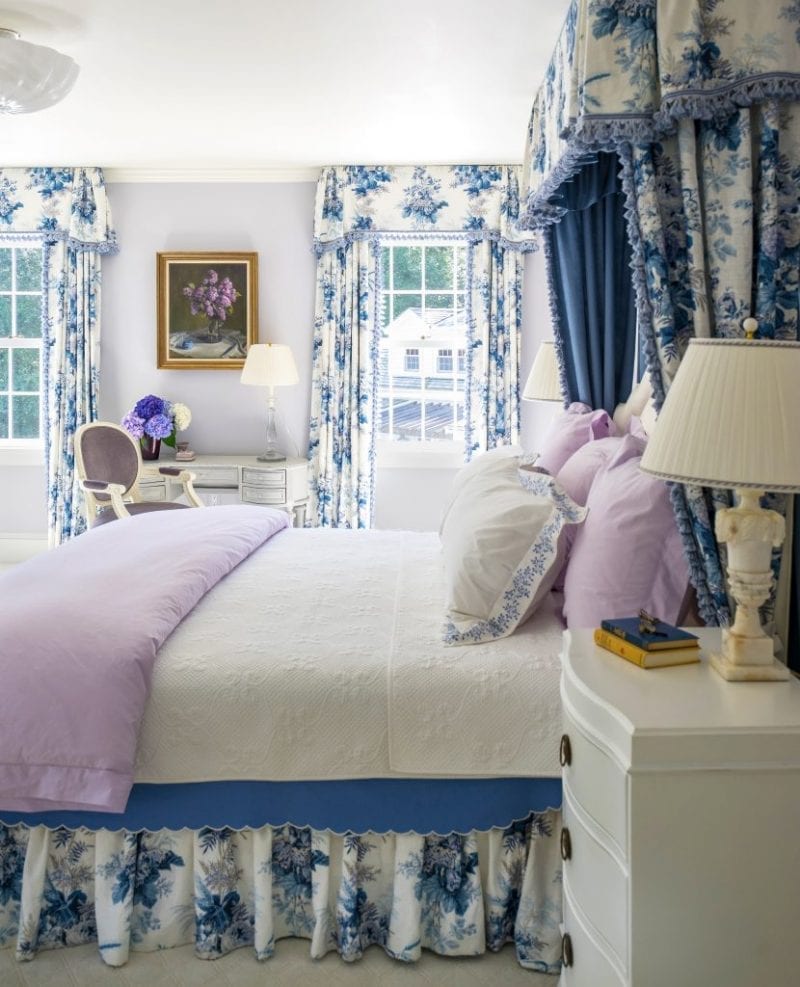
Q: Where do you continue to find inspiration?
A: Well, I still believe that traveling is the best source of inspiration for any designer. For me, it’s still England and Europe that I find myself drawn to visit, which I do as often as possible. Shy of actually living there, which would be heaven, I do get tremendous inspiration via social media, in particular, Instagram. I can get lost for hours browsing other designers’ work and looking at gardens and houses all over the world. I’m not a lover of all technology/social media because it often diminishes living in the present, but I must say that Instagram, Houzz and Pinterest are fantastic and they open up worlds that otherwise would not be as accessible.
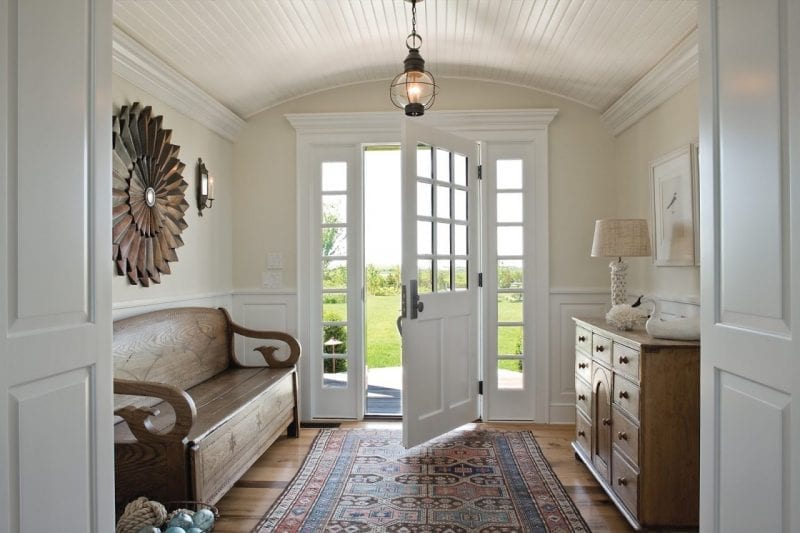
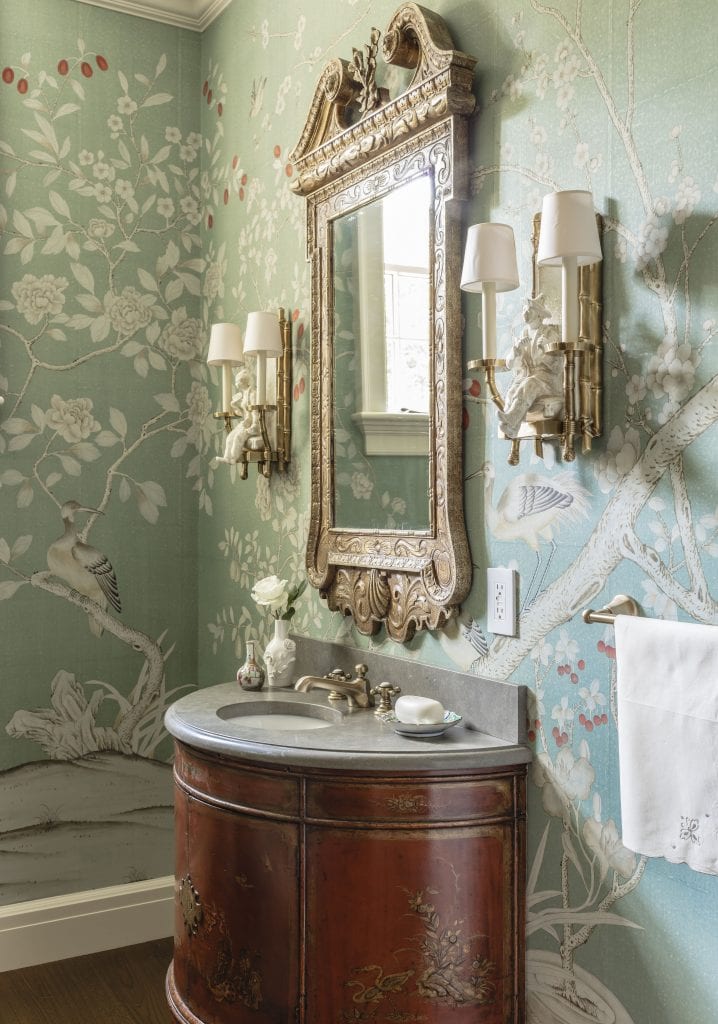
Q: Which designers – past or present – have influenced your aesthetic?
A: Billy Baldwin, Nancy Lancaster, Mark Hampton…living I would include Bunny Williams, Michael Smith, Suzanne Kasler, but I could go on and on because there are so many whom I admire and who inspire me. And if you were ever published in Veranda, chances are I really like your work!
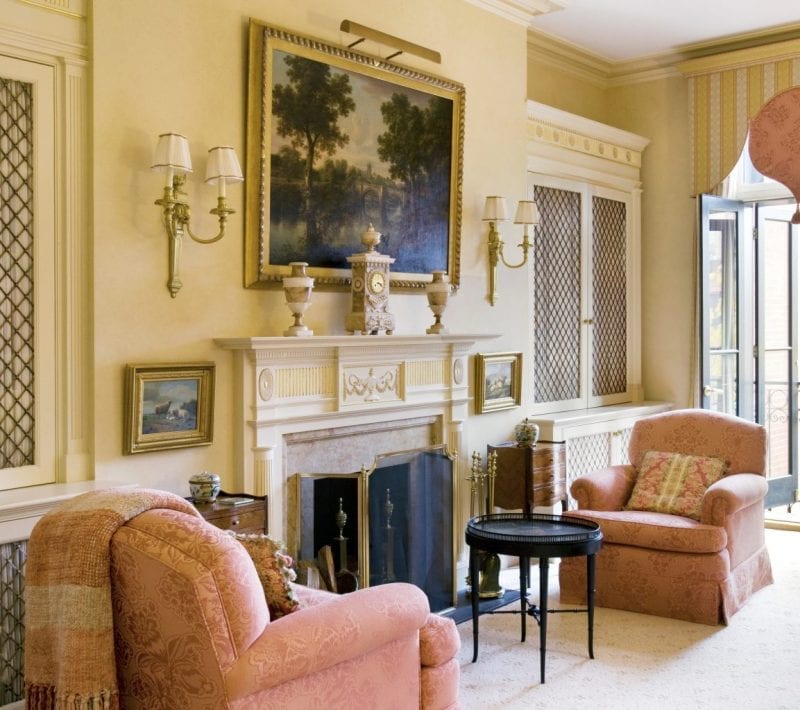
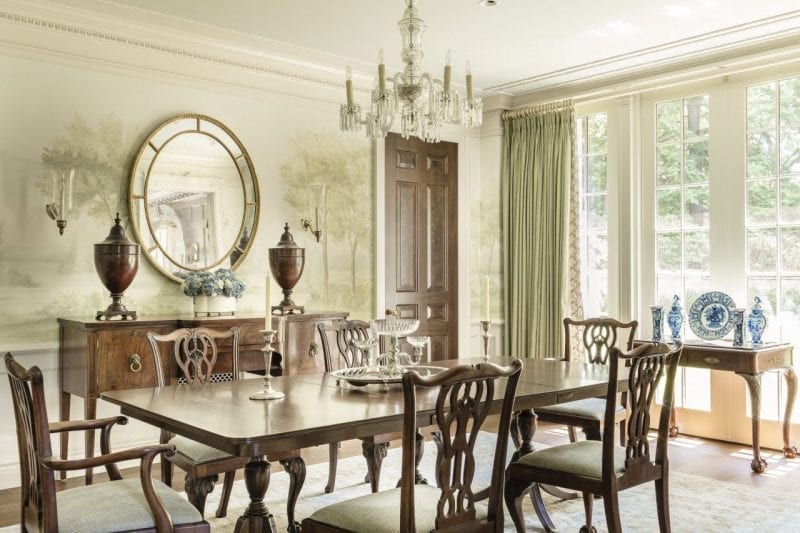
Q: How did your appreciation for historic homes begin? And through renovation or redecoration, how do you bring these homes into the 21st century while still respecting their past?
A: Like many kids growing up in the 70’s, I grew up in a boring, suburban track house in a big neighborhood with similar homes. No imagination, no character. Luckily my parents would take me to see historic homes in North Carolina, Virginia and throughout the South. That truly opened my eyes to what architecture and interiors could be. Should be!
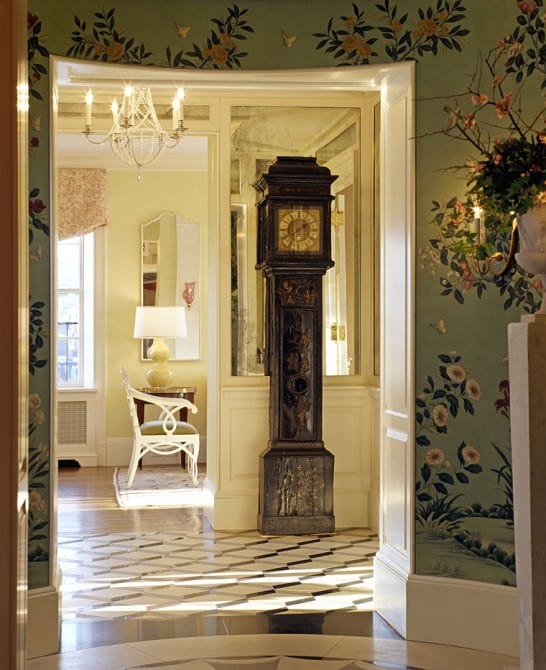
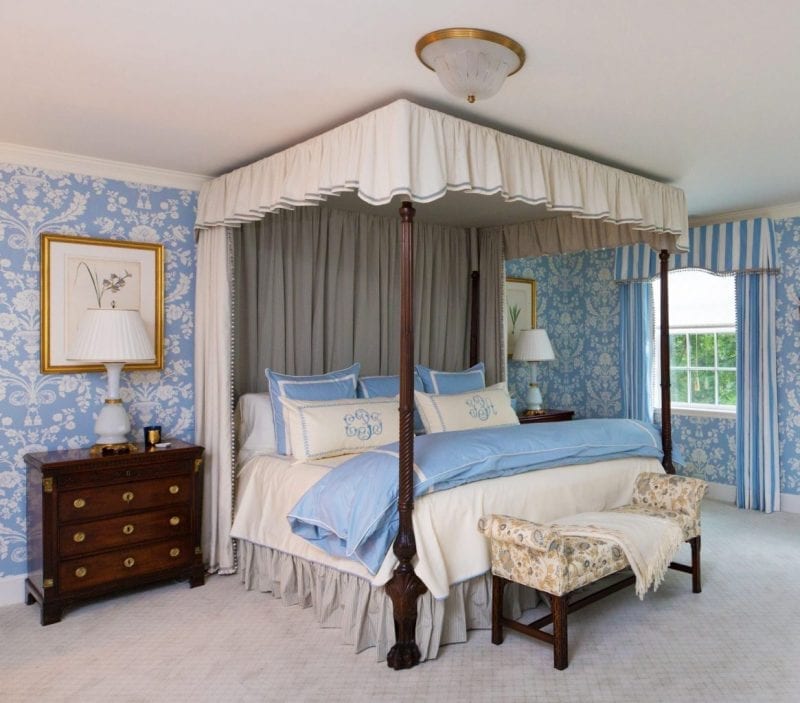
Q: For someone who has a newer build or is embarking upon new construction, what tips do you give for incorporating the charm of the past?
A: First and foremost, hire the right architect. And that’s no longer hard to do…there are so many great architects now like Gil Schafer and Steven Spandle who understand classical architecture and can make it work for contemporary living. After getting the design right it’s all about using good materials; quality doors, moldings, and windows. Keep in mind scale and proportion and lean towards symmetry whenever possible.
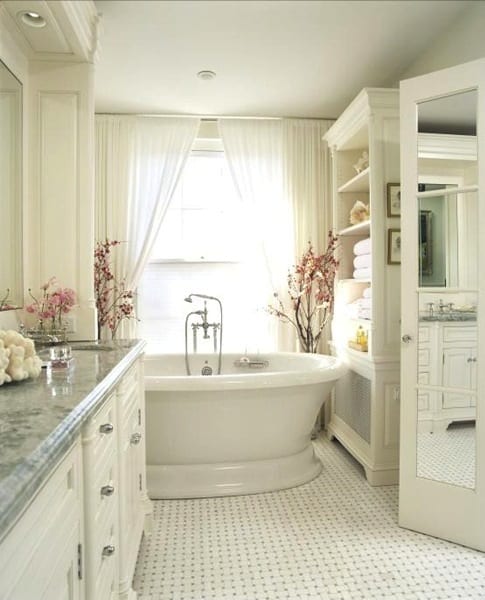
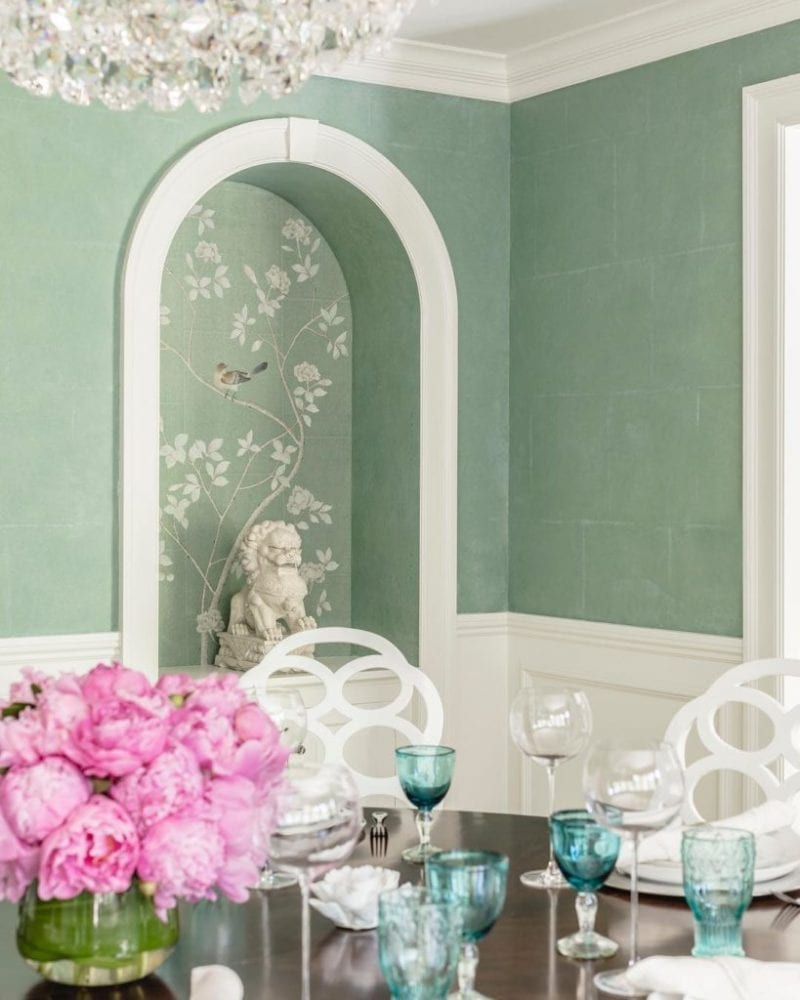
Q: What is the first thing you do when beginning a new project with a client?
A: I try to comprehend the client’s aesthetic to establish a personal point of view that will make the home uniquely their taste and then ultimately become their editor and guide them towards good choices.
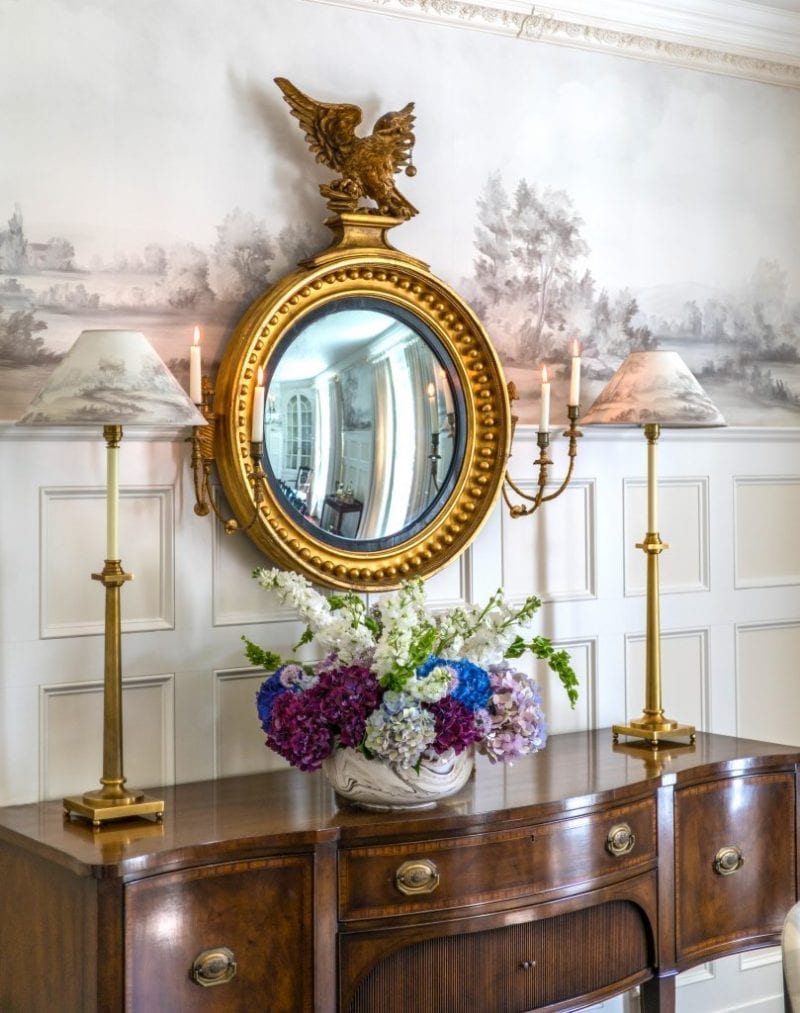
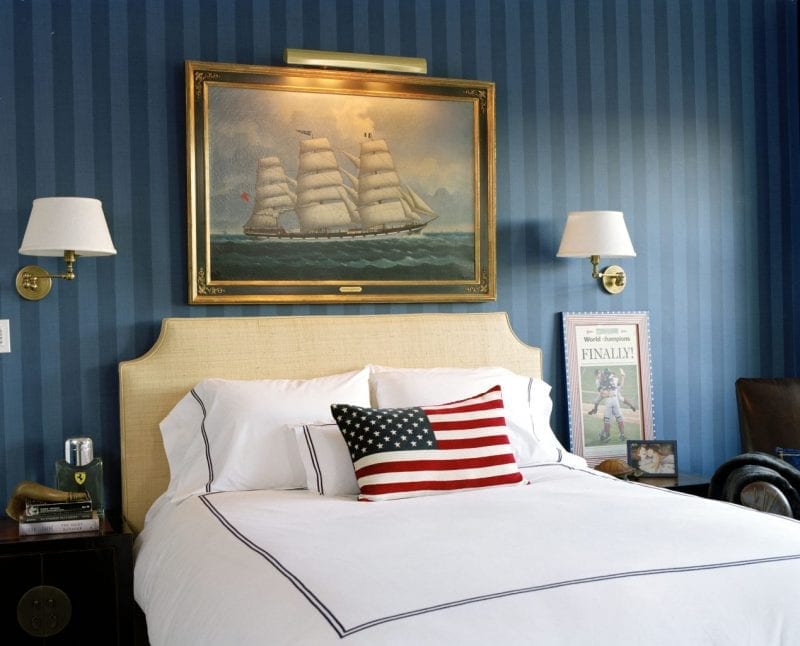
Q: How do you design a room that will stand the test of time?
A: It is truly an intuitive process. When you’ve seen a lot of things in your travels, you get a sense of design that is less about fashion trends and more timelessness. I do not believe there is any real formula, but you know it when you get it right.
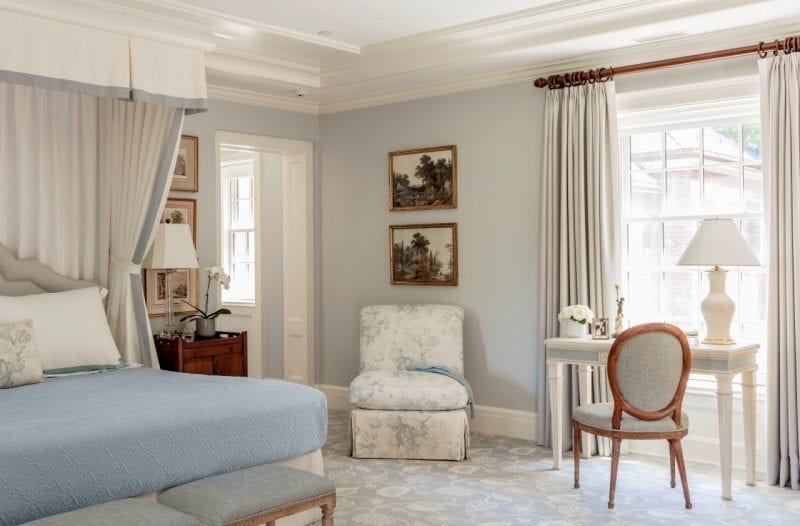
Q: What advice would you give to someone starting from scratch with their interiors?
A: Like I mentioned before, take advantage of the newest tools like Pinterest and Houzz. Discover what you like and how the images you’re drawn to have a story to tell — how they connect, even before engaging a designer.
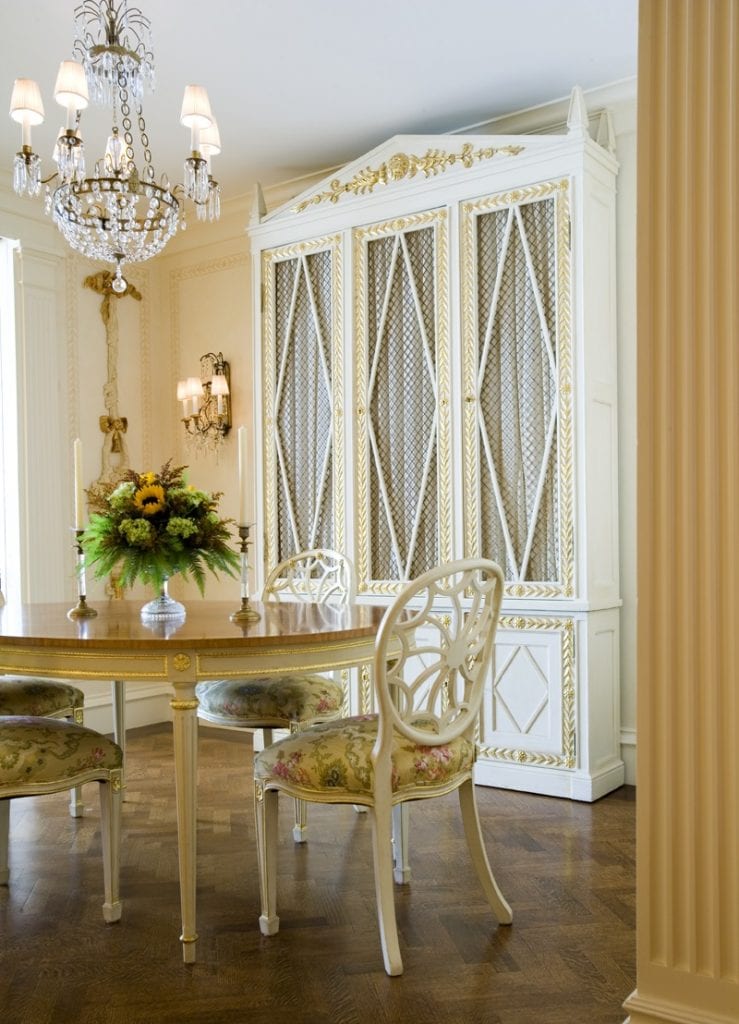
Q: Anything else you would like to add?
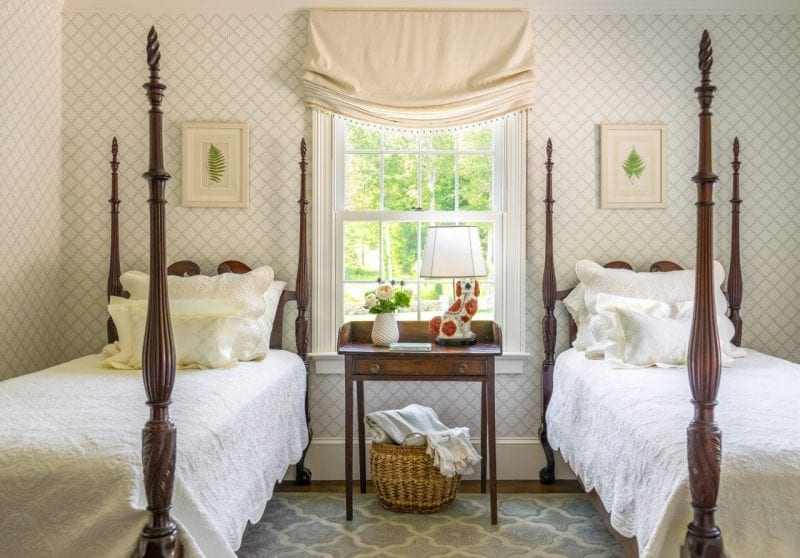
A: As much as classically-inspired interiors and architecture embrace the past, they should not be afraid of the future. Some of the most exciting work I see blends the old with the new. Nobody wants to live in a museum, so consider all the possibilities as part of the adventure.
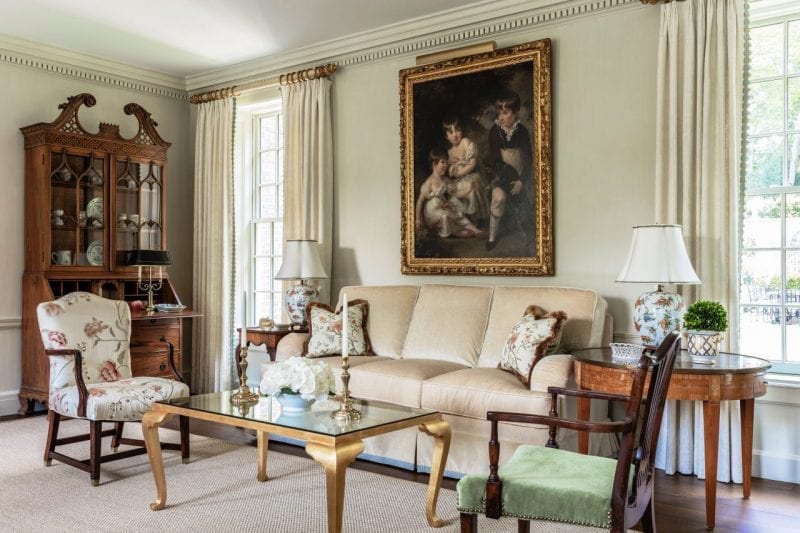
Thank you so much for joining us today, Michael! These rooms are truly timeless. For additional information, please visit Carter & Company, and for daily inspiration follow @carterandcompany on Instagram.