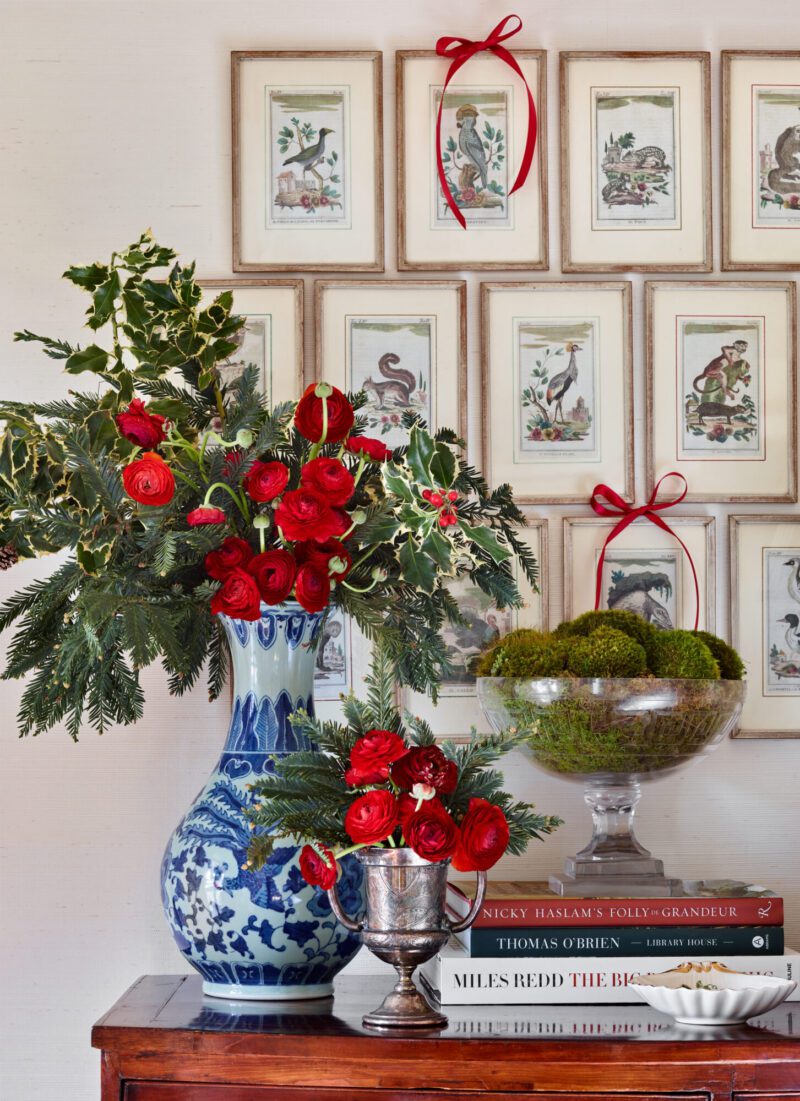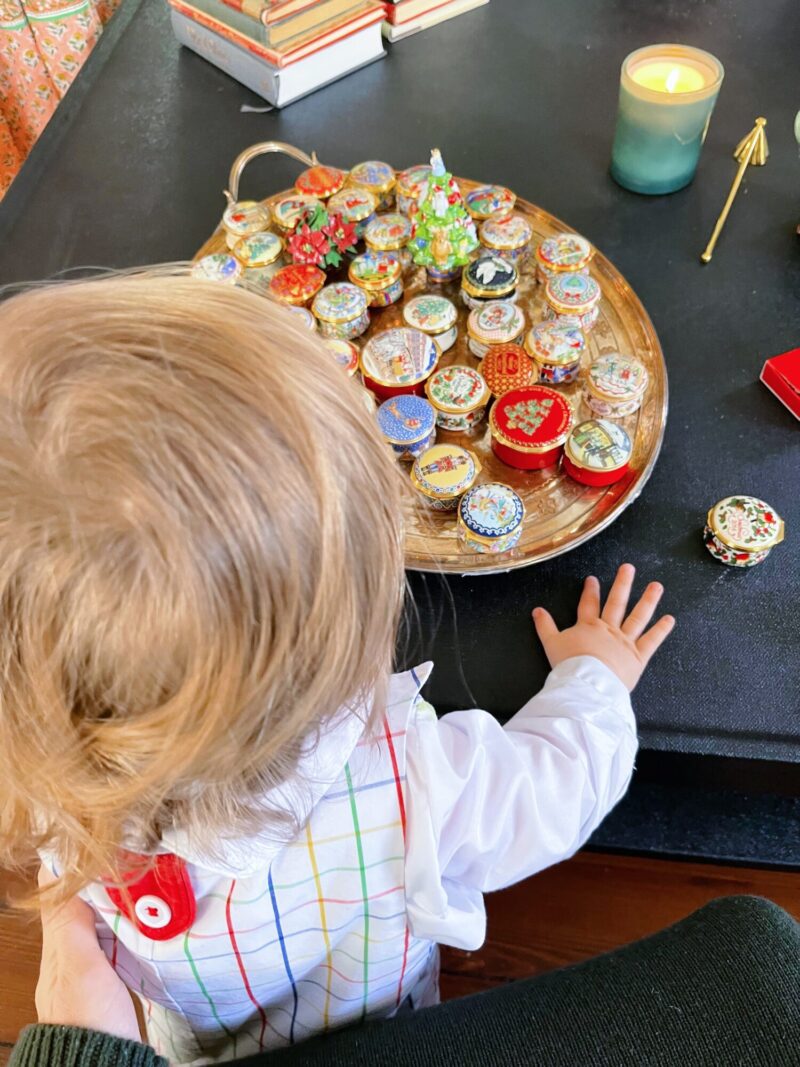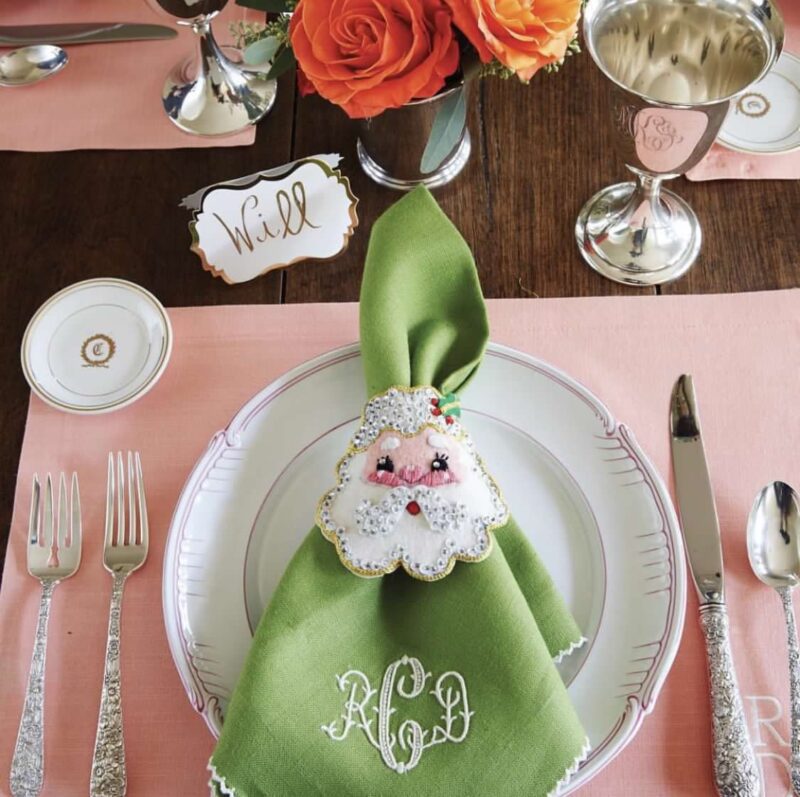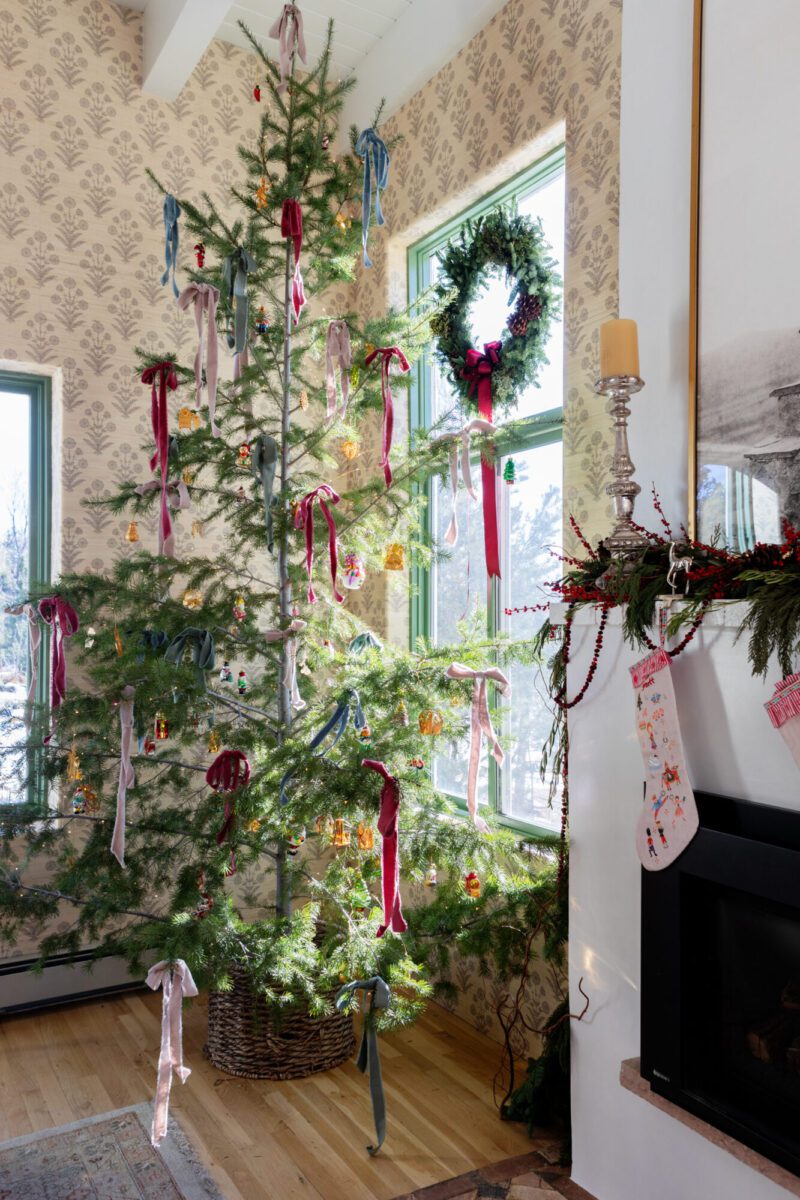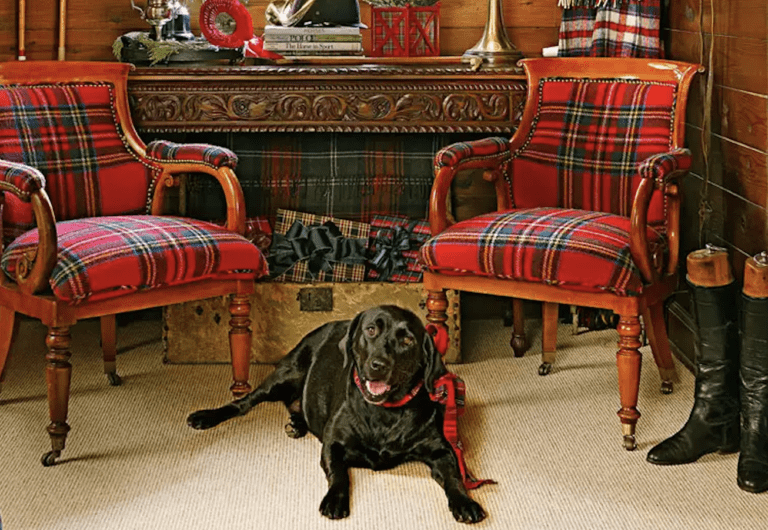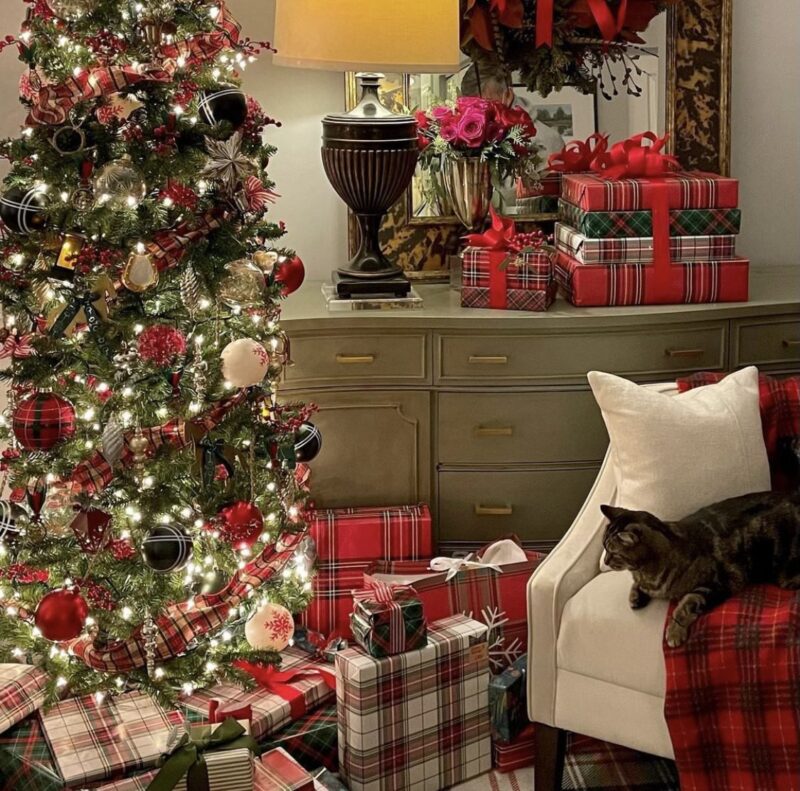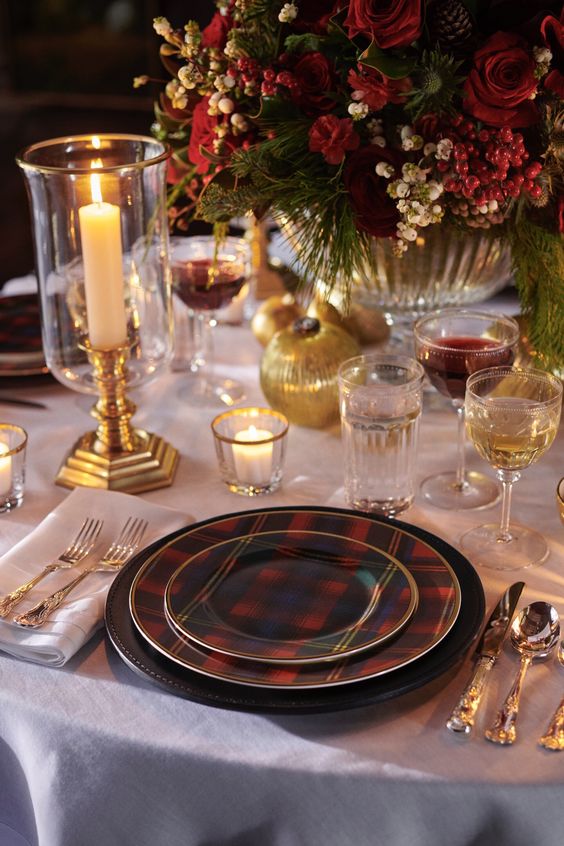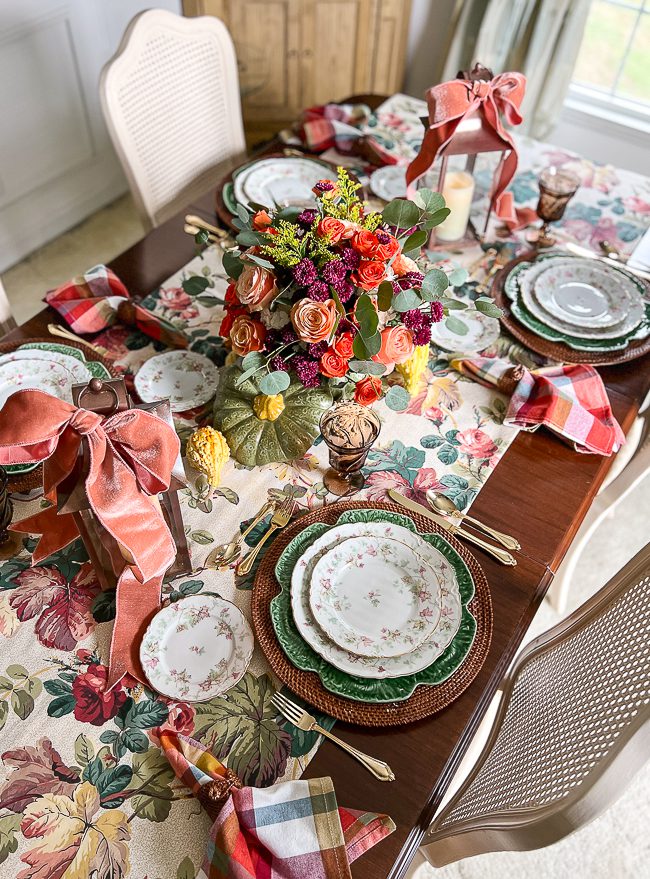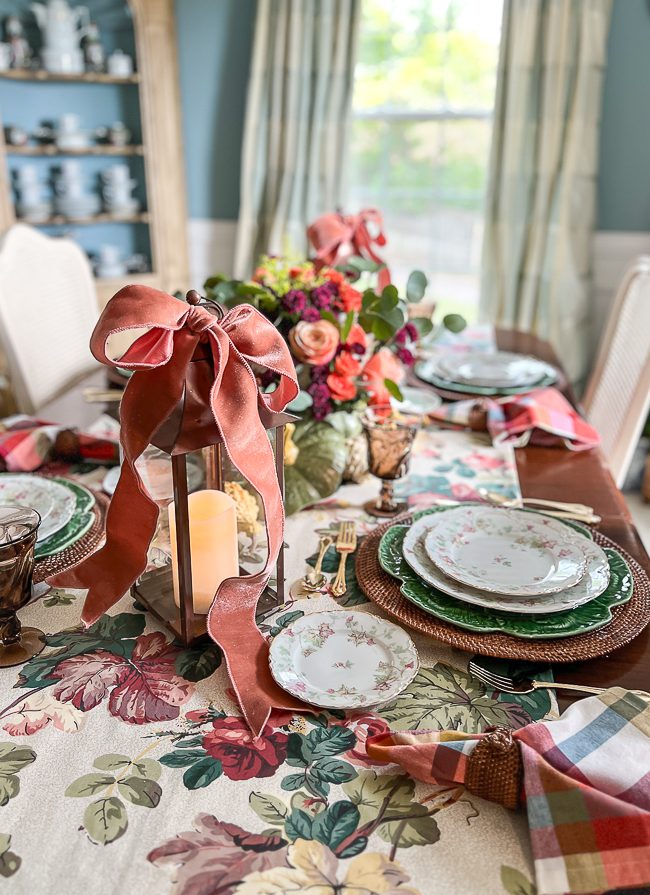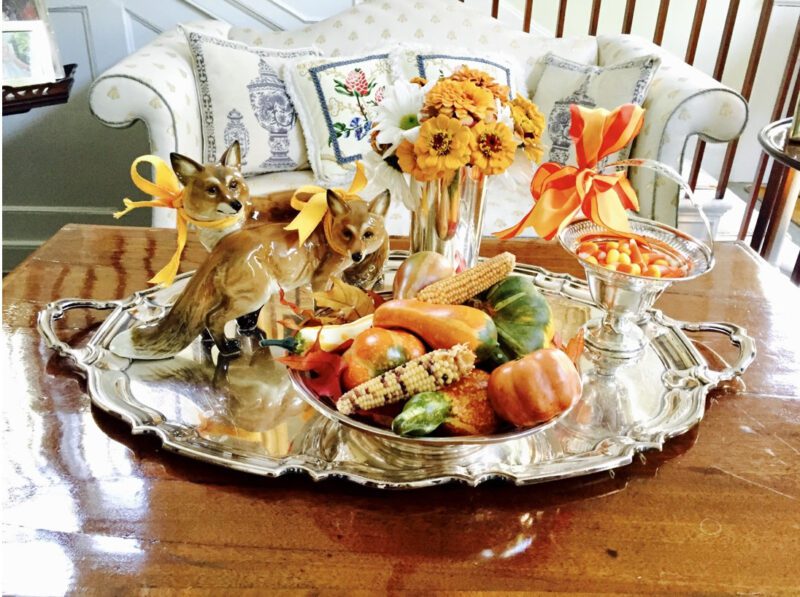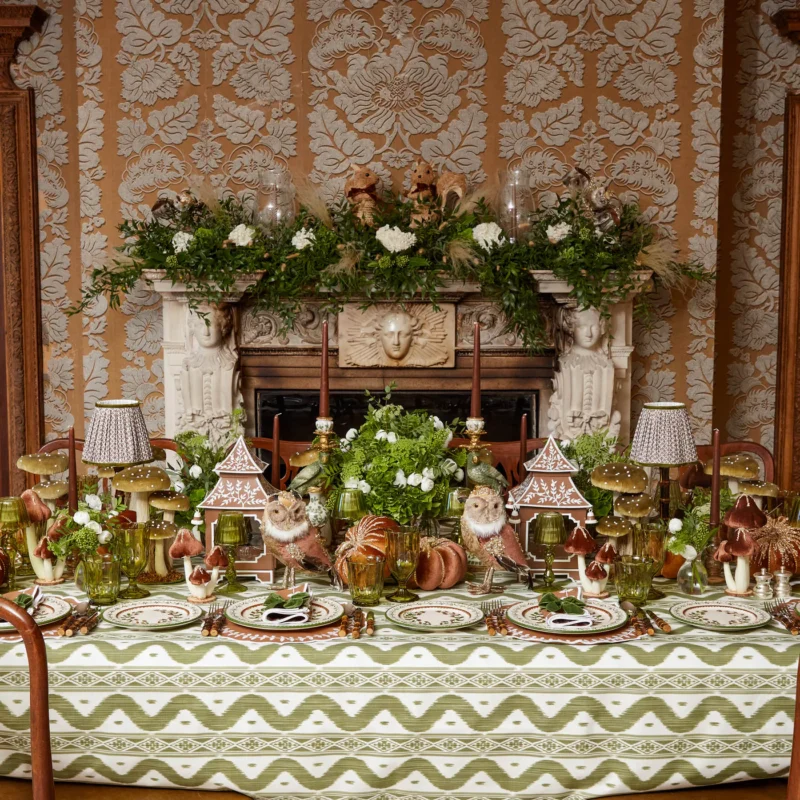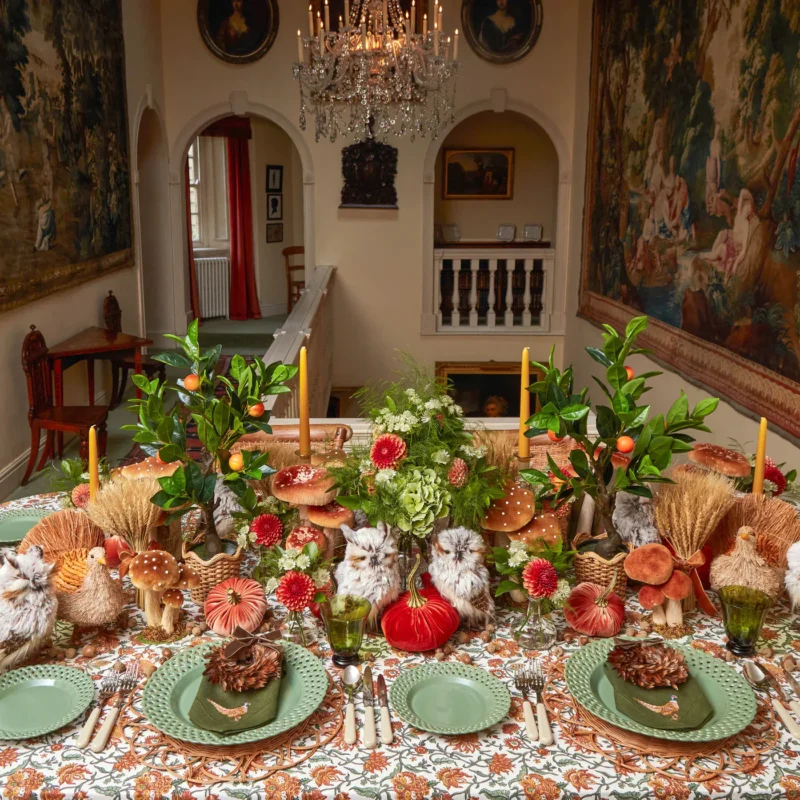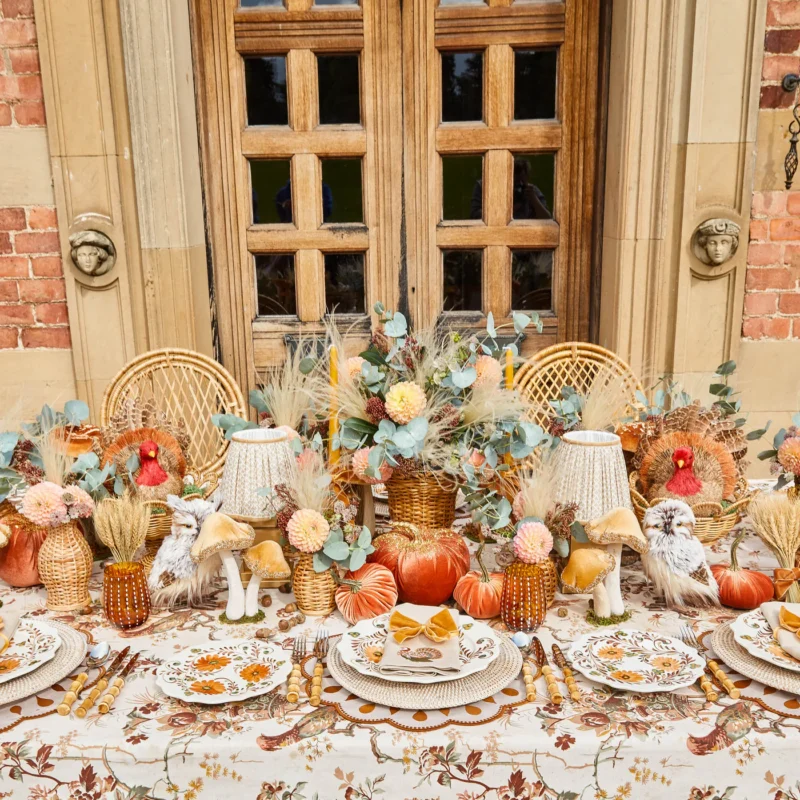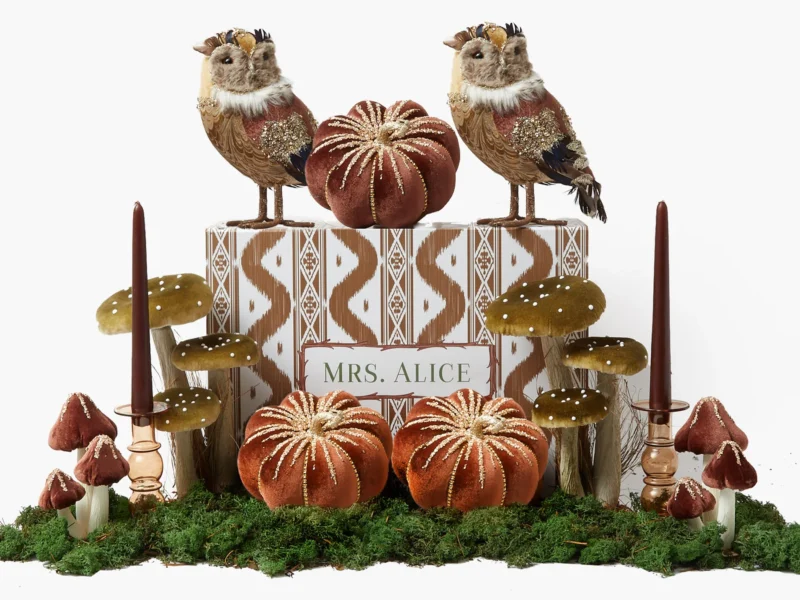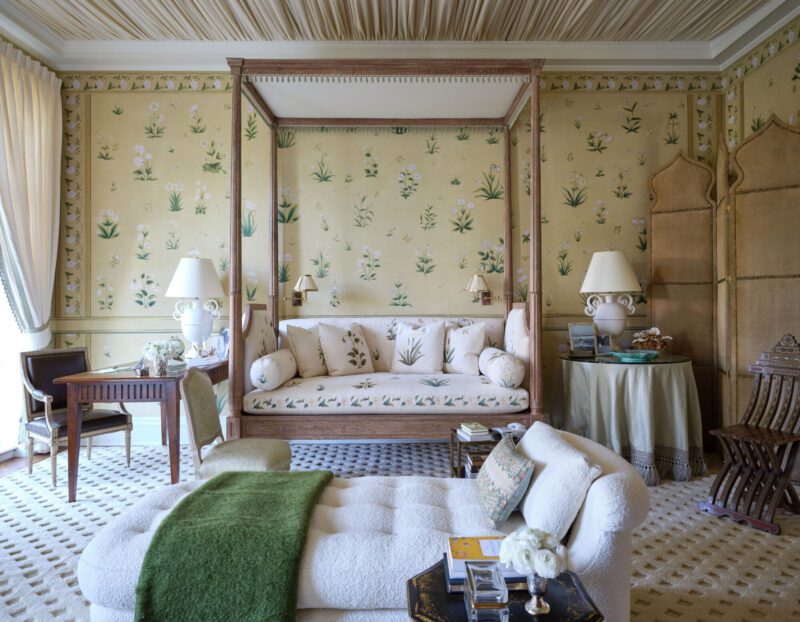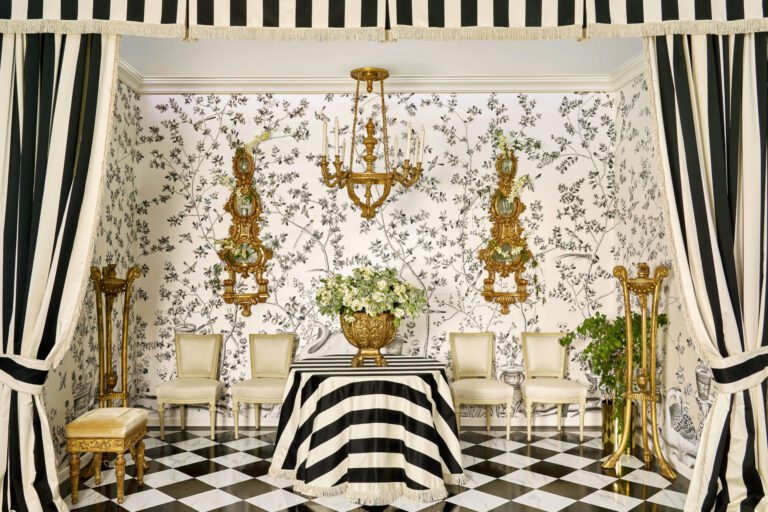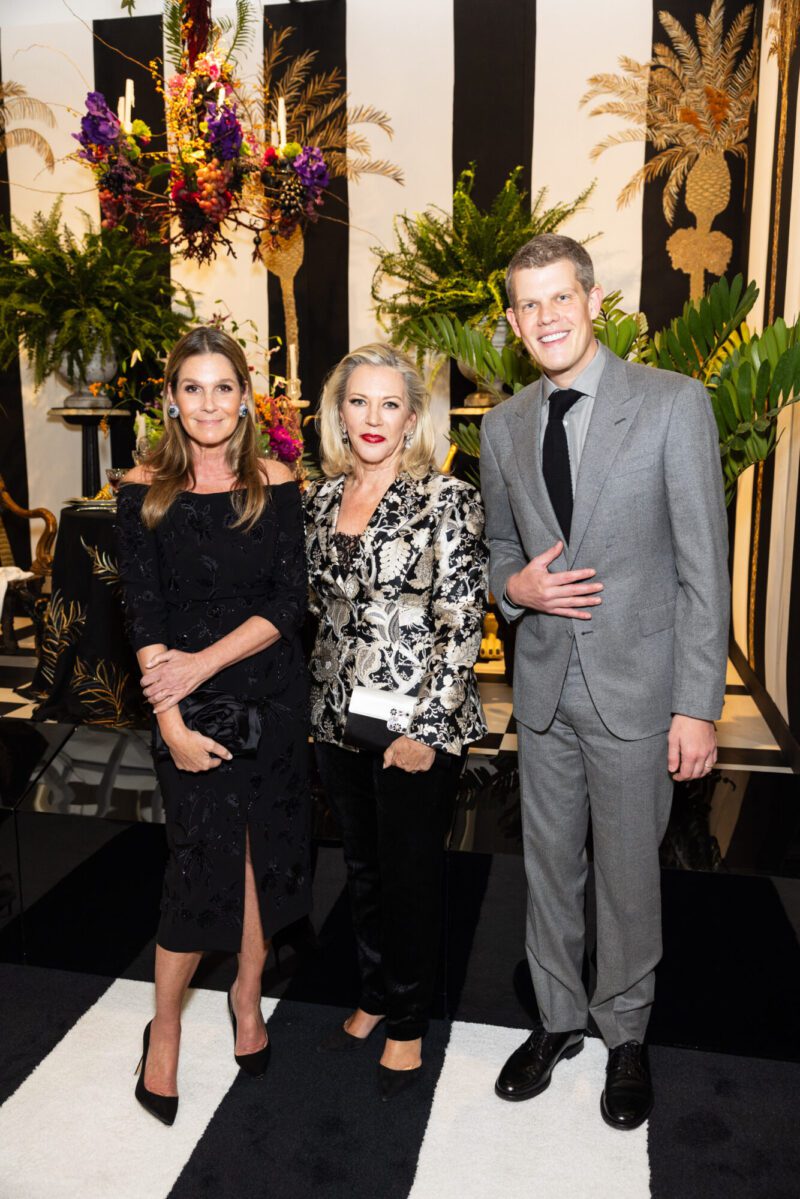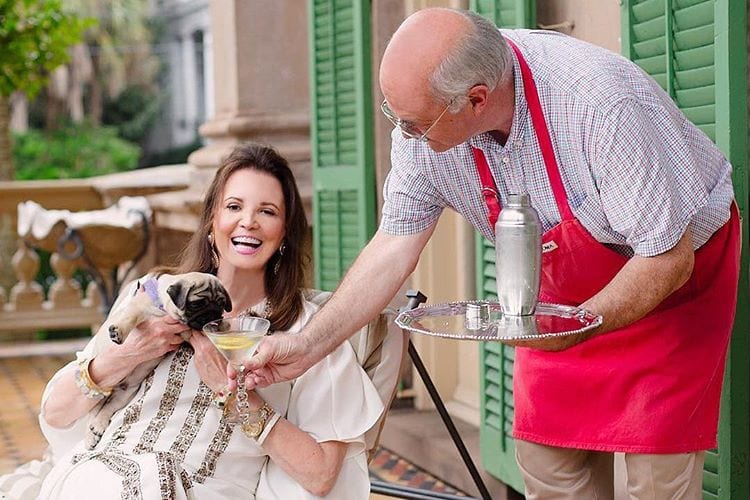



Each November The Glam Pad invites 20 of the nation’s finest designers and tastemakers to share their curated holiday gift guides. Now in its sixth year, “Christmas with the Tastemakers” has solidified its place as a highly anticipated TGP tradition.
We have assembled a treasure trove of delightful suggestions from leading interior designers, artists, tastemakers, and aesthetes alike. Every year our stylish Tastemakers uncover the chicest gift ideas from the chicest shops, finding everything from hostess gifts to stocking stuffers, for children, pets, significant others, and of course, a touch of indulgence for yourself.
The Glam Pad has become the ultimate one-stop holiday shop, ensuring that everyone on your list receives a tastefully curated present. ‘Tis the season!

FAVORITE HOSTESS GIFTS
Olive oil in a wine bag
BEST STOCKING STUFFERS
Jones Road makeup
MuseARTa socks
GIFT IDEAS FOR CHILDREN
GIFTS FOR PETS
Anything from Doggy Parton
GIFTS FOR YOUR SIGNIFICANT OTHER
Art from Chairish
GIFTS FOR TEACHERS AND NEIGHBORS
No Chewing Allowed chocolate truffles
WHAT IS AT THE TOP OF YOUR PERSONAL WISHLIST?

FAVORITE HOSTESS GIFTS
I love to give something that can be used immediately. Not put to the side and forgotten about… so wine charms, cocktail picks, and Christmas decorations…I also love to pair a wine stopper with a lovely bottle of wine, cocktail picks with a jar of luxury olives… you get the idea! Or tie an ornament around the neck of a bottle and add a big fabulous bow…
BEST STOCKING STUFFERS
I think luxury beauty products are the BEST stocking stuffers (Westman Atelier is fab!) and call me traditional but Paul Smith socks for the boys. And always a tangerine in the toe!
GIFT IDEAS FOR CHILDREN
Always art supplies! Watercolour sets, and colored pencils... It’s so delightful to have a fresh box to work with on Boxing Day!
GIFTS FOR PETS
This isn’t exactly for pets, but we have created an ornament with Lisa Vanderpump that benefits her dog foundation.
Gifts FOR YOUR SIGNIFICANT OTHER
All about travel! Let’s try to sneak away for the weekend at the Soho house we haven’t been to… maybe Barcelona?
GIFTS FOR TEACHERS AND NEIGHBORS
I am obsessed with the hand-decorated beautifully packaged truffles from The Cordial Cherry. Each collection is exquisite and it arrives in a beautiful toile box with fresh greenery.
WHAT IS AT THE TOP OF YOUR WISHLIST?
This is not glamorous at all but I would love some new kitchenware- Sabre spoons and the new Le Creuset mauve colour is amazing!!! the color of my roses!

FAVORITE HOSTESS GIFTS
Mommy Cusses – Park Place Midtown
Find a fun and sassy book from your favorite local shop. This great find is available at my sister-in-law’s shop in Columbus, GA, and I love the opportunity to support small businesses whenever possible.
BEST STOCKING STUFFERS
You can’t go wrong with a Taco Bell gift card. It is unexpected, adding a bit of fun to your holiday gathering.
GIFT IDEAS FOR CHILDREN
This year, I’m all into experiences for the children in my life. Plan a surprise trip for you all to travel together, making memories along the way. I’d love to help plan, and you can learn more by reaching out via my website.
GIFTS FOR YOUR SIGNIFICANT OTHER
Medium Shoe Horn | Shop Sid Mashburn
MOBILE BAY SQUARE BUCKLE HAND ENGRAVED 3 LETTERS | Red Fish Brand
Wild Caught Florida Alligator Belt Straps ON LINE ONLY | Red Fish Brand
I asked my husband, and these are his picks, so you are getting them straight from the source!
GIFTS FOR TEACHERS AND NEIGHBORS
Cooking and the Crown: Royal Recipes from Queen Victoria to King Charles III
For someone in your life who loves to cook, Tom Parker Bowles, Camilla’s son, just released his cookbook, and I’m personally hoping someone gifts this to me!
WHAT IS AT THE TOP OF YOUR PERSONAL WISHLIST?
18K Yellow Gold Custom Centered Heart Love Token : Medium Sleek Collar Necklace – FoundRae
I’ve been wishing for a personalized pendant necklace for a while now, and I was recently turned on to the FoundRae brand. I love that this necklace is simple yet elegant. Plus, the website is easy to navigate, which I always very much appreciate. I hope this finds its way under my tree.

FAVORITE HOSTESS GIFTS
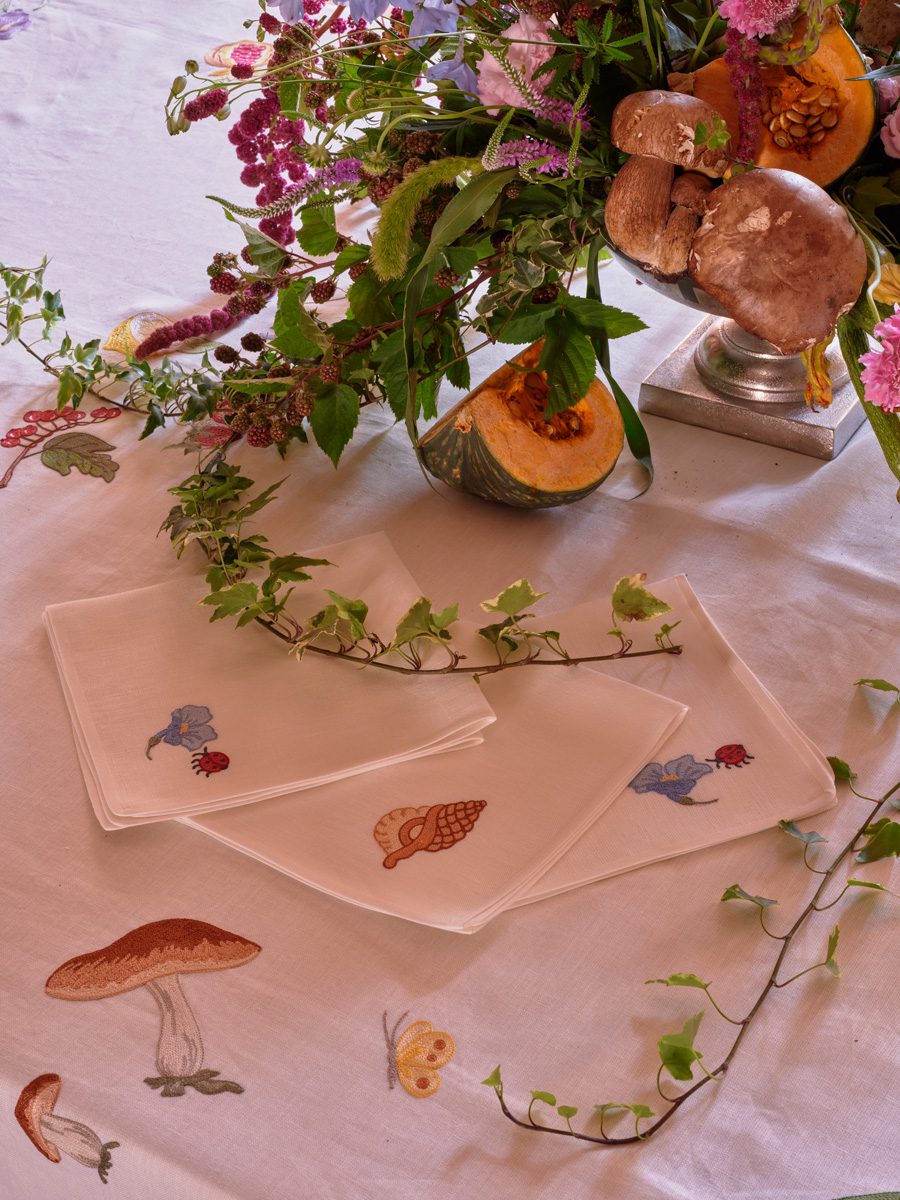
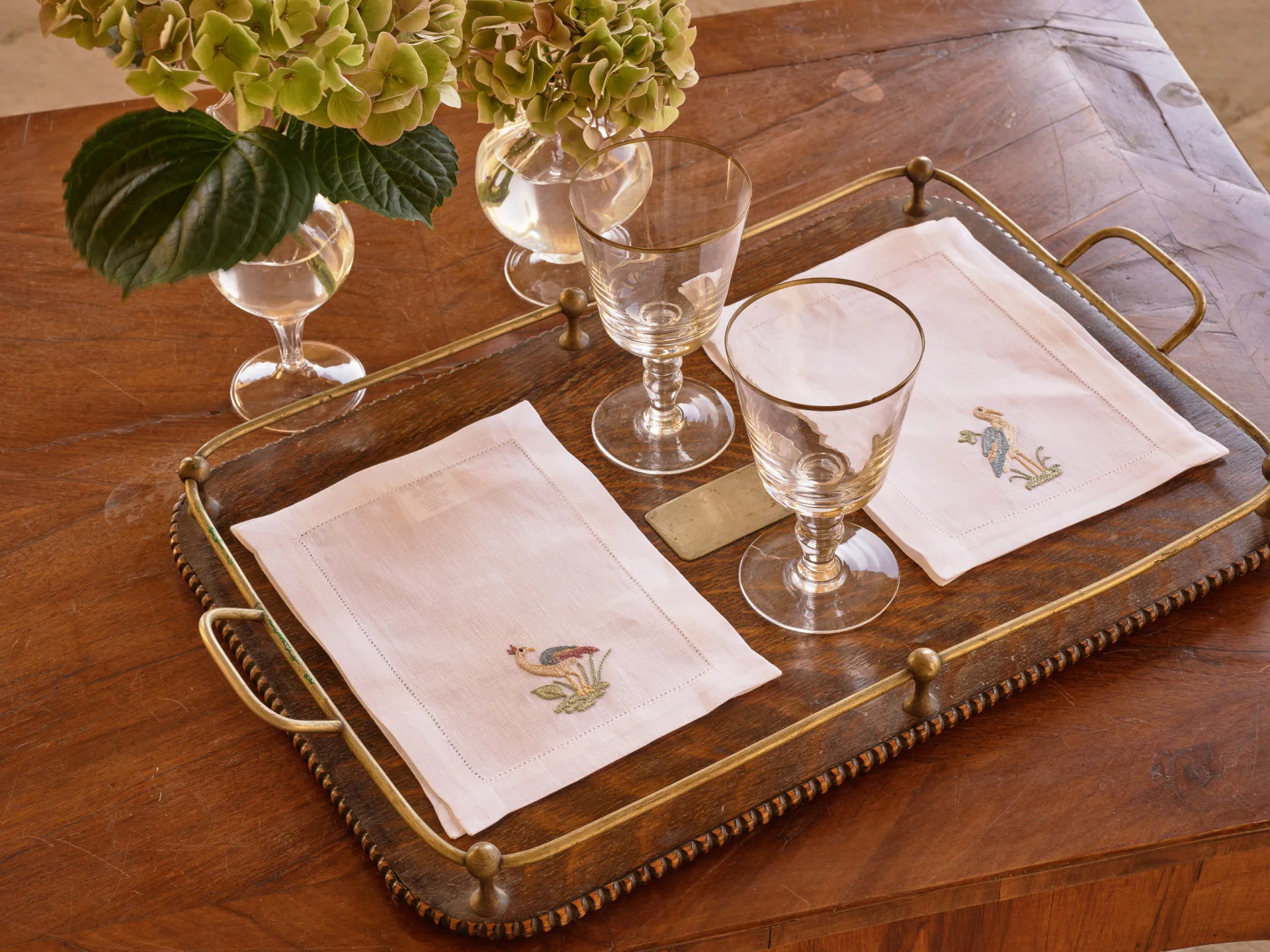
I love giving embroidered cocktail napkins. Even better if they are monogrammed. Matouk does some really fun patterns and colors
BEST STOCKING STUFFERS
Nest makes wonderful travel size perfume roller bottles!
GIFT IDEAS FOR CHILDREN
Legos are a wonderful gift for all kids and who doesn’t want to give their children the opportunity to create!
GIFTS FOR PETS
What pet wouldn’t love a custom treat box from Biscuiteers.com, monogrammed and packaged so adorably.
GIFTS FOR YOUR SIGNIFICANT OTHER
We love to travel and what could be better than giving a weekender bag with an itinerary for a trip away together slipped in the pocket! Don’t forget to make dinner reservations as well
GIFTS FOR TEACHERS AND NEIGHBORS
A gift for all those hard working teachers a 30-90 minute massage would be a welcome gift!
WHAT IS AT THE TOP OF YOUR PERSONAL WISHLIST?
A trip to London to do Christmas shopping and see all the holiday sights!

FAVORITE HOSTESS GIFTS
BEST STOCKING STUFFERS
GIFT IDEAS FOR CHILDREN
GIFTS FOR PETS
GIFTS FOR YOUR SIGNIFICANT OTHER
GIFTS FOR TEACHERS AND NEIGHBORS
WHAT IS AT THE TOP OF YOUR PERSONAL WISHLIST?

FAVORITE HOSTESS GIFTS
This year, I’m making homemade mulling spices/stovetop potpourri as the hostess gift I’ll be giving out. There is nothing better than a house that smells of mulling spices at the holidays + the homemade aspect adds extra warmth and love to the gift.
Directions to make your own mulling spices/stovetop potpourri:
1/2 cup cranberries, 1 small orange, 1 spring of rosemary or pine, 1 tablespoon of cloves, 1 tablespoon allspice berries, 1-2 star anise, and a couple cinnamon sticks.
Be sure to tie on a little tag with directions to slice the orange, drop the ingredients in a pan, add water to cover, and simmer on low to make the whole house welcoming and fragrant.
Gift in glass jars or mason jars.
BEST STOCKING STUFFERS
Anything that adds a little extra beauty or an extra dose of fun! The 2024 Halcyon Days annual holiday box is marvelous, These cocktail napkins are a bundle of fun, this Christmas bunny is a holiday classic, this liquid lip is my favorite, these candies bonbon ornaments are delightful, and a Houses and Parties gift card can’t be beat.
GIFT IDEAS FOR CHILDREN
I love to gift my boys things they will immediately engage and play with (like Legos) but, as the gift giver, I find the most joy and meaning in gifting them special items they can have forever or will enjoy all throughout their childhood. The personalized stools by Palaka are the perfect gift that fits this bill! My oldest son has a little antique pine stepping stool by his bed that he uses to climb into bed. However, I know he’d love a personalized one with his name on it and a motif he adored!
GIFTS FOR PETS
It doesn’t get any cuter than this personalized dog treats jar!
GIFTS FOR YOUR SIGNIFICANT OTHER
My husband needs a new card case so I’ve had my eye out. I think the bespoke card cases from Anya Hindmarch are fantastic! To have a child’s handwriting embossed on it – this would warm my husband’s heart every time he reached for it in his back pocket.
My other top recommendation is pickle ball paddles from Short Court. They make an excellent gift that will get you outside and moving with your significant other. I just love the whole brand!
GIFTS FOR TEACHERS AND NEIGHBORS
A sensational teacher or neighbor gift if these paperwhite bulbs. They are the best and always bring a smile.
WHAT IS AT THE TOP OF YOUR PERSONAL WISHLIST?
I love a Christmas pajamas moment. Christmas pajamas are sweet, special, and sentimental to me. This year, at the top of my list is some cozy mornings and evenings at home with my boys by our tree reading books, playing games, telling stories, and drinking hot cocoa. Those simple times at home are what make the holidays so rich! To bring this back to my wishlist, I’d love to be wearing this holiday gingham nightgown with my boys wearing this coordinating gingham pajamas set (if you have daughters, this coordinating girls nightgown is darling).
I’ve also been coveting a porcelain flower from Vieuxtemps Porcalin for my dining room.
The Olympia Le-Tan Twelve Days of Christmas book clutch is really calling my name!
Last Christmas, I thought long and hard about getting a Loren Hope crystal Christmas tree and I didn’t do it. Fast forward a year, and I’m still thinking about these vintage-inspired beauties. She has three gorgeous ones to choose from: one, two, three. I’ve also been searching the internet for antique Czechoslovakian jeweled Christmas trees!
Finally, I’d really love and cherish a set of holiday China. The problem is that I can’t settle on a pattern. I’ve been thinking about this for years though so it is time to decide and starting slowly gifting it to myself, ha! A traditional holiday pattern, a modern take on holiday china, or something fanciful that isn’t overtly holiday like Ginori’s Oriente Italiano tableware… oh, what’s a girl to choose?

FAVORITE HOSTESS GIFTS
My stationery sets and handmade boxes make great gifts! 🙂 Available to shop in person here in Charlottesville, VA
BEST STOCKING STUFFERS
Favorite little watercolor tins in luscious colors
GIFTS FOR PETS
It would be my dream to have one of these for our beloved Scottish Folds and Tabby. And my favorite pot pourri that we use for the house is here which is great for homes that have pets.
GIFTS FOR YOUR SIGNIFICANT OTHER
My husband James is an avid record collector and watch guy.
GIFTS FOR TEACHERS AND NEIGHBORS
My favorite lavender scented ink and a lovely calligraphy pen.
WHAT IS AT THE TOP OF YOUR PERSONAL WISHLIST?

FAVORITE HOSTESS GIFTS
Tsukiusagi Enamel Slimpot Kettle
El Guapo Craft Cocktail Gift Set
Woodland Figural Pheasant Salt & Pepper Set
The Waste-Not-Want-Not Mosaic Table Runner
BEST STOCKING STUFFERS
GIFT IDEAS FOR CHILDREN
GIFTS FOR PETS
Handcrafted Austrian Dog Collar
GIFTS FOR YOUR SIGNIFICANT OTHER
GIFTS FOR TEACHERS AND NEIGHBORS
Personalized Heritage Extra Virgin Olive Oil
New English Interiors: At Home with Today’s Creatives
Interiors: Styled by Mieke ten Have

FAVORITE HOSTESS GIFTS
My favorite gift to bring to friends who are entertaining us is a great bottle of wine wrapped in a vintage hand embroidered guest towel. I typically find these at our local antique shops, but Etsy and Ebay are also great sources for these.
BEST STOCKING STUFFERS
Scratchers are a tradition in my family – we love seeing if we win anything big while having our Christmas Day breakfast. Usually we only win $5 or $10 – but it’s the thrill of it that makes them so fun!
GIFT IDEAS FOR CHILDREN
My girls are now 5 and 7 and absolutely love making friendship bracelets. We love finding gifts for them that they can use for a while and get creative with.
GIFTS FOR PETS
Our loveable lab, Grady, can destroy just about any toy we give him, so to avoid the mess, we love to give him a new Kong toy with treats hidden inside. It helps keep him occupied while we open gifts (and he won’t grab ribbon or paper while we aren’t looking!).
GIFTS FOR YOUR SIGNIFICANT OTHER
I love collecting and gifting my husband vintage barware to add to his bourbon bar that he has in his home office. They are beautiful and also practical pieces that he will have forever.
GIFTS FOR TEACHERS AND NEIGHBORS
For our neighbors and wonderful teachers, I love to give beautiful potted paperwhites or amaryllis bulbs. I adorn them with a beautiful velvet ribbon to add a festive touch.
WHAT IS AT THE TOP OF YOUR PERSONAL WISHLIST?
I love collecting vintage jewelry with opal stones, as my girls are both October babies. I plan to hand these down to the girls as they get to be older.

FAVORITE HOSTESS GIFTS
First, please don’t use the word gift. A gift is something you get free with purchase. Friends and loved ones give presents.
My favorite hostess gift is chic cocktail napkins. I like that they’re oversized as they work for drinks or hors d’oeuvres. The white on sky blue are my favorites. It’s a useful, lasting present and eco-friendly. Being handed a paper cocktail napkin is like being told you’re welcome here, but I couldn’t be bothered.
BEST STOCKING STUFFERS
I was just in Ocala Florida (if you don’t have a horse don’t bother … but if you do have a horse, the show circuit there has seriously upped its game) and found Grandpa Joe’s Candy Shop. It’s a massive store filled with every retro candy from the 70’s and 80’s. Who doesn’t want a stocking stuffed with 5th Avenue or Babe Ruth Bars or Mallo Cups? PS regarding showing in Ocala, find a friend with a plane and fly direct.
GIFT IDEAS FOR CHILDREN
Matt Austin is one of my all time favorite artists to work with on interiors. He’s also turned his genius to children’s toys, which include chalk sculptures as well as whimsical wooden animals; go for the gold leaf if you’re having a banner year.
GIFTS FOR PETS
These are the absolutely chicest wicker animal beds in existence. I love this company.
GIFTS FOR YOUR SIGNIFICANT OTHER
My husband buys what he wants when he wants it so holidays are difficult. However, every man, woman, or child every ten years or so could all use a new alligator belt and Ralph Lauren’s are the best. Never throw away the old ones however. No matter how ratty they’re great with jeans. I wear mine until they literally fall off.
GIFTS FOR TEACHERS AND NEIGHBORS
Hands down the softest, most beautifully detailed and most reasonably priced throw I’ve ever come across. Sea Mist is the most beautiful neutral.
WHAT IS AT THE TOP OF YOUR PERSONAL WISHLIST?
Two options. A few years ago I designed a small collection of bronze and marble tables and lamps for Maison Gerard. I’d really love to own one of my own tables.
Alternatively, although I don’t really think men should wear gold watches until they’re very very very old (which I’m not) I’ve always loved the Rolex Daytona Cosmograph with a champagne dial. Young men wear discrete gold watches. Age allows you to be a bit bolder.

FAVORITE HOSTESS GIFTS
BEST STOCKING STUFFERS
GIFT IDEAS FOR CHILDREN
GIFTS FOR PETS
GIFTS FOR YOUR SIGNIFICANT OTHER
GIFTS FOR TEACHERS AND NEIGHBORS
WHAT IS AT THE TOP OF YOUR PERSONAL WISHLIST?

FAVORITE HOSTESS GIFTS
With so much junk out there and questionable oils, I love to gift this combo set of this specialty Spicy Olive Oil and soap set from Flamingo Estate. I know the quality is true and it’s not something that my host or hostess is bound to already have. Their products are some of my favorites.
GIFTS FOR PETS
Nothing says fab holiday pet like a Ralph Lauren cashmere sweater…for dogs. They really have the best, most festive red color. I have the human version!
GIFTS FOR YOUR SIGNIFICANT OTHER
I’ve been eyeing these classic cufflinks from Tiffany and Co for someone special. What makes them great is the personalization opportunity which makes the cufflinks even more unique and intentional.
WHAT IS AT THE TOP OF YOUR PERSONAL WISHLIST?
Since my late grandfather gifted me all of his vintage western pieces, I’m talking belts, buckles, gorgeous hats and bolos, I’ve been slowly growing my collection. I wear most of it and I think this 1940’s Concho Belt would be an incredibly beautiful piece to own and wear – especially during the holidays.

FAVORITE HOSTESS GIFTS
This set is a go to hostess gift and I just love all the little words of wisdom on each one. They are great little ice breakers to go around the table and share.
BEST STOCKING STUFFERS
These fun socks make the perfect practical and cozy stocking stuffer for your favorite New Yorker or New York- lover!
GIFT IDEAS FOR CHILDREN
Look no further for the most stylish scooter for your little one
GIFTS FOR PETS
The ultimate and super stylish bed for your pooch
GIFTS FOR YOUR SIGNIFICANT OTHER
Everyone needs a weekender bag and this one will be your new go to as all the compartments keep things super organized
GIFTS FOR TEACHERS AND NEIGHBORS
This olive oil is always a fan favorite… Love the smooth olive that packs a big punch with a hot after taste.
WHAT IS AT THE TOP OF YOUR PERSONAL WISHLIST?

FAVORITE HOSTESS GIFTS
These little glass cork safes are a fun alternative to bringing a bottle of wine to a party.
I keep a bunch of these little mini shell dishes on hand to give as hostess gifts year-round. You can never have enough tiny little dishes in a well decorated home. Pair one of these with some little mini holiday candies for a festive hostess gift.
I love giving little holiday plants as hostess gifts. Grab a little lemon cypress tree and tie a little silk bow on top and place in one of these marbled cachepots.
BEST STOCKING STUFFERS
A little collectible trinket dish is a nice surprise in a stocking. I separate the pair and stuff into Mom or Mother-in-law stockings.
I love including little gourmet food items in stockings. This lemon artichoke pesto is a treat.
The Maison Marie Louis No. 5 is my favorite candle for the home and these perfume oil minis are perfect stocking stuffers.
This silk daisy chain kit is great for the mini garden lover.
I always buy little packages of Wikki Stix for my kid’s stockings.
GIFT IDEAS FOR CHILDREN
These personalized kids aprons will be a hit at my house for my little mini chefs who always love to help cook. If you are local to Atlanta, you can have anything you purchase at the Weezie store monogrammed on the spot at their new Embroidery Bar.
We already have a set of these little colored pencils at home and it is the only set of coloring supplies that actually stays together. The kids enjoy putting each pencil back in rainbow
order, which thrills me!
My three-year-old daughter loves wearing all her winter accessories year-round, so she will be getting this hat and mittens set this year.
My kids enjoy decorating their own mini tree for their bedrooms and they will love this mini felt ornament set. I love the idea that these little ornaments will be part of their childhood memories for years to come.
GIFTS FOR YOUR SIGNIFICANT OTHER
Love Schostal and my husband loves Alex Mill, so he will be getting a pair of these pajamas this year.
I always buy my husband a tie for Christmas and giving a Ben Silver tie is like giving a little piece of Charleston prep.
Clothes are always an easy gift for husbands. The textured gray of this Canali vest is a nice alternative to your standard black vest. and this wool-cashmere turtleneck will be extra snuggly on him this season.
This steel mesh watch strap will be a good accessory for my husband’s watch collection.
GIFTS FOR TEACHERS AND NEIGHBORS
This little pencil cup and set of matching pencils would be great for teachers.
I buy a bunch of sets of these Odd McLean marbled taper candles every year to give to teachers
A package of custom paper guest towels customized with your neighbor or teacher’s house number sourced from somewhere like Etsy or Zazzle makes a great gift because you can gather all the address numbers you need ahead of time and place one big order. Pair with a simple guest towel tray.
WHAT IS AT THE TOP OF YOUR PERSONAL WISHLIST?
I ordered the discovery set from Regimes des Fleurs and sat at a little dessert spot with my husband on a date to test them all. We liked the way Nitesurf Neroli smelled on my skin, but I am also a big fan of Falling Trees.
I’ve been on the hunt for statement snake bracelet ever since I saw Sylvie wearing one on an episode of Emily in Paris, so hoping Santa brings me this one!
An early 1900’s figurative ink drawing by Polish born New York Expressionist Jennings Tofel to add to my art collection.
I’ve had my eye on one of these marbled valet trays in crepaldi green nonpareil paper for my office.

FAVORITE HOSTESS GIFTS
I love our Shelley Johnstone Design Holiday Candle
BEST STOCKING STUFFERS
For the ladies in our home I love this lip conditioner as an item in their stockings
GIFTS FOR PETS
Loving this rattan dog bed
GIFTS FOR YOUR SIGNIFICANT OTHER
For my husband I think this speaker is kind of cool
WHAT IS AT THE TOP OF YOUR PERSONAL WISHLIST?
Time with my entire crew and my husband always finds me pretty items that he knows I love. This scarf from Hermès is lovely and in my favorite color, brown

The KRB scented candle is really really delicious. Super stocking stuffer.
KRB’s silver cocktail stirrers make a nice hostess gift teamed with their clawed silver ice tongs, below.
One, or a pair, of my new scanned prints for KRB are nicely priced for a best friend, or sibling or significant other.
Found these pretty gold plated cardamon flower hoop earrings on Etsy.
For friends and associates, i love vintage enamel and silver bracelets found on Etsy.
A treat for a special person, an amethyst bowl from Creel & Gow
Who doesn’t love a hand stitched linen napkin? Found these on Amazon.
Well worth the search, vintage YSL handbags on Etsy.
Really good toffee, a crowd pleaser.
A fetching Scanlon Apparti letter holder from KRB. If you know your hostess’s bedroom color scheme, there are lots of options to choose from.
In closing, and not pictured, almost anything you choose from Cove Landing will be treasured by a very special someone.

FAVORITE HOSTESS GIFTS
Salt & Pepper Shakers from Vagabond House. With so many choices you can find the perfect set for almost anyone.
BEST STOCKING STUFFERS
Feu de bois (Wood Fire) Taper candle from Diptyque… instant holiday vibes, like a mini roaring fire.
GIFT IDEAS FOR CHILDREN
ANIMAL MENAGERIE STATIONERY KIT... adorable and encourages the kiddos to write!
GIFTS FOR PETS
Wicker Pet Bed for the petit pooches out there, this cozy little hut is so cozy and stylish.
GIFTS FOR YOUR SIGNIFICANT OTHER
I love the idea of gifting each other art, it’s a wonderful way to start a collection and hunting for art is a fantastic date night idea.
GIFTS FOR TEACHERS AND NEIGHBORS
SWIRL FOLIOS from Stephanie Fishwick fall under “I wouldn’t by that for myself but love it” category. These gorgeous folios will update anyone’s keepsakes.
WHAT IS AT THE TOP OF YOUR PERSONAL WISHLIST?
A restored 1954 VW Bus from Kindred Motorworks. My parents and grandparents drove Volkswagon vans so they are so nostalgic for me. This refurbished, and electafied one is TDF. Pretty please Santa!

FAVORITE HOSTESS GIFTS
Bougie Apothicaire Mad et Len Spirituelle candle
BEST STOCKING STUFFERS
AirPods are always a favorite since one child always loses them or has a dog chew one up.
Bandit socks for running
Italian Handmade Watercolor sets – Marcus’s favorites
GIFT IDEAS FOR CHILDREN
One of the best family games – Unstable Unicorns
GIFTS FOR PETS
GIFTS FOR YOUR SIGNIFICANT OTHER
Dream trip to Castelo Reschio
GIFTS FOR TEACHERS AND NEIGHBORS
Making your own Christmas cookies
or ordering a fantastic cake from Sweet Laurel
If someone loves to cook this Italian Coastal recipe book is amazing (and the only one that Marcus uses)
WHAT IS AT THE TOP OF YOUR PERSONAL WISHLIST?
For Marcus: Visla Hydro Rower
For Autumn: Mongolian Cashmere Robe
Or Nike Alphaflys for my next marathon

FAVORITE HOSTESS GIFTS
Bath salts for after the party!
BEST STOCKING STUFFERS
Flashlights are a tradition in my family!
GIFT IDEAS FOR CHILDREN
Mini Magna Tiles, just released!
My daughter loves this sewing kit
GIFTS FOR YOUR SIGNIFICANT OTHER
Something useful: ski jacket
Something sentimental: new passport case with messages from our kids
Fun dinner reservation for the week after Christmas!
GIFTS FOR TEACHERS AND NEIGHBORS
Flowers for the teacher
Puzzle: I gave a puzzle to everyone who works with my children last year, along with a handwritten note of our appreciation (don’t forget the value in those!)
WHAT IS AT THE TOP OF YOUR PERSONAL WISHLIST?
Evelyne 16 with the checkered strap. I live for a touch of gingham!

FAVORITE HOSTESS GIFTS
BEST STOCKING STUFFERS
GIFT IDEAS FOR CHILDREN
Bantam Wooden Model Car in Forest Green
2 in 1 Balance Bike in Vintage Green
GIFTS FOR PETS
GIFTS FOR YOUR SIGNIFICANT OTHER
Waxed Canvas Jacket – Tensaw Jacket
Outdoor Apparel & Gear: Anything Tom Beckbe
GIFTS FOR TEACHERS AND NEIGHBORS
WHAT IS AT THE TOP OF YOUR PERSONAL WISHLIST?
Personal wish list: A trip back to Reschio
FAVORITE HOSTESS GIFTS
BEST STOCKING STUFFERS
Return to Pretty book
GIFT IDEAS FOR CHILDREN
GIFTS FOR PETS
GIFTS FOR YOUR SIGNIFICANT OTHER
GIFTS FOR TEACHERS AND NEIGHBORS
WHAT IS AT THE TOP OF YOUR PERSONAL WISHLIST?
Below is a sampling of the recommendations from our tastemakers, by category… Happy Shopping!
HOSTESS GIFTS

STOCKING STUFFERS
GIFTS FOR CHILDREN
GIFTS FOR PETS
SIGNIFICANT OTHERS
TEACHERS AND NEIGHBORS
PERSONAL WISHLIST
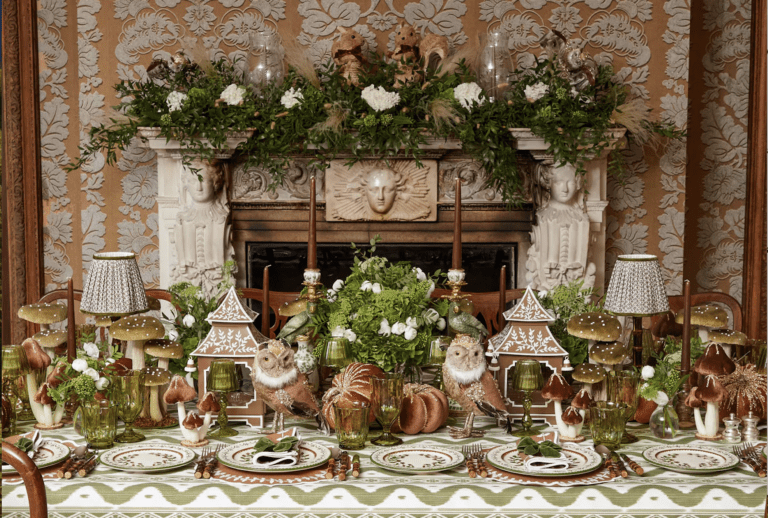
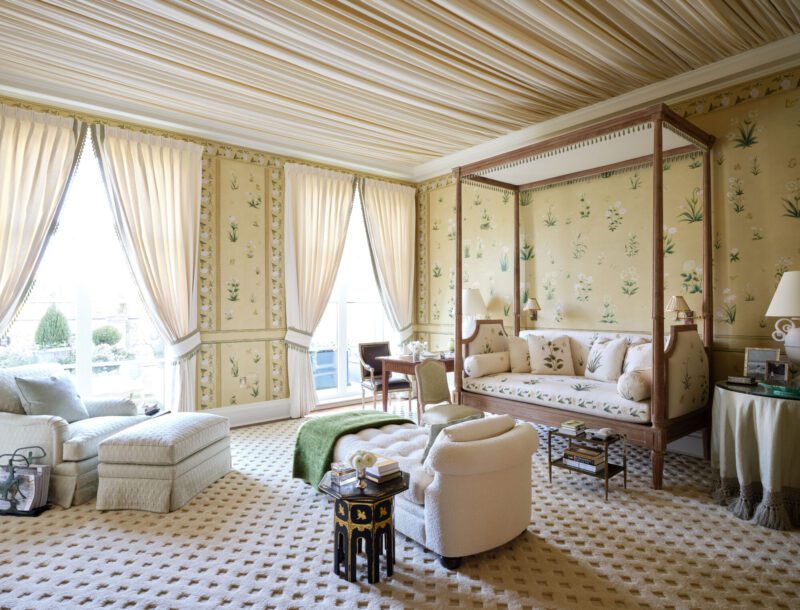
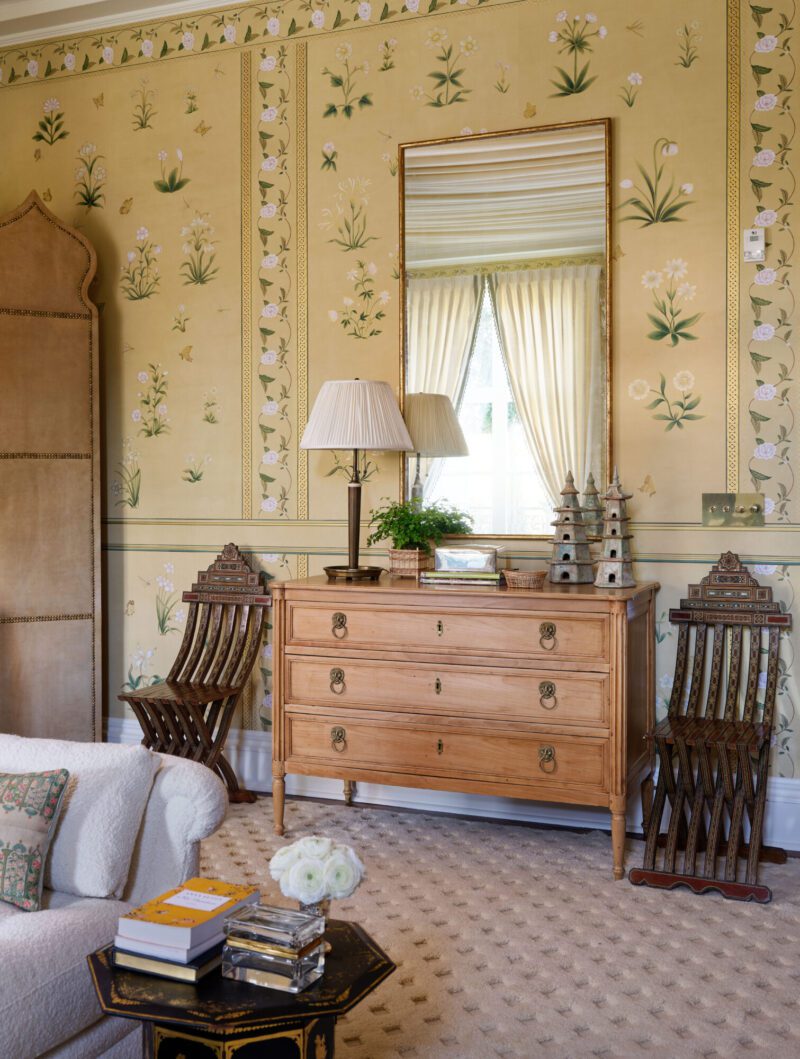
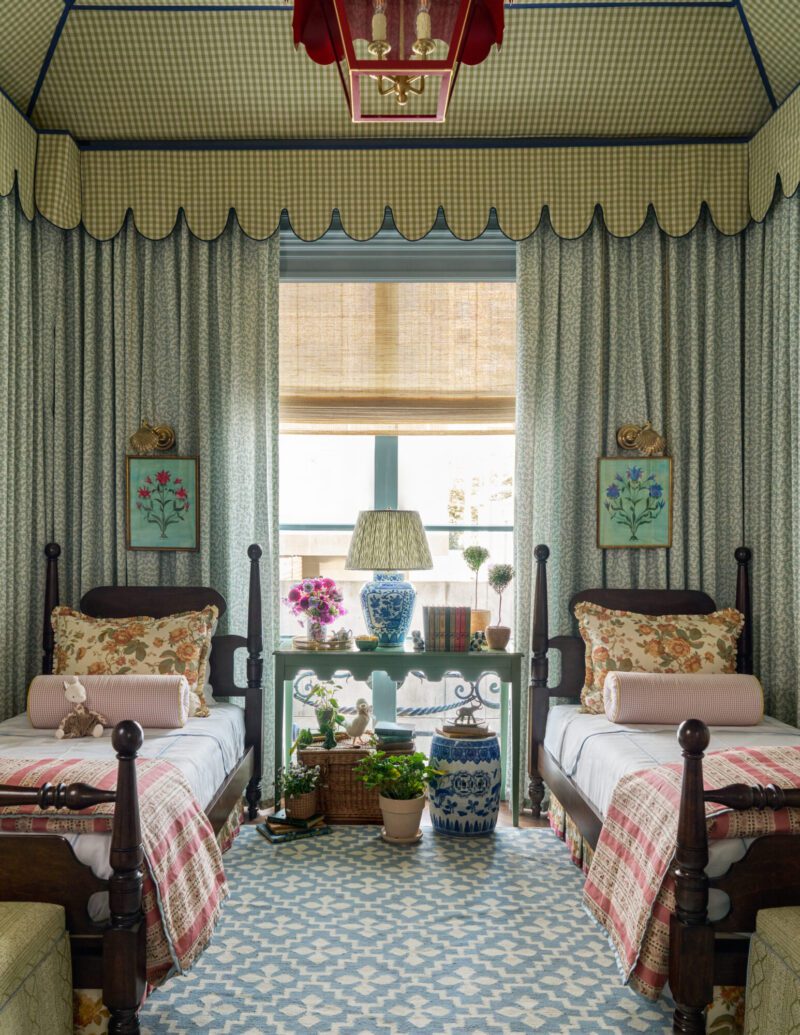
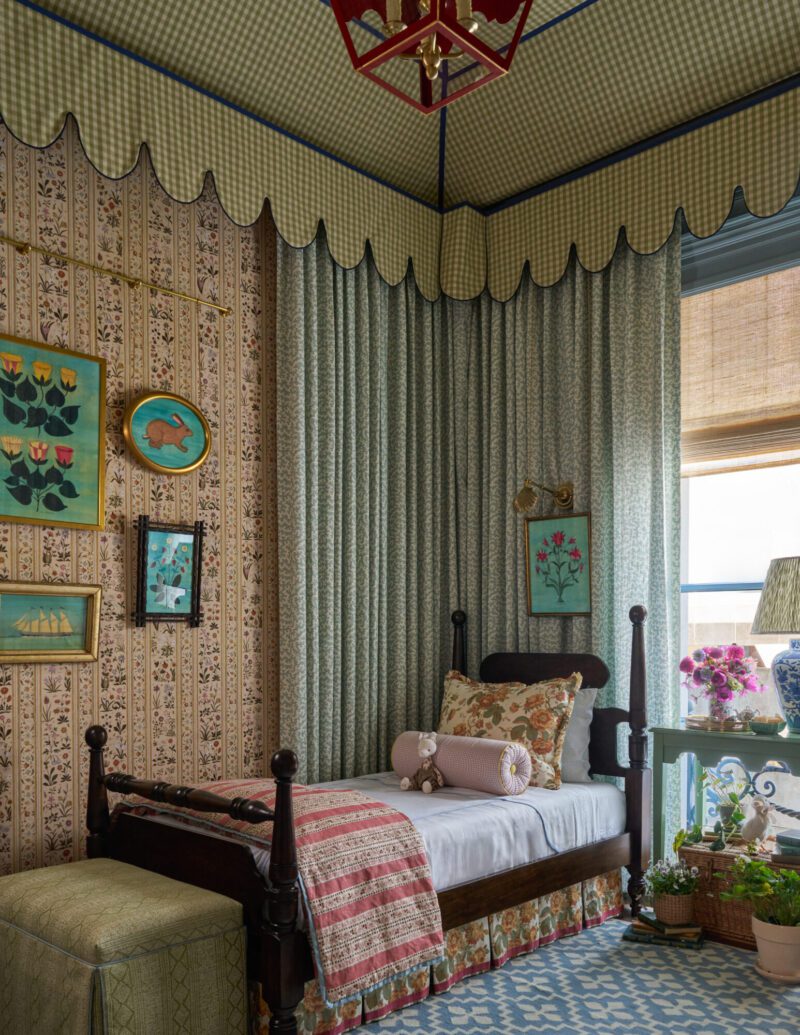
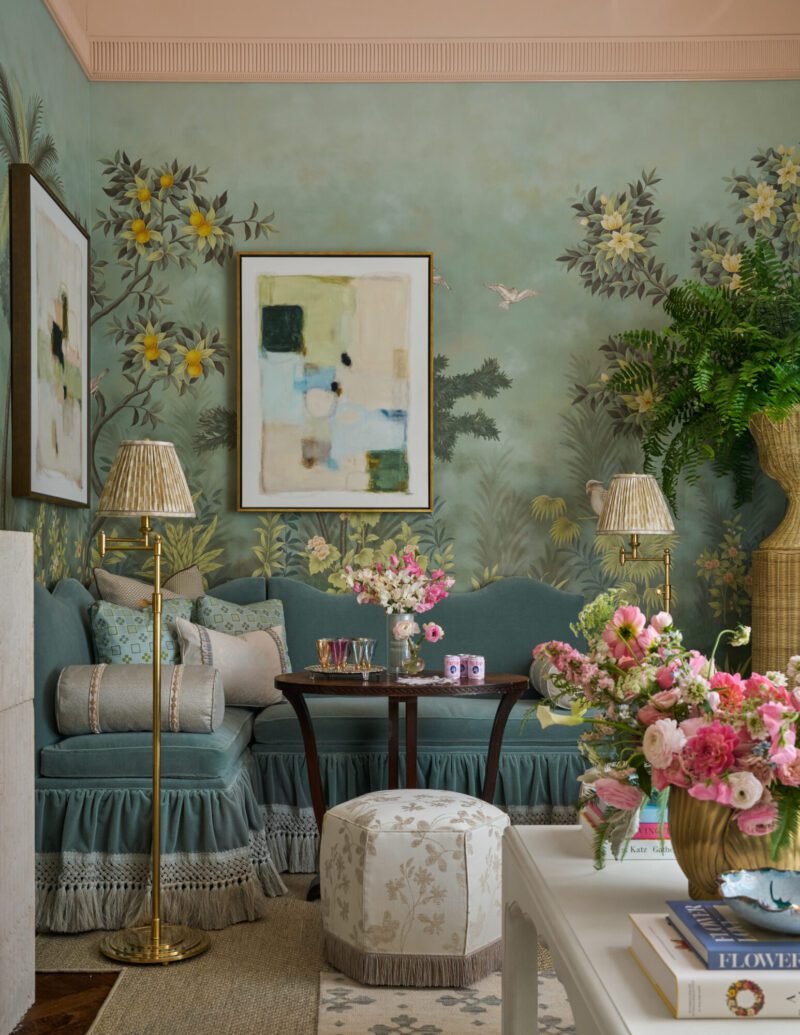
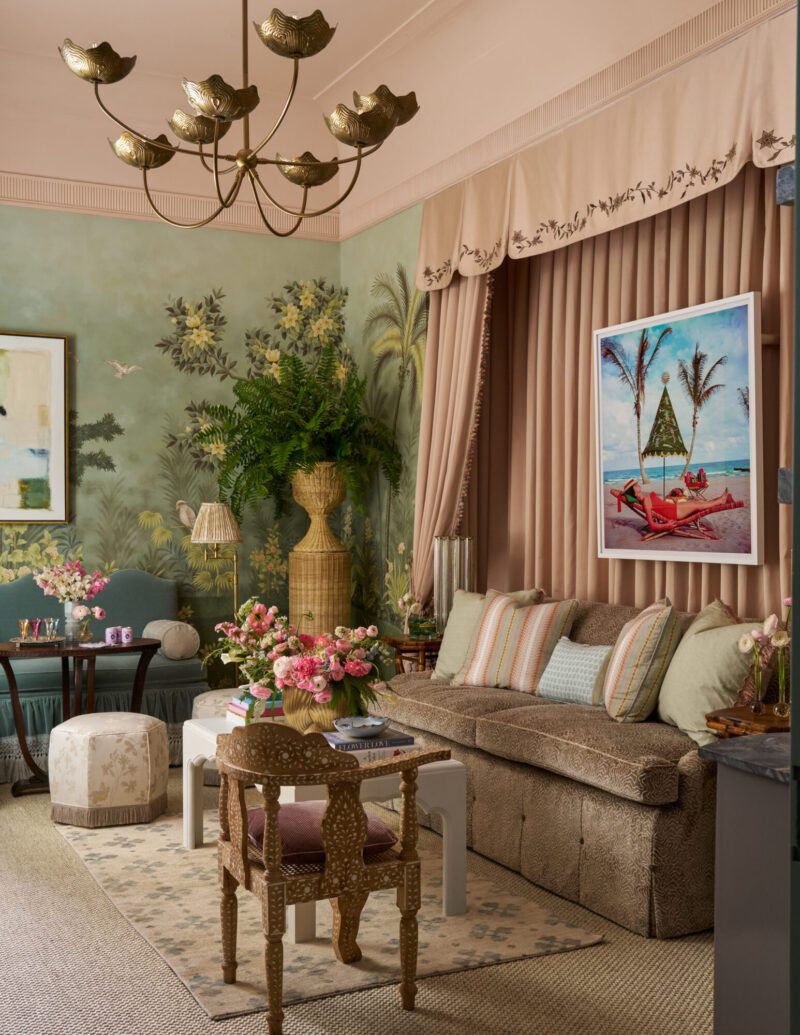
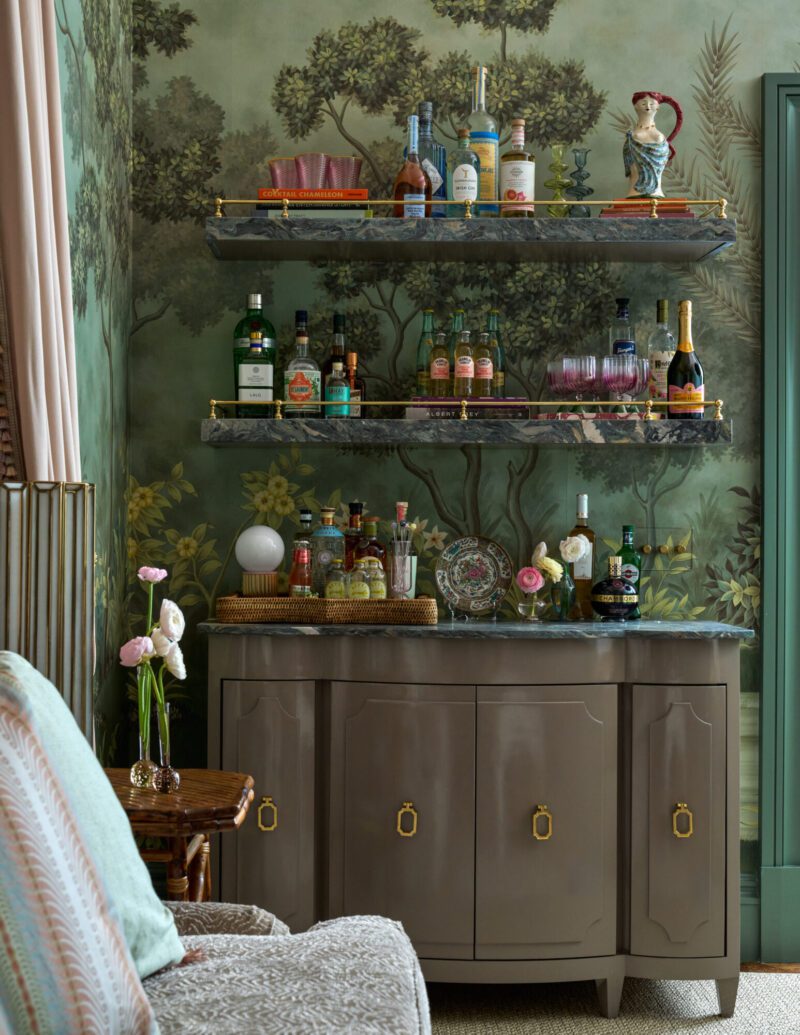
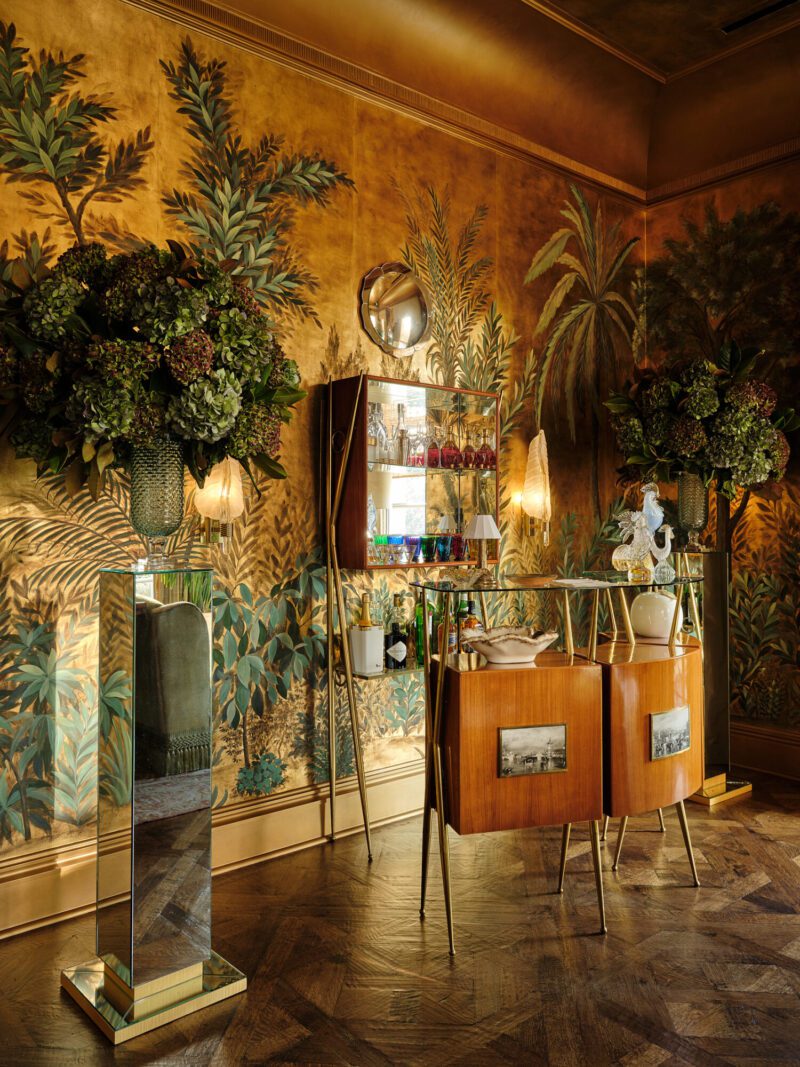
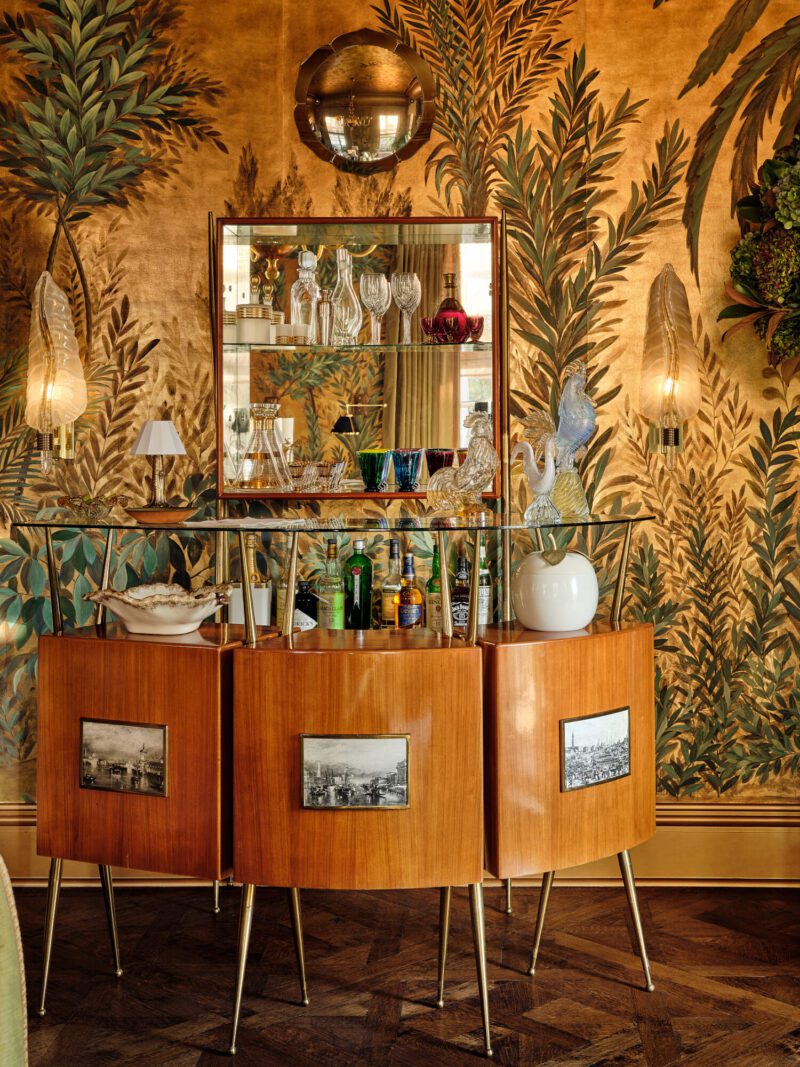
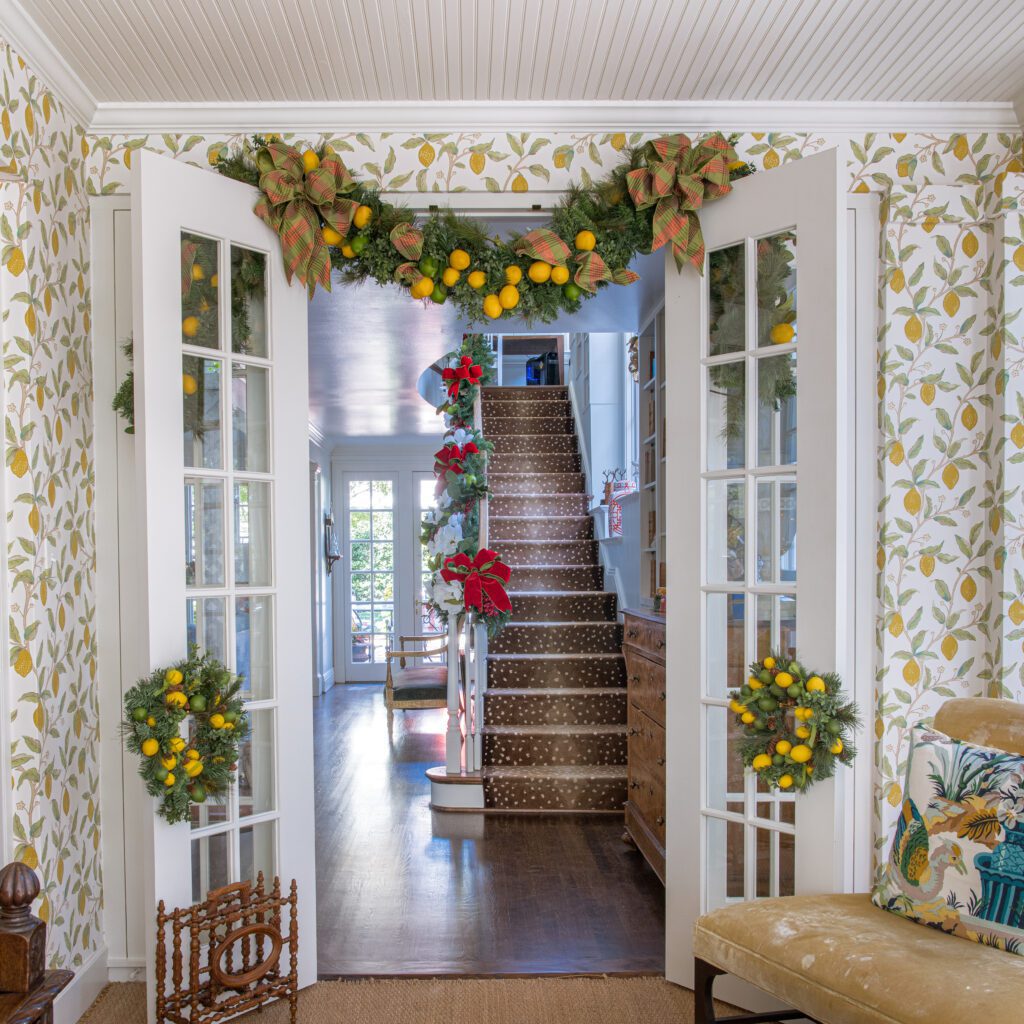
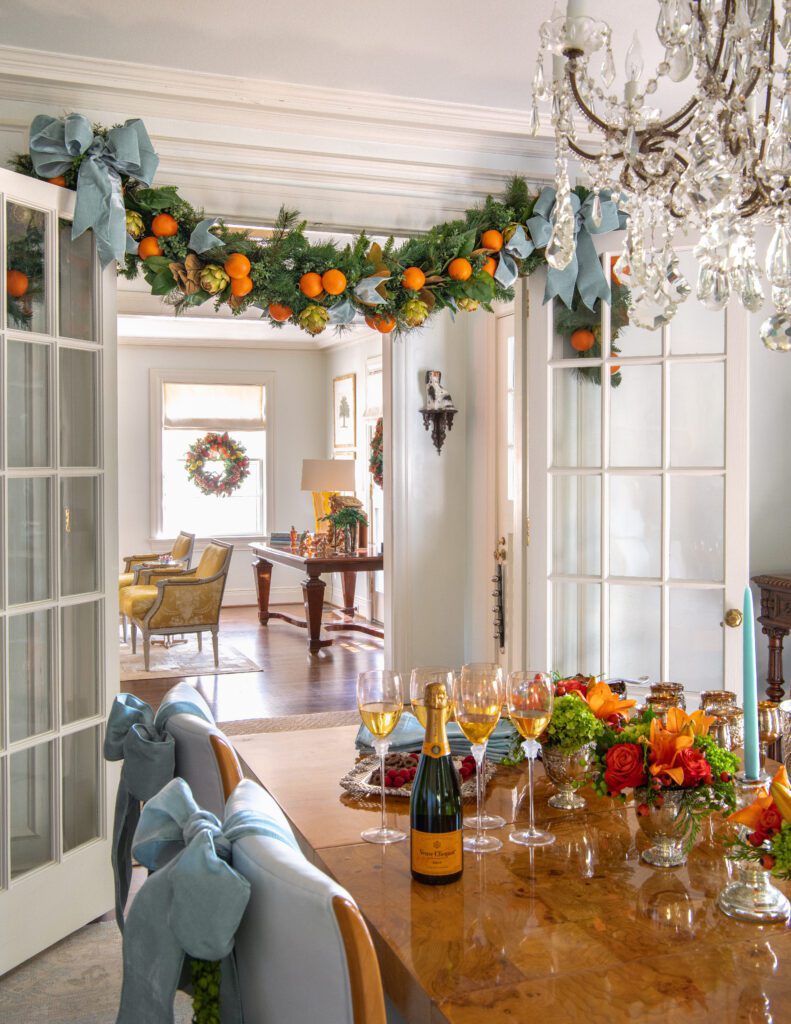
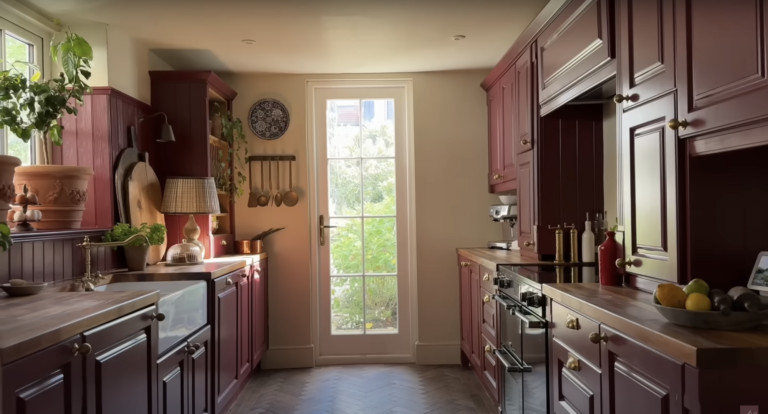
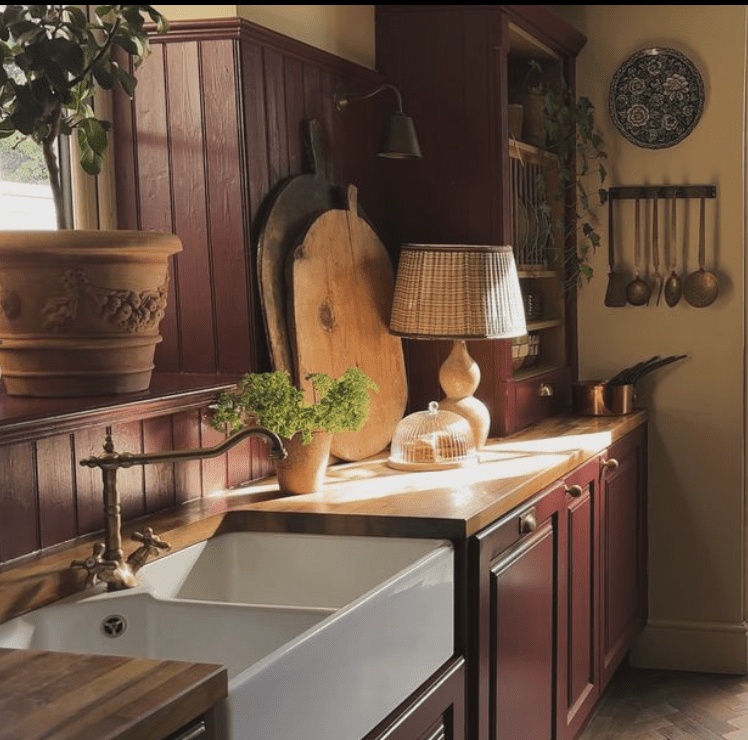
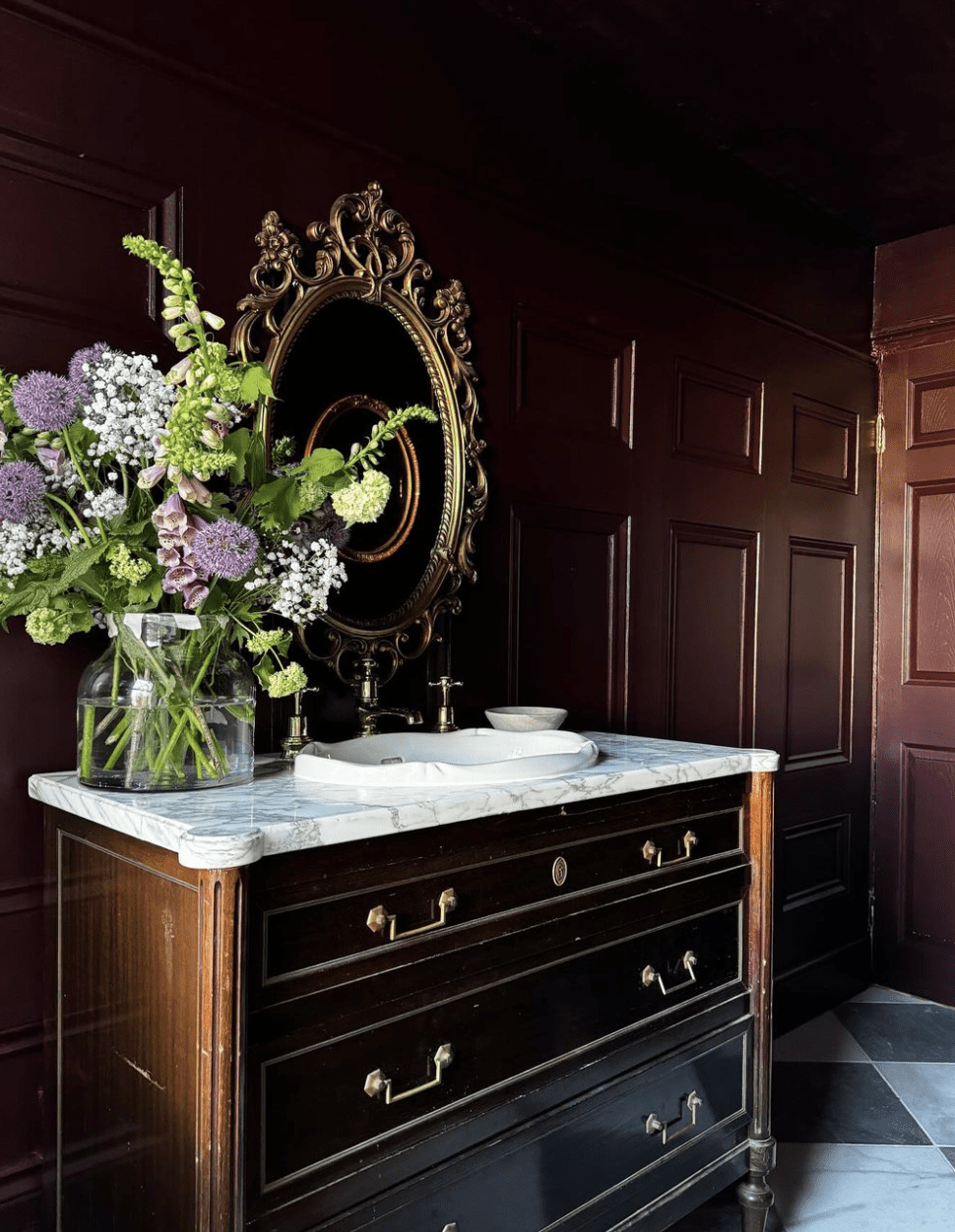
Stay tuned over the next few weeks as we take you inside some lovely homes festively adorned for the holidays by this year’s Tastemakers! Enjoy a sneak peed below…