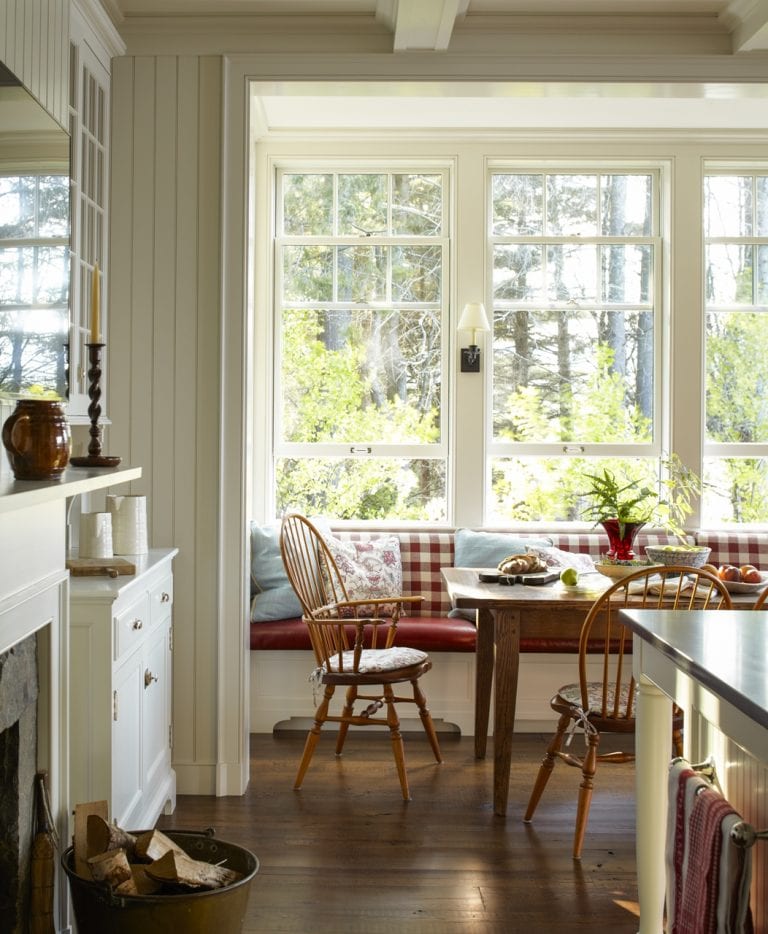



Patricia Altschul’s Tips for Creating a Timeless Home
Style icon and Bravo star Patricia Altschul knows a thing or two about interior design… She has worked with the legendary Mario Buatta in designing four homes, and her professional background as a rare art expert and dealer has taken her everywhere from Buckingham Palace and Versailles to the White House. In her book, Southern Charm, Patricia quoted Mario on his mantra that decorating cannot be treated as fashion. “A great room is an investment of time and money, and if you do it correctly the first time, chances are you will never get tired of it,” he said. And Patricia agrees.
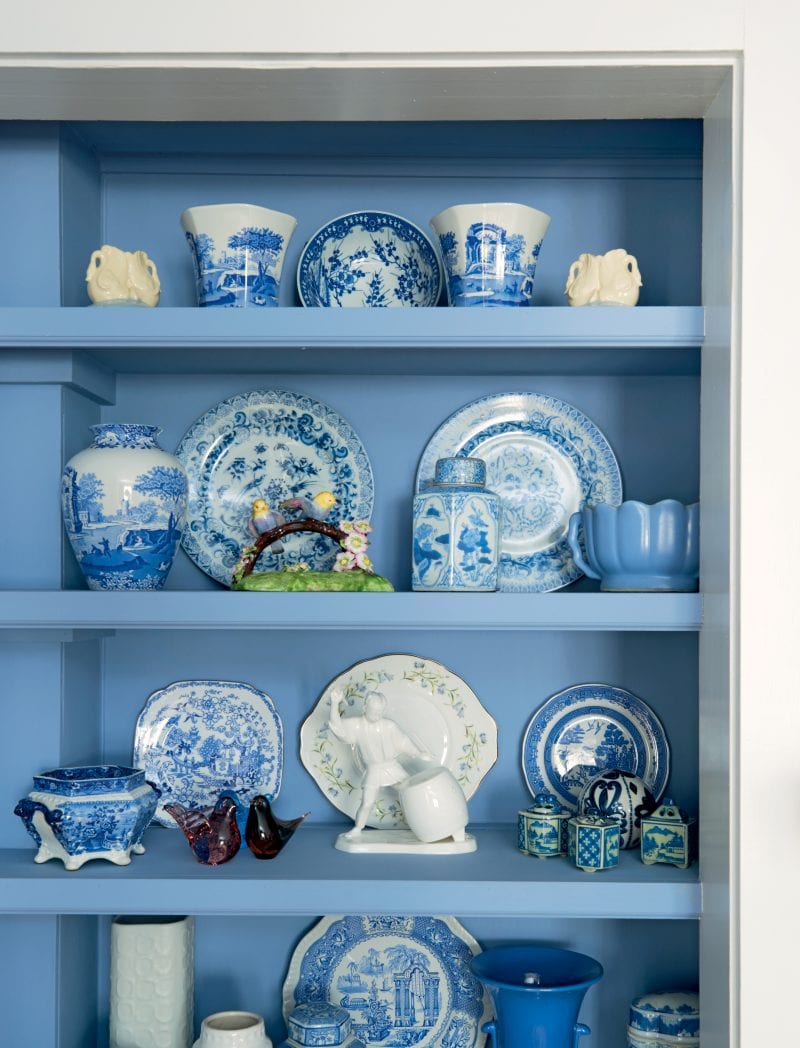
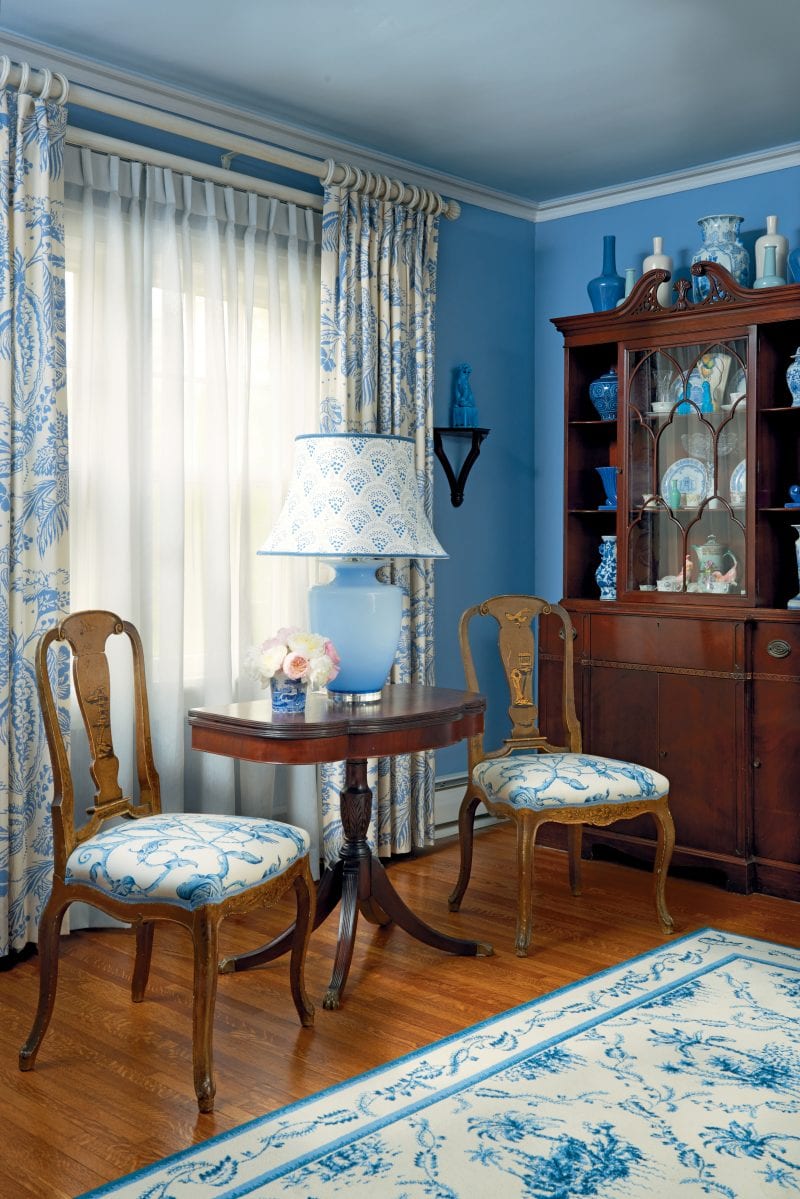
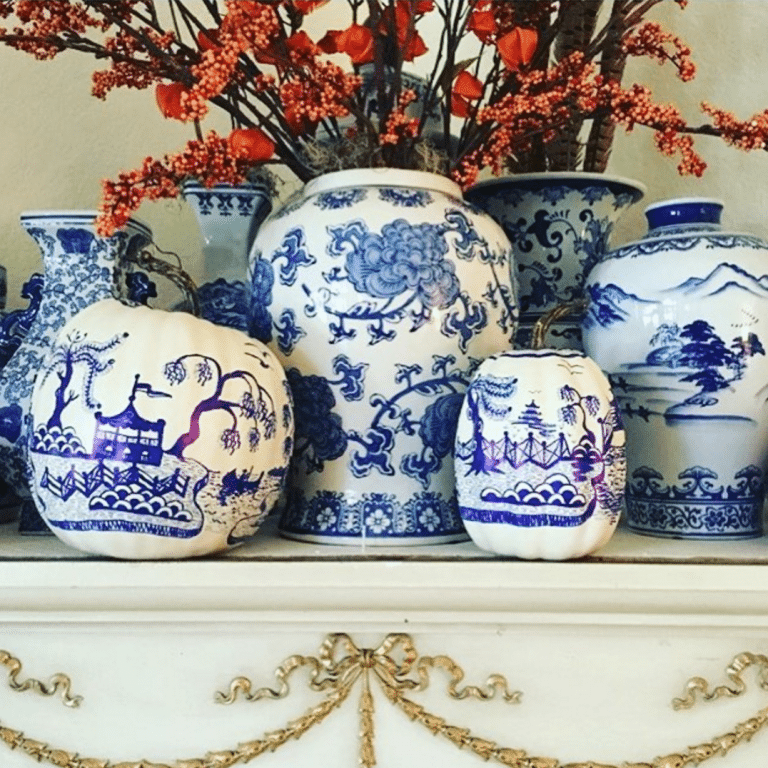
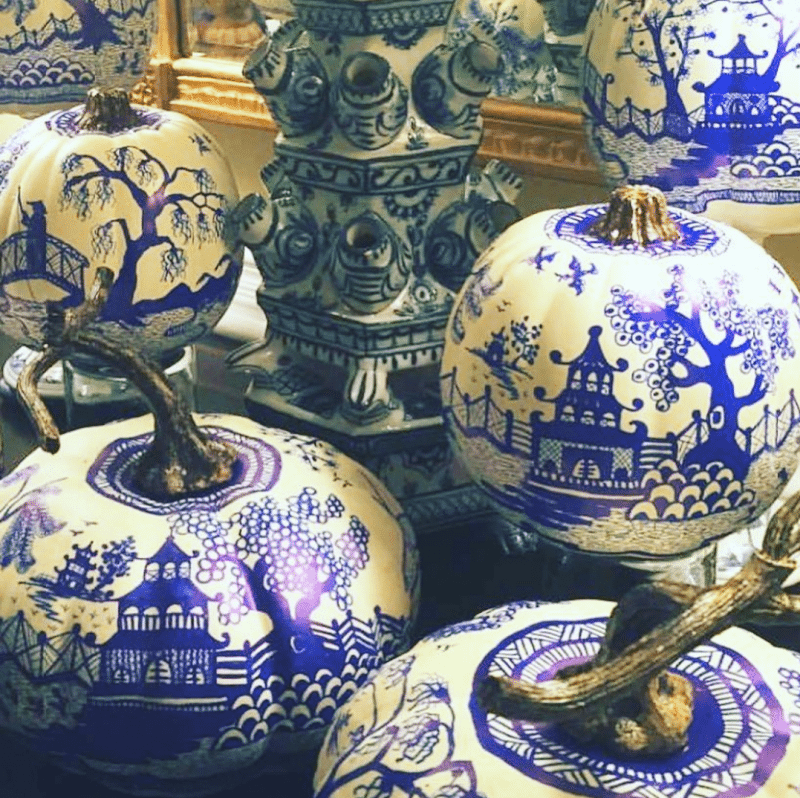
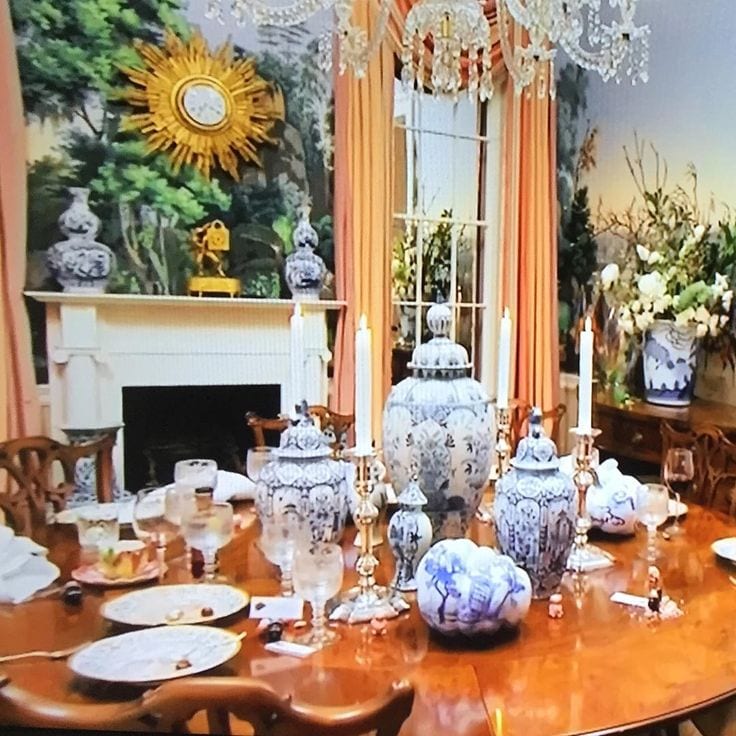
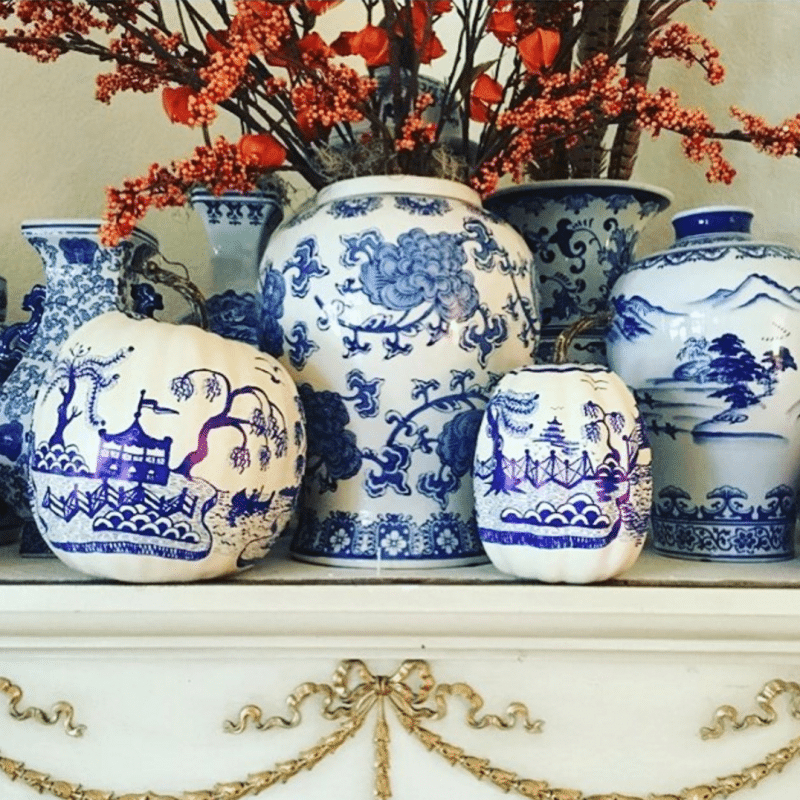
Today, I am thrilled to welcome Patricia to The Glam Pad, as she shares her insider tips on how to create a beautiful and classic home and previously unpublished pictures of her collections. Below are highlights from my interview with Patricia…

TGP: Of all the beautiful homes I have written about since beginning my blog five years ago, yours is my all-time favorite. How do you go about creating a timeless home, one that you will always love and is worth the investment?
PA: In terms of investment, first of all you have to decide what you need. There are three things that I consider “need”…
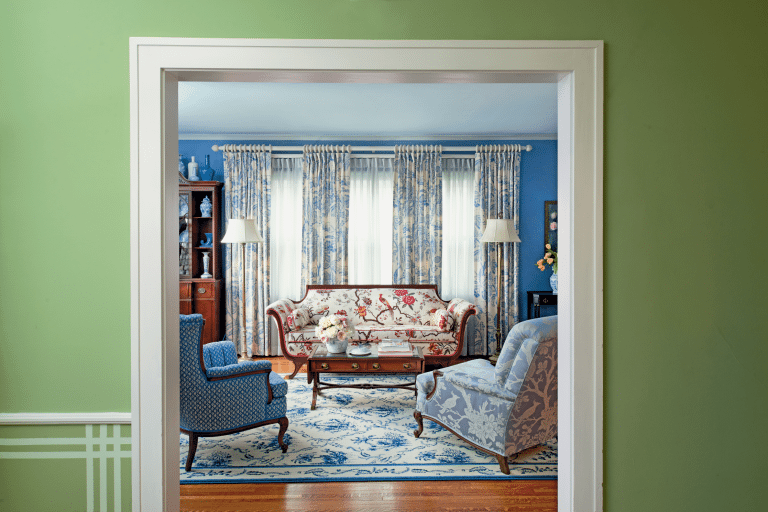
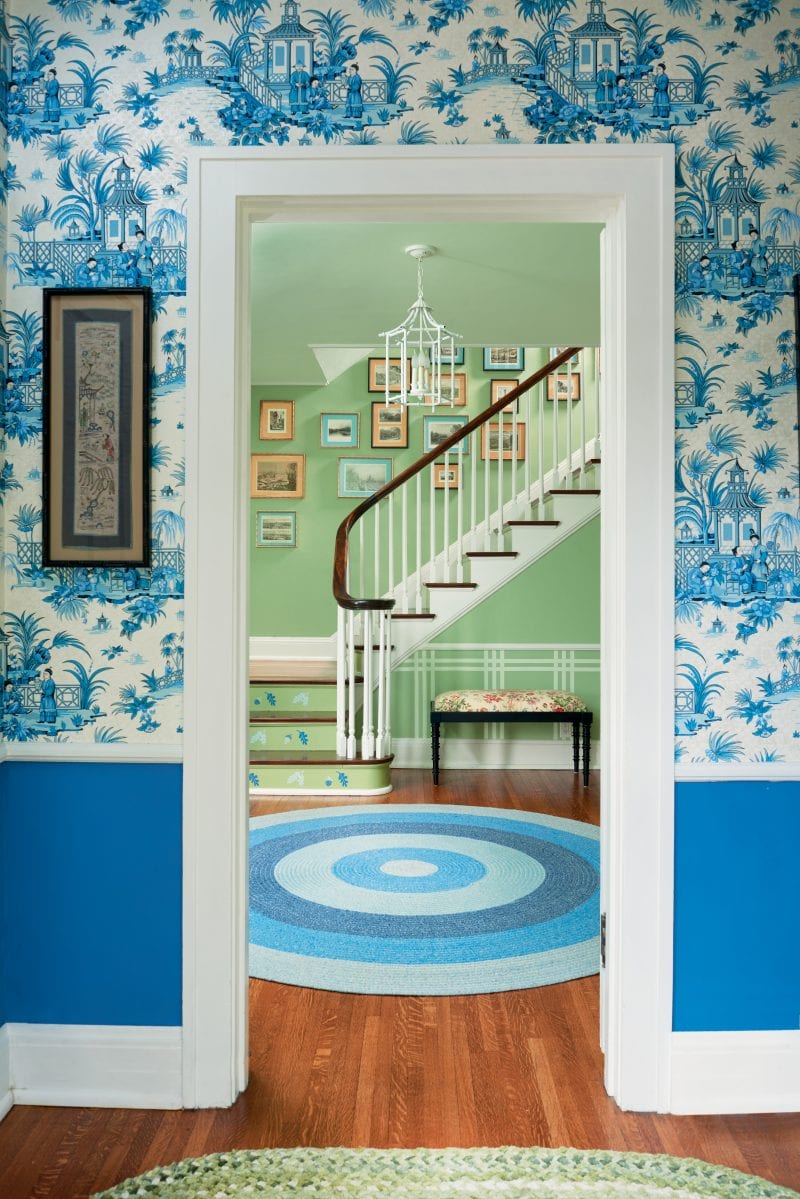
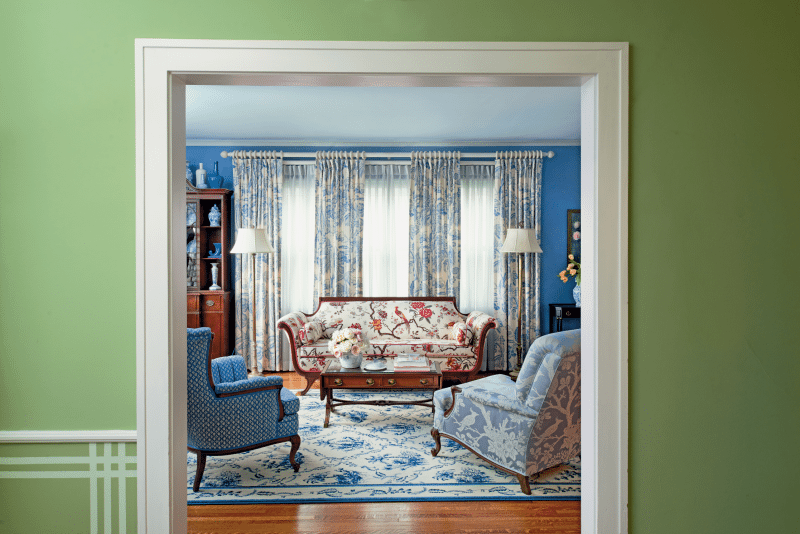
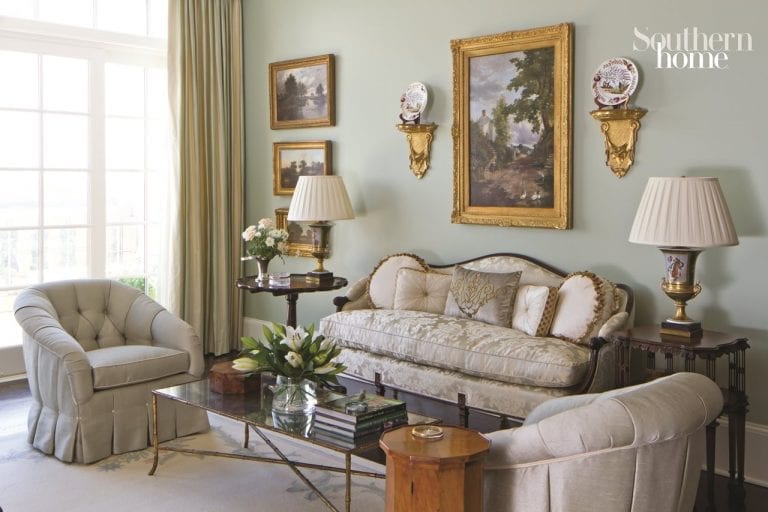
- Comfort, which a lot of people overlook. They simply go for appearance. Comfort is what really makes your house a home. Then the aesthetics. Let’s start with the living room, for example. The first thing Mario and I do is decide on color. And that dictates almost everything else. So let’s take my living room, which is apple green. He added and subtracted and customized it, but you can actually buy apple green at Benjamin Moore. He doesn’t do just a little swath… He does a huge swath of color and lets it dry and he looks at it in the different times of the day. Most people don’t do that, and you can paint a room and then realize the next day you cannot live with it. You want a color you can live with that looks good night and day. That’s your backdrop.

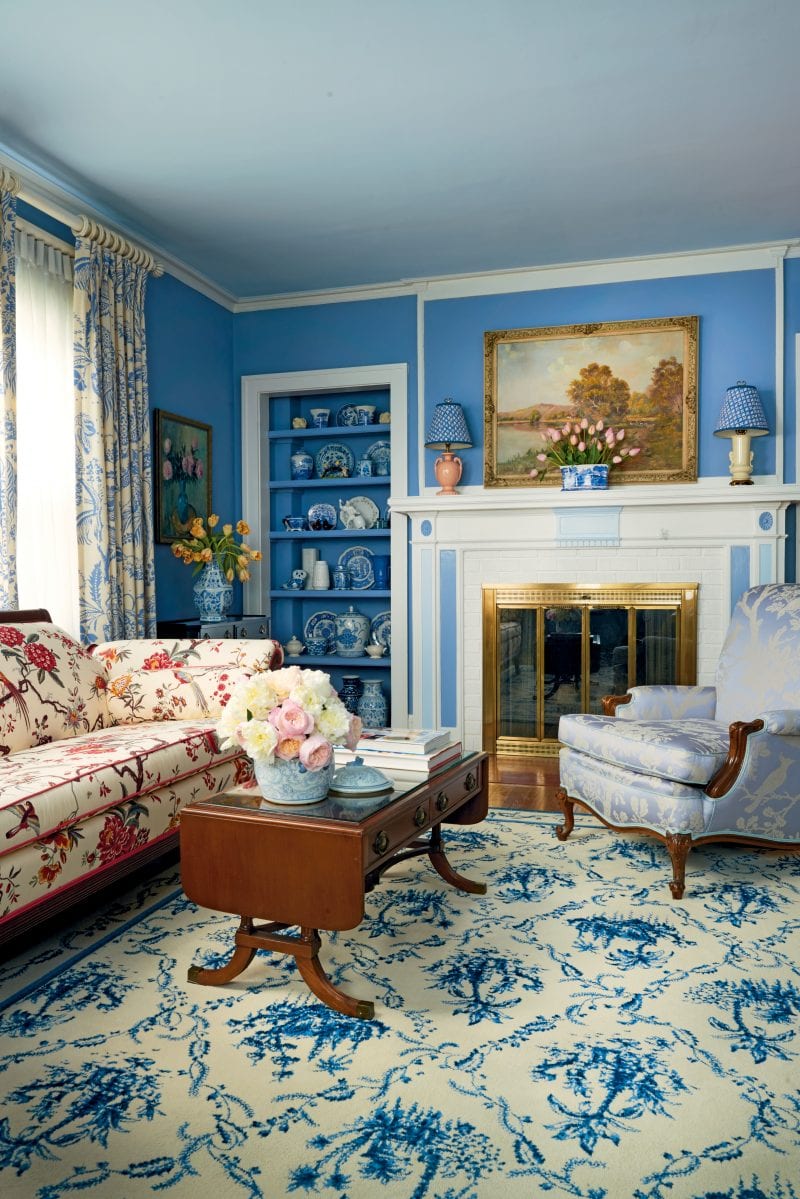
2. And then the next thing that I think is an investment piece is a good sofa. It should, like most upholstered furniture, have down. Most of mine is down filled except for some side chairs. So let’s say you start with the sofa… You want as good of quality as you can get. And Mario always picks a cream colored sofa as the focus.

3. Then you get a large and functional coffee table – another investment piece – not a flimsy glass coffee table as your primary coffee table. You want something where you can put heavy books, hurricane candles… And then you have a pair of club chairs. We usually buy them in muslin and then pick out fabric. Of course, I love chintz and Mario loves chintz. And I would say there are so many really pretty florals that you can choose from. I just cannot imagine not loving chintz. Whatever pattern you choose for your chairs can also be used for the curtains.

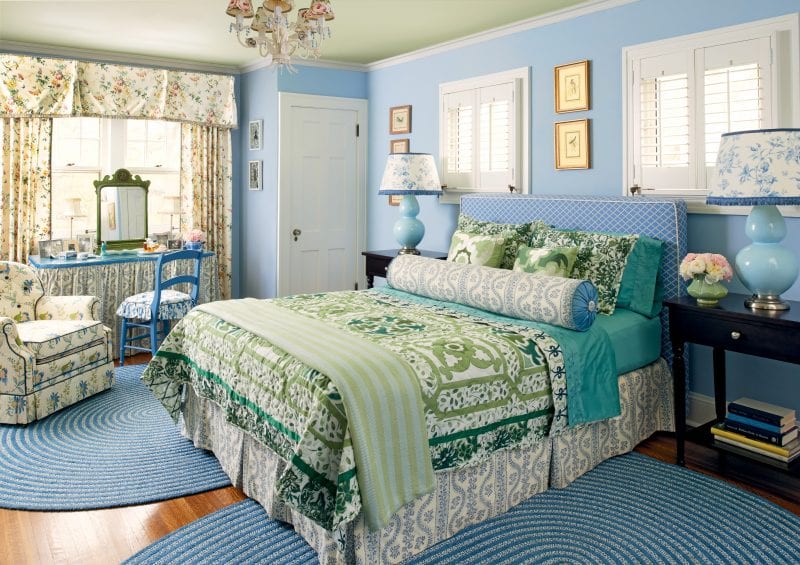
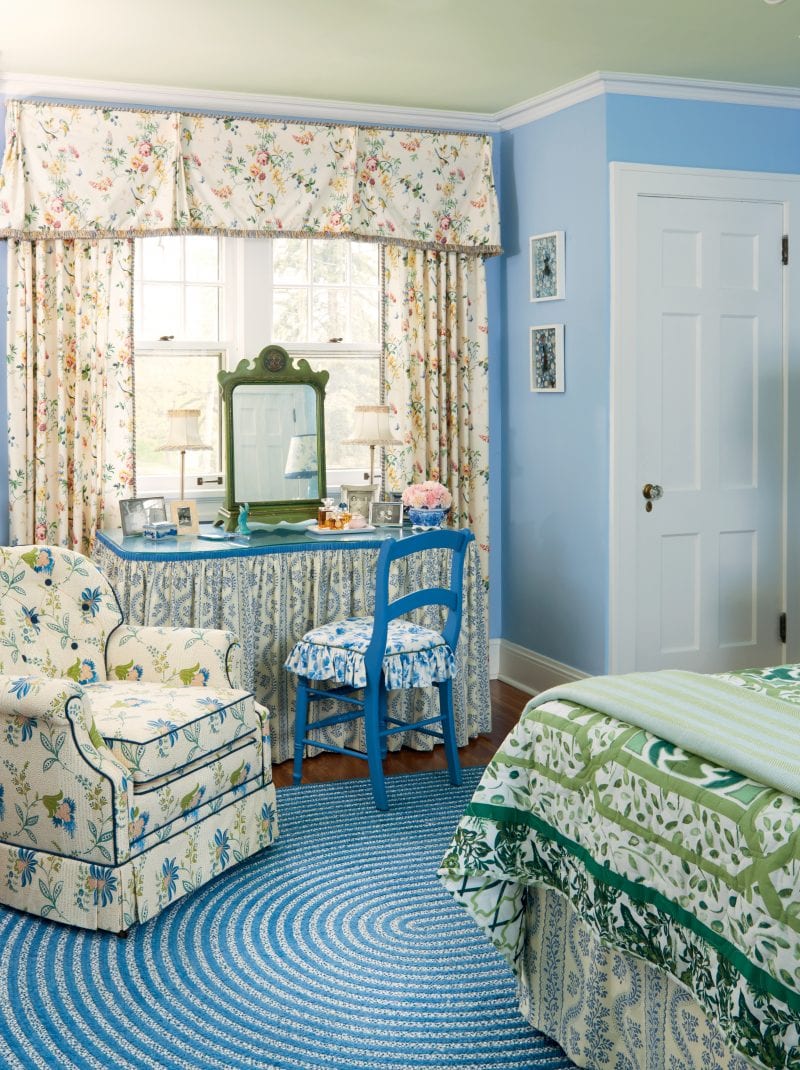
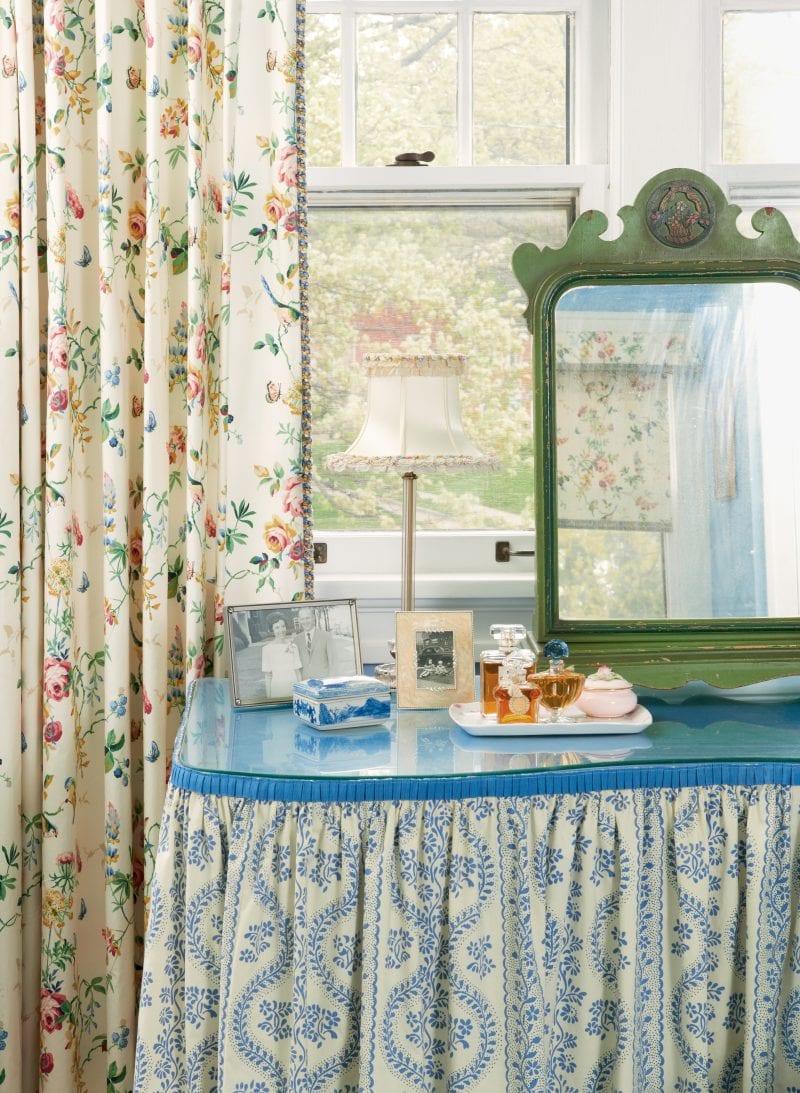
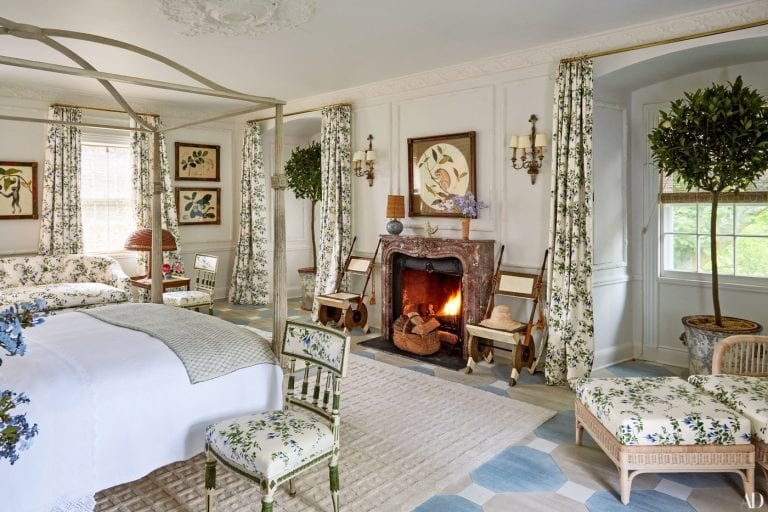
PA: That to me is your core. You also need floor lamps, and you need small tables to put drinks on. Mario usually has a skirted round table at the end of the sofa on one end, or you can have a pair. And then to add seating, he has two armchairs – usually antique – that you can rearrange. So that’s kind of a basic treatment. And then what you do is add mirrors – I like gold mirrors because it adds a little gilt – crystal sconces on the wall are always pretty, and then paintings or watercolors, depending on your taste. A covered upholstered ottoman is always nice. These are things that are kind of universal, and then you extend the same discernment to every room. Like in a bedroom, the first thing you do is get a really good quality bed and pillows. And of course you start with the color – I always start with blue because blue is serenity. I think it is nice to have a chaise, and again I always have a white sofa and armchairs, and they are all covered in the very same fabric.


PA: For a neophyte doing this on their own, I suggest you buy Mario’s book and copy his designs. Copy his curtains, copy as much as you can, and also pay attention to scale. If you look at enough pictures, you can get an idea as to proportion and scale. That is the hardest thing to get.

PA: When I was in school at GW (George Washington University), I got a Smithsonian scholarship. I worked in the history and technology building where I would help hang paintings and objects. I know there are rules about how far from the floor things should be and the ceiling, but almost all of the curators did it by eye. They never measured. So having a good eye is important and you can train yourself to have a good eye. You can read trade magazines, you can go to designer homes, and read books and monographs on decorators who have a style you like.

PA: Once you get these core pieces in place you can let the rest evolve organically. It depends on the individual and how much they can afford to spend in each room, but I think houses always evolve. Even if you work with a decorator, it is done in stages. It would be nice to walk in and have one whole room done with everything, but it doesn’t work that way. It just doesn’t happen over night. And then you add things as the years go by and replace others.

TGP: How did you go about selecting the gorgeous artwork for your own home, and can you tell me more about your extensive collection?
PA: I spent many years advising clients and museums about art acquisitions. When I was a private dealer, I would have paintings in my home that I sold, and I would display them as if it were a home environment, not as a gallery. I had a lot of wall space. This was in Georgetown, and I had six floors to use. It was a large town house, and it was privately owned, so it was a conflict of interest for me to collect paintings. But I could actually live with great paintings that would ordinarily have been difficulty to collect personally… I had Monets and Renoirs, John Singer Sargents, and so forth. I did have small collections of things and I had things I had inherited that I kept in the private wing of my house.


PA: I did buy paintings for Whitney… some large paintings that he has in California and Andy Warhol silkscreens (he has about four Warhols) and other contemporary artists… he loves them. And I bought him Ansel Adams photographs. When I married my husband, he was a major art collector – always listed among the top 10 art collectors at that time… It was fantastic because I felt like I was living in a museum. He had all of my favorite artists. I was more of an Americanist but he had post-impressionist paintings, which I had never really studied to any great extent… I learned so much during the time that we were married. He was on the board of all the major museums in New York. In Paris he had paintings exhibited at the Louvre, and actually all over the world…Whenever he had a painting in a museum in Tokyo or in Milan, we always would go for the opening. I learned so much at that time, it was an incredible experience. We were always going to museums, galleries, and auctions. It would range from garage sales to Grovener House and everything in between. We were busy. We were on the go all the time, and it was always a learning experience. When he died, he left me some major post-impressionist French paintings. We collected needlework together. I loved animals and dogs, and so I have quite a few of those sprinkled throughout the house. I like sporting art. To backtrack, I did buy myself sporting art years ago because my clients didn’t collect that. And I did have a few things like dog paintings and so forth that were not considered major art investments or acquisitions.


PA: When I married Arthur, he had 700 paintings. One bedroom was nothing but racks for storage of pictures. One would go out on exhibit and another one go into the storage room. When we married, I had all these things that he thought were rather funny and laughable… All my dogs paintings, needlework, my silhouettes. So he said “I think we should have all of these things in the country house,” basically where no one else could see them. And he didn’t like contemporary art. So that’s when Whitney got everything, and from contemporary, I mean from the 1960s – on. So now I have Arthur’s important pictures mixed in with my dog paintings. (I think Mario softened him up about the dog paintings so he was a little more tolerant of my more eccentric collections.) But we both loved porcelain and silver, so we were busy collecting all of the above.


TGP: What advice would you give to someone on a limited budget who wishes to acquire fine art, whether antique or contemporary? Where can you save, and which pieces are worth an investment?
PA: If you are going to buy art, buy it from a reputable auction house. Study monographs on the artist… First of all I would go to museums and auction houses just to educate yourself. And when you decide what kind of art you like – because it should have a focus – then I would buy it from a reputable auction house because they have experts who are connoisseurs and can tell you that something is correct. That isn’t to say that they haven’t made mistakes, but very few.

PA: Instead of galleries, it is better to decide what school of art you like, find out which auction houses offer that, and I would subscribe to artnet. It tells you the prices of what every painting has realized over the last 15-20 years, and they have pictures. A lot of times, pieces come back up for auction, but even so you can get an idea for the range and quality. I would rather have one good painting in the living room and then fill in the other spaces with beautiful mirrors, sconces, and porcelain, rather than have – say four bad paintings – or rather one good one and four bad ones… It’s hard for people who haven’t studied – and really spent a lifetime studying – to go out and buy art. It’s daunting. With an auction house, you can always call up the person whose specialty is whatever it is you are trying to buy, and ask them questions about it… I always get a condition report. For buying art, Sotheby’s, Christie’s, and Bonhams – those are the three big ones – but if you go to some of the smaller auction houses, I buy bargains at Stair, Brunk, Doyle, Neal, Swann, Charleton Hall. You can look at catalogues online – you don’t have to buy the catalogues. Live Auctioneers (online) has all the small auction houses! I think the first tenet of buying art is that you should buy what you love… that is the most important thing… you want it to give you pleasure. Beauty is enhancing to your life, and every time you look at it you want to just be thrilled that you got it. And it does not necessarily have to be expensive. Sometimes you enjoy the bargains more because you got them at such a good price.


TGP: Mario Buatta is one of the greatest interior designers in the world. Not only is his talent legendary, but he is also known for his delightful sense of humor. Can you share one of your favorite stories about working with Mario?
PA: After Arthur died, Mario was taking me to the Met Ball, and I get into the car and he has on glasses that are 40 times larger than any normal person would wear. They were outrageous! He was always doing things like that. And he had a roach named Harold. It was rubber, and we would go to restaurants and he would put it on the counter. We went to a Southern restaurant known for its fried chicken, and the owner came over and said to Mario, “You must be a Yankee, because no Southerner eats fried chicken with a knife and fork.” So Mario decided that he would get back at her, and took Harold out – because Harold is always with him – and he put him under a plate. Then he called her over and said, “Do you usually have these in your restaurant?” And she said, “Oh yes, I just pick them up and through them out the front door.” Then someone gave Mario a Harold that was motorized. One time we went to a Mexican restaurant in New York, and Mario wanted to sit at the counter so he could wind up Harold and have him go down the length of the counter in front of all the patrons. The waiter thought it was funny, but the patrons didn’t! One Christmas he gave me earrings with plastic cockroaches.

TGP: You and Arthur also shared a passion for porcelain vegetables and antique silver. How did your love of antiques help bring you together?
PA: Well he had more of the blind earl flat leaves, and I had more of the vegetables, but they were all Chelsea porcelain. I liked so much of his art, but he liked very esoteric pictures. But we both liked and had the same kind of silver and Chelsea porcelain. Not too many people would have that much of a coincidence in terms of the things they owned. It is fun for couples to have something that they enjoy collecting because it can take you everywhere and it should be something that you can look for in any country. We used to get the Maine Antique Digest, and it would tell all of the antique shows, auctions, whatever. We had a house in Connecticut, so we used to drive to antique shows. Some of them were great, and some of them were terrible, but it was kind of the fun of the hunt. You never knew when you were going to discover a treasure.


TGP: Your home is an excellent example of how interior design and entertaining go hand-in-hand. Every piece of your furniture and each room is conducive to hospitality. What are the key elements to consider when designing a home that will make guests feel comfortable and welcome?
PA: I think flow is important… where you put pieces of furniture and where you don’t… And it has to make sense. But also, you want areas where people can congregate, and you want lightweight arm chairs that you can move around. If you have a large enough space, you want different seating areas. And you want things like ottomans and armchairs that you can move. I have two stools in my living room – a round one that is right next to the coffee table and square one that’s behind the sofa table that separates the one drawing room from the other. Many times, I have pulled armchairs, stools, and barrel chairs…. You want to have the possibility of moving things around so you can accommodate more people. Seating arrangements are important, and you should have pieces that you can move around, but I think comfort is the most important aspect of decorating. And I never get tired of these things… I’m not one of these women who always changes everything. I will never redo my home.
TGP: And that goes back to timelessness… When you follow trends, you have to constantly redo your home because it looks dated by the time you finish getting it done. But if you follow the classic, traditional approach, then it does last forever, and that is why I love your house and why I love Mario.
PA: People still say the blue room Mario did 20 or 30 years ago is one of the best rooms ever decorated, and then there is the yellow room that Nancy Lancaster did. They are iconic and beautiful. Comfortable and beautiful.


TGP: Thank you so much, Patricia, for sharing this invaluable information, and for giving us a never-before-seen glimpse into your fabulous collections! I already own Mario’s book, which is at the very top of my list of favorites, and I couldn’t agree more with Pat’s advice to copy, copy copy!
For additional reading, Patricia recommends:
- Mario Buatta: Fifty Years of American Interior Decoration
- The Great Lady Decorators: The Women Who Defined Interior Design, 1870-1955 (Mario gave her a copy!)
- Sister Parish: American Style (Sister and Mario were friends and colleagues)
- Barbara Guggenheim’s book Decorating on eBay: Fast and Stylish on a Budget
For online shopping, Patricia recommends the following websites:
For additional inspiration from Patricia Altschul, you simply must read her book The Art of Southern Charm. You will also want to follow her on Instagram along with @welovepataltschul, her official fan club, and don’t forget to check out Patricia’s Couture for fabulous custom caftans. Stay tuned to The Glam Pad, as I will be featuring a few of Patricia’s favorite things, as outlined in her book, on Monday!
Laura and Harry Slatkin’s Sumptious Hamptons Cottage
If you haven’t purchased Out East: Houses and Gardens of the Hamptons yet, you are truly missing out. Released this month, Out East was written by Jennifer Ash Rudick, the author of one of my very favorite coffee table books, Palm Beach Chic. I featured a little sneak peek of Out East here, and today we will tour the home of renowned fragrance experts Laura and Harry Slatkin, as featured in this fabulous book…
Laura and Harry were given an engagement at this simple East Hampton carriage house on Lily Pond Lane 25 years ago. They were so enchanted that they purchased it immediately when it came on the market. While it may not look like much from the street – which was the couple’s intention – inside it is a magical oasis, inspired by Hubert de Givenchy’s Le Clos. Designed by Howard Slatkin, Harry’s brother, not a single detail or embellishment was overlooked. Three hundred yards of five custom-designed fabrics were hand woven in India and China for the living room, linens were hand embroidered, chandeliers and furnishing were commissioned. “Every detail down to the kitchen utensils and note pads was attended to by Howard,” said Laura.
Photography by Tria Giovan for Out East: Houses and Gardens of the Hamptons, courtesy of Vendome Press.


Additional information on this exquisite home can be found in Out East: Houses and Gardens of the Hamptons. And if you are not familiar with Laura Slatkins’ NEST Fragrances, they are the best of the best. I am also eager to try Harry’s latest HomeWorx collection for QVC.
At Home with Tracy Dunn Design
Tracy Dunn may live in South Florida, but she is known for designing interiors that could be placed in the Northeast as easily as in the Southeast. Her aesthetic is timeless, modern, and inviting, with an emphasis on comfortable and refined living… definitely my style! Today, I am delighted to welcome Tracy to The Glam Pad as she takes us on a tour of her beautiful Fort Lauderdale home. Unless otherwise noted, photography is by Marcy Black Simpson from the July/August 2016 issue of Southern Lady and from this month’s “Southern Style” edition of Southern Lady.

Q: As a native Floridian, how has the tropical landscape influenced your design aesthetic?
A: The vibrant colors that are so abundant in South Florida exist with so many inspiring contrasts, such as beautiful bougainvillea in multitudes of colors set against a backdrop of their own deep green leaves, or white sand next to aqua water under an amazing blue sun filled sky. Mother nature has inspired my designs to include contrasting vibrant colors while always paying careful attention to incorporate light to soften the scheme as needed.

Q: Your home is very traditional and not necessarily representative of the stereotypical Florida style. Please tell me more about the design process of your home.
A: We were attracted to the home for its architectural style, which was so different for South Florida as it was inspired from a Northeastern design. It is consistently referred to as “The Father of the Bride house”. Although I was born and raised in South Florida, I have been drawn to a more traditional Northeastern style. My husband and I had always admired the home and were fortunate to become the new owners back in 2002. It has been fun to carefully incorporate a design plan that is conducive to South Florida living, while honoring the very traditional “Northeastern” canvas.

Q: What style of decor is most requested by your clients?
A: Because South Florida is a melting pot, I receive several style requests; however, I would say the majority of my clients like a timeless classic look with a fresh approach. Several of my clients either collect or inherit beautiful antiques that they want to incorporate into their home. They don’t want it to be stuffy, but they love the layered look, as if the rooms are telling a story. As a growing number of homes have a more modern focus, I have also enjoyed finding ways to mix the old with the new.

Q: Are you seeing an increased interest in traditional decor and antiques?
A: I am, which is music to my heart. My current projects right now all represent traditional décor and antiques. I was thrilled at a recent meeting with clients when the husband proclaimed, “I want to incorporate some beautiful antique pieces in the living room!”

Q: Please tell me more about your background in fashion. How do fashion and interior design go hand in hand?
A: I received a degree in Fashion Merchandising from FSU. Fashion Merchandise and Interior Design majors were in the same school at FSU (I think they still are), so as a result, we took a lot of the same courses especially about color and textiles. Upon graduation, I immediately started in the fashion industry buying several departments of ladies fashions for Maus Brothers and Jordan Marsh (36 stores in Florida). After years in the fashion industry, I started my own interior design business. To be successful in both industries, you must have an amazing recall and eye for color, an imagination to create magical combinations, an ability to really listen to your customers while inspiring your vendor partners to explore their creative boundaries. I have also found that both disciplines have a mission, which is to bring the principles of color, texture, scale, and layering into a unified look.

Q: What inspired you to become an interior designer?
A: As long as I can remember, I have always been interested in homes and aware of interiors I have loved. As I would read design books or magazines, my interest continued to grow. As long as my husband remembers, he has watched me tear out pages of design magazines and organizing those pages in various folders. He is constantly amazed at the recall I have for the years and years of pages I have accumulated. I simply have a natural passion and energy to make living spaces more beautiful. Additionally, I listened to my heart and followed my dream.

Q: Where do you continue to find inspiration?
A: I continuously find inspiration through travel, antiquing, reading, and the colors we are surrounded by through Mother Nature. The inspiration I received on a recent trip to Barcelona was amazing.


Q: What are your favorite interior design books?
A: Gosh, I have so many of them; however, some favorites are: Tom Scheerer Decorates, Bunny Williams Point of View, Decorating In Detail by Alexa Hampton, Creating A Room by Charlotte Moss, Parish-Hadley, Sixty Years of American Design by Sister Parish, Albert Hadley, and Christopher Petkanas, and most recently, Beautiful by Mark Sikes.

Q: Do you have any favorite collections or luxury items you could not live without?
A: I still continue to collect Canton, Herend, and numerous styles of sterling silver as well as antique glassware. As far as luxury items, I do have a soft spot for handbags and unusual jewelry.

Q: When you are not busy designing, how do you enjoy spending your free time?
A: I love to travel, read, boat, exercise, and go on fun adventures with our children. I also love to entertain, and I particularly enjoy designing the tablescapes. And I’m a fanatic about college football!


Q: Anything else you would like to add?
A: As I say to our children and the younger generation, “find what you are passionate about, and you will always be happy.”

Thank you so much, Tracy, for welcoming us inside your gorgeous home. It is absolute perfection! For additional information on Tracy Dunn Design, please visit her website and follow along via Instagram for daily inspiration.
Meet Nick Mele, the New Slim Aarons
Last year I was introduced to Nicholas Mele Photography via Bettie Bearden Pardee when she featured his work on her blog, Private Newport, and I was thrilled to meet Nick in person last month when I attended the Newport Flower Show. Nick has spent every summer of his life in Newport, Rhode Island, and the fabled resort remains one of his favorite subjects. (Click here to tour his family home, which was once owned by Edith Wharton.) The grandson of Oatsie Charles, legendary Washington, D.C. hostess and Newport society fixture, Nick has the innate ability to capture with his camera the glittering world in which he grew up.
One cannot help but think of the way famed society photographer Slim Aarons described his pursuit of “photographing attractive people doing attractive things in attractive places” when viewing Nick’s work. He is frequently published in Town & Country, Vanity Fair, The New York Times, and New York Social Diary… and today, I am delighted to welcome Nick to The Glam Pad for a Q&A.

Q: What inspired you to become a photographer?
A: I don’t know if there was any grand inspiration. I always had a proclivity for art growing up, which in turn was nurtured by my parents’ encouragement to follow my passions in life. When I got to college, I really fell in love with photography. However, I never genuinely pictured it as a career. After college, I went to photo school at the International Center of Photography in NYC because I wasn’t ready to get a “real job”. I spent the next ten years fighting my calling. I started an independent film company, I went back to school and got my MBA, I did marketing for a clothing company and I even bartended for a while. It wasn’t until about four years ago that I decided to put all my efforts into photography full time. In retrospect, I should’ve just stuck with my first instincts.


Q: In addition to Newport, Rhode Island, where do you spend your time for work and play?
A: My wife and I (and dog and cat and child/monster) spend the majority of the year in Palm Beach, FL. We used to live in Los Angeles, but that was too far away from all of our friends and family on the East Coast. We actually don’t travel that much, but our most frequent trips are to NYC and Washington DC (where we both grew up).


Q: What do you love most about living in Newport?
A: That’s a tough one! What’s not to love? I’ve spent every summer of my life coming to Newport and I can’t think of a better place to be for those three or four months of the year. The weather’s beautiful, the energy is high, and there is a sense of history and tradition that you don’t find in a place like the Hamptons. The same families that have been here for generations come back every summer and pick right back up where they left off. For people who spend most of their time in major metropolitan cities like New York and Boston, it’s nice to have a place that emulates that feeling of community that you really only find living in small towns.


Q: I enjoy following you on Instagram via @a.social.life and @nickmelephotography, and as an interior design blogger, I particularly love getting an inside glimpse into all of the fabulous homes you feature. Can you tell me more about them?
A: I was lucky enough to grow up with a grandmother and mother who really appreciated a well decorated home. Designers like Mario Buatta and Anthony Brown were frequent guests at dinner. It wasn’t until I got older that I realized that not everyone has good taste. There are lots of fabulous houses that are horribly decorated. So when I see a really great home I get excited. I’ve been lucky enough to work with some really awesome interior designers like Ruthie Sommers, Meg Braff and Patrick Killian. But what I’m really drawn to are these older homes filled with what are obviously family heirlooms and vintage furniture. Luckily, like I said before, Newport is a small community and I have access to a lot of cool houses just from growing up here.


Q: Please tell me about the history of Land’s End and The Whim, your Grandmother’s home. Who did the interior design?
A: Land’s End was Edith Wharton’s home (author of The Age of Innocence….never read it….) in the 1890’s. I believe it was originally built in the 1860’s. My grandmother bought it in 1952 but sold it again in 1957 (pardon me if those dates are off…I wasn’t alive then). She renovated and moved into the home’s eight car garage which is now known as the Whim. My parents bought back Land’s End in 1989 when I was seven and now the two houses are almost one property with connected gardens. As far as the interior design, Land’s End was mostly done by my mother Victoria (who is an artist, but not a designer) and is mostly just a mish mash of furniture and art from our previous homes in Washington D.C. I’m sure she had some advice from the aforementioned Anthony Brown and Mario Buatta. The Whim, according to my mother, was most likely decorated by a long since passed Newport designer named of Tom Hagerman. More recently, John Peixinho did a re-design on my grandmother’s favorite sitting room (pictured below).


Q: How did your celebrated grandmother (Oatsie Charles) shape who you are today? What are the greatest lessons you learned from her?
A: My grandmother was a huge influence on me. She is one of the last remaining grand dames of a bygone era; that world of entertaining and manners doesn’t exist anymore. Truth to tell, she scared the hell out of me as a child. As I got older, however, I came to appreciate what an amazing woman she was and why she is so celebrated. She has a wit and charm that immediately draws people to her. I learned early on that you can get away with a lot if you’re funny and charismatic. I also came to appreciate eccentricity and quirkiness, in both my friends and myself. To me, there is nothing worse than being boring. Oscar Wilde has a great quote, “It is absurd to divide people into good and bad. People are either charming or tedious.”

Q: Where do you find inspiration?
A: I would say my biggest inspiration comes from photographers like Slim Aarons and Tina Barney, but also the visual style of filmmakers like Wes Anderson and Quentin Tarantino. However, I think it’s so important that you develop your own style. You need to be uniquely you. There is definitely a sense of whimsy that I hope comes out in my photographs, especially my portraits. I am also a child of the 80’s and 90’s, so if I didn’t admit to being influenced by the movies and style of those eras then I’d be skipping a big part of what make me me.


Q: History and traditions are very important to you. In what ways to you continue to embrace them in your daily life?
A: That’s an interesting question. I don’t know if there is anything I can tangibly point to (kids, never end a sentence with a preposition). I think a certain amount of reverence for what came before is healthy and allows us to build our own traditions. So much of the previous generations’ sensibilities and customs are dying out (some, obviously for the better), but I think it would be a shame to forget them all. Manners, in particular, are not given the importance they once were. Even though my wife says I have terrible manners, I still want to teach my son to stand when a woman enters the room and use good eye contact when talking to an adult.


Q: What has been your favorite photography project to date?
A: I don’t know if I have one. As an overarching theme (and to no ones surprise), I’ve loved photographing Newport over the years: the people, the houses, the events. At some point in the future I’ll put all the pictures together into a coffee table book. Most recently, I really enjoyed photographing Newport kitchens for the New York Times Magazine. If you go back and find the article (maybe two years ago?), you’ll see that there is a great contrast between some of these grand houses and their kitchens that haven’t been updated in years and are mainly utilitarian. Some of the my favorite photos are actually the outtakes that didn’t make into that story.


Q: When you are not behind the camera, how do you enjoy spending your free time?
A: Oh, I’m such a geek! Besides photography, my three great passions are movies, comic books and mixed martial arts. But really, what I most enjoy is spending time with my wife, my two-year-old son and my dog, Bodhi (adopt, don’t shop people!). Family is very important to me and I even love hanging out with my parents and my in-laws. Also, when you live in places like Palm Beach and Newport, how can you not go to the beach as much as humanly possible?


Q: Anything else you would like to add?
A: Another Oscar Wilde quote! “You can never be overdressed or overeducated.” 😉

To read more about Nick and see more of his work, please visit the following articles:
- My Newport – New York Social Diary
- Newport Today – New York Social Diary
- Newport Society: Moments in Time – Private Newport
- A Question of Taste – The New York Times
- Oatsie Charles Recalls the Wasp Heyday – Vanity Fair
- Lands End/The Whim – Washington Life Magazine
- The Whim, The Newport Cottage Where Oatsie Charles Spends Her Summers – The Gilded Age Era
- Lands End – The Downeast Dilettante
- Mele photography show offers insider’s view of Newport, botanicals – Palm Beach Daily News
- See Inside Edith Wharton’s Summer Home in Newport – Town & Country
All photography for this post are by Nick Mele or were taken from from his Instagram accounts (which are must follows) @a.social.life and @nickmelephotography. Please visit Nicholas Mele Photography for additional information. Thank you, Nick, for providing us with this delightful glimpse into your world!
An English-Inspired East Hampton Home by Jack Fhillips
I am a huge fan of Palm Beach-based Jack Fhillips Design, and I was thrilled when photographer Carmel Brantley of Brantley Photography introduced me to a Hamptons home Jack designed for his client Gloria Kirschner. Jack says…
“This property in East Hampton, NY on Georgica Road represents a uniquely different look for the Hamptons. It turns its back on the common look use of slipcovers and cuteness. In designing the property, a more timeless approach was considered in architectural detail and investment furnishings. The interiors always played into the large amount of the green landscape outside. By using the hues of the green landscape inside, the large house full of windows became connected to nature as one. Nothing jarred the eye.
By using a wonderful collection of 19th century continental furnishings, art and accessories the house was given a very unique and special look that feels like a very old family home. The gothic details throughout are picked up in a lot of the furnishings. I truly believe it is one of the most beautiful homes in the Hamptons, as its comforting warmth combined with its extreme privacy and low key elegance give a weekend guest the best of a sophisticated world.”
Captioned images below were featured in Traditional Home. Non-captioned images were not published and are provided by Brantley Photography. Photography by Robert Brantley.


Such a beautiful home! Jack is a master when it comes to creating layers of divine detail, and I love the restrained green and white palette. In March, I featured a spectacular Palm Beach home he designed with a primarily blue and white palette… it was designed in six weeks, but looks like it was collected over a lifetime! For additional information, please visit Jack Fhillips Design and Traditional Home. And thank you to Brantley Photography for the incredible photography. Carmel Brantley’s Instagram account is a must follow… she never fails to add a little sunshine to each day!