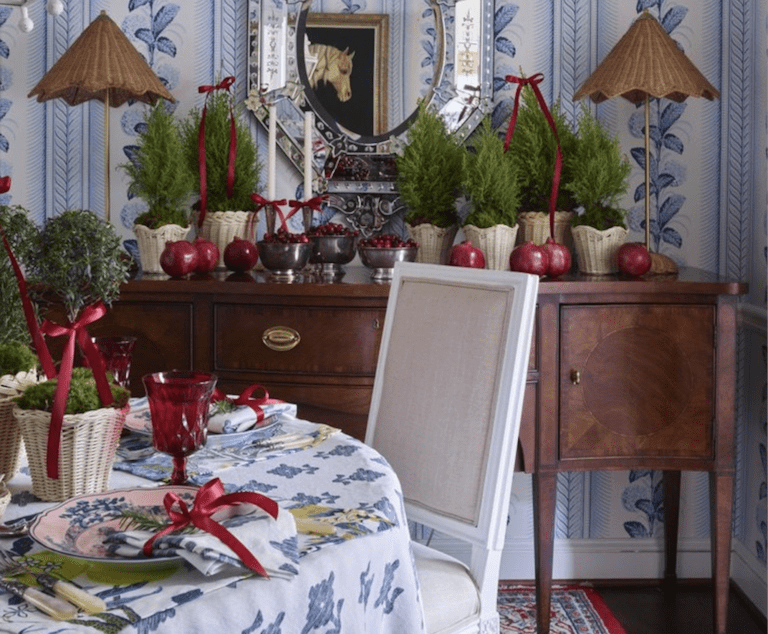
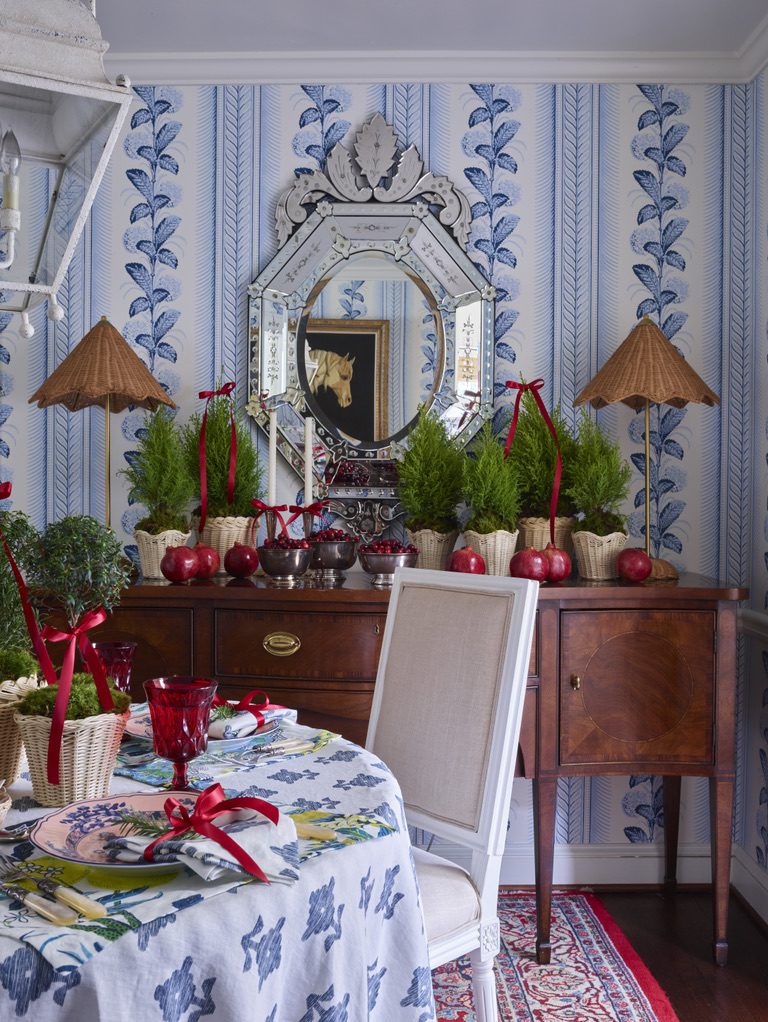
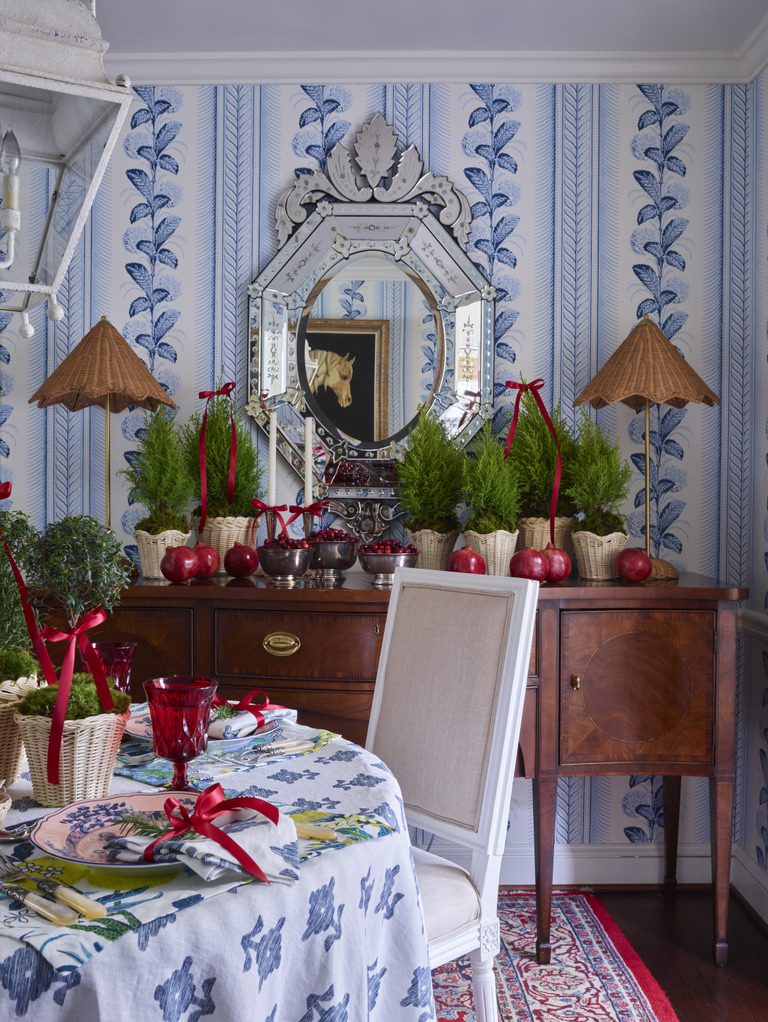
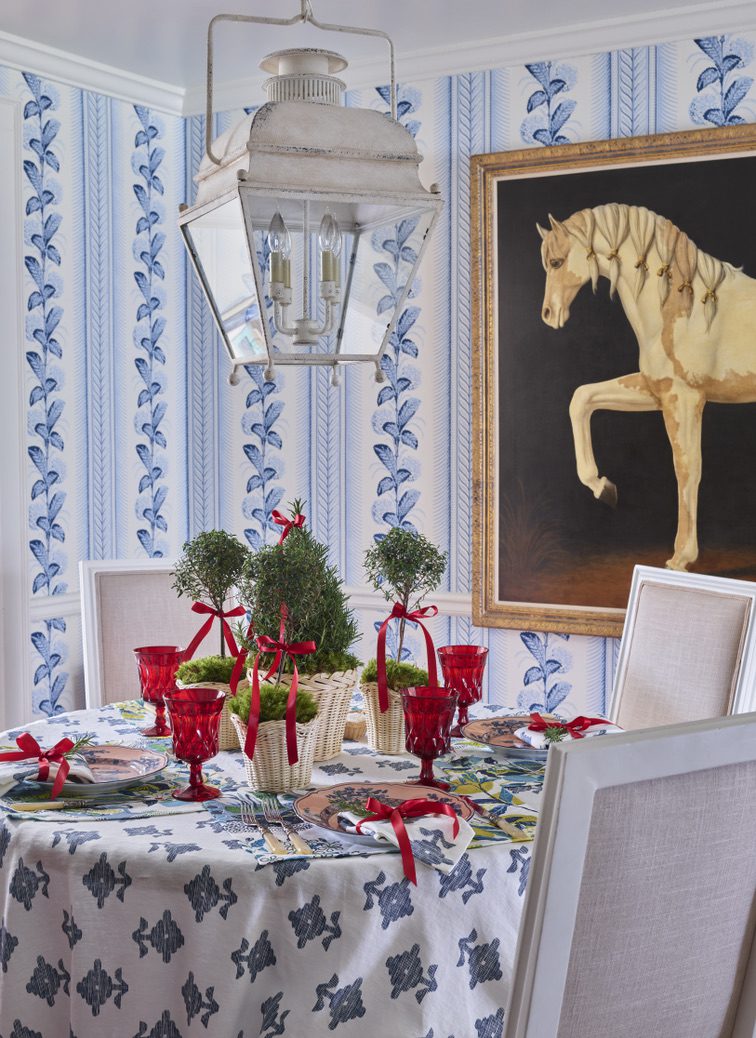
December is here and Christmas upon us! It seems to have arrived at ultra speed this year. With holiday lights glowing, Thanksgiving behind us, and Black Friday sales starting early and continuing through the weekend, everything now wraps up with today’s Cyber Monday. You can find The Glam Pad’s curated shopping guide below!
For even more inspiration, don’t miss The Glam Pad’s Six Annual “Christmas With The Tastemakers” Shopping Guide. This year we have compiled over 20 of the nation’s top interior designers and style mavens to brig you the most exquisite ideas for hostess gifts, stocking stuffers, children, pets, him, her—and, of course, yourself. It can be found here!

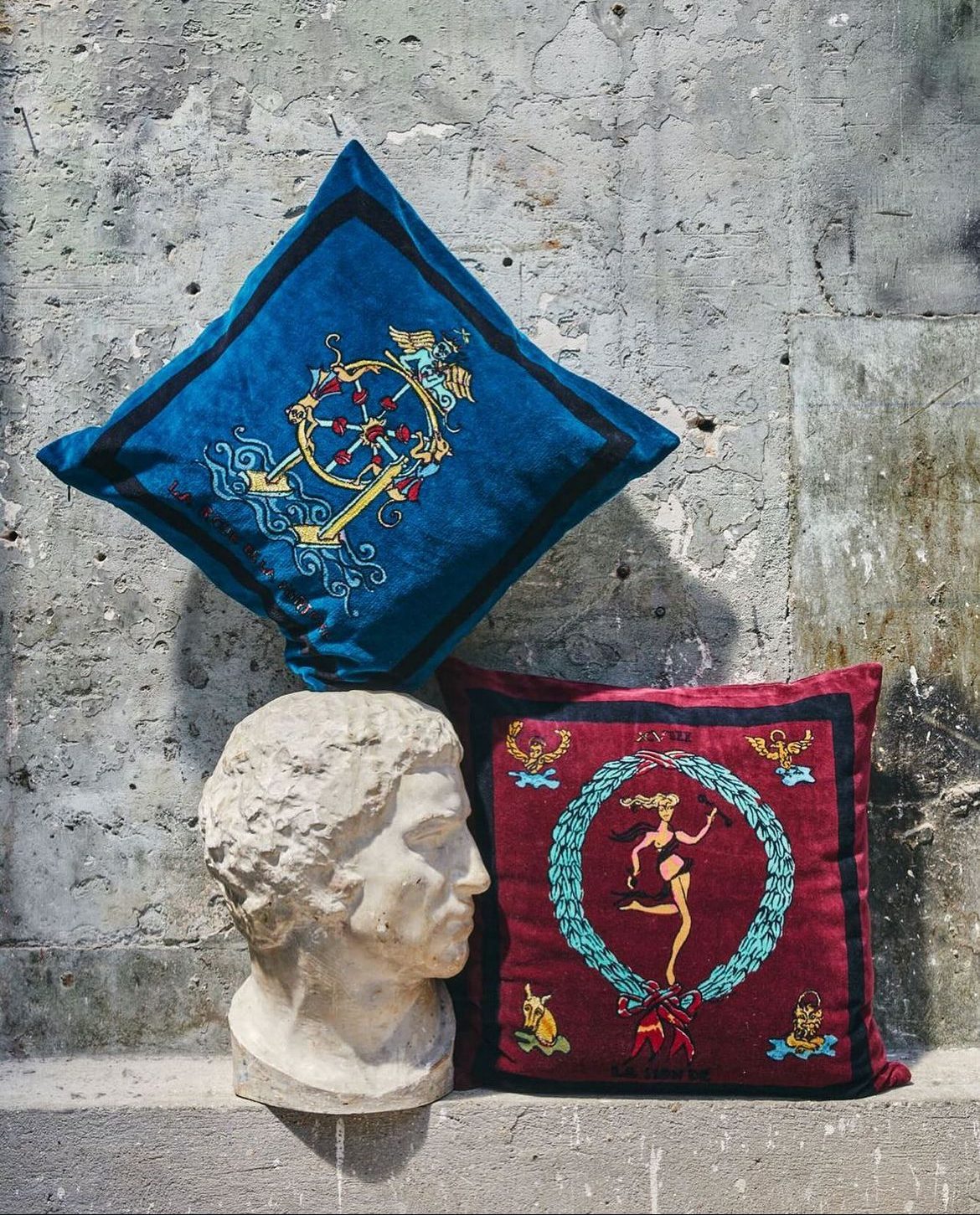
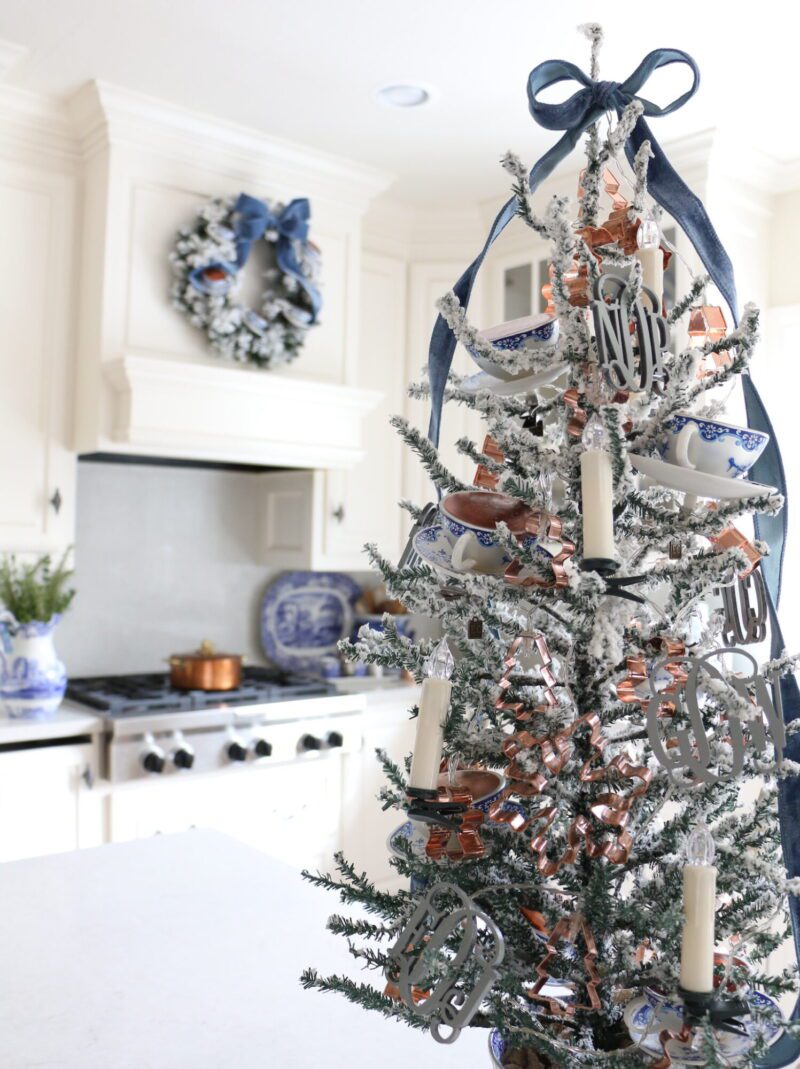
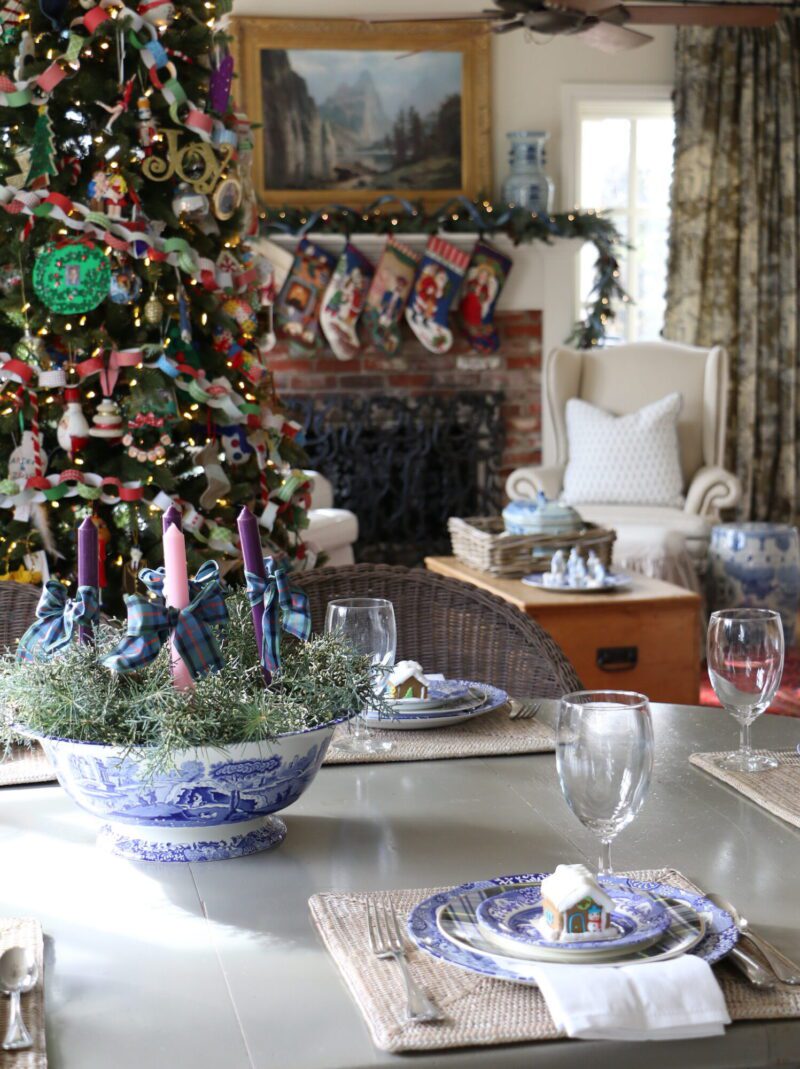
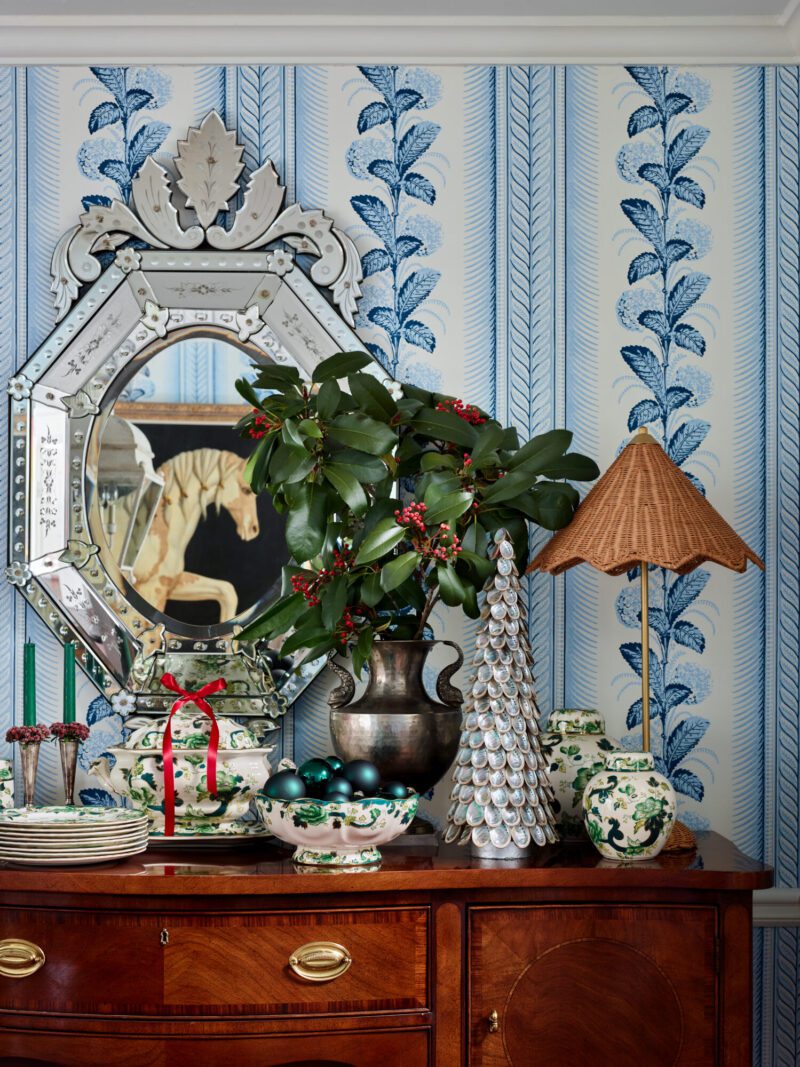
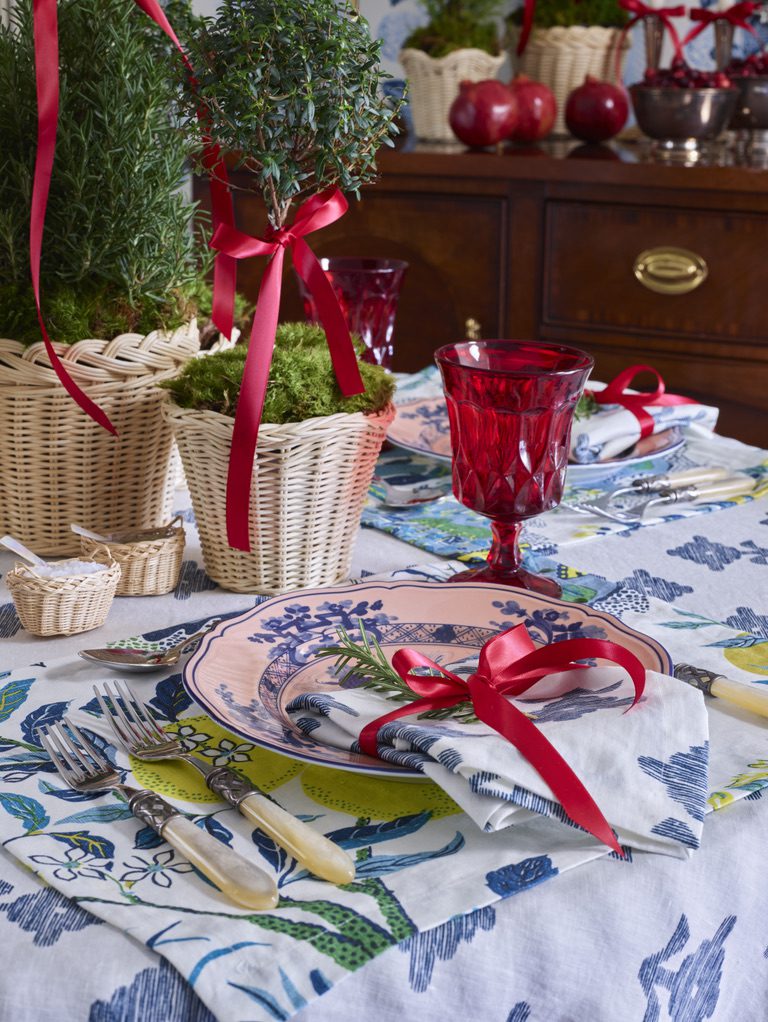
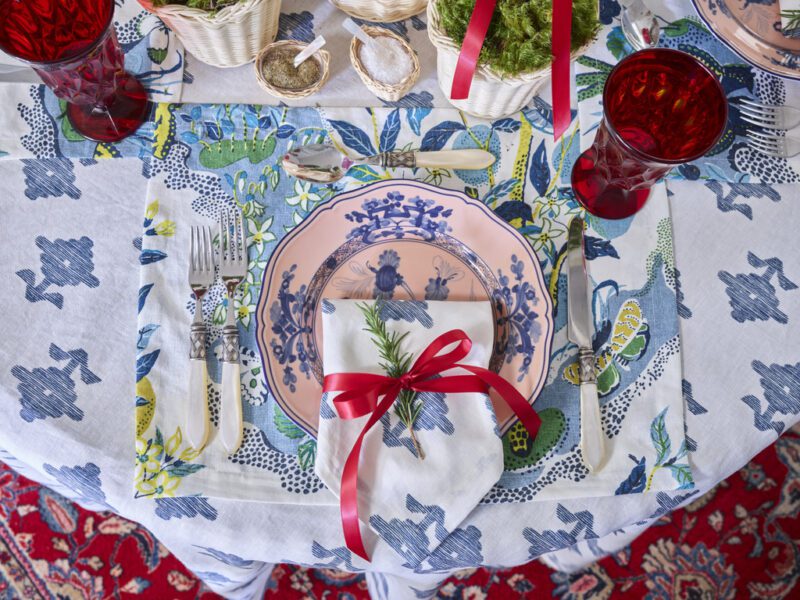
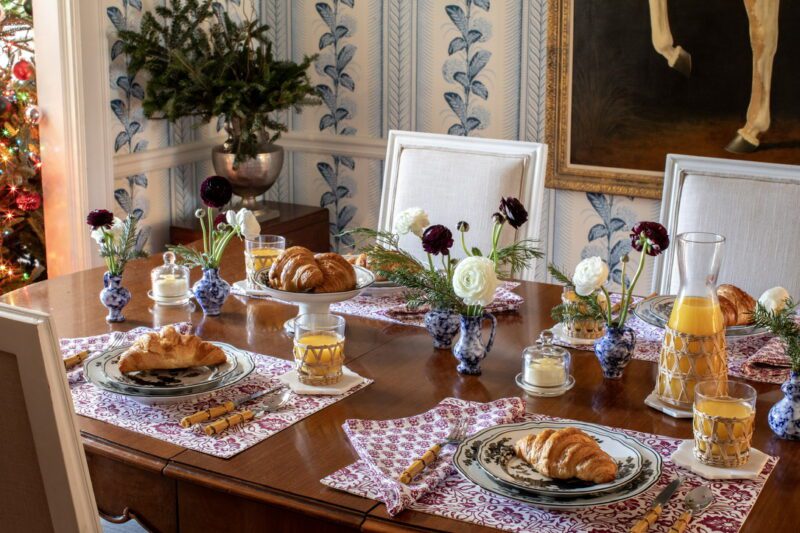
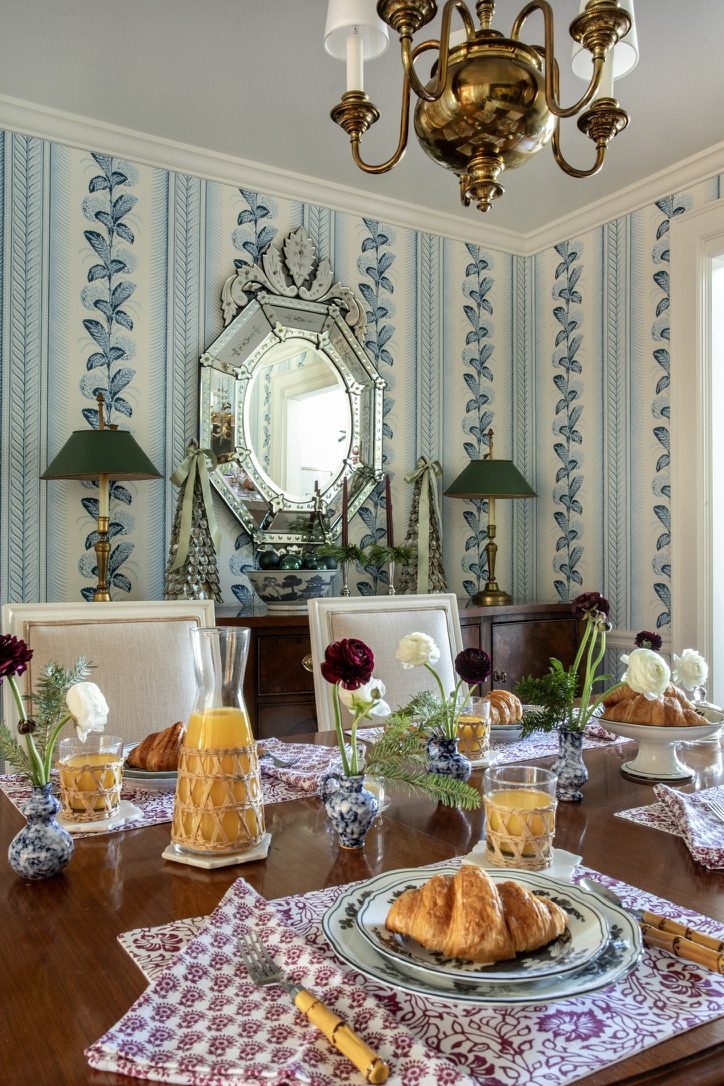
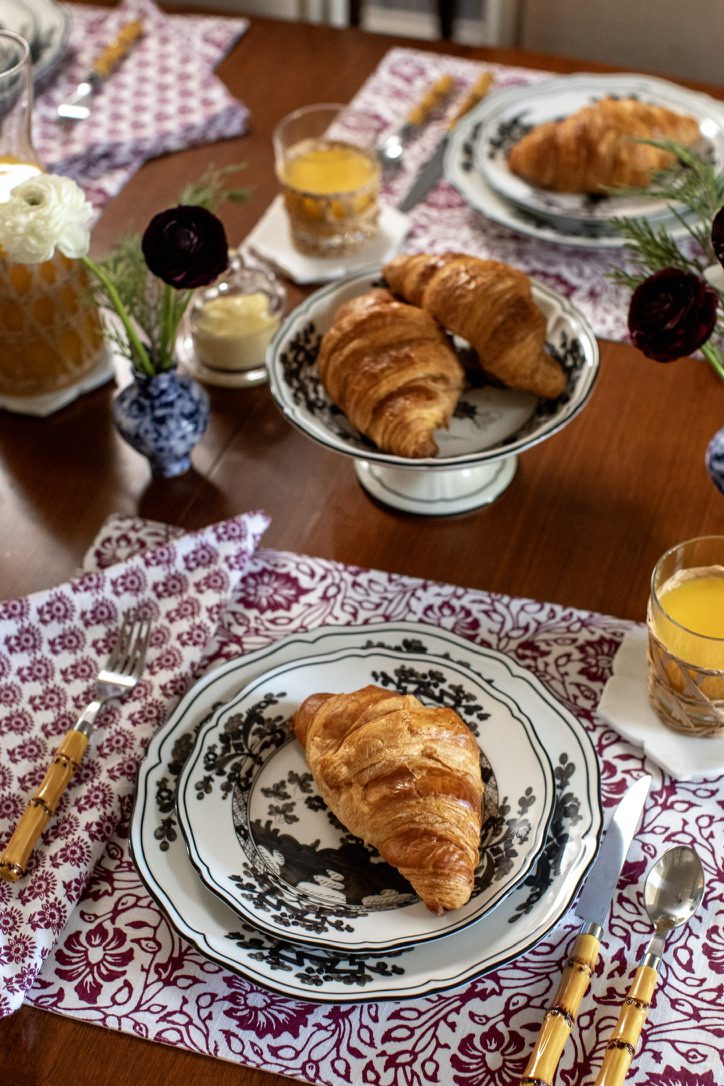
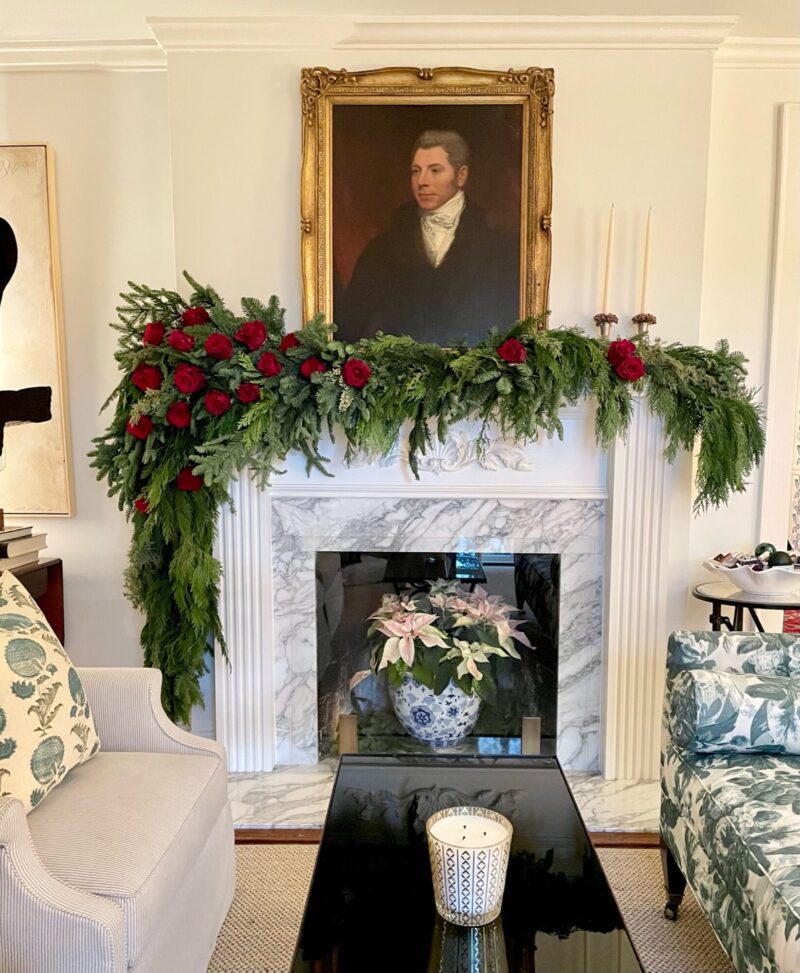
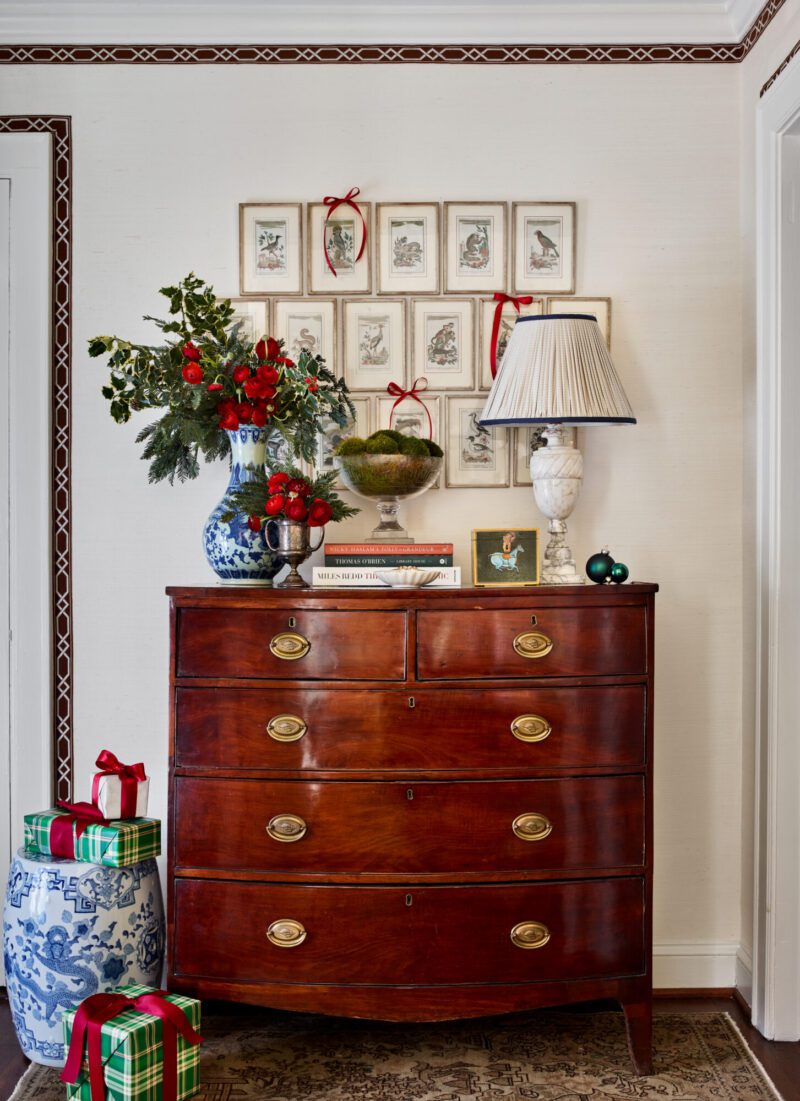
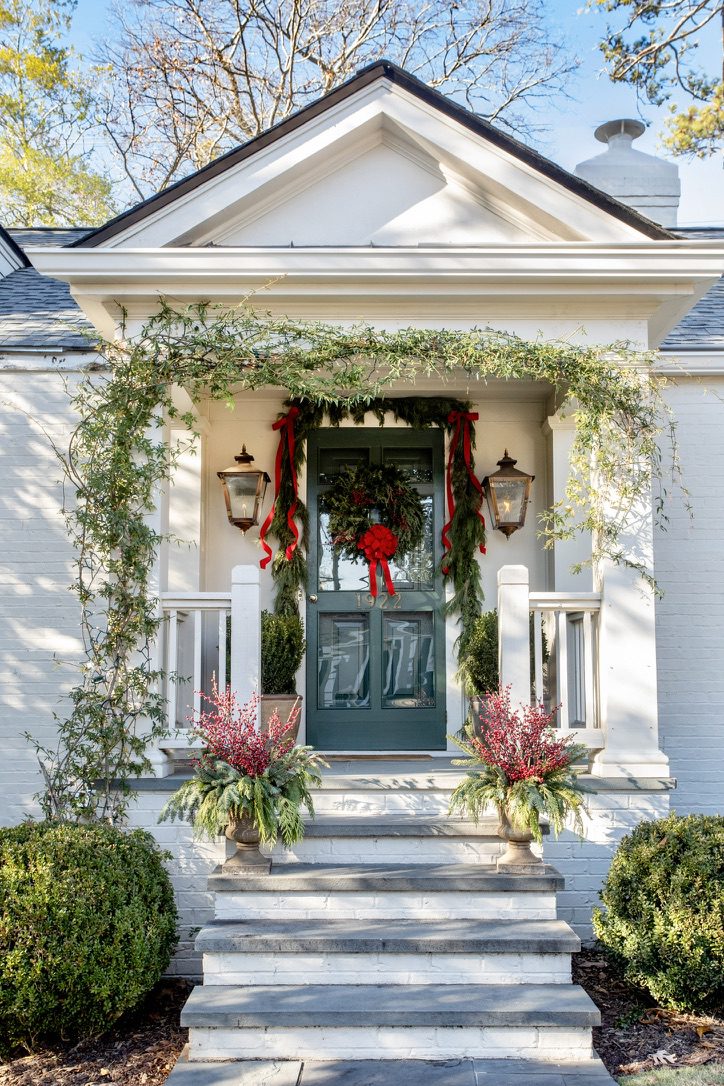
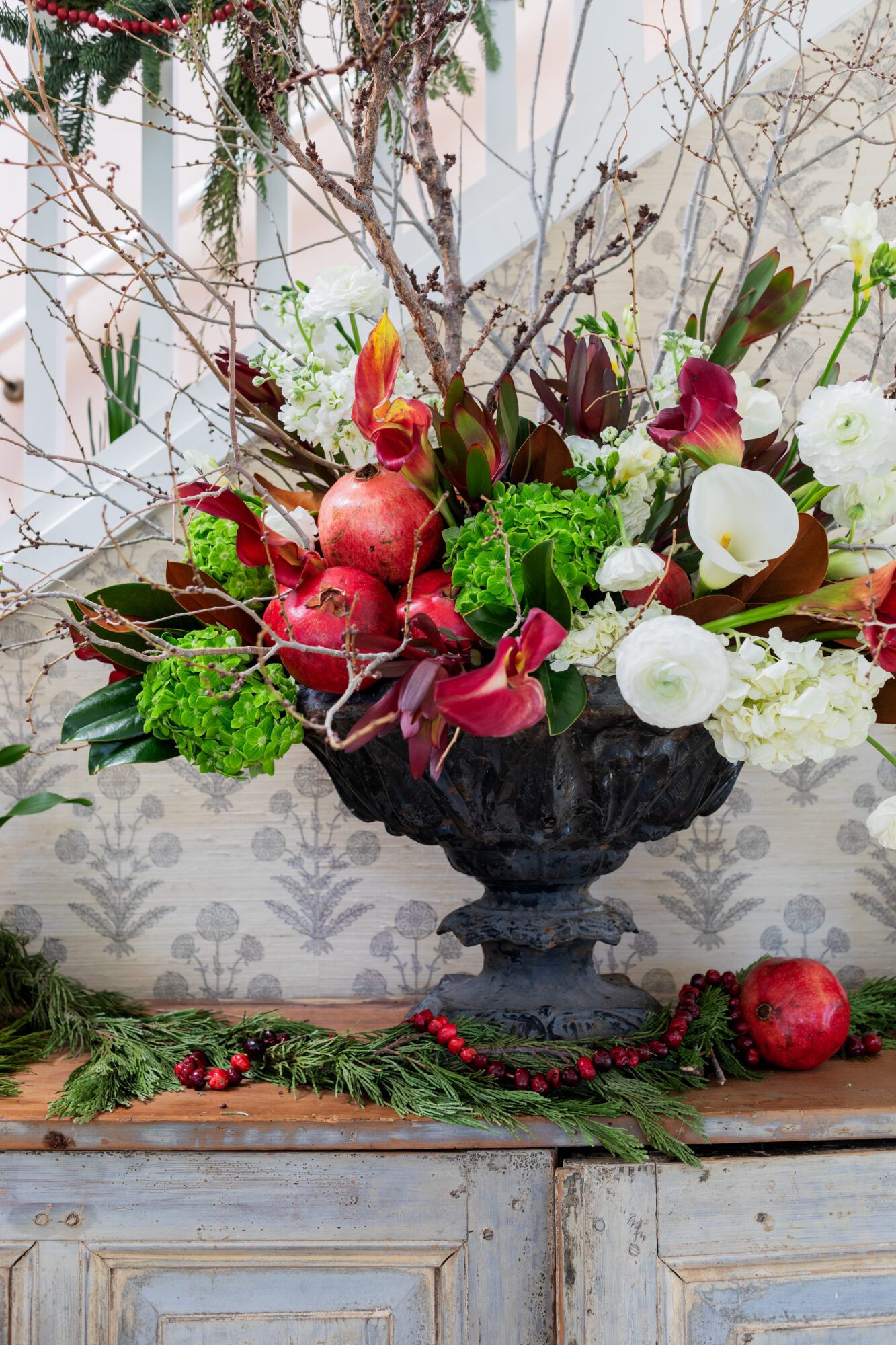
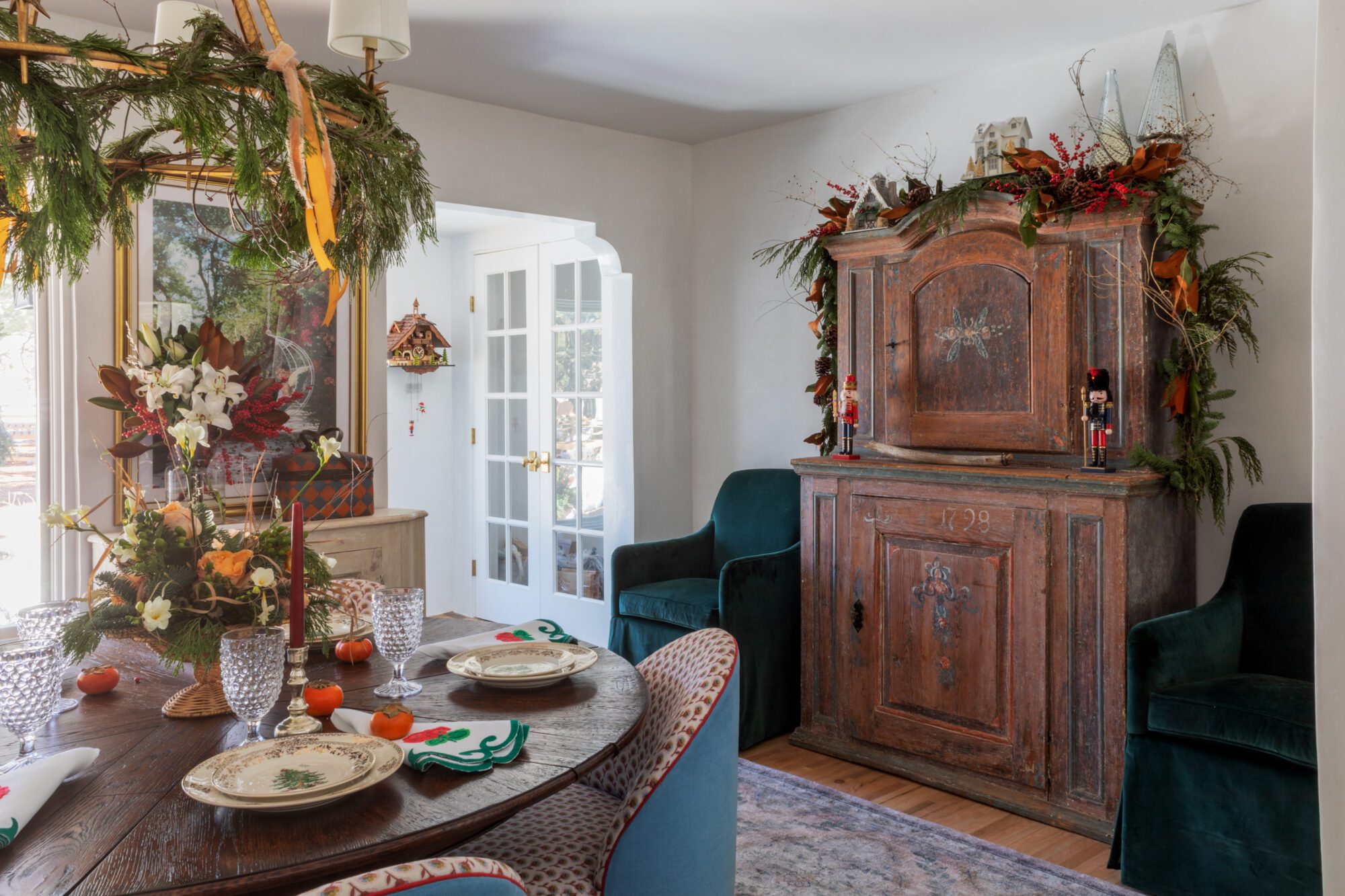
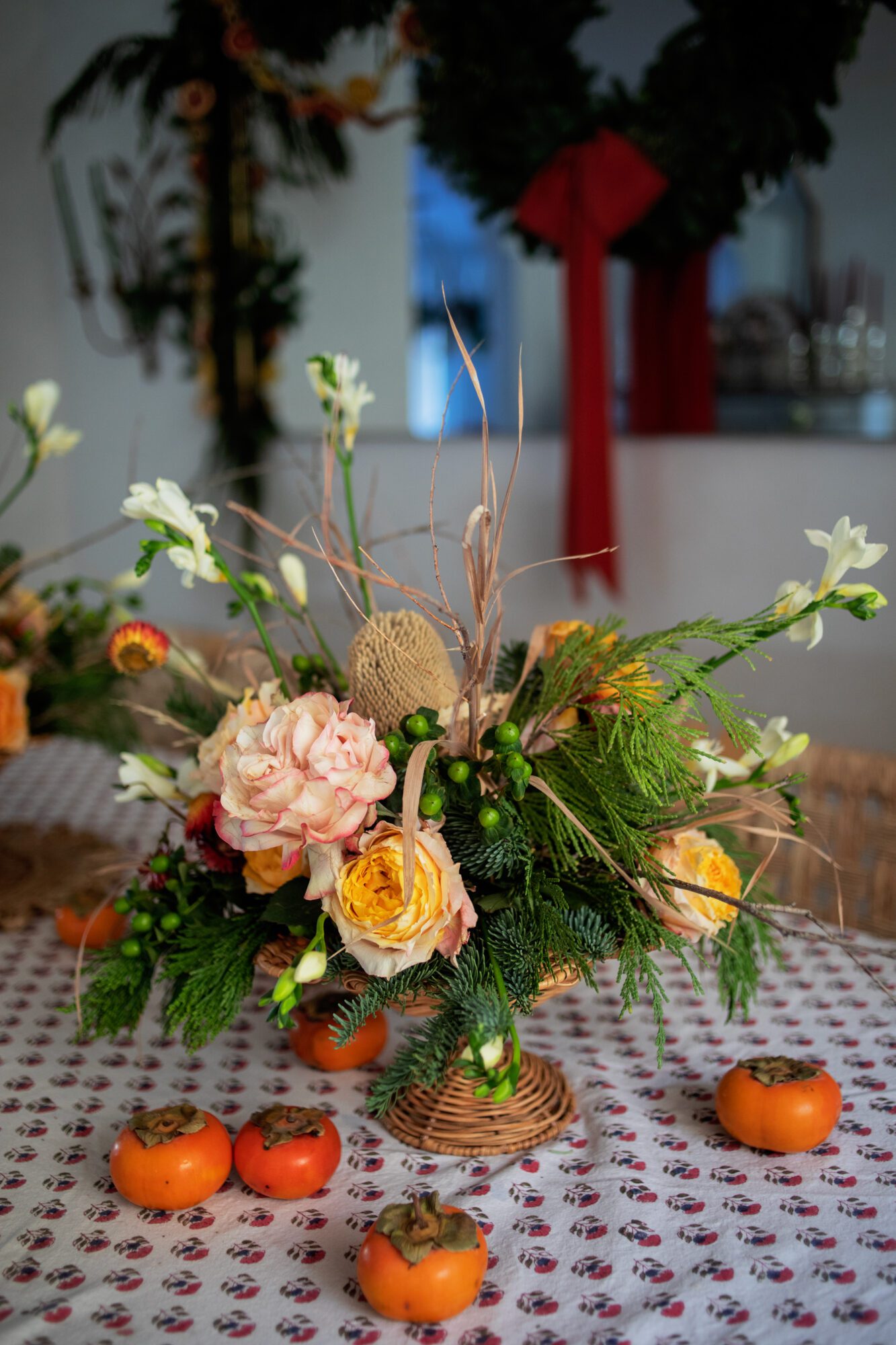
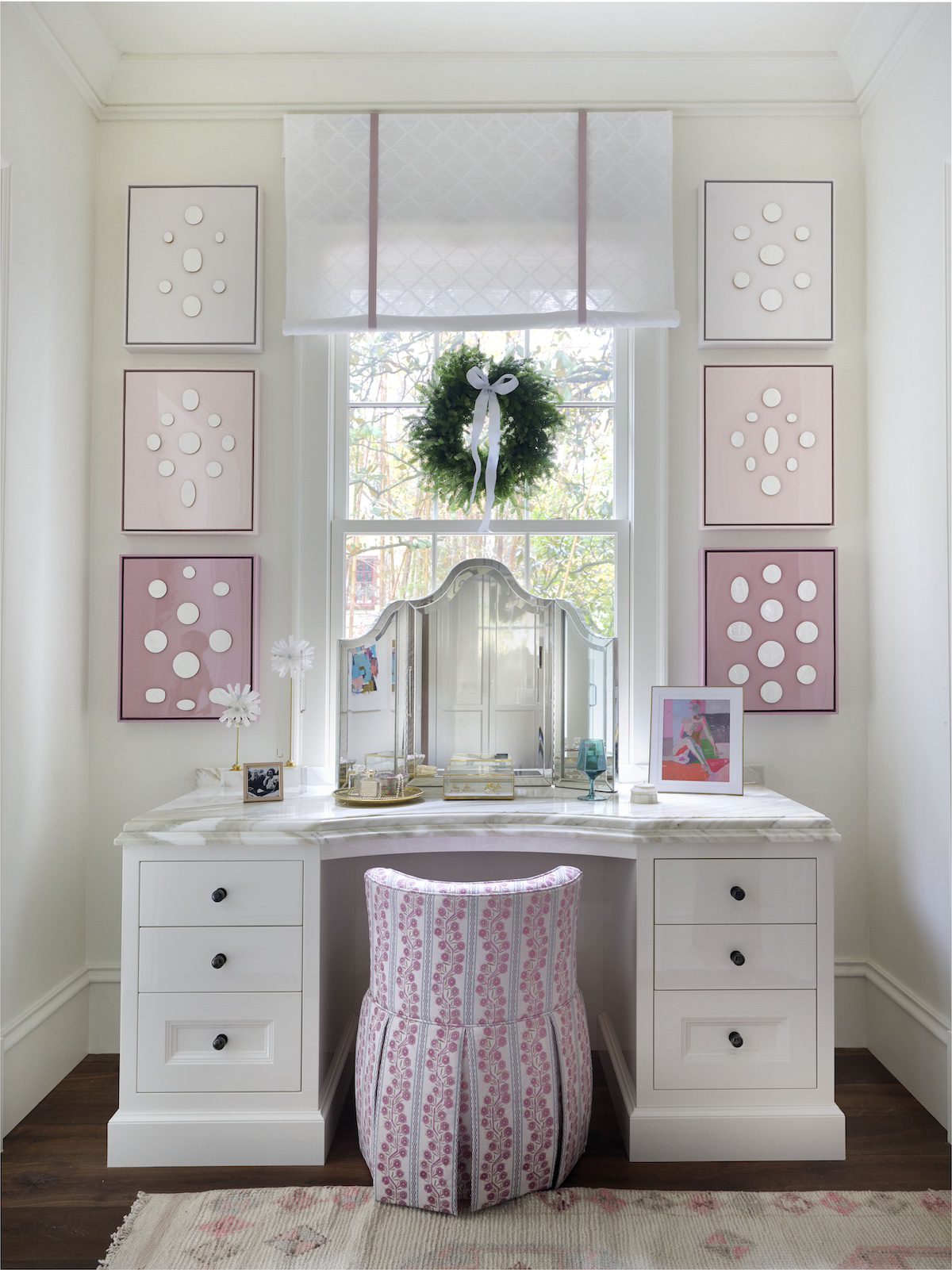
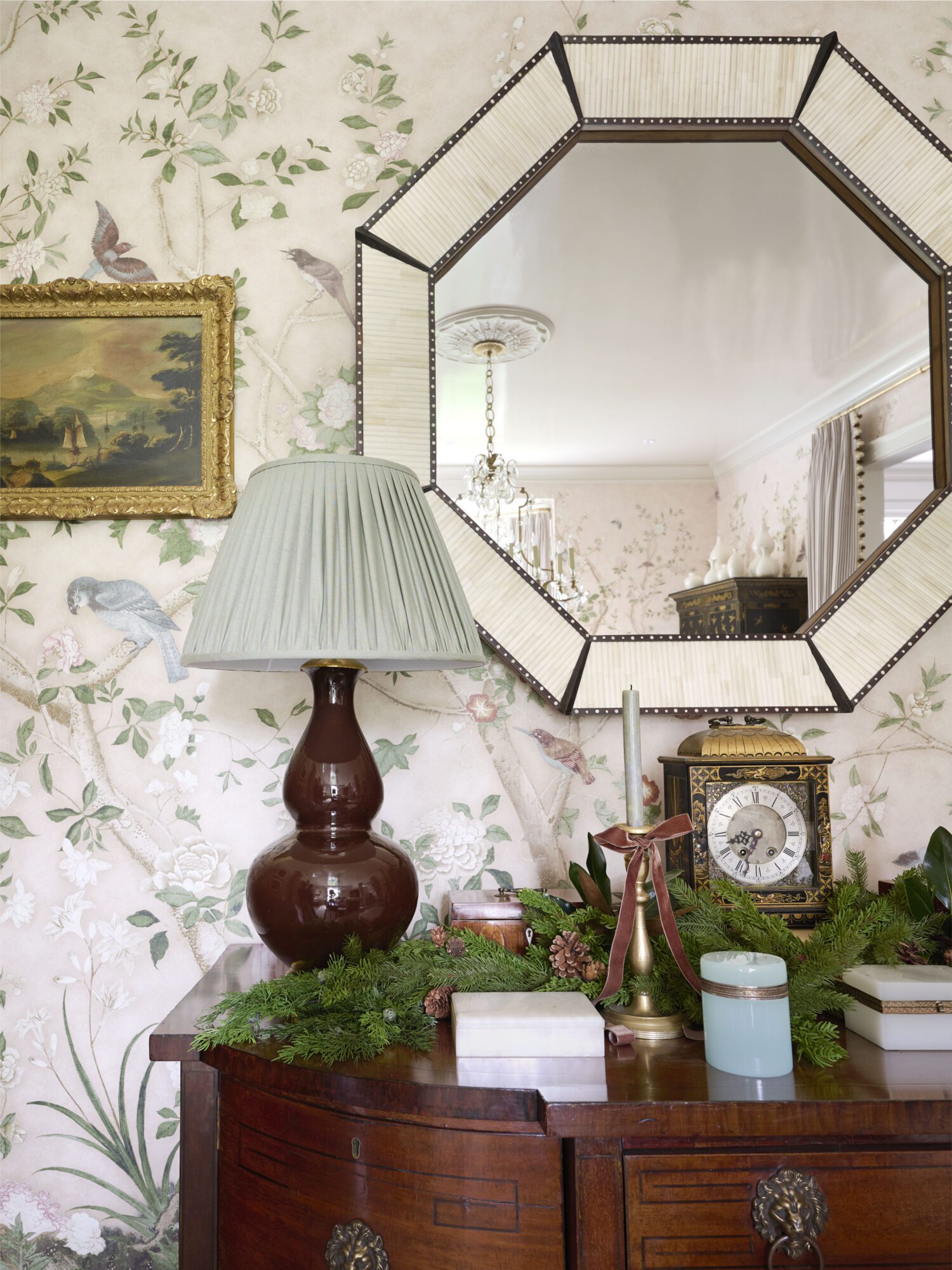
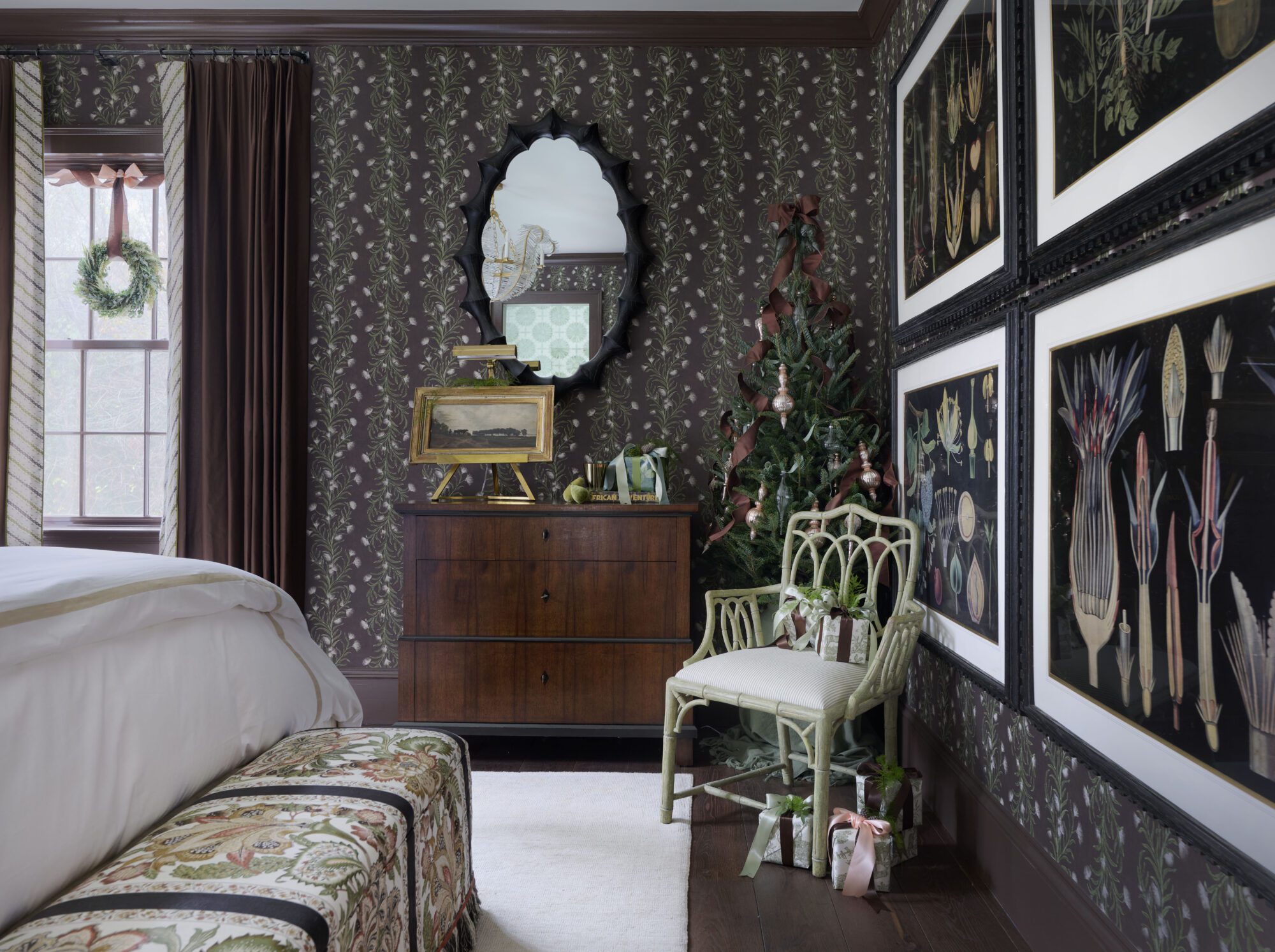
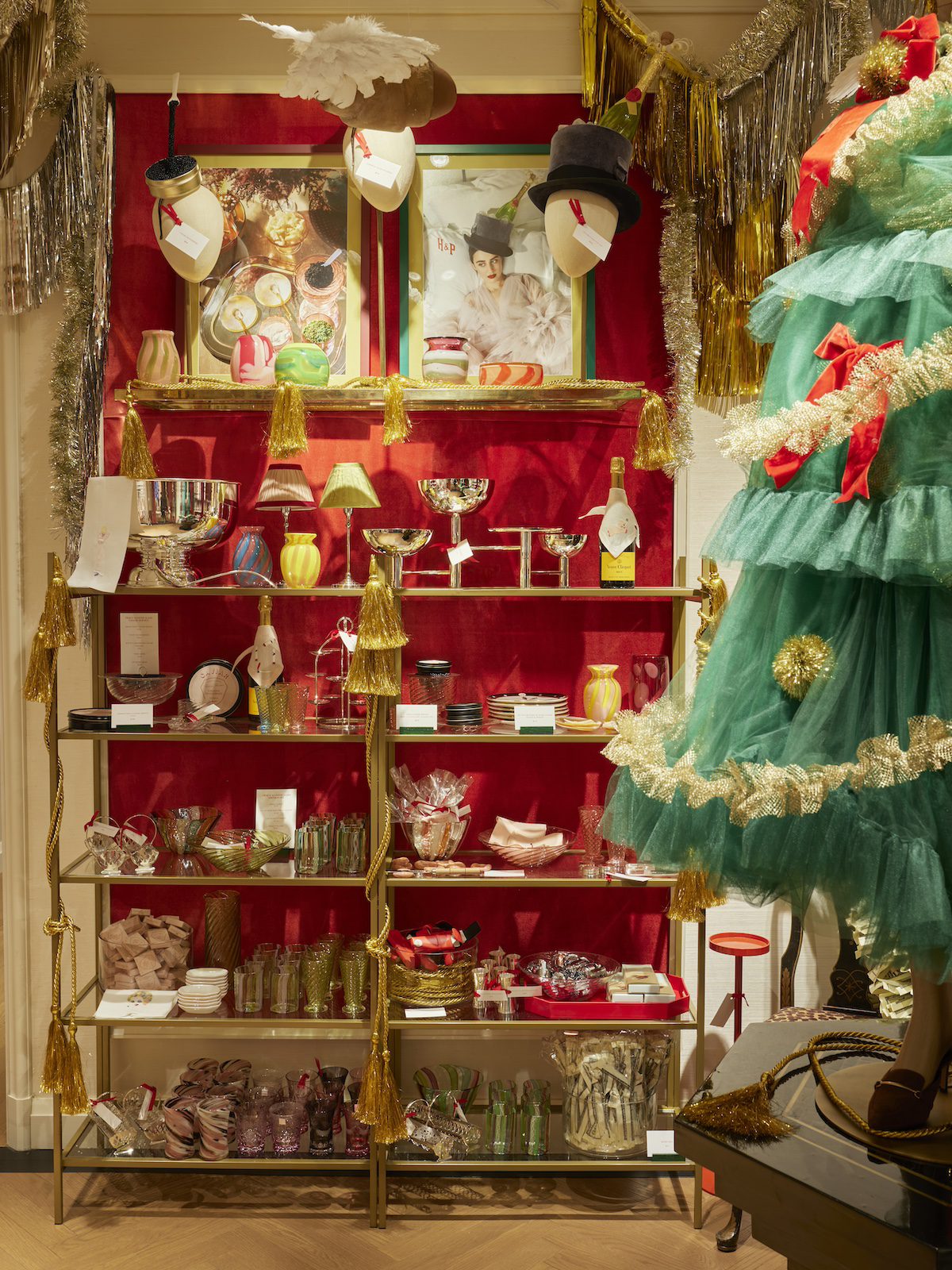
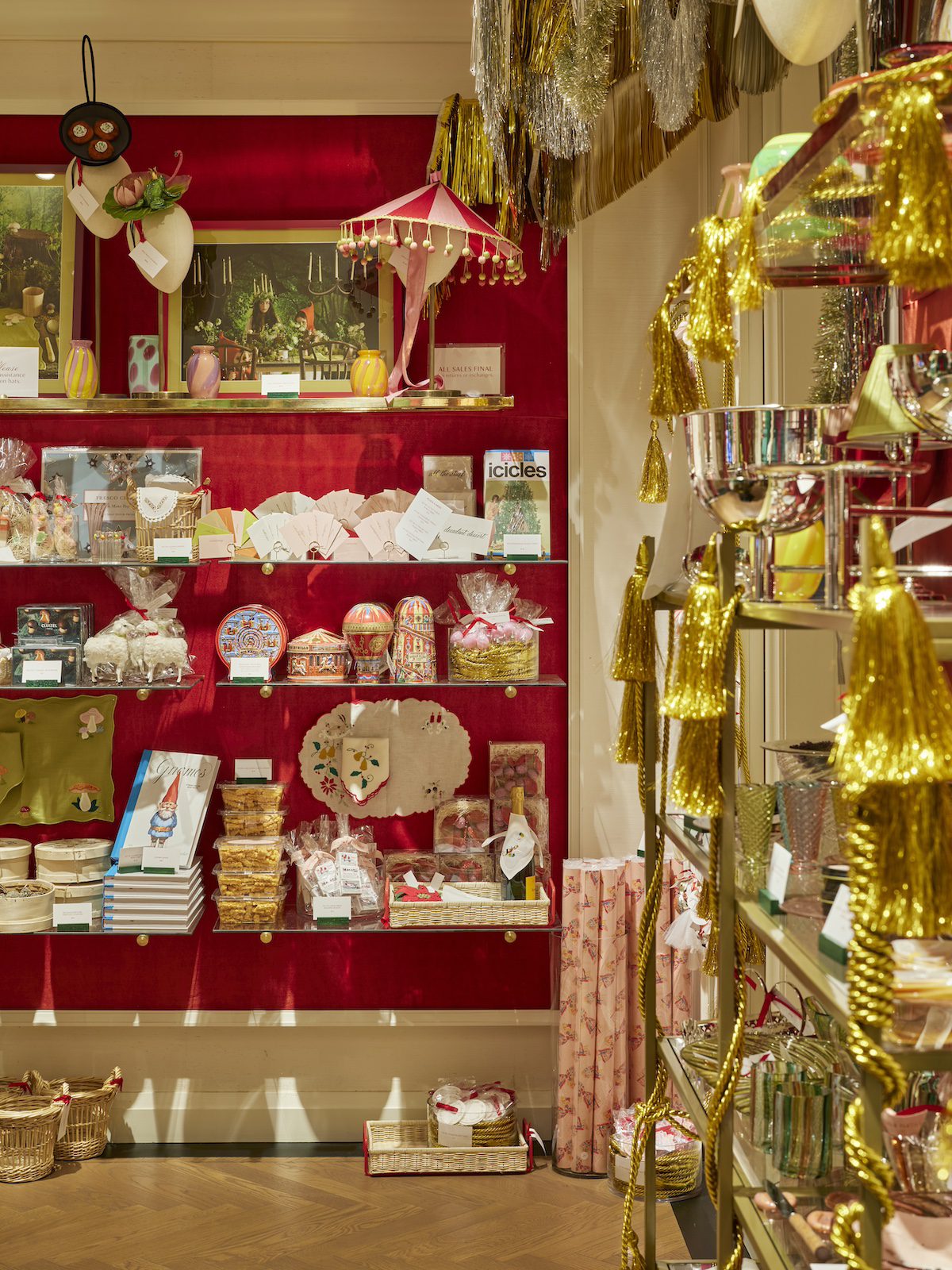
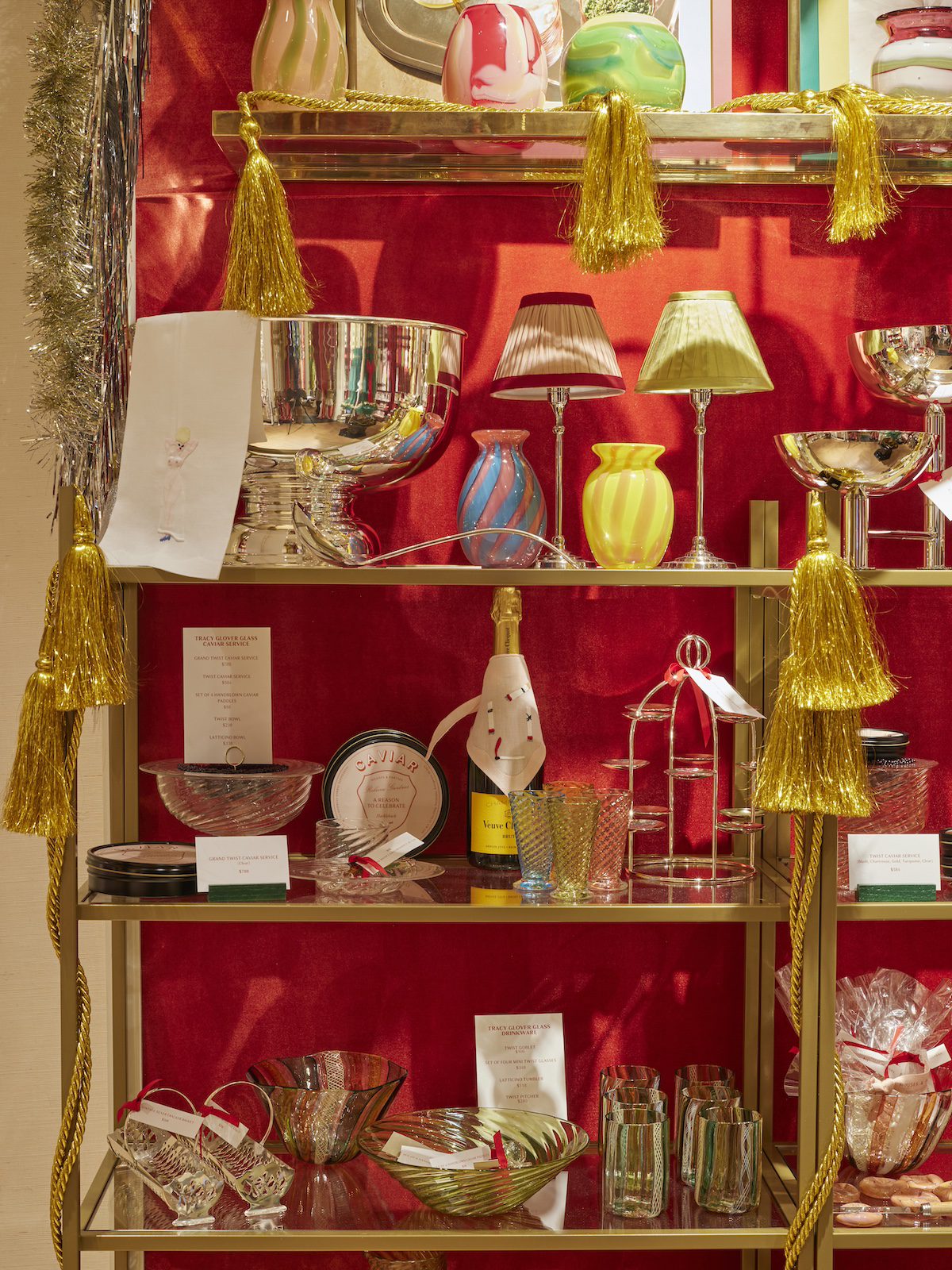
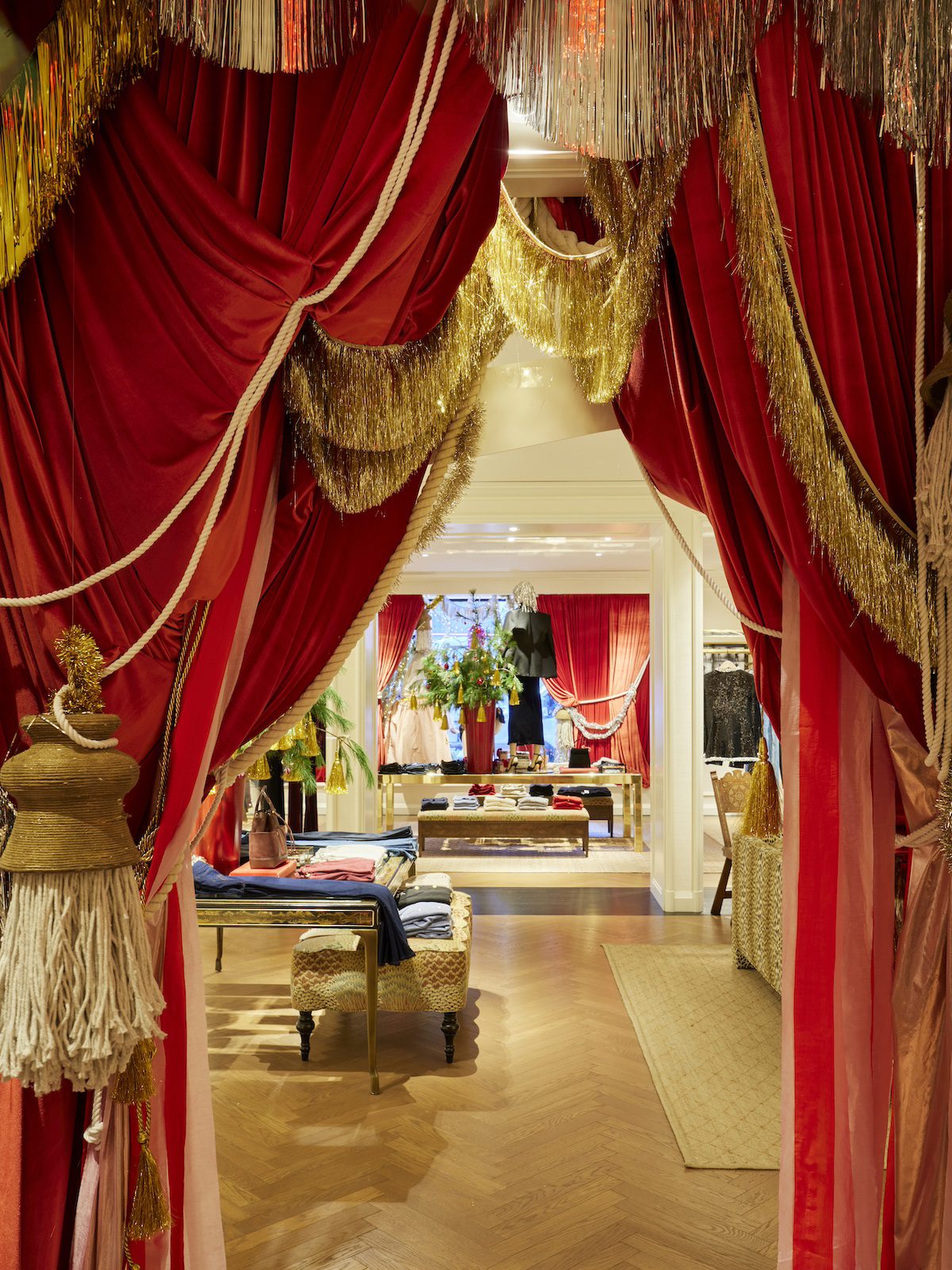
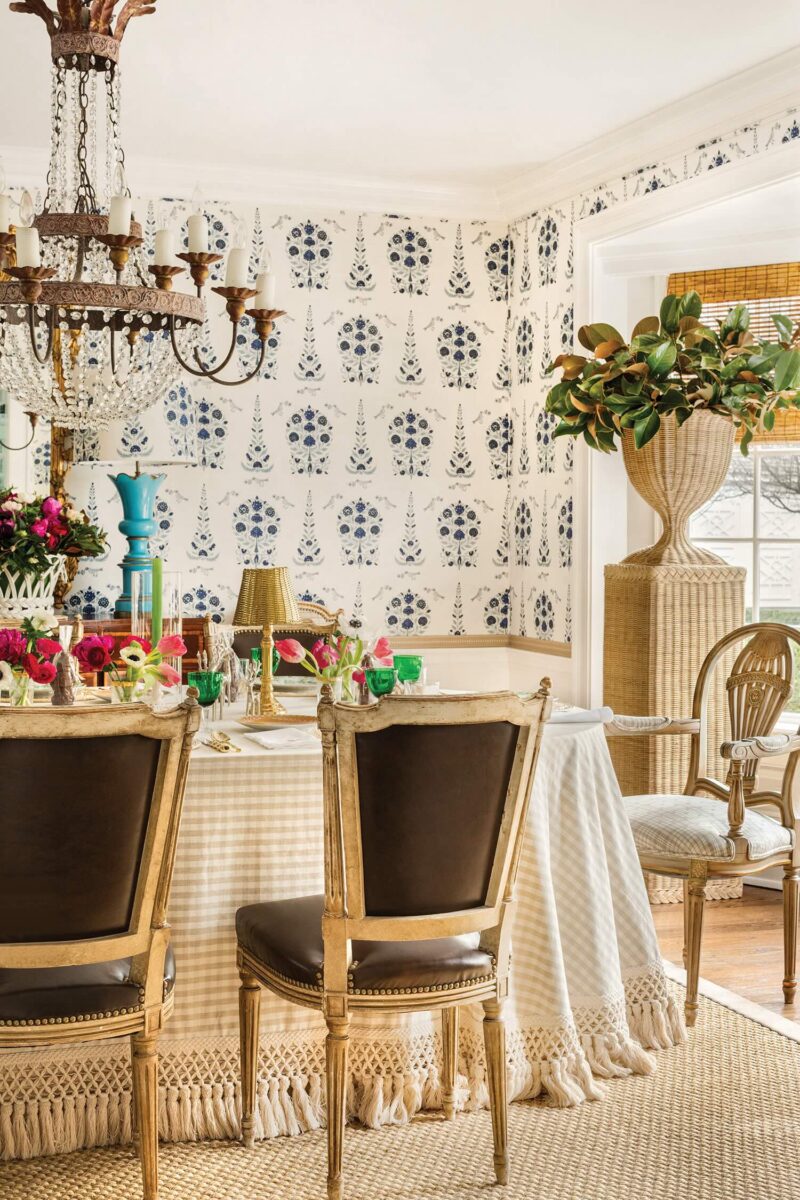
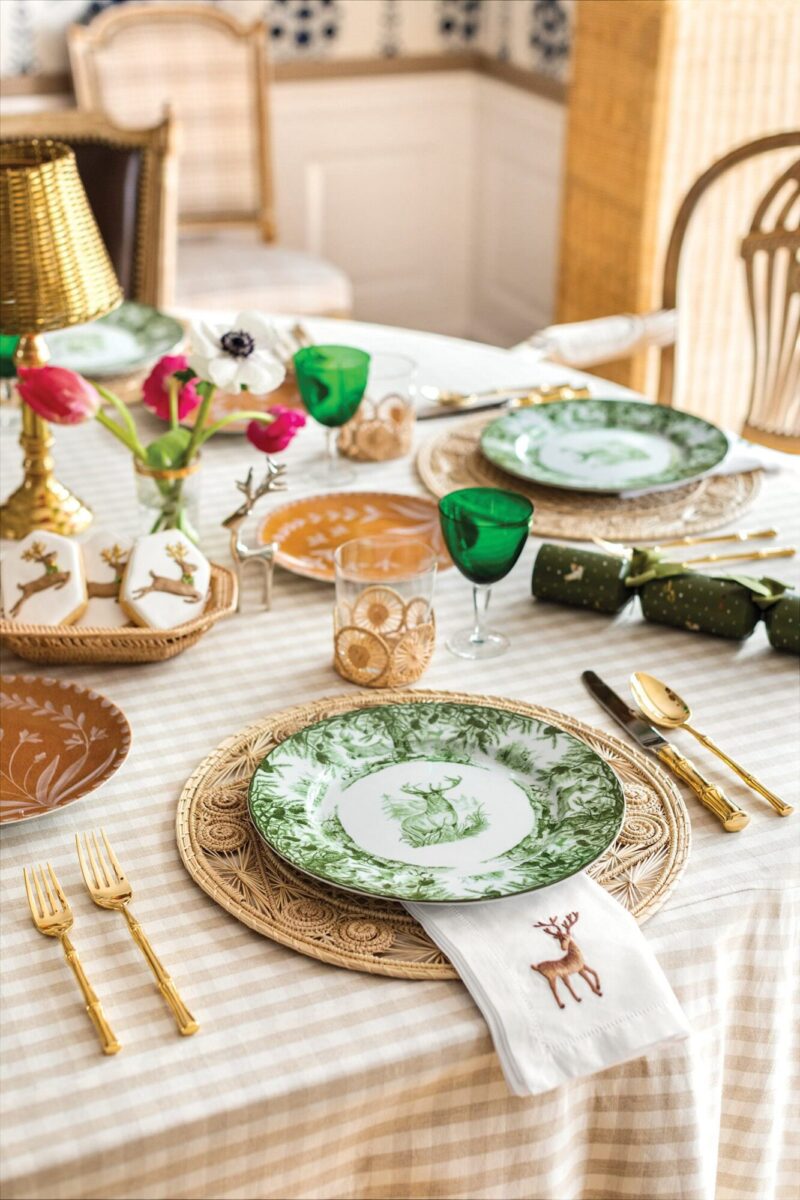
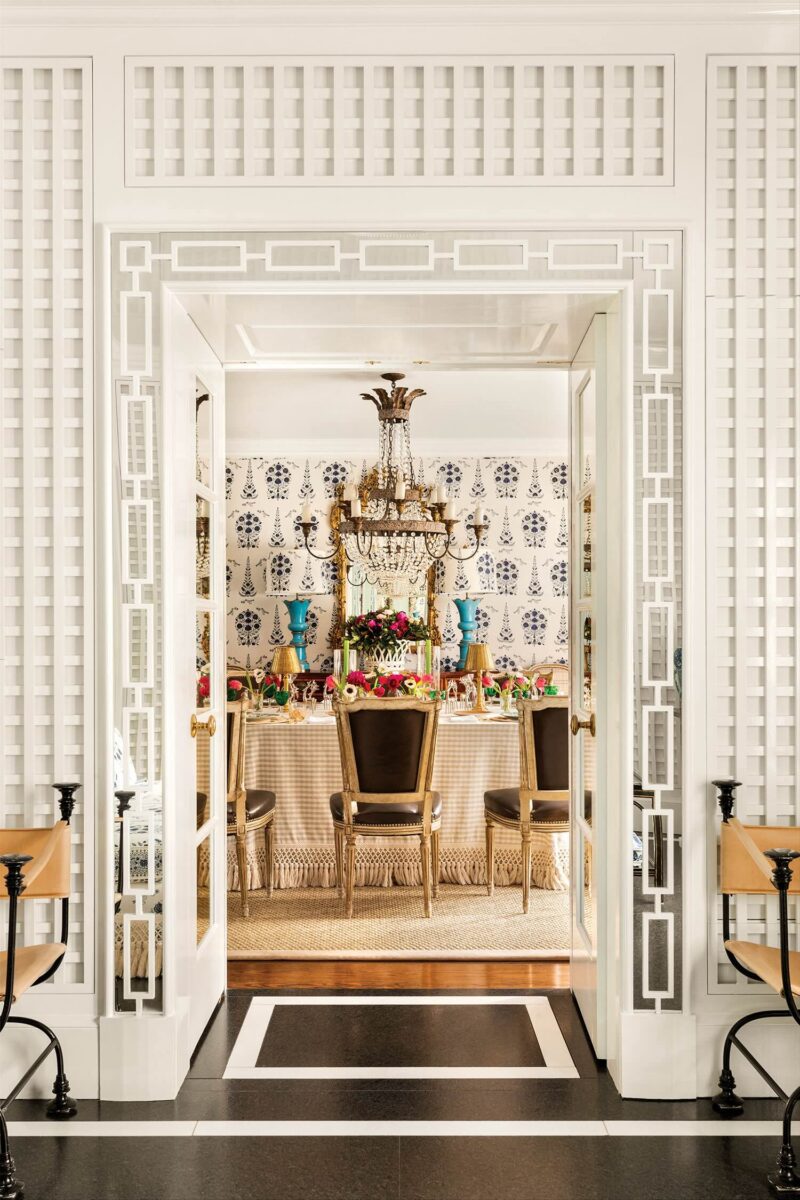
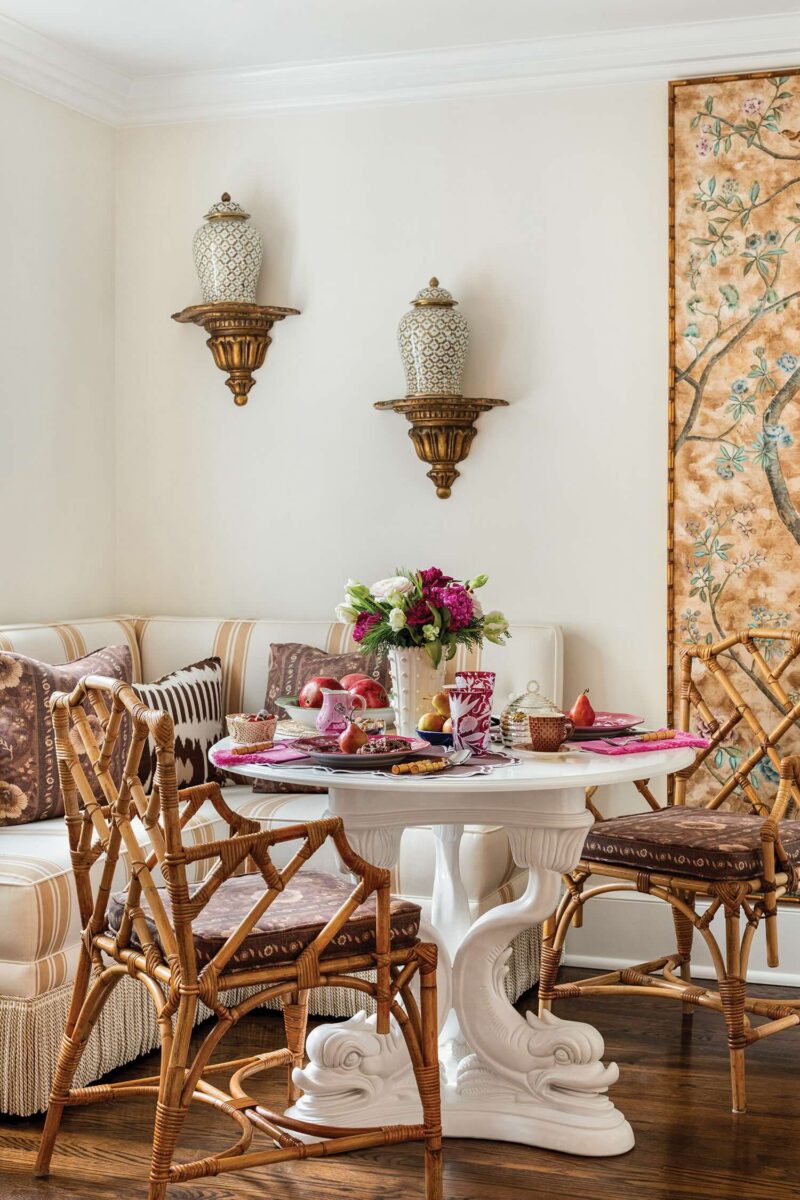
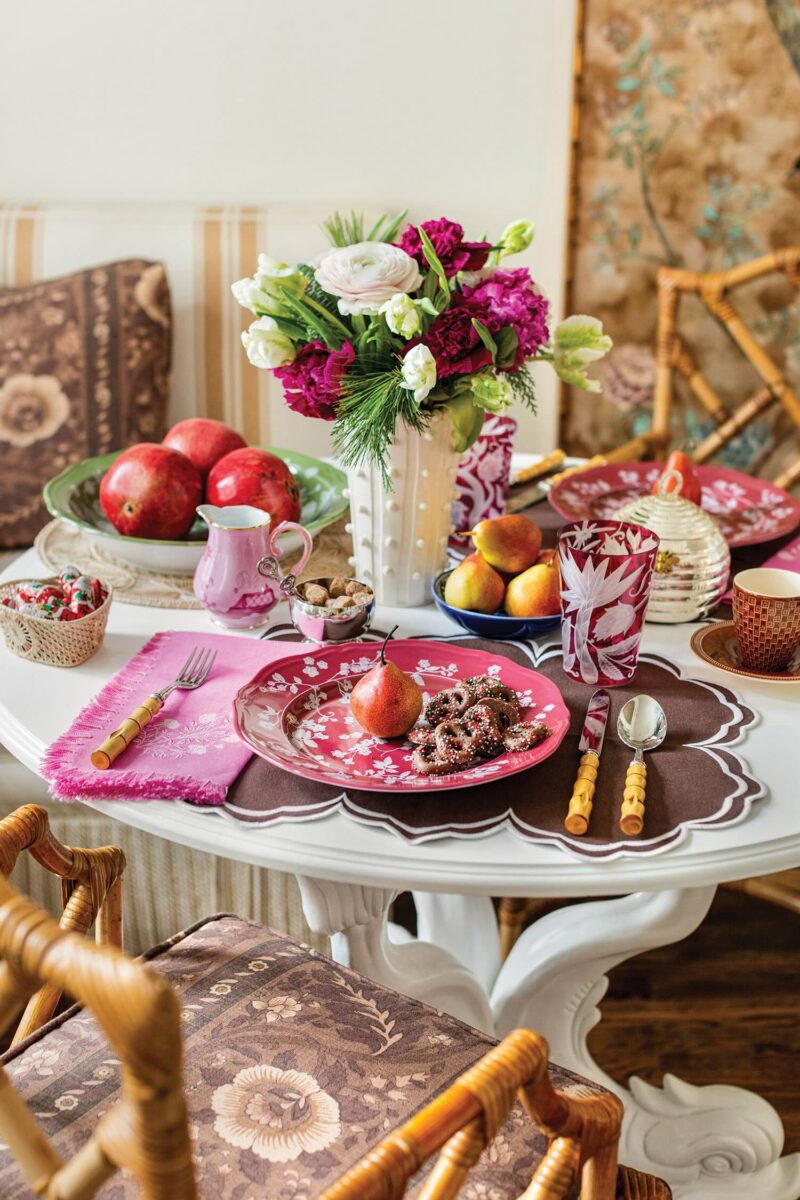
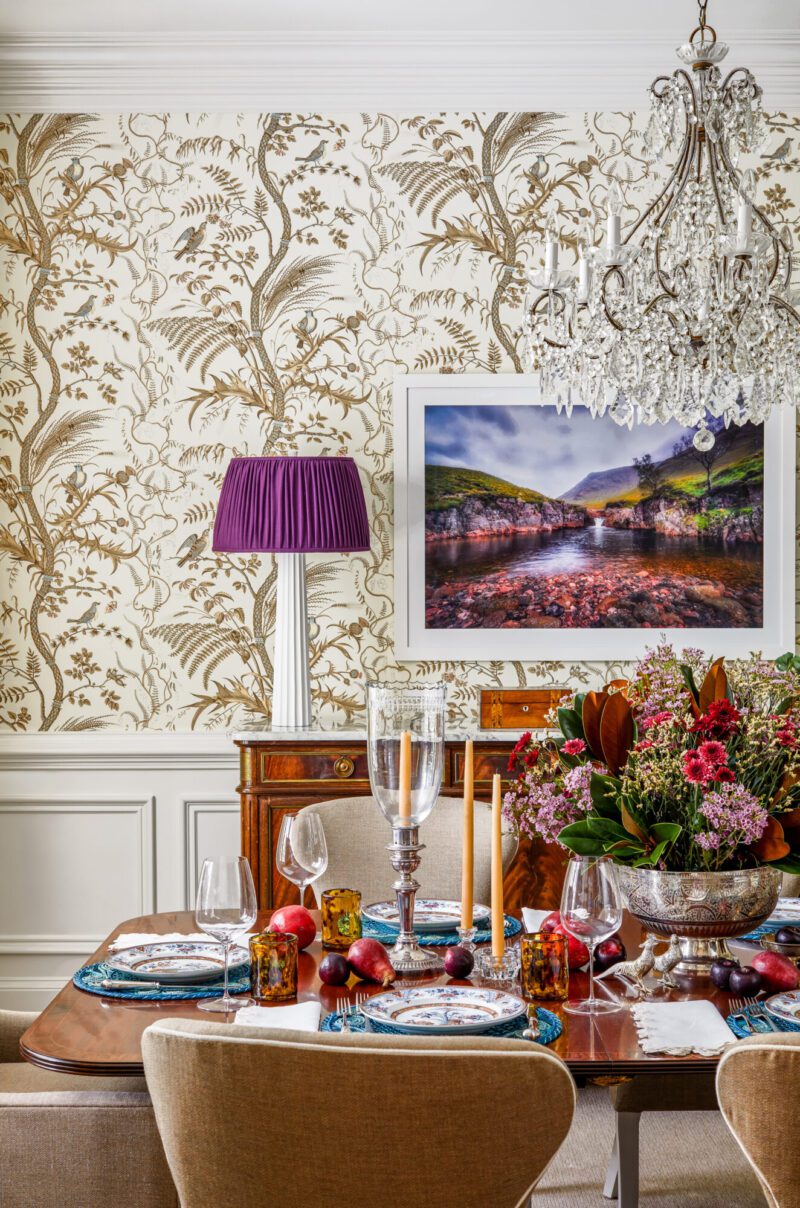
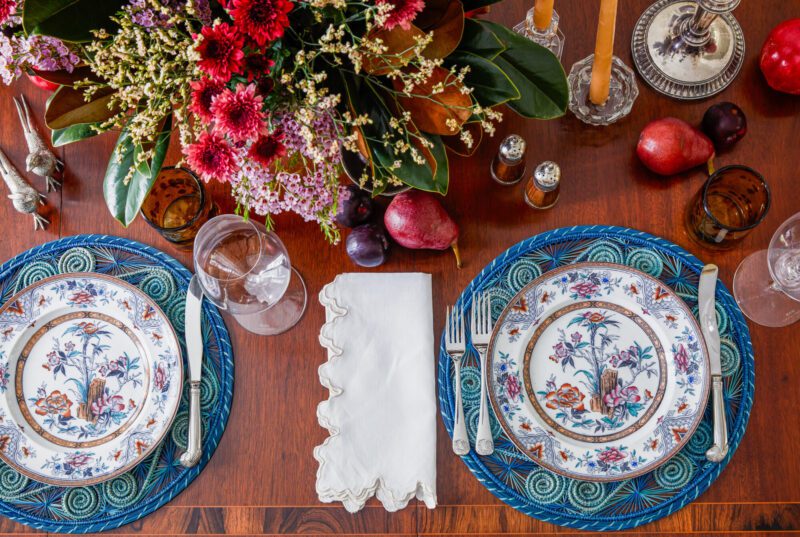
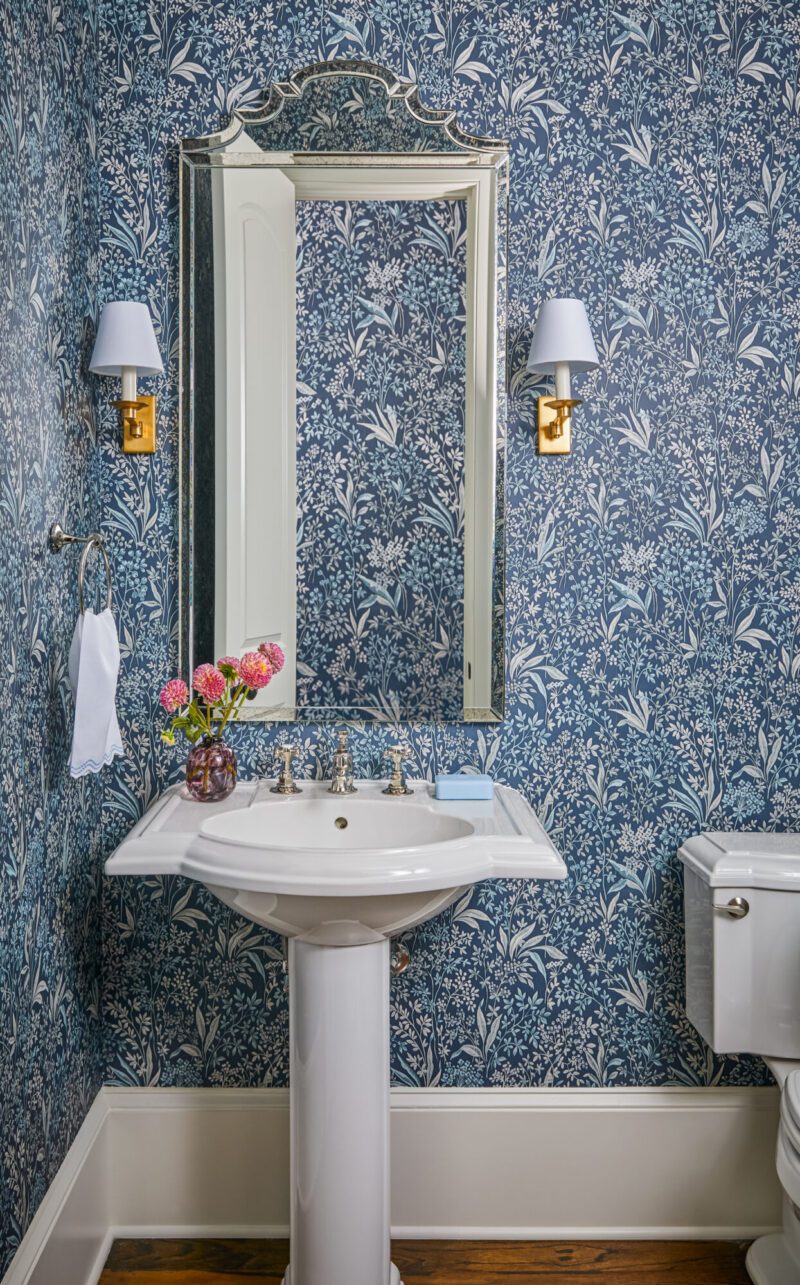
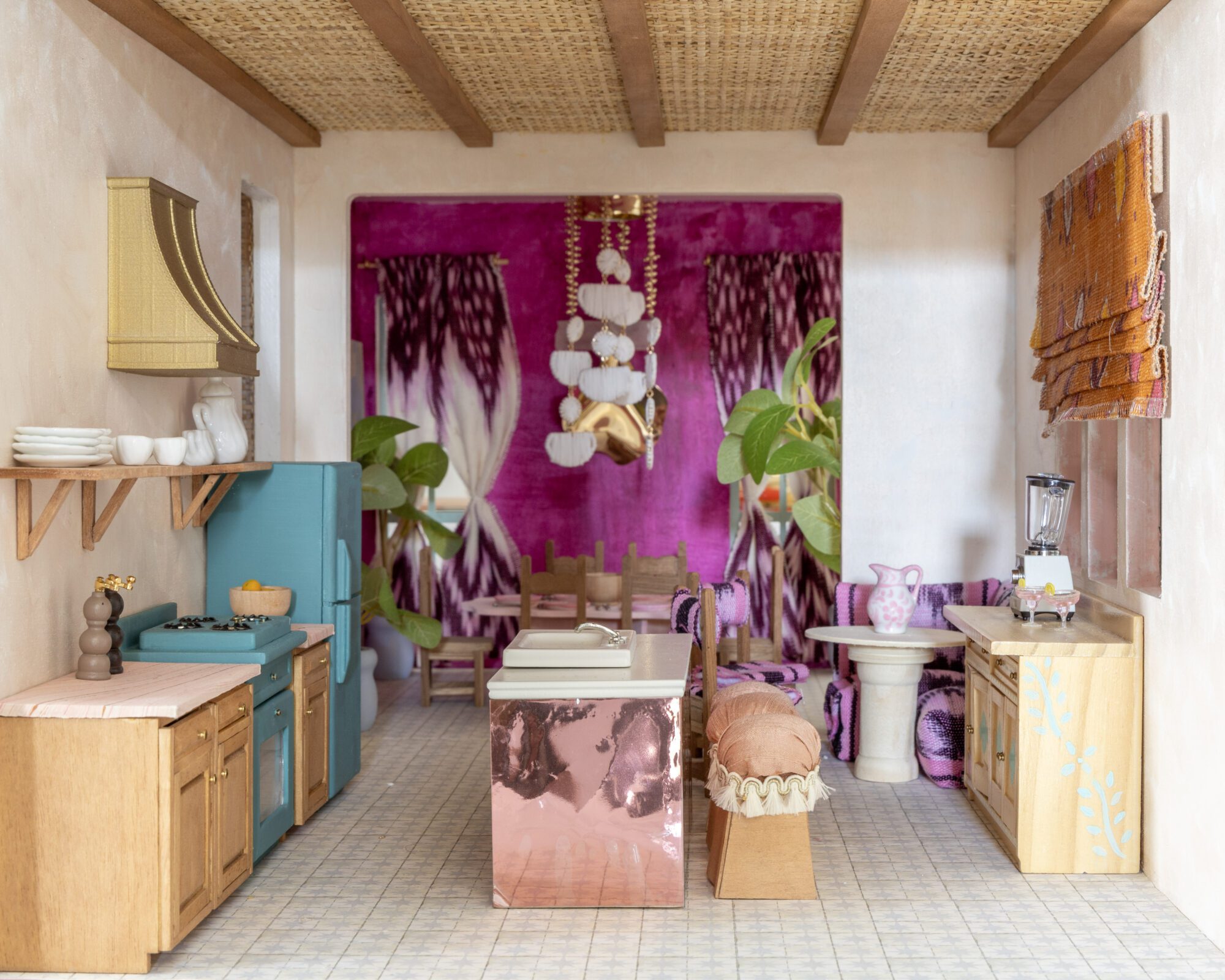
But first, step inside the fabulously festive Ivy House, desinged by Heather and Matt French of French & French Interiors, and one of this year’s esteemed TGP Tastemaker duos. Based in Santa Fe, their full-service design firm specializes in high-end residential and boutique commercial projects nationwide. Renowned for their bold use of color and pattern, they effortlessly blend globally inspired textiles with the earthy warmth of the Southwest. For Christmas, they’ve infused Ivy House with the same vibrant organic charm, and we couldn’t love it more! Take a look.

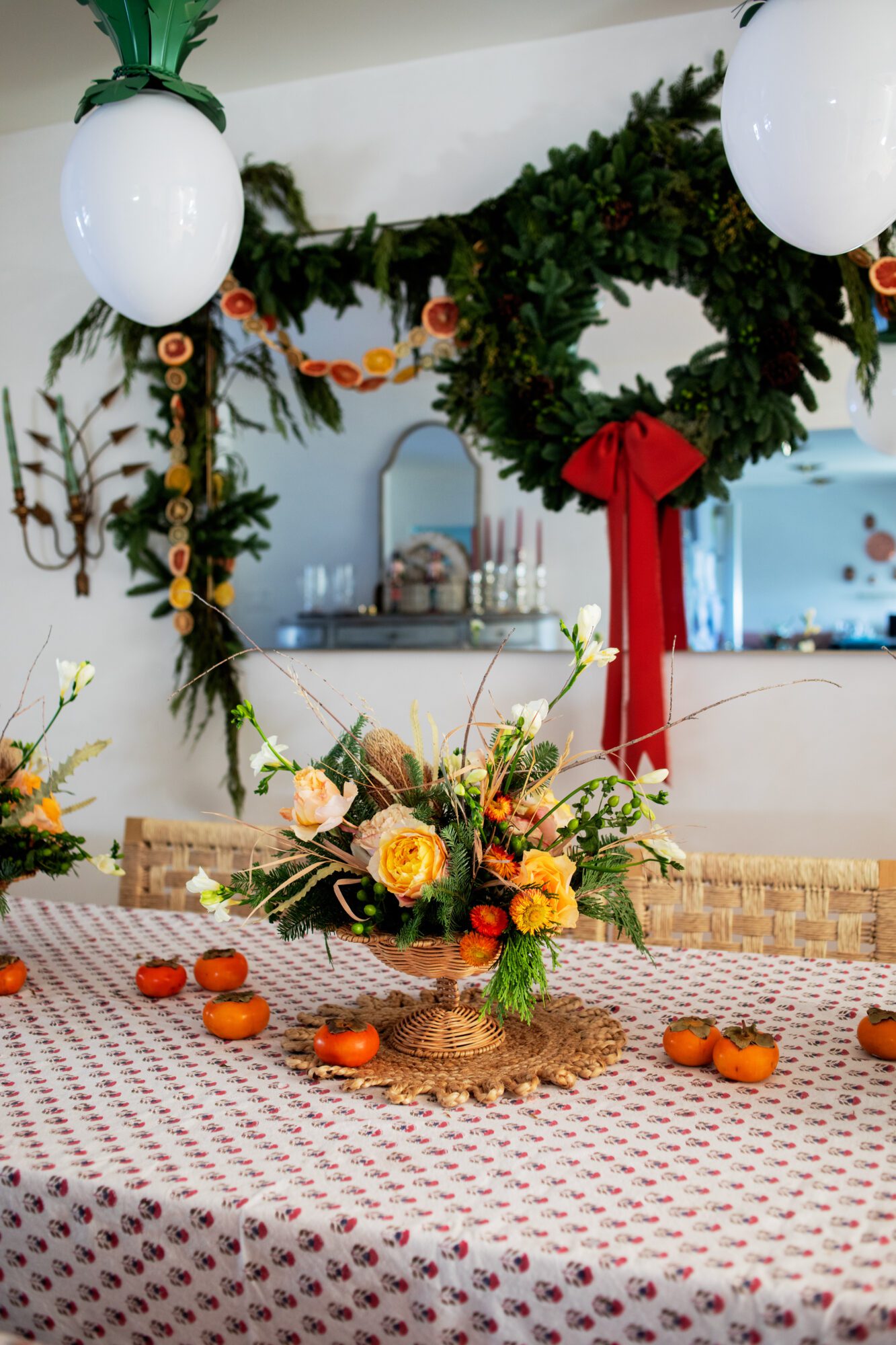





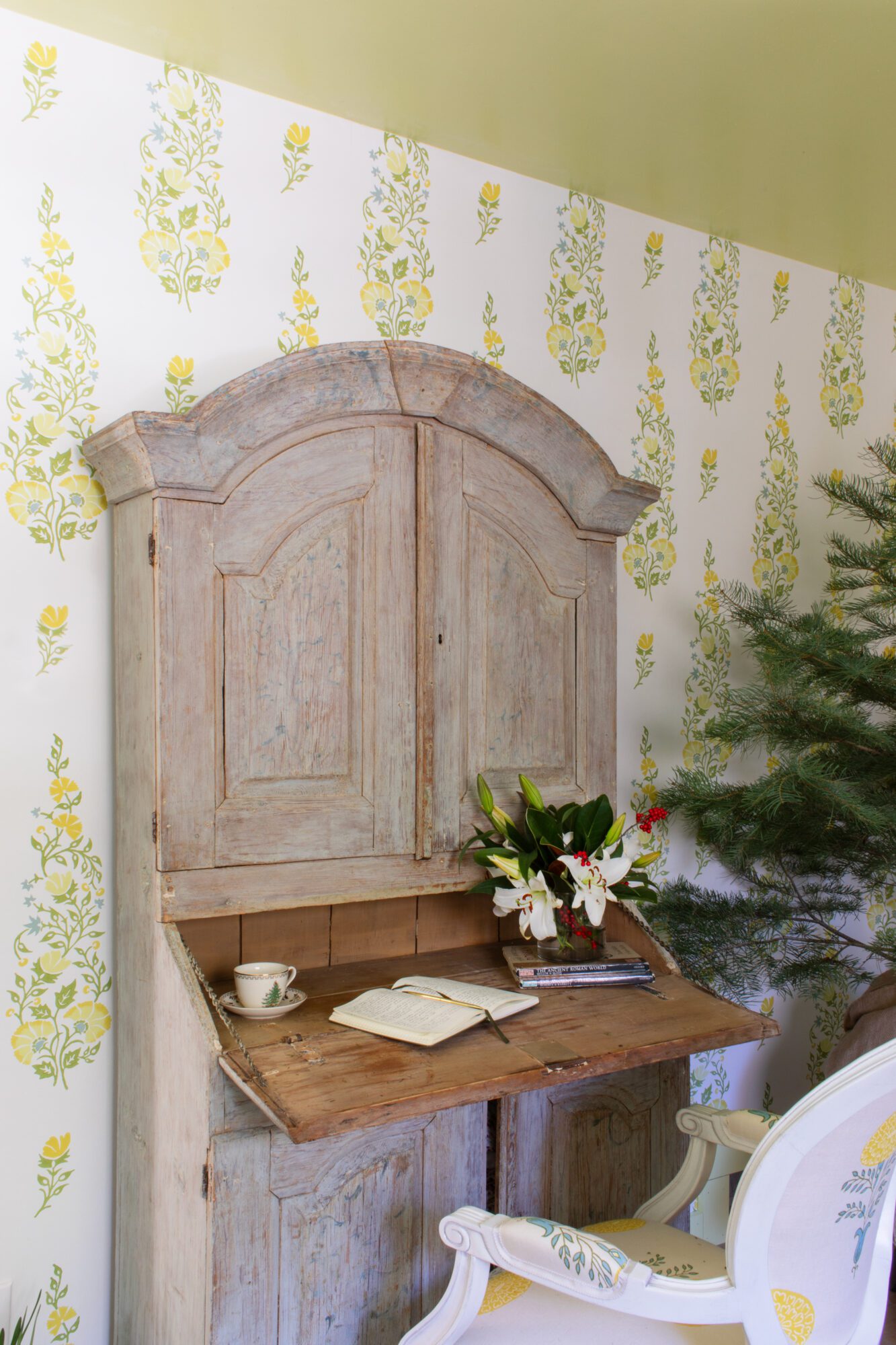
To learn more, please visit French & French Interiors and follow @frenchandfrenchinteriors on Instagram for ongoing inspiration.And now…
Our Cyber Monday favorites!
ANN TAYLOR
50% off everything + free shipping
TGP Loves: Tartan Bias Midi Slip Skirt, Feather Embellished Cable Sweater, cashmere cable sweater, Rosette Satin Slingback Pump
ANTHROPOLOGIE
Up to 50% off
TGP Loves: Hutch Bow-Tie Maxi Dress, Monogram Cotton Cocktail Napkins, Shirred Tulle Maxi Skirt, Fiona Beaded Bag, Darling Advent Calendars
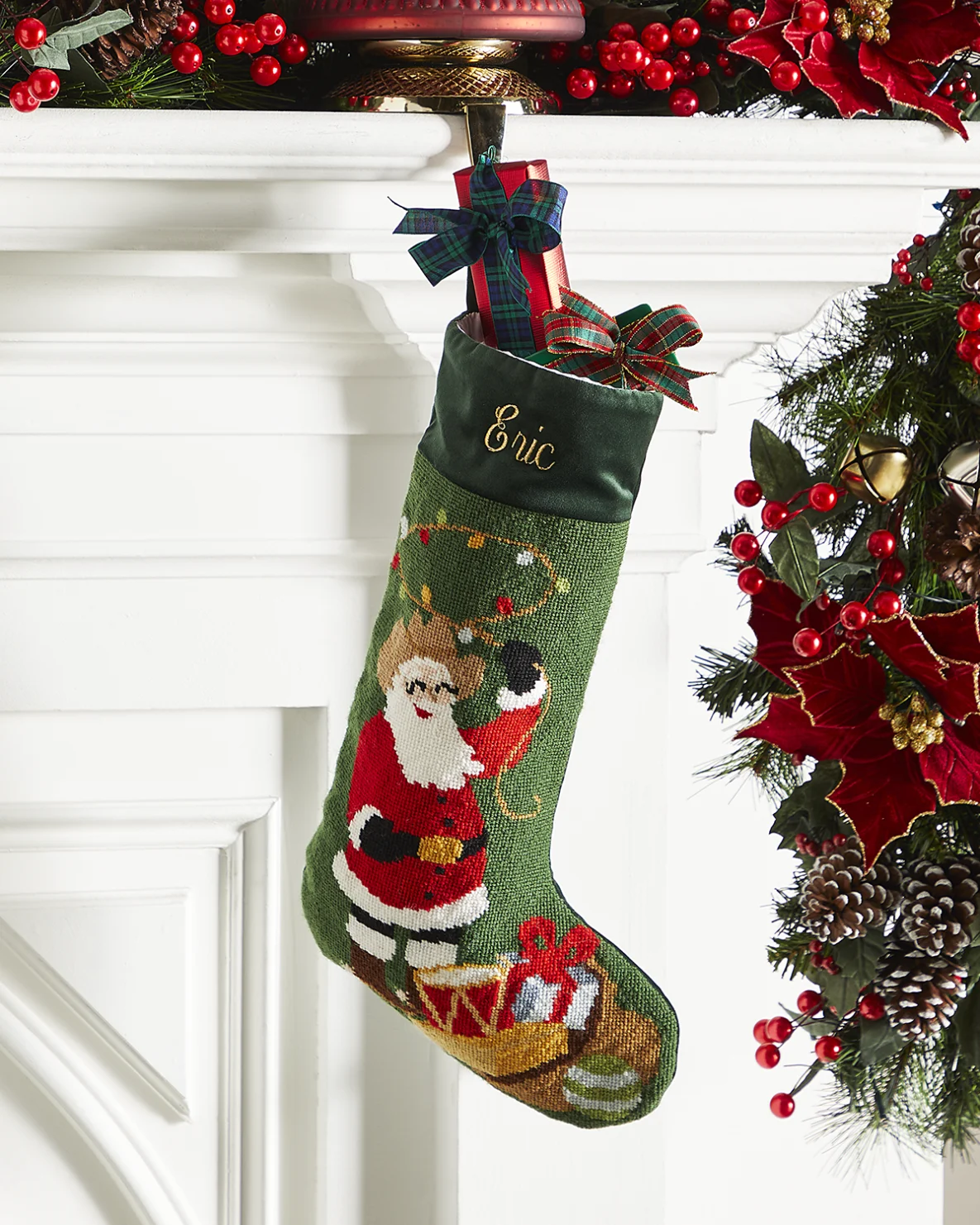
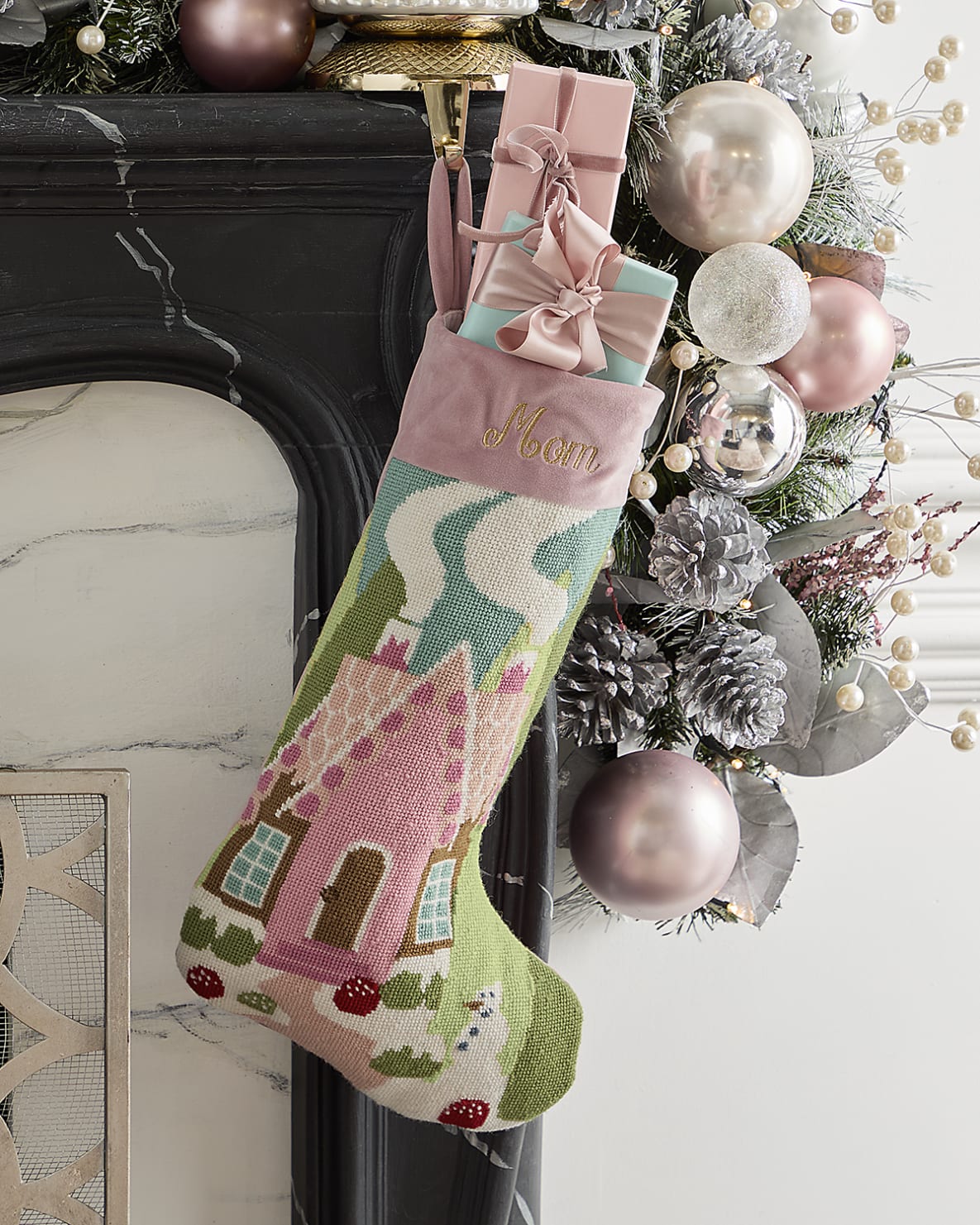
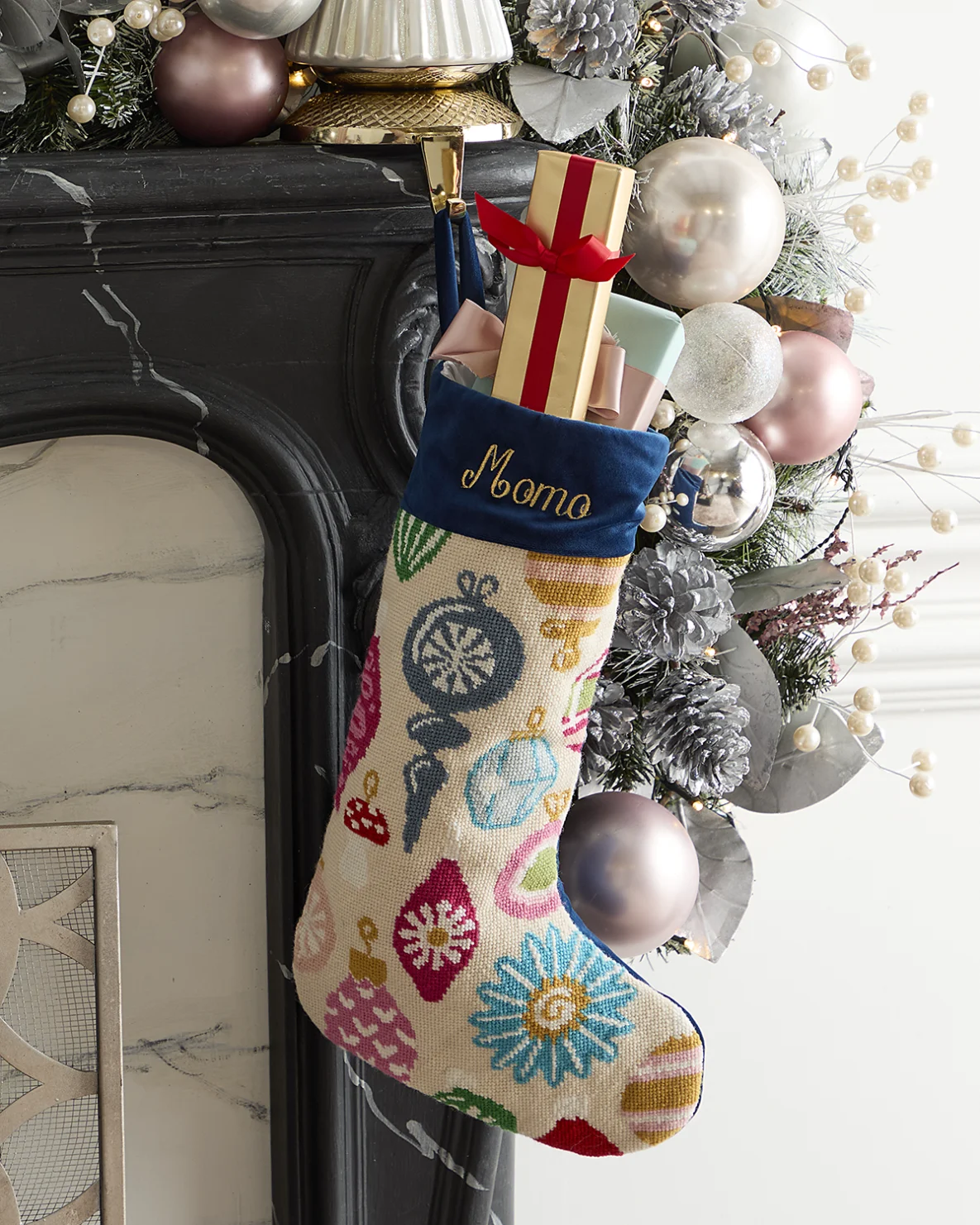
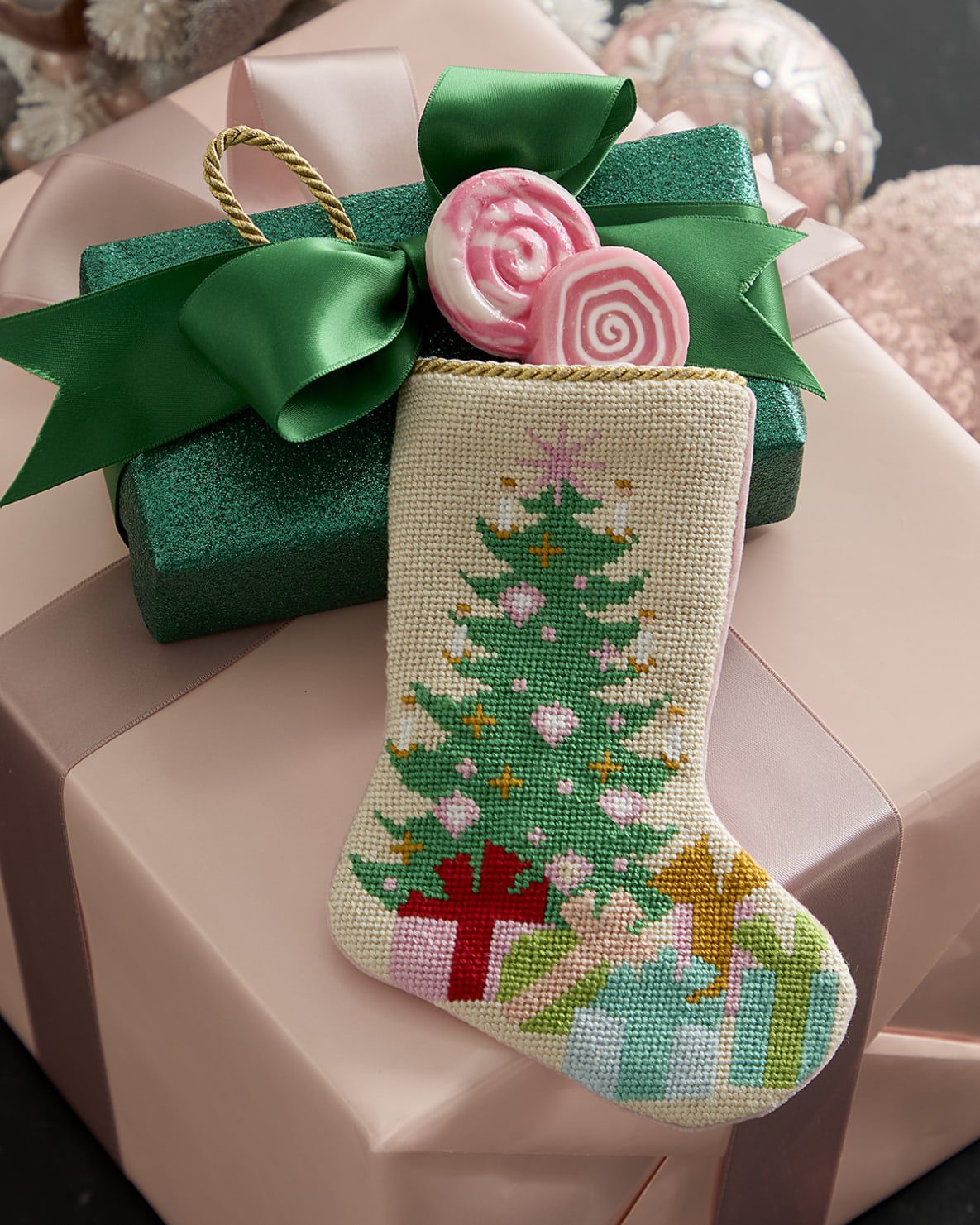
BAUBLE STOCKINGS
Bauble Stockings: Buy 5, Get 1 Free!
25% Off The Bauble Stockings Book!
Stationery: Buy 1, Get 1 Free
Pajamas: Buy One, Get One Free!
TGP Loves: 12 Days of Christmas stocking set, pink gingerbread stocking, holiday pajamas
BLOOMINGDALE’S
25% off thousands of items!
TGP Loves: Nest candle and fragrance holiday collection, diamond and sapphire flower earrings, cashmere duster cardigan
BROOKS BROTHERS
40% off sitewide
TGP Loves: Fair Isle sweaters, classic white shirts, Black Watch essentials, woven leather tote
FRANCES VALENTINE
30% off sitewide with code CYBER30
TGP Loves: gold leather pumps, embroidered mittens, sequin midi dress, Dupoini wrap dress, ruffled sequin top
FRONTGATE
Up to 25-75% off sitewide
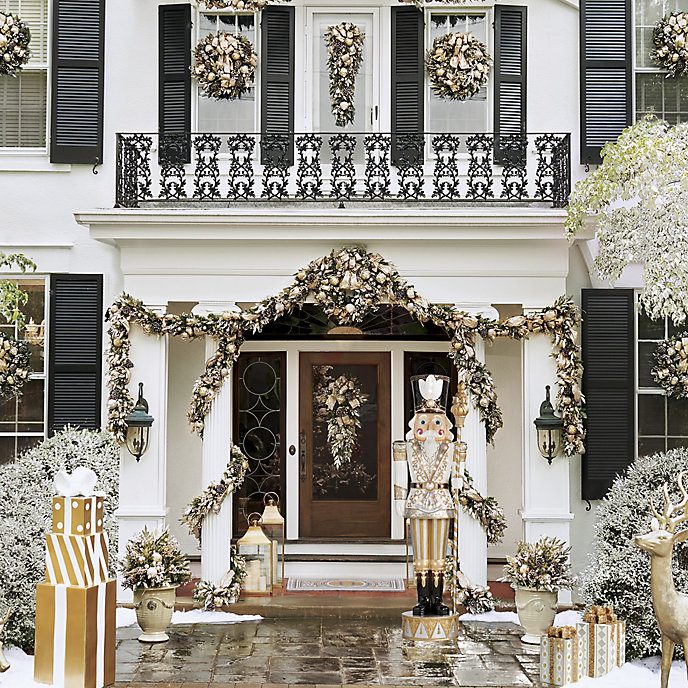
TGP Loves: 9-foot GIANT Nutcrackers, Chinoiserie panel triptycs, blue and white Chinoiserie, faux fur wine bags, all holiday decor!
FURBISH
20% off sitewide with code BRIGHT
up to 80% off all sale
TGP Loves: needlepoint pillows, cocktail napkins and tabletop, holiday collection
GAP
50% off everything + 60% off really big deals
TGP Loves: tartan family pajamas, puff sleeve lace trim blouse, high rise velvet pants, darling baby outfit, family pajamas
HILL HOUSE HOME
30% off sitewide
TGP Loves: hotel robe, beautiful printed sheets floral silk pillowcases
JACK ROGERS
50% off sitewide
60% off kids
TGP Loves: black leather ballet flats with tartan bow, tartan ballet flats, classic Jacks sandals
J. CREW
50% off your purchase
TGP Loves: oversized cashmere wrap, lady jacket, tweed lady jacket, leopard faux fur pea coat
J. CREW FACTORY
60% off everything
TGP Loves: all the tartan!, herringbone pullover, sweater blazer
J. McLAUGHLIN
Up to $300
TGP Loves: tartan bow flats, sequin pants, faux fur coat
JOANNA BUCHANAN
25% off sitewide
TGP Loves: sparkly wine stoppers, bee swizzle sticks, snowflake napkin rings
KATE SPADE
Up to 50% off almost everything!
TGP Loves: faux fur wool coat, red flourish heel slides, classic leopard midi skirt
LACOSTE
Up to 50% off
TGP Loves: classic polos, classic sweaters, tote bags
LAKE PAJAMAS
25% off sitewide, 50% off select styles
TGP Loves: kimono pajamas sets, chic day dresses, caftans
LANDS END
Up to 60% off your order
TGP Loves: $16 tartan turtleneck!, personalized tote bags, monogrammed cashmere sweaters, womens tunic tops, cashmere turtlenecks (under $100!)
LOEFFLER RANDALL
Up to 40% off sitewide
TGP Loves: pink leather ballet flats, gold pleated bow heel, black pleated bow tote
MACY’S
Deals on apparel, home decor, small kitchen appliances and toys, and more.
TGP Loves: Lenox Nativity Set, Woodland Spode, Lenox Holiday, pink nutcrackers, perfume gift sets
MARK & GRAHAM
Up to 70% off. Extra 30% off select clearance. Free shipping on your order. Use code: MERRY.
TGP Loves: bamboo handled handbag, monogrammed travel case, monogrammed cordless charging block, monogrammed pet puffers, personalized votive candles
NEIMAN MARCUS
Earn up to a $1,250 gift card, Includes beauty & fragrances | code GC4YOU
+ Up to 75% off Sale
TGP Loves: 18K Gold-Plated Apple Watch, La Mer, beauty + free gifts with purchase, metallic bon bon bag, cashmere sweaters, palace doll house
NEST
Enjoy 25% off all orders, plus a complimentary Wild Mint & Eucalyptus Candle with $200+ purchases. Use Code: FRIDAY25
TGP Loves: the absolute best holiday candles, perfume oil discovery set, bamboo scented candles and products
NICOLA BATHIE
35% OFF with code BLACKFRIDAY
TGP Loves: Chinoiserie earrings, Butterfly earrings, all earrings!
NORDSTROM
Up to 60% off Black Friday Deals (here)
TGP Loves: women’s shoes, cosmetics and beauty, Staub 4-Piece Enameled Ceramic Baking Dish Set
POTTERY BARN
up to 50% off
Extra 15% off Clearance
TGP Loves: Monique Lhuillier collection, brass lampshades, personalized silver frames, all things tartan!, Holiday Ceramic Mug Collection, Dog Beds
SAKS FIFTH AVENUE
Earn a $75 promotional gift card with $150 purchase -Use Code CYBER24SF at Checkout
Additional 25% off select Sale Styles
TGP Loves: Advent Calendars, Saks holiday gift guide, cocktail dresses
SERENA & LILY
25% – 50% off
TGP Loves: chic holiday collection, rattan collection, chic chandeliers, French bistro chairs and counter stools, scalloped rattan
SHOPBOP
25% off sitewide with code HOLIDAY
TGP Loves: chic shoes, Mansur Gavriel bags, top sellers
SMYTHSON
30% off select styles
TGP Loves: bond organizer, passport cover, jewelry box
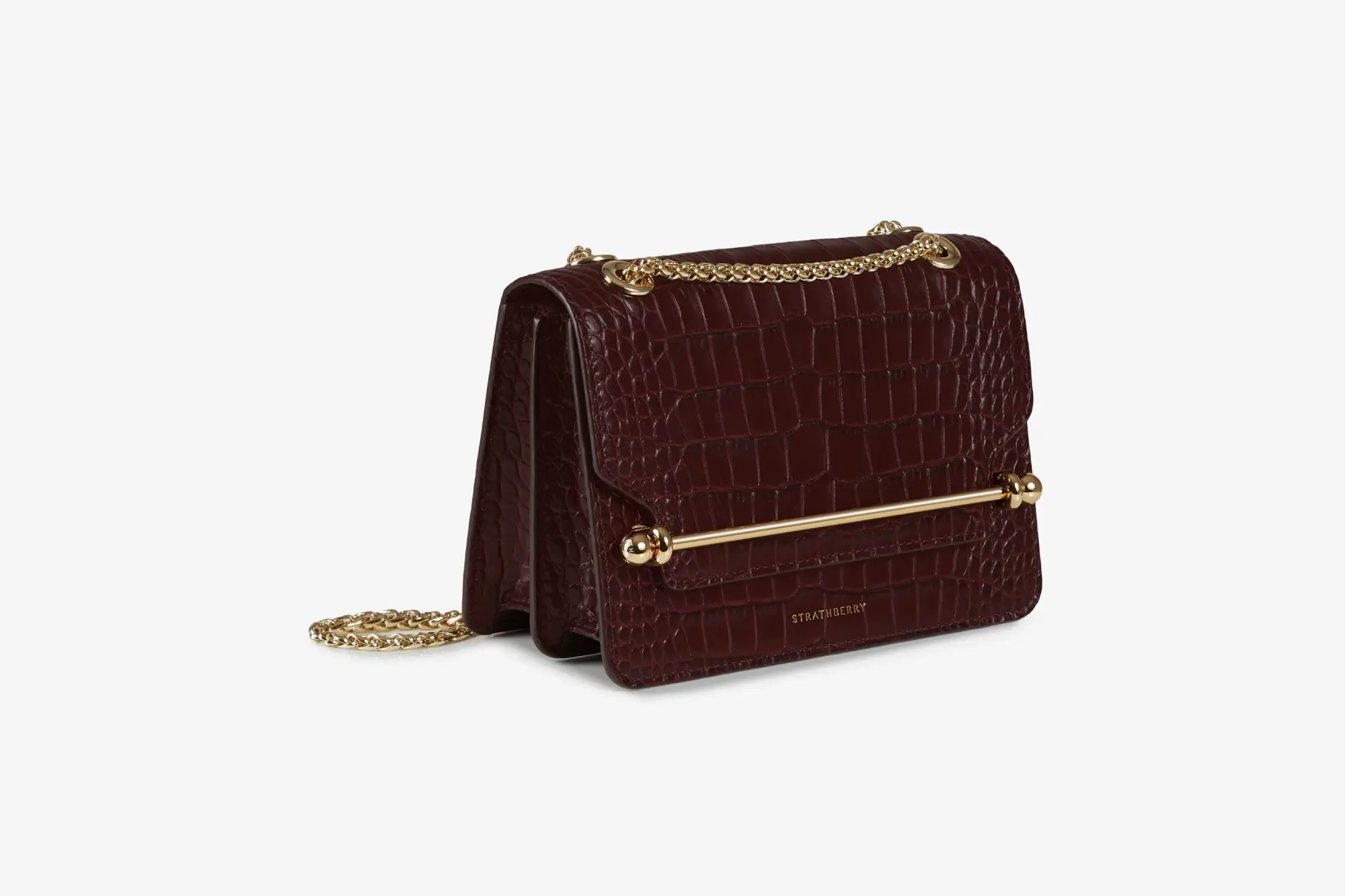
STRATHBERRY
25% off everything
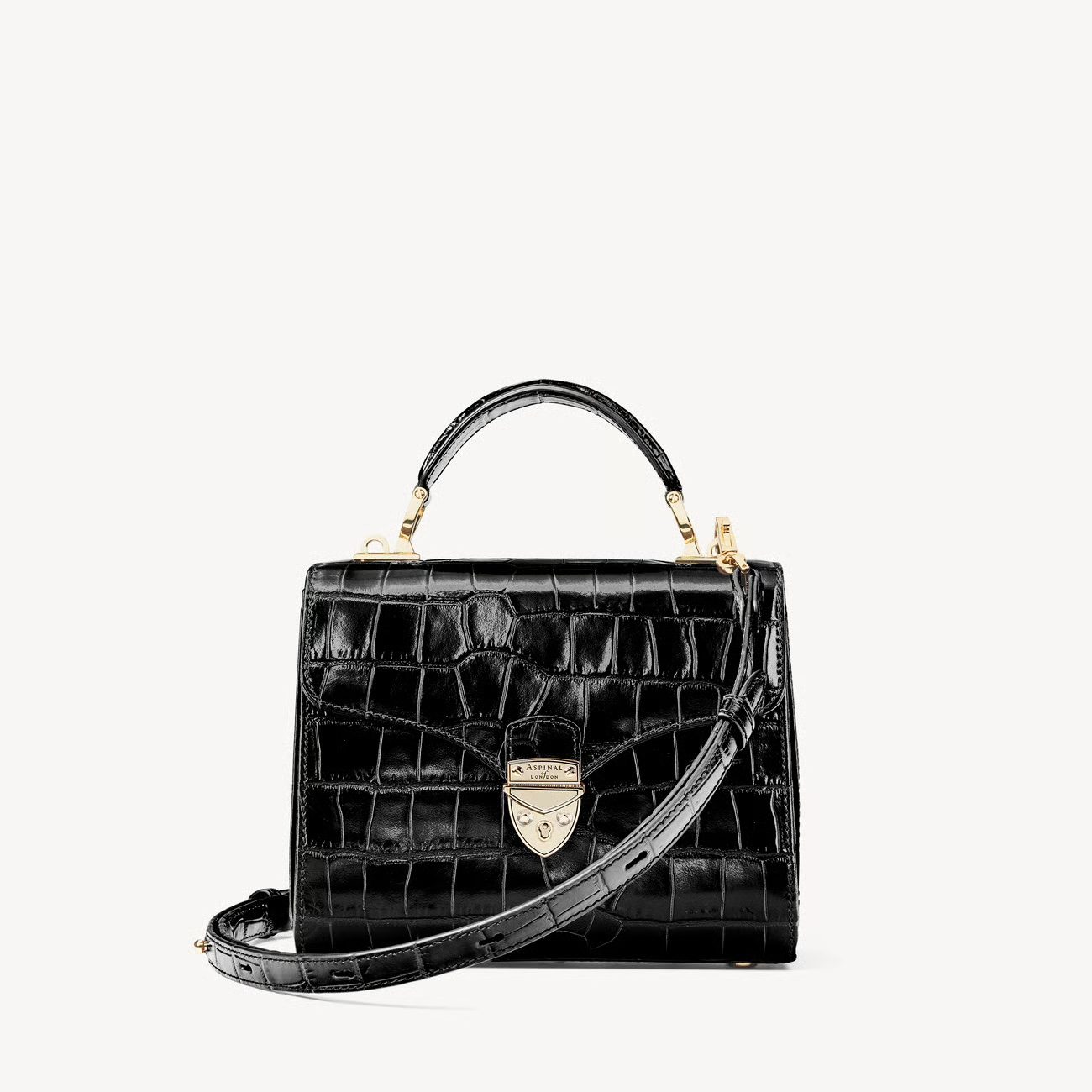
TGP Loves: Midi Tote, Mosaic Bag, Shearling Bag
TALBOTS
Get 50% off 1 regular-price item & 40% off entire purchase
TGP Loves: all things tartan and blackwatch, cashmere sweaters, velveteen pants, best sellers
THE COMPANY STORE
up to 50% off cyber deals +30% off everything else
TGP Loves: the BEST matching family pajamas, best-selling monogrammed towels, Kid’s Sleeping Bags
TUCKERNUCK
up to 30% off with code MERRY
TGP Loves: tartan favorites, all the shoes, gifts under $100, needlepoint belts for him, chic wipeable placemats
TORY BURCH
Up to 50% off
TGP Loves: lettuce ware candles, cap toe ballet flats, classic tote
VINEYARD VINES
up to 60% off everything with code MONDAY24
TGP Loves: mens quarter-zips, womens holiday, boys basics
WALMART
Black Friday deals available throughout the store
TGP Loves: Apple iPad, Apple AirPods with Charging Case, AMAZING Dyson V8 Cordless Vacuum, Dyson Airwrap Hair Styler
WEEZIE
Up to 30% off
TGP Loves: Signature 6-piece starter set, makeup towels, scalloped red bow powder bath towels
WILLIAMS SONOMA
up to 60% off on top brands, extra 20% off on clearance
TGP Loves: Advent calendars, Le Creuset cookware, Emile Henry ruffled pie dish, holiday soaps/lotions/potpourri, hot cocoa for teacher and neighbor gifts!
Happy Shopping!







































 w
w




























 3.
3.