

Written by Natalie Aldridge.
We want walls! I’ve long harbored a deep loathing for open-plan kitchens. Growing up in the Midwest, I can’t count the number of times I overheard families gushing over their newly remodeled homes—complete with the ever-present massive island and an unrelenting sightline to the oversized television (inevitably mounted above the fireplace, perpetually tuned to football).


Sure, open layouts foster conversation and togetherness, but I always found myself yearning for the quiet dignity of closed spaces. Where rooms served their intended purpose, and privacy wasn’t a quaint relic of the past. For decades, the open concept reigned supreme as the suburban ideal. But dare we hope that its reign is coming to an end?
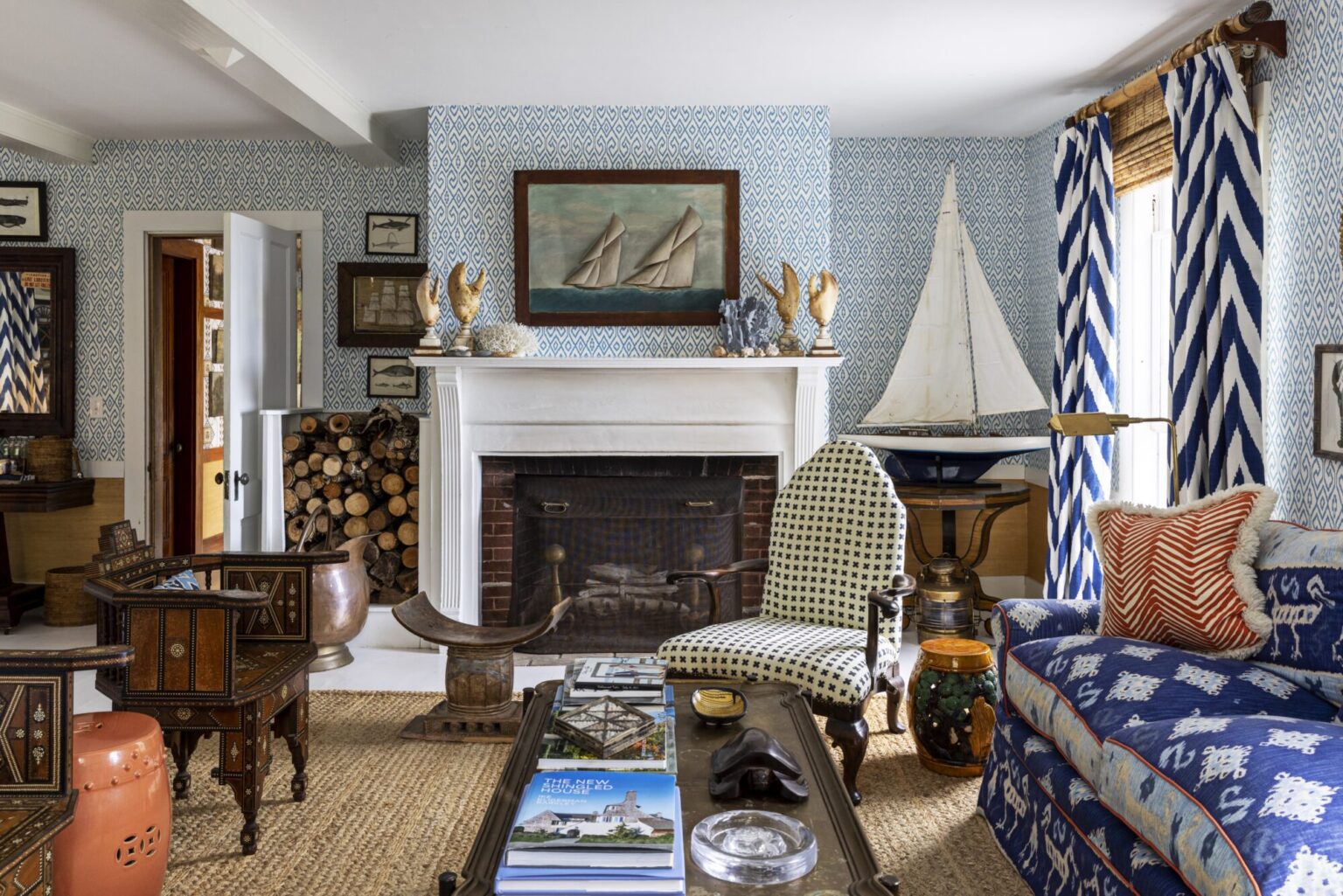
Before the mid-1940s, most homes featured a simple layout with a central hallway providing access to separate, purpose-driven rooms. Kitchens were simply utilitarian spaces and entertaining was a formal affair. I often think back to the period homes I’ve toured around the world. The way their kitchens were tucked away, serving their practical purpose with a quiet, unassuming charm.
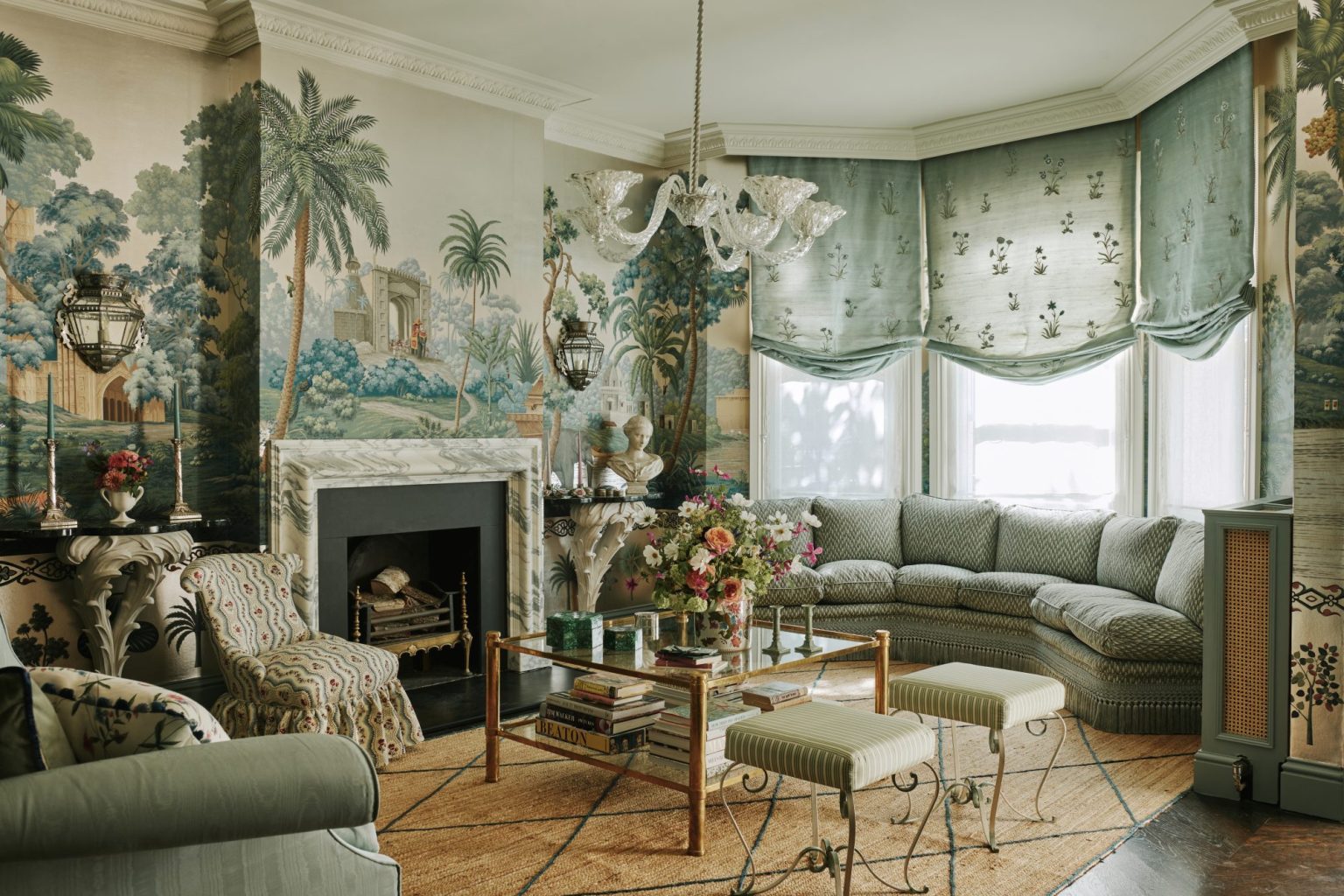
There is something undeniably beautiful about their utility, offering a clear respite from the rest of the house. It wasn’t until architects like Frank Lloyd Wright introduced open living concepts, coupled with the post-war embrace of a more relaxed lifestyle, that this perception began to shift.
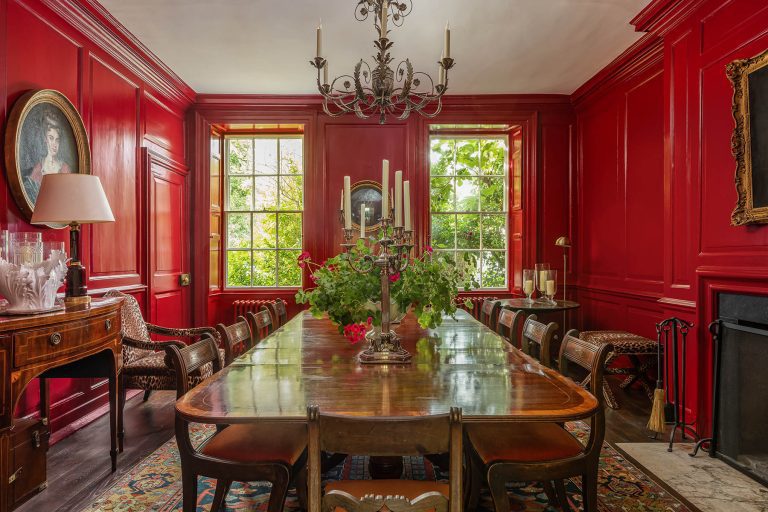
Open floor plans became the standard for growing families, replacing rigid formality with fluid, multifunctional spaces. But times are changing. Since 2020, the rise of remote work and evolving lifestyles have prompted a reevaluation of how we use our homes. Coupled with a renewed appreciation for traditional design, it seems the era of wide-open spaces is giving way to a return of walls. My love for walls is having its moment in the sun!
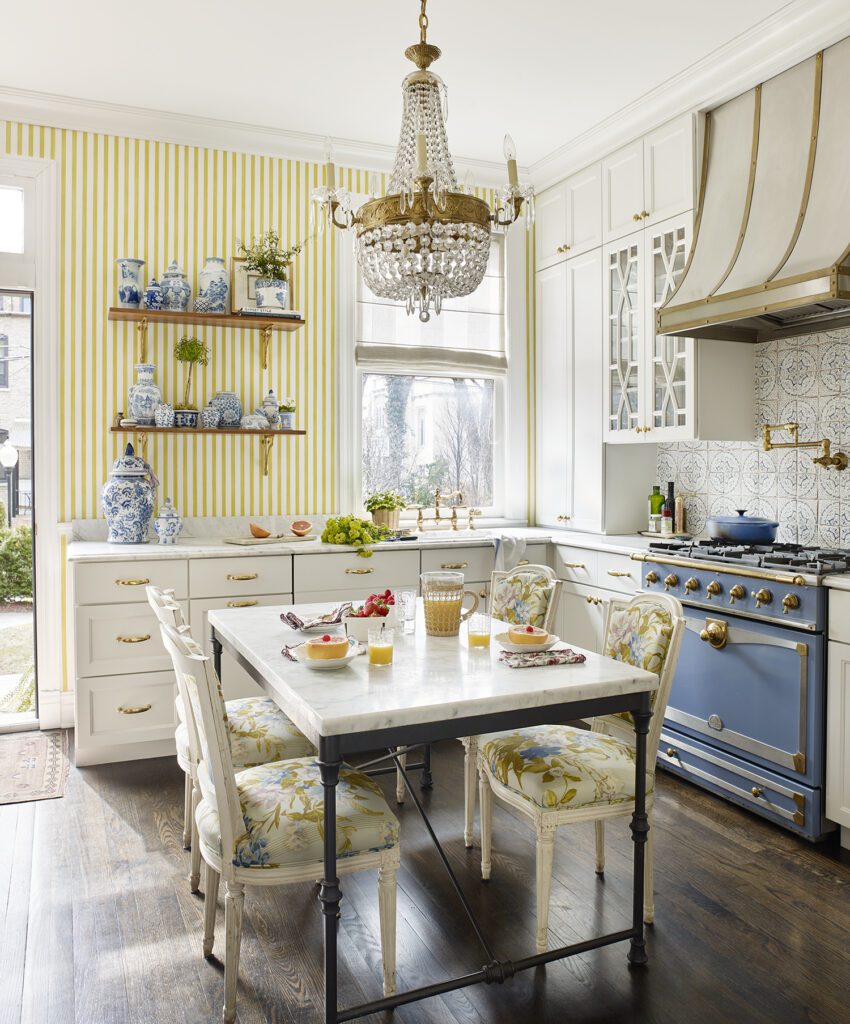
We need walls to think, work, and escape the endless hum of the world. Beyond the obvious benefits of privacy and maintaining household harmony, distinct rooms often suit period homes. After all, knocking down walls doesn’t always open things up; sometimes, it just muddles a home’s original charm and purpose. Not to mention, open-plan layouts can be costly and difficult to heat, an ongoing issue with rising energy prices.
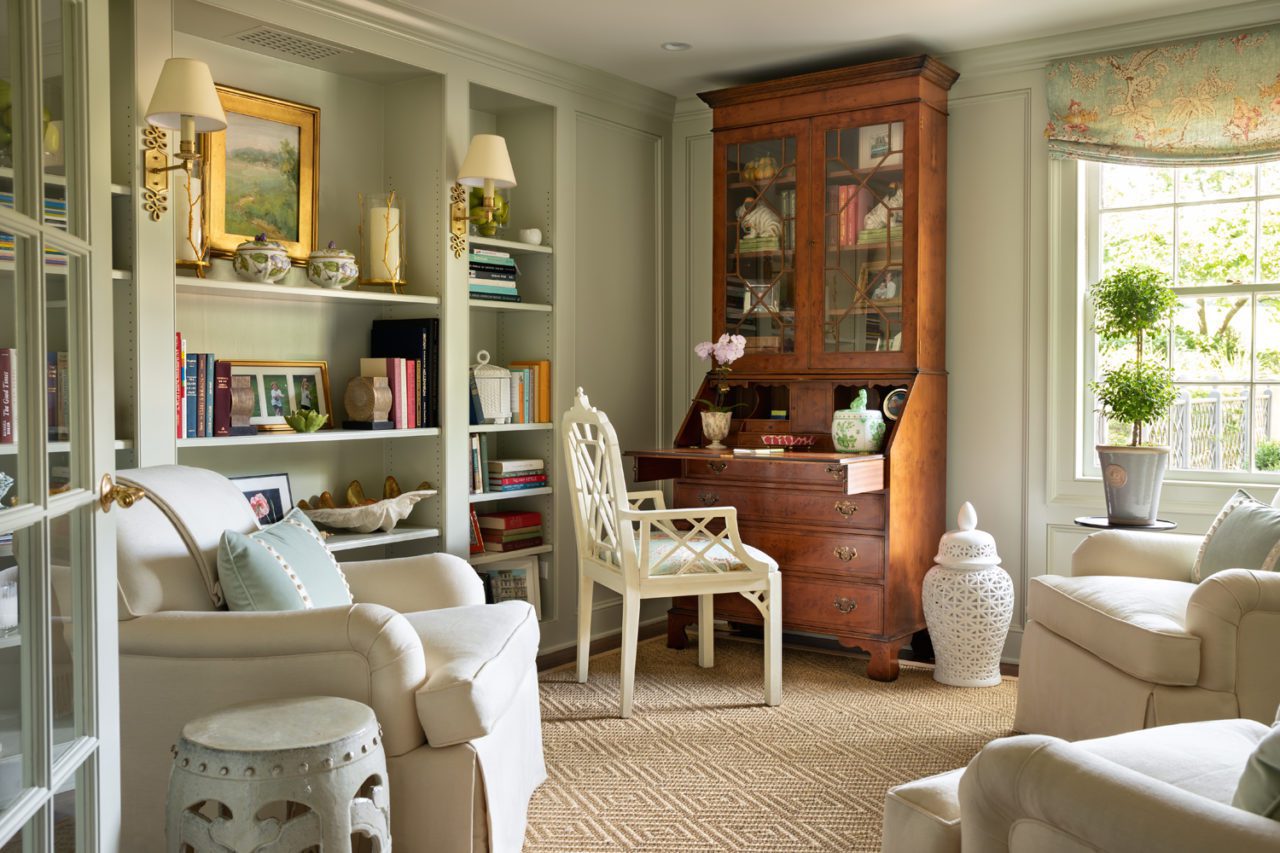
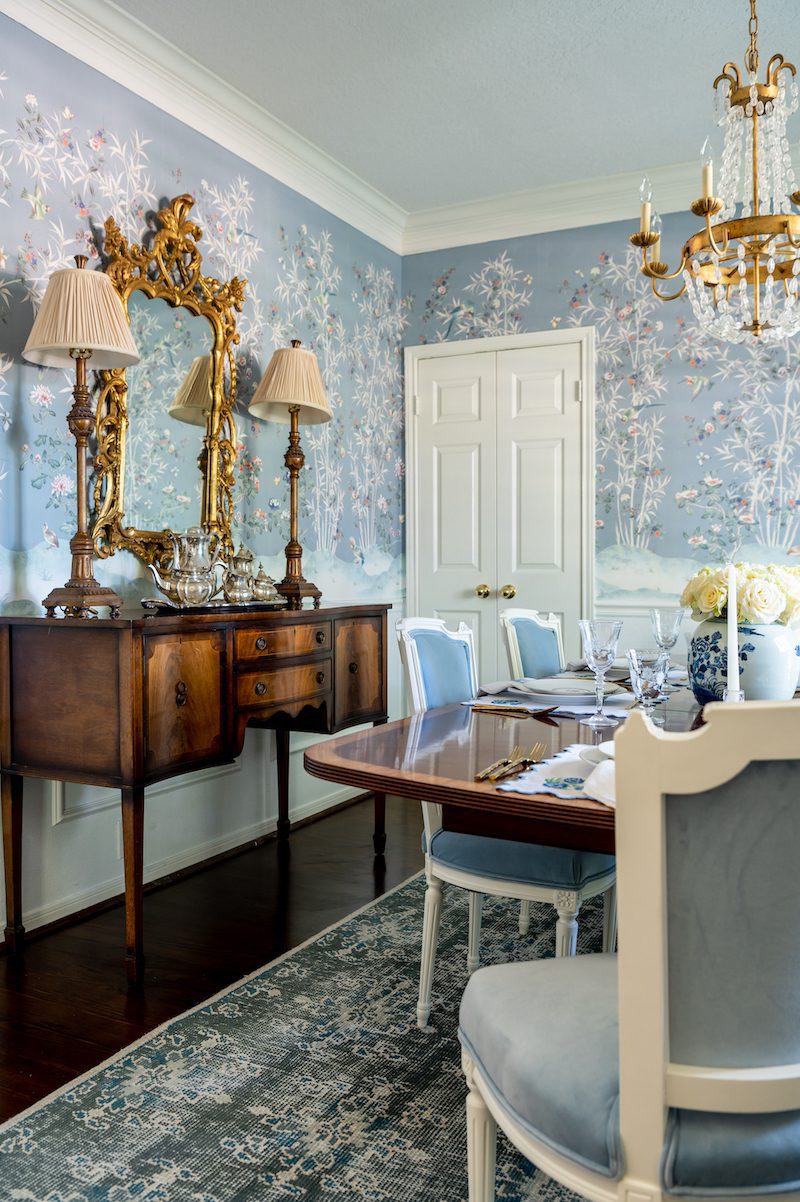
Visually, they aren’t always as pleasing as we imagine. Walls offer practical benefits, like displaying art or holding furniture. Plus, there’s the visual clutter that comes with taking in half the house in a single glance.
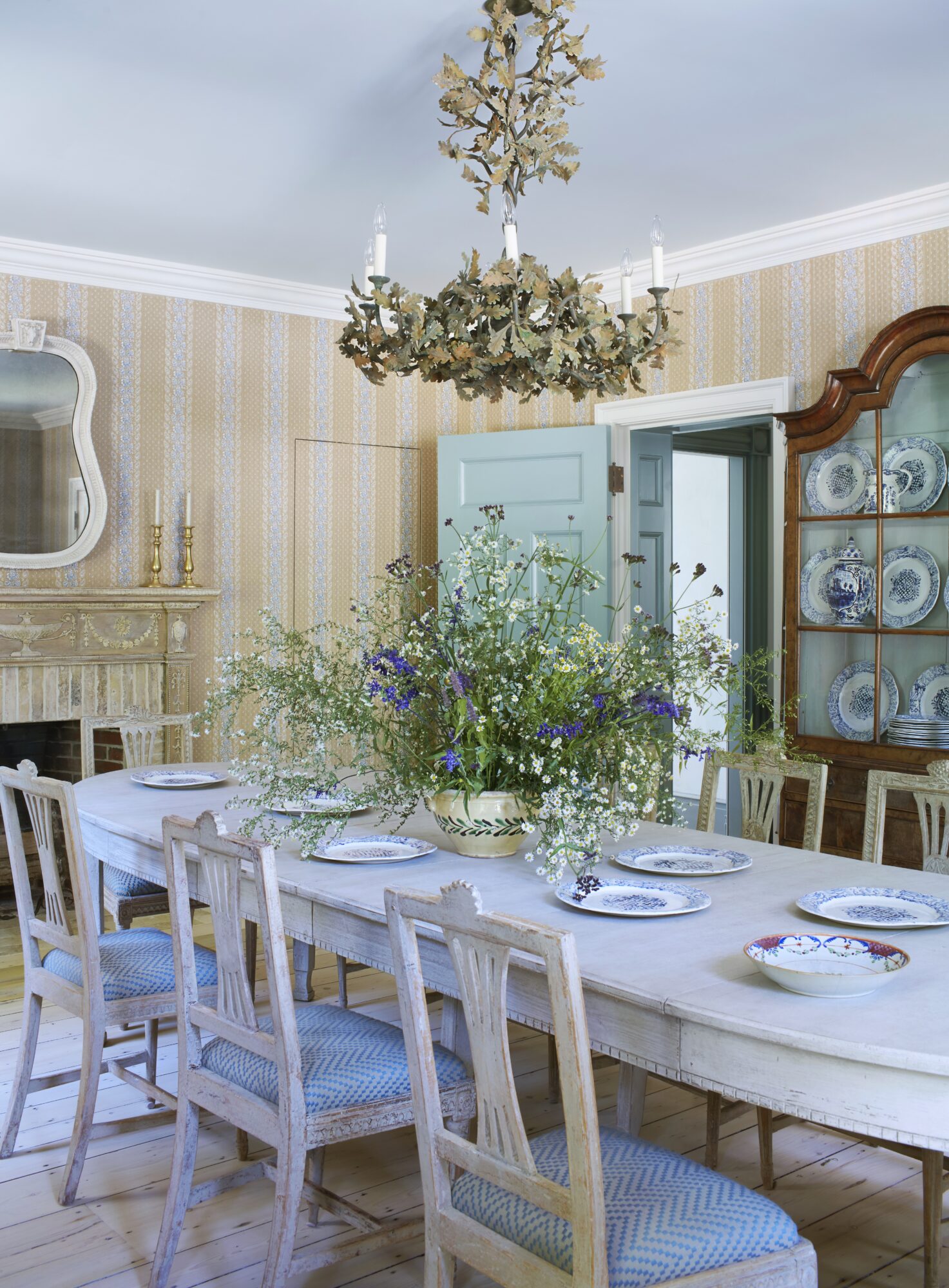
Enter the separate dining room. Often dismissed as “old-fashioned,” dining rooms are ideal for keeping kitchen mess and smells out of sight. More people are opting for compact, private kitchens tucked away from the dining area, striking a balance of intimacy and practicality without the chaos. And let’s not forget those jewel-box larders and butler pantries that we keep seeing.
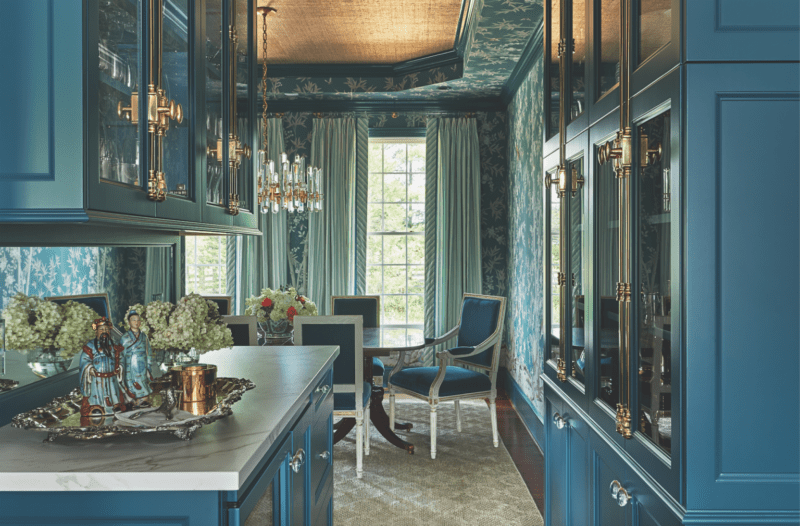
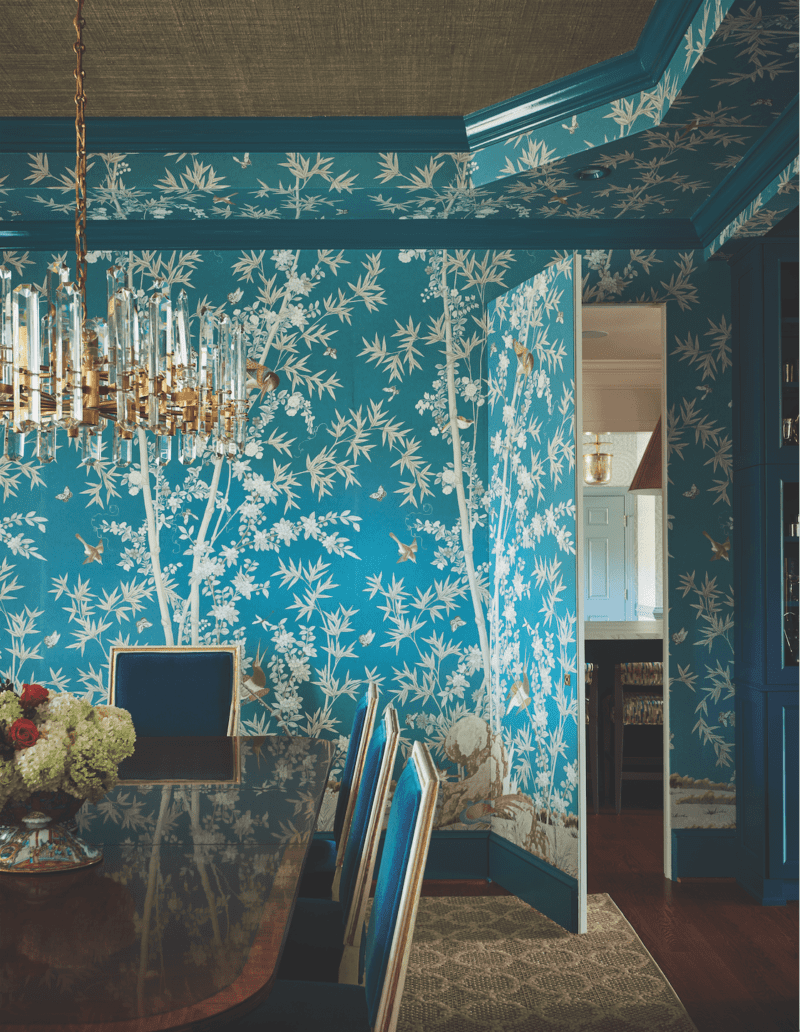
This shift presents an exciting opportunity to celebrate the traditional interiors and classic homes we hold dear at The Glam Pad. It’s also thrilling to watch how this return to defined spaces continues to evolve. What are your thoughts on the fading allure of open-concept living?
Click here to see more of our “anti-trends” for 2025.
x Natalie