


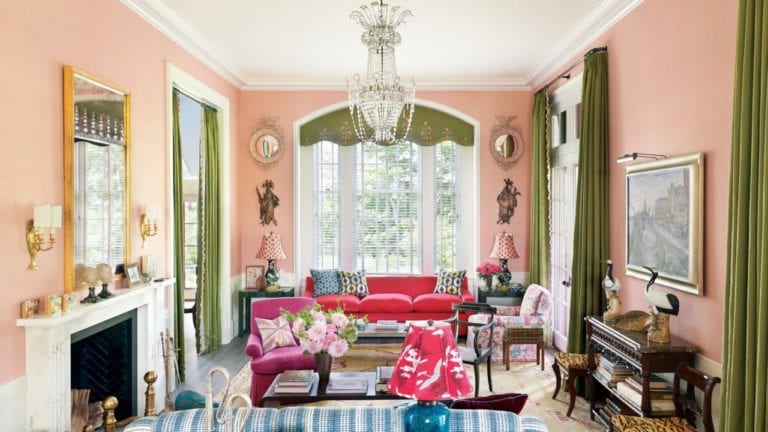
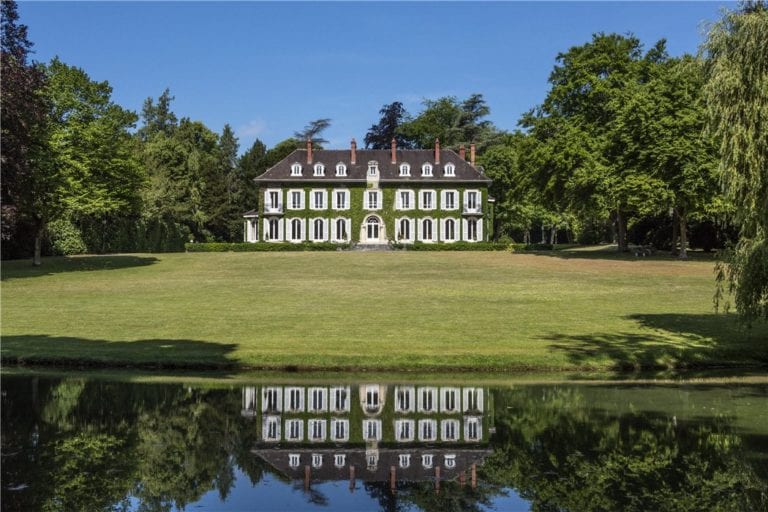
A Tranquil Palm Beach Getaway by Mimi McMakin
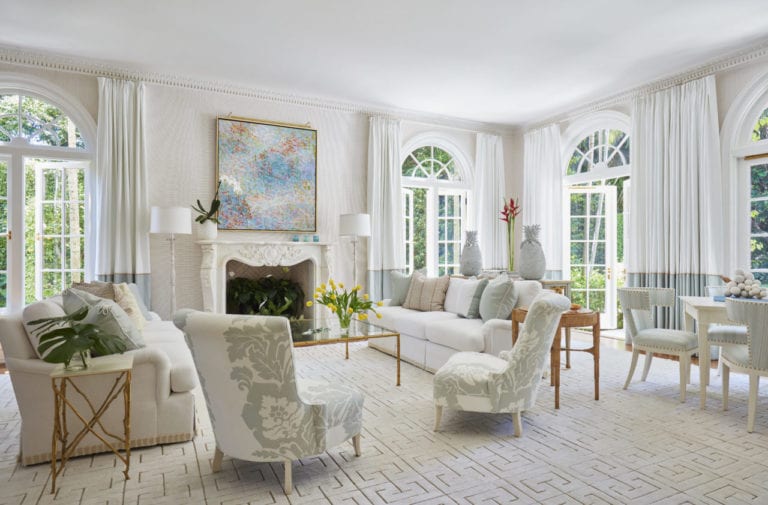
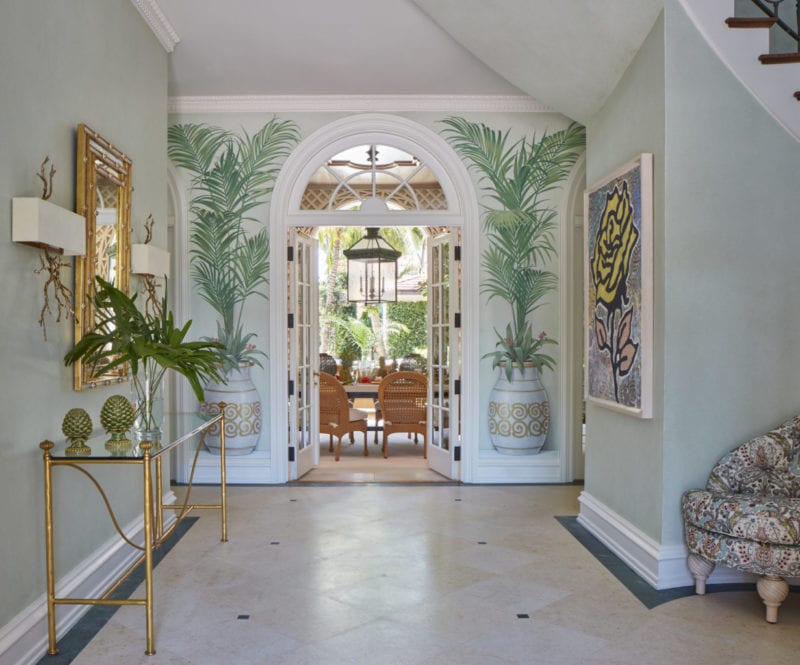
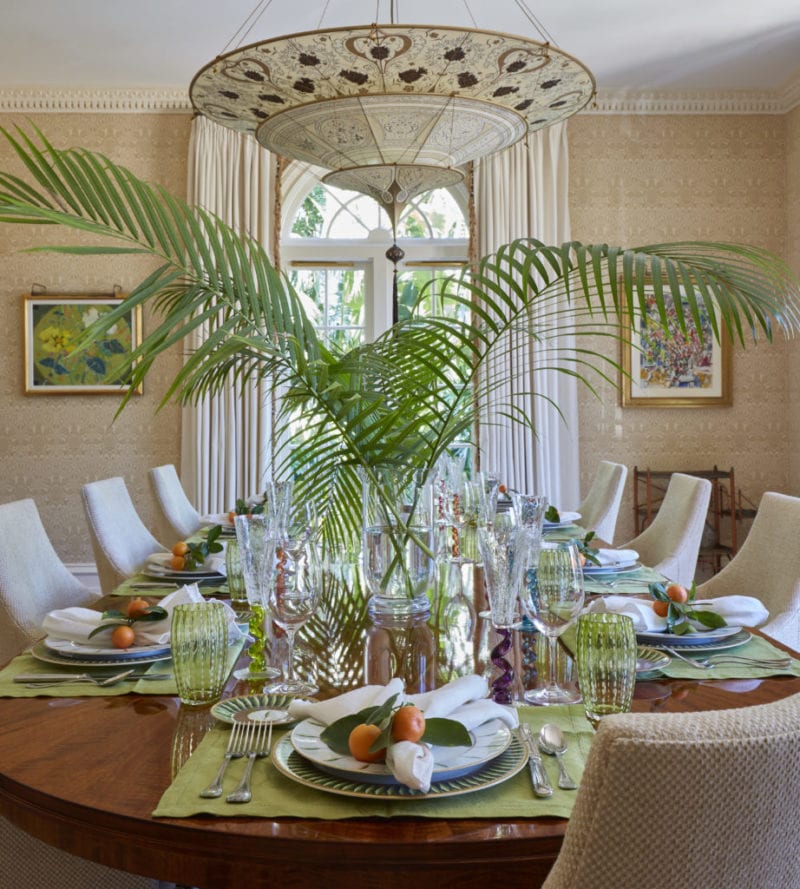
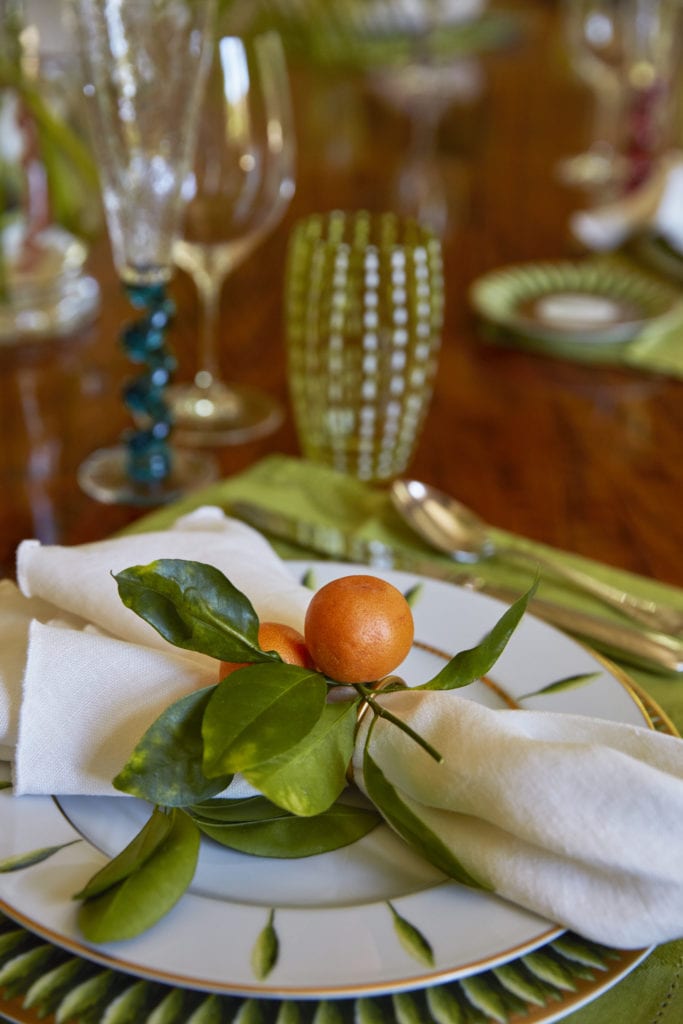
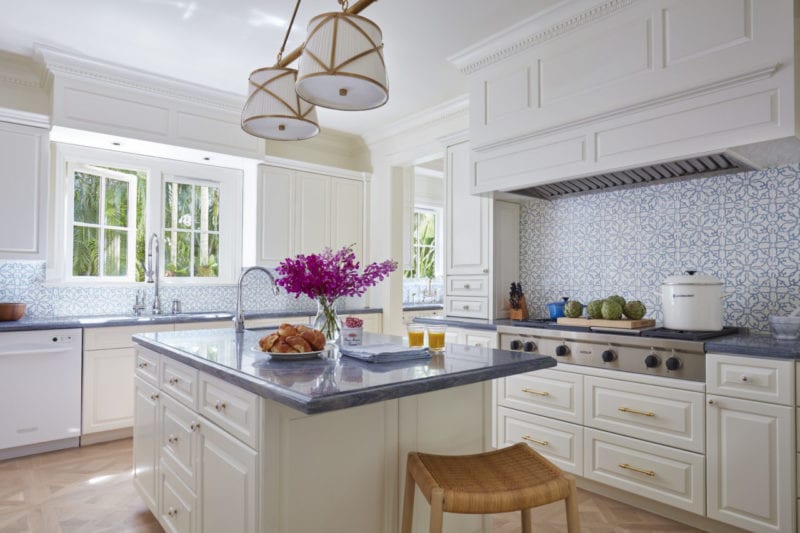
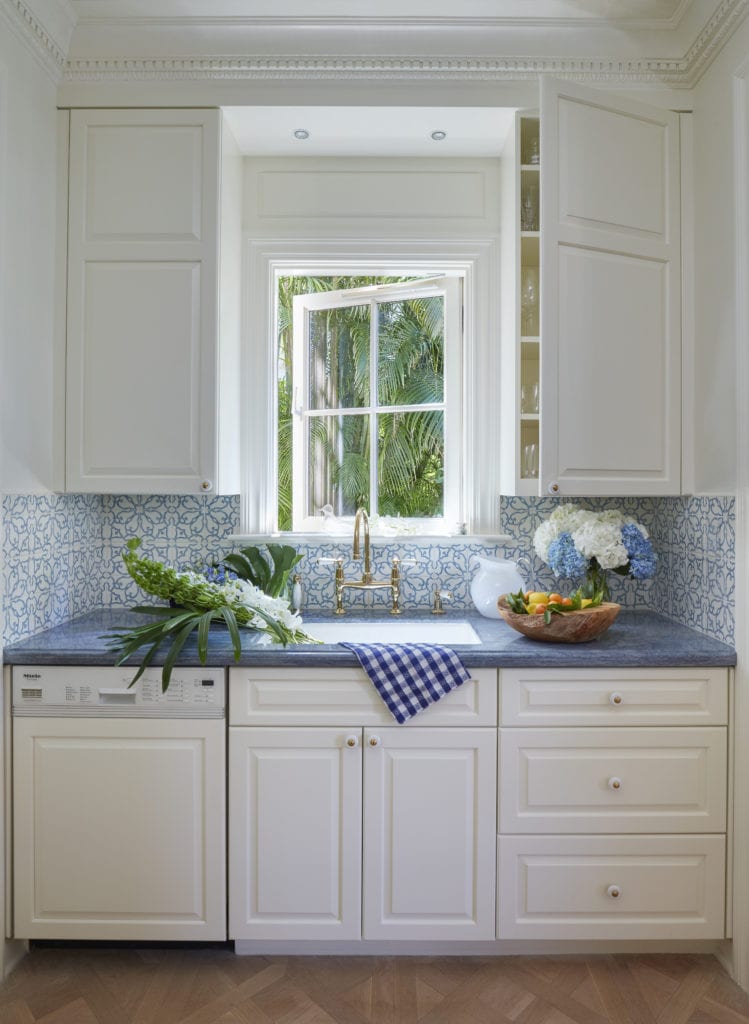
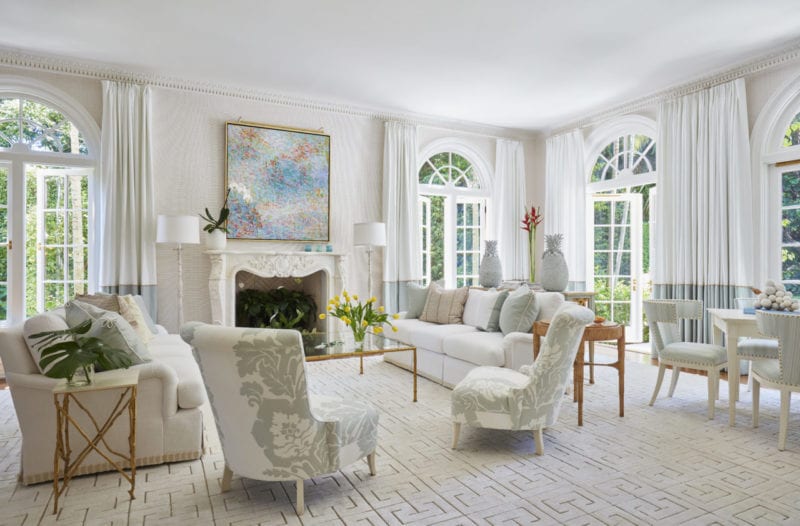
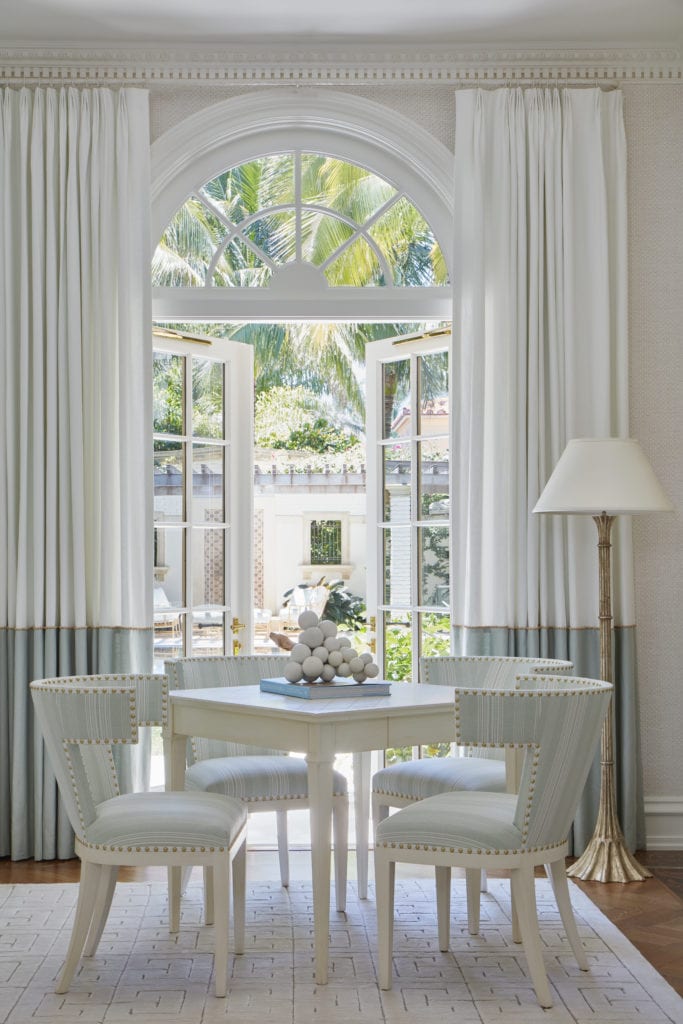
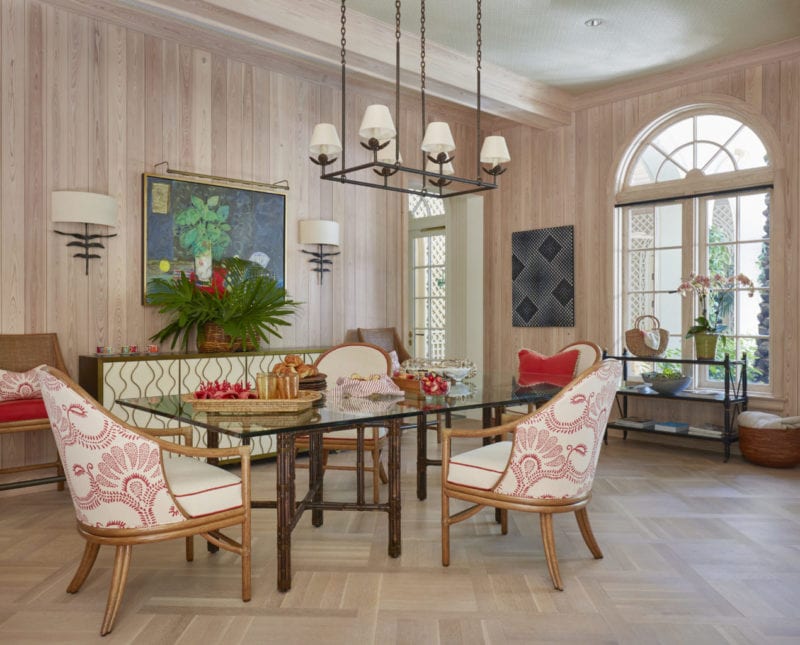
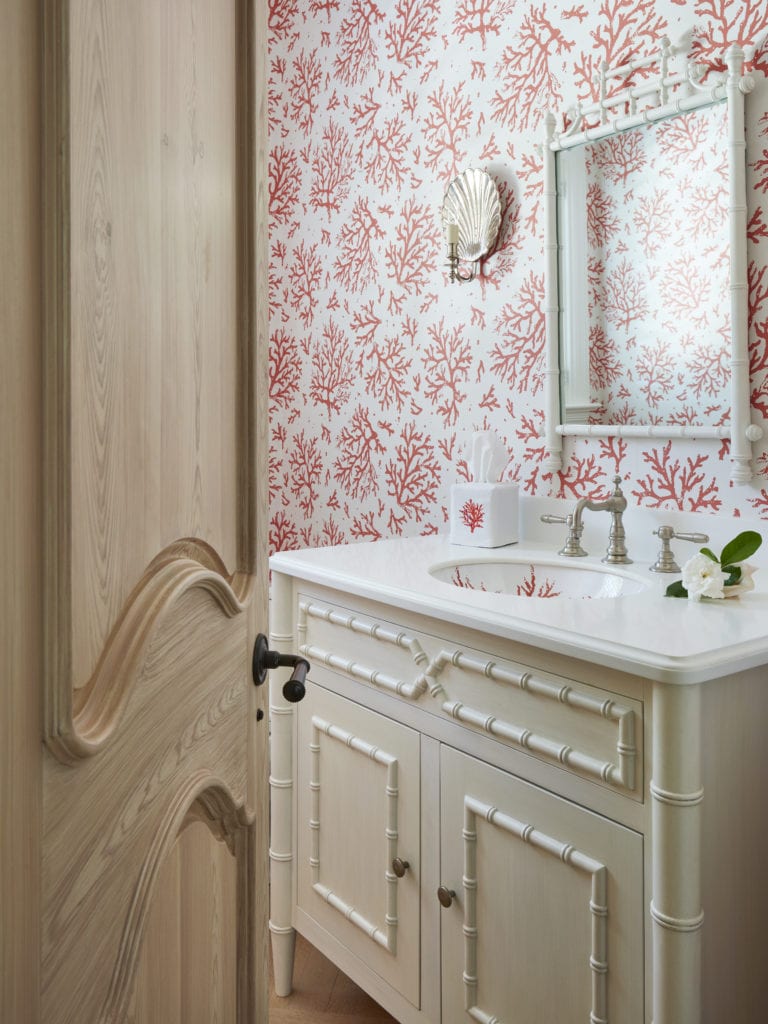
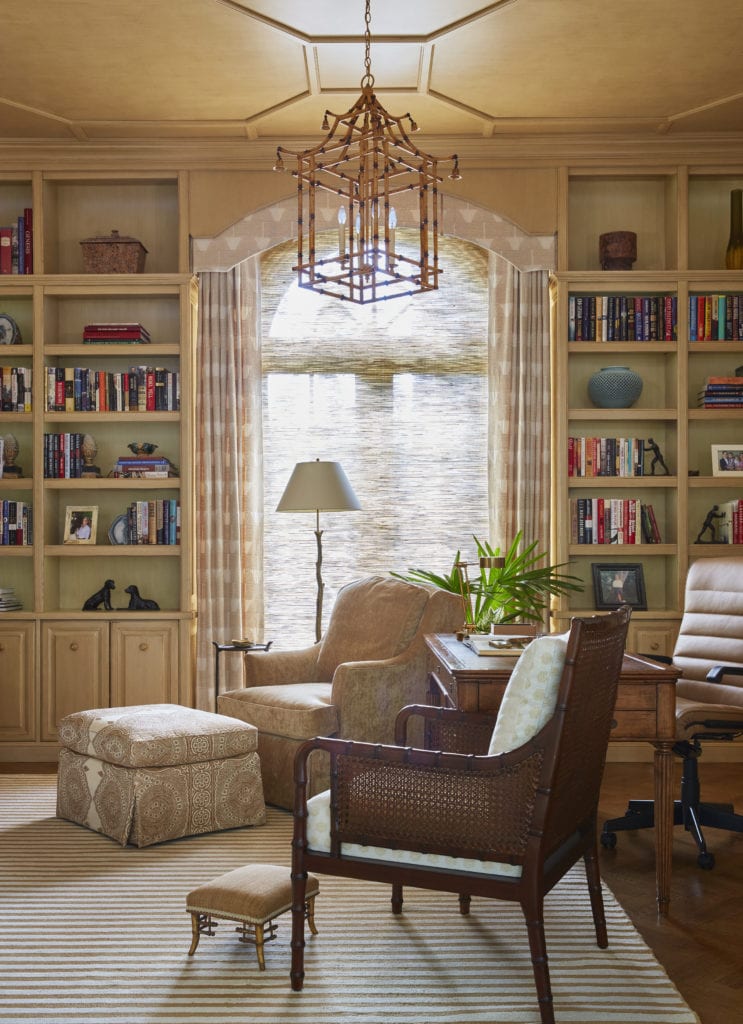
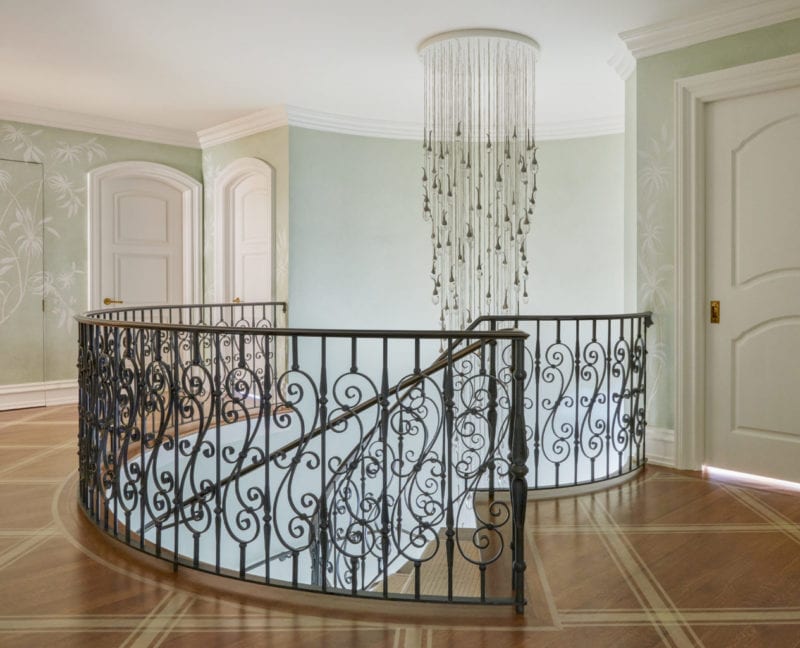
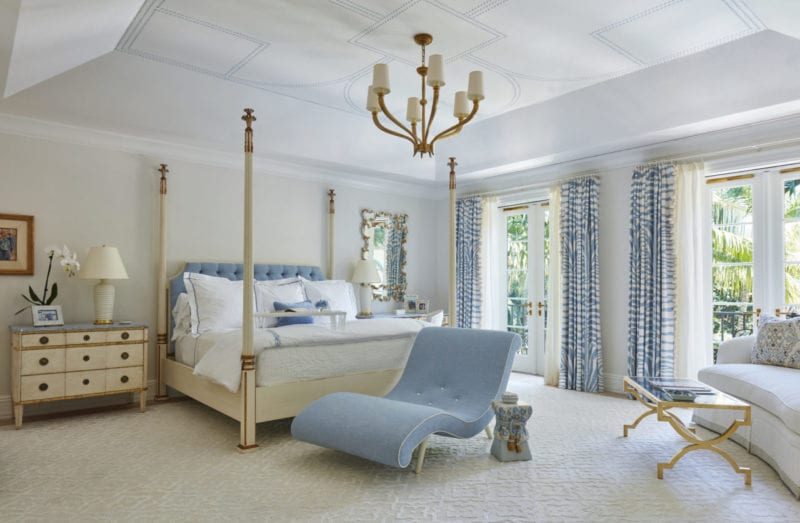
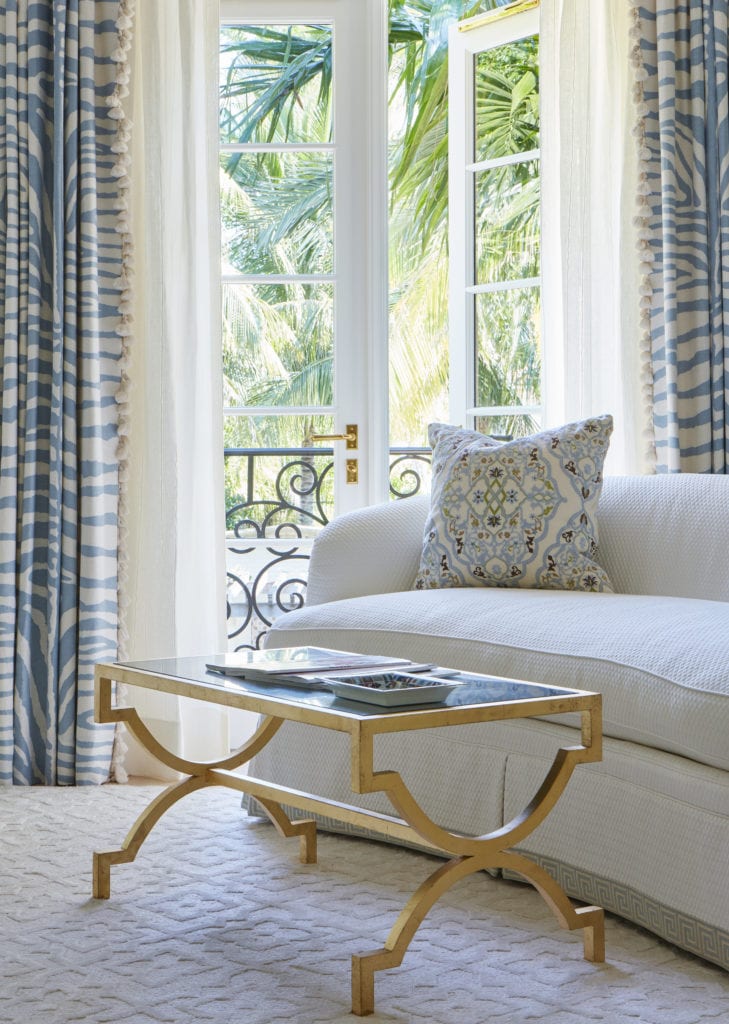
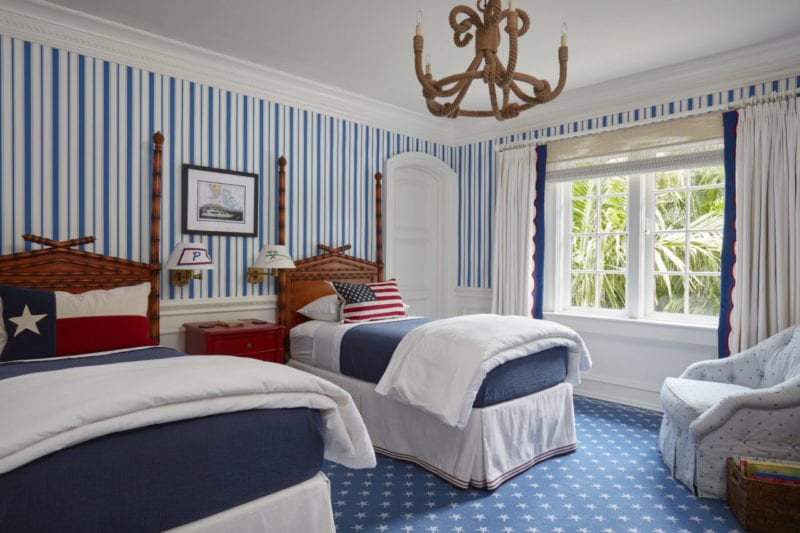
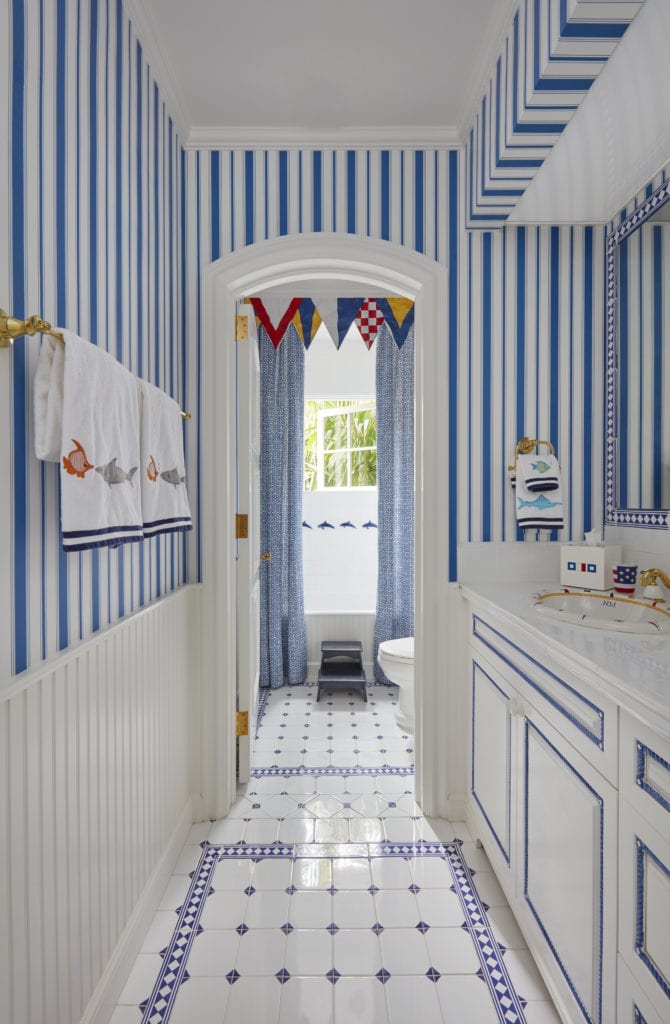
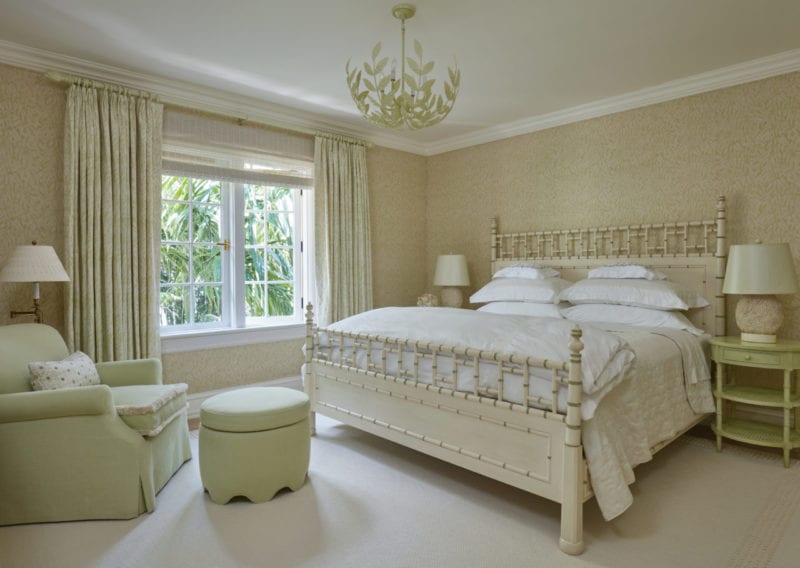
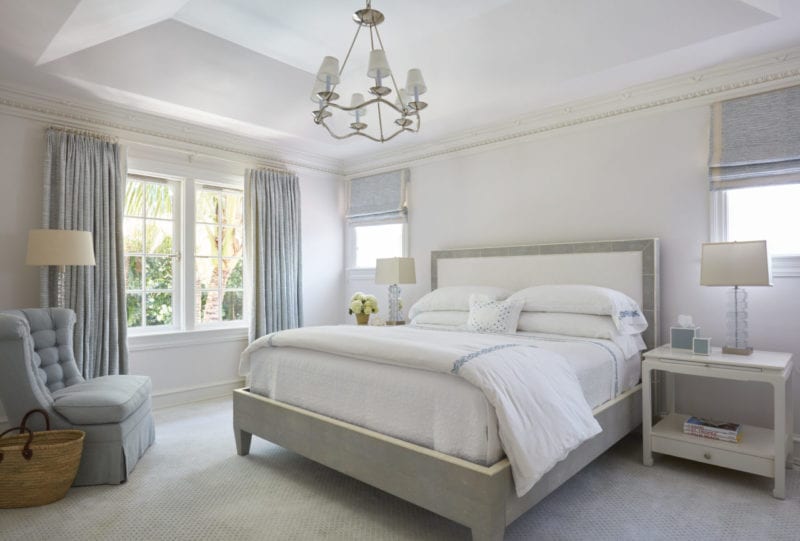
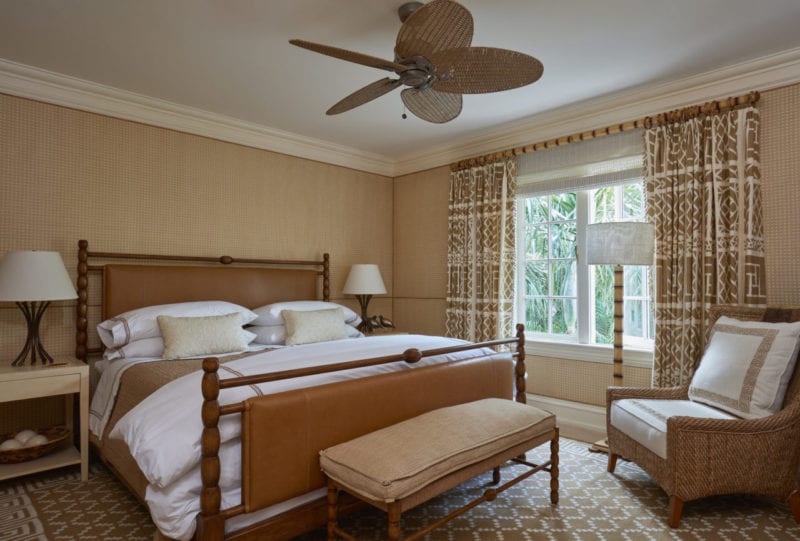
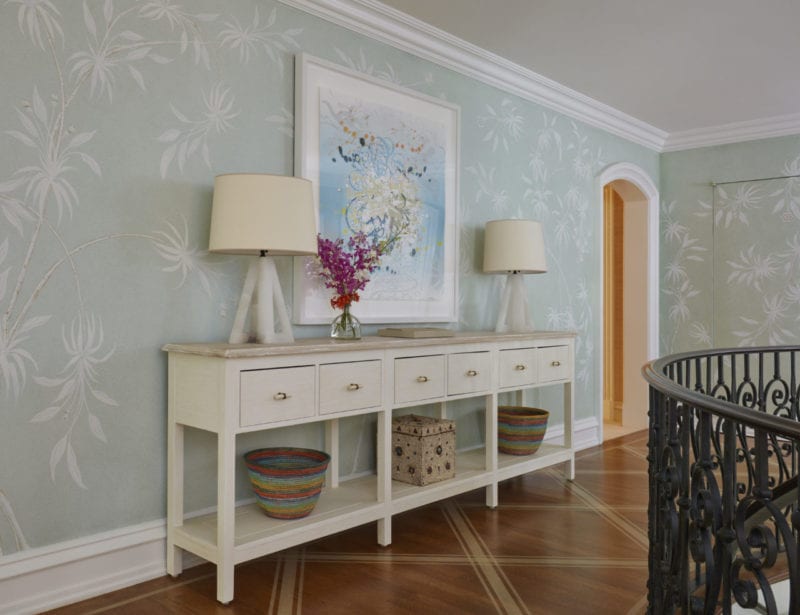
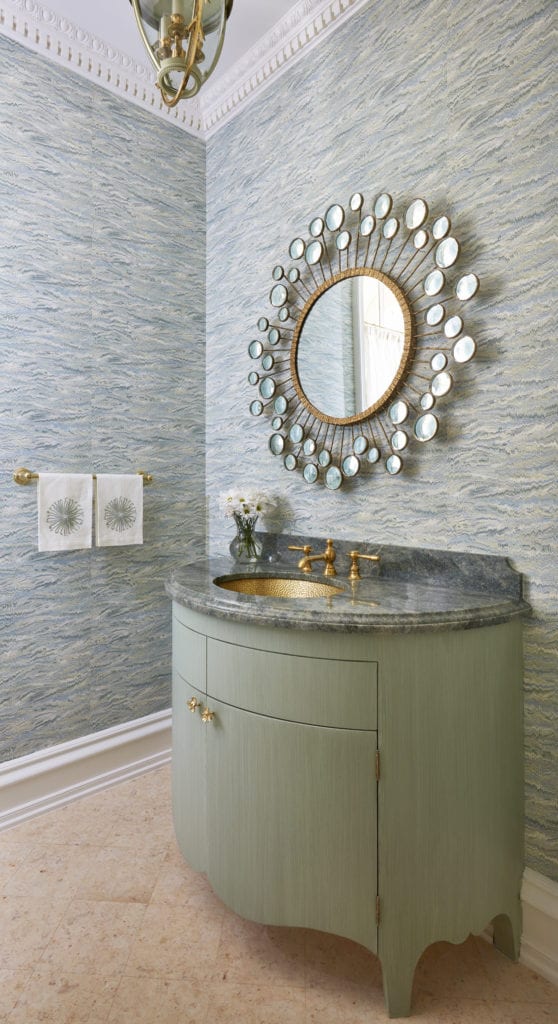
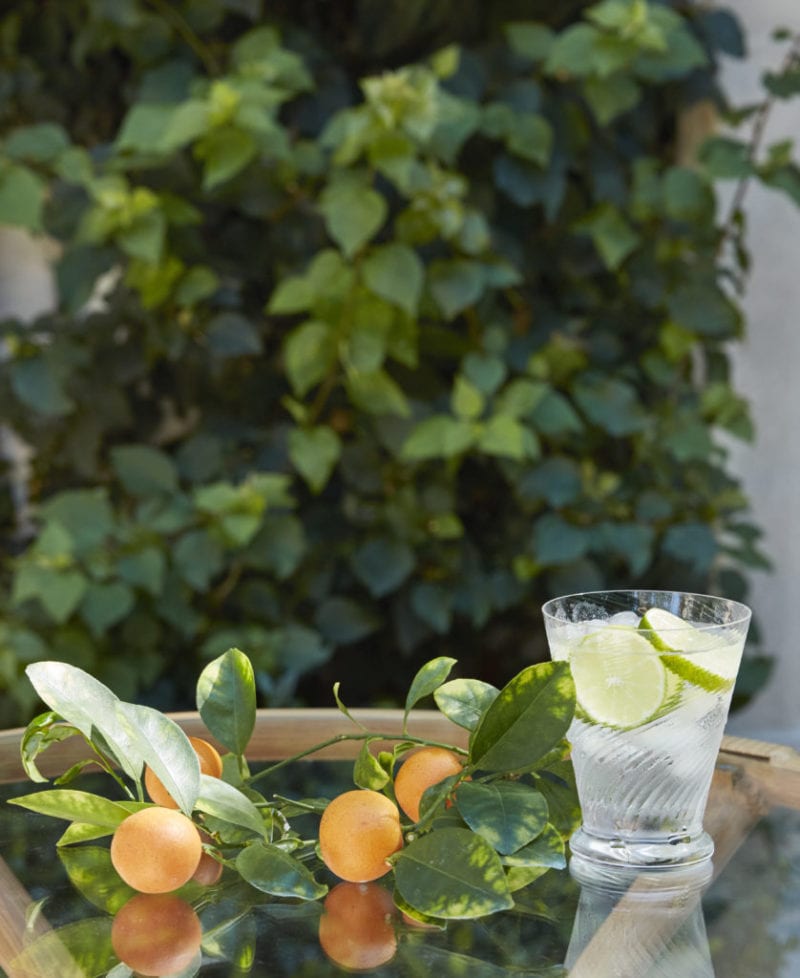
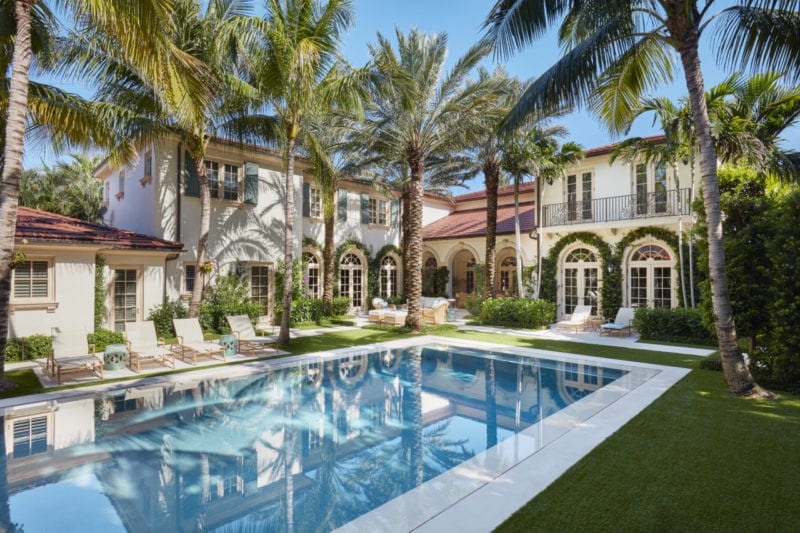
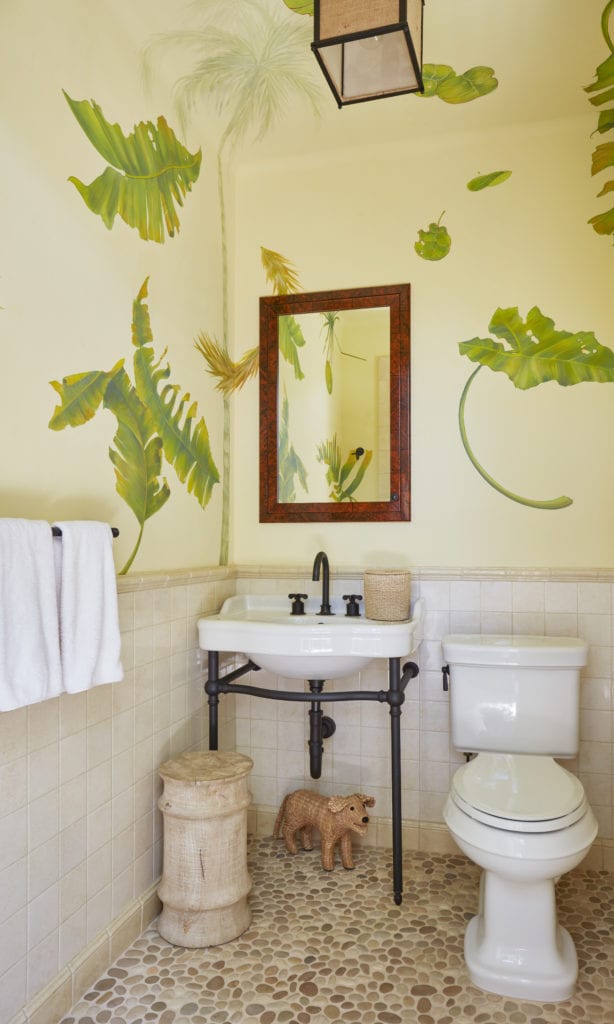
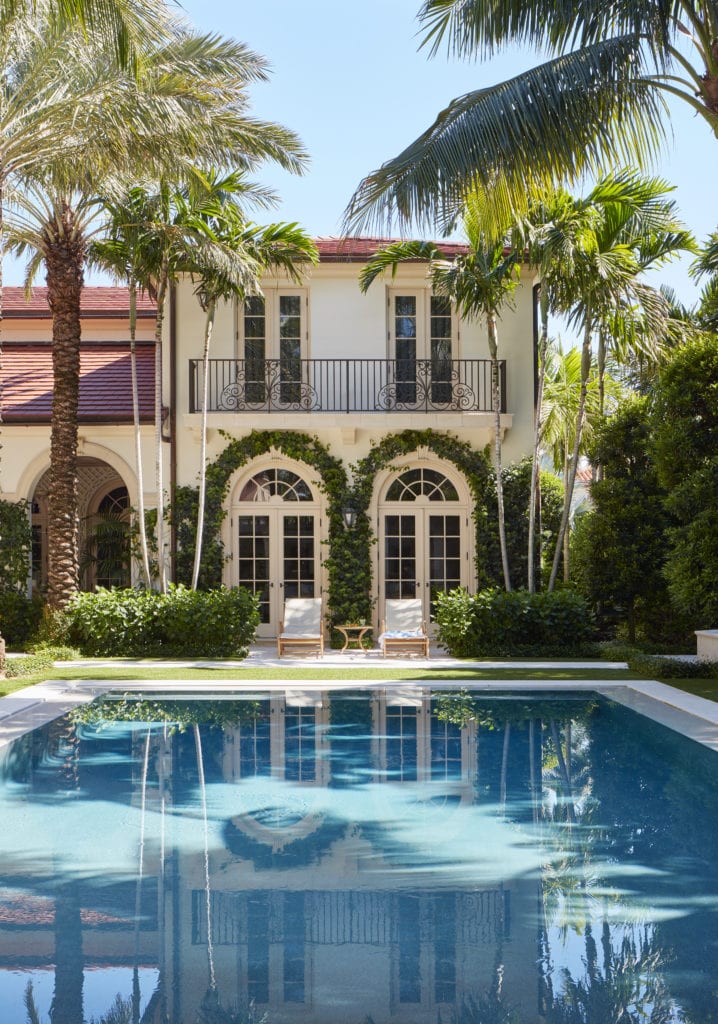
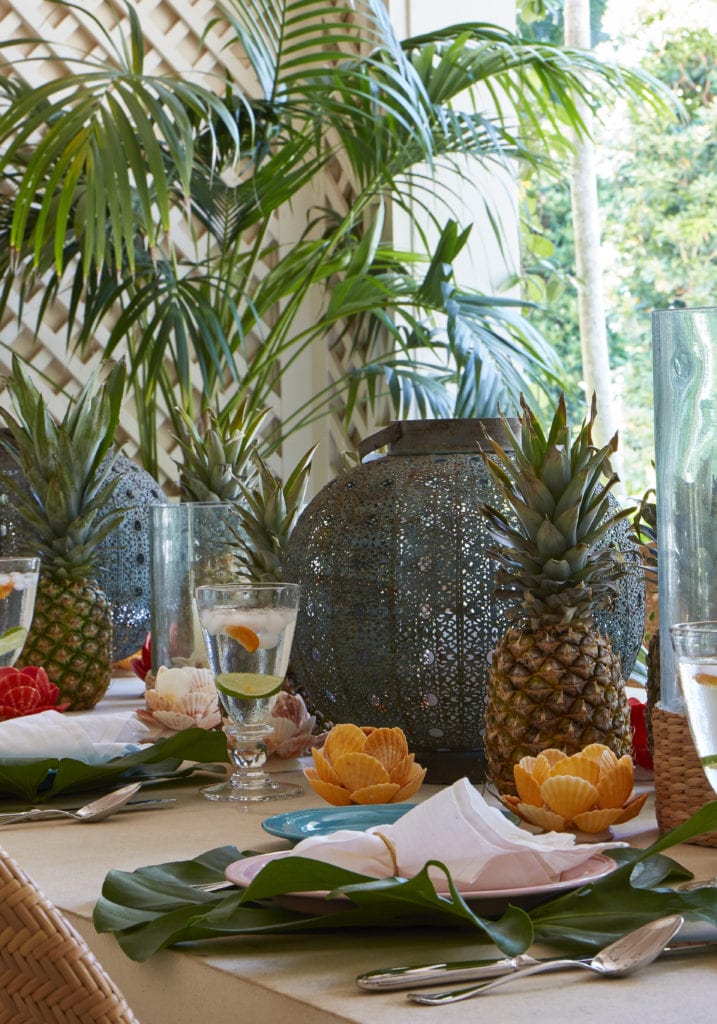
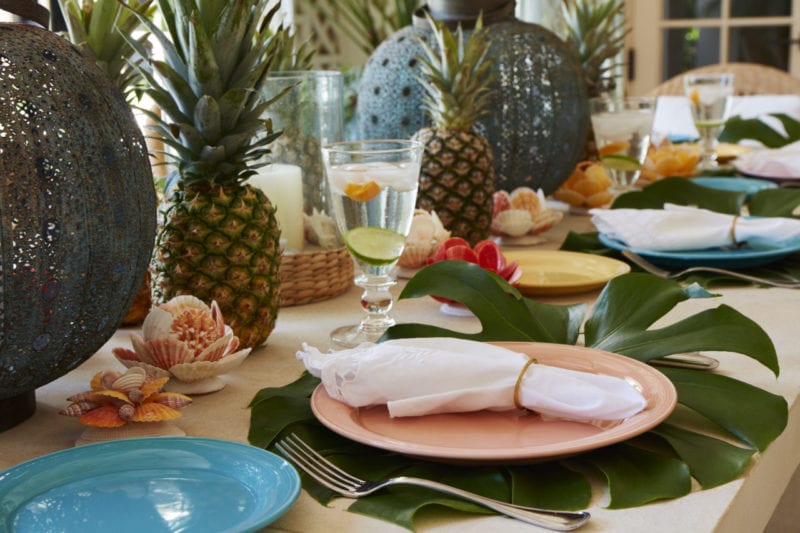
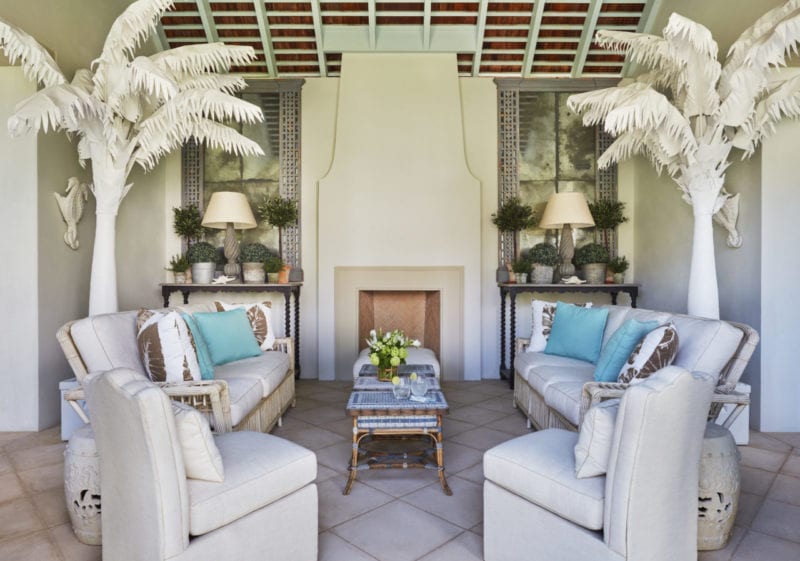
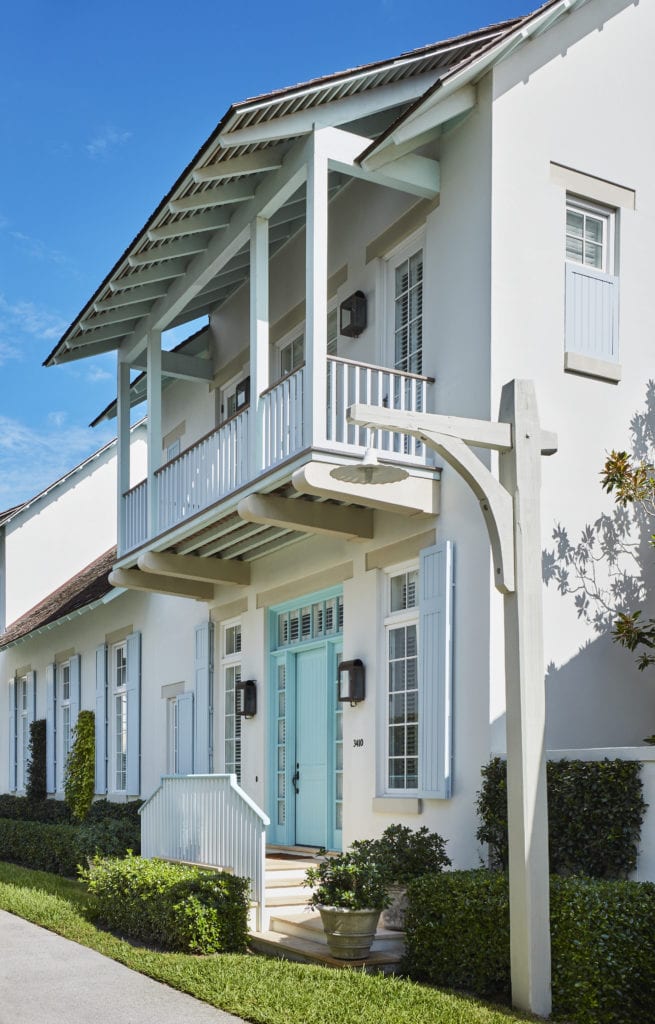
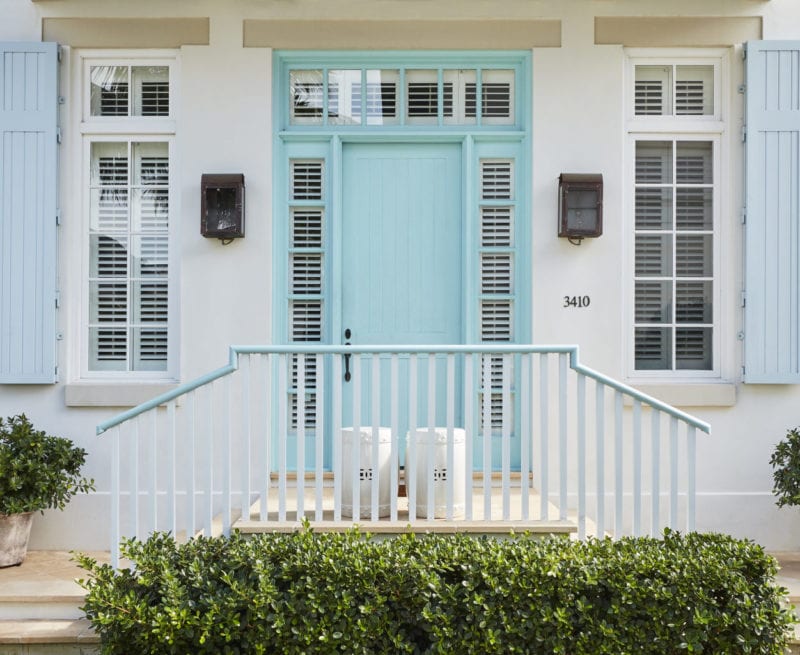
When new owners purchased this 20-year-old home in Palm Beach, they called upon its original designer for a refresh, Mimi McMakin, founder of Kemble Interiors, Inc. They wanted their vacation home to be airy, sophisticated, and soothing, so Mimi and her colleagues Cece Bowman and Leslie Gaudio created an elegant, island-inspired palette dominated by blue, beige, red, and cream. “The directive we had was to make the house serene but with an eye to the fact it’s in the tropics,” Mimi told Luxe. Hence, furnishings in texture-rich materials such as bamboo, glass, marble, rattan, and woven cane are juxtaposed with subtly printed wall fabric in nearly every room. “In one of the bedrooms, the pattern on the wall is cane applied over upholstery, which gives it a cross-hatched look,” Bowman added.
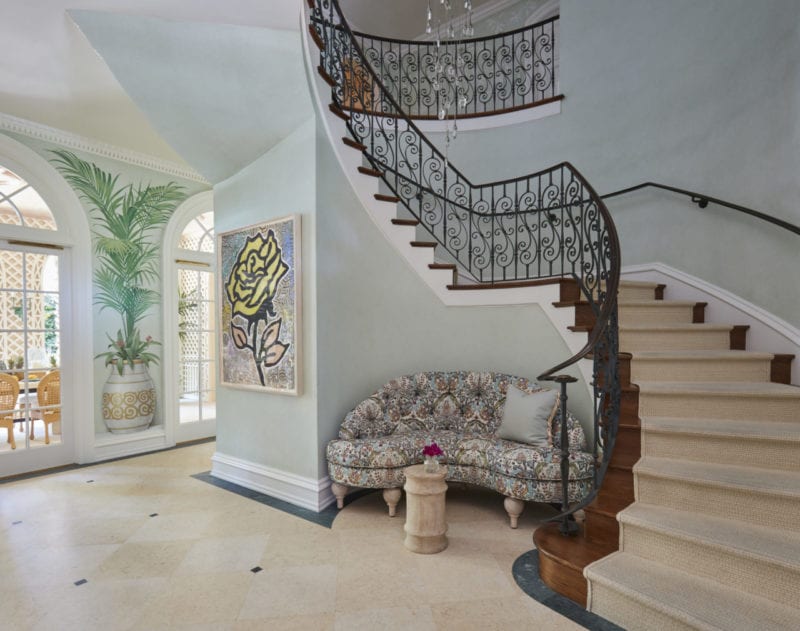
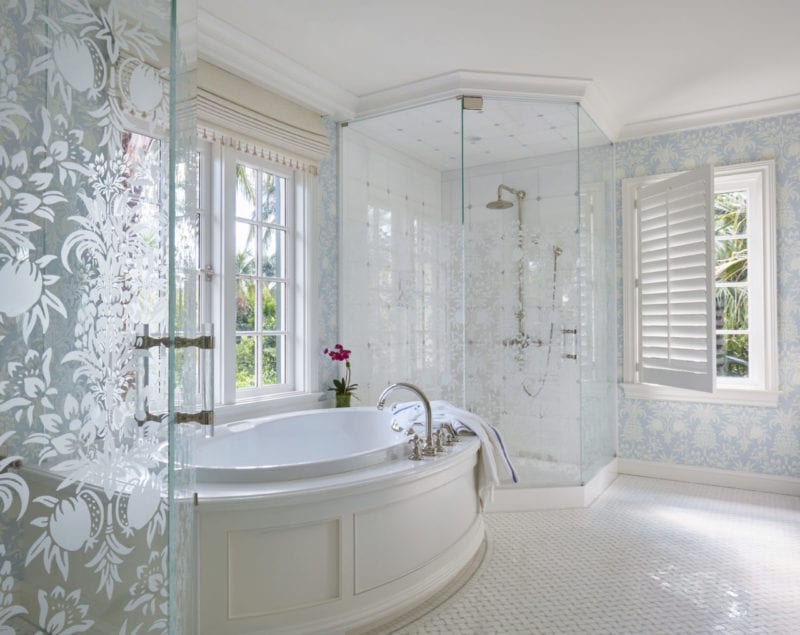
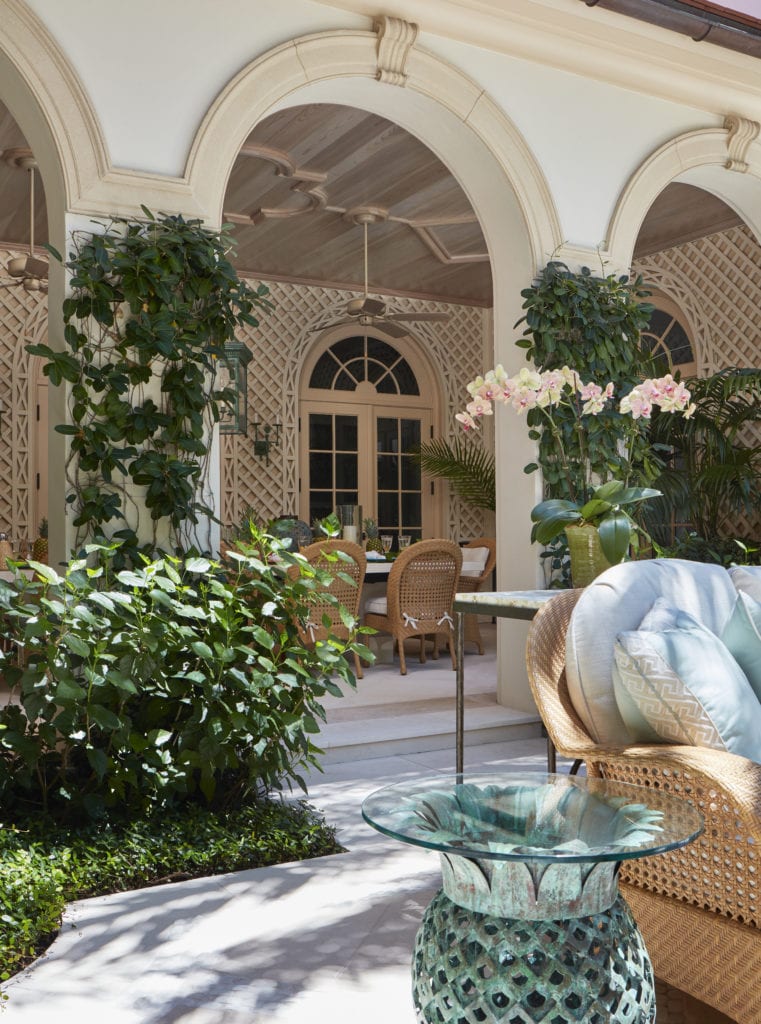
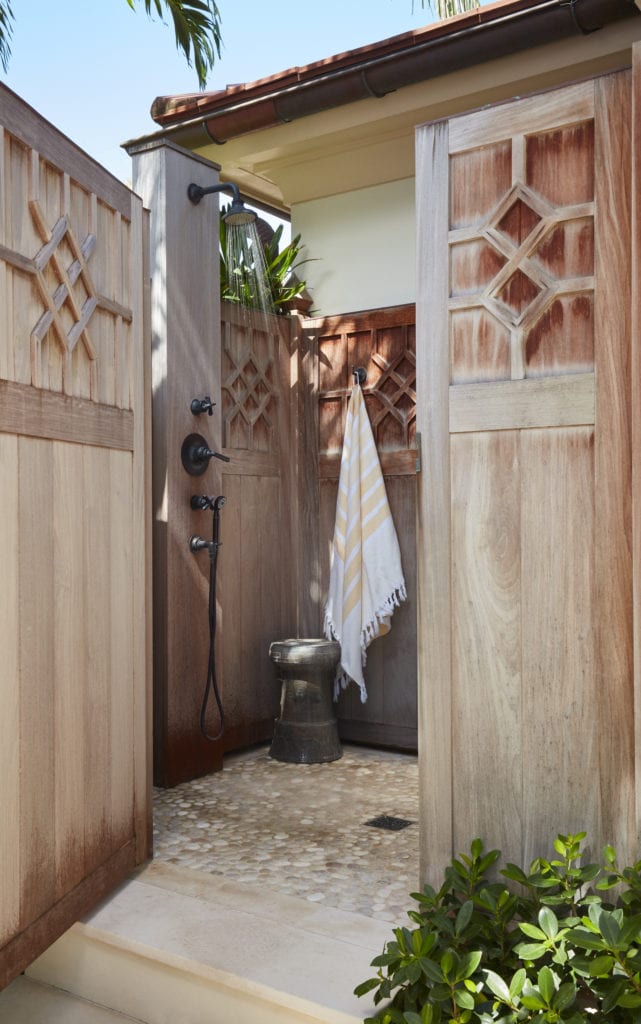
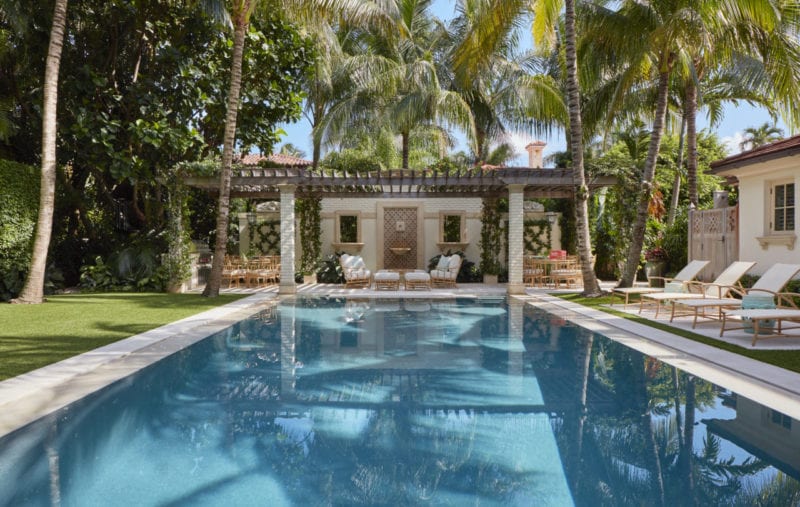
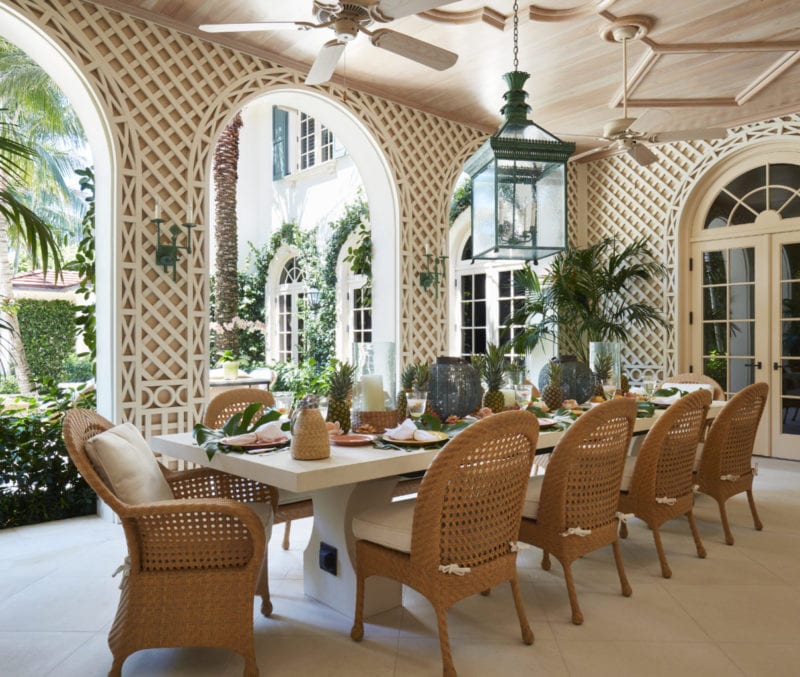
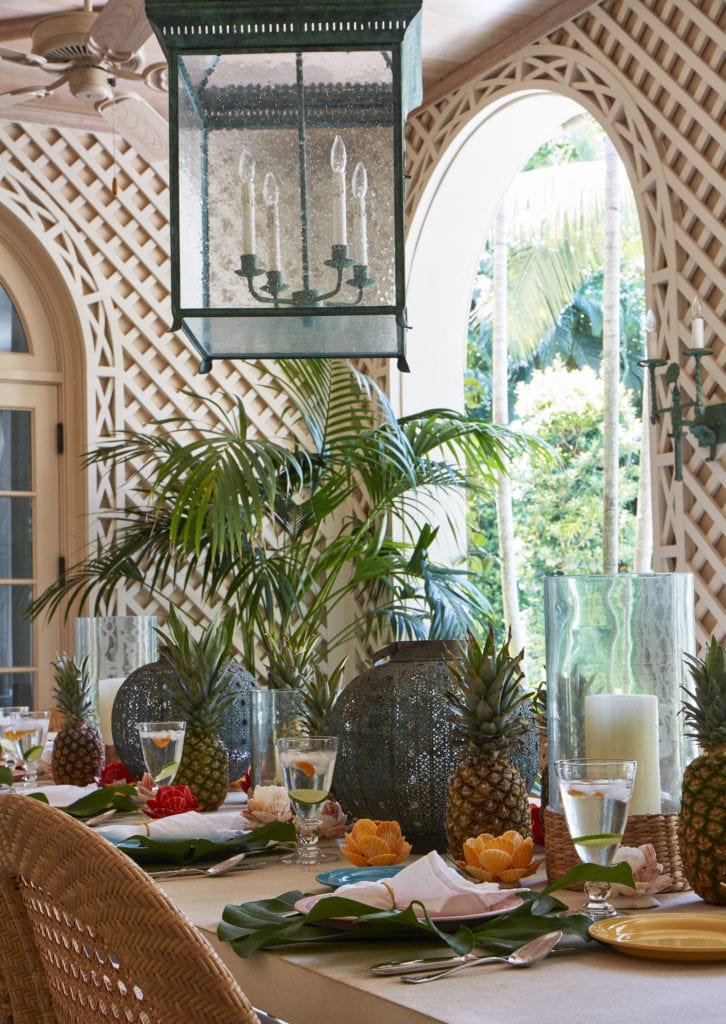
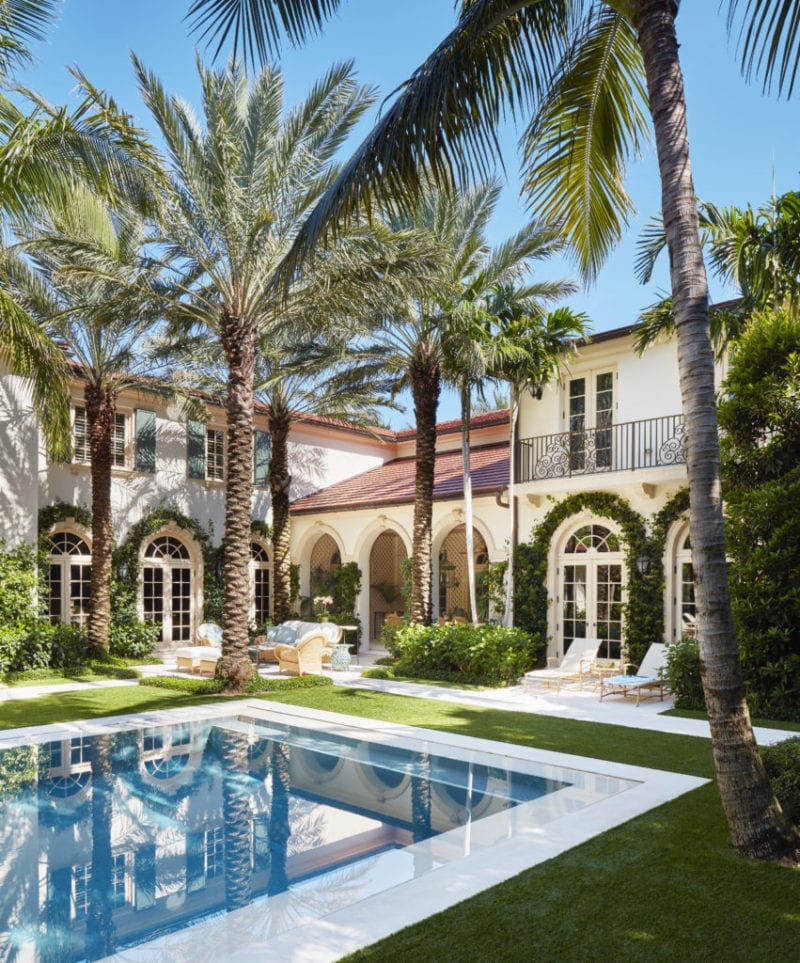
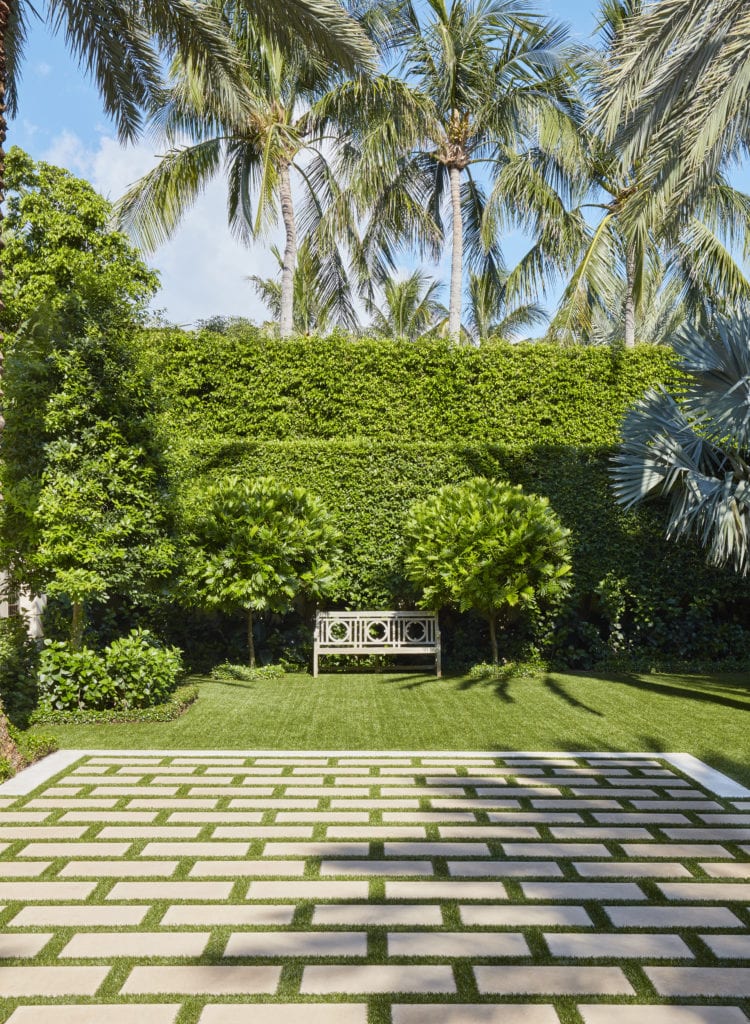
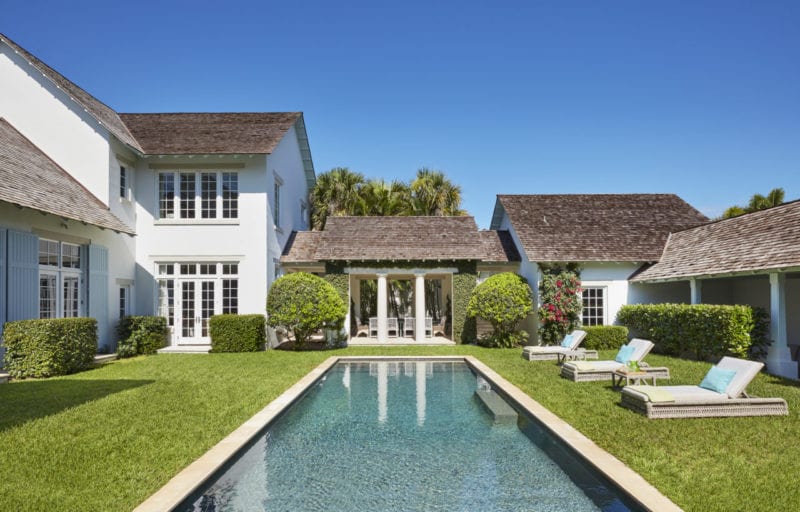
An artist created trompe l’oeil paintings of tall palm fronds in white and gold Chinoiserie planters in the foyer, and the shower doors in the master bathroom were artistically etched with with pineapples. The loggia features a cypress wood ceiling and tropical details including lattice on all the walls. Keith Williams, the landscape designer, devised new gathering spots near the rebuilt swimming pool including a rear pergola, exterior seating, and an outdoor shower. It is the perfect vacation retreat! This home was originally featured in Luxe, and photographer Carmel Brantley of Brantley Photography graciously provided additional photography for our tour today…
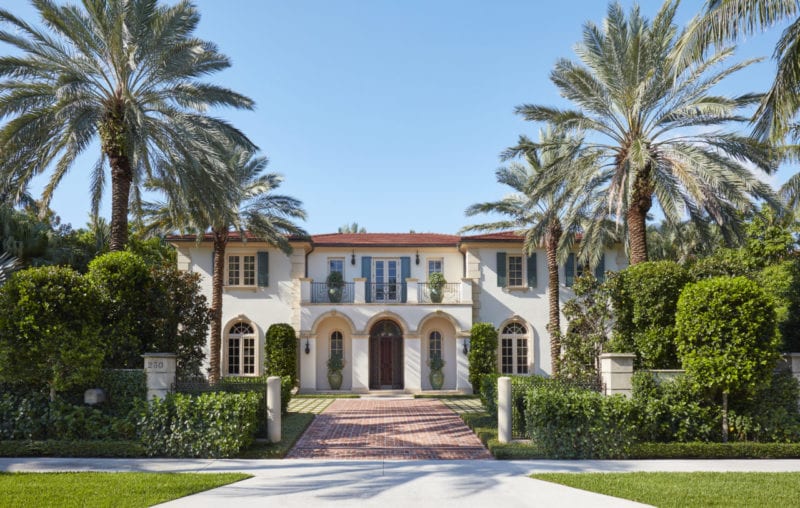





At Home in Florida with Susan Zises Green
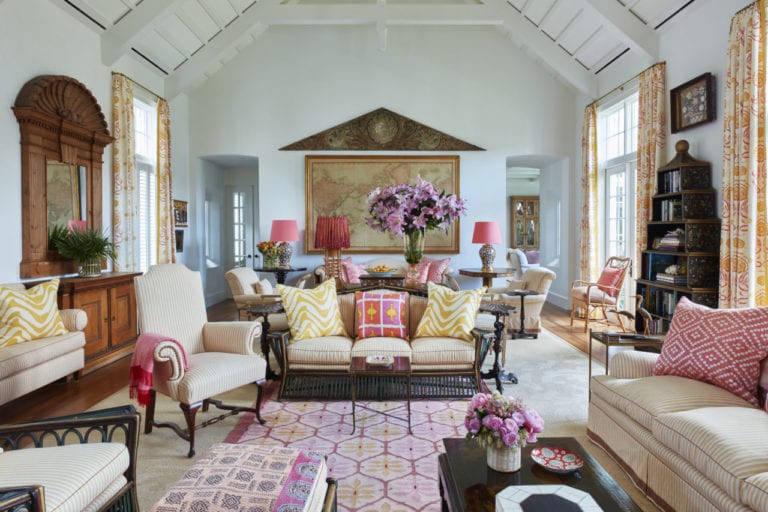
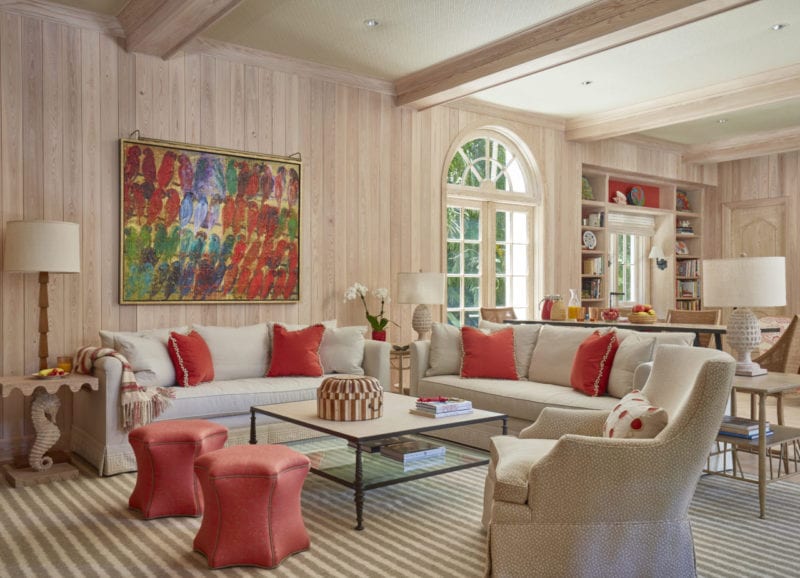
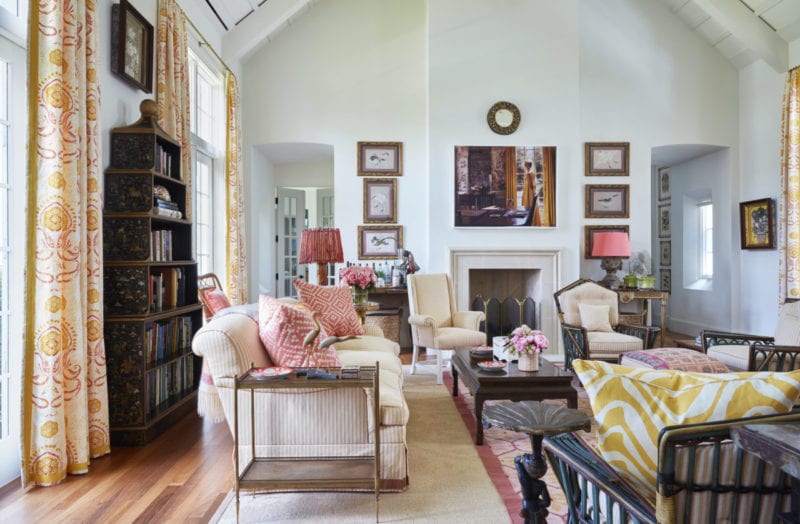
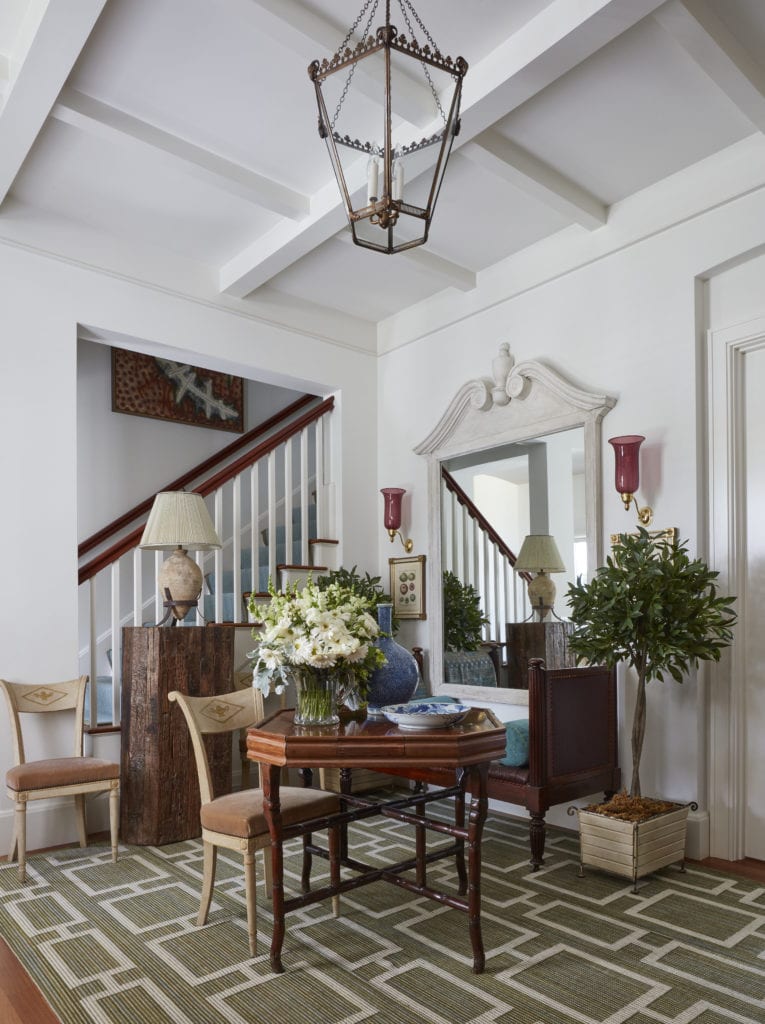
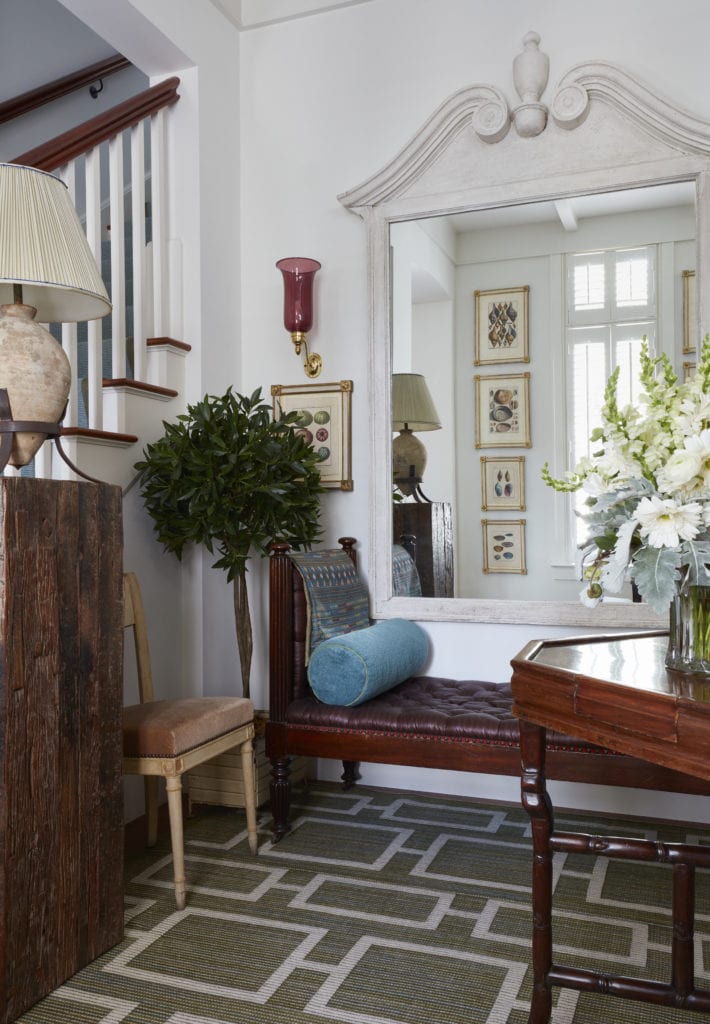
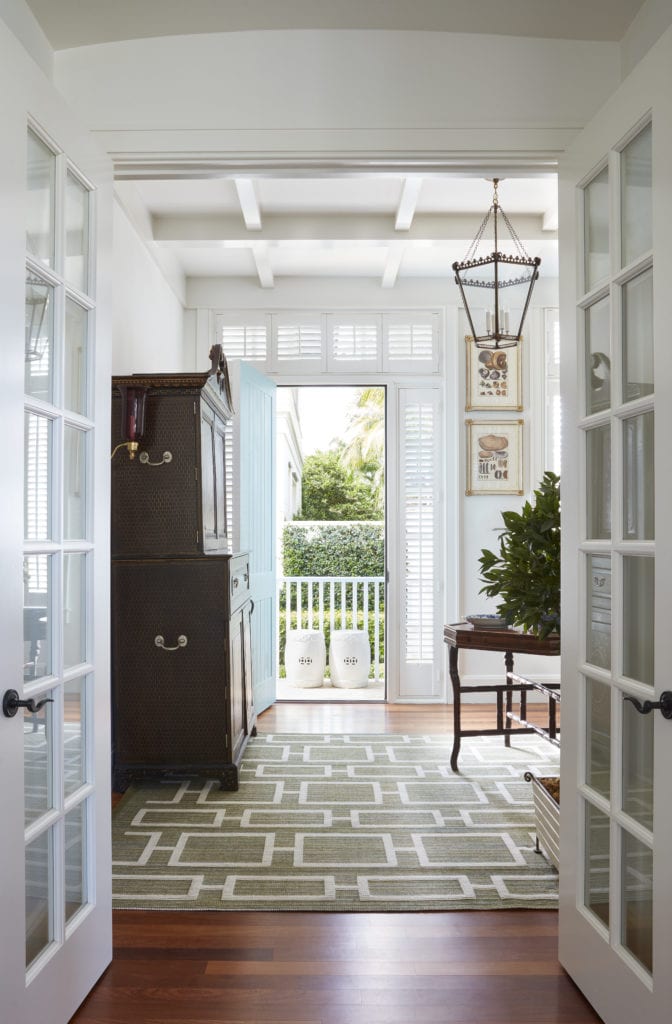
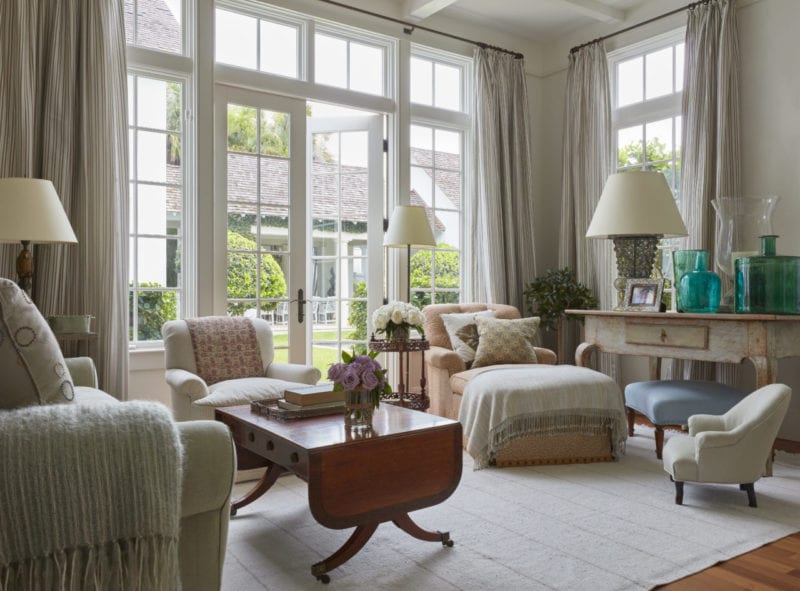
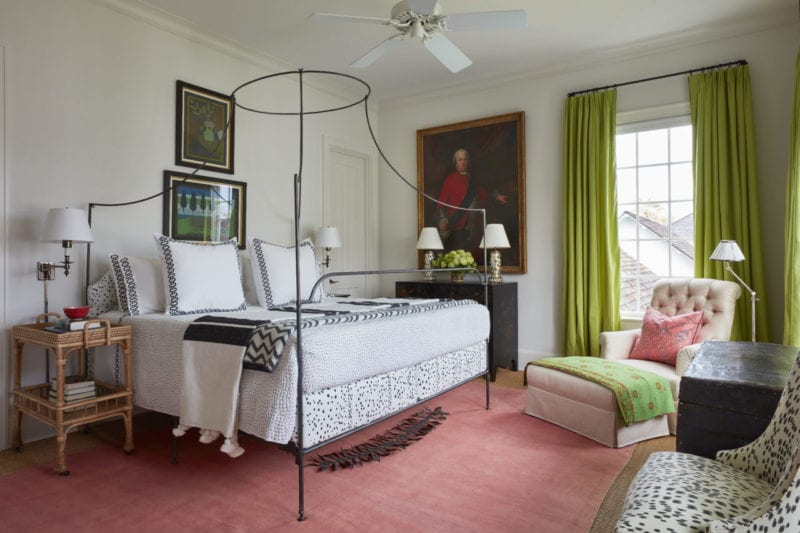
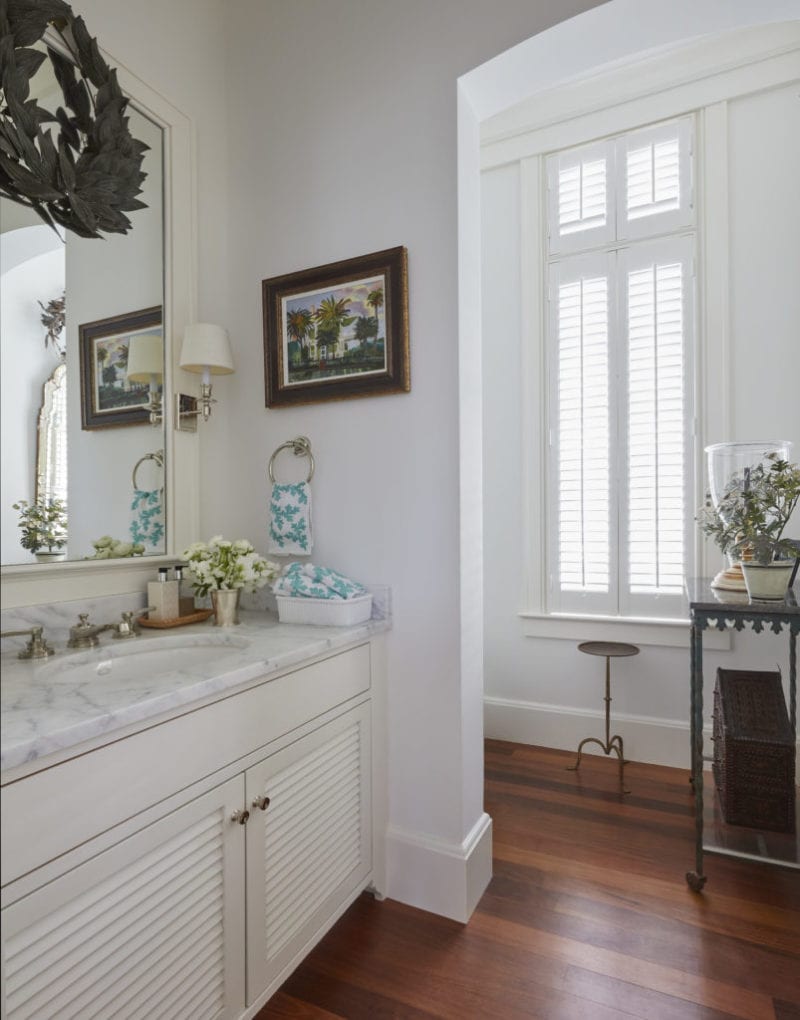
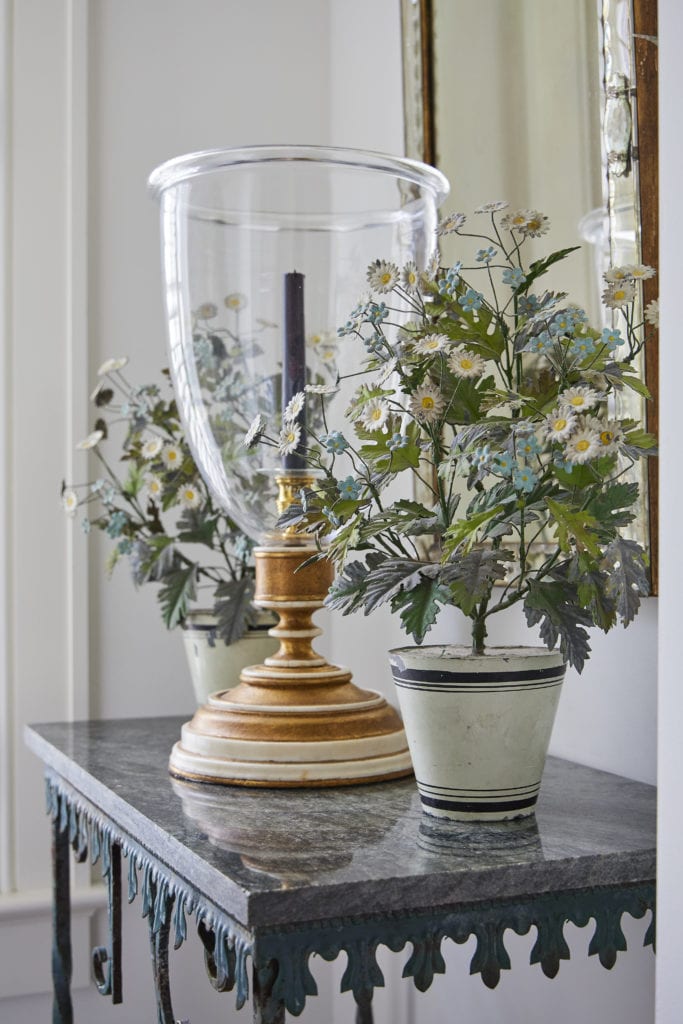
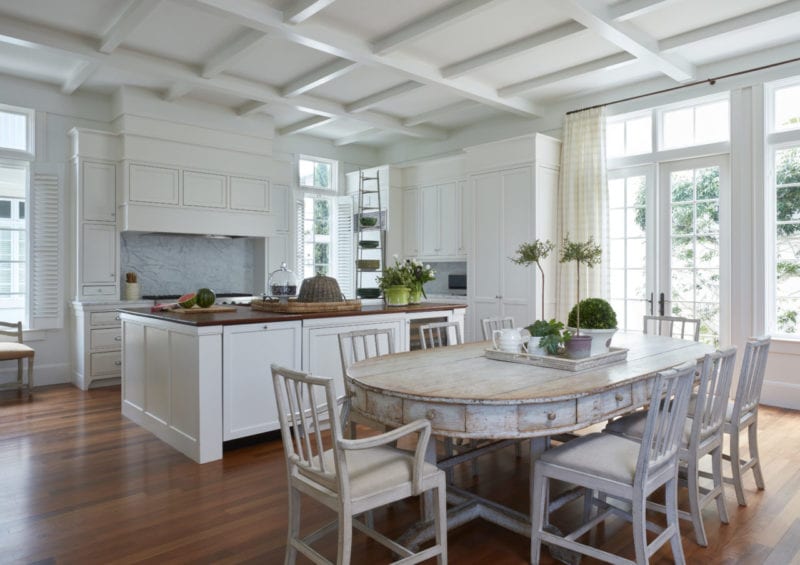
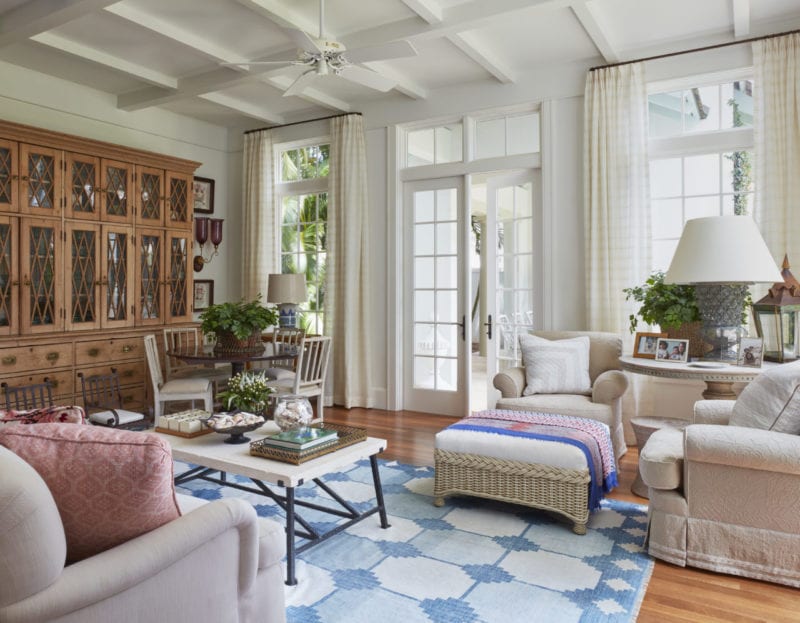
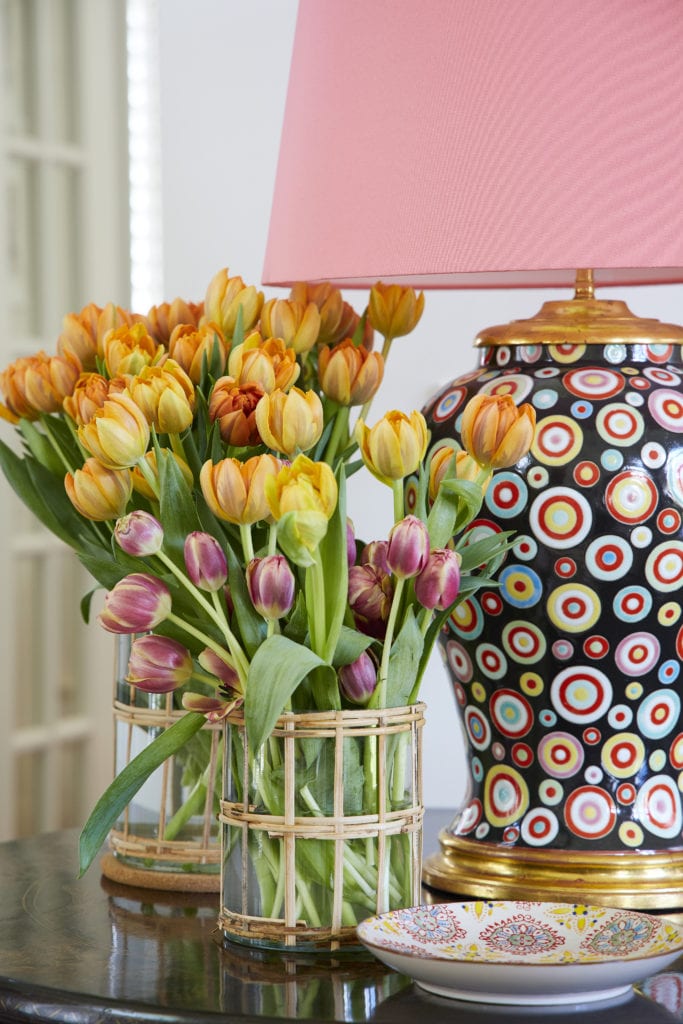
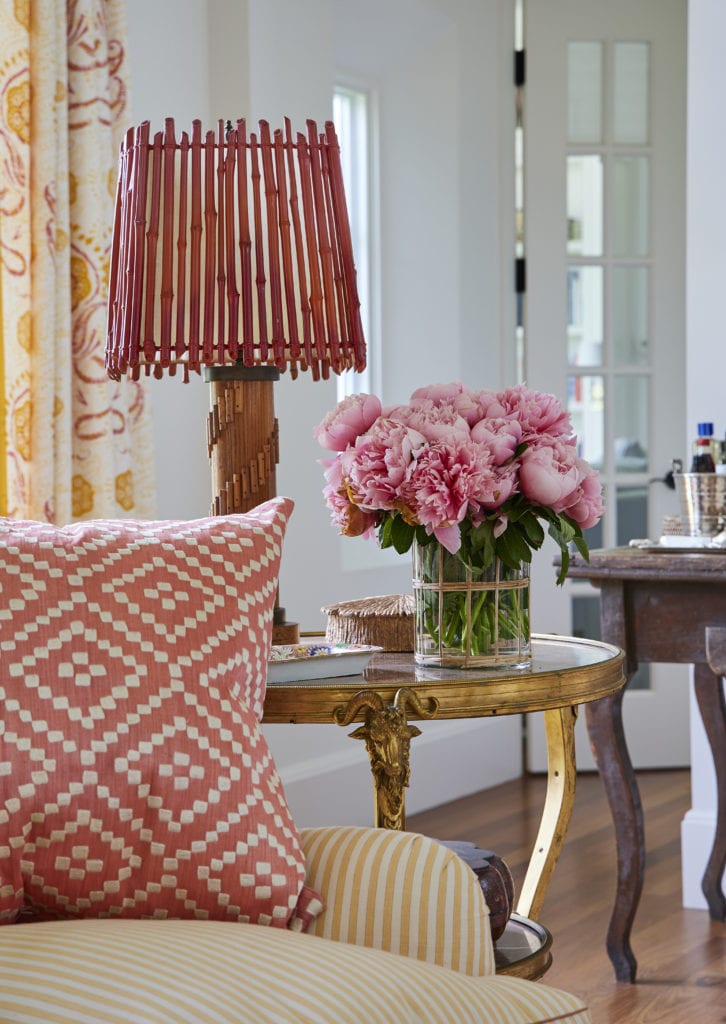
When a large home became available for sale in designer Susan Zises Green‘s Florida vacation community, she originally thought it was too big for a single person. But her home was becoming increasingly cramped during family visits. So she took the plunge, bought the home, and went about making it feel cozy, homey, and inviting. Susan had plenty of furnishings to fill the large home, as she holds on to every piece she’s ever bought. “I think I’ve sold only two things in my life: a portrait and an ottoman. I buy only pieces I love,” she told Luxe. On client shopping trips, “I learned early on that if I see something fabulous, I should buy it and put it away so I can always give clients something magical,” she said. Susan keeps a thorough database to keep track of her treasures, many of which remain in storage awaiting just the right opportunity. She tells her clients, “Whatever you buy with me, you’ll have forever.” Her new home now serves as the perfect destination for family gatherings. It is full of love and joy, she says, with memories old and new woven throughout.
This home was originally featured on the cover of Luxe Palm Beach. Photographer Carmel Brantley of Brantley Photography graciously provided additional photography for our tour today…
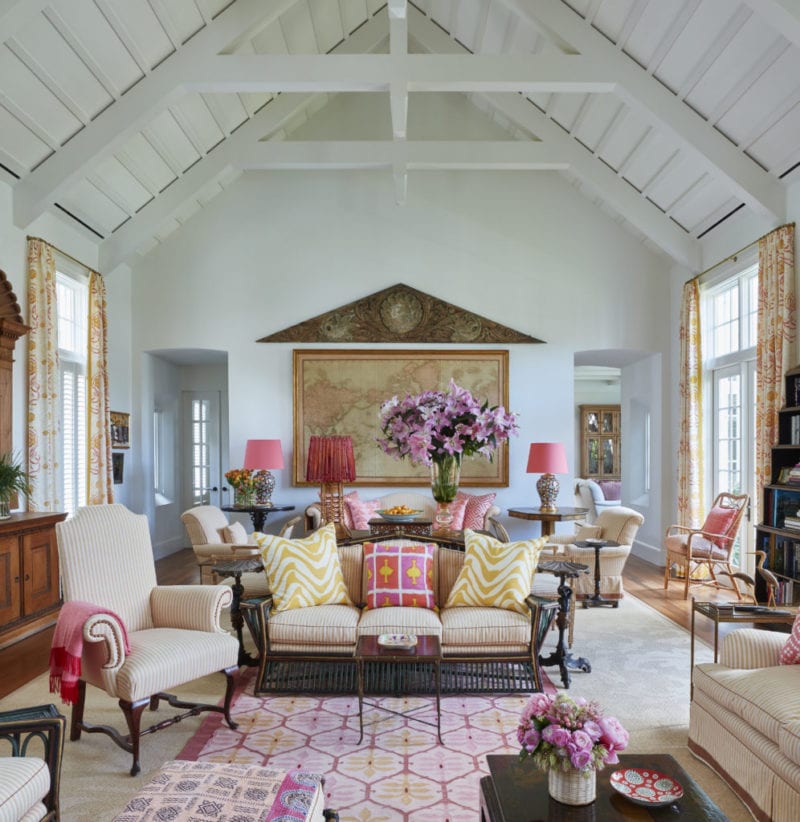
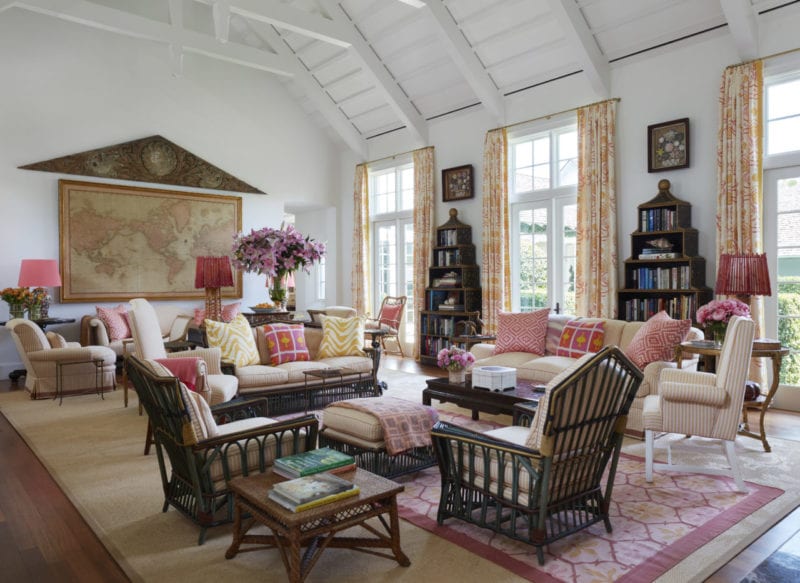
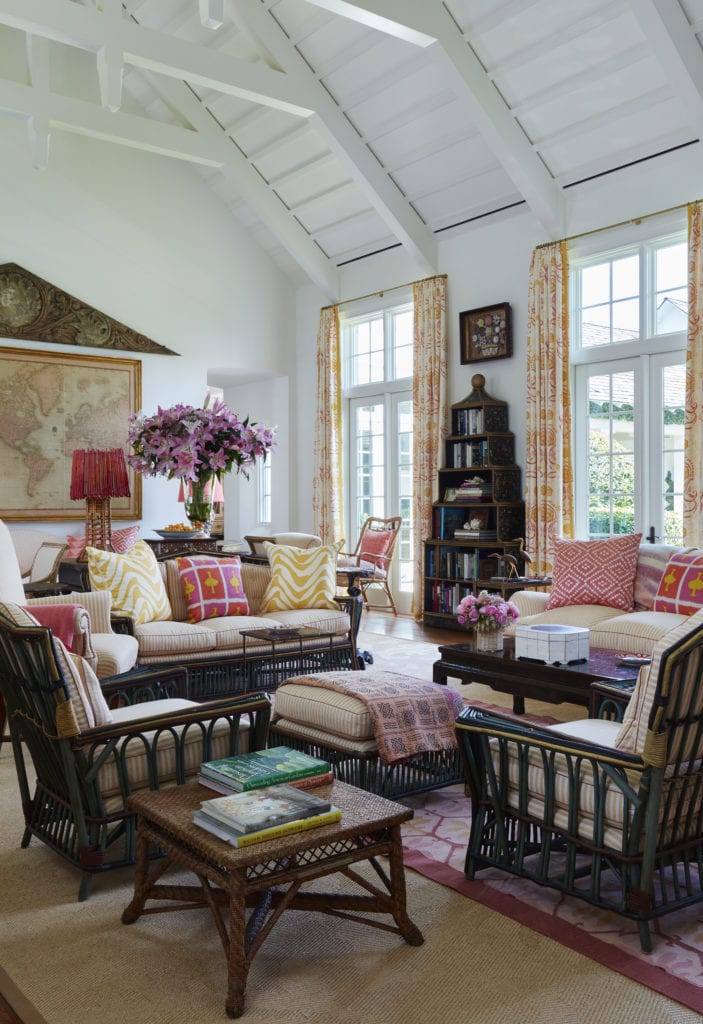

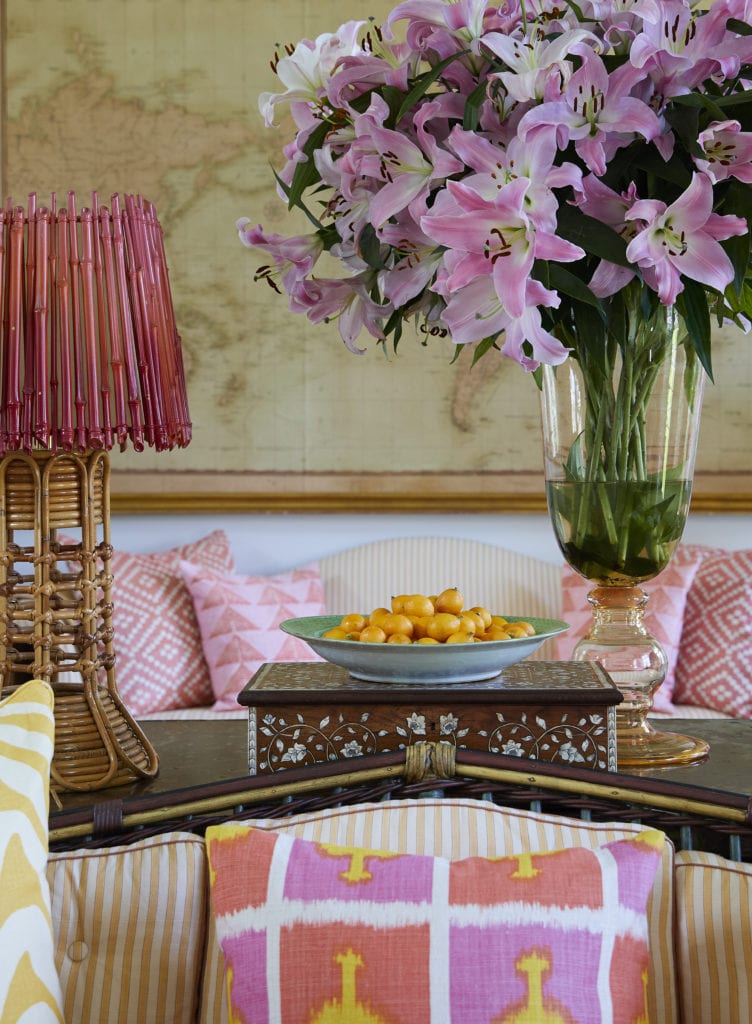
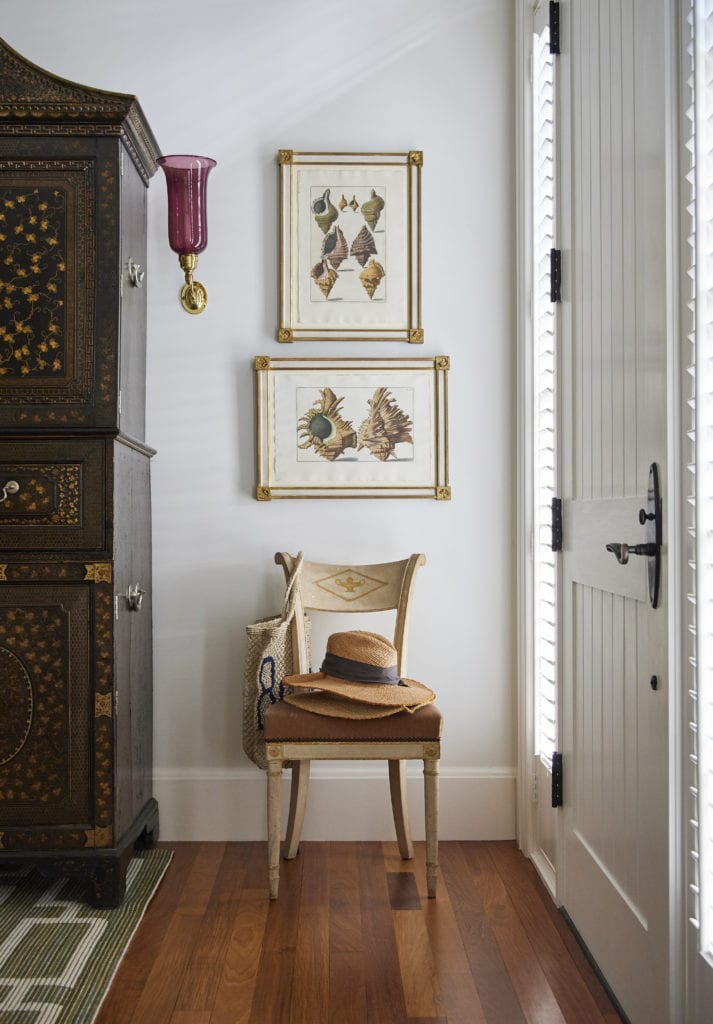
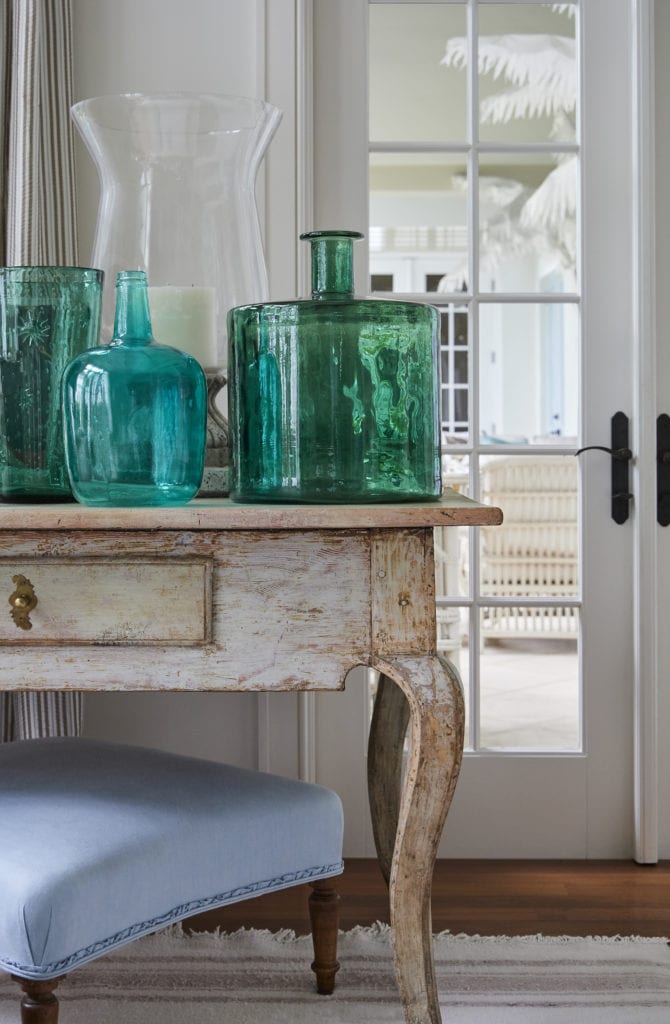
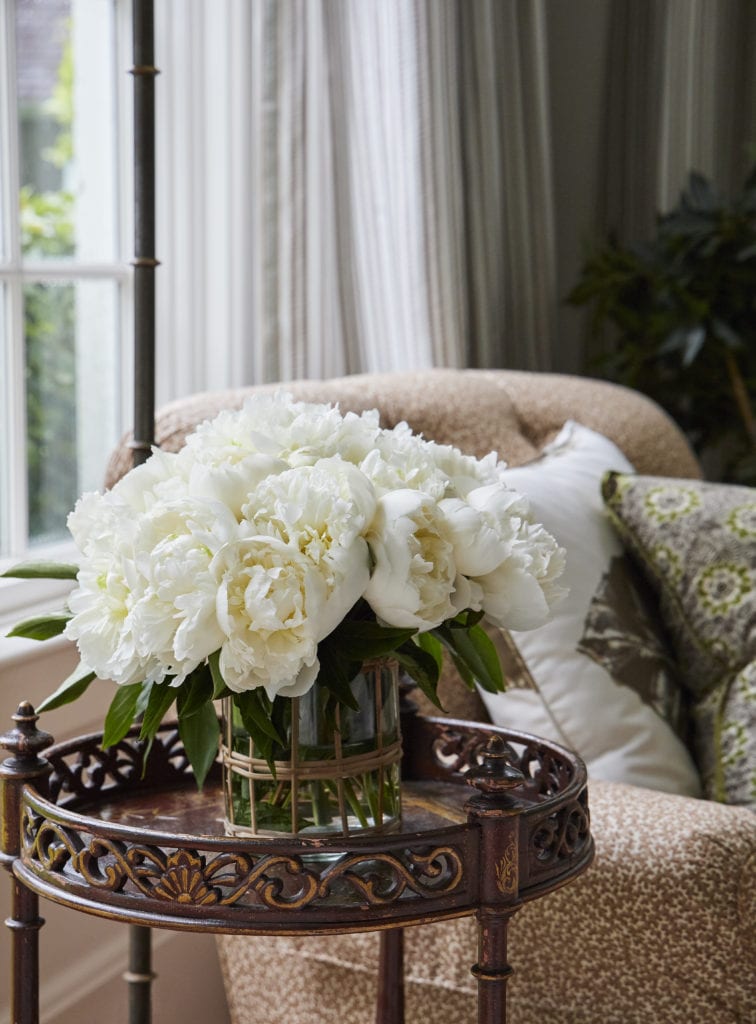
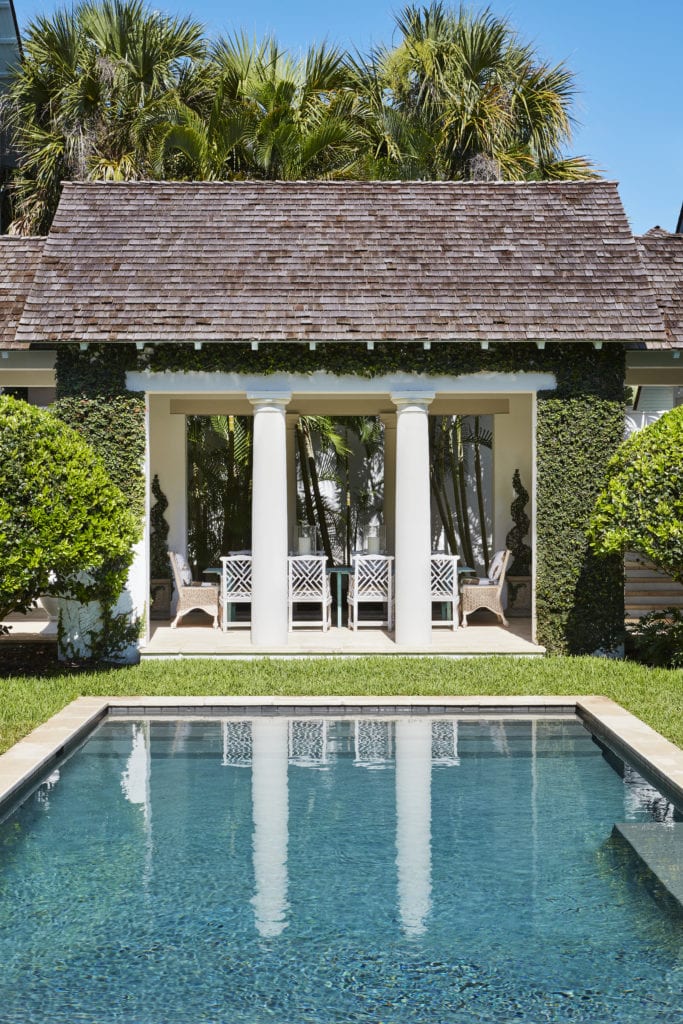
To see more of Susan’s beautiful interiors, please visit the links below… You can also follow her on Instagram @susanzisesgreeninc.
Brittany Bromley Transforms a 19th Century Farmhouse
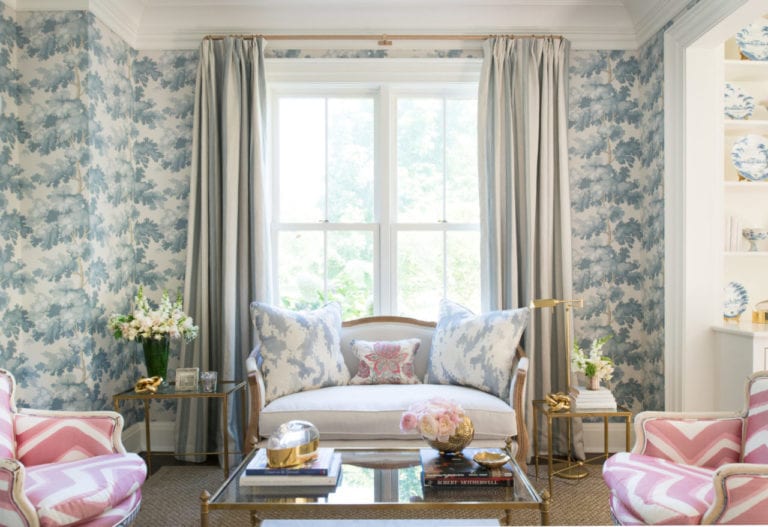
Brittany Bromley always designs the prettiest homes, and this 1860 farmhouse in Bedford, New York is no exception. Her clients are a young couple with small children who enjoy the home as an escape from the rigors of city life. Brittany chose a palette of soothing powder blues, soft creams, pale pinks, and light celadon to create an elegant yet calming and tranquil environment. I love the Sandberg Raphael wallpaper and Juliska Country Estate! Let’s take a look inside…
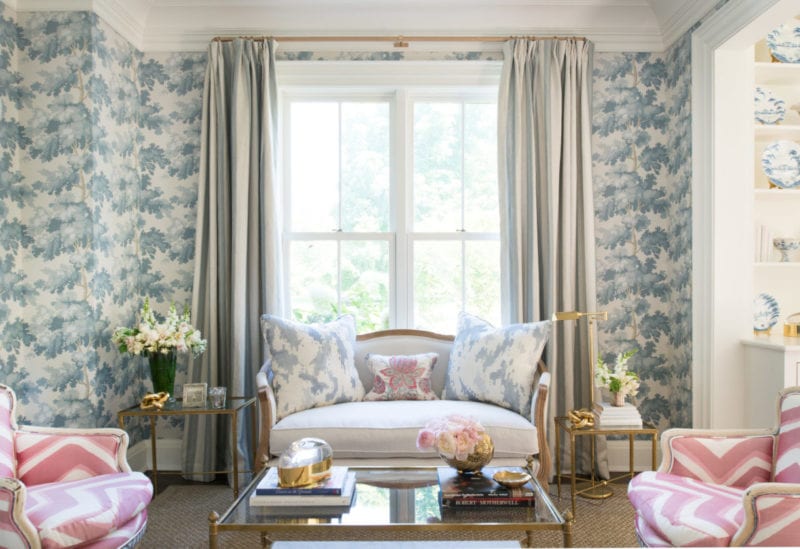
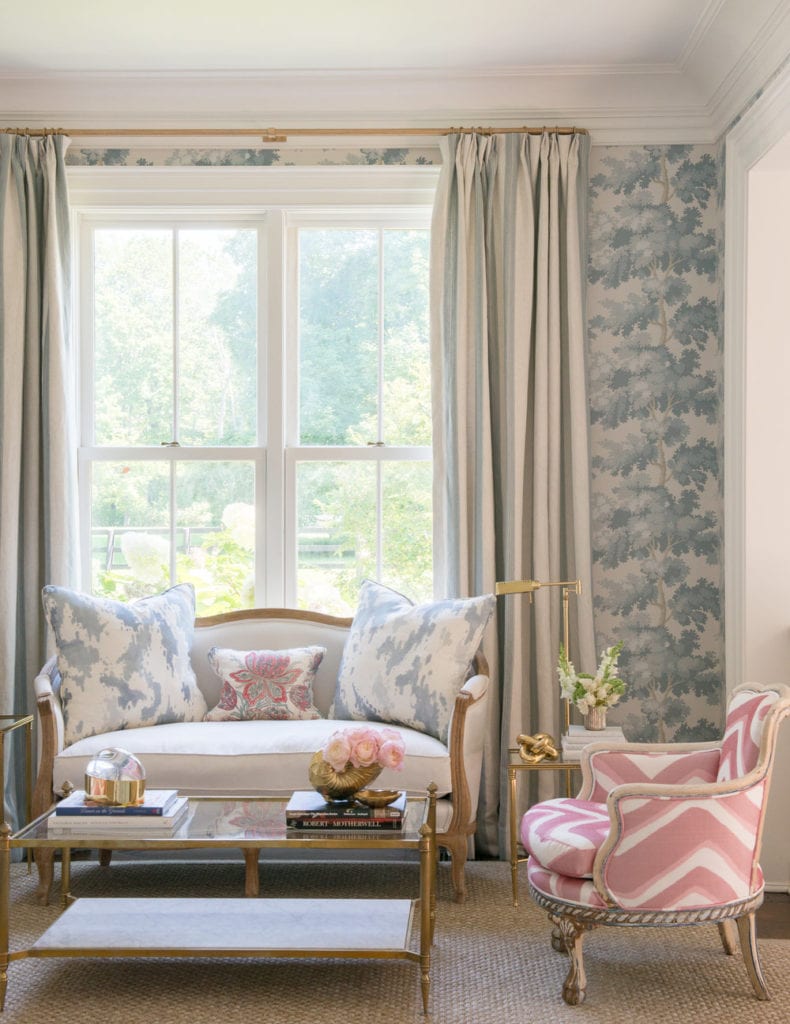
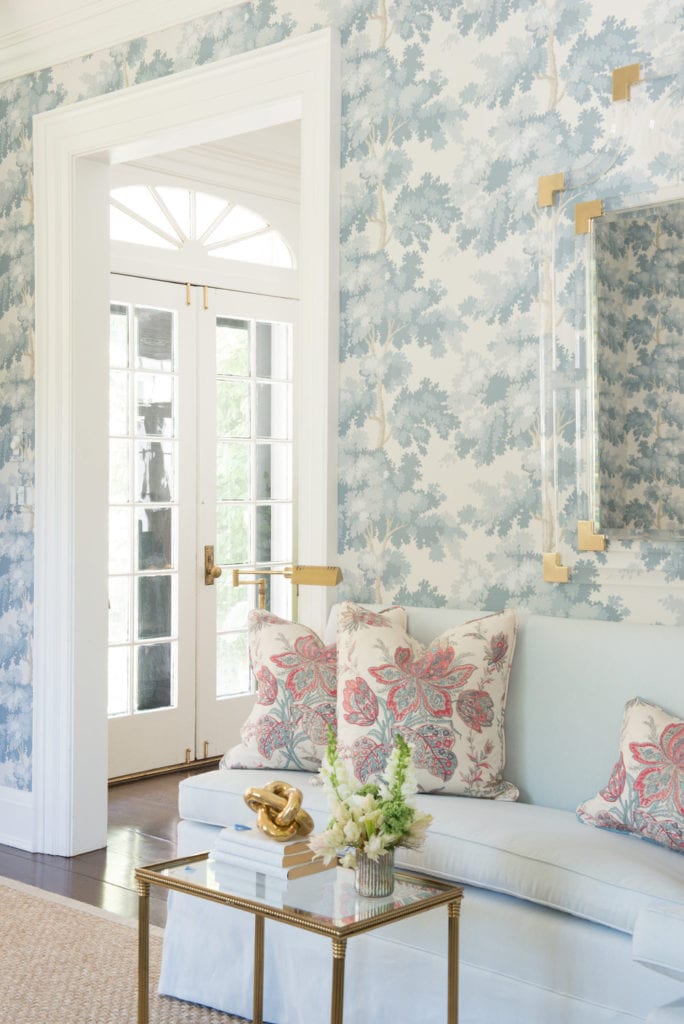
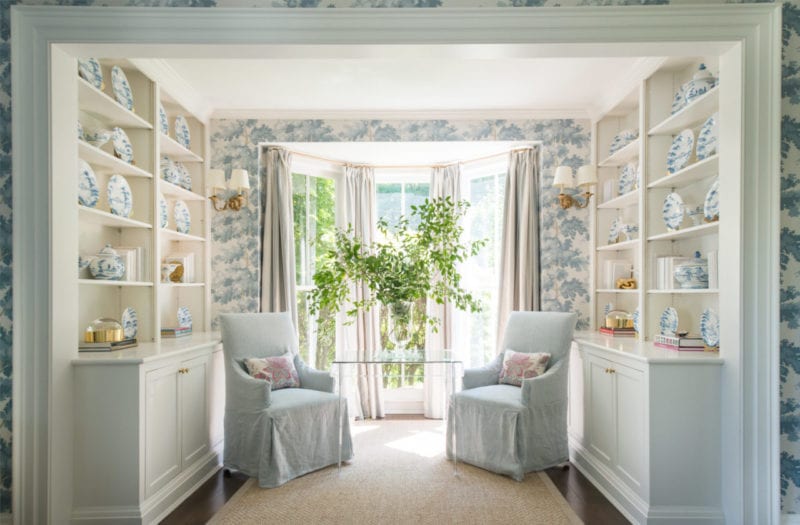
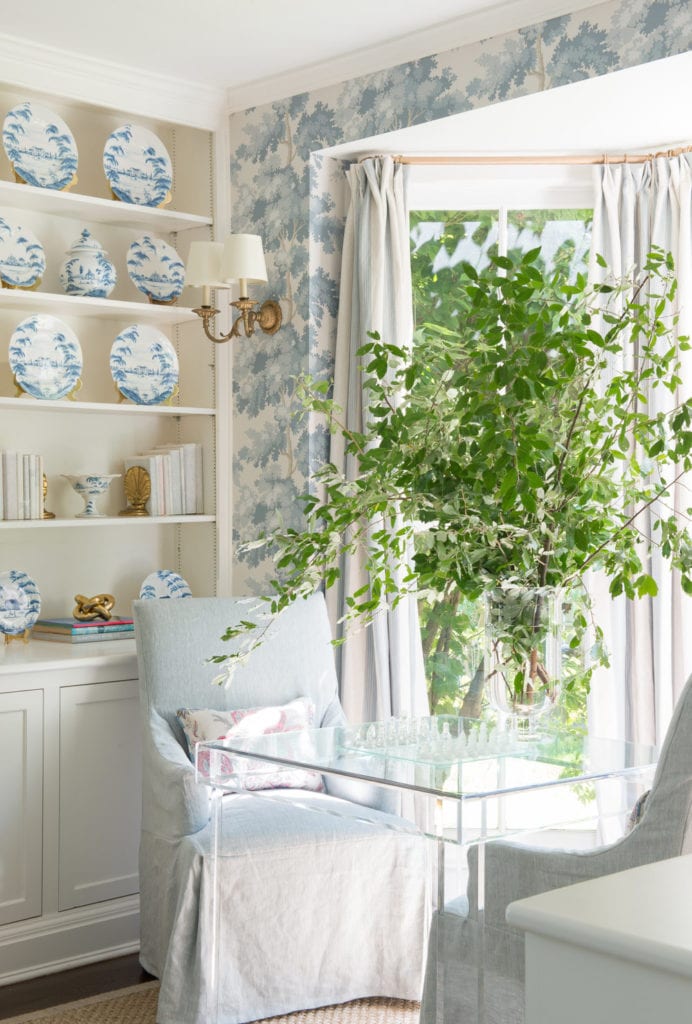
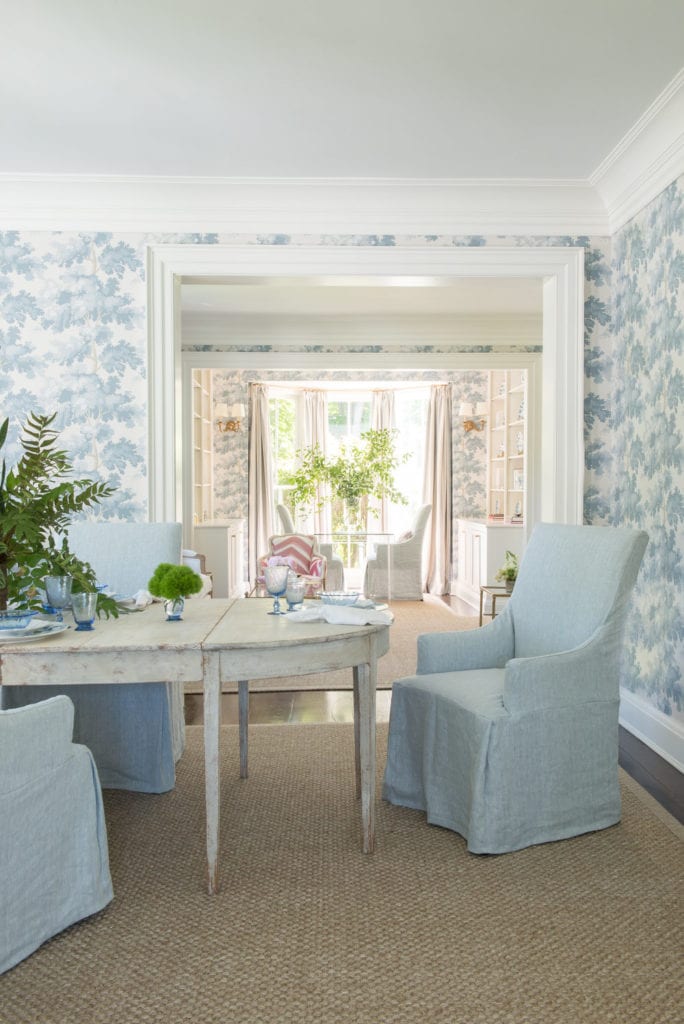

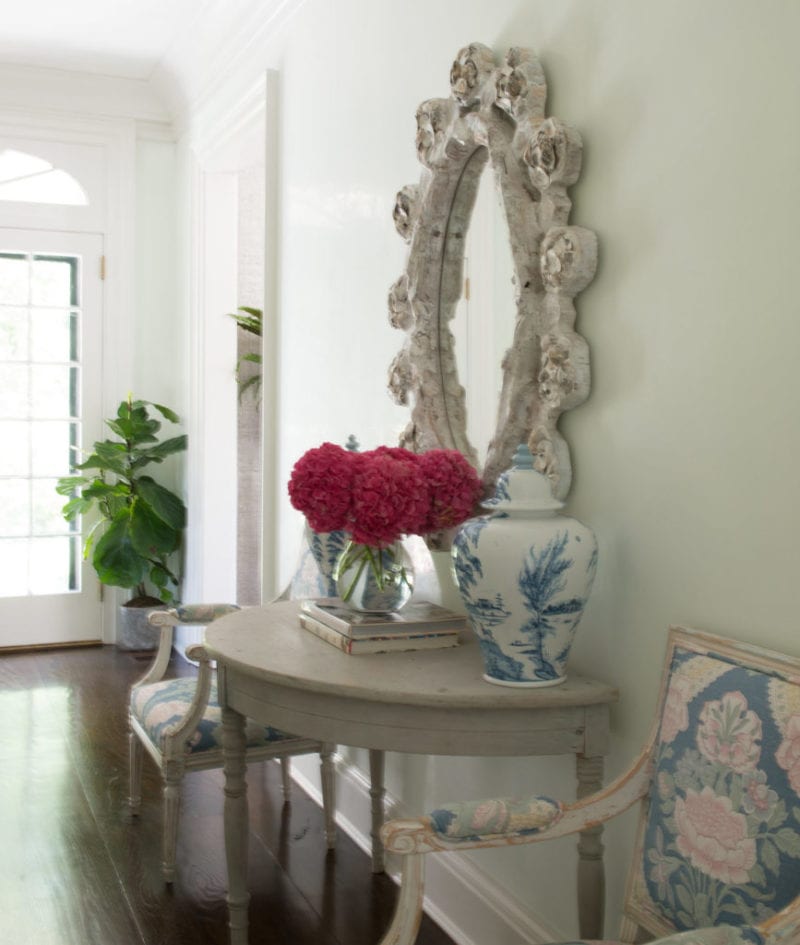
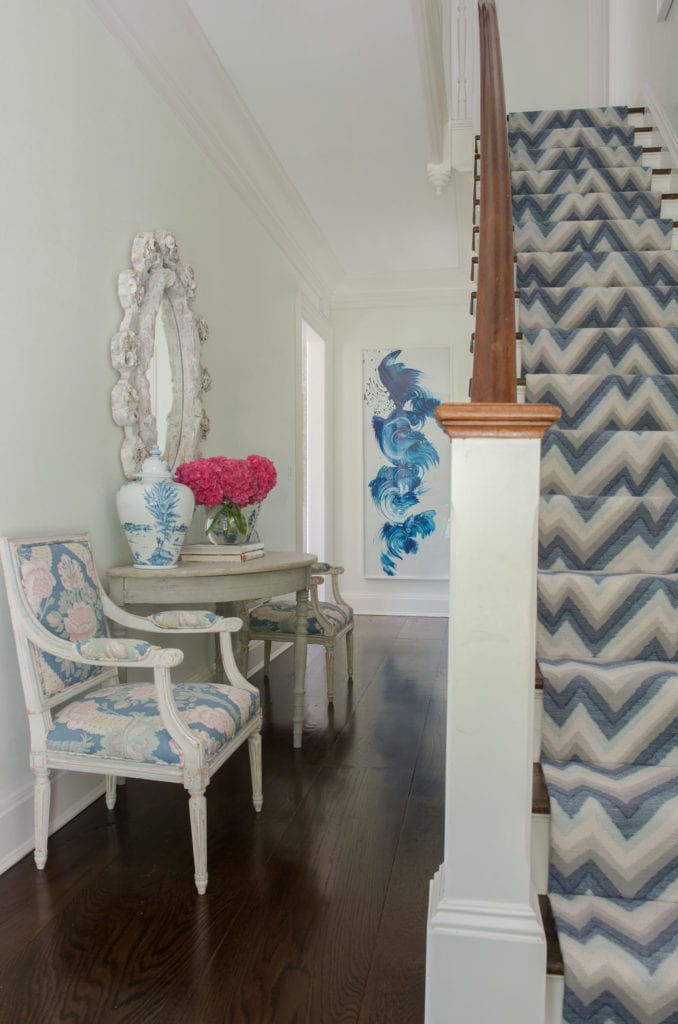
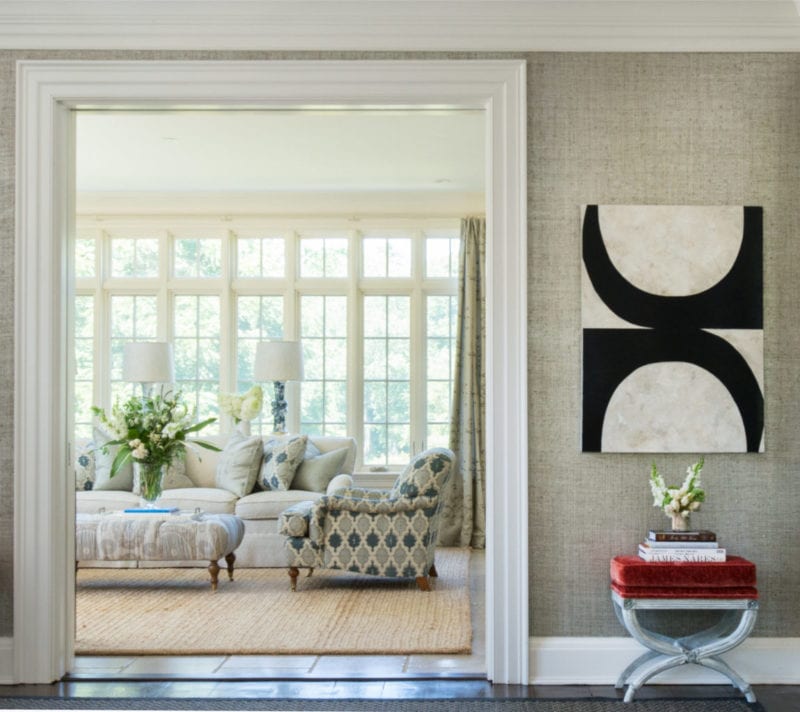
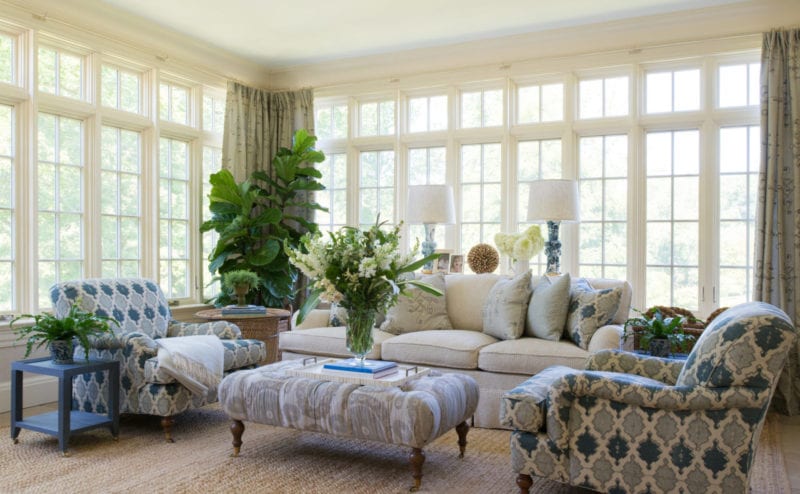
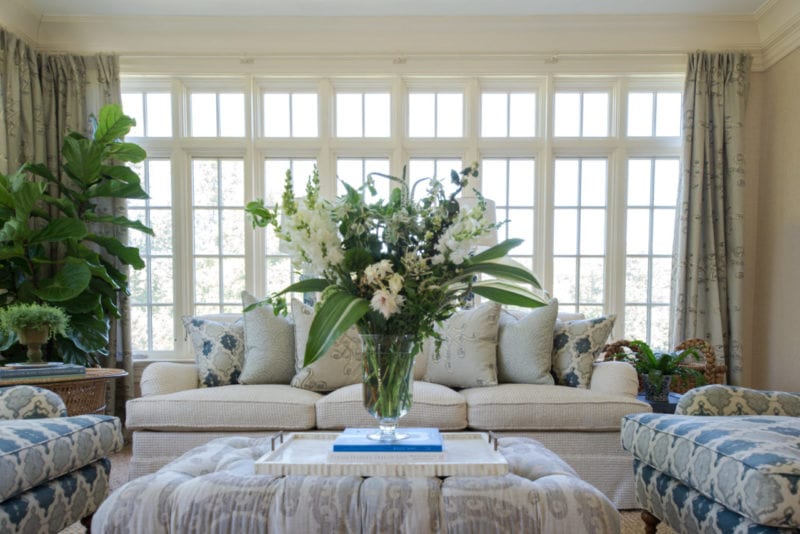
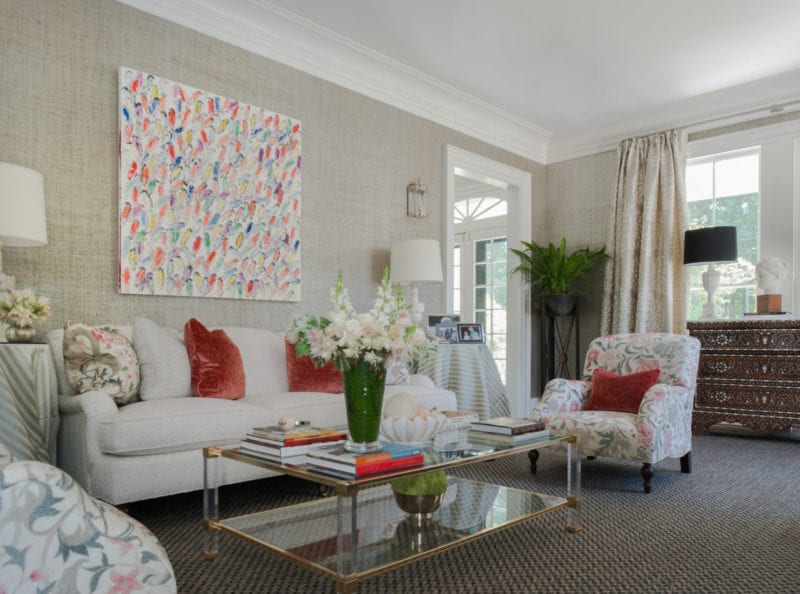
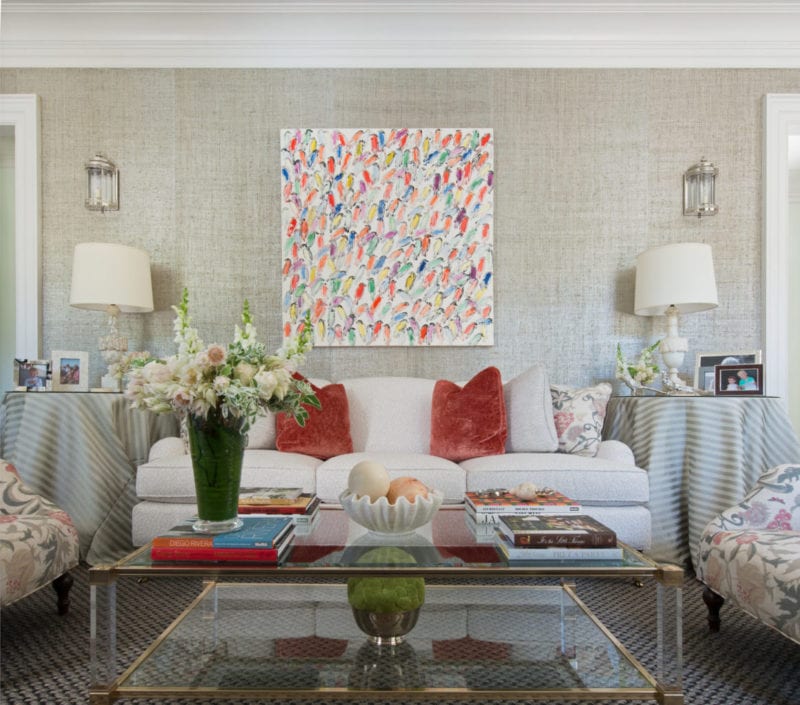
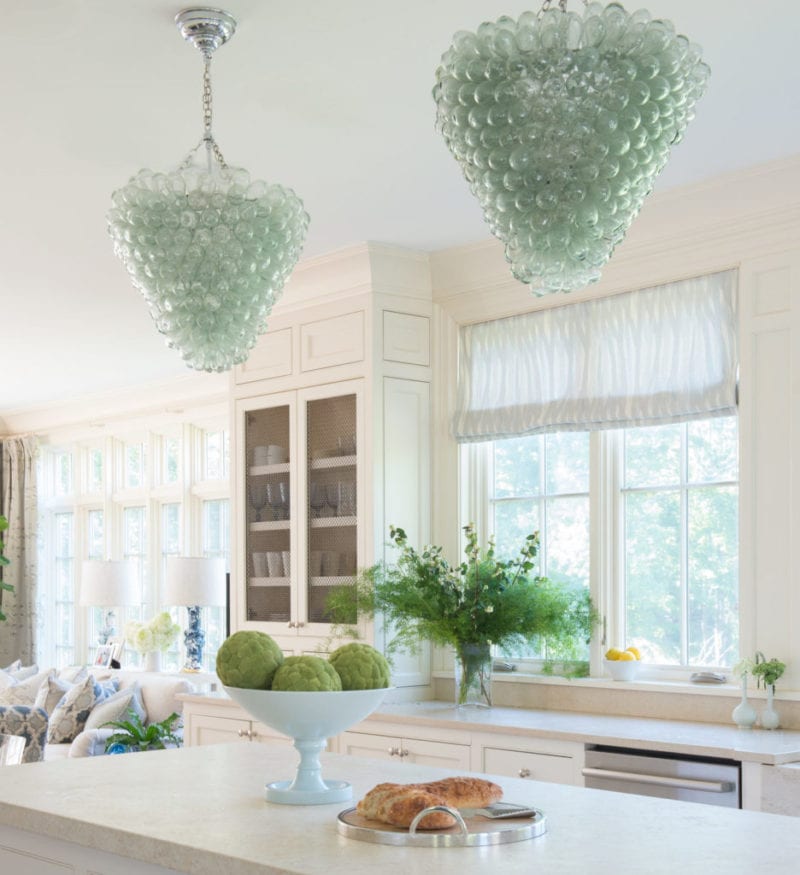
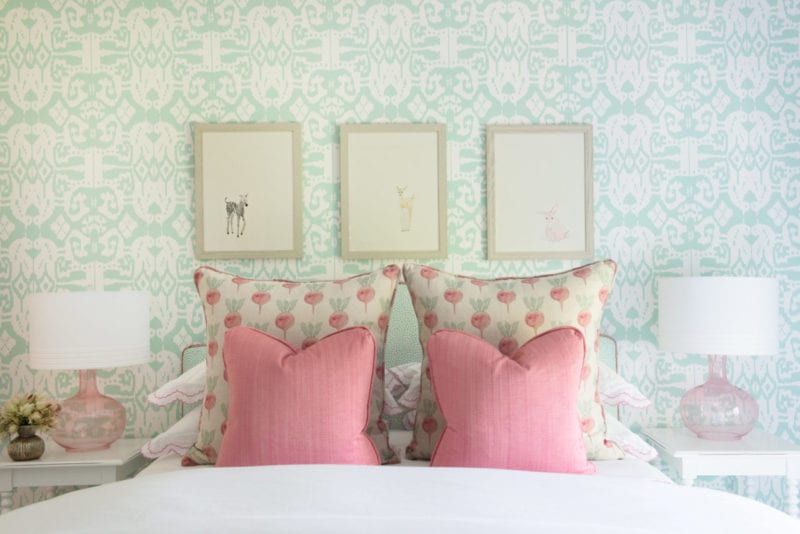
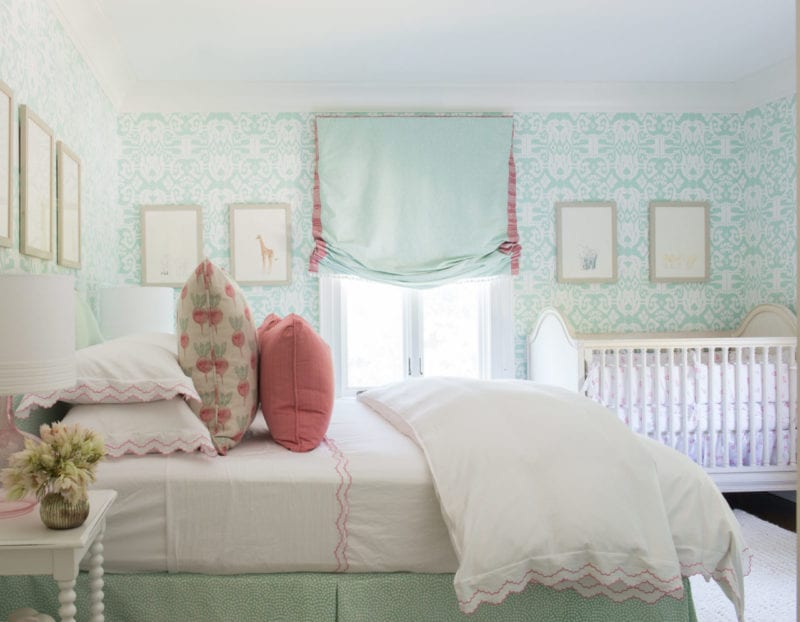
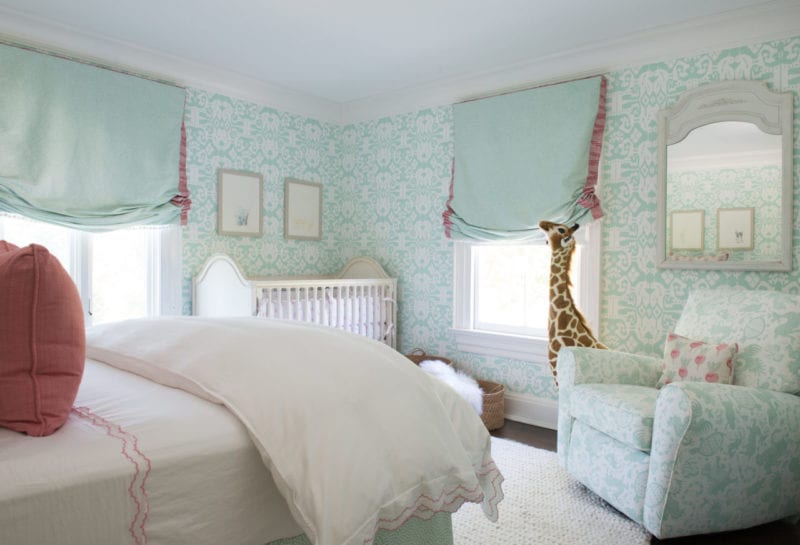
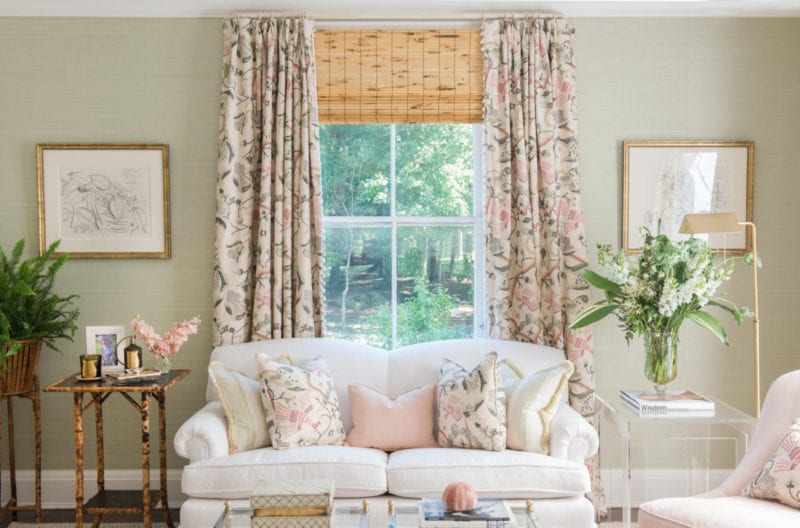
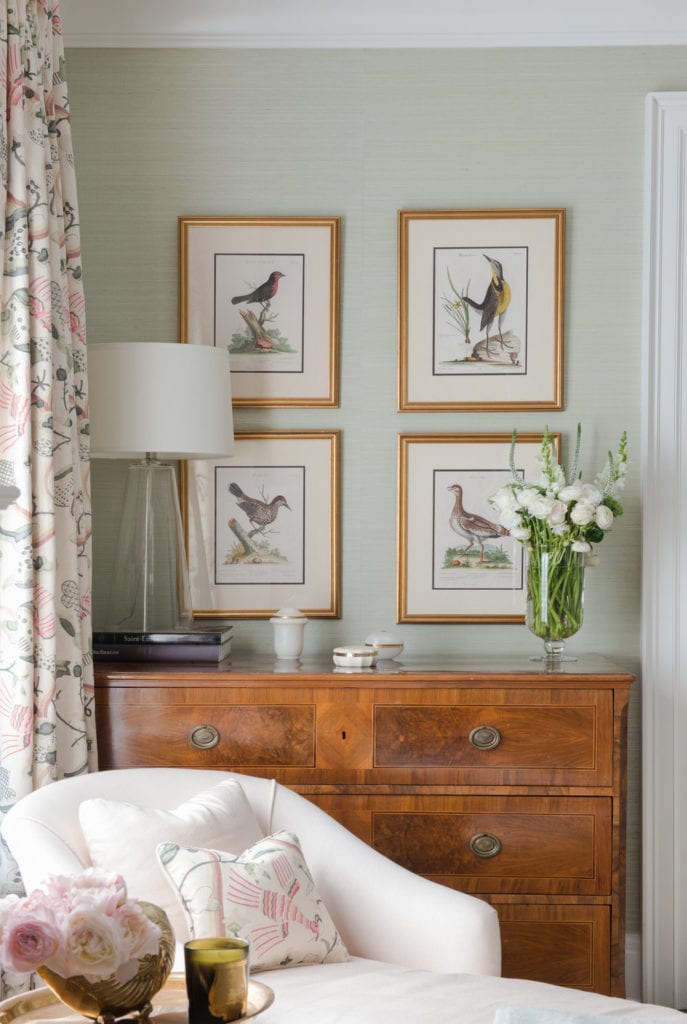
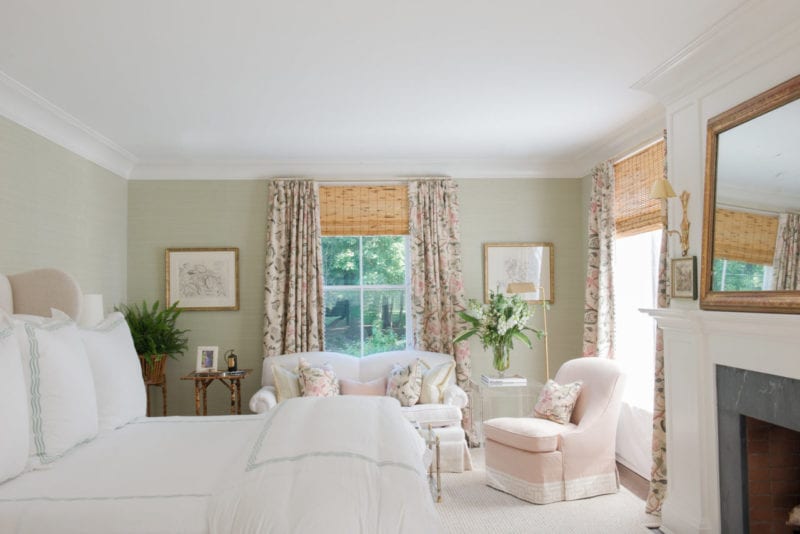
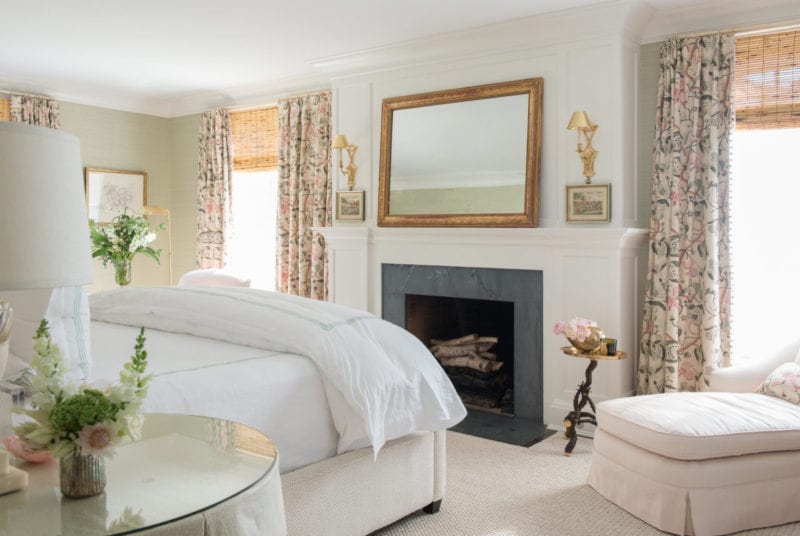

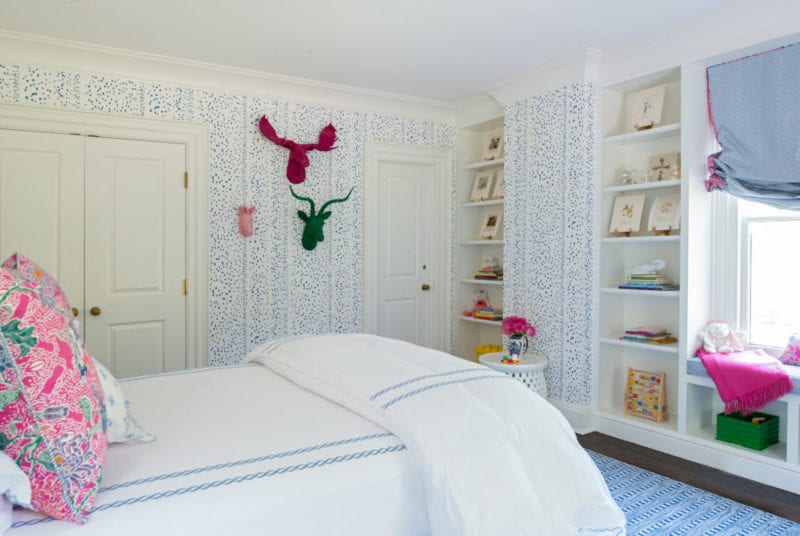
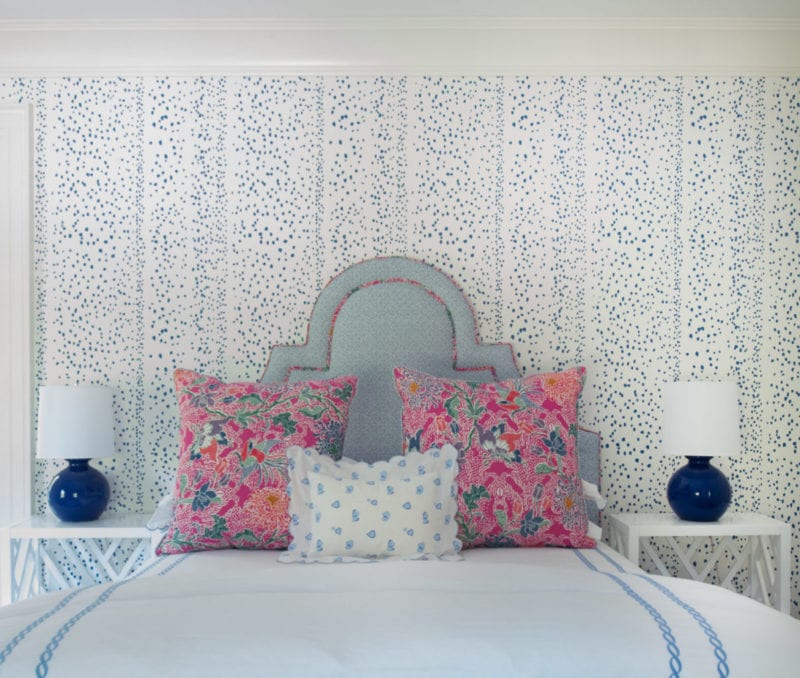
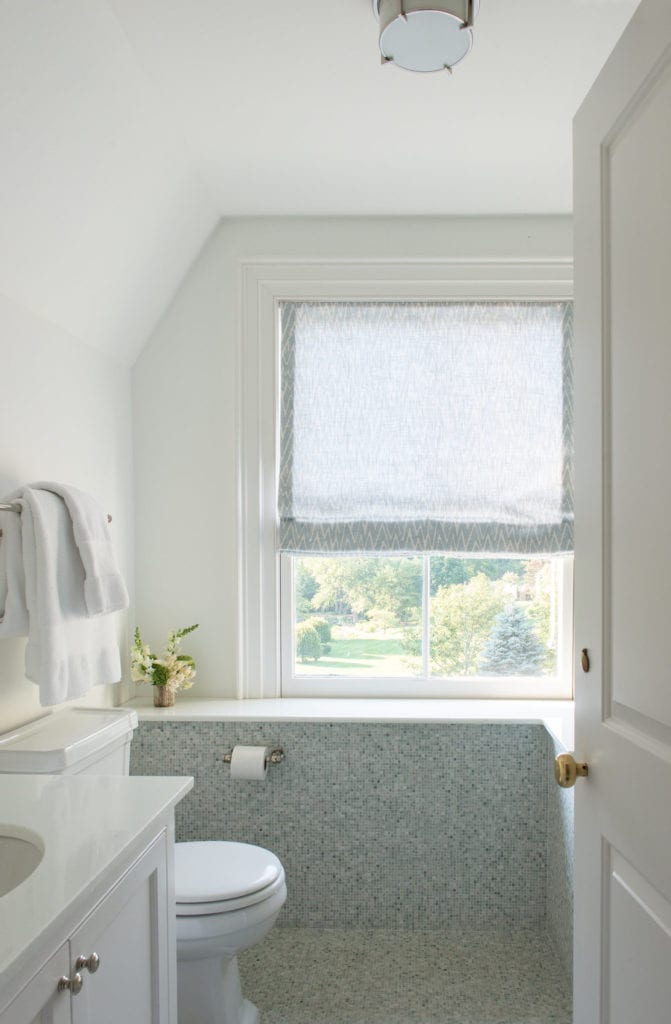
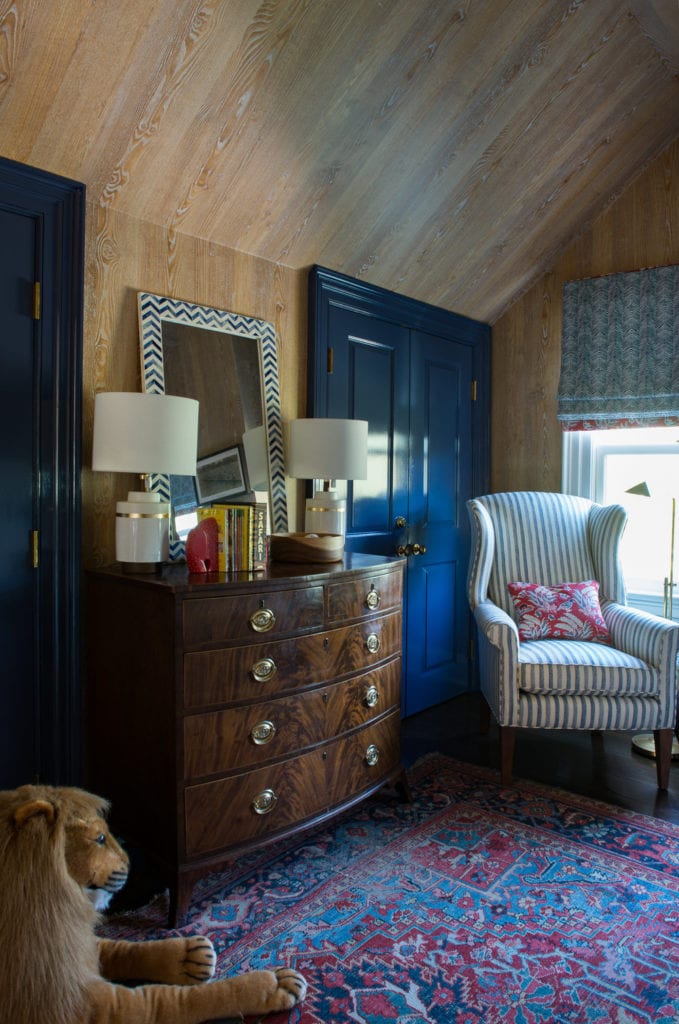
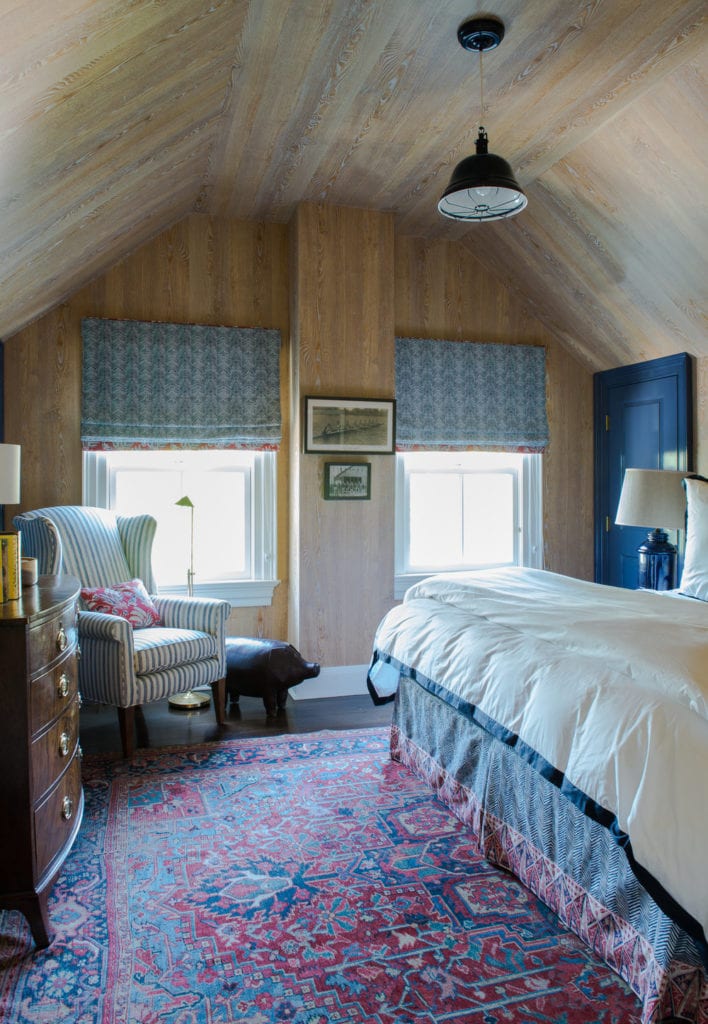
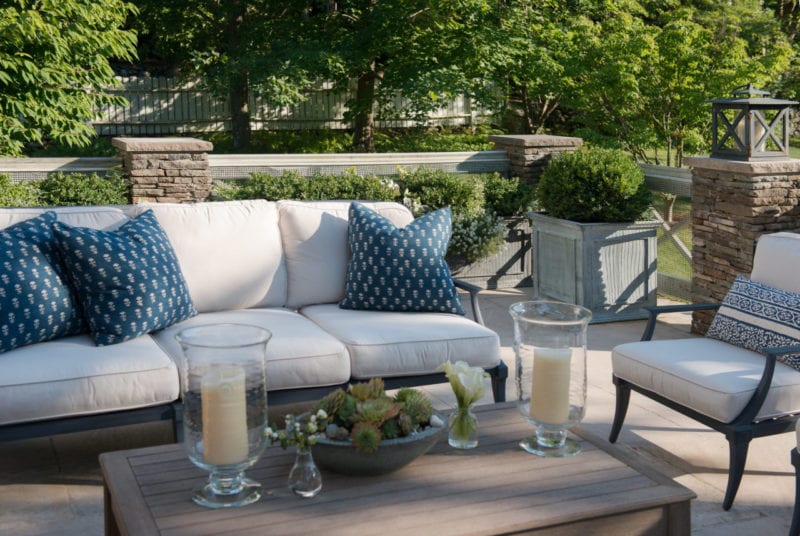
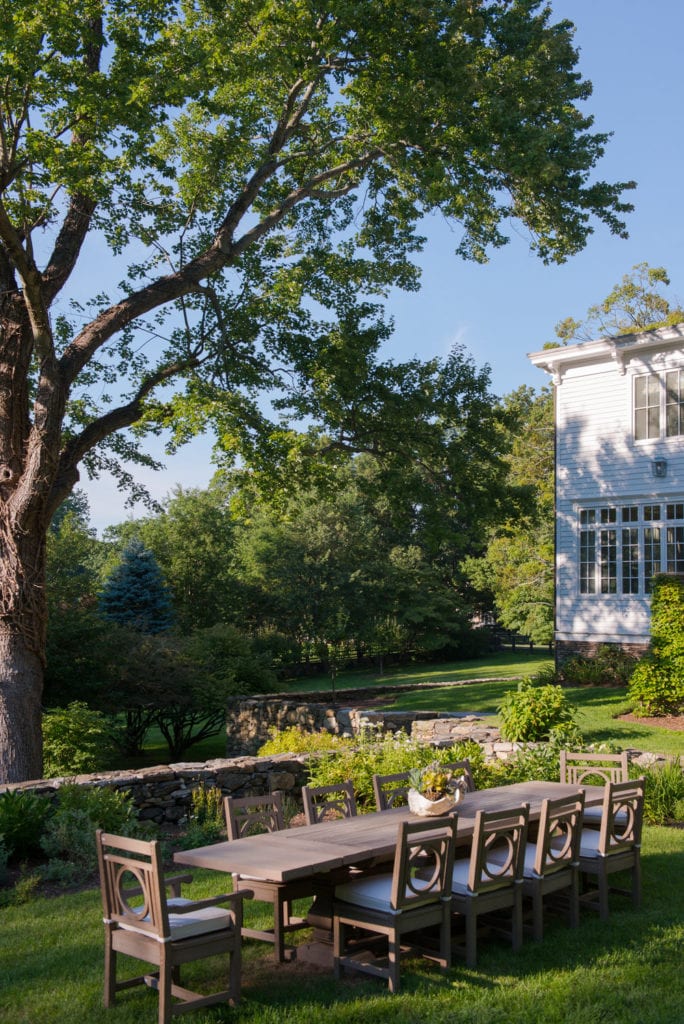
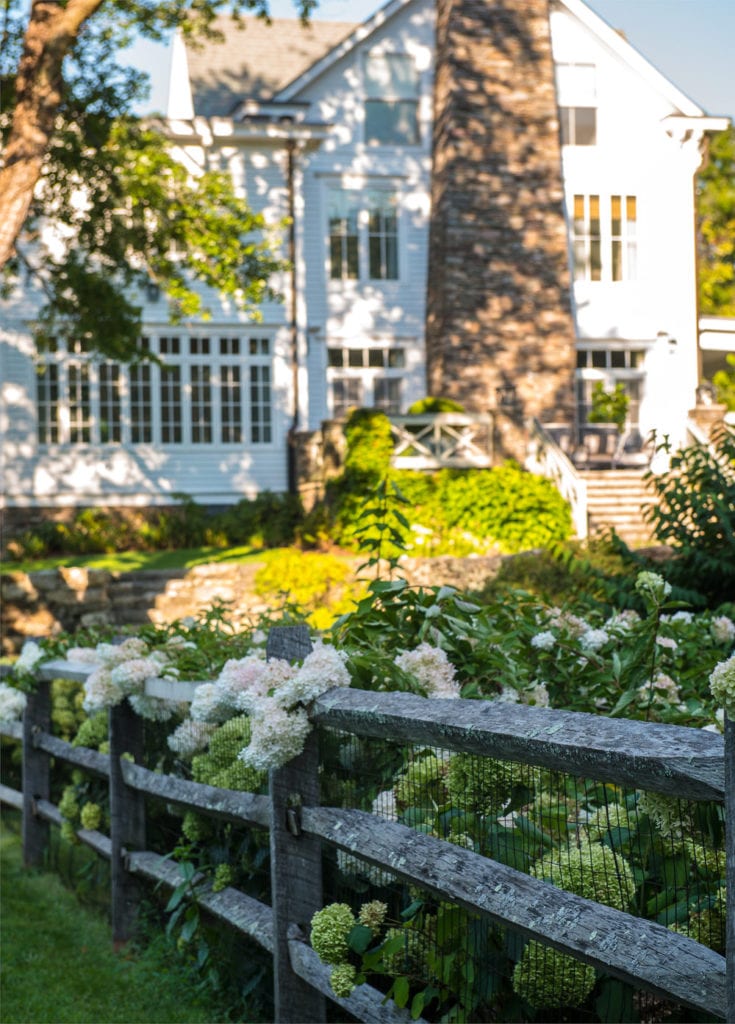
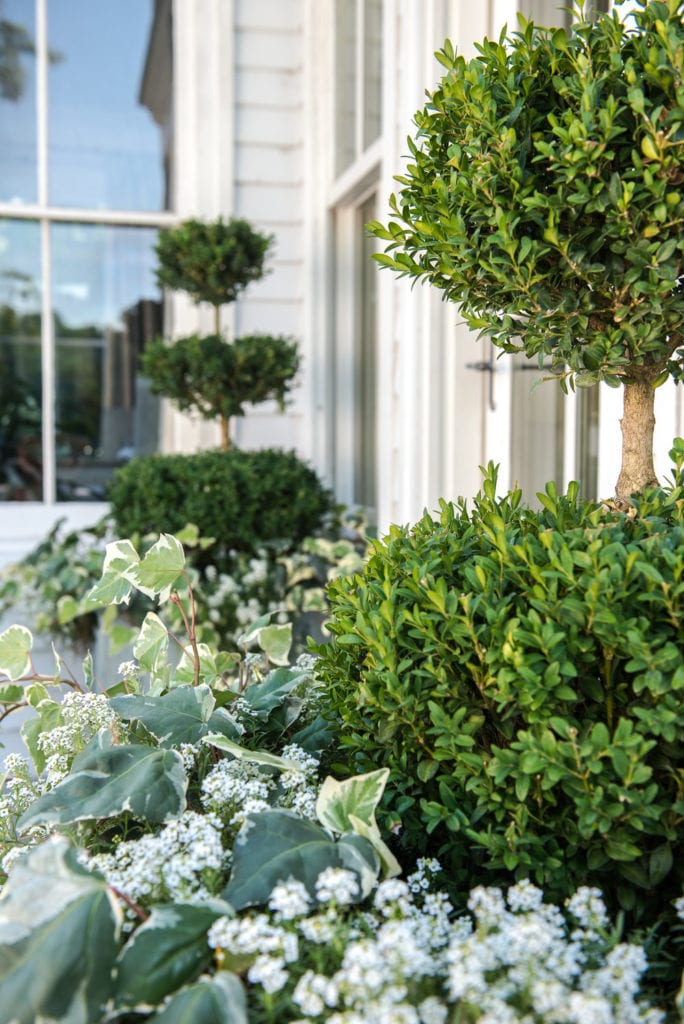
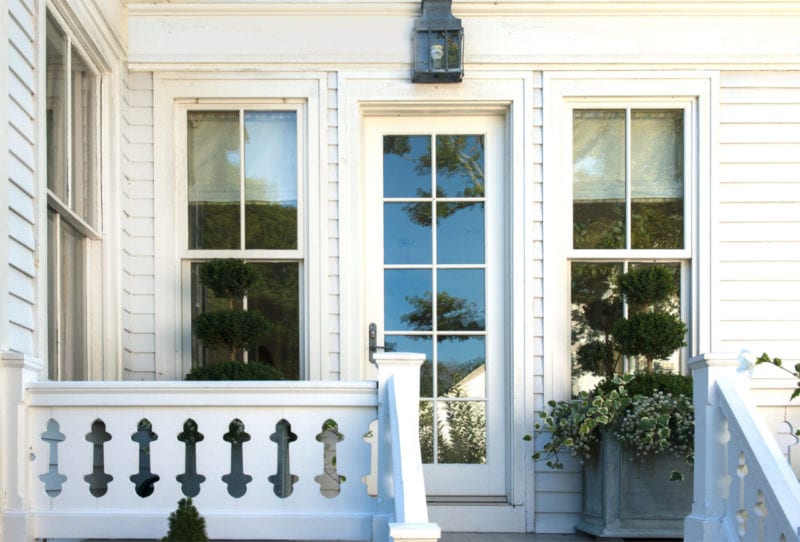
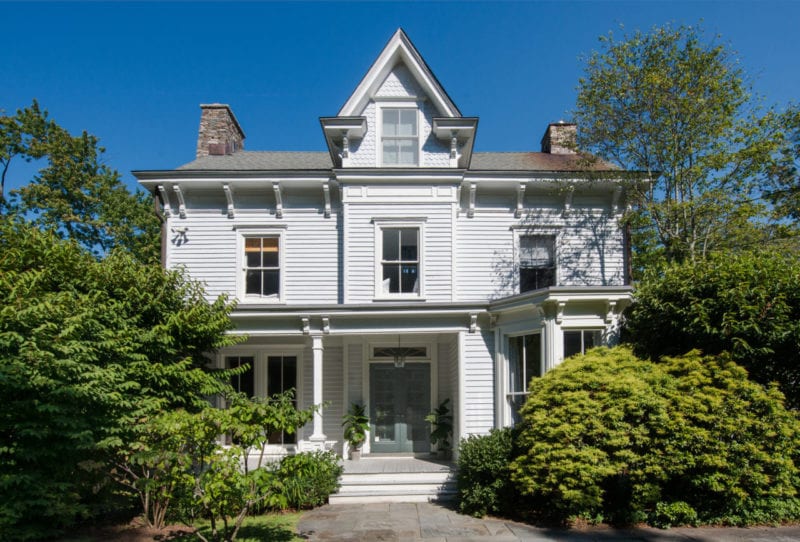
Images are from Brittany Bromley’s portfolio. This home has also been featured in Luxe. For additional inspiration, please follow @bittybromley on Instagram.

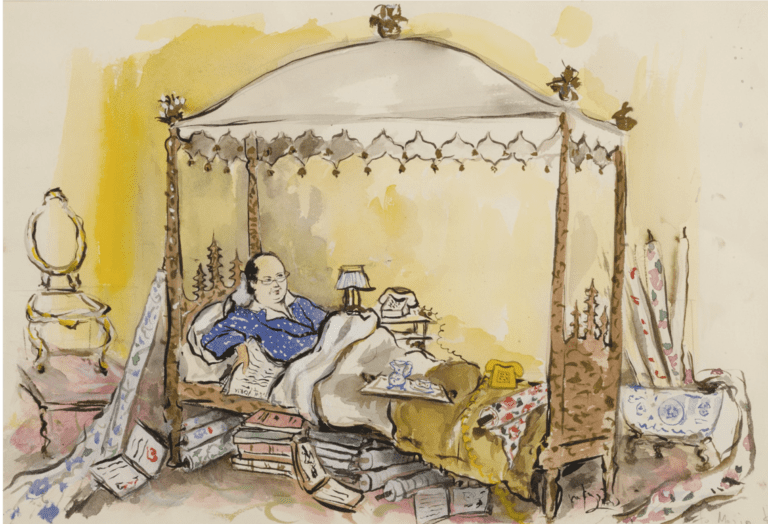
“Buattacon” – Mario’s Final Farewell
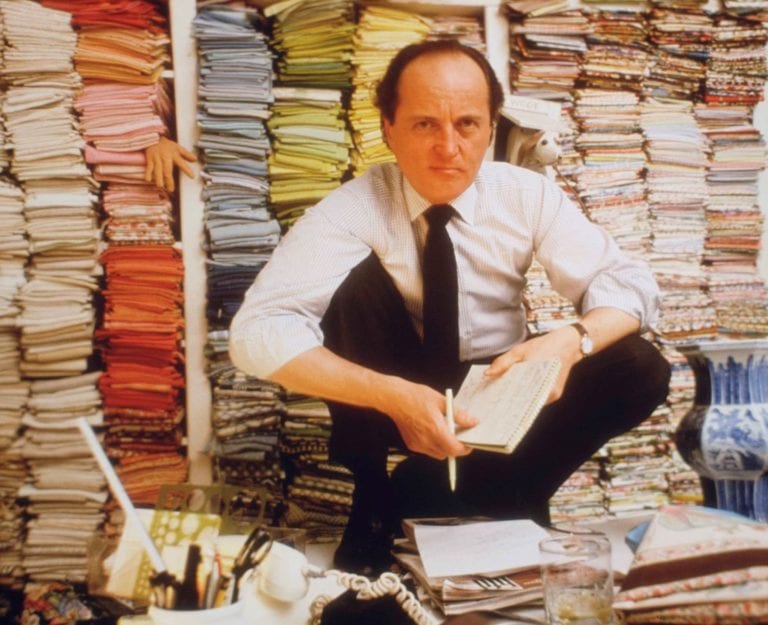
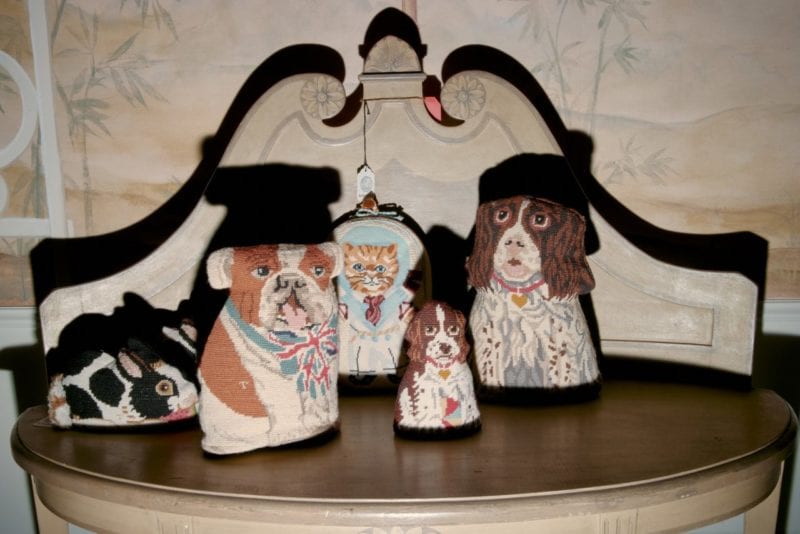
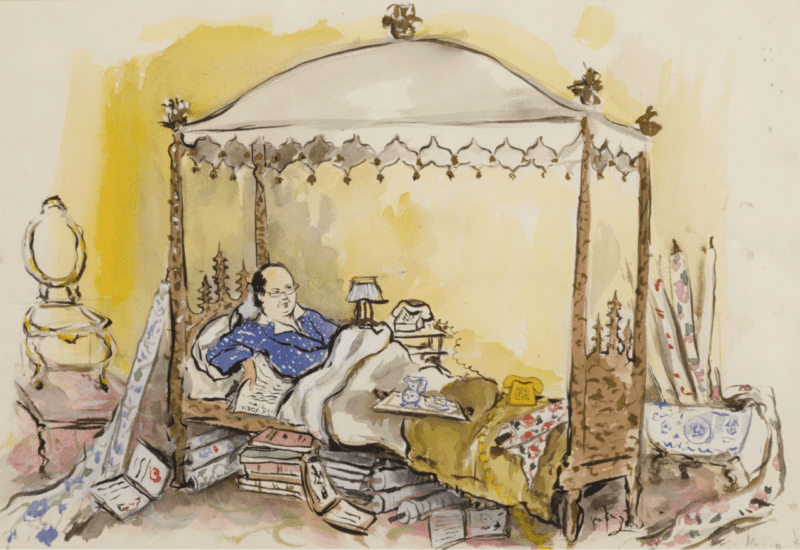
Last week’s Mario Buatta: Prince of Interiors auction at Sotheby’s was nothing short of a sensation that would have surely tickled pink The Prince of Chintz. His treasures exceeded Sotheby’s highest projected estimate by 2.5 times, bringing in $7.6 million! New York designer Nick Olsen dubbed the two-day event “Buattacon”… the Super Bowl of the chintz and china set (source). Decorators and admirers from across the globe fought to own a piece of Mario’s iconic collection of dog paintings, fine porcelain, 18th and 19th century antiques, and whimsical needlepoint pillows. Bidding became so fierce “It was blood sport,” said Christopher Spitzmiller, lamp designer and one of Mario’s dear friends (source).
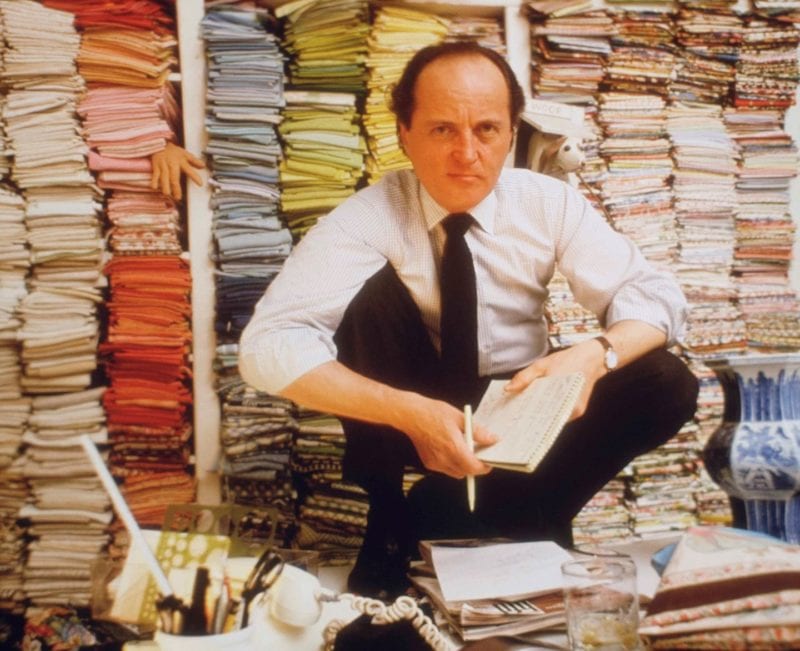
Mario loved publicity, and the buzz surrounding his auction could not have been greater if he had orchestrated it himself. In fact, according to House & Garden, after attending the spectacular Sotheby’s auction of Andy Warhol’s estate in the 80s, Buatta confided to a friend “I want an auction like this.” And that is precisely what he got! Just as the 1988 auction catapulted Warhol mania to new heights, the Buatta auction is ushering in a pendulum shift in interior design. After years of hinting at a return, traditional decor is officially back… pretty is back… color is back… and antiques are back!
“Everything Mario stood for is coming back in a big way,” says Whitney Robinson, Elle Decor’s editor in chief (source). “It’s the return of maximalism. It looks like the ’80s: bold decorating, brash colors, fearless design. Mario had a zest for life and for the profession of decorating. His happy, glamorous spirit really comes through in this auction.”
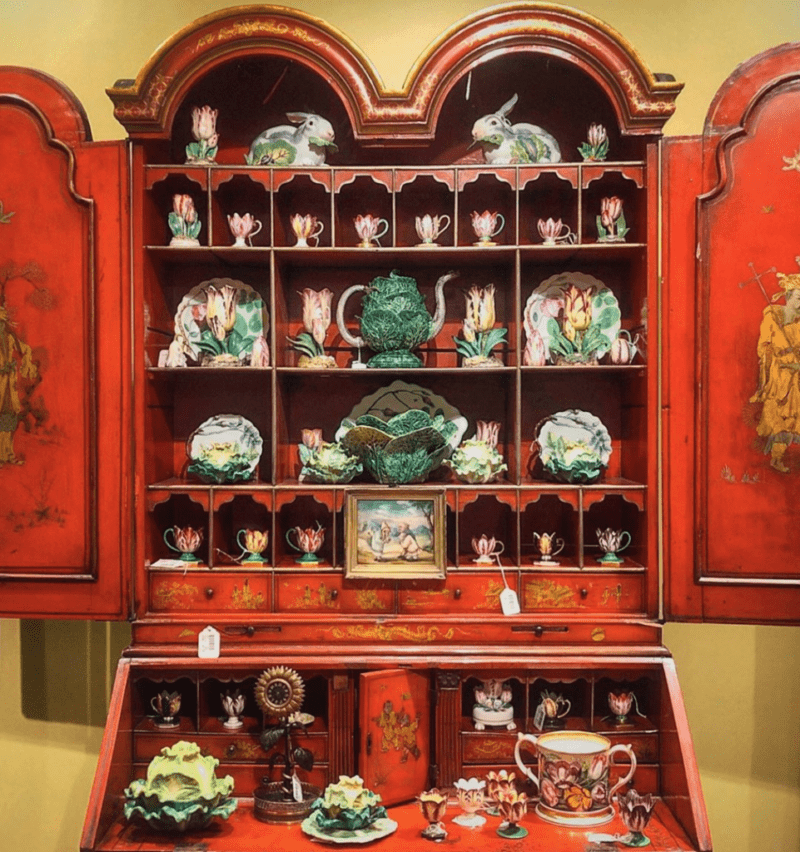
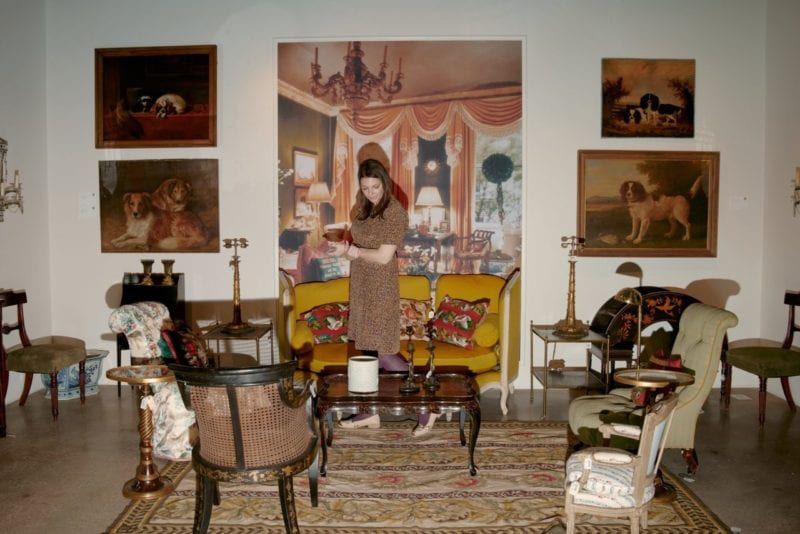
Furthermore, Mario Mania is catching on with an entirely new generation of admirers… The “Grandmillennials.” A term coined by Emma Bazilian of House Beautiful, Grandmillennials are identified as the mid-20s to late-30s generation, who “have an affinity for design trends considered by mainstream culture to be ‘stuffy’ or ‘outdated’ — Laura Ashley prints, ruffles, embroidered linens…” says the publication… and of course chintz, and needlepoint!
In a 2017 interview I conducted with Mario he told me, “Young people today have no reference. They don’t want Grandma’s furniture, they don’t want anything brown, they don’t want anything old. It’s weird, it’s very weird. I think it will come back, although not as big as it was like in the ’80s when everything was chintz, chintz, and more chintz.” Mario, you couldn’t have been more right! (Although we ARE starting to see chintz return in a big way!!) It seems only fitting that the man who “shook the world” of interior design would shake it up one last time by igniting a resurgence of the whimsical yet classic style he made famous decades ago. A most fitting final farewell!
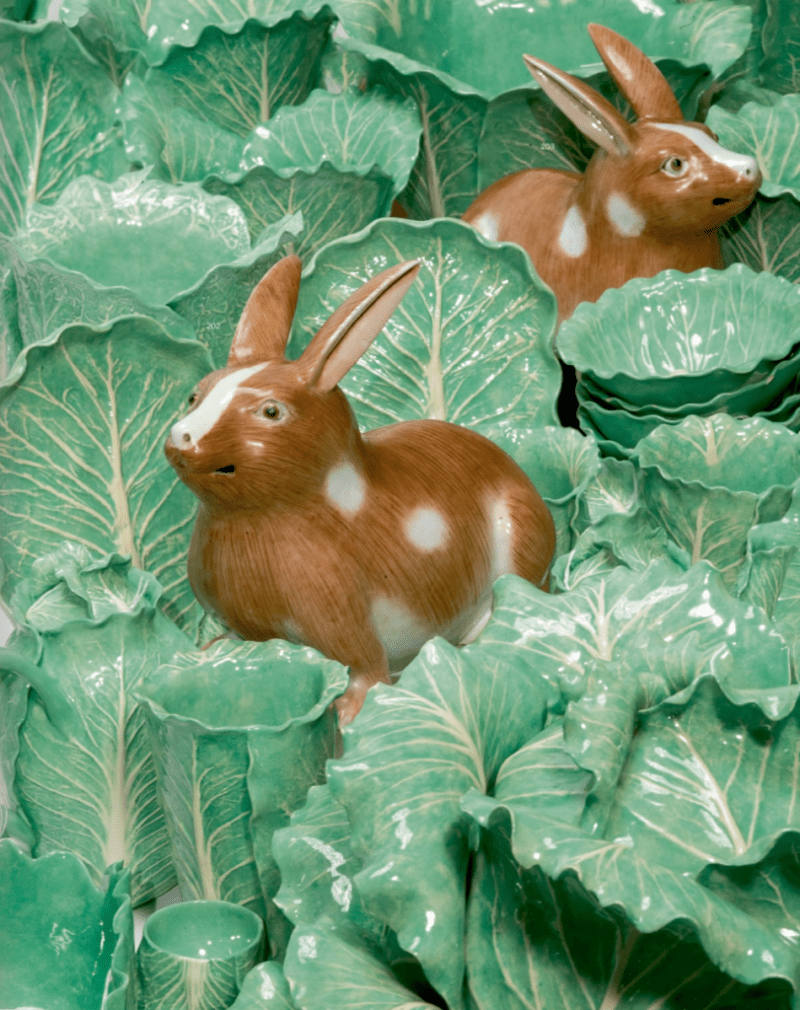

For further auction results and details on the sale (including special videos and features), please visit Sotheby’s. To read more about the historic Mario Buatta auction, please check out the following articles:
- Mario Buatta Auction Shatters Estimates for Chintz (The New York Times)… Luzanne and I are both quoted! 🙂
- Mario Buatta’s treasures bring in $7.6 million as Sotheby’s auction soars past sales estimates (Washington Post)
- Design royalty is all atwitter about the Prince of Chintz auction (Washington Post)
- The Death of Chintz (The New York Times)
- An auction of legendary American decorator Mario Buatta’s possessions opens at Sotheby’s New York
And stay tuned, because yesterday the Washington Post announced that on March 13 and 14 and April 23 and 24, Stair Galleries in Hudson, N.Y., will auction “The Collection of Mario Buatta”: 1,400 dog paintings, porcelains, painted furniture and botanical engravings that were not part of last week’s auction. For ongoing news and information, please follow @emily_evans_eerdmans and @mariobuatta on Instagram.
For a fascinating recap of Mario’s legendary style, you will want to read “Mario Buatta and the English House Style in America.” Guest writer Luzanne Otte provides a summary of the panel discussion hosted by Sotheby’s as part of the events surrounding his record breaking auction.

Mario Buatta’s Exclusive Decorative Painter, Haleh Atabeigi
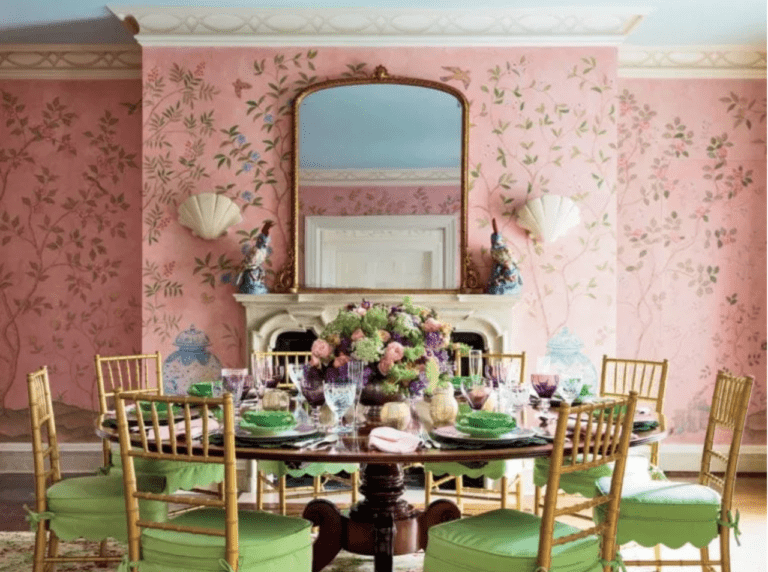
The highly anticipated Mario Buatta: Prince of Interiors sale begins at Sotheby’s tomorrow. In honor of The Prince of Chintz, I am delighted to welcome gust blogger Luzanne Otte today. Luzanne is a dear friend of Patricia Altschul, whose Mario Buatta-decorated home has been featured numerous times at The Glam Pad. Mario was renowned as a master colorist, and Luzanne recently had the opportunity to speak with Haleh Atabeigi, Mario’s exclusive decorative painter…. welcome Luzanne!

An interview with Haleh Atabeigi, by Luzanne Otte
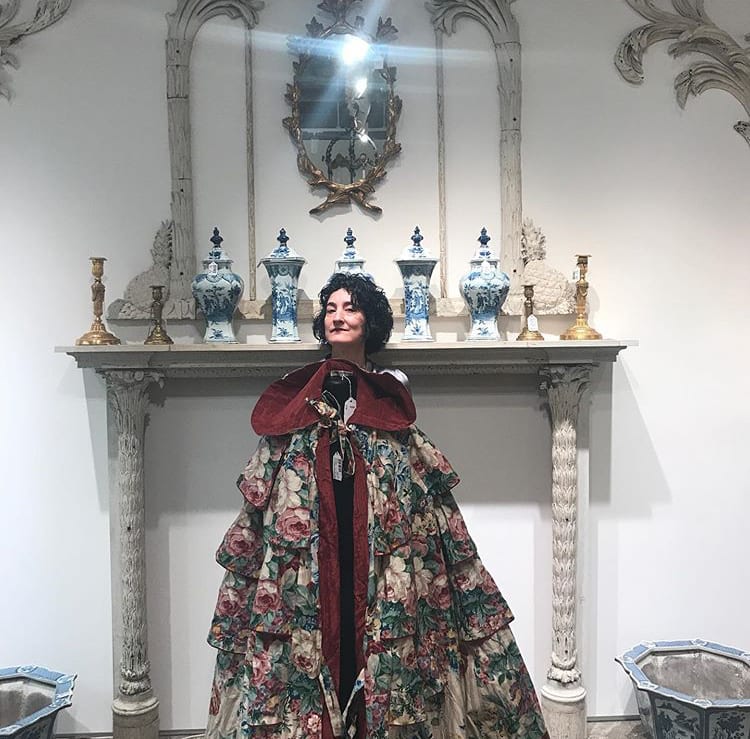
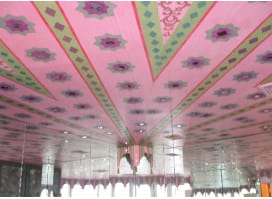
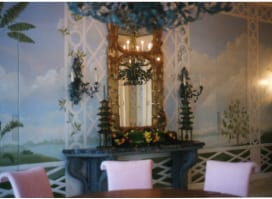
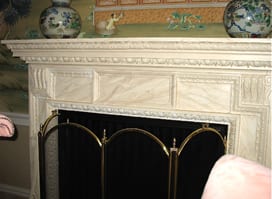
Trompe-l’oeil artist and muralist, Haleh Atabeigi, assumed the role of Mario Buatta’s exclusive decorative painter following the death of her renowned mentor, Robert Jackson. Atabeigi is versed in a variety of techniques and styles, but Chinoiserie and Pompeian are most dominant in the Buatta oeuvre. Her mastery of color and shadow create photorealistic faux finishes of natural surfaces and the illusion of architectural elements.
Buatta drew upon these painterly effects on ceilings, floors, and walls as a means of achieving various ends: to balance and distinguish a space in need of drama, to establish grandiosity without sacrificing warmth, to add subtle ornamentation to complement and enhance the architectural lines of a room. All ends animated by the guiding decorative principle of cultivating an atmosphere of humble elegance.
Today I sit down with the lovely and talented, Haleh Atabeigi, to discuss a wide-range of topics from personal to professional: her career as a decorative painter, DIY tips on painting a floor, the creative process with Buatta, clever personal anecdotes from their 25 year friendship, and the genesis of a tribute at the exhibition for this week’s Sotheby’s auction, Mario Buatta: Prince of Interiors.
Has being a New York City based decorative painter always been your career plan?
Yes, I think that’s accurate. I moved to NY from Washington DC in 1993. I felt like NYC was where I could flourish, it felt like home from the first day. I came determined, refusing help from my parents (in retrospect, why didn’t I let them help me a little so they wouldn’t worry?) I thought NY is a beast, it can take you in and take care of you, but it can also just as easily make it so hard you have to leave. I got lucky, the city was kind to me, I made a connection to Robert Jackson by what seemed like sheer luck, and the rest followed. I can say with certainty that I made a living all these years, solely with my paint brush.
I finished my degree at The University of MD, though I started at Savannah College of Art and Design, SCAD. I learned to paint formally, starting at age 12 in Tehran, Iran. My parents, ever-encouraging, seeing I painted all the time and needing more, enrolled me in a class taught by a renowned artist, Aydin Aghdashloo. All the other students were at least 10 years my senior, and I caught up with them quickly. A few years later we left after the revolution, long enough for me to have learned how to paint. Robert Jackson taught me the rest.
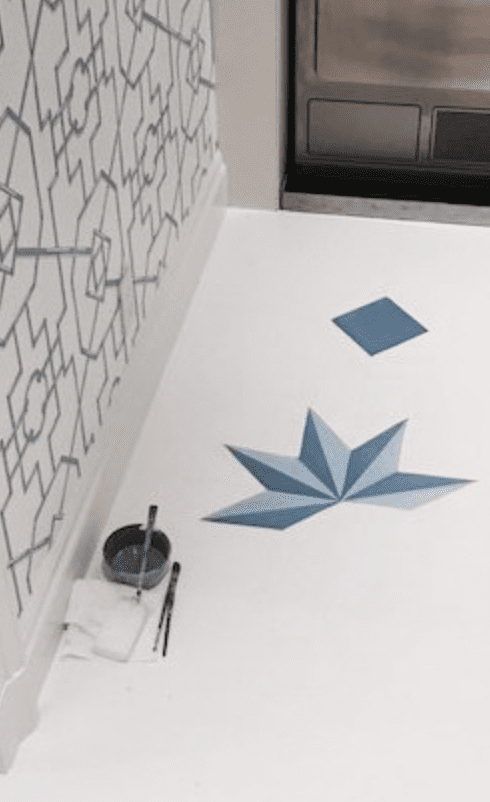
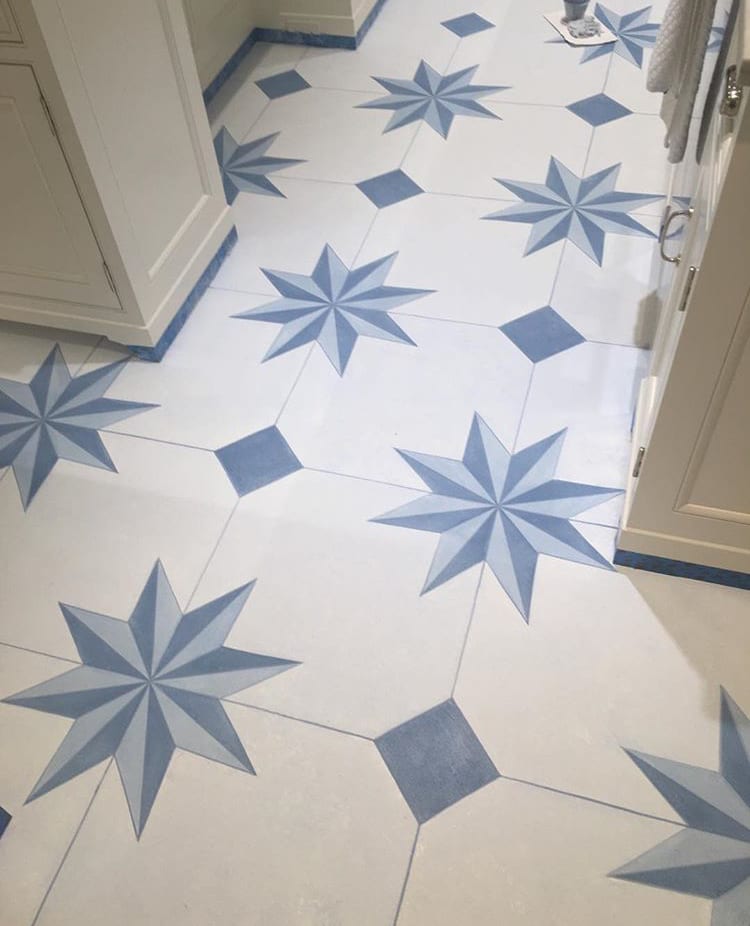
Is there a particular style or period of art from which you draw the most inspiration?
That is a great question for me to ponder. I cannot think of any specific artist or genre that I prefer over any other.
We are inherently inclined to look for what we find appealing, in everything we see. It could be a super melty part of a clock in a Dali, or the way the pendulum of a real clock moves. Beauty is everywhere, the conscious and constant pursuit of looking for it, makes for a lifetime of fun, and honing one’s eye. Eventually a sensibility is formed, and that makes it into my paintings.
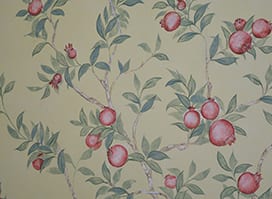
How did you first connect with Mario?
I connected with Mario through Robert Jackson in 1993. I was in my mid-twenties when I started working as Robert’s assistant. I began to take over for Robert around 2001 when he got ill and, sadly, too quickly passed away in 2003. From then on, Mario only hired me to paint. I learned so much from both those amazing men.
When I went to meet Robert for the first time, he asked me if I cook. I said, “yes,” and I think he hired me on the spot just as much for that, as that I could paint. I understood later how important the cooking question becomes when on the road for weeks together. I admit I found myself considering that criteria years later, when I hired assistants.
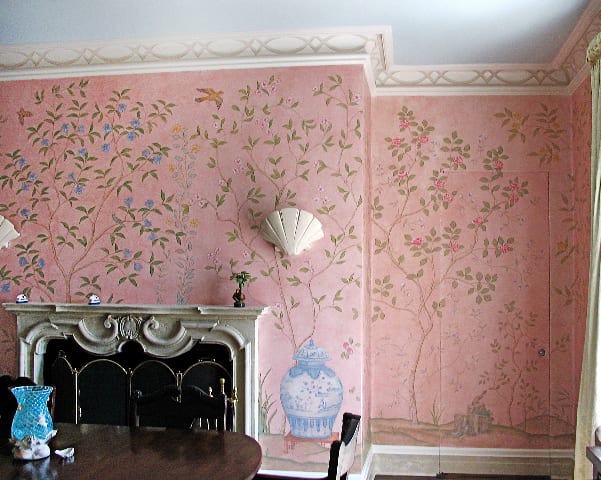
Oliver Messel was instrumental in developing Robert Jackson’s technique. Would you say Buatta and Jackson were your Messel?
I don’t know enough about Robert’s relationship with Messel to make a reasonable comparison, also I feel shy about having my name included in this grand list of influential people. I have not earned that.
I can say, however, that the influence of Robert and Mario on my life in every way is beyond measure. From them I learned an infinite number of things, the most important one – how to see – and those lessons inform everything I paint.
Robert said about marbleizing: “First it has to be pretty, then it has to look like marble.”
I realized while working with them, that it’s more important for a color to read a certain way, not simply be that on a color chip, even when you’re trying to match a wall color of a room you like. Color does not travel well. It behaves differently from space to space, and in the context of the objects around it. If someone matched the exact color of any of Mario’s glazes and painted it perfectly in someone else’s house, it would not feel the same. It would not do the exact same thing it did in the original room.
The mere fact of being hired by Buatta to continue after Jackson’s death would’ve been a tacit confidence builder. Did Mario contribute to your confidence as a young artist in more overt ways?
At some point in the beginning of my direct relationship with Mario, I confessed to him a moment of trepidation, whether or not I could do well what he was asking me to paint.
He said, “Honey child, you know what to do, just do it.” That sentence gave me the courage to paint, and started a close relationship that lasted till he passed away.
I realized I had free rein within the boundaries he would set, and that freedom let me add a twist that made the work personal, satisfying and challenging for me. With that balance, one ends up doing their best work. He pushed me and let me do the best work I could.
You were Mario’s exclusive decorative painter, but you didn’t work for him exclusively.
I didn’t cheat on Mario very much. He kept me busy, plus he was very clear that he did not want to share me. We didn’t have any kind of contract, but I never wanted to seek out anyone else to regularly work with.
It never ceases to amaze me how much loyalty Mario inspired. How many projects did you work with him on over your 25 year relationship?
That needs research and hard thinking. If we figure out how many projects he did, I’m guessing it would be about 90% of that, conservatively. There were not very many Mario projects without decorative painting, in one form or another. There is a lot where it’s meant not to be seen, for example, matching marbleized walls to real marble next to it, same with wood panels, hiding switch plates by painting them to match any surface to which they were attached, etc.
Did Mario always have a specific vision for color and design, informed by the client, that you executed or did you have significant creative input?
We had a language between us that worked. This is funny: more than once a painter or a carpenter or someone from another trade than mine, someone who had just met Mario that week, would ask me to translate Mario’s instructions for them, and were surprised how far the words were from what Mario had said, to what he wanted.
Mario’s instructions came in seemingly vague forms that I would begin to decipher until I zeroed in on the feel of it, the visual automatically follows that and it paints itself.
As the years went on there were fewer and fewer questions to clarify his instructions, and he let me take more liberties. When I mixed a color for him, always on site, he described how it should feel as well as the general hue, and fabric swatches to consider but never match. That would be “too mitchy matchy,”which I understood would lead to the next big sin of being “too decoratory.”
Mario somehow had an amazing ability to see the room finished the moment he laid eyes on it. The time it took to extract from him what color or anything this vision was as it pertained to things for me to paint, varied. He sometimes came prepared with an actual piece of fabric with a color to see, sometimes nothing. This was not because he didn’t know what he wanted, he just didn’t bring tangible evidence, so he would just tell me what he saw happening.
Part of my job was to marry the client’s ideas seamlessly into Mario’s vision, though with deference to Mario. We would begin our process and, as the job went on, we sought approval from the client periodically and made adjustments to accommodate their input. He didn’t make pretty rooms and then import the client’s personality into it, he started with the client and built the room around them.
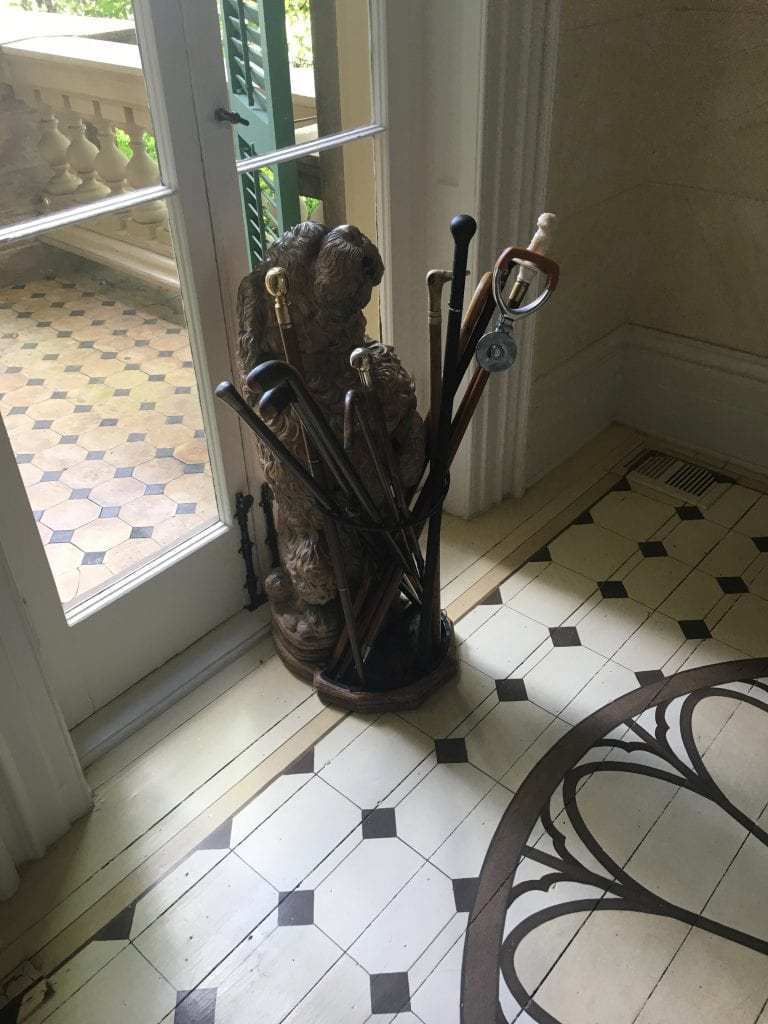
While I’ve been in many homes that feature your work, the one I know best is from the home of one of my mentors, Patricia Altschul. Within 5 seconds of my first visit to the Isaac Jenkins Mikell House, I noted the seamless transition between the piazza’s exterior Minton tiles and your interior design. It encapsulates Mario’s vision of bringing the outside in. Was it a given to continue the pattern inside?
We decided every space that lead to the main entry separately, usually when I got to that part and needed to know what to paint.
The instructions for that area were: “Go look outside and call me back”. “OK, so make it like that but not the same”. For the middle: “Think of a central design, big floret, but not round. I want a skinny flower. Make it big, I want to be able to see it from the other side of the hallway.” This is not verbatim, but very close. I remember totally getting what he meant: Nothing can be inelegant in this house.
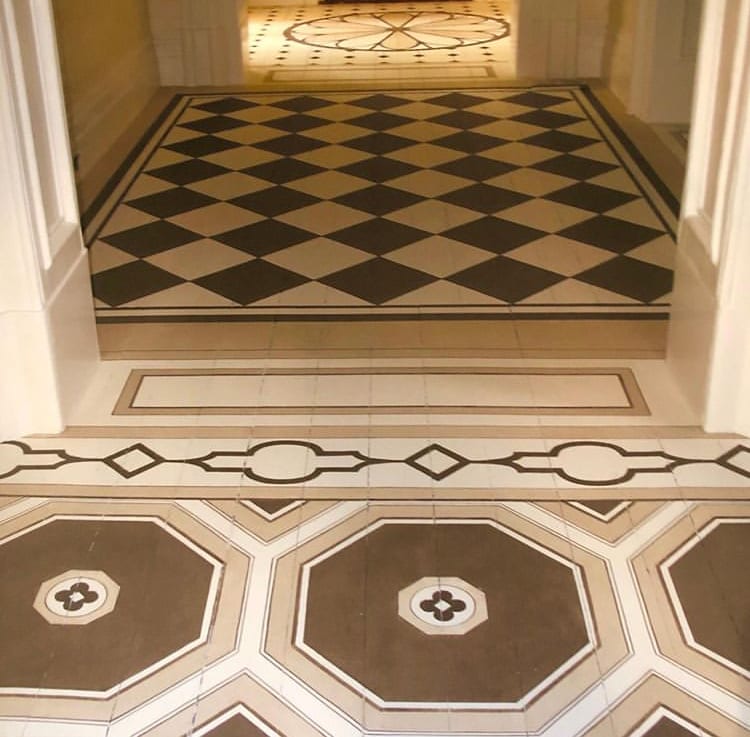
I’m beginning to understand why Mario didn’t have assistants for the last 15 years of his career. Being accustomed to working with individuals who are fluent in Buatta and could intuit instructions, likely wouldn’t leave much patience for teaching newcomers his lexicon. For a fastidious personality such as Mario’s, it would be far easier to manage tasks directly rather than communicate precisely how he wants them done to a newcomer.
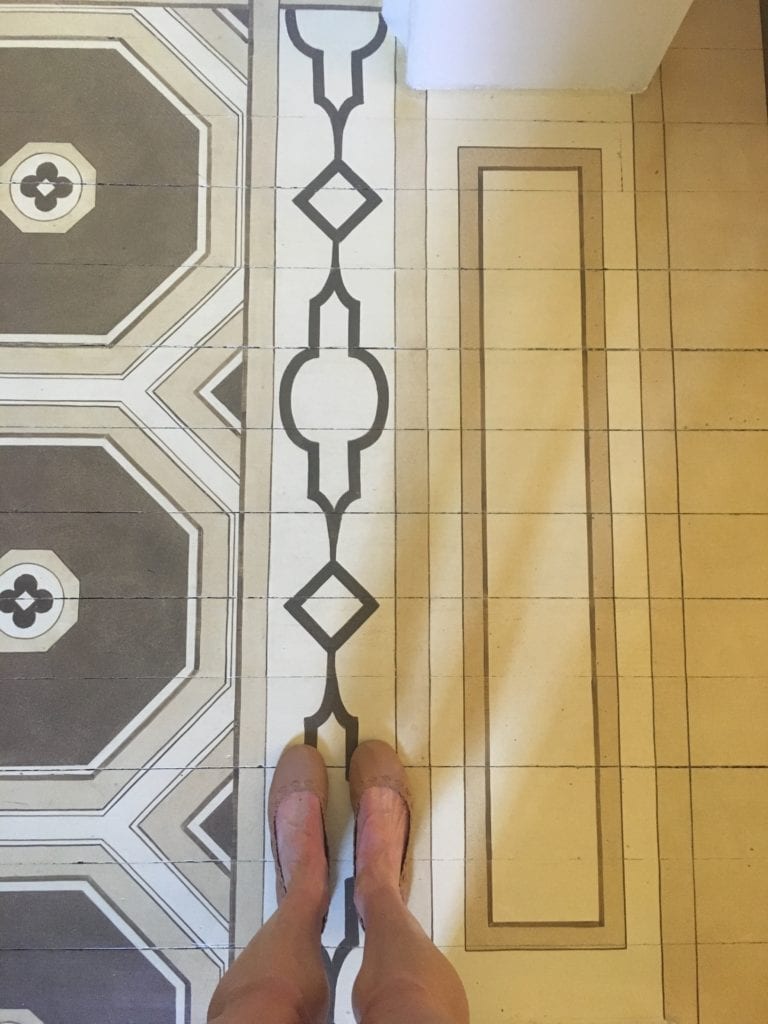
Yet I digress, back to the Isaac Jenkins Mikell House. To brighten the dark entrance hall, you selected a Victorian octagonal tile pattern with quatrefoil motif. Is this an Atabeigi-Buatta hallmark or an original design? If the latter, please walk us through the creative process of how this design comes into being.
I think at this point it has become a hallmark, for sure. It started with Mario and Mrs. Altschul’s idea to do something inspired by The Roper House in Charleston, which Robert Jackson had painted in beautiful faux inlay octagons. I don’t remember if it was Mario or Mrs. A, I think it was Mrs. A, who pointed out a dark faux inlay floor like the Roper House was not feminine enough, and just plain too dark.
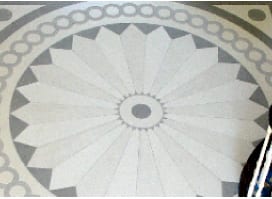
Mario kept the original idea, and turned it into a painted floor, in colors we mixed on site as we went on. I then designed the octagons to fit into the space, showed Mario what scale it had to be to fit, he approved it and I laid out the octagons, then embellished them with the stripes and florets and a million hand painted skinny outlines till it looked sharp, pretty, and finished. We needed a border design, Mario drew it with his finger in the air, “you know, one of these,” and I made it a size that fit. I studied a little too much math to be cool through high school, but now it helps a lot.
It sounds so casual now, but it was not. It had to be exactly what would make Mario happy, not one line different than what he wanted to see.
Is there any one project you worked on with Mario of which you’re most proud?
The Isaac Jenkins Mikell House is certainly one. Maybe because designing and adapting an idea for these floors took some focus, the calculation was extreme fun, and the dynamic way Mario worked; designing as we went, plus the fact that Mrs. A knows what she likes and does it with certainty, made it pleasant and memorable.
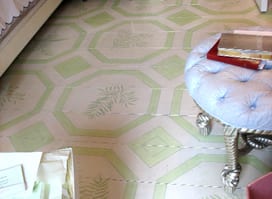
As painted floors go, there’s also one I did in Houston TX that was never published, one of my top floor favorites. It’s an extrapolation of a Robert Adam floor in light hues of gray.
Then there are the murals, all kinds of paintings, I really can’t find a favorite project, each of them makes me proud in their own way.
Given my bias toward the Isaac Jenkins Mikell house, it pleases me to know it’s at the top of the list! From the bright patterned floors in the foyer to the faux finished stone walls in the stair hall, tromp l‘œil ribbons in the master bathroom to striped bouillotte lampshades, your artistry pervades and permeates the home. Is there a particular object or area you enjoy painting most, in general?
The Isaac Mikell house is special to me, everything about working there was a pleasure. The work itself, Mario’s enjoyment of working on it with Mrs. A. made it progress at a pace that was as much about the journey than the result, with Michael somehow making sure everything ran smoothly and everyone had what they needed, before they even knew they needed it.
I do have my secret pleasure with a new series I started to make last year in my studio. I’m making plaster sculptures, on which I paint a painting. All the work I’ve done in the past 20 years or so was done on a hard surface. I could not bring myself to paint on a canvas that moves when I put a brush on it, so I solved that by making my own surface.
Everything I painted for Mario is so site specific, and they each have their own personality. I think painted floors are usually successful, and I enjoy nerding out on the math, while my eye decides scale and proportion.
Painting murals is a different pleasure, the simple joy of painting pretty things, is accompanied by the fear and concentration necessary in designing a whole room for Mario Buatta.
There are the hidden things painted that I mentioned before. They are also fun to do, there’s an aspect of a practical joke in it every time someone realizes that those knots you see on the stained wood crown molding, are not real. You can’t carve wood with the knots in.
It was not unusual for Mario to tell me very little about what he wanted me to paint, I just got on a plane with supplies to cover any possibility and painted anything he came up with.
It interests me to know what those who create such arresting interiors for others choose in their own homes. Edith Wharton decried wallpaper unsanitary and inferior, yet fragments of it abound in secondary spaces in her home. Mario decorated flawless interiors with nary an objet out of place, but self-identified as “the original hoarder.” Are you another paradoxical creature, or is your home reflective of the interiors you create for clients?
Only about three years ago I finally painted something in our own home, in Hudson NY, where we spend time away from NYC, and I have a bigger studio.
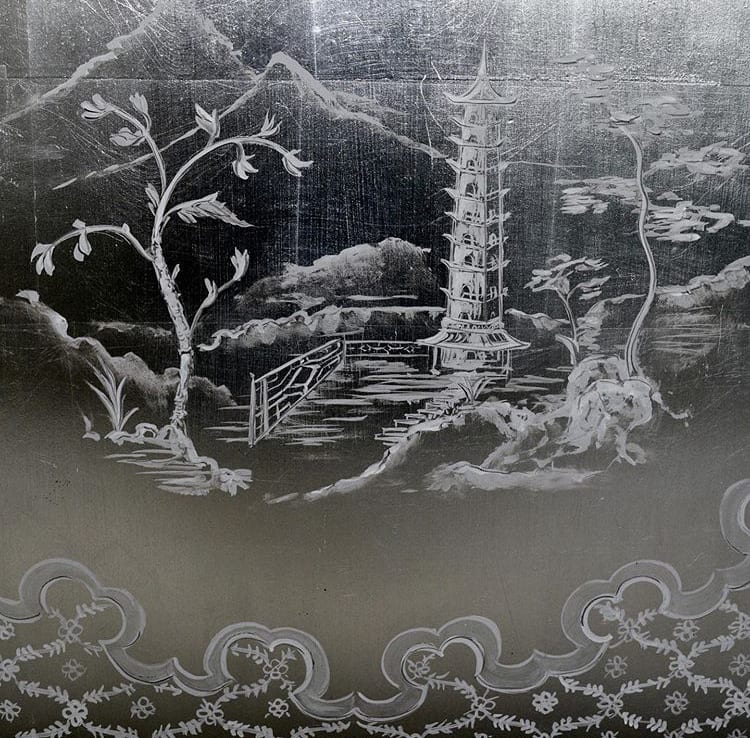
This gives me a chance to fess up: I made up a painted version of Mrs. A’s living room wallpaper in Manhattan, a silver I always had adored. I divided the wall in large rectangles to be reminiscent of silver leaf and glazed it to look more natural.
It’s a small dining room, but I used what I learned from Mario: If you put large things in a small room, it makes the room bigger not smaller. The result is very traditional, done in a more contemporary way. It goes well with this very strange and pretty Benjamin Moore pink that both Louie and I were attracted to right away. It’s called “Monticello Rose”. It has the ability to stand in for any kind of pink you want it to be. It’s dark, as much as pink can be allowed to be. A chameleon of colors.
These phrases come to mind: “The cobbler’s son has no shoes”; “The potter drinks from a broken cup.”
Also the funniest one of all by Mario Buatta. I honestly cannot remember who asked, someone asked me in Mario’s presence if I’ve done any decorative painting in my home. Before I had a chance to say anything, Mario jumped in with this: “you think she wants to see this when she goes home? Are you crazy? Of course she doesn’t.” Then he turned to me, we continued working out whatever we were doing, making the funniest show of cutting off the interruption.
Having spent so much time together, it sounds as though you developed an intimacy and special rapport.
My relationship with Mario was close, sweet and quiet when it was just us. We traveled together, lived together, I’d sometimes cook breakfast lunch and dinner for us on our trips, and make him rest when no one was around. “I want my baked potato burnt to a crisp!” he’d say
Me: “I’m on the scaffold, don’t worry they’re in the oven already.”
The days were often tense and hectic and we worked very hard. He was one of the hardest working people I’ve ever met. He obsessed, and so did I with him. We talked about the work in spurts over dinner, but not in urgent tones, and in small intervals in the middle of talking about anything and everything.
When you miss Mario, is there a particular memory you return to that helps put a smile on your face?
There are so many….
For almost everything I do, there’s a Mario sentence that makes me chuckle. There was the one time where Mario asked me to paint the crown molding “real quick.” There was a beautiful Cezanne on the wall, I’d have to paint above it. I told him I won’t do it, and he can’t make me. I really did. He joked loudly for everyone to hear: “you don’t have to move the Cezanne, just don’t drip on it.” A few minutes later he made our lovely client help him take it off the wall. She did it in high heels and gracefully, I might add.
He never intended on me painting with the Cezanne. It was his way of fixing it, getting his crown molding “real quick,” all with ease and humor. Now every time I’m about to put myself in a dangerous drip situation, I think of that and laugh.
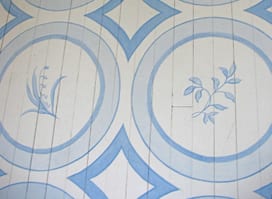
Speaking of dangerous drip, should a reader desire to paint their floors, have you a recommended resource on how to get started and common pitfalls?
The prep is fairly simple. It needs to end up with a nice coat of preferably Alkyd based white paint. Benjamin Moore “Super White” is the color everything I’ve painted on starts with. Semi Gloss latex is the next best thing, though it does not produce the same translucency after being painted, and it’s harder to make pretty.
There’s a surprisingly simple mistake I’ve seen made, and that is not applying a coat of primer before painting. Sometimes depending on the surface, the paint keeps on getting soaked in forever, and the color gets boring as time goes by.
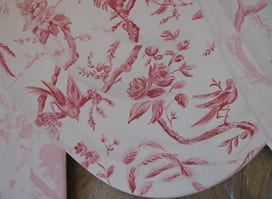
Relatedly, how are the painted floors best cleaned and maintained to preserve ornamentation?
Soap and water is best, nothing gritty that has scrubbing bits in it, it dulls the surface. If there’s a floor that gets damaged by a leak or something, it gets complicated, then they should just call me.
I usually put three coats of hard floor varnish on it, the products are getting better all the time. I like Bona floor products, they make a floor cleaner as well, which I confess I’ve never tried, I’m usually gone by the time it needs cleaning. But the varnish is great.
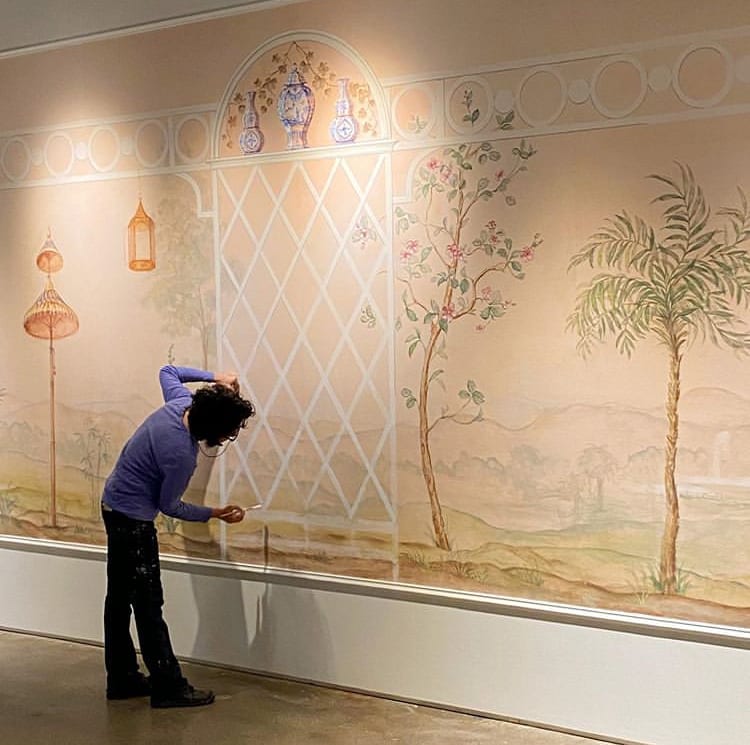
In homage to Mario, you’re painting a mural for the display at the upcoming Sotheby’s auction. Is there special meaning behind the medium or subject matter you’ve chosen?
First, I’m so grateful to Emily [Evans-Eerdmans], Rush Jenkins of WJR Design, and Dennis Harrington of Sotheby’s for getting behind the idea of allowing me to contribute to Mario’s last stage.
The idea began with Rush’s thought to start by looking to Mario’s Kips Bay show house at the Time Warner building for inspiration. Robert Jackson had painted the original, I had assisted him and remember how it felt being there, and the color palette that Robert used.
Collaborating with WRJ Design, we took some elements from that room and made a design that made up for eliminating the door in the original room. I decided to canvas the wall, Mario liked canvased walls and often did not get to do it. I used elements and methods from Robert’s Kips Bay mural, added a few things I made up on the spot that I liked for it, and left it airy and minimal. WRJ was very gracious in letting me do what I thought was pretty, and started me off in an excellent direction, with the idea of painting an insinuation of the Kips Bay room.
It was a surreal experience painting in Mario’s absence, but with very cool large photos of his face going up all around me, as they started to be installed. One day his photo looked a little vexed, I painted an open empty bird cage that day for him having flown away, I thought he looked happier.
To me it’s an homage both to Robert and Mario. Mario only ever used two decorative painters regularly and loyally in the major part of his career, Robert and me. I miss both Mario and Robert dearly.
I just finished and am looking forward to seeing it with all of Mario’s beautiful objects.
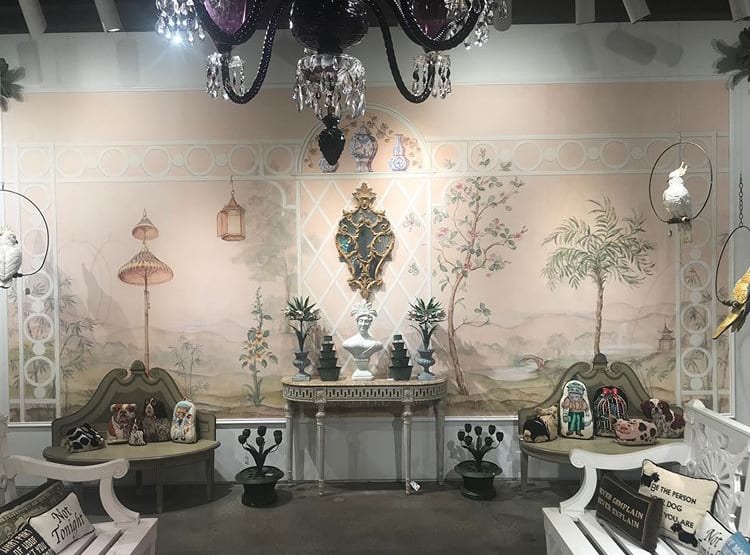
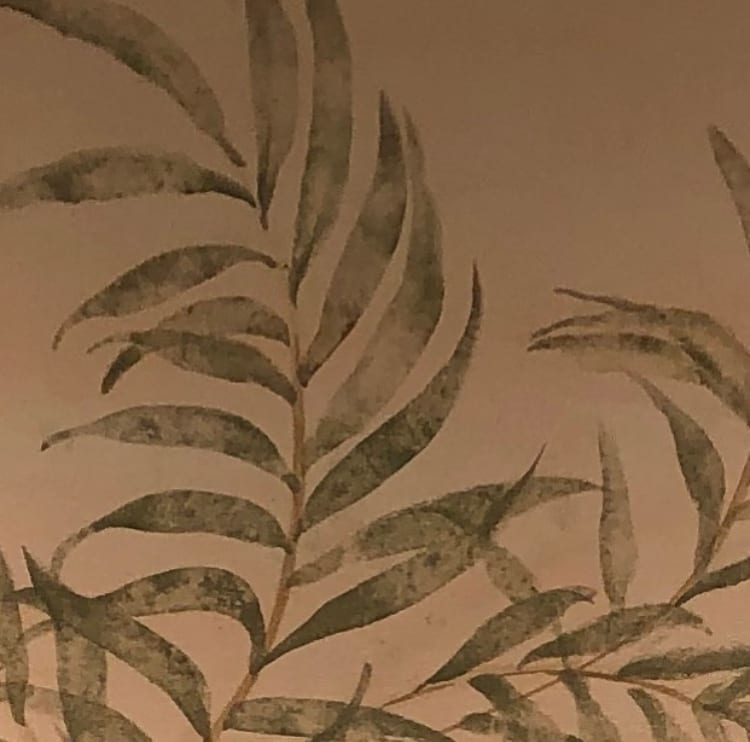
Visitors may view Haleh’s tribute and the 922 lots for sale in Mario Buatta: Prince of Interiors auction through January 22nd. The auction takes place on January 23-24, 2020.
Stay tuned, as next week Luzanne will return to The Glam Pad with a recap of Sotheby’s recent panel discussion on Mario Buatta and The English Country House Style in America featuring Michael Diaz-Griffith, Charlotte Moss, Jane Churchill and Emily Evans Eerdmans.
For more guest posts from Luzanne Otte, please visit the links below… Luzanne also writes for Town & Country.
- INSIDER SECRETS FROM PATRICIA ALTSCHUL’S HOUSEGUEST
- THE HISTORY OF SILHOUETTES AND AN INTERVIEW WITH PATRICIA ALTSCHUL ABOUT HER COLLECTION
- THE INSIDE SCOOP FROM PATRICIA ALTSCHUL’S BUTLER, MICHAEL KELCOURSE
- PATRICIA ALTSCHUL DISHES ABOUT HER FAVORITE TABLE LINENS
- THE MAGIC OF MARIO: THE LIFE AND LEGEND OF MARIO BUATTA
- HOW TO LIVE AN ELEGANT LIFE: PATRICIA ALTSCHUL SHARES HER SECRETS
- THE HISTORY OF SILHOUETTES AND AN INTERVIEW WITH PATRICIA ALTSCHUL ABOUT HER COLLECTION