


Five New Must-Have Books for Spring

Ever since I was a little girl, I have been passionate about reading and books. These days, I mostly read interior design books, and I have been a busy bee this spring pouring through some fabulous new releases. Five of my favorites are featured below:
- Decorating on the Waterfront, by Carleton Varney
- How they Decorated: Inspiration from Great Women of the Twentieth Century, by P. Gaye Tapp
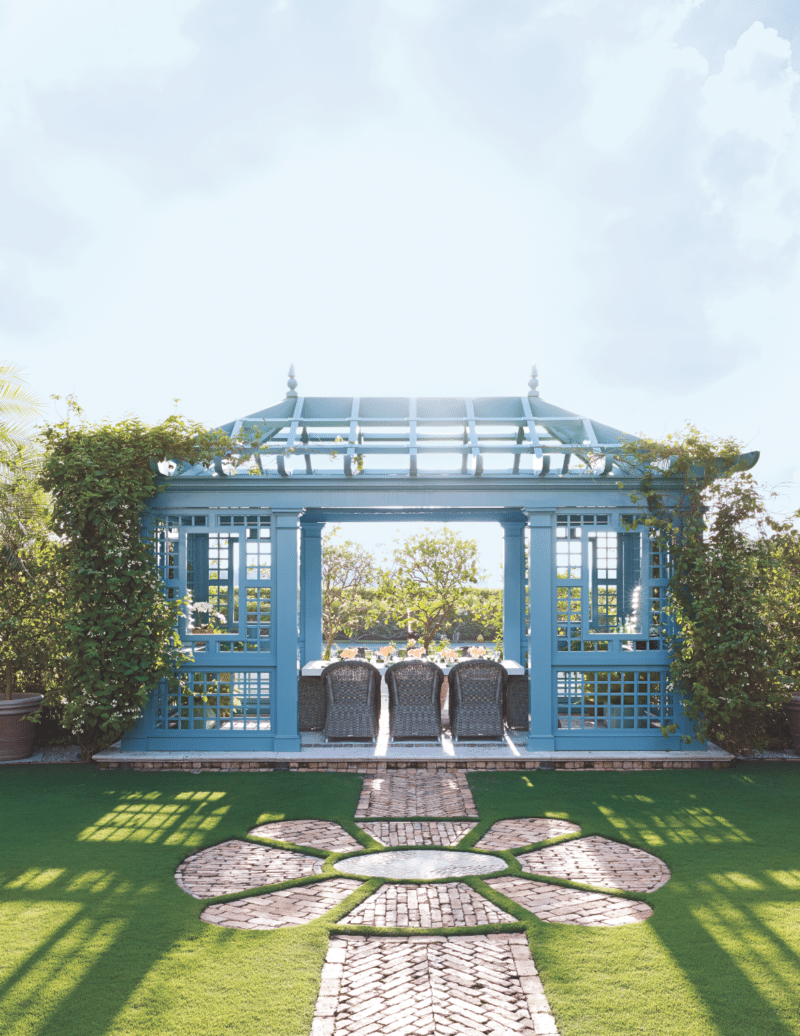
- Veranda Entertaining, by Clinton Smith
- The Art of Southern Charm, by Patricia Altschul
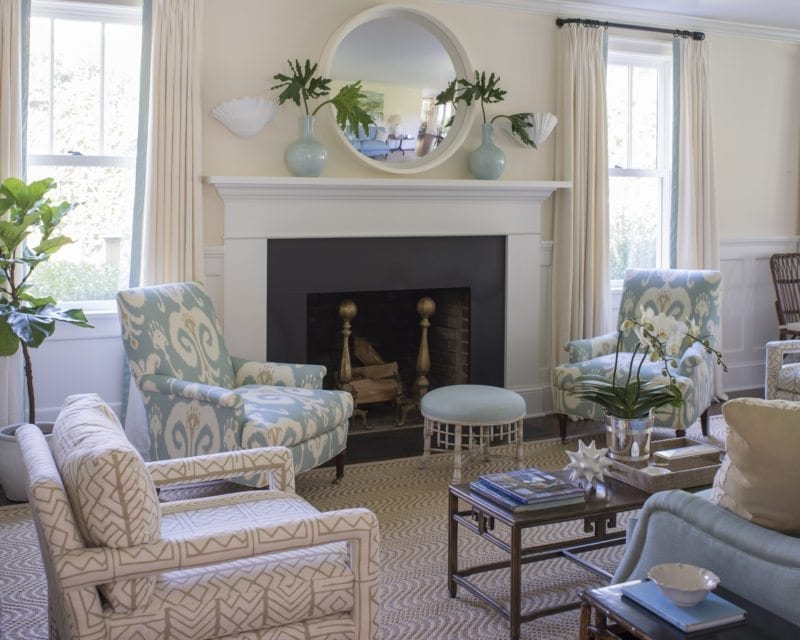
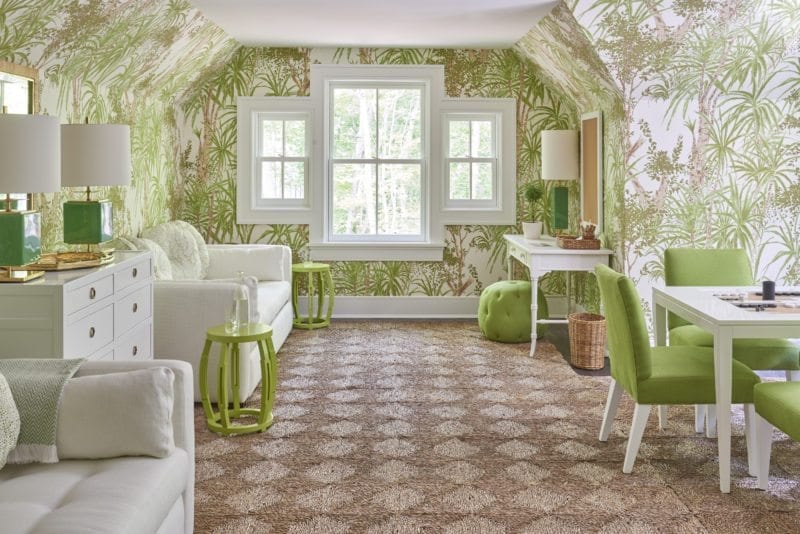
- The Decorated Home: Living with Style and Joy, by Meg Braff

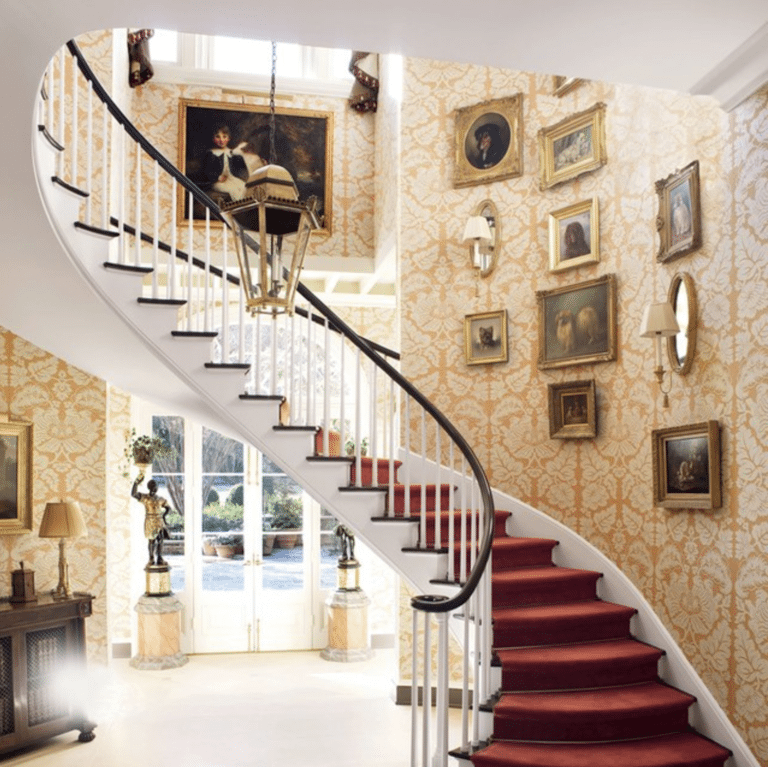
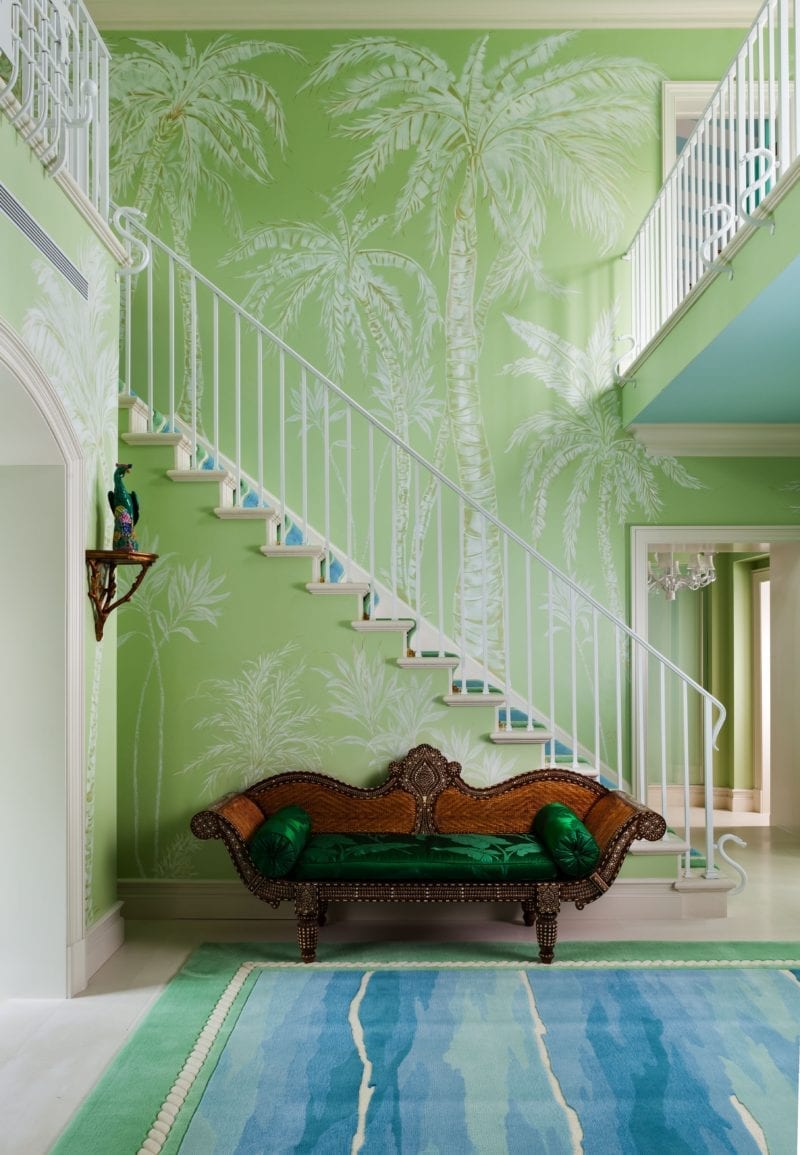
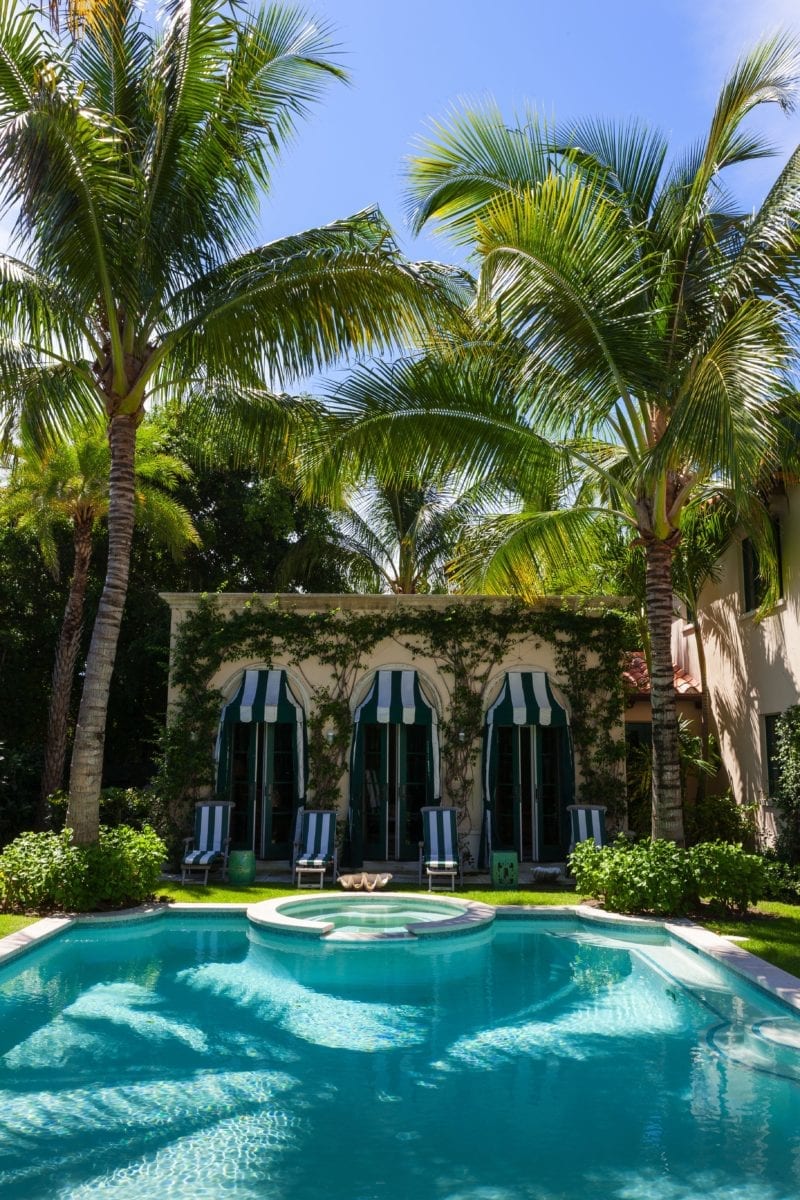
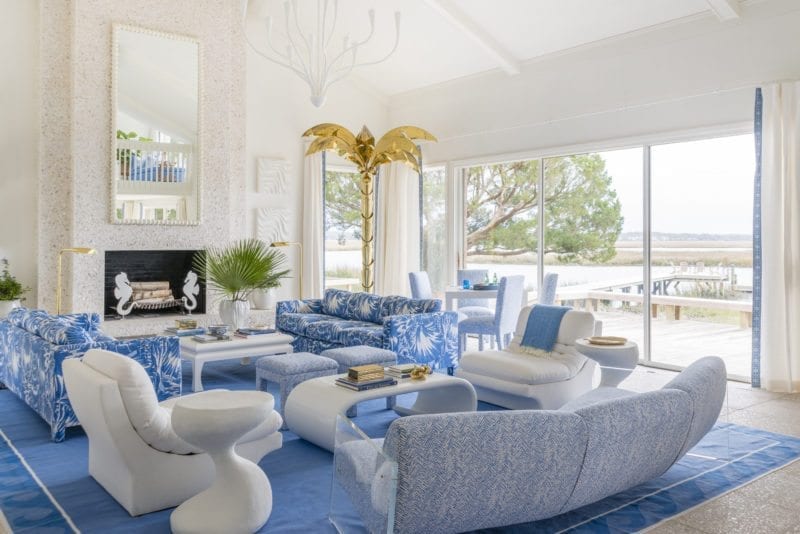
Carleton Varney has been named one of Architectural Digest’s “Deans of Design” and he has authored over 30 books during his celebrated career. He is a legend, and his work inspires me every day! Known as “Mr. Color” for his bold use of bright colors and prints, Carleton also has a traditional side… he is truly the master. Carleton grew up on the Massachusetts coast, where his love for the waterfront began, and he now lives in Palm Beach. His latest book, Decorating on the Waterfront, showcases homes never published before for clients on waterfronts from the Caribbean islands to Palm Beach, Florida, to the shores of Lake Huron, Michigan and Lake Arrowhead, California. This book is a must for any interior design enthusiast and Carleton Varney fan! Pre-order now.
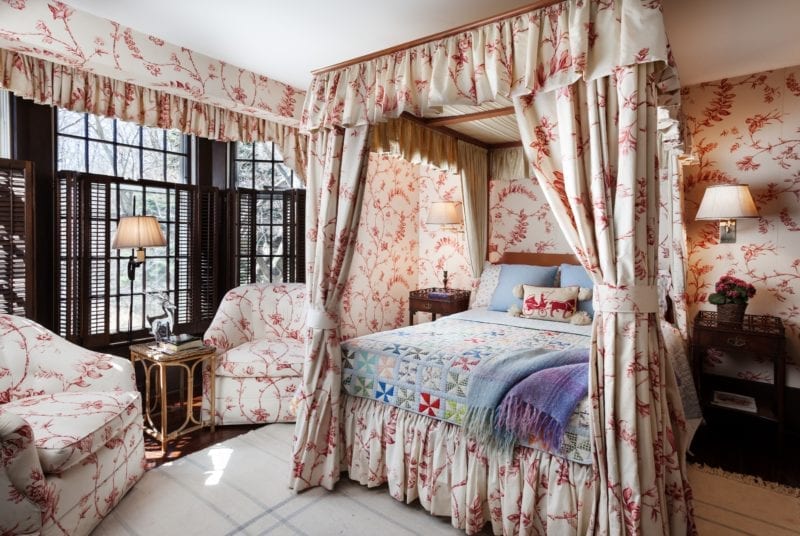
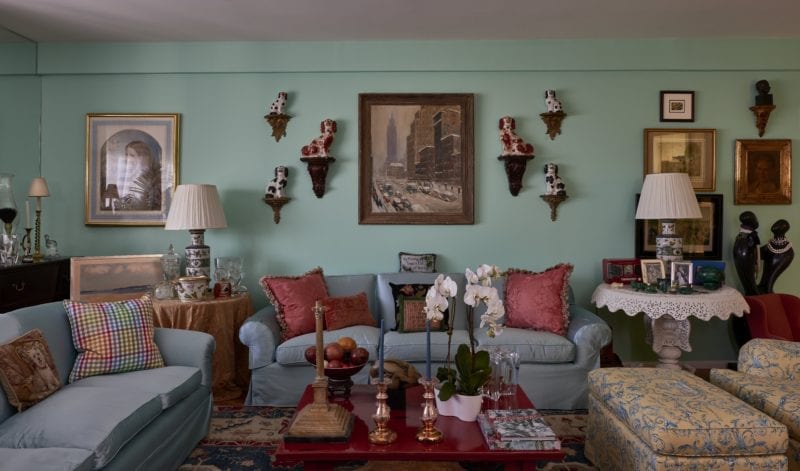
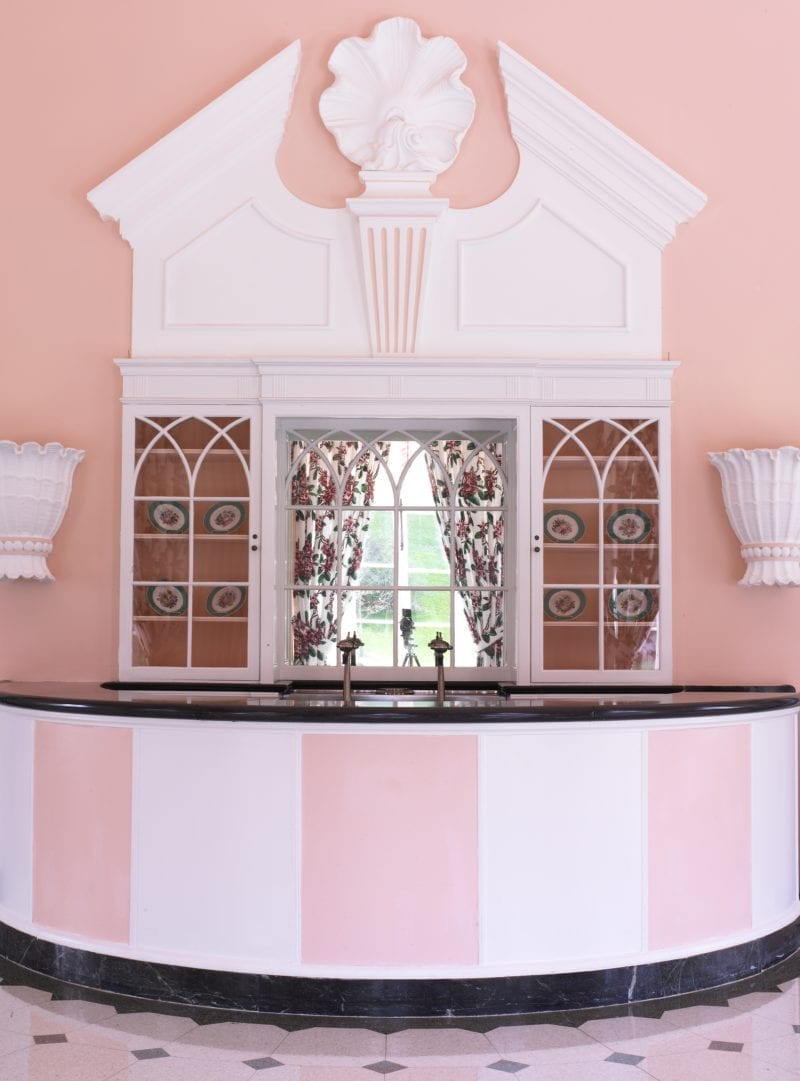

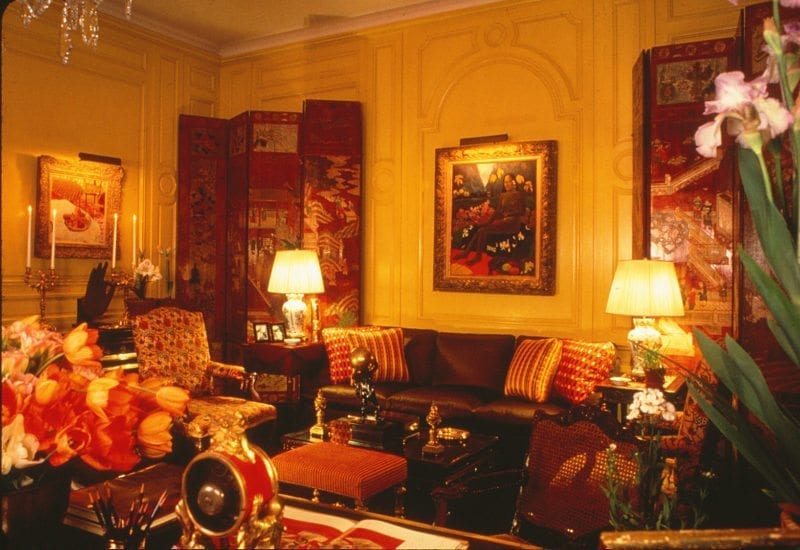
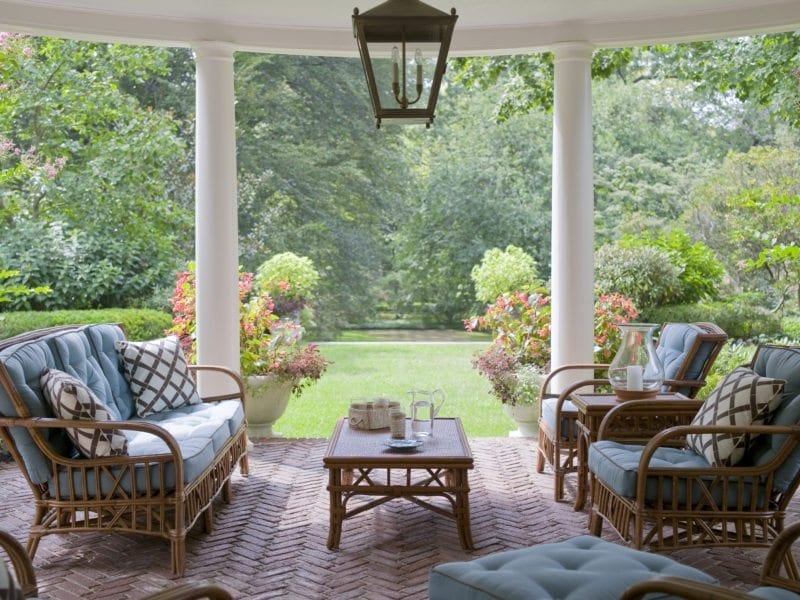
Charlotte Moss writes in her foreword, “In How they Decorated Gaye Tapp promises a volume that will be constantly referred to – a must-have for every library of style and design, and one that will show its own signs of love from constant use over time.” Gaye analyzes the refined ways and je ne sais quoi of 16 fascinating and elegant women – including Bunny Mellon, Babe Paley, Elsa Schiaparelli, Fleur Cowles, Pauline de Rothschild, and Evangeline Bruce – describing the aesthetic approaches they took in decorating their homes. I have always been tremendously inspired by the past and the history of interior design, and this book provides a fascinating glimpse inside significant residences belonging to the twentieth century’s leading tastemakers. I have not been able to put it down!

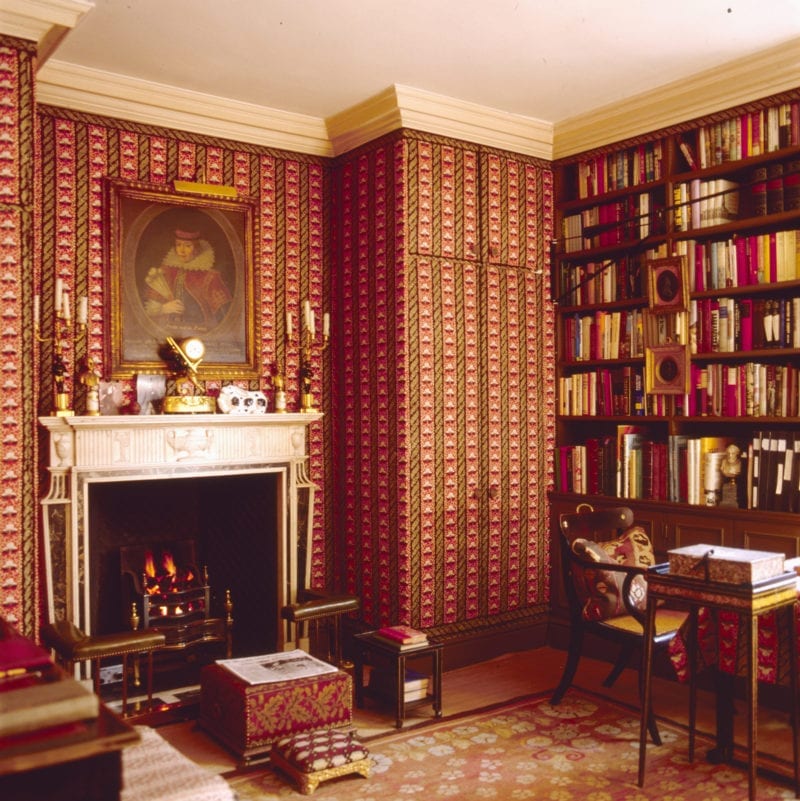
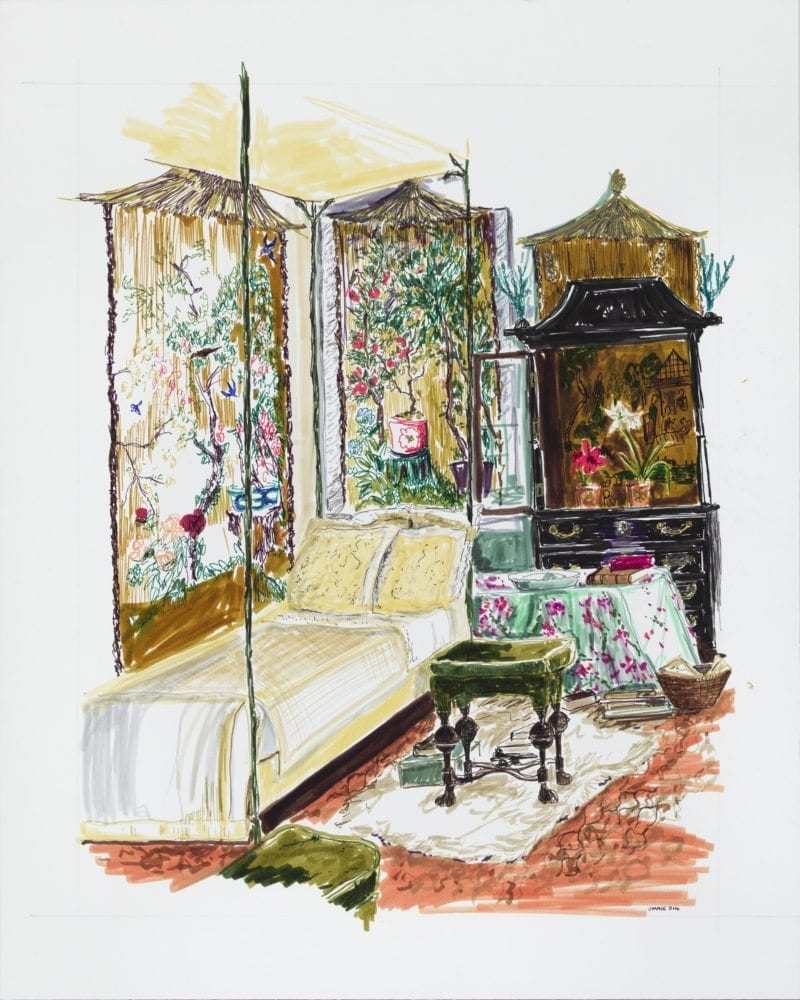
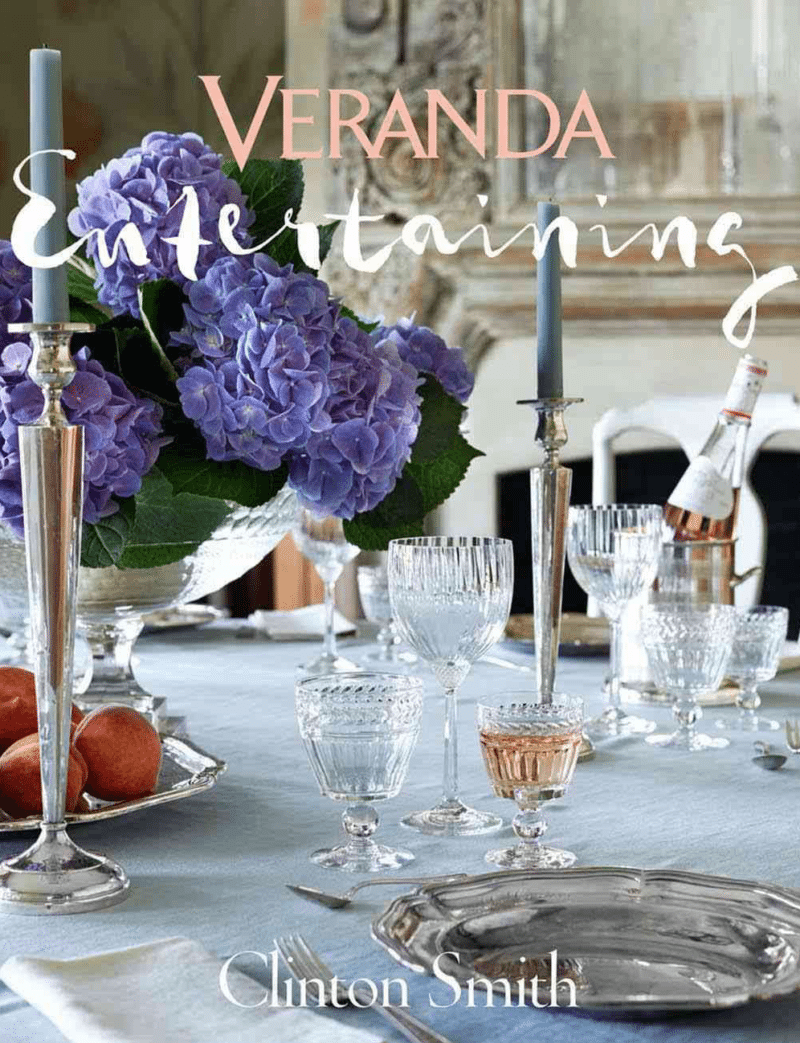
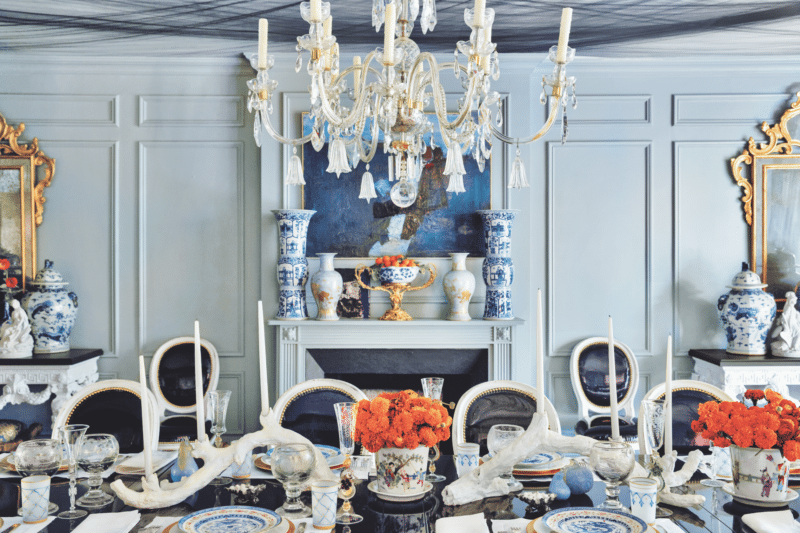
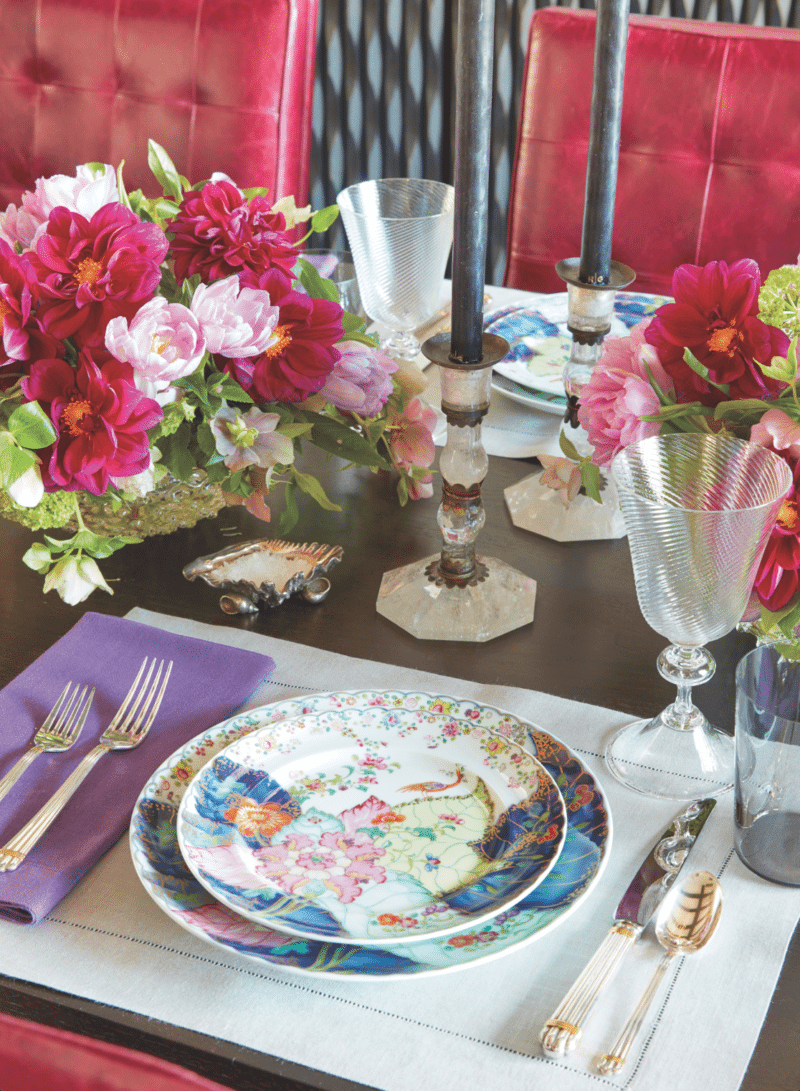
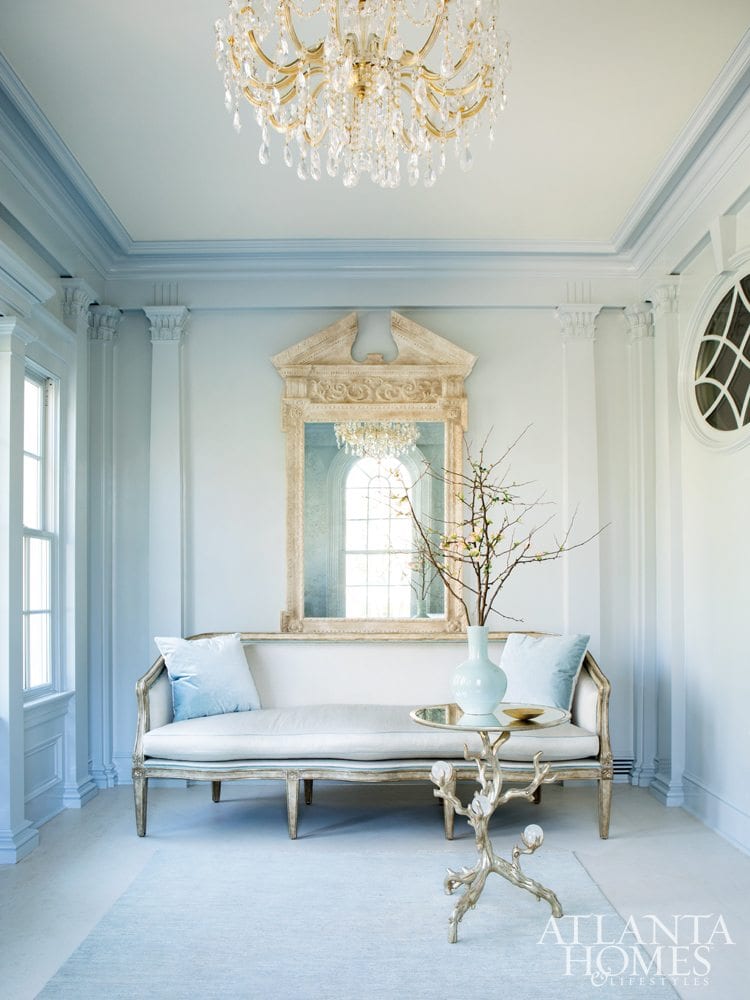
Veranda always produces the most beautiful books and their latest, Veranda Entertaining, was created as an inspirational guide to throwing a stylish soirée. Whether it’s a brunch, afternoon tea, benefit gala, holiday dinner, or a simple dinner for two, this book is full of tips and inspiration for creating beautiful floral arrangements, selecting the right linens, preparing delicious appetizers and cocktails, and setting the right ambience to ensure a memorable event. And there is a plethora of glorious pictures from leading designers including Alessandra Branca, Ann Getty, Michelle Nussbaumer, Mary McDonald, Charlotte Moss, and Bunny Williams. Pure eye candy!
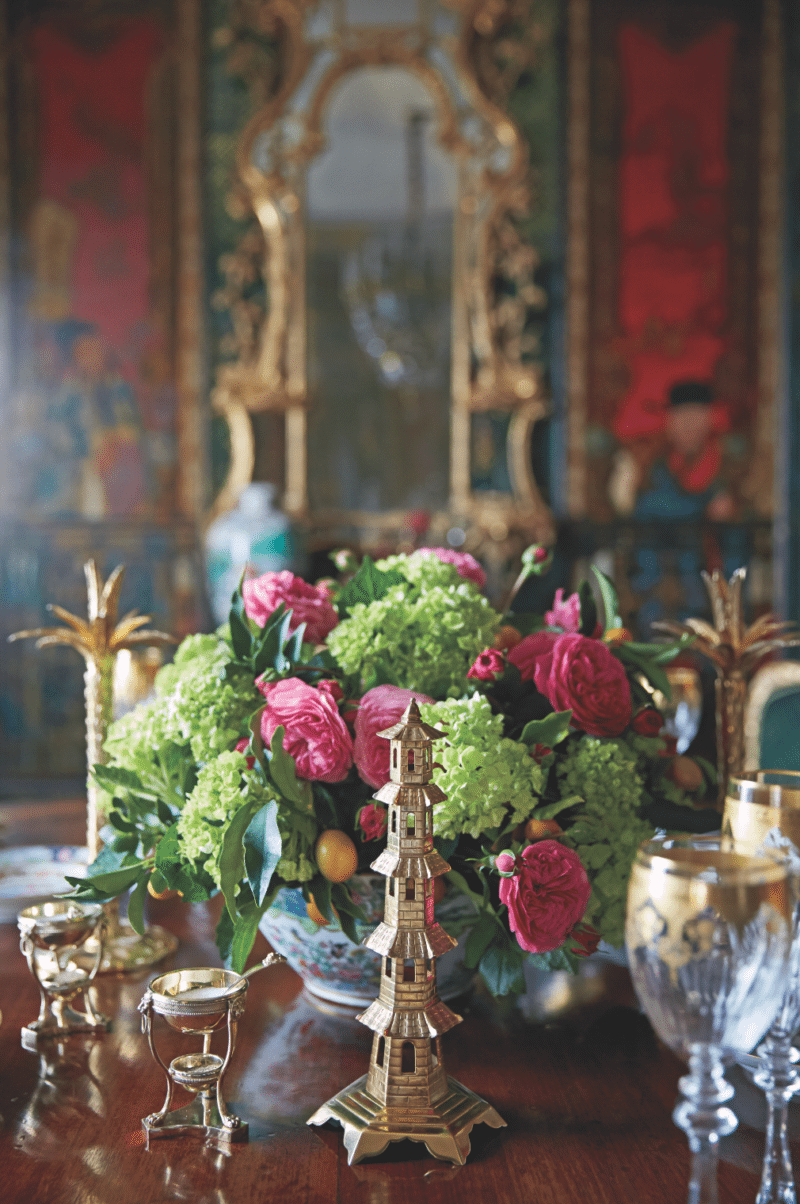

Regular readers of this blog will know I’m obsessed with Patricia Altschul’s home, which I have featured here, here, here, here, and here. Patricia is the shining star of Bravo TV’s Southern Charm, known for her entertaining skills, impeccable taste, and caftans. And now the impossibly chic Southern belle is detailing her secret formula for curating and celebrating life at its best. In The Art of Southern Charm, Patricia provides tips on household organization, how to choose the perfect paint color, travel in style, dress appropriately for any occasion, and find the perfect mate. She also shares advice on how to be both a welcome house guest and a consummate hostess (complete with recipes). This is a book I plan on committing to memory, as there simply is no better role model than Patricia Altschul when it comes to Southern Charm!





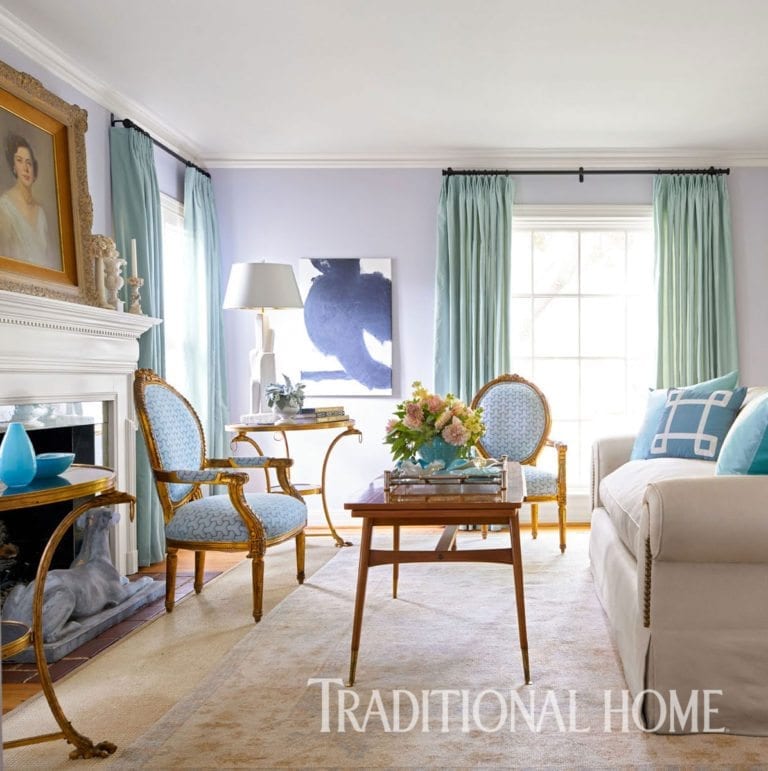
Charlotte Moss wrote in her foreword, “Like the cocktail party in Breakfast at Tiffany’s, with its pop-pop fizz-fizz Henry Mancini score, Meg’s effervescence is evidenced in her rooms, and in this book. Beautifully photographed and crisply written with the sound advice of a pro, The Decorated Home: Living with Style and Joy will excite you, inspire you, and guide you in your journey to a beautiful, happy home.” I couldn’t agree more! Click here to read a Q&A on Meg’s long-awaited fabulous first book.
I hope you enjoy these books as much as I have! Do you have any additional recommendations for spring reading? To see more of my favorite books, please visit my Amazon library.
The Truth Behind Ivy-Covered Houses
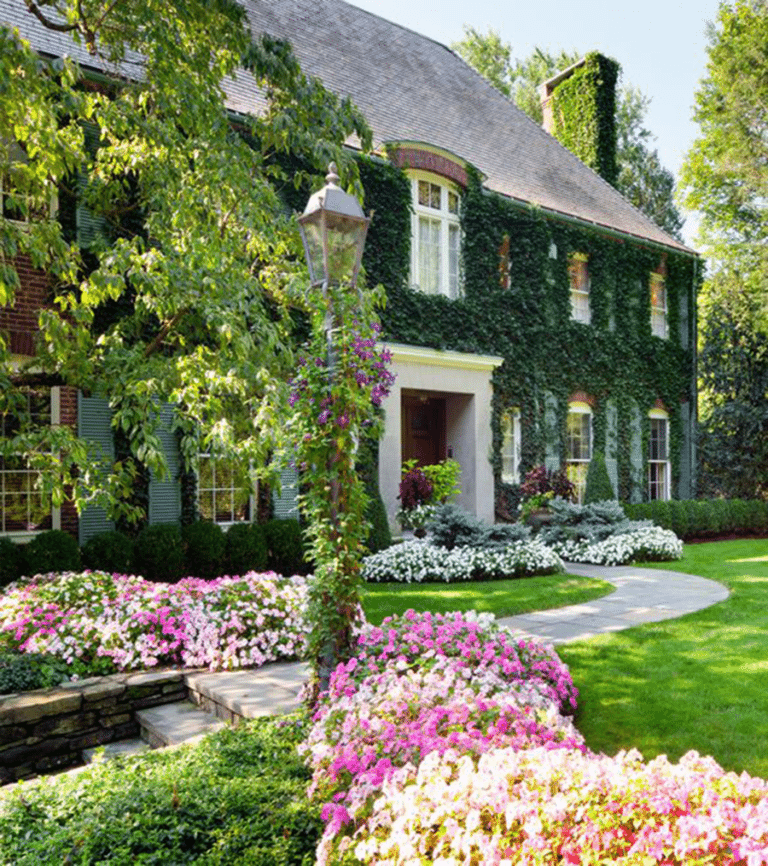
Last week on Instagram, I posted a gorgeous ivy-covered home posing the question, “Has anyone ever lived in an ivy-covered home? I hear the ivy is damaging and would love to learn more.” The post generated over 6,000 likes and 135 comments! It seems most everyone loves the romance of these charming homes… but they can be high-maintenance. After reading all the comments, I thought it would be fun to summarize them here today and share a plethora of additional ivy-covered eye candy.
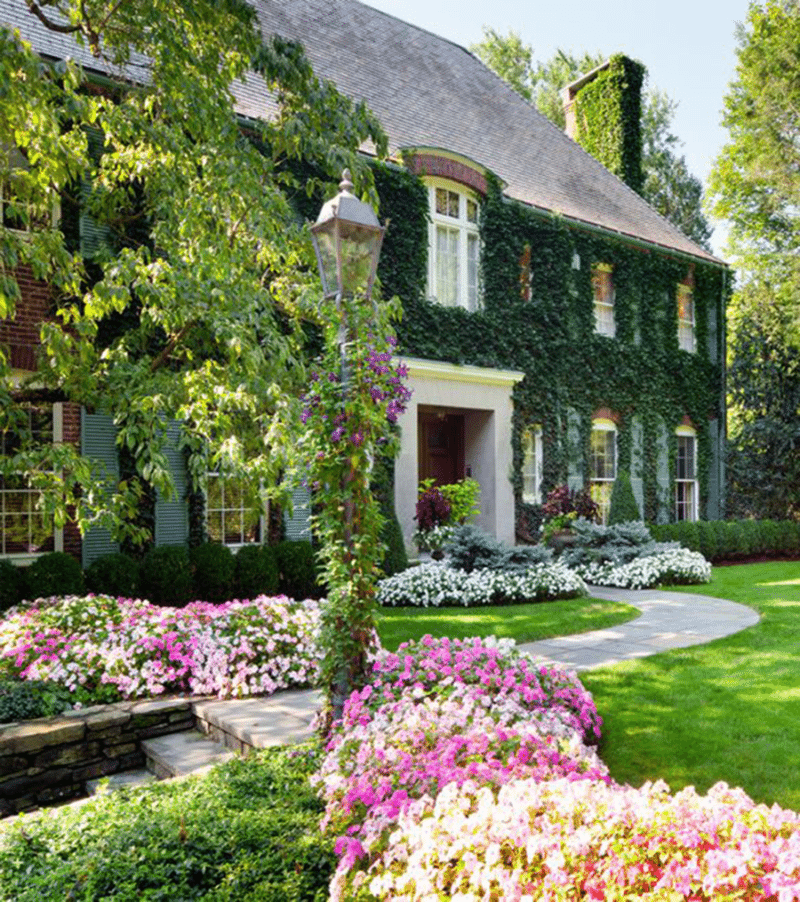
Comments regarding problems with ivy included damage to bricks and to mortar between the bricks, as well as ivy finding its way into screens, cracks in windows, and spaces between wood siding. Apparently it can hold moisture against the house causing mortar to crumble. One person had to replace the mortar between the brick. Ivy can also adhere to stucco causing stucco to pull away from the house. Some comments suggested there was less of a problem in dry climates vs. damp, high humidity climates. However, others indicated that they had not had these issues.

There were two things that were apparent in these comments. One: Ivy has to be maintained, i.e., trimmed at least a couple of times a year, kept away from screens and windows, and kept away from creeping into vents, etc. Two: One should choose the best type of ivy… Apparently some types of ivy are more damaging than others. English Ivy, Boston Ivy, Fig Ivy, and Virginia Creeper were suggested as less damaging alternatives.

Another problem mentioned with ivy was the critters that it can attract. Rodents, spiders, birds and their nests, and bugs and insects in general are a few examples. One person described how a snake had crawled up the ivy onto the roof and into a vent going into the house. It got under the bed in a guest bedroom and caused quite a stir. Another said her ivy was used by squirrels as a super highway to the roof of their house where they caused damage. They cut the ivy back several feet from the roof and solved the problem. One person said that her ivy had become a breeding ground for big cockroaches.

In spite of these potential problems with ivy, very few people indicated that the problems were so great that they had it removed from their homes. The sentiment seemed to be that it was worth the hassle. One person said that it takes a long time for it to do serious damage. “It just takes monitoring and maintenance to keep it in check.” Another said “there is always a price to pay for fashion.” Regarding the potential damage, another person said “but I don’t care, it is too beautiful.”

A popular alternative, Virginia Creeper, can grow in sun to full shade, where soils are soggy to dry and even in lightly alkaline soils. The adaptability of the plant makes it suited for any site but care should be taken to keep it off wood siding and gutters. The vine climbs and adheres to vertical surfaces with aerial roots, and the weight of the plant could pull off boards and misalign gutters.
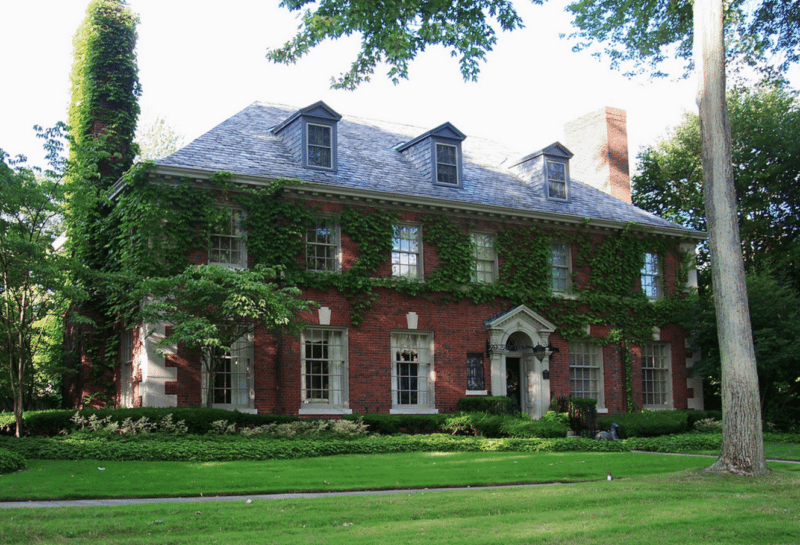
Additional information on Creeping Fig can be read here, and visit here for more on English Ivy. These are two more alternatives that were mentioned. Another recommended alternative is Fig Vine. But some warn of the damage they can cause as well.


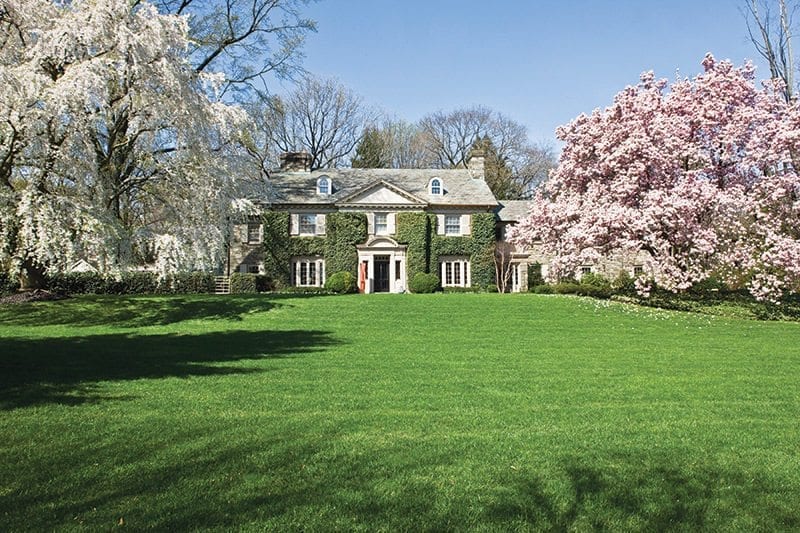



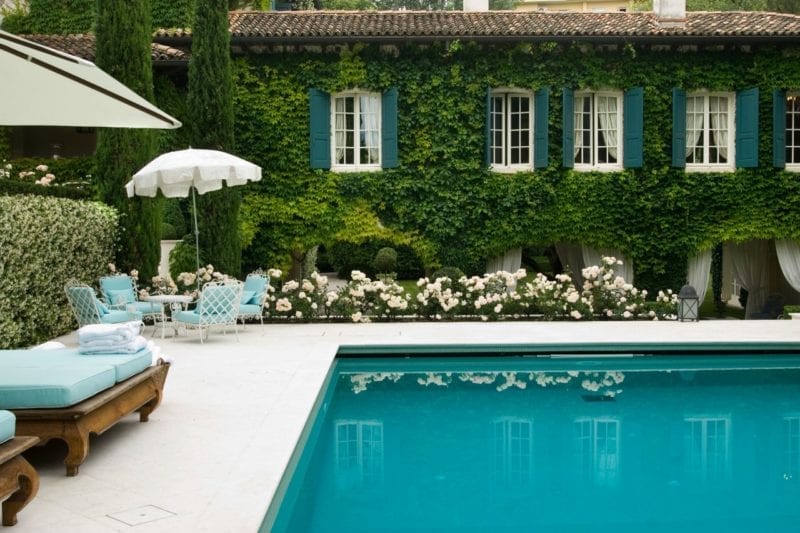
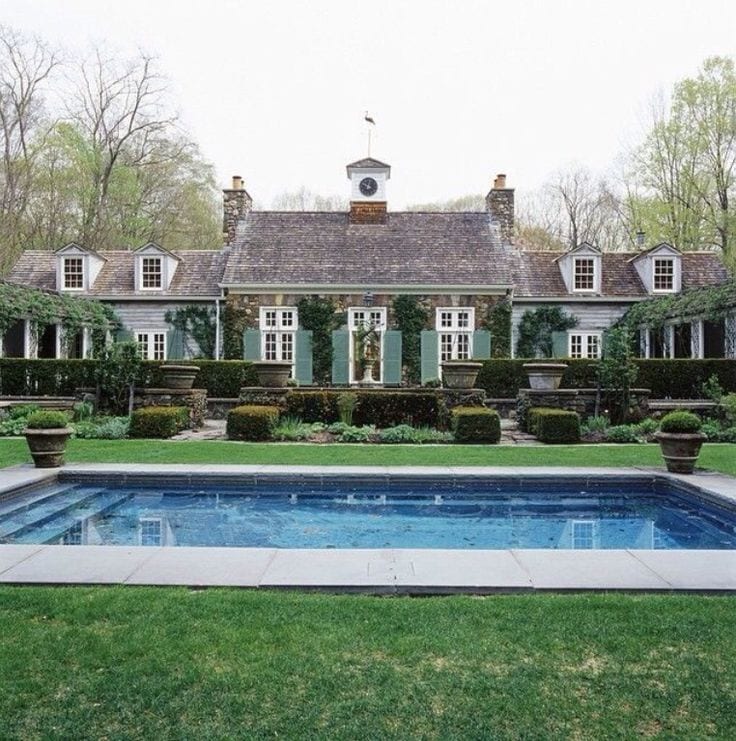



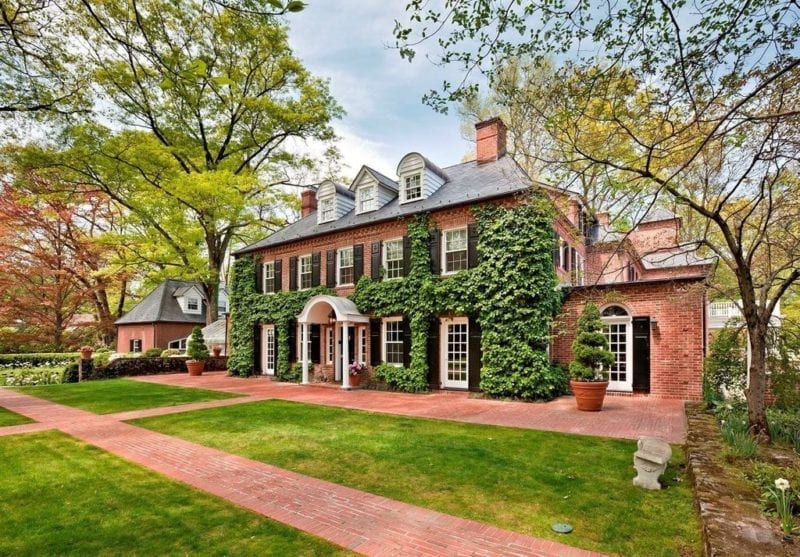


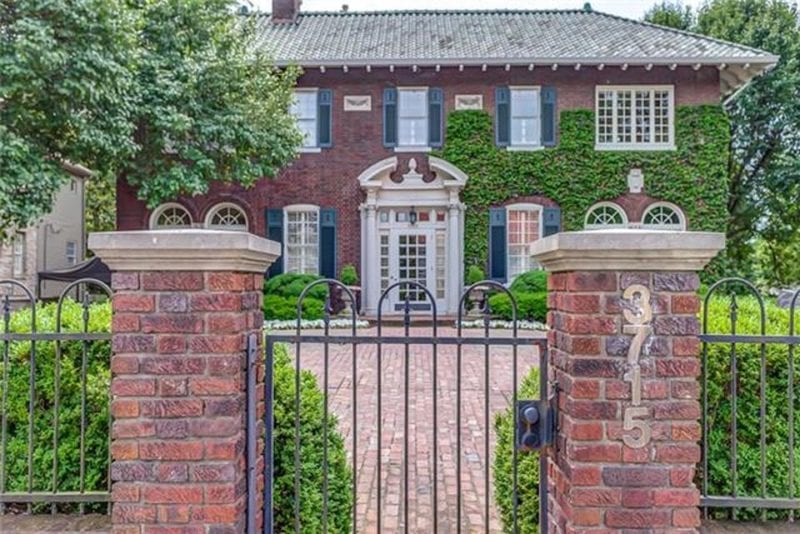


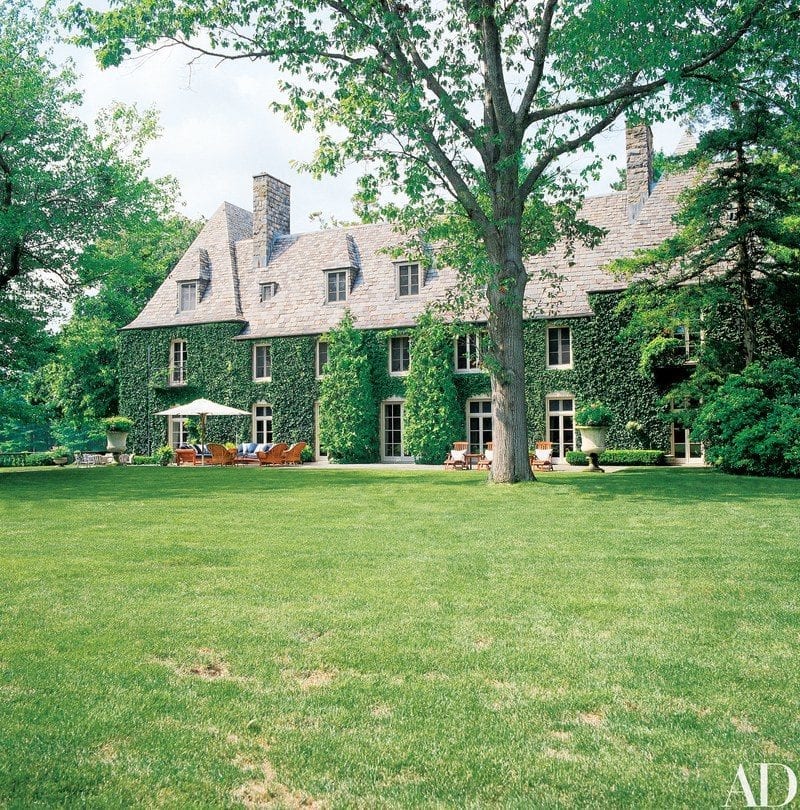
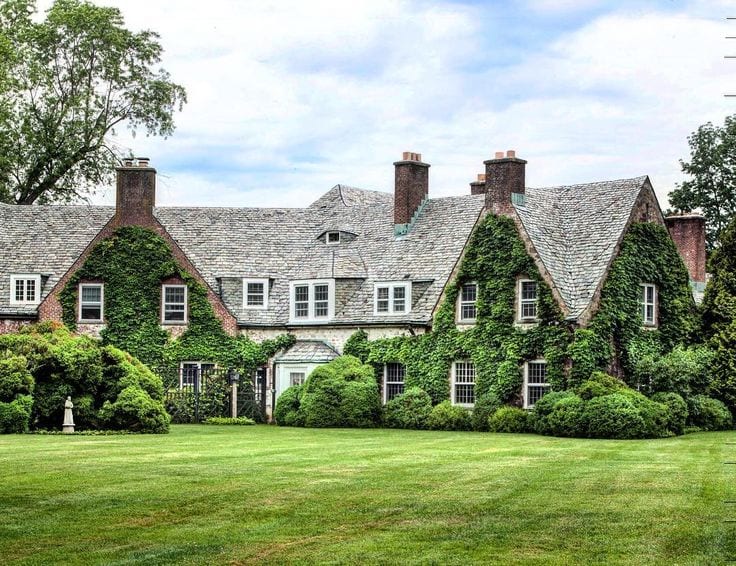

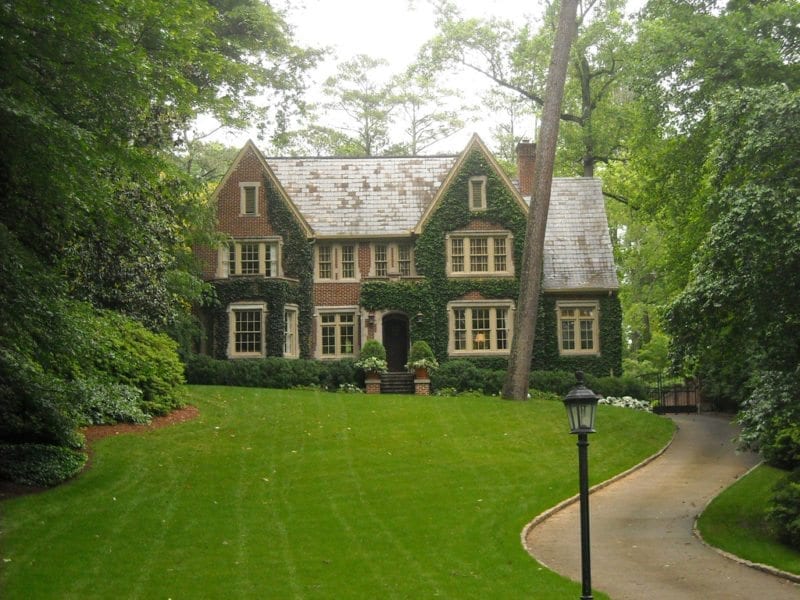


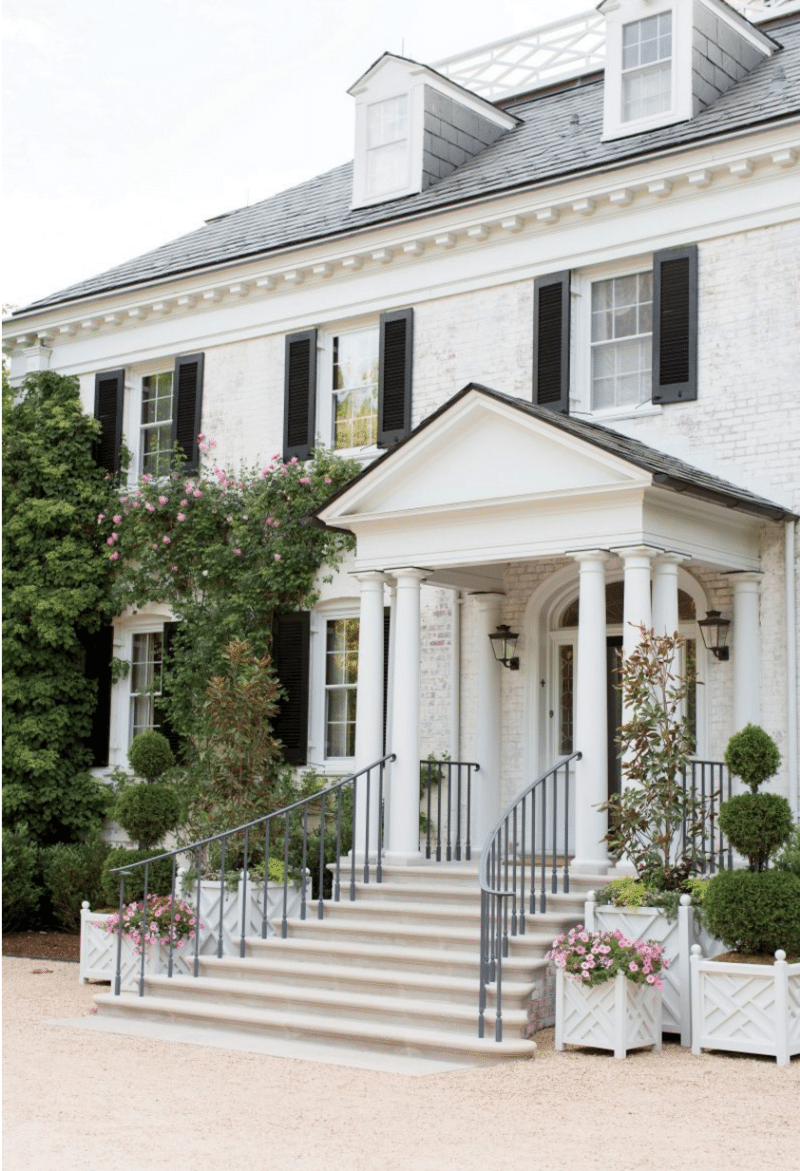
There seems to be mixed reports on all suggested alternatives. I think the bottom line on all ivy type plants, even the alternatives, is that they can cause some damage, especially if they are not kept in check. But they are so beautiful that they are worth it! To see my Instagram post on the subject and all 135+ comments, please click here. I’d love your thoughts, please weigh in!
Château de Morsan is for Sale
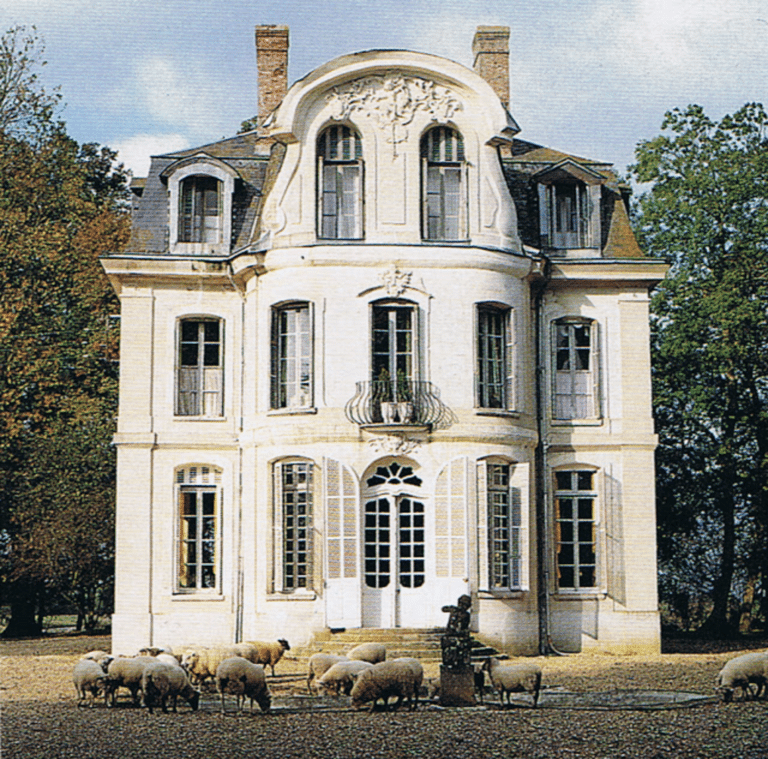
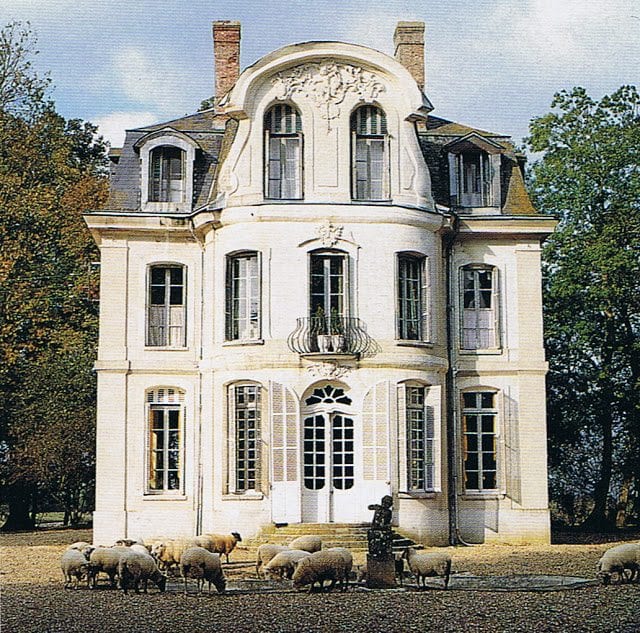
Nestled in the midst of the forests of Normandy, France is the elegant and romantic Château de Morsan, one of the few remaining folies in France. It was originally built around 1760 as a hunting lodge by the Marquis de Morsan, a confidant to Louis XV, for the King’s visit. The architect was Ange-Jacque Gabriel who was also the architect of the petit Trianaon at Versailles and the Folie of Madame de Pompadour, the mistress of the King.
The current owners saved the abandoned dwelling and embarked upon a highly documented 10-year restoration dedicated to preservation of the architectural integrity of the era. Images from the real estate listing and past media coverage, including The World of Interiors, are below. At the end is detailed information the owner graciously provided with all of the inside scoop regarding the sale of this national monument… Enjoy!
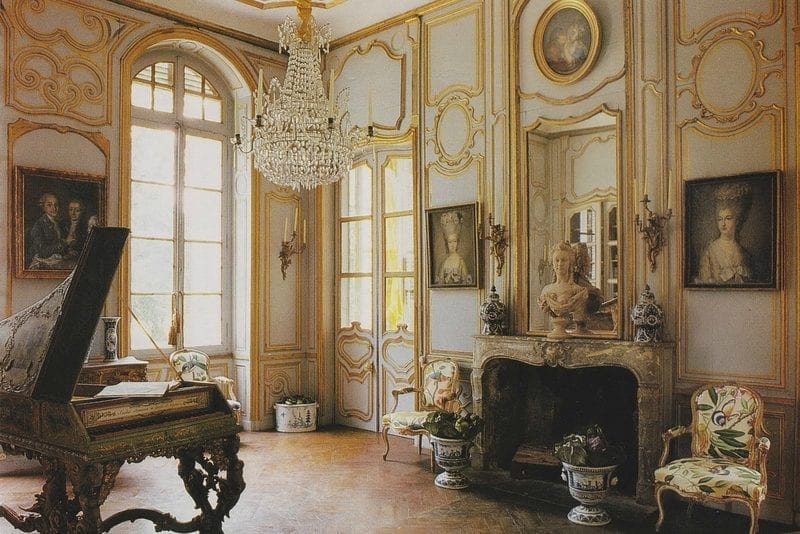
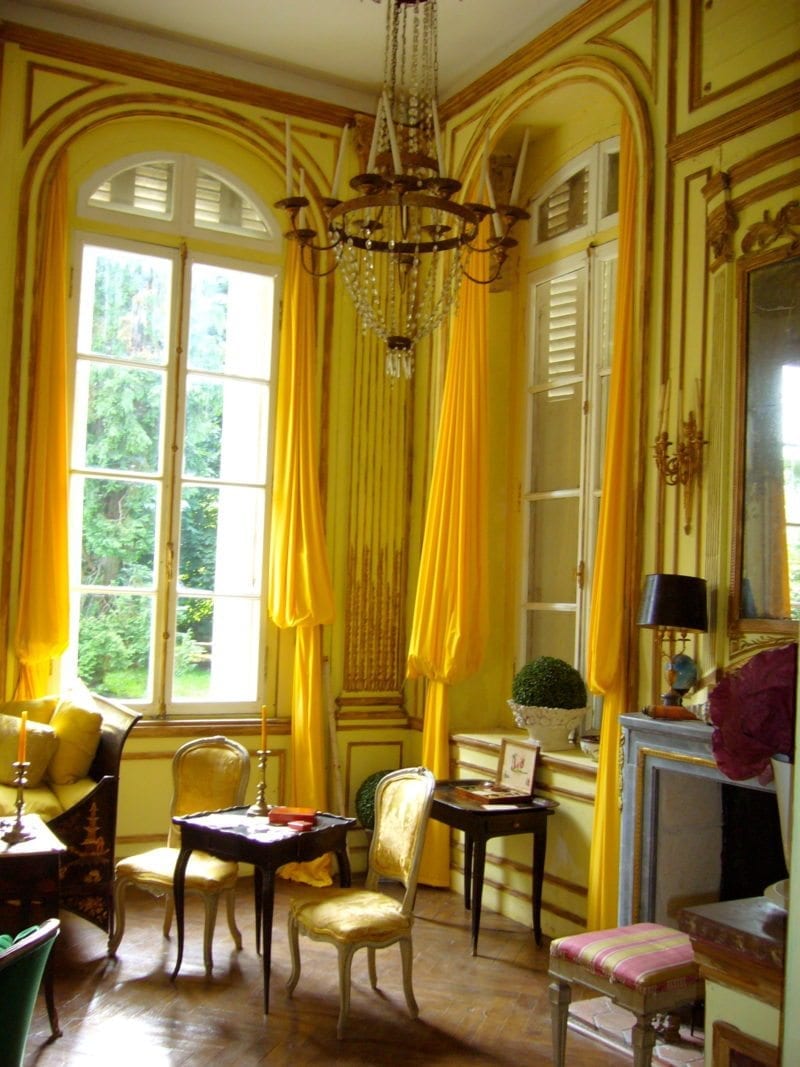
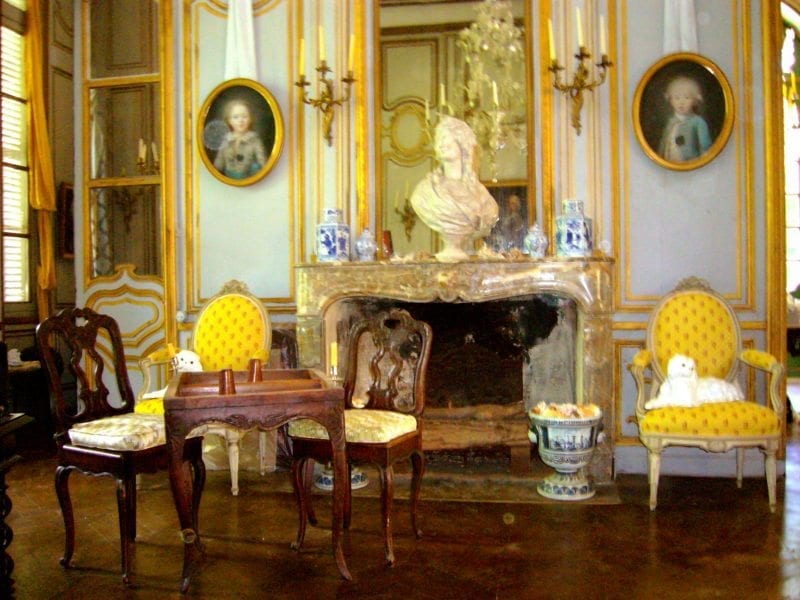
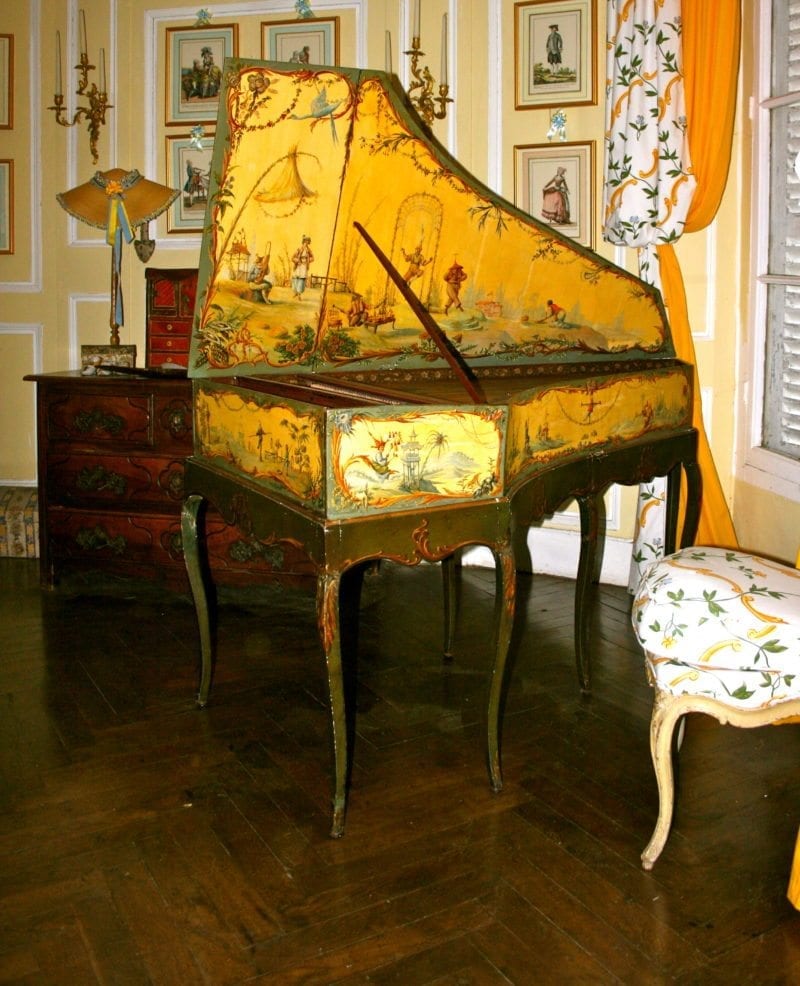
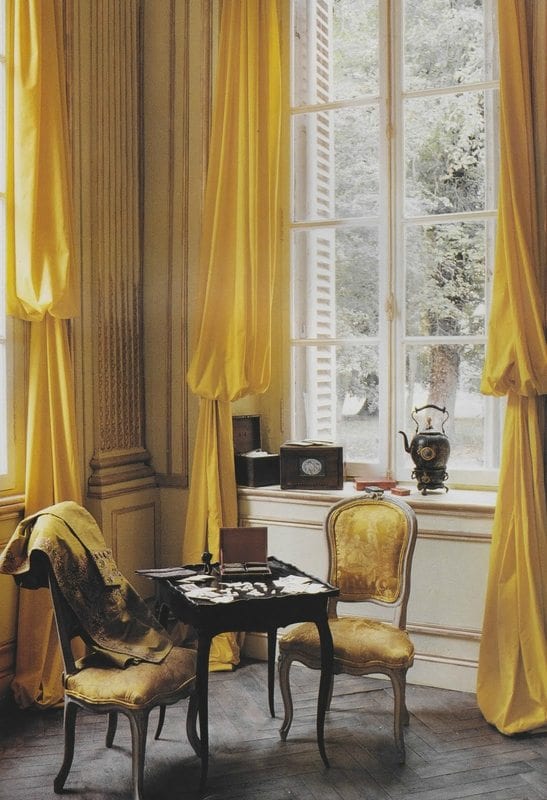
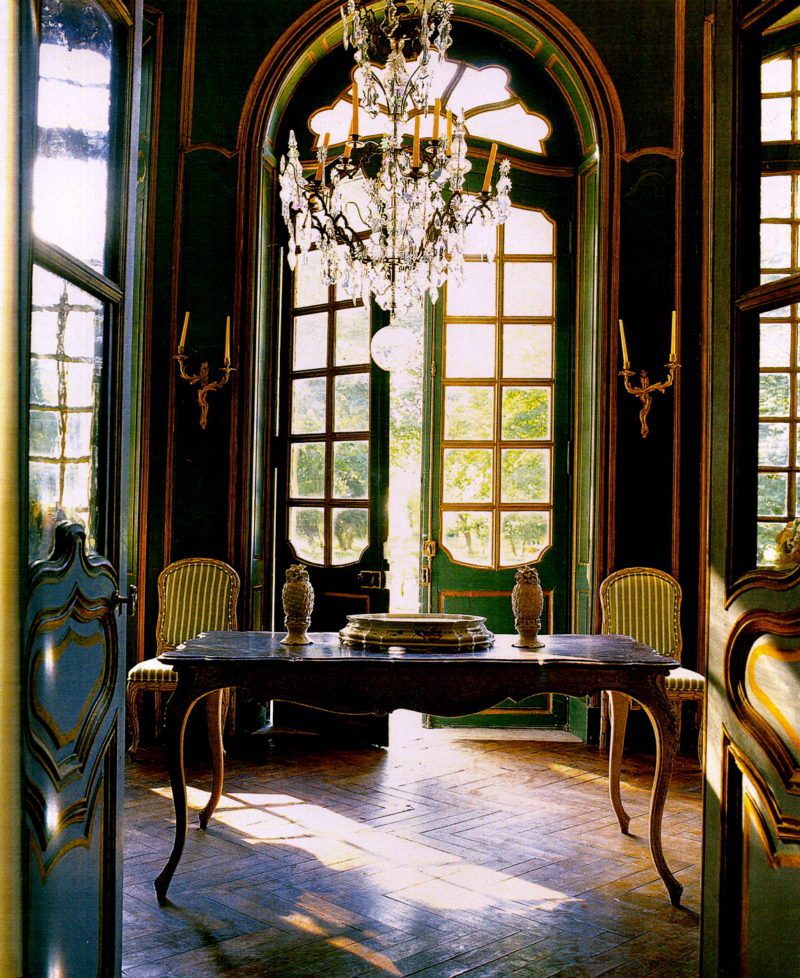
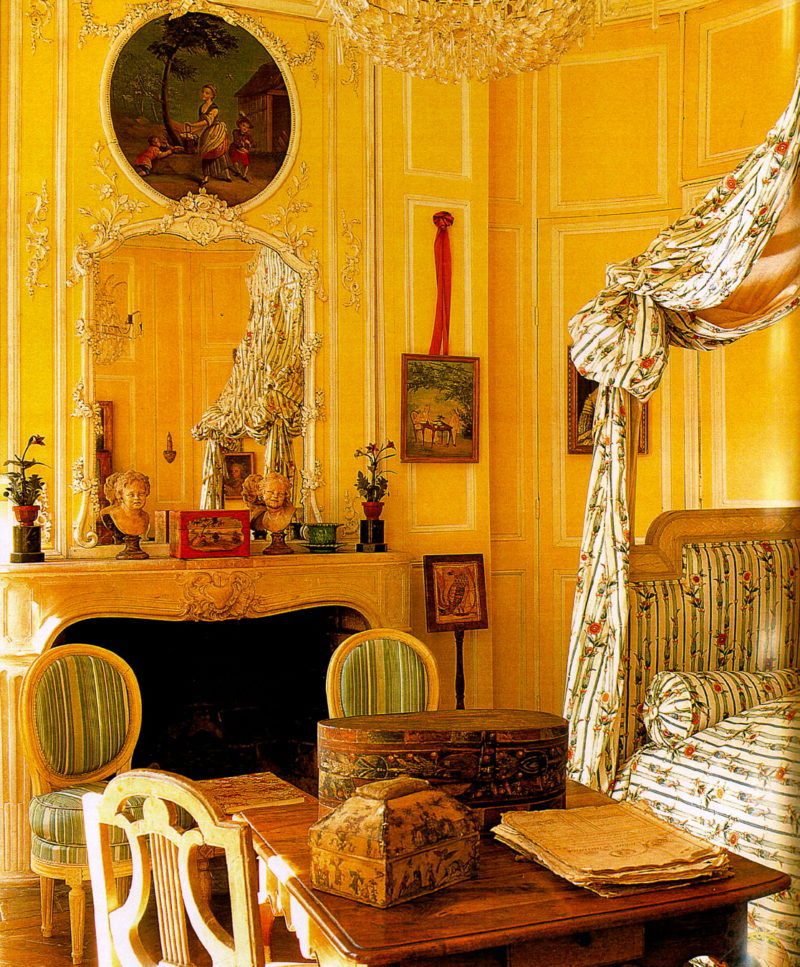
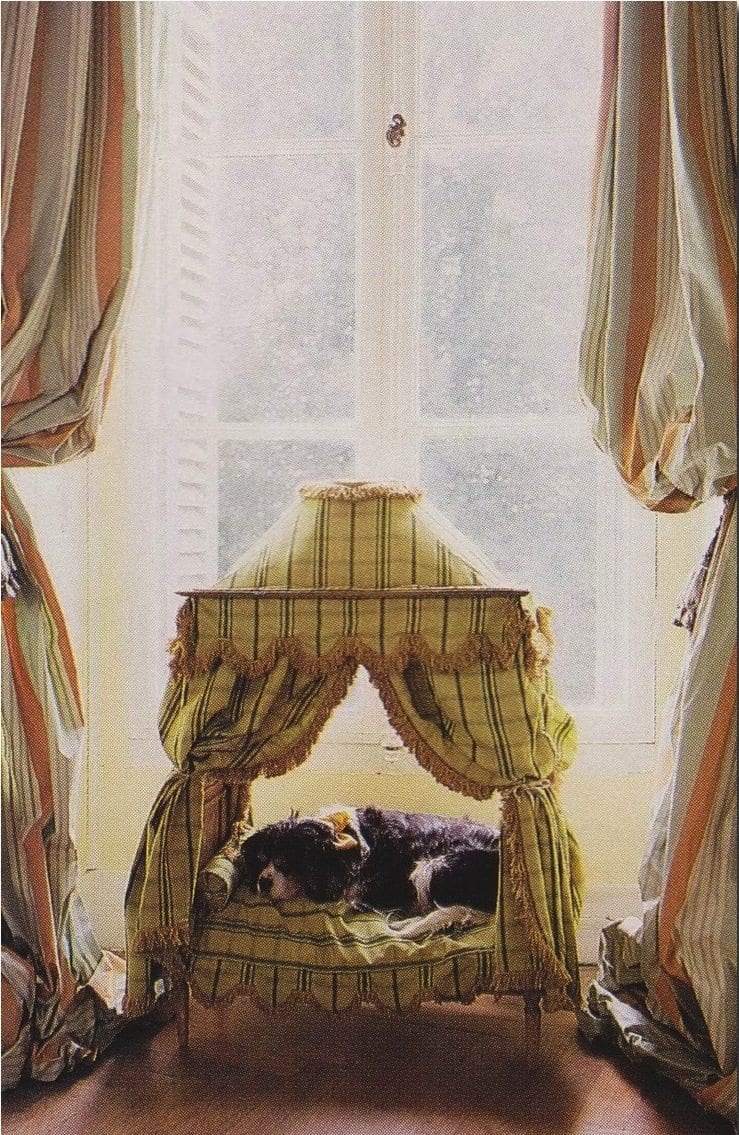
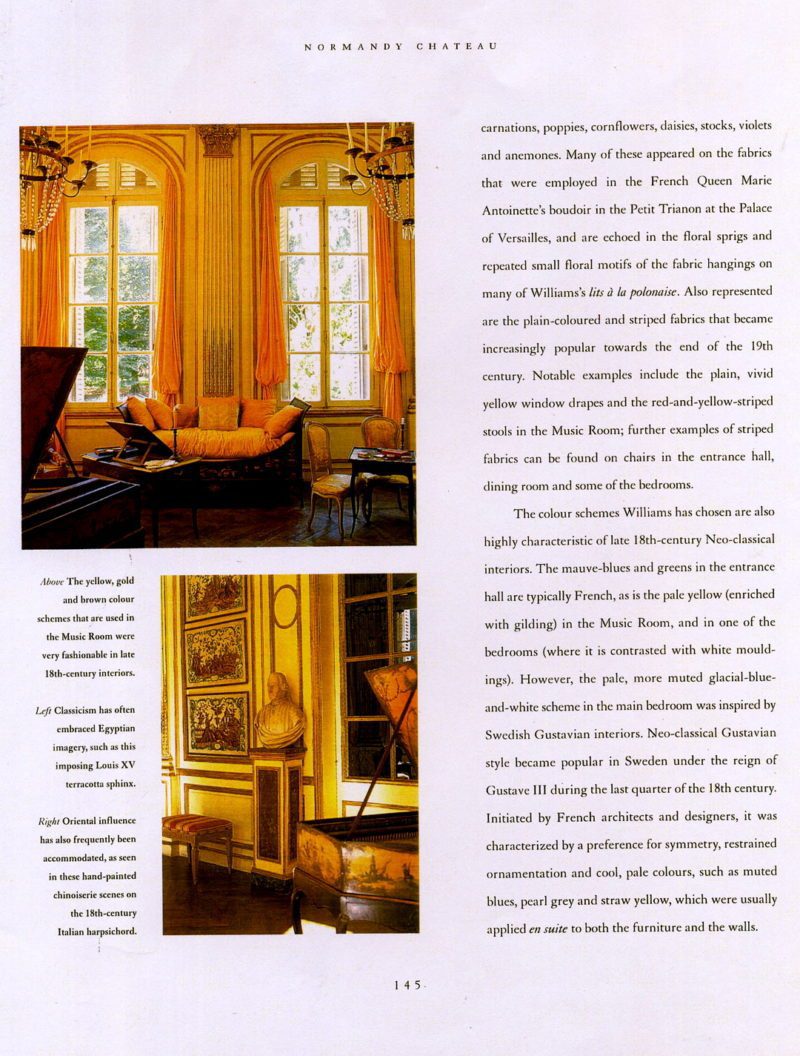
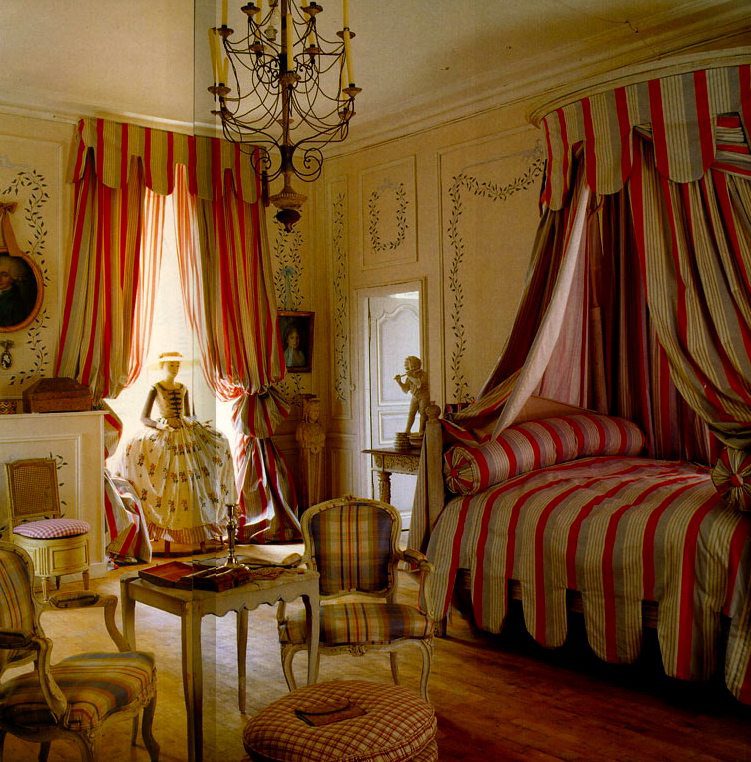
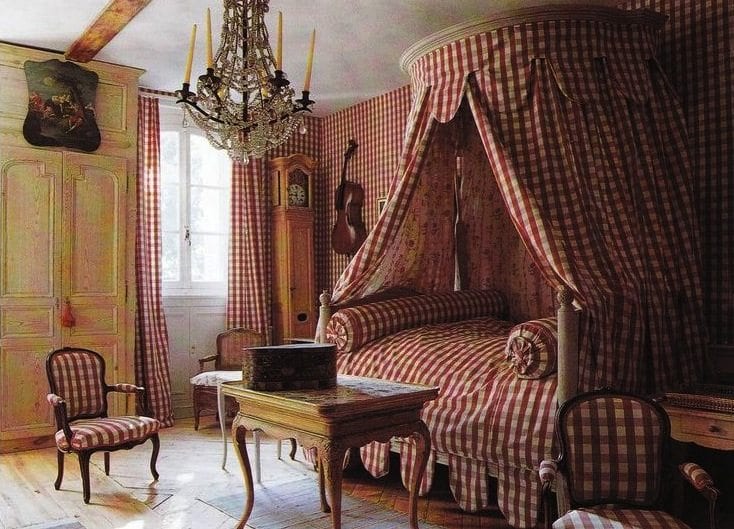
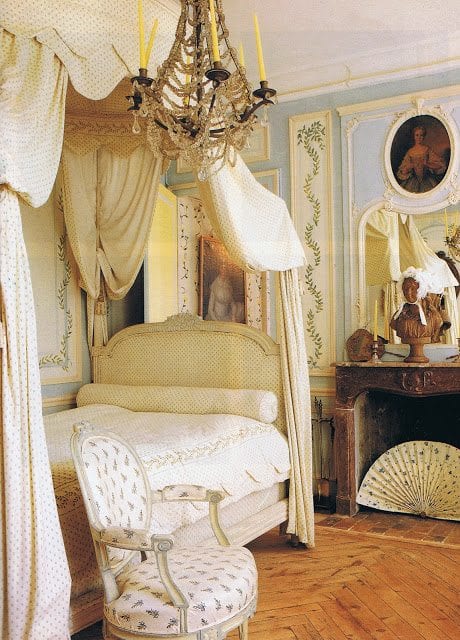
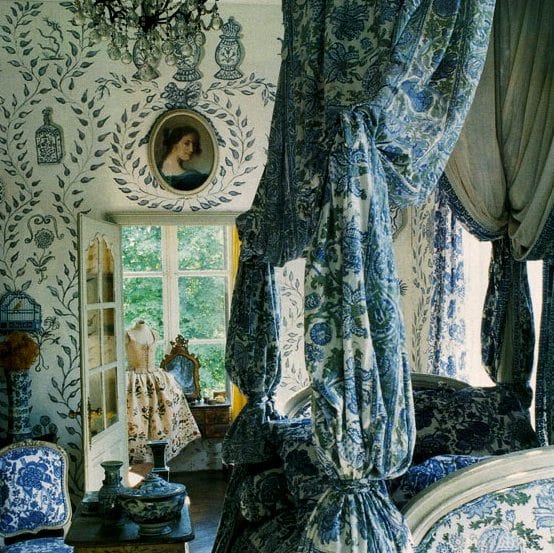
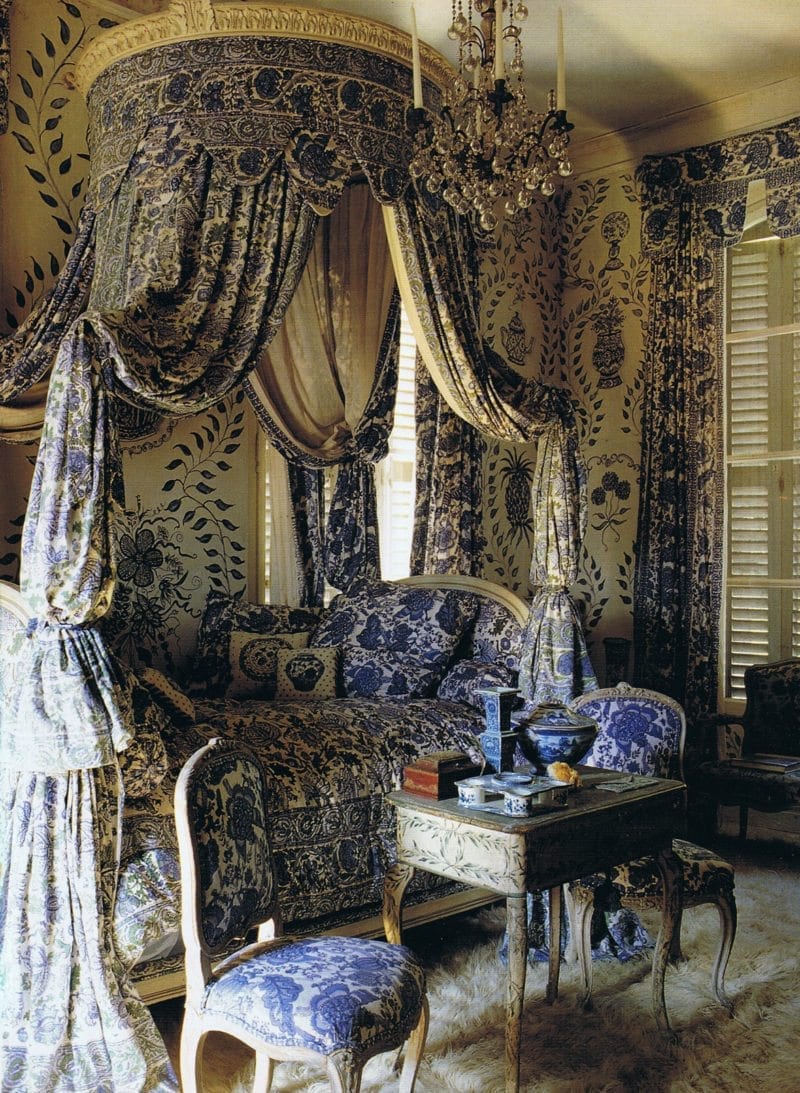
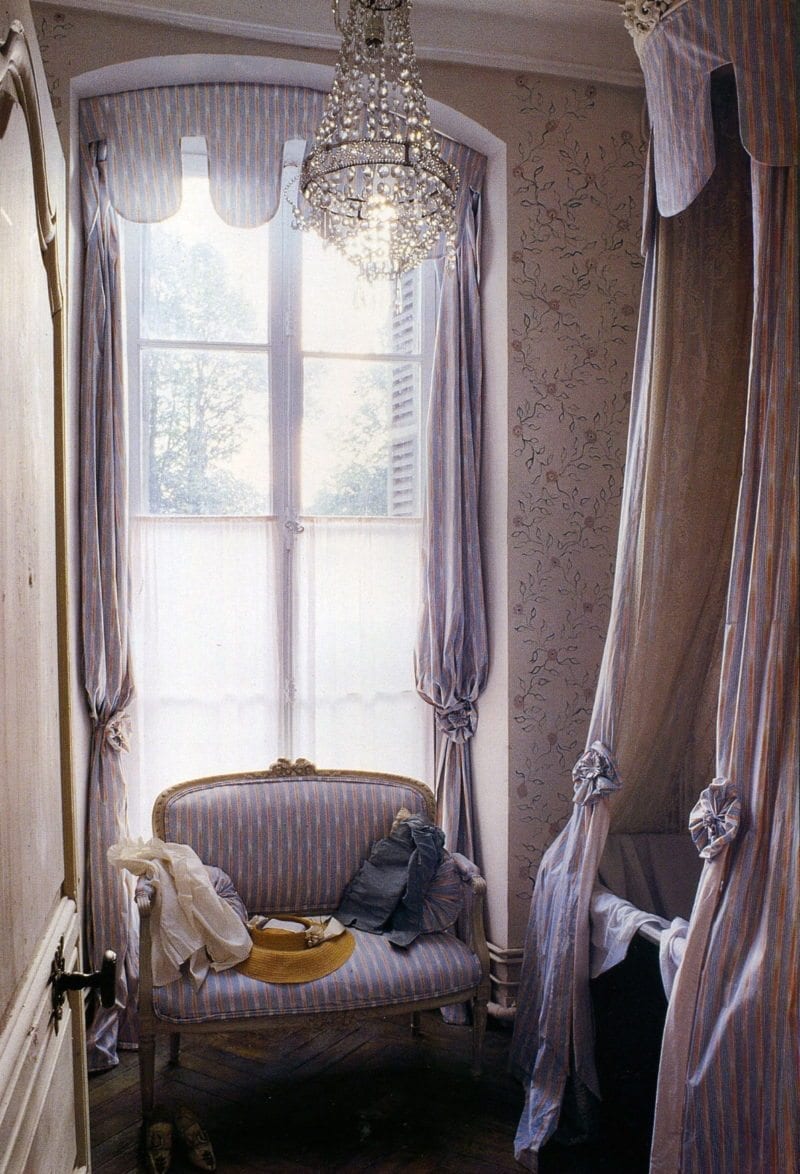
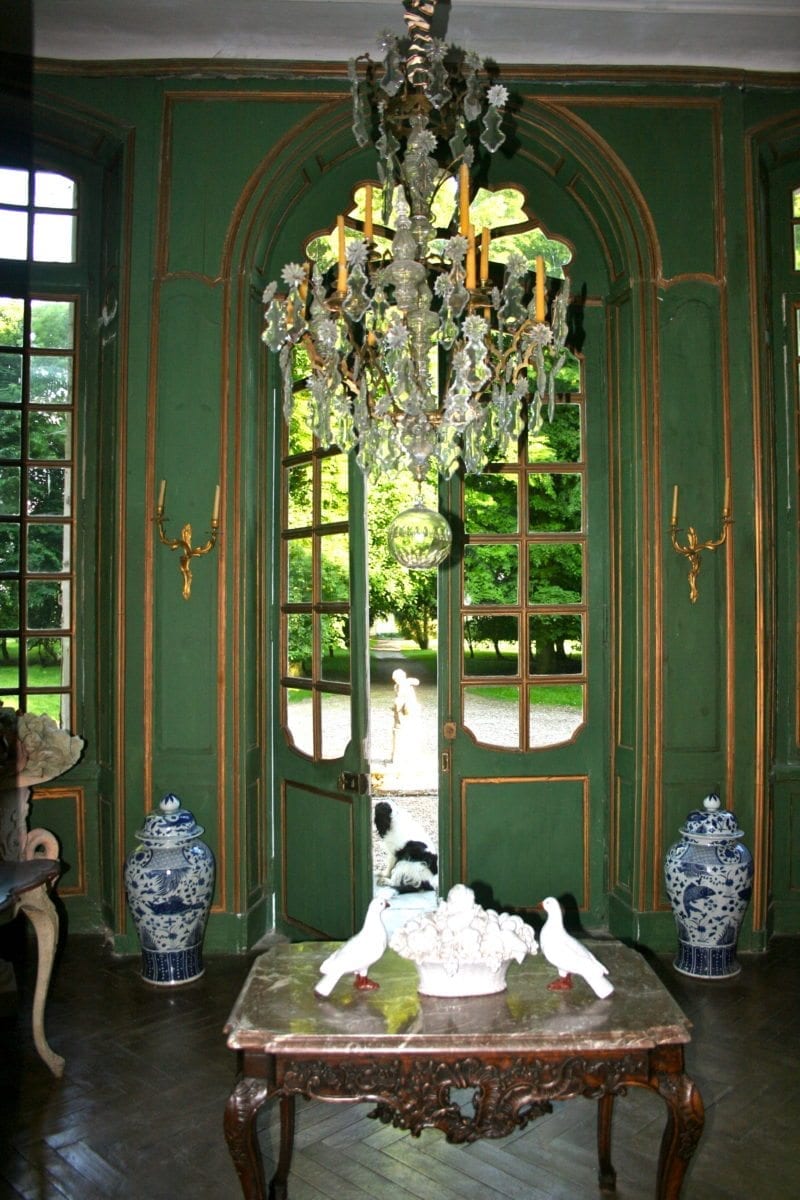
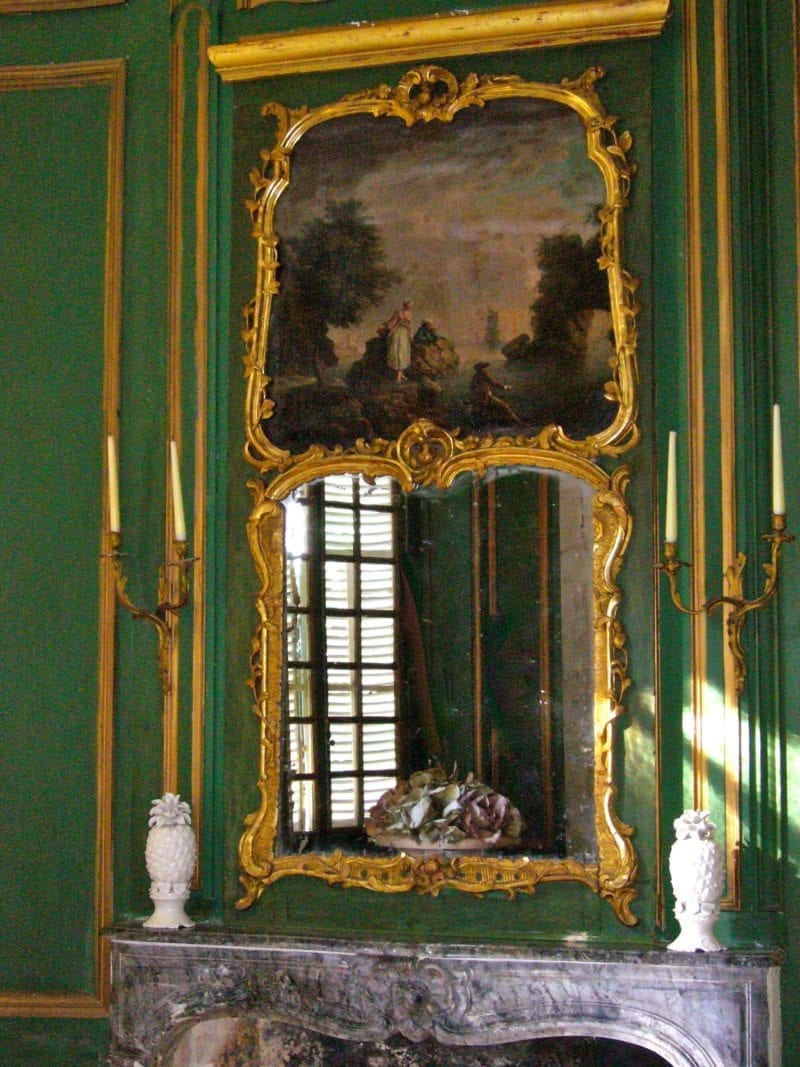
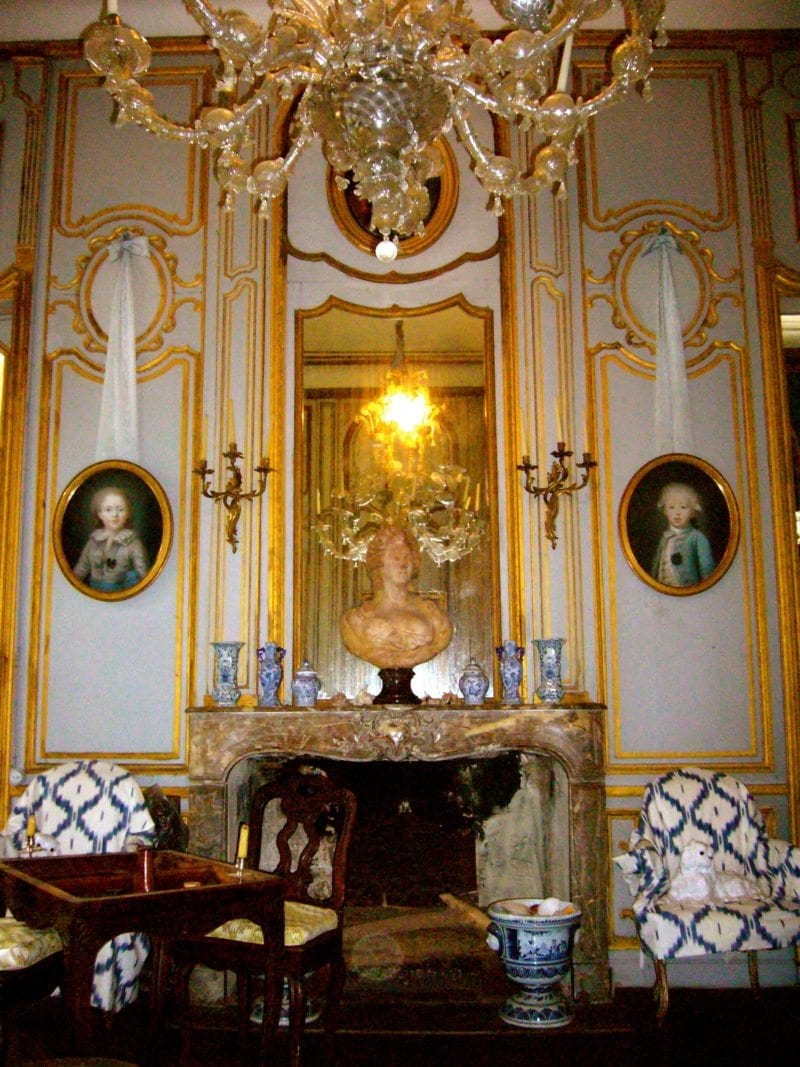
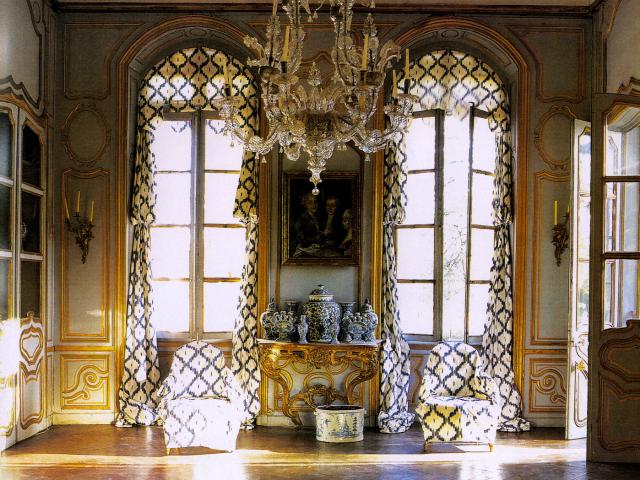
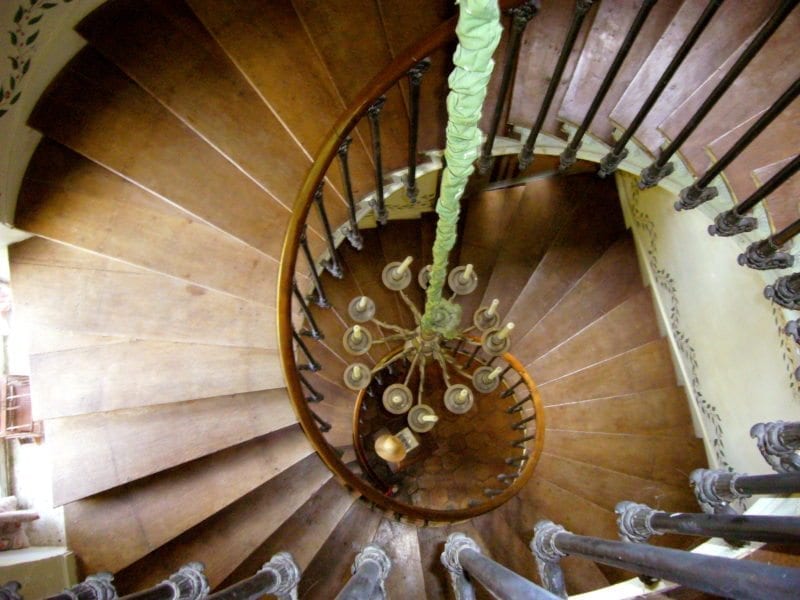
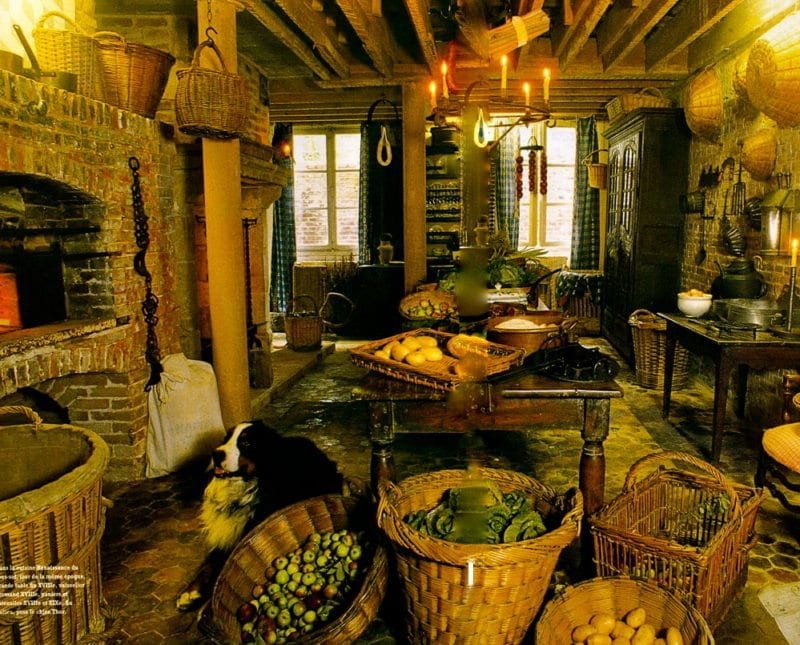
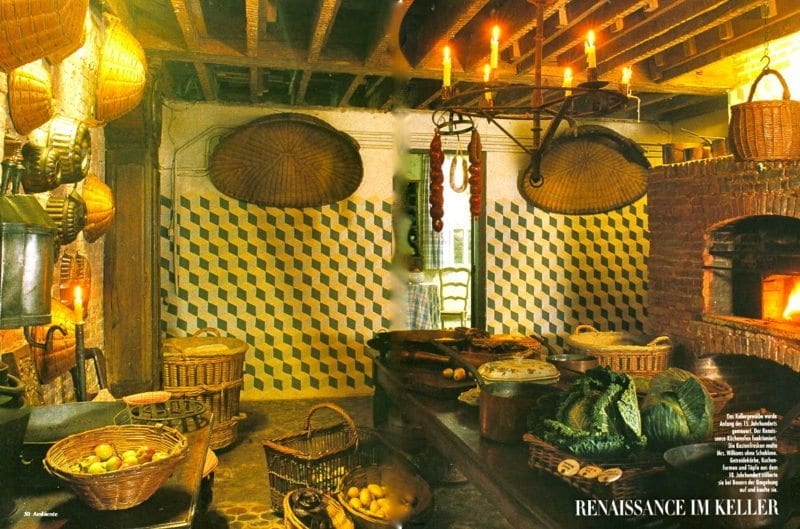
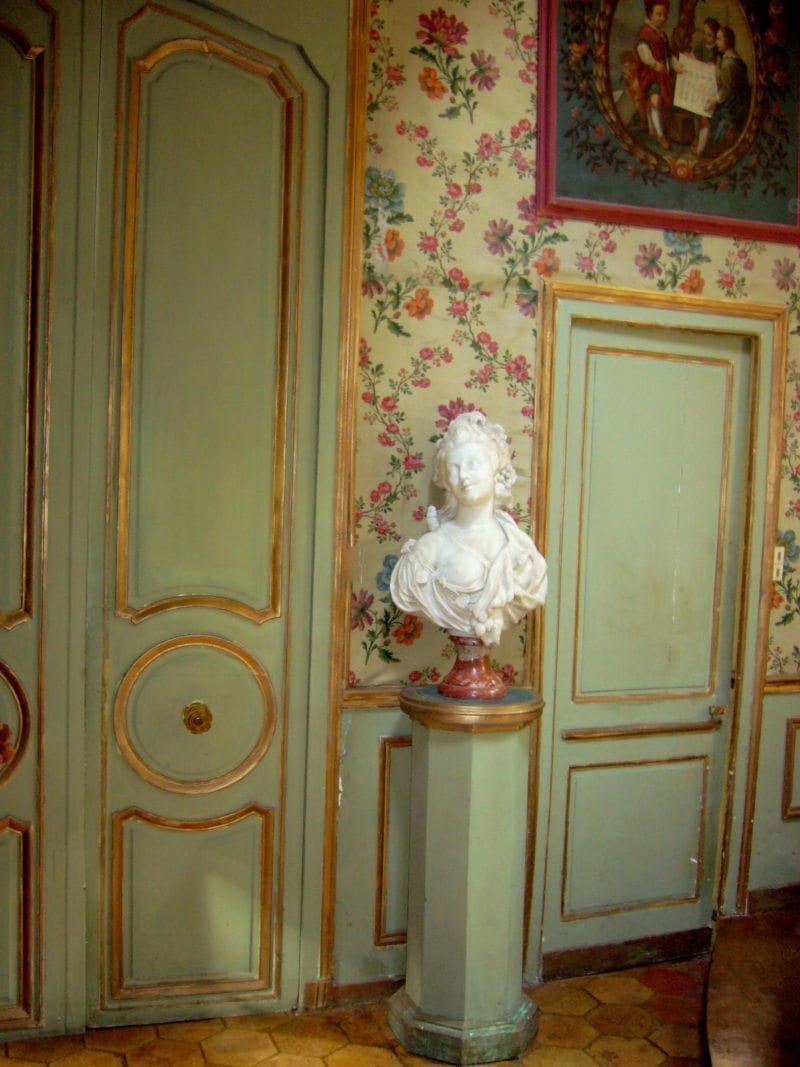
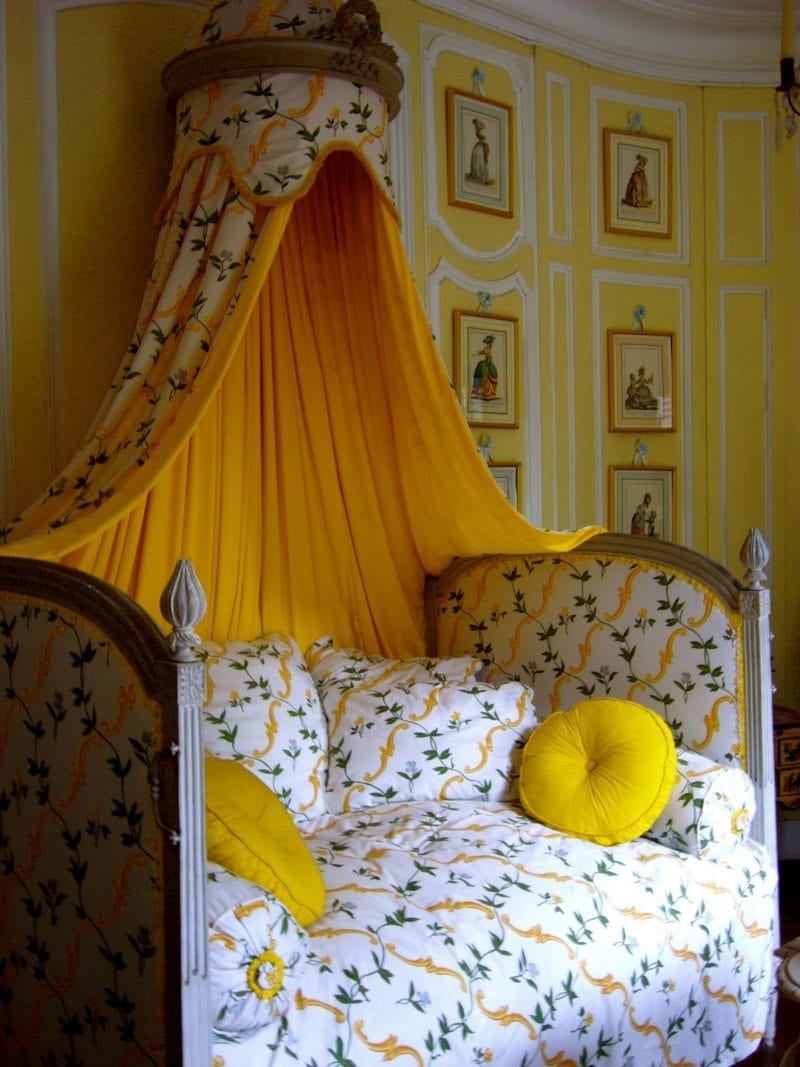

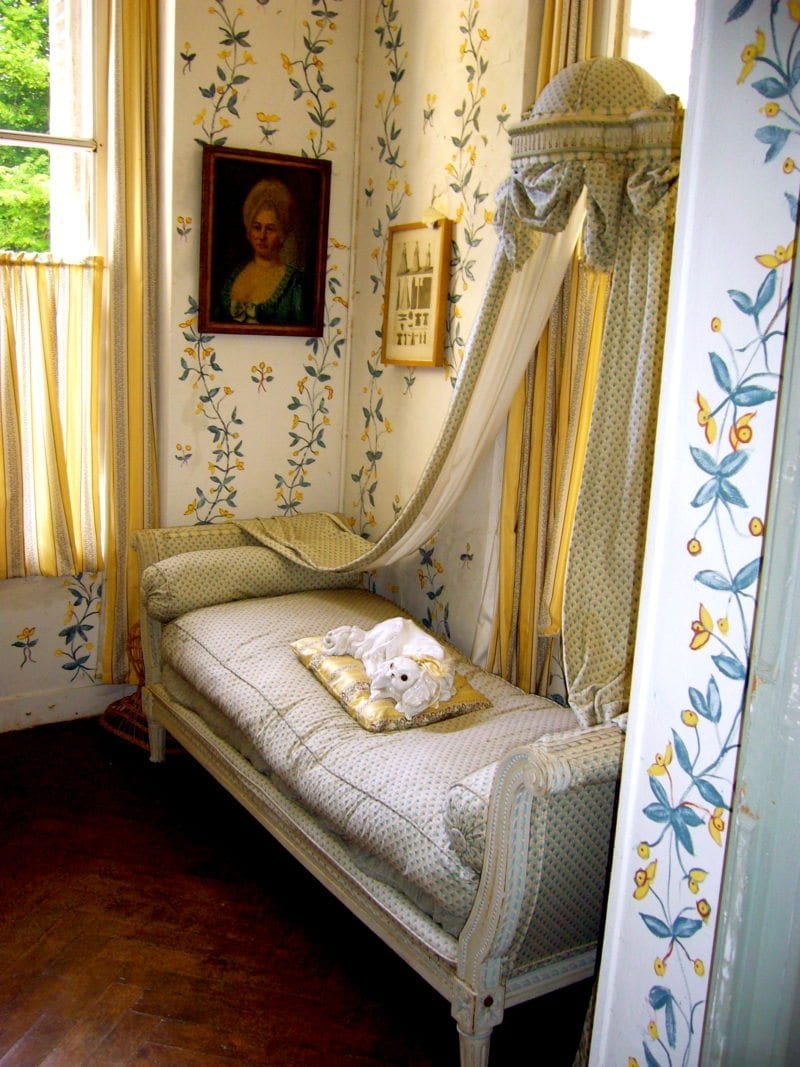
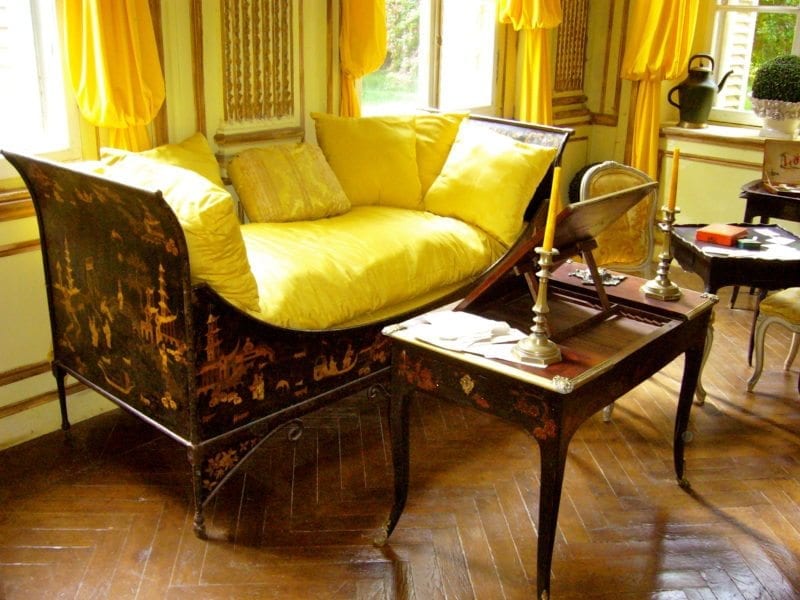
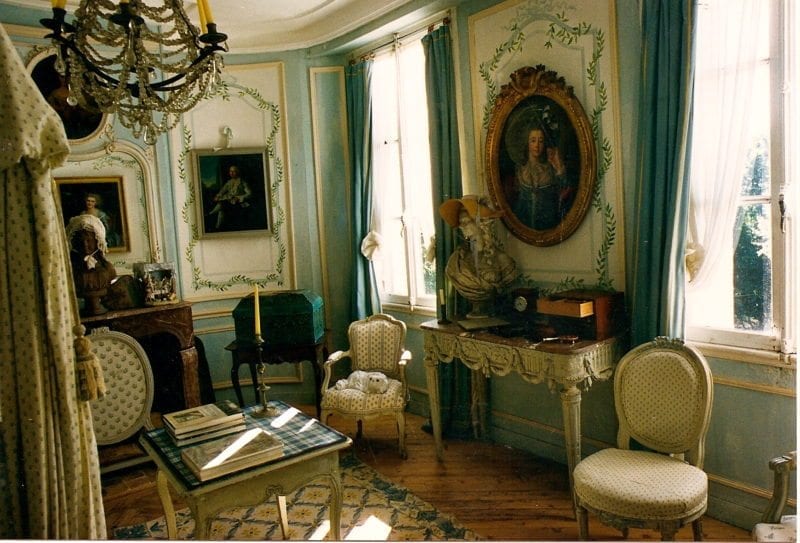


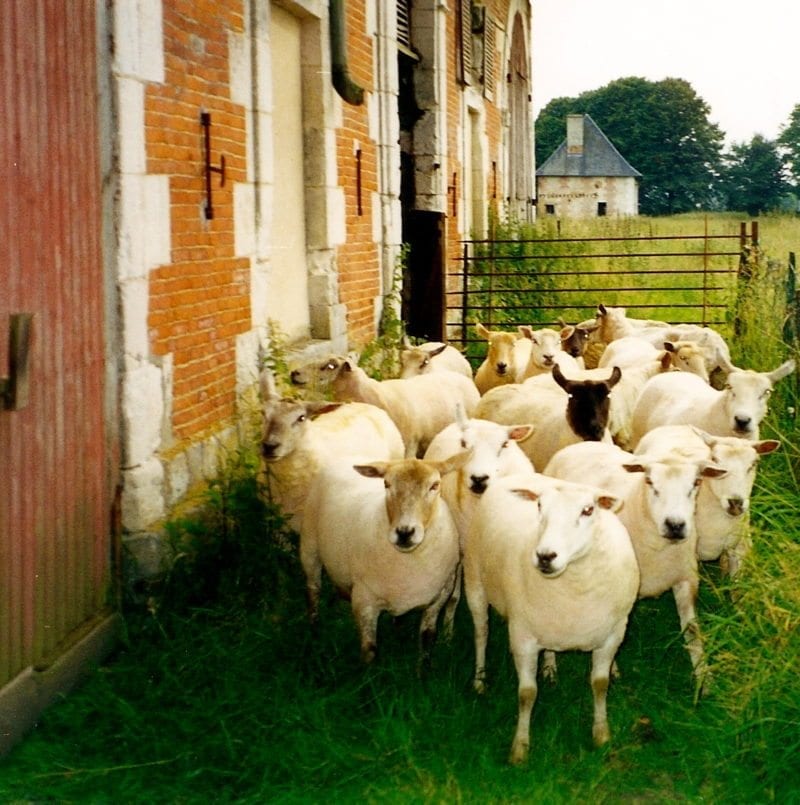

This is a once-a-lifetime-opportunity to own an incredible piece of French history! Additional information can be found via Handsome Properties International. The chateau is listed for €1,000,000. Additional details, provided by the homeowner for this feature, are below…
“The house is a national monument, a summer house, not built for all seasons. There are two Renaissance towers, standing and three stables, all needing to be restored, and the windows and shutters on the house should be replaced by double glass, etc. The roof which is slate, needs rebuilding, as it is original, that can be done correctly with slate for around 200,000 euros. It has a nice servants cottage and quite a lot of land, it is very safe and protected there, two hours from Paris, and no one could find it. The land is quite fertile for growing vegetables, flowers, and herbs, and there is a very choice parcel of land with trees to build a large guest house, There are about nine or 10 acres, and is great for horses, it is horse country. It has everything.
With a good and responsible buyer who loves the l8th Century, and period furniture, the house can be sold more or less furnished at a very reasonable price. The furnishings are the right period for the house, so it could be sold furnished or semi furnished, to the right person.
A lovely couple reside onsite as caretakers. We have known their family for years, and the young man can do everything, he is very skilled and diversified, and does extra projects. She is very artistic, and keeps the house up.
It has important wood paneling and fireplaces, and it should not be changed or damaged, We can not sell the property to anyone who would destroy any of the original details, it has been maintained for nearly 300 years, and is a summer house. Central heating can be revived, there are radiators that function, and the plumbing should be brought up to date. This is not a house for the faint hearted, it is for a French history buff, and someone who wants to live in the beauty and charm of the l8th Century. It is a romance with the past, and absolutely incredible in the summer… let’s say to die over… and absolutely unique. There are less than six of these l8th Century folies left in the country.”